


D301G Anion Exchange Resin Performance and Ion Exchanger Price
When optimizing metallurgical recovery or high-purity water systems, the choice of anion exchange media directly impacts operational expenditure and purity yields. The macroporous anion exchange resin D301G is engineered specifically for demanding environments where high adsorption capacity and chemical robustness are non-negotiable. By utilizing a specialized polystyrene matrix crosslinked with divinylbenzene, this resin facilitates the efficient separation of target ions in complex solutions, ranging from pharmaceutical grade water treatment to the recovery of precious metals like gold and copper.
For procurement managers and process engineers, evaluating the total cost of ownership involves more than just the initial ion exchanger price; it requires a deep dive into regeneration efficiency, mechanical lifespan, and the ability to maintain performance under extreme pH conditions. Hebei Lijiang Biotechnology Co., Ltd. provides the D301G as a high-performance solution that balances industrial-grade durability with strict international compliance, ensuring that critical recovery processes remain sustainable and cost-effective.

Technical Architecture of Macroporous Polystyrene Resin for Advanced Ion Separation
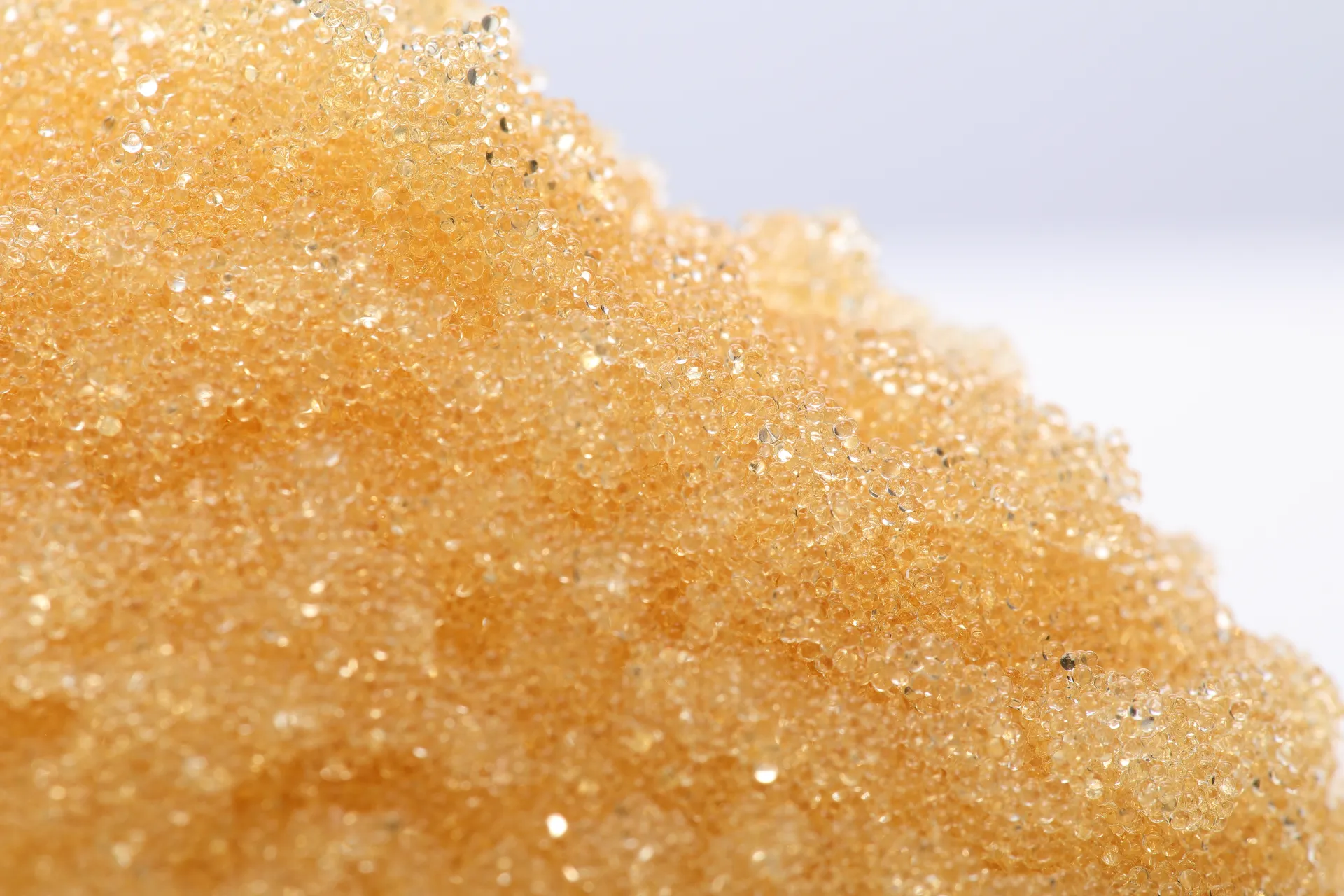
The D301G resin is characterized by its macroporous structure, which differs significantly from standard gel-type resins. This architecture provides a vast internal surface area and an open pore system, allowing for rapid ion diffusion and the capture of larger organic molecules that would otherwise clog the resin matrix. The functional group -N(CH3)2 ensures high selectivity and a strong weight exchange capacity of ≥4.8 mmol/g, making it an ideal candidate for high-load industrial applications.
From a materials science perspective, the crosslinking of polystyrene with divinylbenzene grants the beads exceptional mechanical strength. This prevents bead compression and attrition during repeated backwashing and regeneration cycles. Furthermore, the resin exhibits high chemical stability, remaining inert when exposed to strong acids, alkalis, and oxidizing agents, which is critical for the harsh environments found in hydrometallurgical plants and chemical processing facilities.
- High Porosity: Enhances kinetics and reduces the time required for ion exchange.
- Chemical Inertness: Resists degradation in strong HCl and NaOH regeneration solutions.
- Consistent Bead Geometry: Maintains a particle size range of 0.7~1.6 mm for optimal flow characteristics.

Strategic Applications in Hydrometallurgy and High-Purity Water Purification
The D301G resin finds its most critical applications in the recovery of precious and base metals. In gold and copper hydrometallurgy, the resin is employed to selectively adsorb metal-cyanide or metal-ammine complexes from leach liquors. Its ability to handle bio-hydrometallurgy and loop-hydrometallurgy processes allows mining operations to achieve higher recovery rates while reducing the volume of chemicals required for processing.
Beyond mining, the resin's versatility extends to water pollution control and pharmaceutical manufacturing. It is used to remove organic contaminants, colorants, and ionic impurities to meet stringent water quality standards. Because the food-grade versions comply with FDA standards and the company holds WQA and SGS certifications, D301G is safe for use in sensitive pharmaceutical and food-grade applications where purity and safety are the primary requirements.
In the field of blood perfusion and biopharmaceutical extraction, the resin's high exchange capacity and biocompatibility (where applicable) provide point-to-point solutions for the removal of specific toxins or the purification of active pharmaceutical ingredients (APIs), showcasing its adaptability from heavy industrial use to precision medicine.
Regeneration Performance and Operational Lifecycle Management
The economic viability of any ion exchange system depends on the efficiency of its regeneration cycle. D301G is designed for repeated operational cycles with minimal loss of capacity. The recommended regeneration process involves a sequence of 3~5% HCl followed by 2~4% NaOH, allowing the resin to be stripped of adsorbed ions and returned to its active state without degrading the polystyrene matrix.
Maintaining the resin's lifespan requires strict adherence to operating conditions. With a maximum operating temperature of 40℃ for OH forms and 100℃ for Cl forms, the D301G can be integrated into various thermal environments. Proper resin filling heights (1~3m) and operating velocities (2~10 BV/h) ensure uniform flow distribution, preventing channeling and maximizing the utilization of the entire resin bed.
By reducing the frequency of full resin replacement and minimizing chemical consumption during desorption, enterprises can significantly lower their operational costs. This focus on sustainable resource management aligns with modern environmental responsibilities, reducing the waste stream associated with spent resin disposal.
Technical Specifications and Operational Parameters of D301G
| Parameter | Specification Value | Test Standard/Condition | Industrial Impact |
|---|---|---|---|
| Weight Exchange Capacity | ≥4.8 mmol/g | Standard Lab Test | High ion loading capacity |
| Volume Exchange Capacity | ≥1.45 mmol/ml | Standard Lab Test | Reduced resin volume needed |
| Water Retention Capacity | 48% ~ 58% | Equilibrium State | Optimal fluid dynamics |
| Particle Size Range | 0.7 ~ 1.6 mm | ≥95% Uniformity | Low pressure drop in beds |
| Bulk Density | 0.65 ~ 0.72 g/ml | Loose Packing | Standardized vessel loading |
Evaluating Supplier Capabilities for Specialized Ion Exchange Resins
When selecting a manufacturer, technical specifications are only one part of the equation. The ability to provide customized resins for specialized needs is a key differentiator. Hebei Lijiang Biotechnology Co., Ltd. integrates a full R&D cycle—from synthesis and application testing to final inspection—under the guidance of industry experts like Professor Shi Zuoqing. This allows the company to adjust crosslinking density or functional group distribution based on the specific target ions of the client.
Quality assurance is further evidenced by a comprehensive certification portfolio. ISO9001 management certification ensures process consistency, while SGS and WQA certifications provide third-party validation of performance and safety. For those in the food and pharmaceutical sectors, FDA compliance is essential to avoid regulatory hurdles and ensure consumer safety.
A reliable supplier should also offer technical support for "point-to-point" solutions. This includes calculating the required resin volume, designing the regeneration sequence, and advising on vessel materials to prevent corrosion. Such holistic support transforms the resin from a simple commodity into a strategic component of the industrial workflow.
Future Trends in Functional Polymers and Sustainable Metal Recovery
The industry is moving toward "selective" ion exchange, where resins can distinguish between chemically similar ions in a complex mixture. The development of D301G represents a step in this direction, focusing on the intersection of high capacity and extreme stability. Future iterations of macroporous resins are expected to further reduce chemical usage during regeneration, moving toward greener, more biodegradable regenerants.
As the global demand for rare and precious metals increases, the role of ion exchange in "urban mining" and wastewater recovery becomes paramount. The ability to extract trace amounts of metals from low-concentration streams will define the next generation of high-performance resins. Hebei Lijiang is positioning its R&D center to lead these innovations, focusing on nano-coatings and advanced polymer synthesis to enhance selectivity.
For buyers, the trend is shifting from seeking the lowest initial cost to seeking the highest "lifecycle value." This means investing in resins that offer longer service lives and higher purity yields, which ultimately reduces the cost per gram of recovered metal or liter of purified water.
Frequently Asked Questions Regarding D301G Anion Resin
What makes macroporous resins superior to gel resins for hydrometallurgy?
Macroporous resins have a permanent pore structure that allows for faster diffusion of large ions and better resistance to organic fouling. In hydrometallurgy, this results in quicker adsorption kinetics and a longer operational life under harsh chemical conditions compared to gel resins.
Is the D301G resin suitable for food and pharmaceutical applications?
Yes, Hebei Lijiang produces food-grade and pharmaceutical-grade resins. These specific versions comply with US FDA standards and carry WQA international certification, ensuring they are safe for use in sensitive processes.
How do I determine the regeneration frequency for my system?
Regeneration frequency depends on the ionic load of your influent stream and the desired effluent purity. Typically, it is triggered when the "breakthrough point" is reached, where the target ions begin to appear in the effluent.
What is the impact of temperature on the resin's performance?
Temperature affects the rate of ion exchange and the stability of the functional groups. D301G can handle up to 40℃ in OH form and 100℃ in Cl form; exceeding these limits may lead to premature degradation of the resin beads.
Can D301G be customized for specific metal extraction?
Yes, Hebei Lijiang Biotechnology has a dedicated R&D center capable of customizing resin properties—such as porosity and functional group density—to meet the specific requirements of rare and precious metal extraction.
What are the typical causes of resin capacity loss over time?
Capacity loss is usually caused by "fouling" (accumulation of organic matter), chemical oxidation of the matrix, or physical attrition of the beads due to improper backwashing velocities.
Technical References and Industry Standards
- ISO 9001: Quality Management Systems Standards
- FDA Regulations for Food Contact Substances
- Water Quality Association (WQA) Certification Guidelines
- SGS Industrial Product Testing and Certification
Selecting the right ion exchange medium is a critical engineering decision. By combining high-performance specifications with rigorous international certifications, Hebei Lijiang Biotechnology Co., Ltd. ensures that your purification and recovery processes achieve maximum efficiency and sustainability. Contact our technical team for customized resin solutions tailored to your specific chemical environment.
Industry Insights and Technical Guides

Industrial Metal Recovery Guide for ion exchange companies

D403 Chelating Resin Performance and Anion Exchange Resin Price
Strong Acid Cation Exchange Resin 001×7


