


D403 Chelating Resin Performance and Anion Exchange Resin Price
Optimizing metal recovery in industrial wastewater requires a precise balance between selective adsorption and operational cost-efficiency. The Macroporous Styrene Chelating Resin D403 is engineered specifically for high-performance ion separation, offering a robust solution for capturing heavy and precious metals from complex aqueous streams. For procurement managers and process engineers, understanding the technical trade-offs—such as the relationship between resin capacity and the overall anion exchange resin price—is essential for maintaining sustainable purification workflows.
By leveraging a highly cross-linked polystyrene matrix, D403 provides exceptional stability in harsh chemical environments. Whether deployed in metallurgical leaching or pharmaceutical purification, this resin ensures high-purity recovery of ions like copper, nickel, and cobalt. This guide examines the operational advantages of D403 and how its integration into multi-stage systems can significantly reduce waste and enhance total metal yield.

Technical Architecture of Macroporous Styrene Chelating Resin D403
The D403 resin is characterized by its macroporous structure, which differs fundamentally from traditional gel-type resins. This architecture provides a significantly larger internal surface area, facilitating rapid diffusion of target metal ions into the polymer matrix. By incorporating strong chelating functional groups, the resin can selectively bind specific metallic cations even in the presence of high concentrations of competing salts, which is critical for industrial-grade purity.
From a material science perspective, the highly cross-linked polystyrene matrix ensures that the resin maintains its mechanical integrity under high pressure and varying temperatures. This durability translates to a longer service life, reducing the frequency of resin replacement and lowering the long-term cost of ownership. The resin is compatible with various column configurations, including weak anion exchange setups, allowing for flexible deployment based on the specific kinetics of the target metal recovery process.
- Selective Binding: Targeted capture of Cu, Ni, Co, and rare earth elements.
- Structural Stability: Resistant to degradation in aggressive chemical environments.
- Enhanced Kinetics: Macroporous design accelerates ion exchange rates.

Operational Synergy and System Integration
To maximize recovery rates, D403 is often utilized in synergy with other specialized resins. When integrated into multi-stage systems alongside resins like Amberlite IRA 900 or Amberlite XAD 2, the resulting purification chain can achieve near-complete removal of trace metals. This integrated approach allows operators to implement a "polishing" stage, where D403 removes the final remnants of metallic impurities to meet strict pharmaceutical or nuclear-grade standards.
Proper implementation requires careful consideration of the flow path. A standard processing sequence typically involves an alkali-water-acid-water cycle to ensure complete regeneration of the active sites. Furthermore, implementing pre-treatment steps such as flocculation, sand filtration, or multi-media filtration is imperative to prevent suspended solids from jamming the resin pores, which would otherwise lead to premature pressure drops and reduced adsorption efficiency.
Industrial Applications and Performance Outcomes
The versatility of the Macroporous Styrene Chelating Resin D403 makes it an essential component across several high-stakes industries. In hydrometallurgy, it is used to recover precious metals from leach liquors, transforming waste streams into value-added raw materials. In the biopharmaceutical sector, its high purity and compliance with FDA standards for food-grade applications make it suitable for the extraction of active medicinal ingredients and blood perfusion processes.
In high-purity water treatment and nuclear power applications, the resin's ability to handle extreme conditions ensures operational safety and reliability. By optimizing the column diameter ratio and using wet-packed loading techniques to eliminate air bubbles, plants can avoid bias currents and ensure uniform resin utilization. The result is a predictable, reproducible separation process that minimizes chemical consumption and maximizes the purity of the recovered metal concentrate.
Technical Specifications of Resin D403
| Property Parameter | Specification Value | Testing Standard | Performance Impact |
|---|---|---|---|
| Chelated Copper Capacity | ≥0.6 mmol/ml | Standard Analytical | High Adsorption Load |
| Bulk Density | 0.70~0.80 g/ml | Gravimetric | Column Volume Efficiency |
| Water Retention | 55%~65% | Saturation Method | Fluid Dynamics Stability |
| Particle Size Range | 0.315~1.25 mm | Sieve Analysis | Pressure Drop Control |
| Whole Bead Count | ≥95% | Visual/Mechanical | Reduced Fines/Clogging |
Procurement Considerations and Quality Assurance
When evaluating suppliers for chelating resins, procurement managers must look beyond the initial unit price. The total cost of ownership is determined by the resin's exchange capacity, mechanical durability, and the efficiency of the regeneration cycle. A resin with higher selectivity and lower degradation rates will ultimately reduce operational expenses by extending the time between bed replacements and reducing the volume of regenerant chemicals required.
Hebei Lijiang Biotechnology ensures that all D403 products undergo rigorous quality control, holding certifications such as ISO9001, SGS, and WQA. For applications in the food and pharmaceutical industries, FDA compliance is a non-negotiable requirement. Buyers should verify that the resin is supplied in a wet state and stored above 0°C to prevent bead cracking, and ensure that transportation protocols include anti-freezing measures to preserve the structural integrity of the spherical beads.
Future Trends in Metal Recovery and Resin Innovation
The industry is shifting toward "circular metallurgy," where the goal is zero-liquid discharge and maximum resource recovery. This evolution drives the demand for resins with even higher selectivity for rare earth elements and critical minerals used in green energy technologies. The development of customized resins—tailored to the specific pH and ionic strength of a client's waste stream—is becoming the standard for high-efficiency operations.
Looking forward, the integration of smart monitoring systems within ion exchange columns will allow for real-time tracking of breakthrough curves. By combining the physical performance of resins like D403 with digital twins, operators can optimize regeneration cycles precisely when the capacity is exhausted, further reducing chemical waste and enhancing the sustainability of the metal recovery process.
Frequently Asked Questions on Chelating Resin D403
What is the primary difference between D403 and standard anion exchange resins?
Unlike standard resins that rely on simple electrostatic attraction, D403 uses chelating functional groups to form coordinate bonds with metal ions, providing much higher selectivity for heavy metals in complex solutions.
How should D403 resin be stored for long-term use?
Resin should be kept in a wet state at temperatures above 0°C. For long-term storage, it should be placed in a closed container or immersed in a salt solution of 5% or higher to prevent dehydration and biological growth.
Can D403 be used in food-grade applications?
Yes, Hebei Lijiang Biotechnology produces D403 that complies with FDA standards, making it suitable for food-grade and pharmaceutical-grade purification processes.
What pre-treatment is necessary before liquid enters the resin column?
To prevent pore clogging, liquids should undergo flocculation, filtration, or sand-filtration to remove suspended solids before contacting the resin bed.
How does the macroporous structure affect the ion exchange process?
The macroporous structure provides a larger surface area and easier access for target ions, which accelerates the adsorption kinetics and improves the overall recovery rate compared to gel resins.
What factors influence the actual anion exchange resin price for industrial bulk orders?
The price is typically influenced by the required purity grade (industrial vs. pharmaceutical), the volume of the order, and any customization needs for specific ion selectivity or bead size.
Technical References and Further Reading
- ISO 9001 Quality Management Systems Standards
- FDA Regulations for Food Contact Substances
- Water Quality Association (WQA) Certification Guidelines
- Chemical Properties of Polystyrene-based Ion Exchange Resins
Selecting the right chelating resin is a critical decision that impacts both the purity of your final product and the operational costs of your facility. By focusing on technical specifications like exchange capacity and mechanical stability, you can ensure a sustainable and efficient metal recovery process.
Related Technical Resources

Industrial Metal Recovery Guide for ion exchange companies
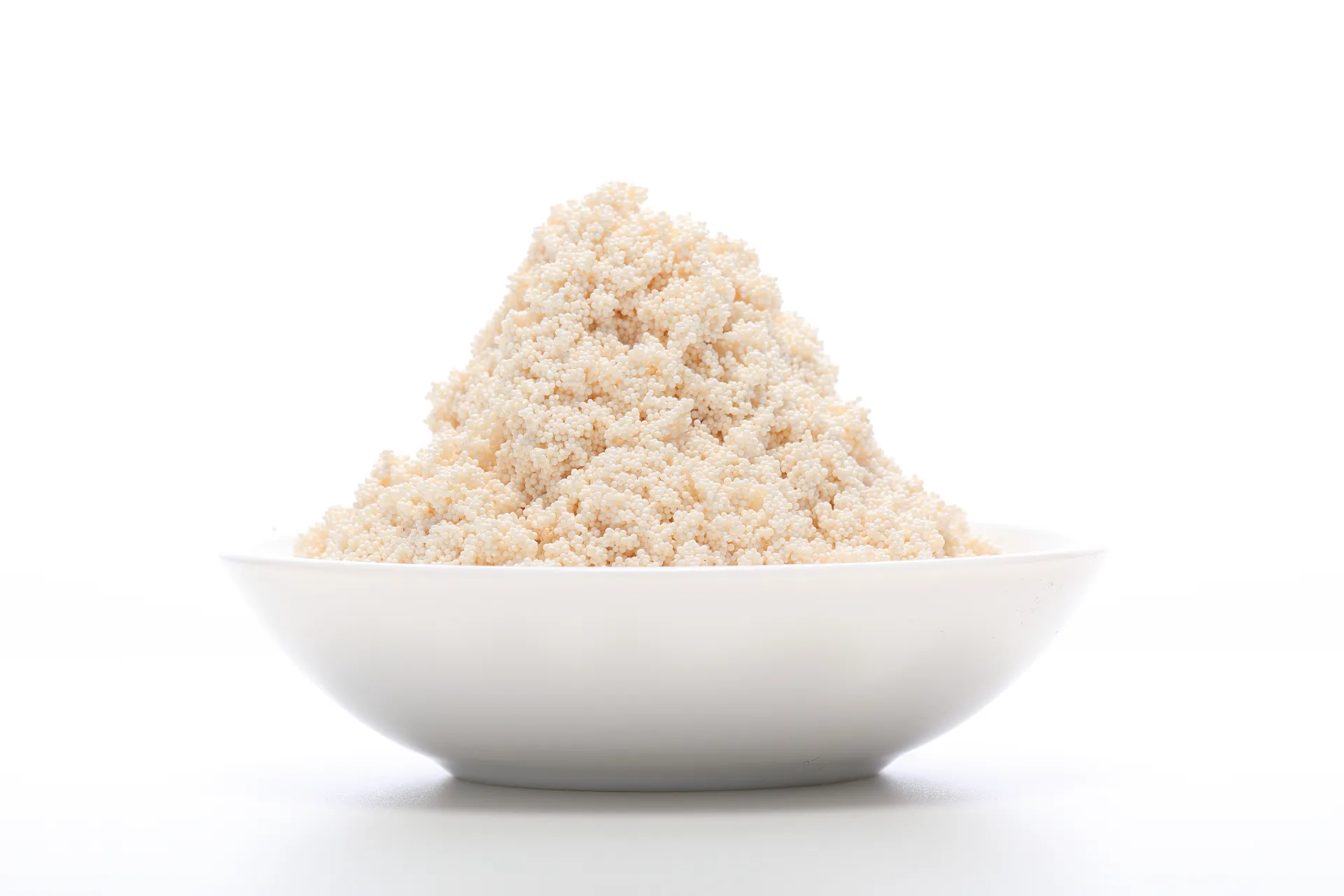
Strong Base Anion Exchange Resin 201W
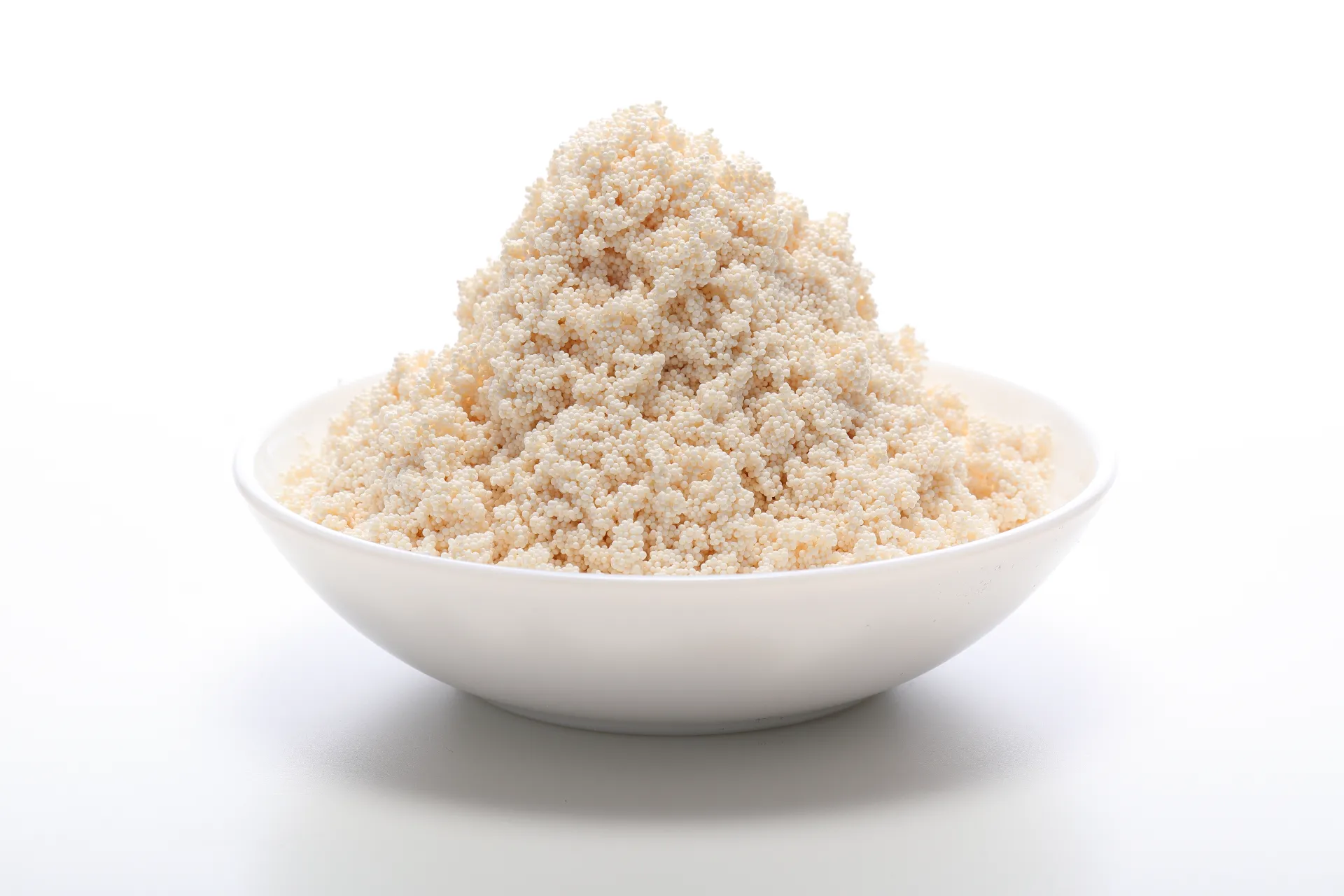
Macroporous Strong Basic Anion Exchange Resin D201 U


