Industrial Metal Recovery Guide for ion exchange companies
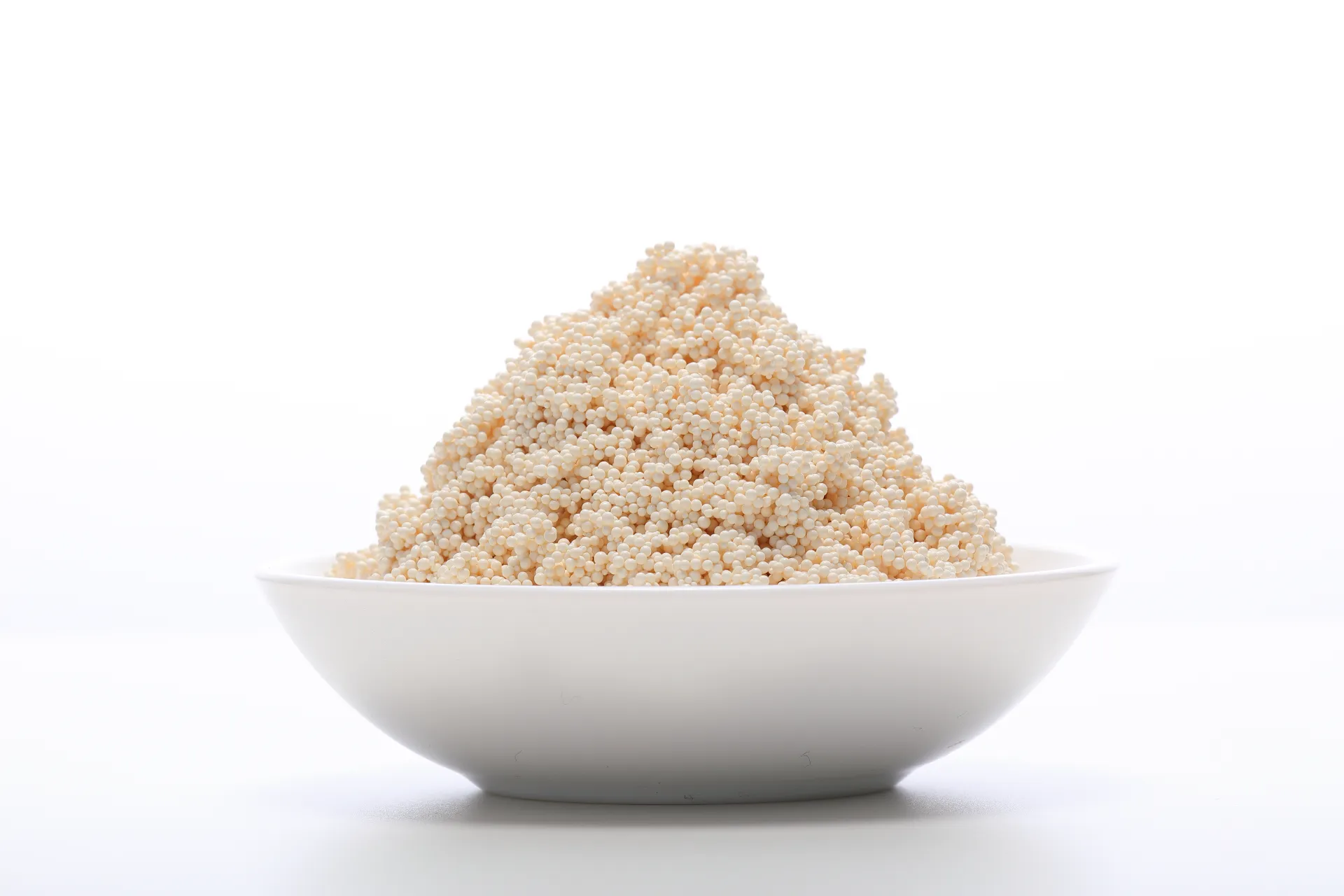
Selecting the right chelating resin is critical for industries requiring high-precision metal recovery and ultra-pure water treatment. Macroporous Styrene Chelating Resins, such as the CH520 and D403 series, provide the selective binding capabilities necessary to isolate specific heavy metals and precious elements from complex aqueous streams. Unlike standard resins, these high-performance materials utilize a cross-linked polystyrene matrix to ensure mechanical stability and rapid ion diffusion.
For engineers and procurement managers evaluating ion exchange companies, the focus typically shifts toward selectivity coefficients and operational longevity. Whether the goal is removing trace contaminants in pharmaceutical production or recovering cobalt and nickel in metallurgical plants, the integration of specialized macroporous structures allows for higher throughput and reduced chemical consumption during regeneration cycles. This guide explores the technical deployment and comparative advantages of these advanced resins in industrial purification.

Technical Architecture of Macroporous Styrene Chelating Resins CH520 and D403
The performance of CH520 and D403 resins is rooted in their macroporous polystyrene matrix. This structure creates a high internal surface area, which significantly lowers the mass transfer resistance for target ions. By facilitating rapid diffusion, these resins achieve faster adsorption kinetics compared to gel-type resins, making them highly efficient for high-flow industrial operations.
From a chemical standpoint, these resins are engineered for extreme selectivity. They are specifically designed to bind heavy metals—including copper, nickel, cobalt, and rare earth elements—even in the presence of high concentrations of alkali or alkaline earth metals. The stability of the styrene-divinylbenzene framework ensures that the resin can withstand repeated regeneration cycles without significant loss of capacity or physical degradation.
- CH520: Optimized for mechanical strength and thermal stability, suitable for high-throughput industrial recovery.
- D403: Engineered for fine polishing and the removal of trace metal contaminants in ultra-pure applications.

Optimizing Industrial Separation and Metal Recovery Workflows
Integrating CH520 and D403 into a multi-stage separation system allows operators to maximize recovery rates while minimizing waste. In many advanced configurations, these chelating resins are used in conjunction with Amberlite IRA 410 or Amberlite XAD to create a synergistic effect, where one stage handles bulk removal and the subsequent stage performs precision polishing.
The versatility of these resins allows them to function as high-performance alternatives to traditional strong base or weak base anion exchange resins in specific metallurgy and chemical purification scenarios. By utilizing the selective chelation mechanism, industries can recover valuable precious metals from waste streams, transforming environmental liabilities into economic assets.
Key operational benefits include:
- Reduced Chemical Footprint: Higher selectivity means fewer regeneration chemicals are required to strip target ions.
- Process Reliability: Consistent ion-binding capacity ensures stable effluent quality even with fluctuating feed concentrations.
- Operational Flexibility: Compatibility with various column configurations and flow paths (alkali-water-acid-water).
Engineering Considerations for Resin Column Deployment
To maintain the integrity of the resin bed and ensure optimal ion exchange, several engineering precautions must be observed. Proper pre-treatment is essential; steps such as flocculation, sand filtration, or micro-filtration should be implemented to prevent suspended solids from jamming the resin pores, which would otherwise lead to pressure drops and channeling.
During installation, the column diameter ratio must be carefully calculated to avoid bias currents. It is recommended to use wet-packed columns or implement back-flushing to eliminate air bubbles within the resin layer, as air pockets can create preferential flow paths and reduce the effective exchange volume.
Furthermore, the transformation expansion rate must be factored into the column headspace design to prevent resin overflow during regeneration. For long-term storage or periods of inactivity, resins should be maintained in a wet state, ideally with a 5% salt solution to prevent dehydration and agglomeration.
Technical Specifications and Performance Metrics
| Specification Parameter | Technical Requirement | Test Method/Standard | Operational Impact |
|---|---|---|---|
| Weight Exchange Capacity | ≥ 4.5 mmol/g | Standard Titration | Determines total ion loading capacity |
| Volume Exchange Capacity | ≥ 1.9 mmol/ml | Volumetric Analysis | Affects column size and throughput |
| Water Retention Capacity | 55% ~ 65% | Gravimetric Method | Influences hydraulic permeability |
| Particle Size Range | 0.315 ~ 1.25 mm (≥95%) | Sieve Analysis | Impacts pressure drop and flow rate |
| Whole Bead Count | ≥ 95% | Visual/Mechanical Inspection | Prevents fines and column clogging |
Compliance and Quality Assurance in Resin Manufacturing
Quality consistency is the primary driver of operational success in chemical processing. Hebei Lijiang Biotechnology ensures that all resin production adheres to a total quality management system, covering everything from raw material procurement to final batch inspection. This rigorous approach is validated by certifications including ISO9001, SGS, and WQA (Water Quality Association).
For applications in the food and pharmaceutical industries, compliance with FDA standards is mandatory. The food-grade resin variants are produced under strict hygienic conditions and hold national food hygiene licenses, ensuring that no harmful leachables enter the product stream. This commitment to safety makes these resins suitable for blood perfusion and biopharmaceutical extraction.
The R&D center, led by industry experts like Professor Shi Zuoqing, utilizes specialized synthesis and application laboratories to customize resins for specific client needs. This capability allows for the development of point-to-point solutions where standard resins fail to meet the required selectivity or durability markers.
Procurement Strategy for Industrial Ion Exchange Media
When evaluating potential suppliers among various ion exchange companies, procurement managers should look beyond the initial price per liter. The true cost of ownership is determined by the regeneration frequency, resin lifespan, and selectivity efficiency. A resin with higher initial cost but superior mechanical strength (like CH520) often results in lower operational expenditure due to reduced downtime and replacement costs.
Customization is another critical factor. Specialized applications—such as rare precious metal extraction or nano-coating materials—often require specific functional groups or pore size distributions. Partnering with a manufacturer that integrates R&D with production allows for the optimization of the resin's ionic form (e.g., Na+ form) and physical properties to match the specific chemistry of the feed stream.
Finally, ensure that the supplier provides comprehensive technical support, including guidance on flow paths (alkali-water-acid-water) and regeneration protocols. This technical partnership ensures that the resin performs at its theoretical peak, maximizing the ROI of the purification system.
Frequently Asked Questions on Chelating Resins
What is the difference between CH520 and D403 resins?
CH520 is engineered for high mechanical strength and thermal stability, making it ideal for high-throughput industrial metal recovery. D403 is optimized for high selectivity and precision, specifically for polishing and removing trace metal contaminants in ultra-pure water or chemical solutions.
How should chelating resins be stored to prevent degradation?
Resins must be kept in a wet state. For long-term storage, they should be placed in a closed container with a salt solution of 5% or higher. Storage temperatures should be maintained above 0°C to prevent freezing, and heavy objects should not be placed on the resin to avoid crushing the beads.
Can these resins be used for food-grade applications?
Yes, Hebei Lijiang Biotechnology produces food-grade resins that comply with US FDA standards and hold national food hygiene licenses, making them safe for food and pharmaceutical processing.
What pre-treatment is required before the liquid enters the resin column?
To prevent pore clogging and pressure buildup, the liquid stream should undergo flocculation, sand filtration, or micro-filtration to remove suspended solids before entering the resin bed.
What is the typical regeneration flow path for these resins?
The general processing sequence required is an alkali-water-acid-water flow path. For highly strict purity requirements, three complete circulations are recommended before the resin reaches the final ion kernel stage.
How do I prevent resin overflow during the regeneration process?
You must account for the specific expansion rate of the resin during chemical transformation. Adequate headspace must be left in the column to accommodate this expansion and maintain the appropriate liquid level height.
Technical References and Industry Standards
- ISO 9001: Quality Management Systems Standards
- US FDA Guidelines for Food Contact Substances
- Water Quality Association (WQA) Certification Standards
- PubChem Database for Polystyrene Cross-linking Properties
For professional consultation on resin selection or customized ion exchange solutions for your specific industrial application, contact our technical engineering team to ensure maximum recovery efficiency and compliance with international purity standards.
Related Technical Resources