Advanced chelating resin Solutions for Bahrain Industrial Water Treatment

Providing high-performance ion exchange technology tailored for the unique saline and petrochemical environments of the Kingdom of Bahrain.

Advanced chelating resin Solutions for Bahrain Industrial Water Treatment

Optimizing chemical purity and wastewater recovery in Bahrain's industrial hubs through precision-engineered resin media for maximum ion selectivity.

Current Landscape of Ion Exchange in Bahrain

Addressing the challenges of high salinity and extreme heat in the Gulf region.

In Bahrain, the industrial sector is heavily dominated by aluminum smelting and petrochemical refining. The prevalence of high-salinity groundwater and the extreme arid climate necessitate the use of robust ion exchange resin systems that can withstand osmotic stress and thermal fluctuations without losing functional capacity.

The current market trend shows a significant shift toward selective removal of heavy metals from industrial effluents. As environmental regulations in Bahrain tighten, companies are increasingly adopting special resin grades to target specific contaminants like nickel and copper, ensuring compliance with local wastewater discharge standards.

Water scarcity in the region has pushed the demand for high-efficiency desalination pre-treatment. The integration of advanced bed resin technology is now critical for removing boron and silica, which otherwise foul expensive reverse osmosis membranes used across the island's utilities.
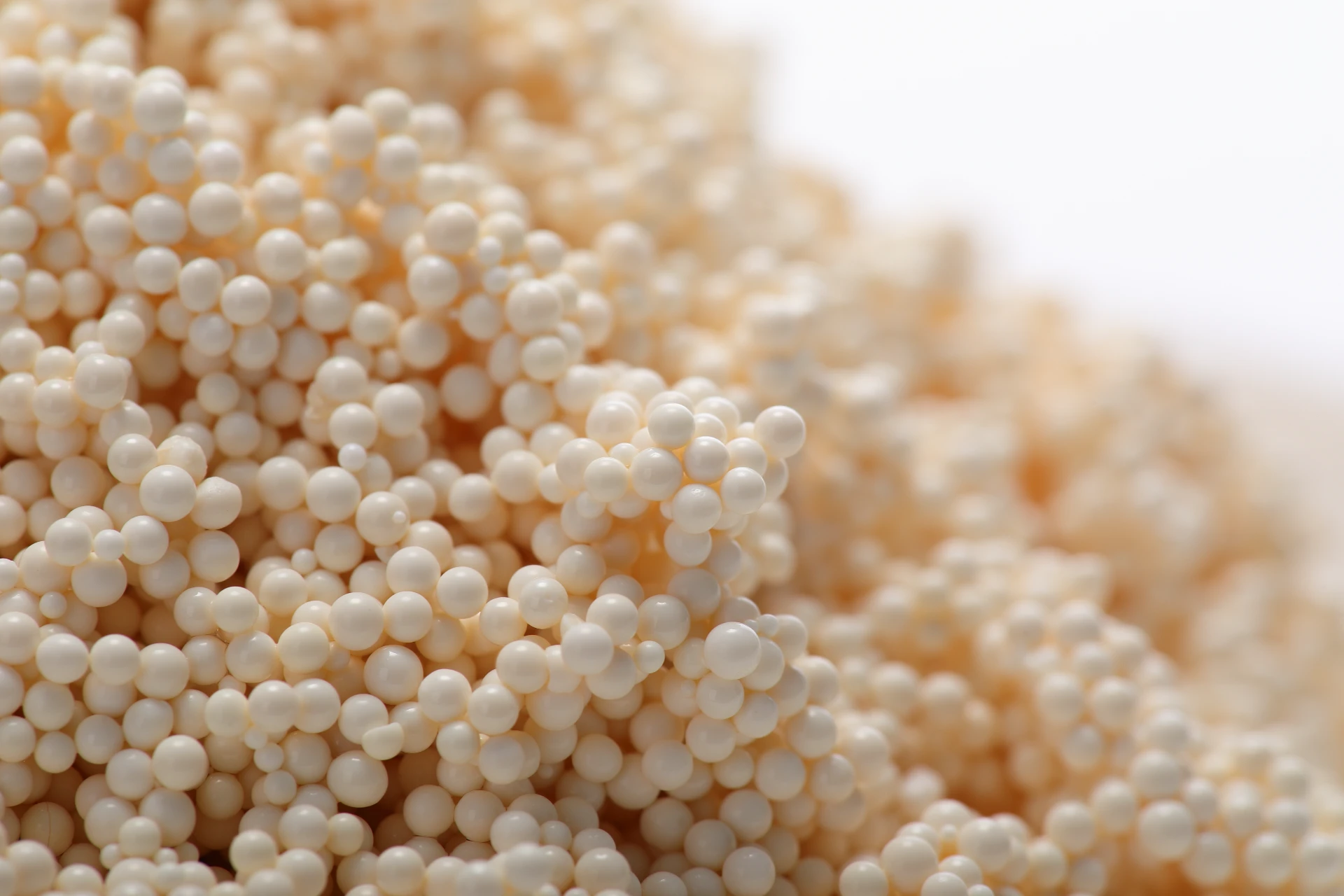
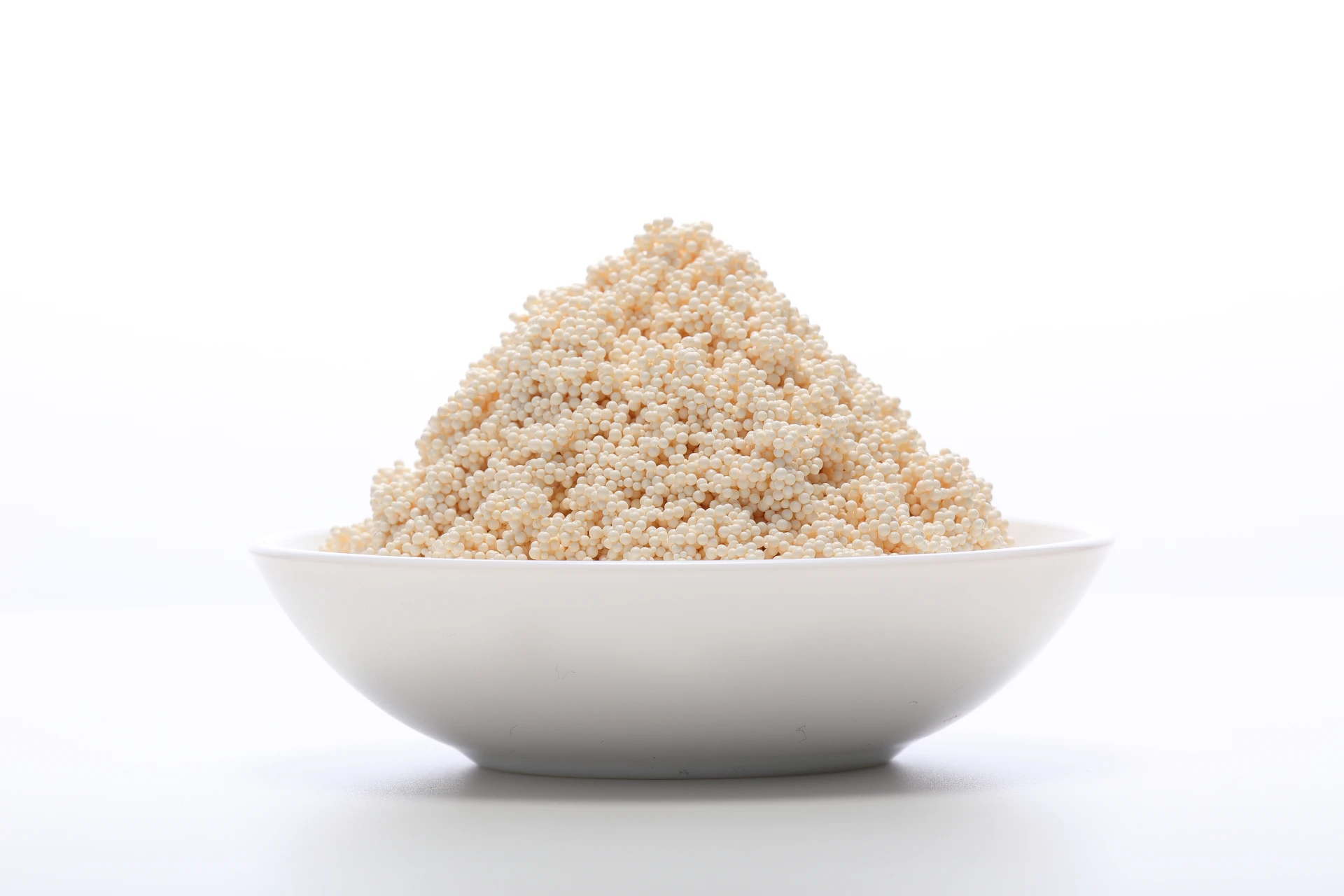
Evolution and Trajectory of Resin Technology

From basic softening to high-selectivity molecular separation.

Market Development History

During the 1990s, the Bahraini market relied primarily on generic strong acid and strong base resins for simple water softening and basic demineralization, focusing on bulk ion removal rather than precision.

By the 2010s, the emergence of the "Specialized Era" saw the introduction of mixed bed di resin systems. This allowed industries to achieve ultra-pure water standards (UPW) required for the expansion of high-tech manufacturing and pharmaceutical labs in the region.

From 2020 to the present, the focus has shifted toward "Sustainability and Selectivity." The deployment of chelating functional groups has allowed for the recovery of precious metals from waste streams, turning waste management into a resource recovery process.

Future Development Trends

Nano-Composite Resin Integration

Integration of nano-materials into the polymer matrix to increase exchange capacity and kinetic speed, reducing the physical footprint of treatment plants.

Smart Regeneration Cycles

AI-driven sensing to determine the exact point of resin exhaustion, reducing chemical waste during the regeneration of bed media.

Extreme Temperature Resilience

Development of resins capable of operating at temperatures exceeding 80°C to eliminate the need for costly cooling stages in petrochemical processes.

Industry Trends & Future Outlook

Strategic projections for the synthetic materials sector in Bahrain.

Circular Economy Integration
Transitioning from disposable resin use to long-lifecycle regenerative media to minimize landfill waste in Bahrain.
Zero Liquid Discharge (ZLD)
Using high-capacity resins to concentrate brines, enabling complete water recovery in aluminum plants.
Selective Heavy Metal Recovery
Advanced chelating ligands that can isolate specific ions from complex industrial cocktails.
Desalination Synergy
Synergizing ion exchange with RO and EDI systems for sustainable municipal water supply.

Industry Outlook

Google search trends indicate a rising interest in "Sustainable Water Treatment" and "Industrial Waste Recovery" within the GCC region. This suggests that Bahraini enterprises are moving away from simple filtration toward sophisticated chemical separation technologies.

Over the next 3-5 years, we expect the adoption of specialty resins to grow by 15% annually, driven by the Kingdom's Vision 2030 goals of industrial diversification and environmental protection.

Localized Application Scenarios in Bahrain

Real-world implementations of resin technology across Bahrain's key sectors.

1. Aluminum Smelting Process Water Purification

Using specialized ion exchange to remove fluoride and aluminum ions from process water to prevent equipment corrosion and ensure the purity of the smelting line.

2. Petrochemical Effluent Treatment

Implementing high-selectivity resins to remove trace heavy metals from refinery wastewater, allowing the water to be recycled within the plant loop.

3. Municipal Desalination Pre-treatment

Utilizing bed resin systems to eliminate problematic ions that cause scaling in reverse osmosis membranes, increasing the operational life of desalination plants.

4. Power Plant Boiler Feed Water

Deployment of mixed bed di resin to produce ultra-low conductivity water, preventing scale buildup in high-pressure steam boilers.

5. Pharmaceutical Grade Water Production

Integrating multiple stages of ion exchange to meet stringent WHO and local health standards for purified water used in medicine manufacturing.

Brand Story

Global Development Journey of Hebei Lijian Biological Technology Co., Ltd.

Foundational Excellence

Established with a focus on polymer chemistry, we began by solving basic ion exchange challenges for regional industrial players.

Technological Breakthrough

Invested in R&D to develop advanced chelating ligands, enabling the precise removal of heavy metals from complex waste streams.

Global Expansion

Expanded our footprint to the Middle East, tailoring our resin matrices to handle the high-salinity conditions of the Gulf region.

Sustainability Leadership

Pioneered eco-friendly regeneration methods, reducing the chemical footprint of water treatment processes globally.

Future Vision

Our mission is to provide the "Heart of Pure Water" for every industrial facility in Bahrain through continuous resin innovation.

Comprehensive Resin Portfolio for Bahrain

A full suite of synthetic materials engineered for the most demanding industrial environments.

Bahrain Industrial Resin FAQ

Technical answers to common challenges in ion exchange applications.

How to choose the right chelating resin for high-salinity wastewater in Bahrain?

You should select a resin with a high selectivity coefficient for the target metal over sodium ions. Iminodiacetic acid functional groups are generally recommended for Bahrain's saline environments.

What is the typical lifespan of a mixed bed di resin in a power plant setting?

Depending on the influent water quality and regeneration frequency, a high-quality mixed bed can last 3-5 years before significant capacity loss occurs.

Can special resin grades handle the high temperatures found in petrochemical refineries?

Yes, we offer thermally stable resin matrices designed specifically for hot-water applications to prevent polymer degradation.

How does the bed resin configuration affect the efficiency of boron removal?

A layered bed configuration with specific boron-selective resins ensures maximum capture and prevents premature breakthrough in desalination pre-treatment.

What are the signs that an ion exchange resin requires immediate regeneration?

Monitor the effluent conductivity and pH. A sharp rise in conductivity or a shift in pH indicates that the resin's exchange sites are exhausted.

How to prevent organic fouling of resins in Bahrain's industrial water?

Implementing an organic scavenger resin pre-filter is the most effective way to protect downstream ion exchange units from organic fouling.

Expert Resin Consultation for Bahrain

Our technical team is ready to optimize your water treatment processes in Bahrain. Get a customized resin analysis today.

Contact Us Now

If you are interested in our products, you can choose to leave your information here, and we will be in touch with you shortly.