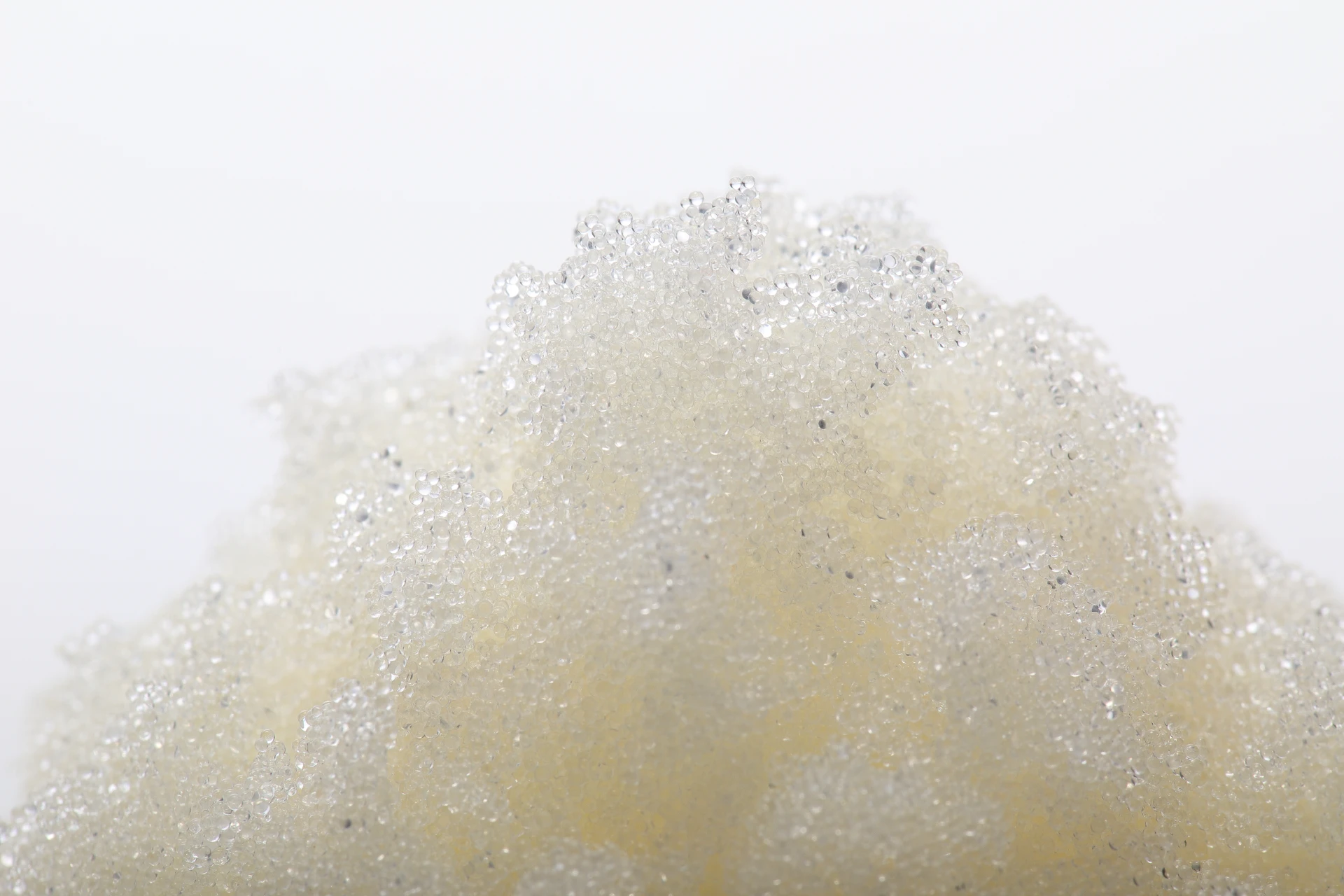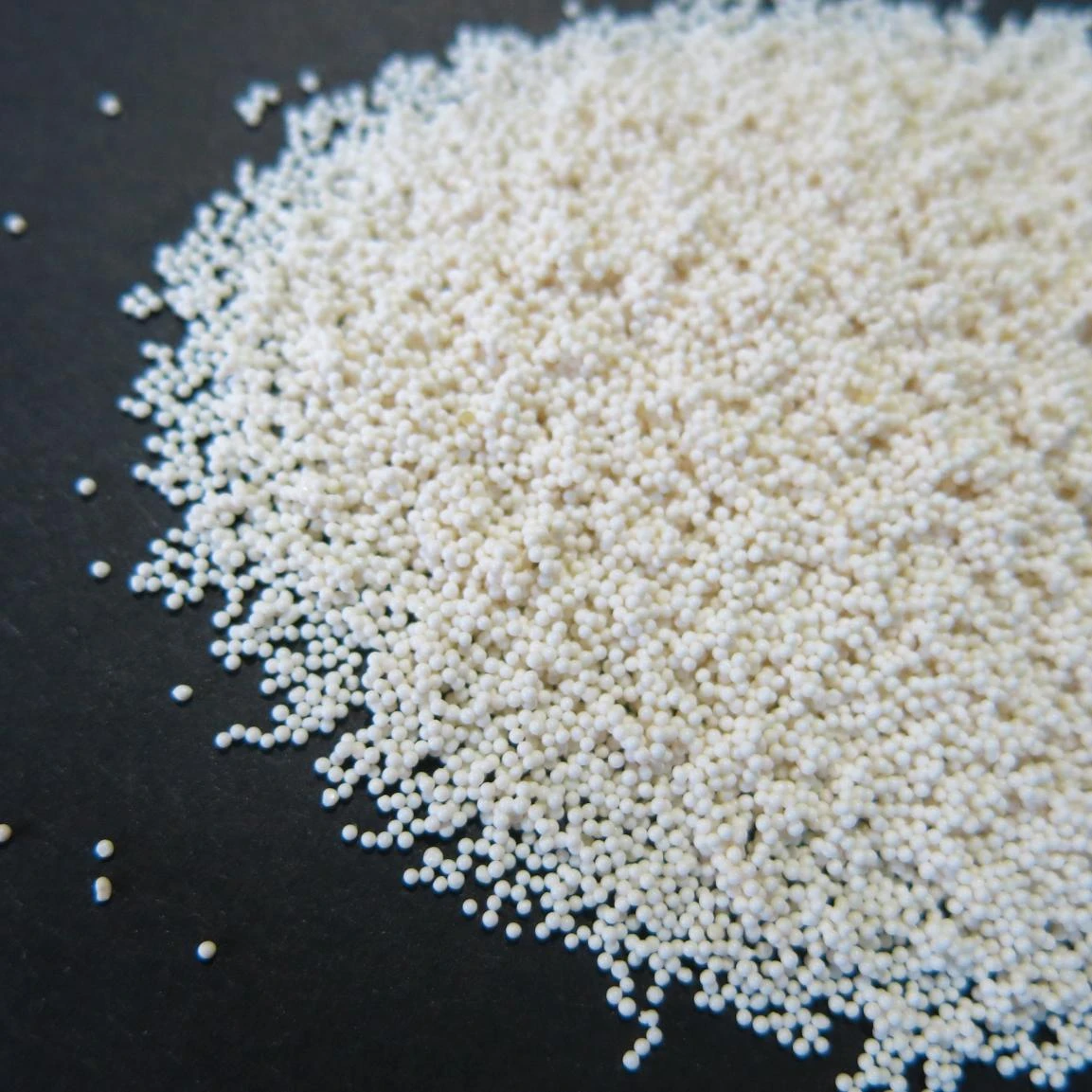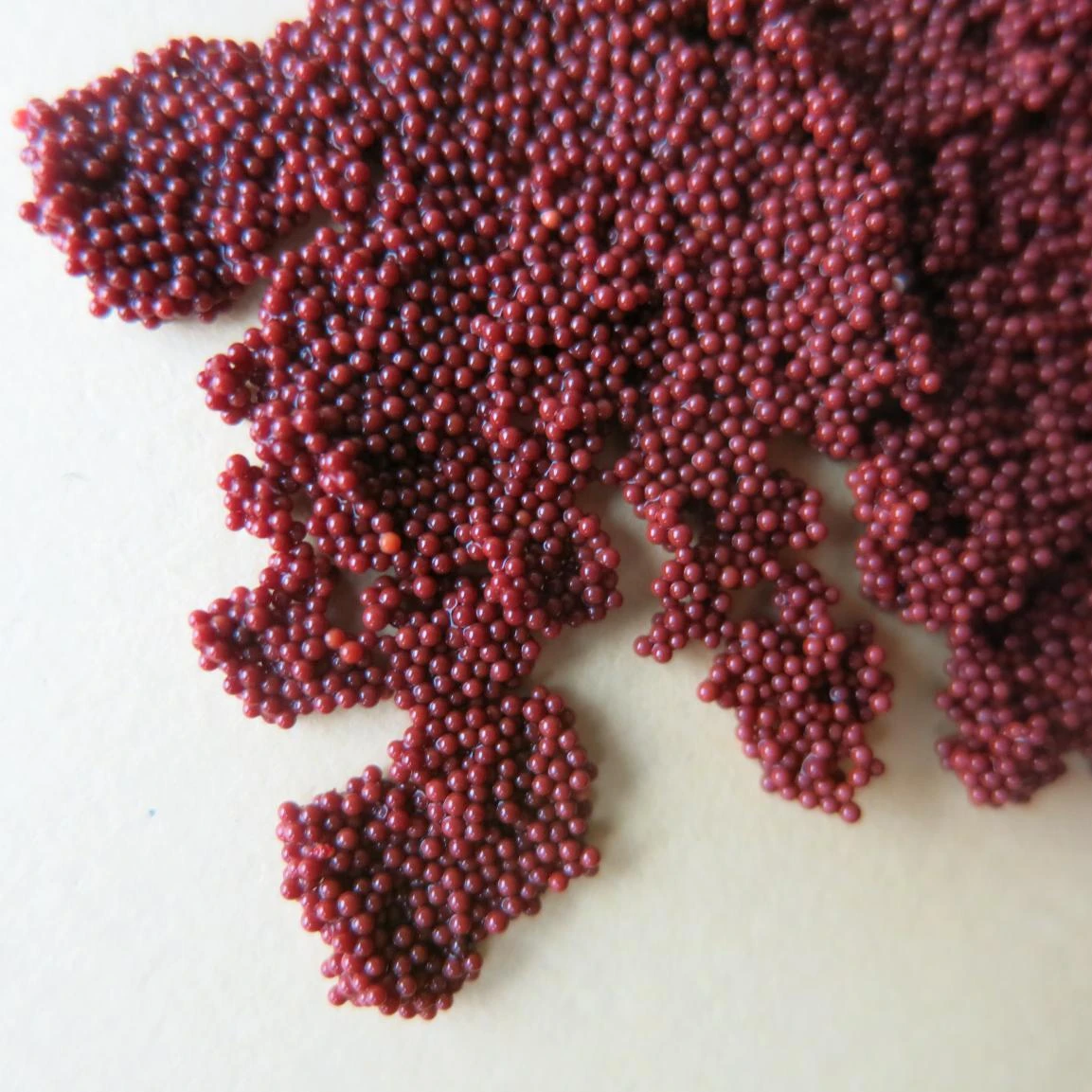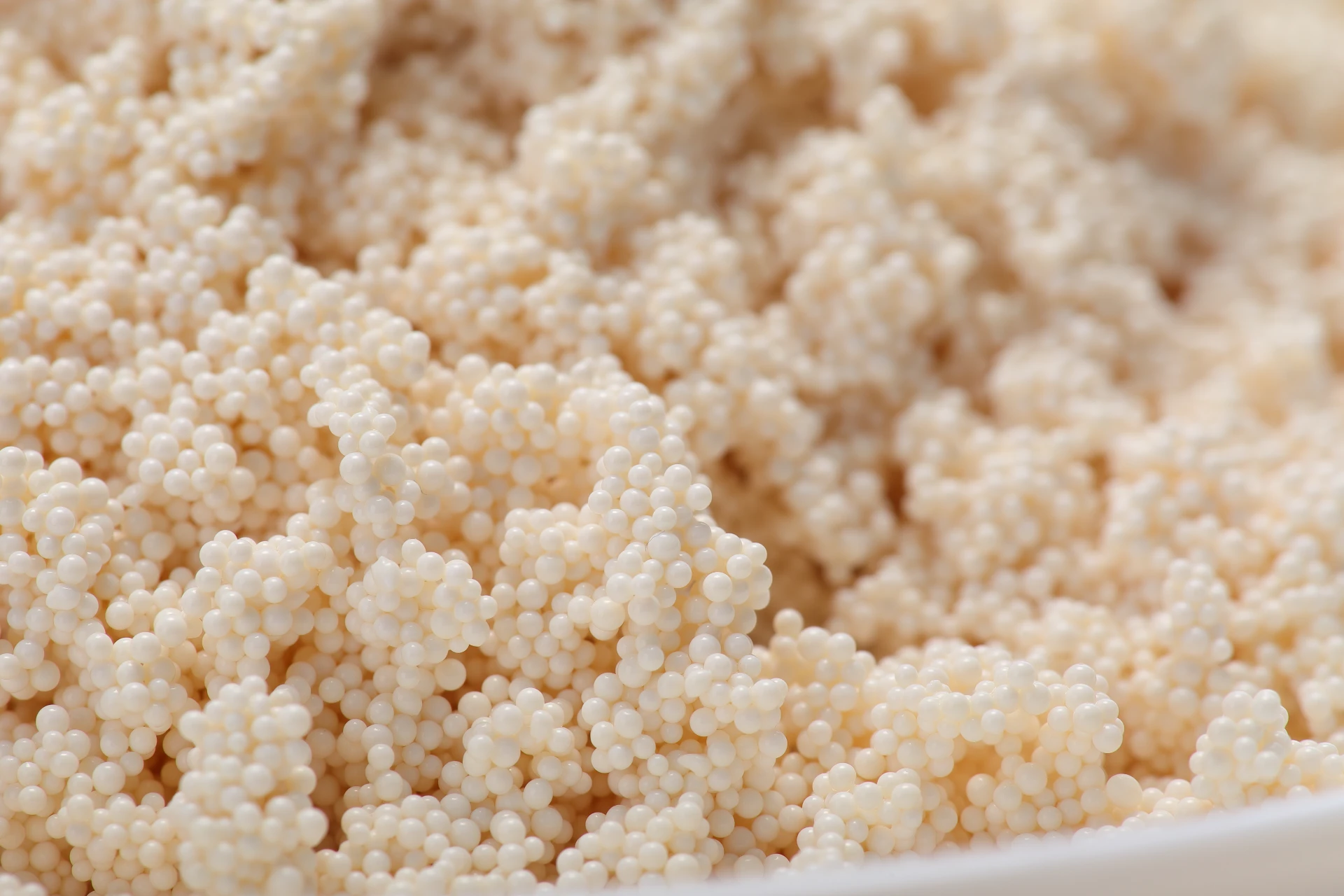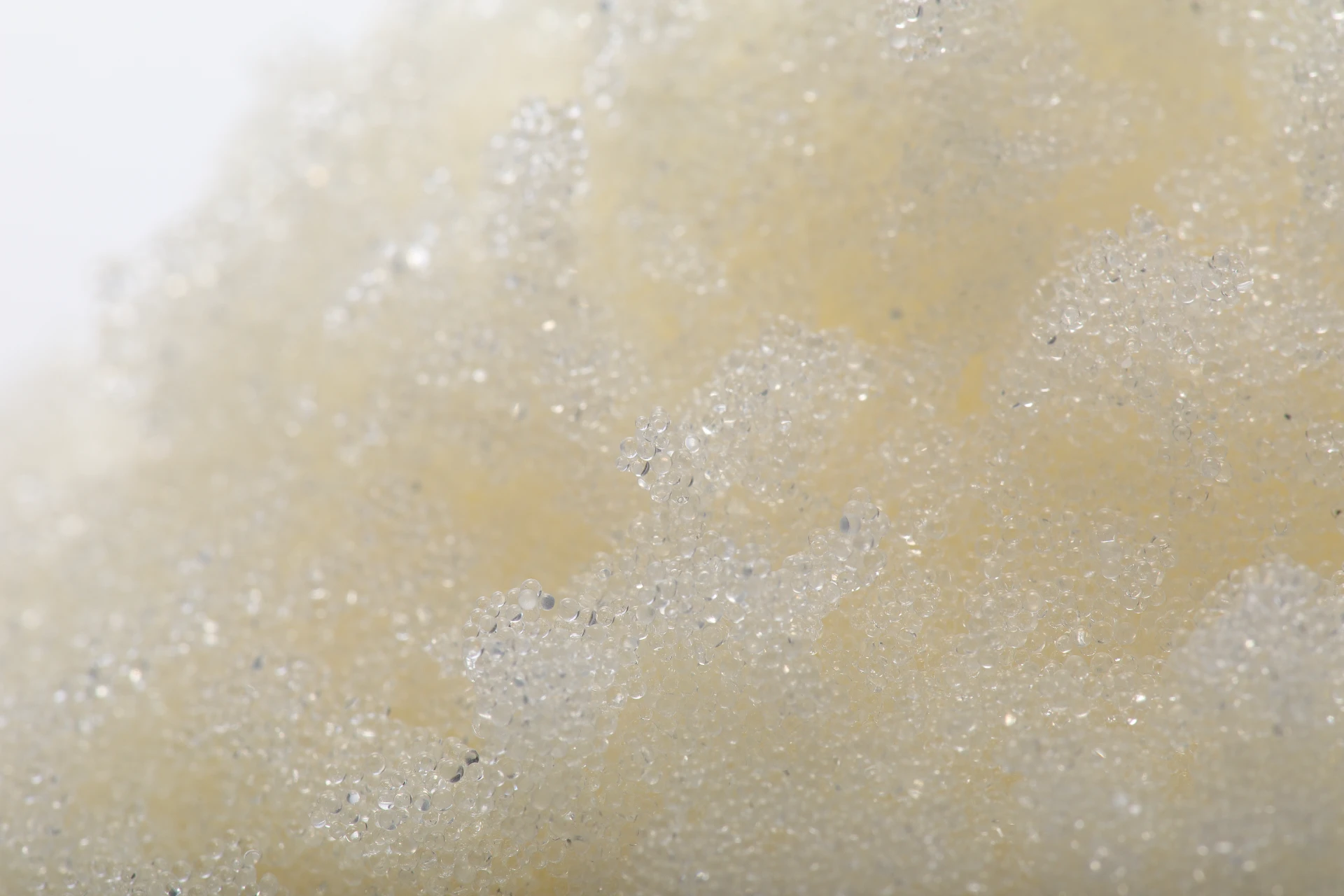
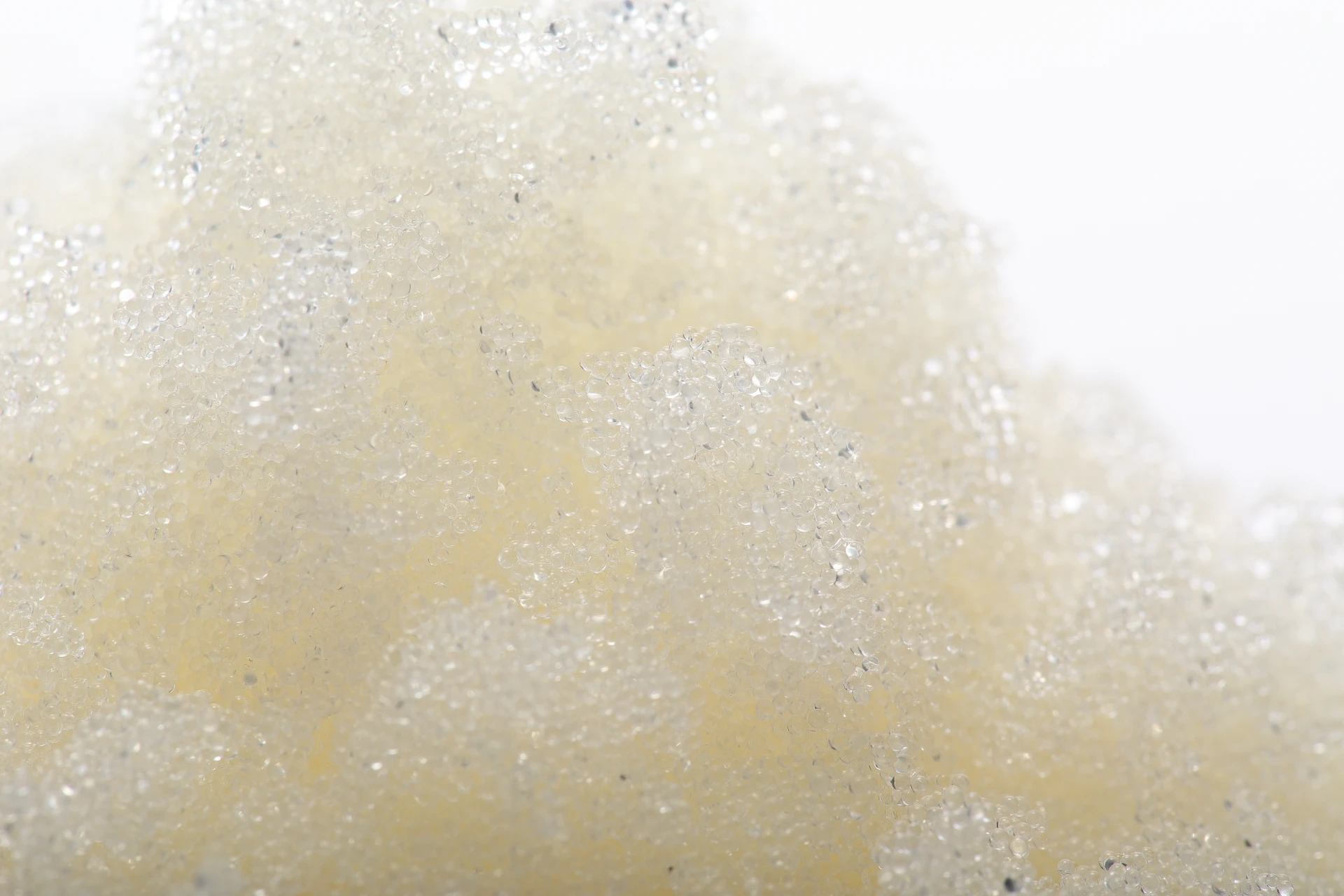
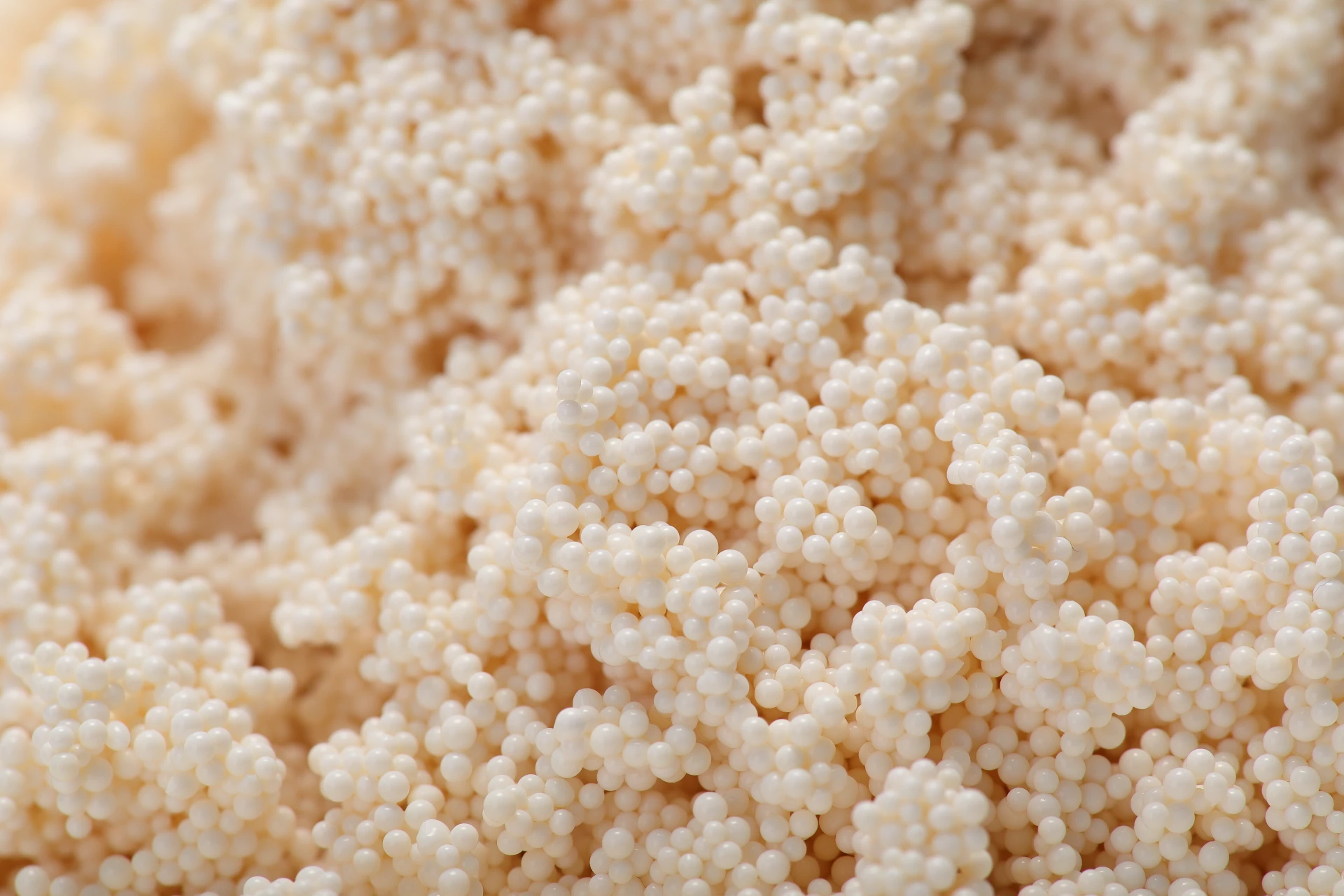
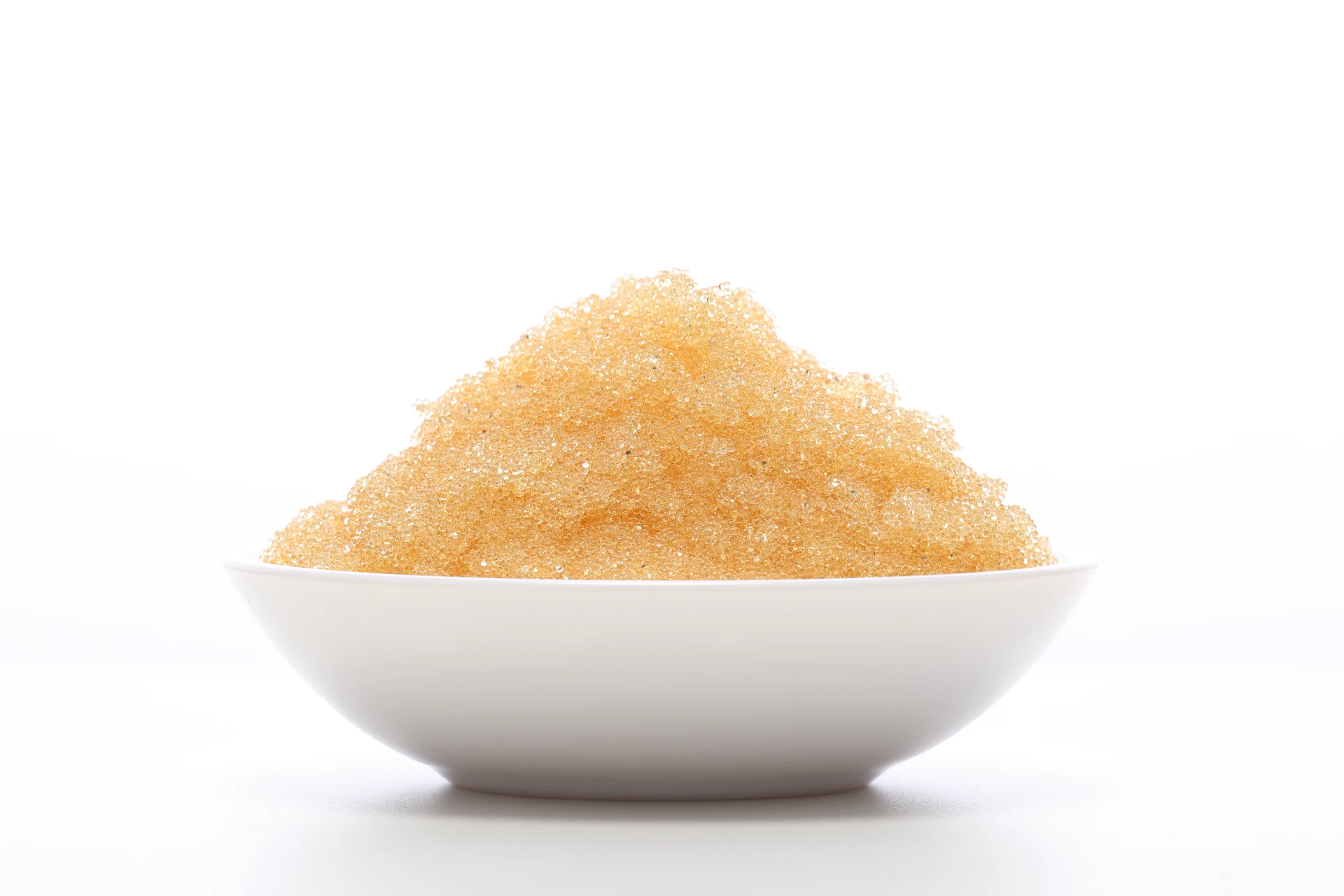
In Bangladesh, the industrial landscape is dominated by the textile, pharmaceutical, and leather tanning sectors. These industries face significant challenges due to the high mineral content of local groundwater and the necessity for ultra-pure water. The adoption of ion exchange resin has become critical for ensuring production quality and meeting strict effluent discharge regulations.
Geographically, the deltaic nature of Bangladesh leads to varying concentrations of iron, manganese, and arsenic in the water supply. This requires a shift from generic filtration to highly selective special resin applications that can target specific contaminants without sacrificing the capacity of the system.
Economically, there is a growing demand for cost-effective regeneration cycles. Bangladeshi factories are moving away from simplistic softening and toward sophisticated mixed bed di resin systems to achieve the electrical conductivity levels required for high-end pharmaceutical synthesis and electronics manufacturing.