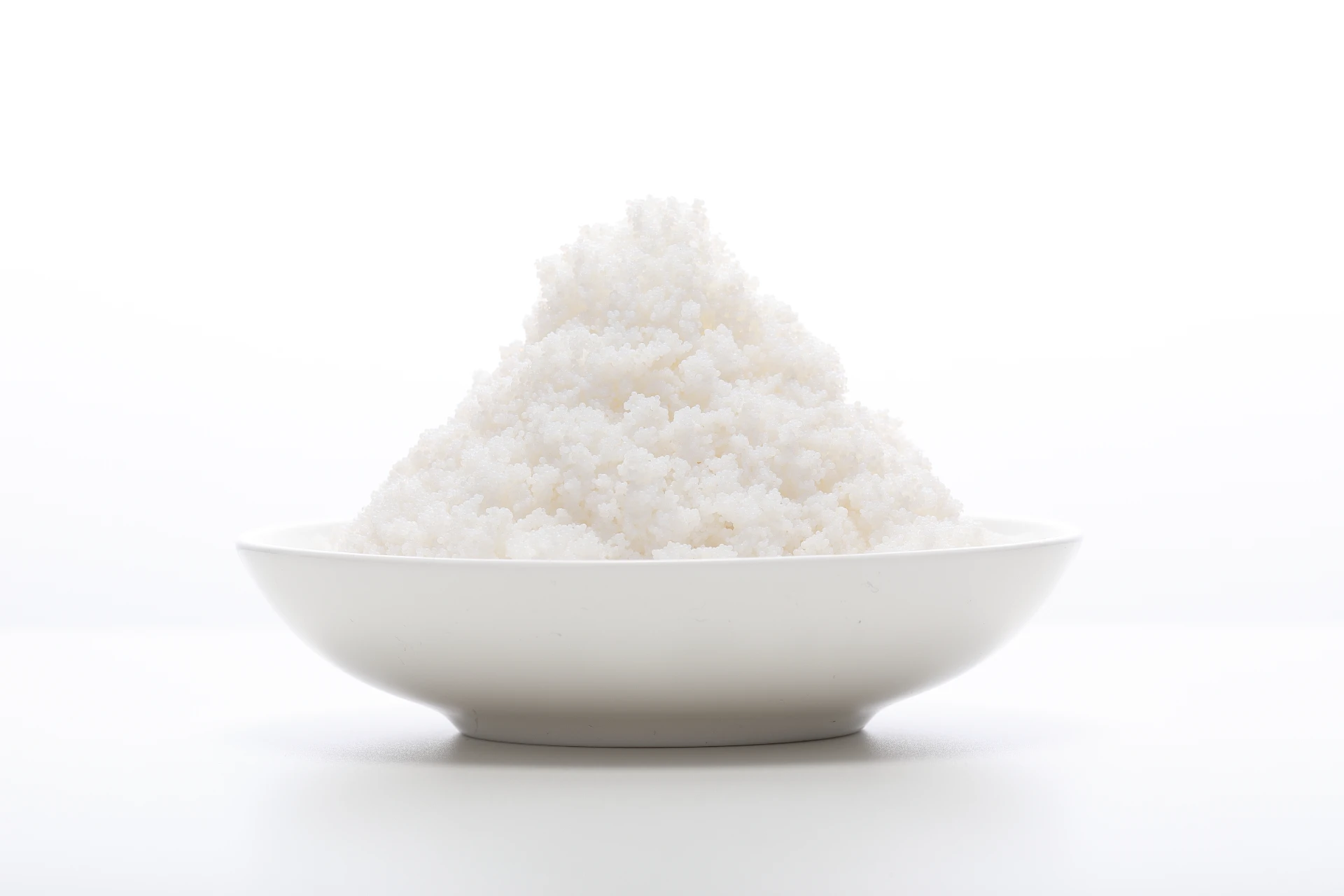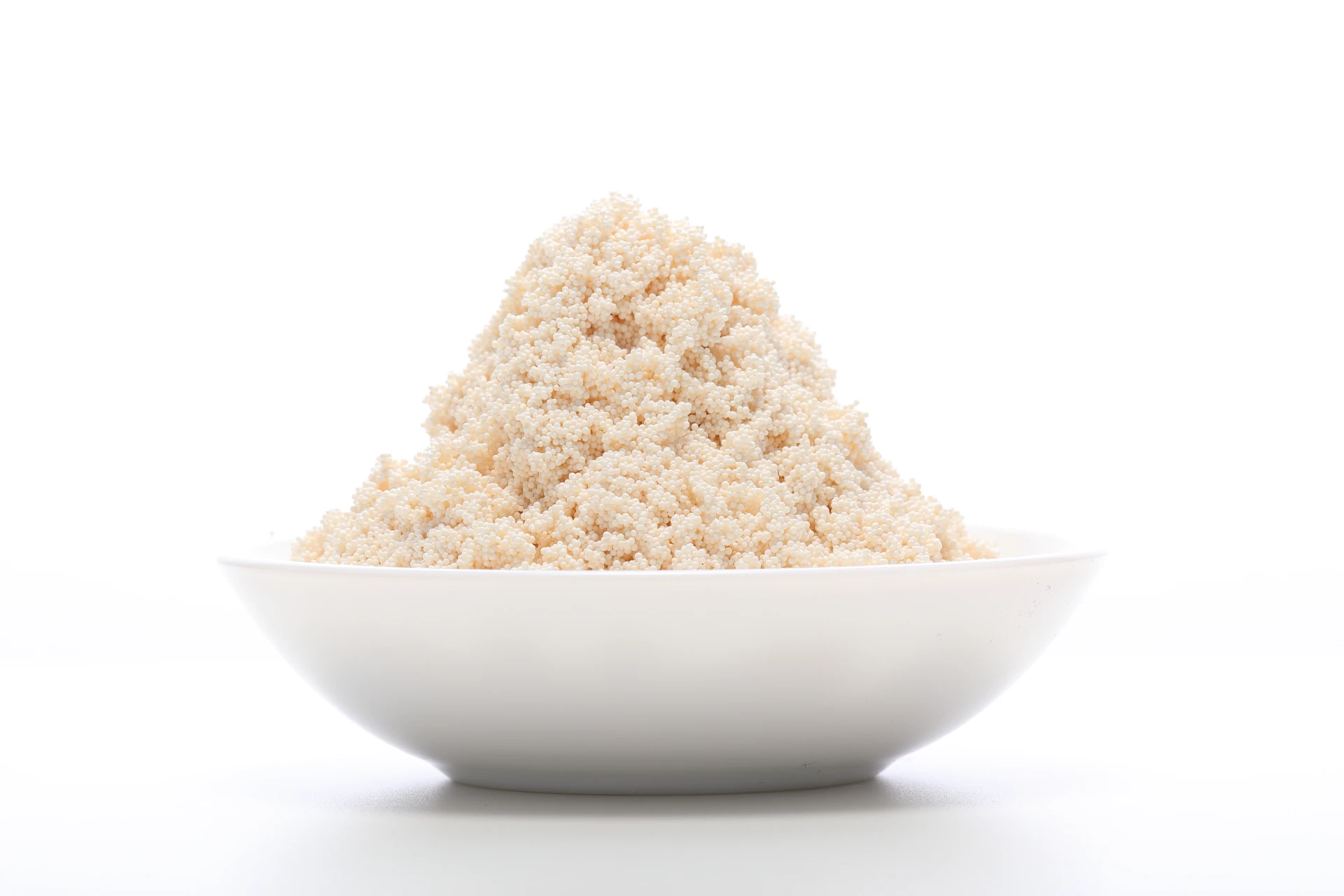
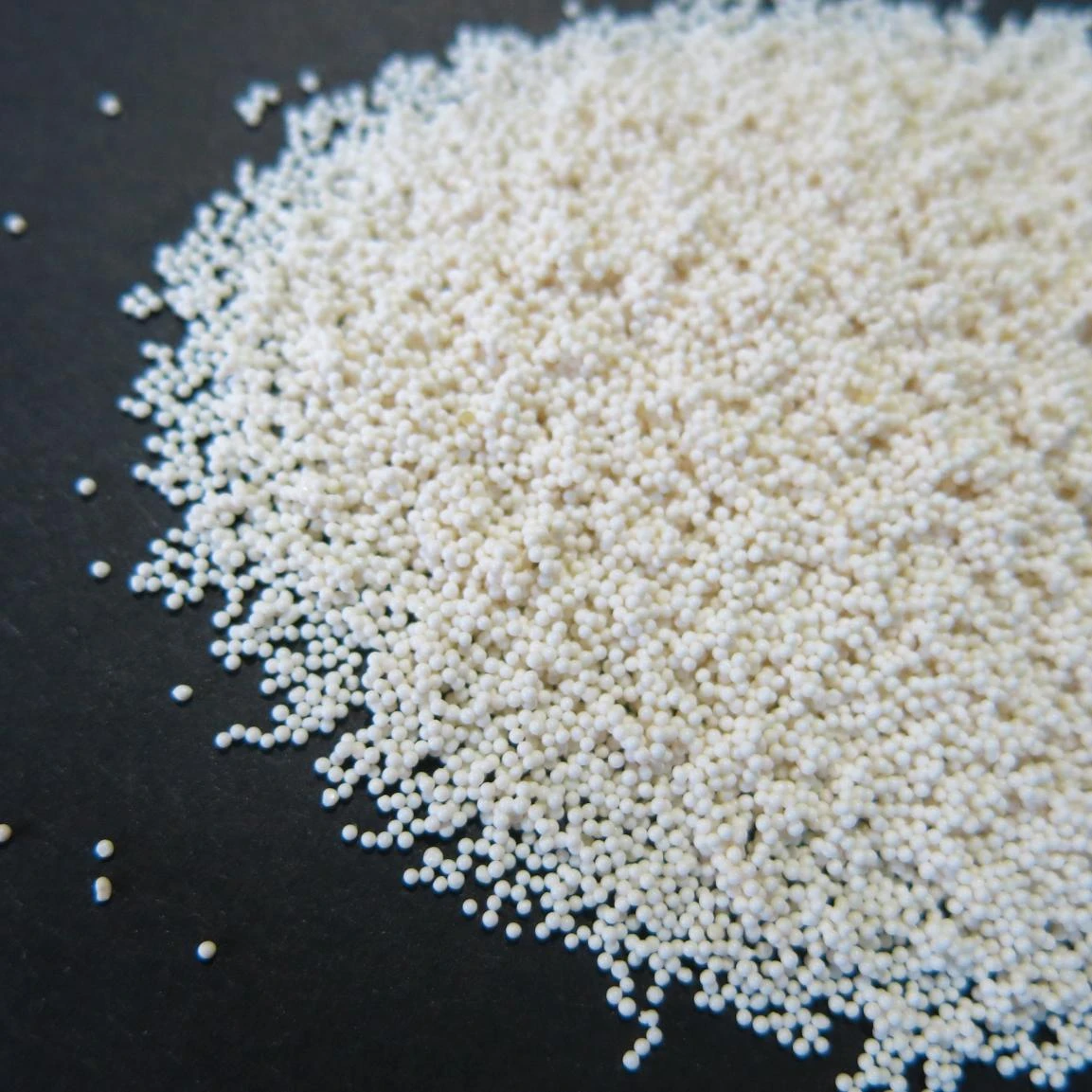
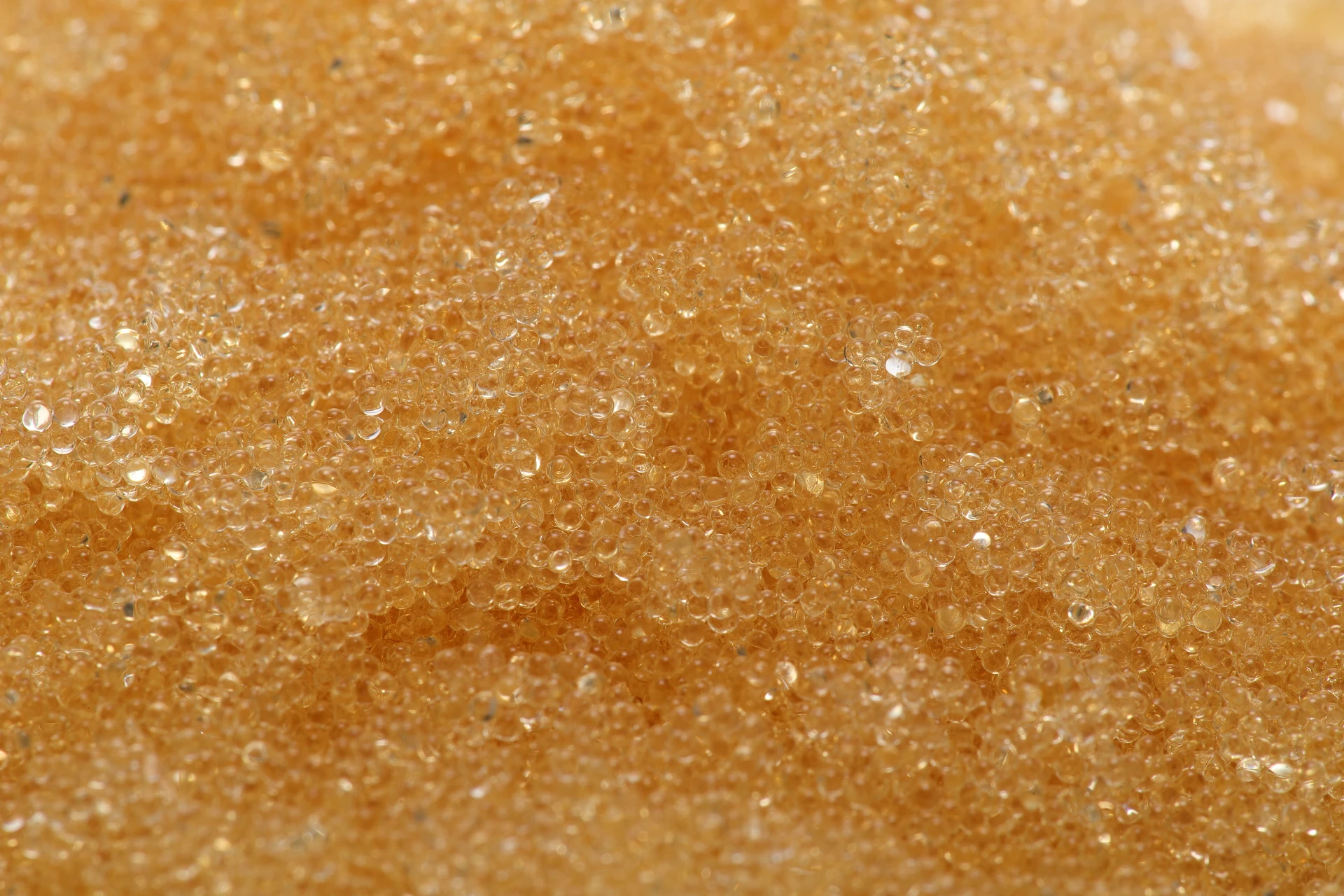
Advanced chelating resin Solutions for Belarus Industrial Water Treatment

High-performance synthetic materials engineered for the rigorous demands of the Belarusian chemical and manufacturing sectors.

Advanced chelating resin Solutions for Belarus Industrial Water Treatment

Providing cutting-edge ion exchange technologies to optimize purity and efficiency across Belarus's heavy industrial landscape.

Current State of Resin Application in Belarus

Analyzing the intersection of geography and chemical synthesis in the Eastern European market.

The industrial landscape of Belarus is characterized by a strong reliance on potash production and heavy machinery manufacturing. Consequently, the demand for ion exchange resin has shifted from basic water softening to complex metal recovery and ultra-pure water generation to meet EU-aligned environmental standards.

Geographically, the region's soft water sources and specific mineral compositions necessitate the use of special resin grades that can withstand significant temperature fluctuations and resist organic fouling common in the local river systems.

Economic transitions within the Belarus chemical sector have led to an increased adoption of automated regeneration systems, moving away from manual batch processes to continuous bed resin management for higher operational uptime.
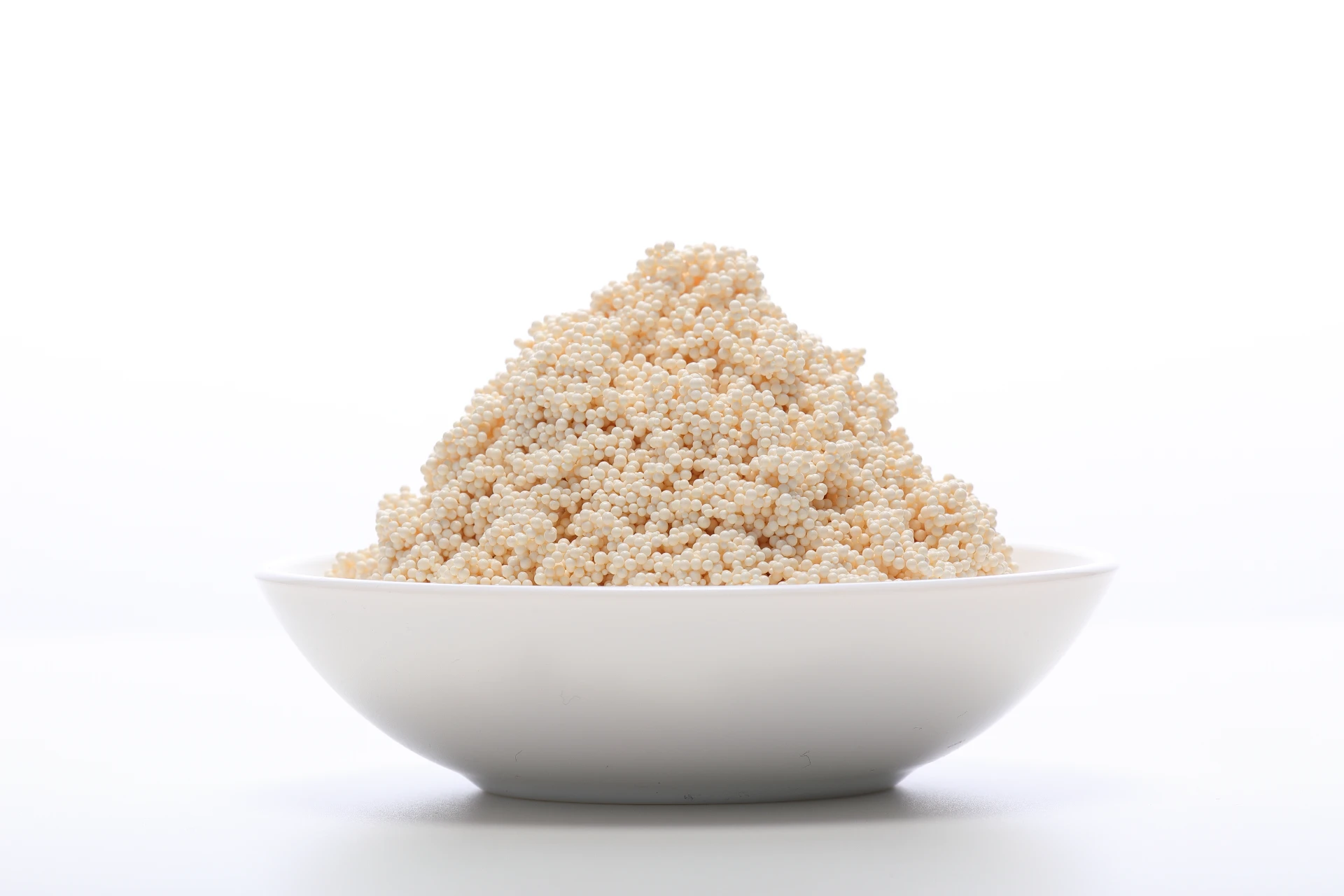
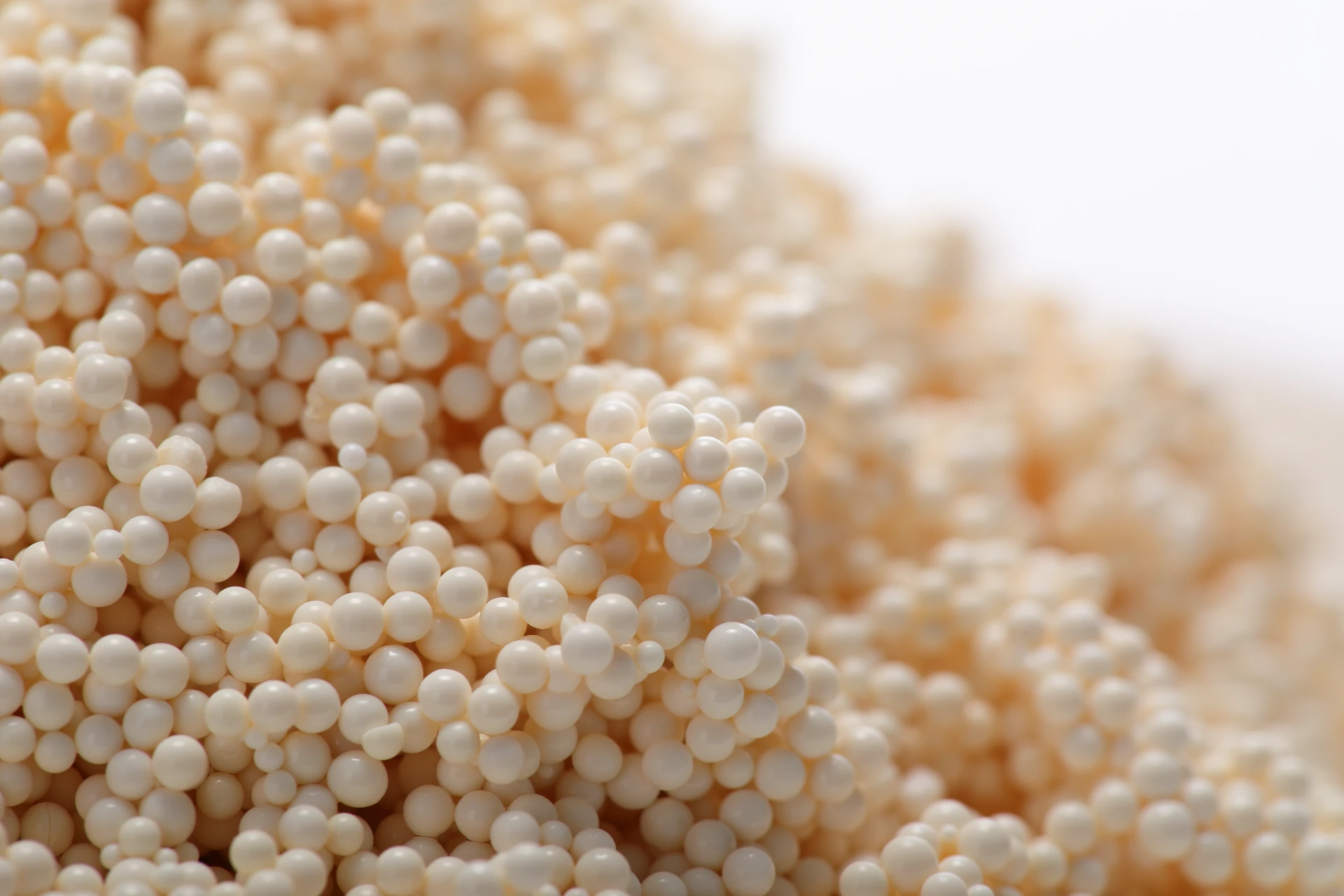
Evolution and Technical Trajectory in Belarus

From traditional Soviet-era synthesis to modern high-selectivity polymer matrices.

Market Development History

During the late 20th century, the Belarusian market relied primarily on generic strong acid cations. The focus was on volume rather than selectivity, with early bed resin installations designed for basic desalination in the mining industry.

Between 2005 and 2015, there was a significant shift toward specialized purity. The introduction of mixed bed di resin allowed local pharmaceutical and electronics plants to achieve the conductivity levels required for global export markets.

From 2016 to the present, the focus has transitioned to "Green Chemistry." This era is defined by the implementation of highly selective chelating agents capable of removing trace heavy metals from industrial wastewater, reducing the environmental footprint of the Minsk and Grodno industrial hubs.

Future Development Trends

Nano-Composite Integration

Expect a surge in the integration of nano-materials into the polymer matrix to increase the exchange capacity and kinetic speed of the resins.

Smart Regeneration Monitoring

Transitioning toward IoT-enabled monitoring where resin exhaustion is predicted by real-time sensors rather than fixed time intervals.

Circular Economy Recovery

A move toward resins designed specifically for the recovery of critical raw materials (CRM) from waste streams, aligning with European sustainability goals.

Industry Trends and Future Outlook

Predicting the next 3-5 years of synthetic material innovation for the region.

Hyper-Selective Adsorption
Development of resins with extreme specificity for target ions, reducing chemical consumption during regeneration.
Energy-Efficient Regeneration
New polymer structures that require lower concentrations of regenerants, reducing operational costs.
Bio-Based Matrix Materials
Transitioning from purely petroleum-based polystyrene to biodegradable or renewable polymer supports.
Digital Twin Integration
Using software to create digital twins of resin beds to optimize flow rates and cycle times.

Industry Outlook

The trajectory for the Belarusian resin market is moving toward high-specialization. As industrial regulations tighten, the transition from general ion exchange resin to target-specific chelating resin will accelerate, particularly in the metallurgical and petrochemical sectors.

Google search trends for the region indicate an increasing interest in "zero liquid discharge" (ZLD) systems. This suggests that mixed bed di resin and high-recovery polymers will be the primary drivers of growth in the next five years.

Localized Application Scenarios in Belarus

Tailored resin applications for Belarus's specific industrial and environmental requirements.

01. Potash Mine Wastewater Purification

Utilizing high-capacity resins to remove heavy metal contaminants and balance salts in the wastewater streams of Soligorsk potash mines.

02. Pharmaceutical Ultra-Pure Water (UPW)

Implementing mixed bed di resin in Minsk-based biotech labs to produce water with resistivity exceeding 18 MΩ·cm.

03. Heavy Machinery Cooling Systems

Using specialized bed resin to prevent scaling and corrosion in the massive cooling loops of tractor and truck manufacturing plants.

04. Textile Dyeing Wastewater Recovery

Applying chelating resin to capture expensive dye catalysts and remove toxic chrome from effluent streams.

05. Municipal Drinking Water Softening

Optimizing city-scale water treatment plants with durable cation resins to handle the specific hardness profiles of Belarusian groundwater.

Brand Story

Global Development Journey of Hebei Lijie Biological Technology Co., Ltd.

Founding and Core Vision

Established with the mission to solve the most challenging separation problems, we focused on high-purity synthetic materials from day one.

Technological Breakthroughs

Developed proprietary cross-linking technologies that significantly increased the mechanical strength and lifespan of industrial resins.

Global Market Expansion

Successfully entered the European market, providing tailored solutions for the diverse water chemistry found in countries like Belarus.

Commitment to Sustainability

Invested in R&D for eco-friendly regeneration processes to minimize the chemical waste produced by ion exchange systems.

Industry Leadership Today

Recognized as a global partner for complex chemical separations, blending engineering expertise with material science.

Comprehensive Resin Portfolio for the Belarus Market

A full spectrum of synthetic materials designed for efficiency and durability.

Belarus Industry Technical FAQ

Addressing common technical challenges in the Belarusian ion exchange sector.

How do I choose the right chelating resin for heavy metal removal in Belarus?

Selection depends on the target ion (e.g., Cu, Ni, Zn) and the pH of the wastewater. We recommend a sample analysis of the effluent to determine the optimal selectivity group.

What is the typical lifespan of a mixed bed di resin in industrial use?

Depending on the feed water quality and regeneration frequency, a high-grade mixed bed can last 3-5 years before significant capacity loss occurs.

Can special resin grades handle high temperature industrial streams?

Yes, we offer thermally stable resins designed for high-temperature applications, ensuring the polymer matrix does not degrade under thermal stress.

How often should a bed resin be regenerated to maintain efficiency?

Regeneration intervals depend on the ionic load. We recommend installing conductivity meters to trigger regeneration based on breakthrough curves.

What is the advantage of using ion exchange resin over membrane filtration?

Resins offer higher selectivity for specific ions and are generally more cost-effective for treating large volumes of water with low-to-medium contaminant levels.

Are your resins compliant with European environmental standards?

Our products are manufactured to meet stringent international quality and safety standards, ensuring compatibility with Belarus's evolving environmental regulations.

Consult Our Engineering Team

Get professional technical support for your resin applications in Belarus.

Contact Us Now

If you are interested in our products, you can choose to leave your information here, and we will be in touch with you shortly.