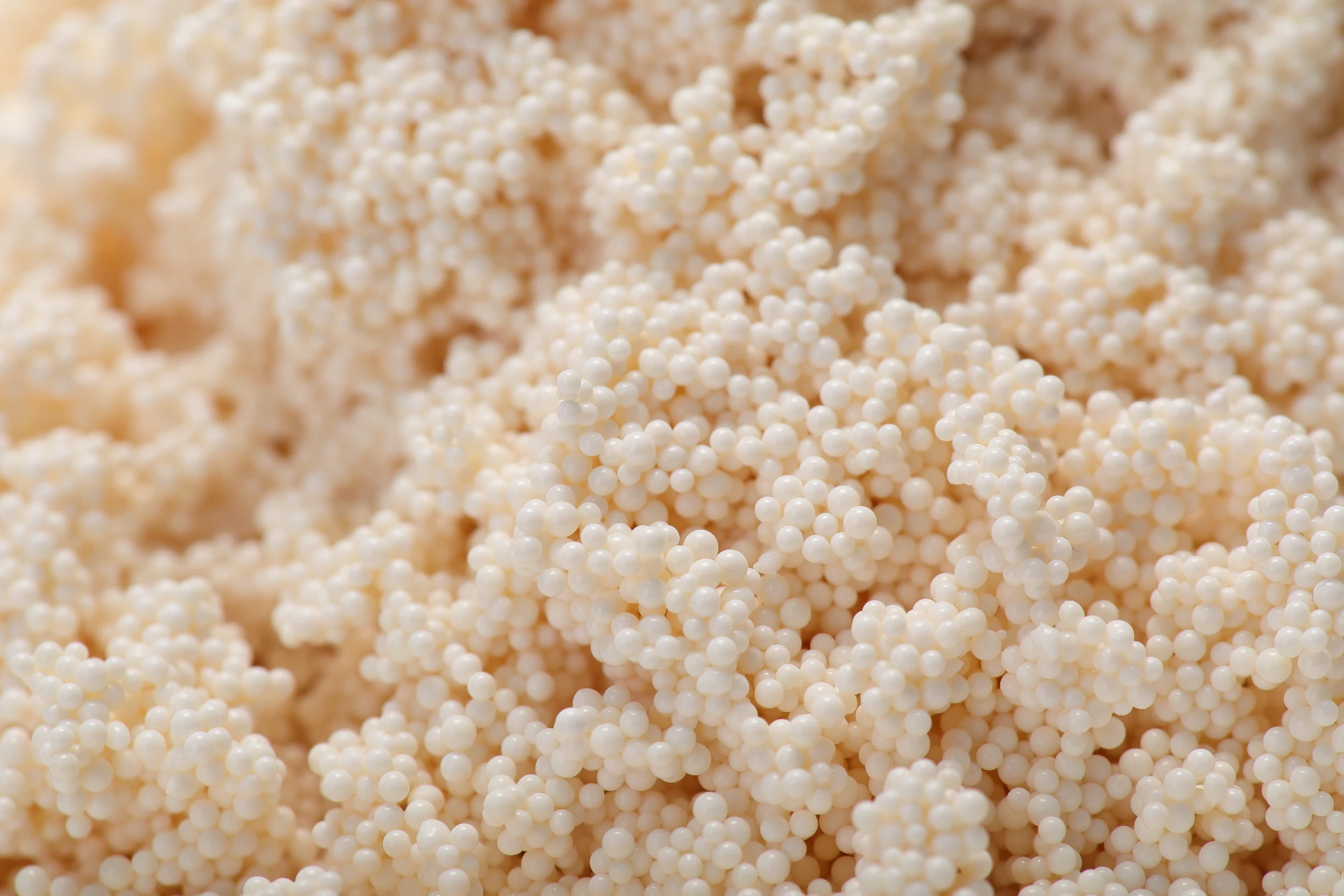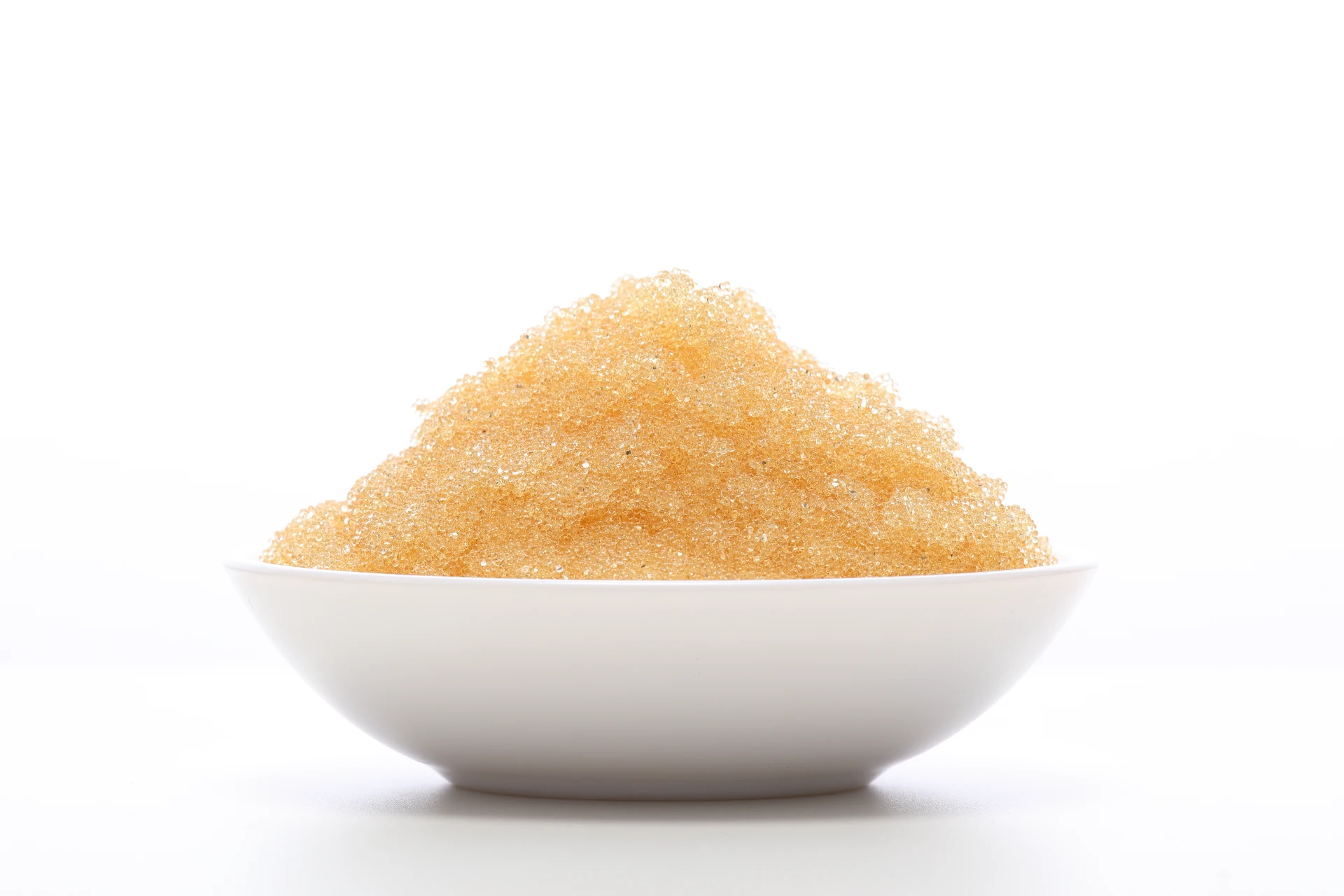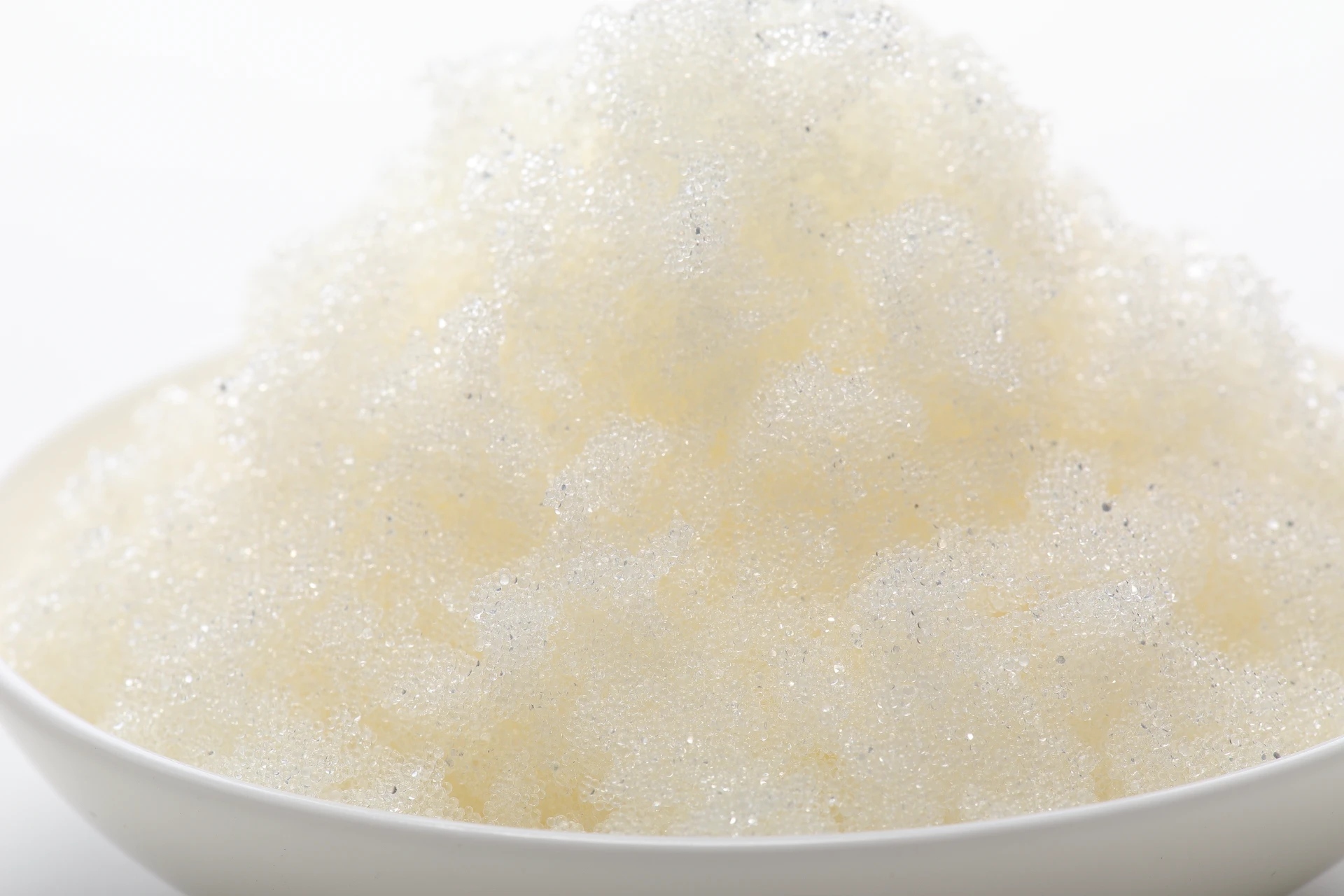
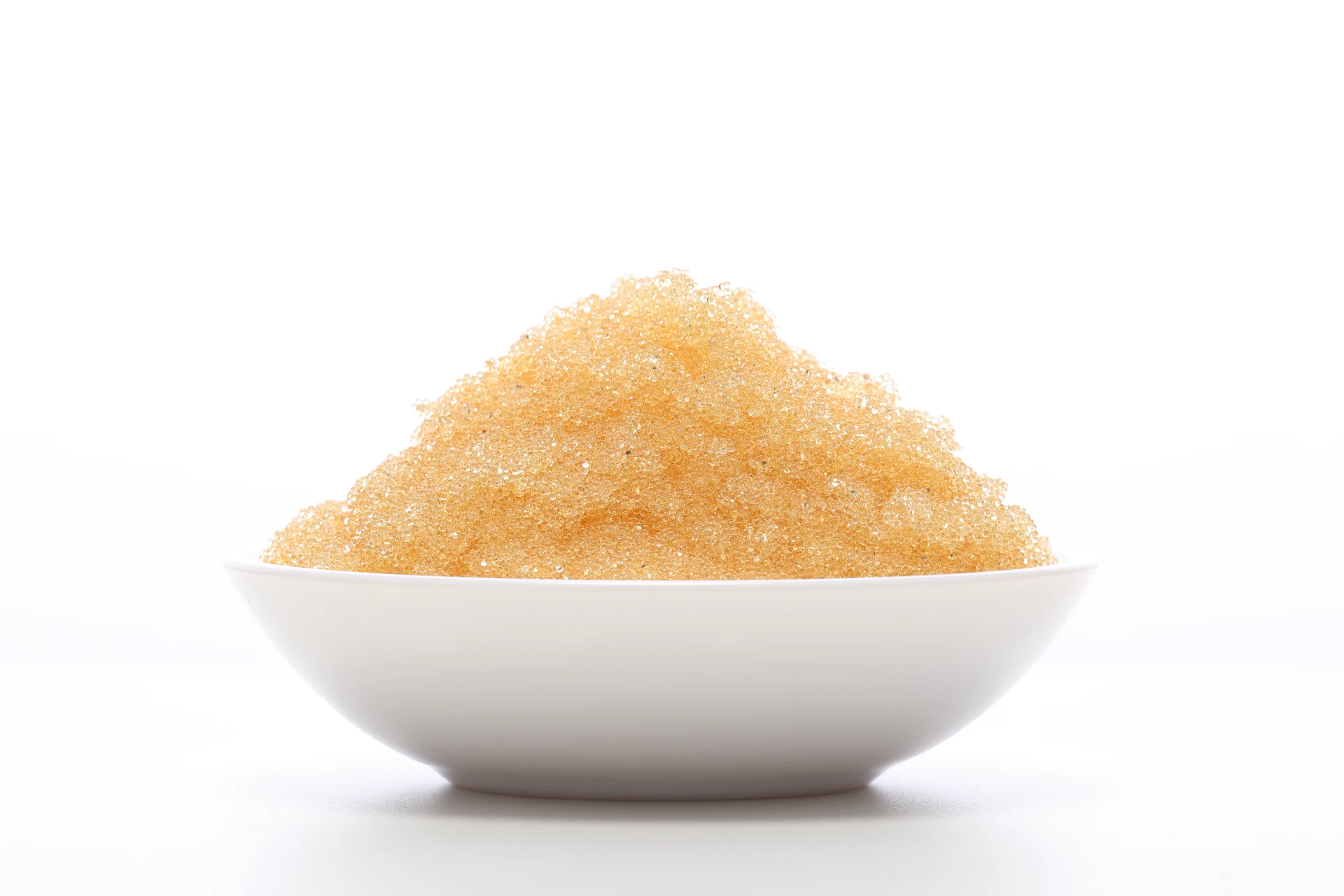
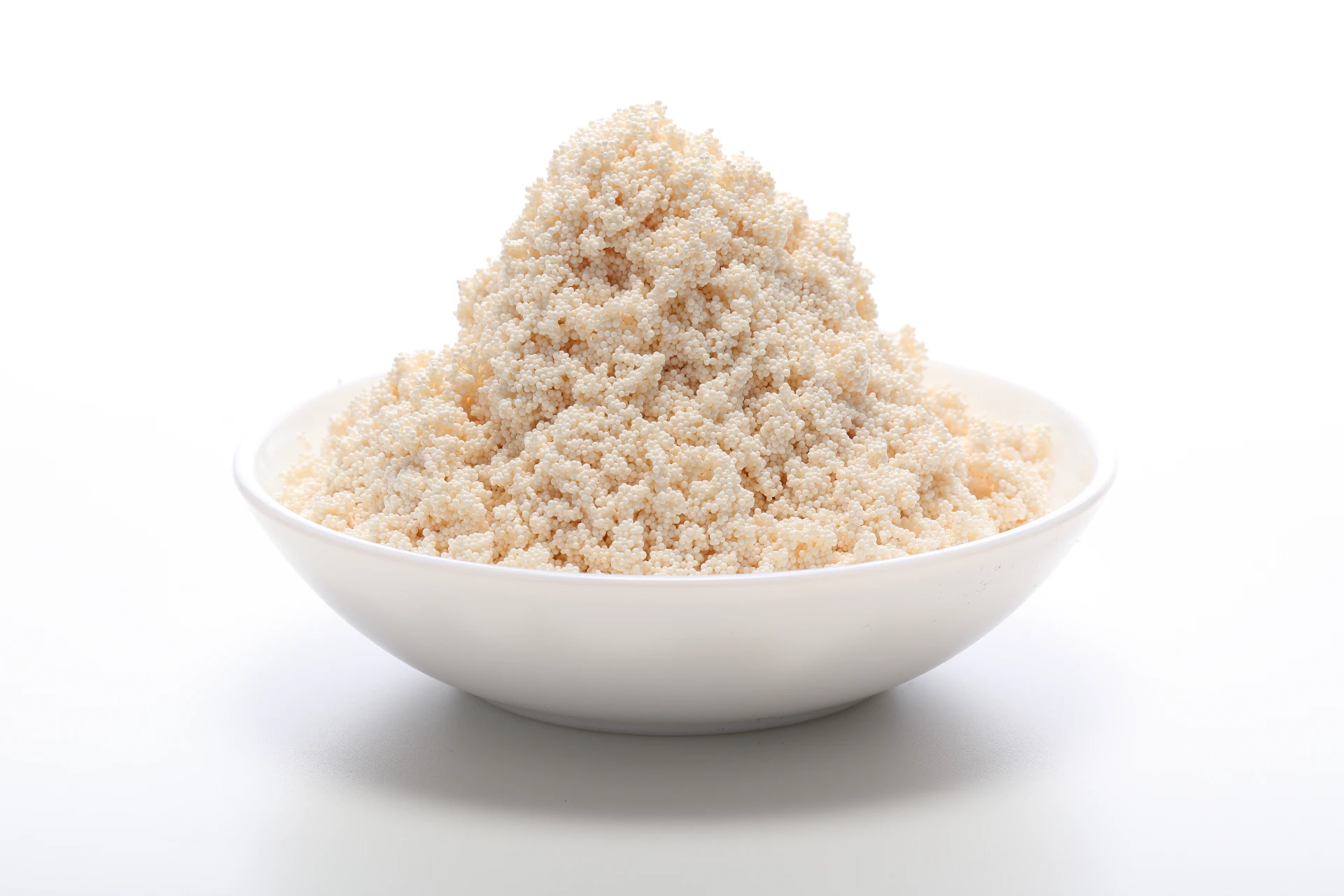
Advanced chelating resin Solutions for Bolivia's Industrial Water Treatment

Optimizing resource recovery and water purity across the Bolivian highlands and lowlands with high-performance synthetic materials.

Advanced chelating resin Solutions for Bolivia's Industrial Water Treatment

Providing specialized ion exchange resin technologies tailored to the unique mineral compositions and industrial requirements of the Bolivian market.

The Current State of Resin Application in Bolivia

Analyzing the intersection of mining, metallurgy, and water scarcity in the Andean region.

In Bolivia, the industrial landscape is heavily dominated by mining and lithium extraction, particularly in the Salar de Uyuni region. The demand for high-purity water and selective metal recovery has made the implementation of bed resin systems critical for operational efficiency and environmental compliance.

Geographical challenges, including extreme altitude and varied temperature fluctuations, place significant stress on chemical stability. Local industries are transitioning from basic filtration to sophisticated special resin applications to handle complex brine solutions and heavy metal contamination common in the Altiplano.

Currently, there is a growing shift toward sustainable water management. The adoption of mixed bed di resin technology is increasing among Bolivian pharmaceutical and food processing plants to meet international quality standards while minimizing wastewater discharge.
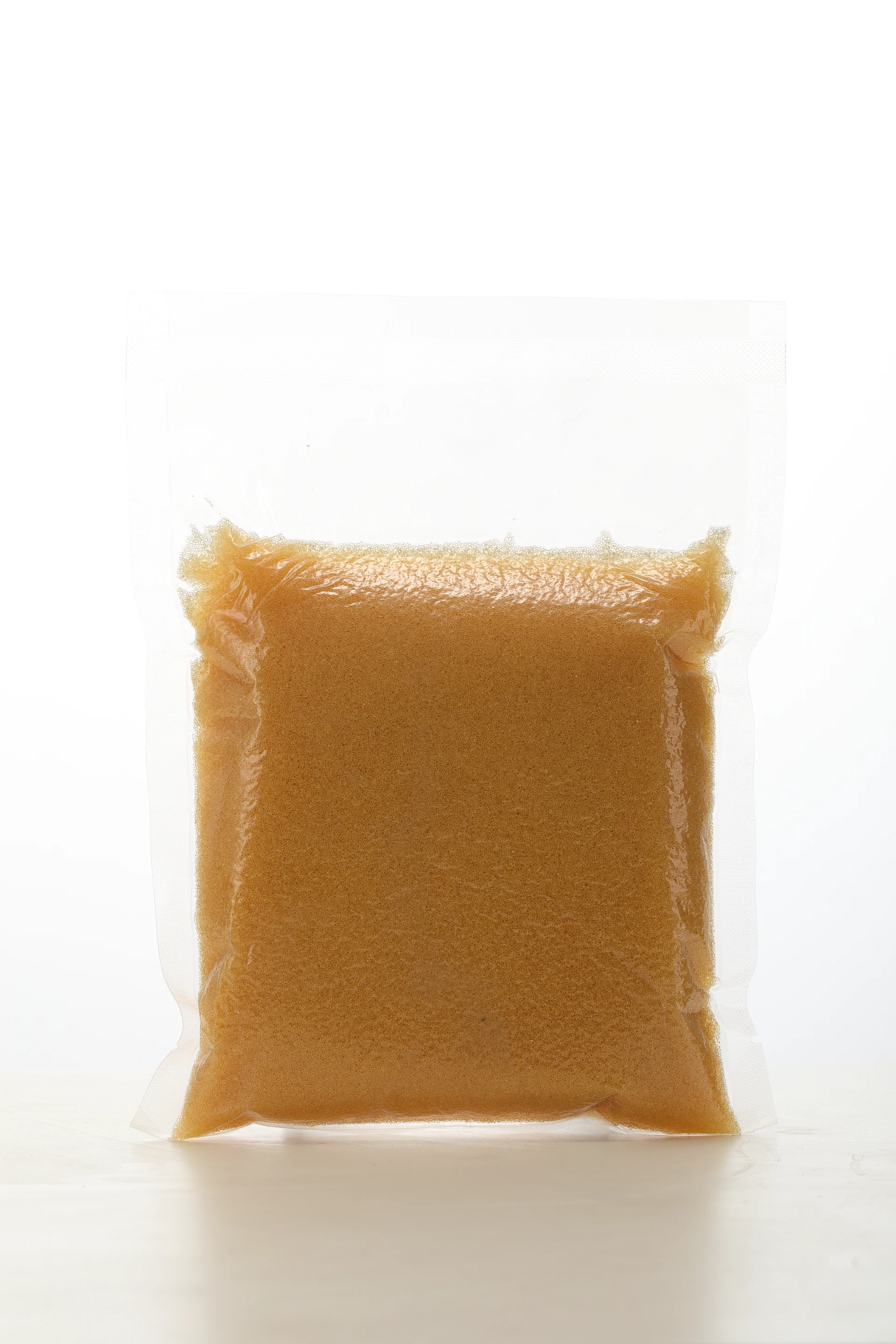
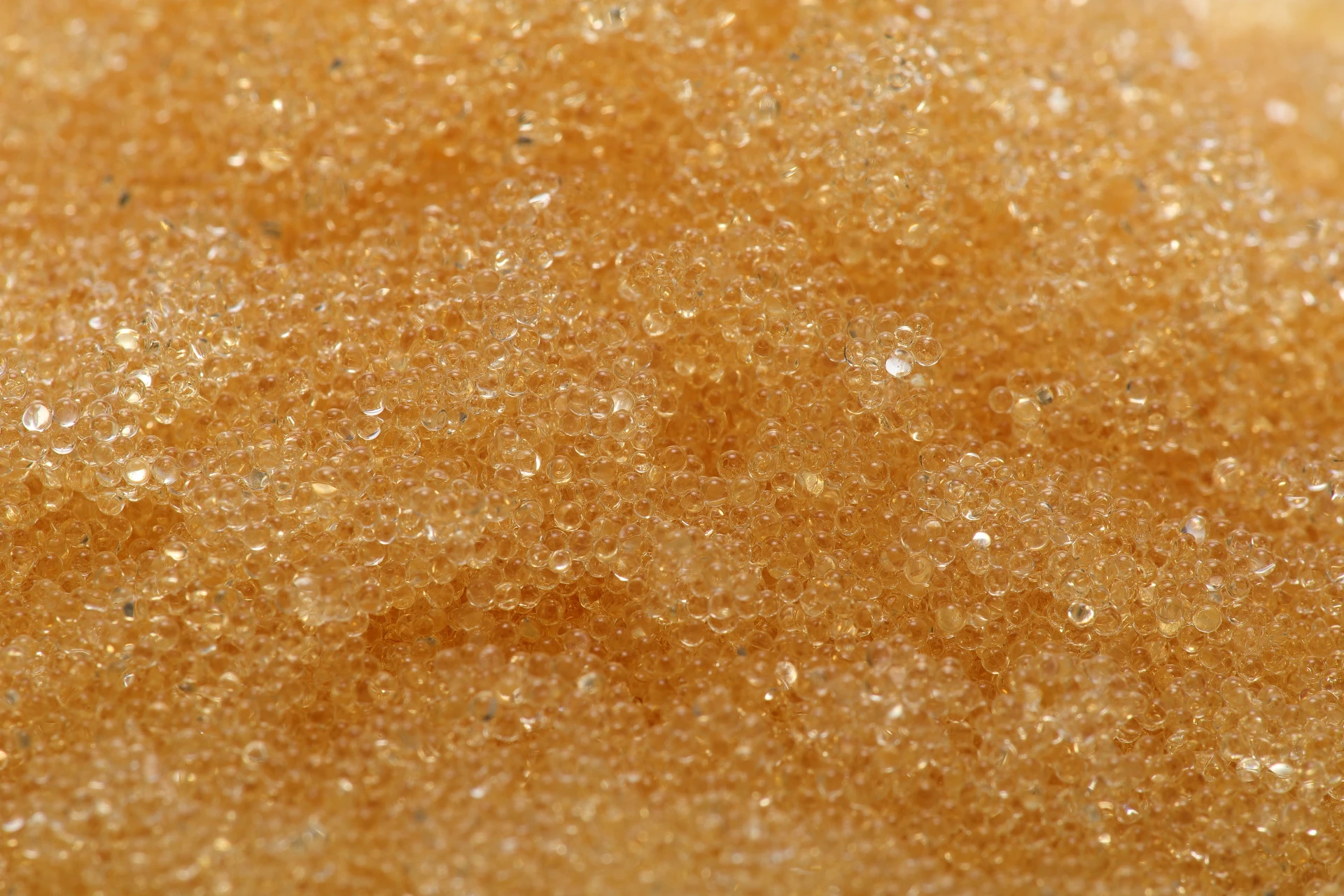
Evolution and Trajectory of Resin Technology

From traditional softening to intelligent selective separation.

Market Development History

During the late 20th century, the Bolivian market relied primarily on simple sodium-based softening resins for basic boiler feed water. These traditional materials lacked the selectivity required for the complex ionic environments of mining tailings.

By the 2010s, the technical iteration shifted toward macro-porous structures. The introduction of specialized ion exchange resin variants allowed for better kinetics and higher resistance to organic fouling, aligning with the modernization of Bolivian smelting plants.

Today, the industry has entered the era of high-selectivity chelating agents. Modern plants now integrate multi-stage resin beds that can specifically target precious metals or remove toxic contaminants from industrial effluents with precision.

Future Development Trends

Green Regeneration Cycles

Future trends indicate a move toward eco-friendly regenerants to reduce the salt footprint in the sensitive ecosystems of the Bolivian Andes.

Hybrid Ion Exchange Membranes

Integration of resin beads within membrane structures to create hybrid systems that provide higher flux and superior purity for lithium processing.

AI-Driven Resin Lifecycle Monitoring

Implementation of smart sensors to predict the breakthrough point of bed resin, optimizing the regeneration timing and chemical usage.

Industry Trends and Future Outlook

Strategic forecasts for the synthetic materials sector in South America.

Circular Water Economy
Shifting from linear consumption to closed-loop water recycling using advanced resins.
Selective Metal Recovery
Increasing demand for resins that can isolate lithium and rare earths from complex ores.
Ultra-Pure Water (UPW)
Growing pharmaceutical sectors in Bolivia requiring precise mixed bed di resin.
Resin Longevity
Engineering resins to withstand the high salinity and acidity of Bolivian mining effluents.

Industry Outlook

Based on Google search trends in the South American industrial sector, there is a marked increase in queries regarding "selective ion exchange" and "heavy metal removal." This suggests that Bolivian enterprises are moving away from generic water softening toward targeted chemical purification.

Over the next 3-5 years, we expect the integration of special resin to become a standard in lithium extraction processes, enabling higher purity levels that are essential for the global battery supply chain.

Localized Application Scenarios in Bolivia

Real-world implementation of synthetic resins in the Bolivian industrial landscape.

01. Lithium Brine Purification

Utilizing specialized resins to remove magnesium and calcium ions from brines in the Potosí region, ensuring a high-grade lithium carbonate output.

02. Mining Wastewater Treatment

Application of chelating resin for the recovery of copper and zinc from tailings, reducing environmental impact in the highlands.

03. Municipal Drinking Water

Implementation of large-scale bed resin systems to remove arsenic and fluoride from groundwater in rural Bolivian communities.

04. Industrial Boiler Feed

Deploying mixed bed di resin in Santa Cruz's agribusiness plants to prevent scale formation and corrosion in high-pressure steam systems.

05. Pharmaceutical Grade Water

Using high-purity ion exchange resin to produce USP grade water for medical laboratories in La Paz.

Brand Story

Global Development Journey of Hebei Lijian Biological Technology Co., Ltd.

Foundation and Vision

Established with a focus on advanced polymers, our mission was to solve the most challenging separation problems in the chemical industry.

Technical Breakthroughs

We developed proprietary synthesis methods for high-selectivity resins, breaking the monopoly of traditional chemical conglomerates.

Global Expansion

Extending our reach to South America, providing tailored resin solutions to the unique geological needs of the Andean region.

Sustainability Commitment

Integrating green chemistry into our production line to ensure that the resins we sell help clients achieve zero-liquid discharge.

Industry Leadership

Today, we stand as a trusted partner for global mining and pharma sectors, redefining purity through molecular engineering.

Comprehensive Resin Portfolio for Bolivia

A full suite of synthetic materials designed for the specific water chemistry of the Bolivian territory.

Bolivian Market FAQs

Technical answers for the most common challenges in local resin application.

How to select the right chelating resin for lithium brine in Bolivia?

Selection should be based on the Mg/Li ratio. We recommend resins with iminodiacetic acid groups for high selectivity against magnesium in alkaline environments.

Can mixed bed di resin handle high TDS water from the Altiplano?

Yes, but it is essential to use a pretreatment stage (such as RO or softening) to prevent the resin from premature exhaustion due to extreme Total Dissolved Solids.

What is the expected lifespan of a bed resin in mining tailings?

Lifespan varies based on organic fouling. With proper backwashing and acid-base regeneration, our industrial resins typically maintain efficiency for 3-5 years.

Which special resin is best for arsenic removal in Bolivian groundwater?

Strong base anion resins or iron-oxide impregnated resins are most effective for removing both Arsenate (V) and Arsenite (III) from drinking water.

How does altitude affect ion exchange resin kinetics in La Paz?

Altitude primarily affects pressure drops. We optimize the bead size distribution to ensure stable flow rates despite lower atmospheric pressure.

What are the regeneration options for chelating resin in remote areas?

We provide optimized HCl and NaOH regeneration protocols that minimize chemical waste, ideal for remote mining sites with limited logistics.

Request a Technical Consultation

Our engineering team is ready to optimize your water treatment processes in Bolivia. Get a customized resin analysis today.

Contact Us Now

If you are interested in our products, you can choose to leave your information here, and we will be in touch with you shortly.