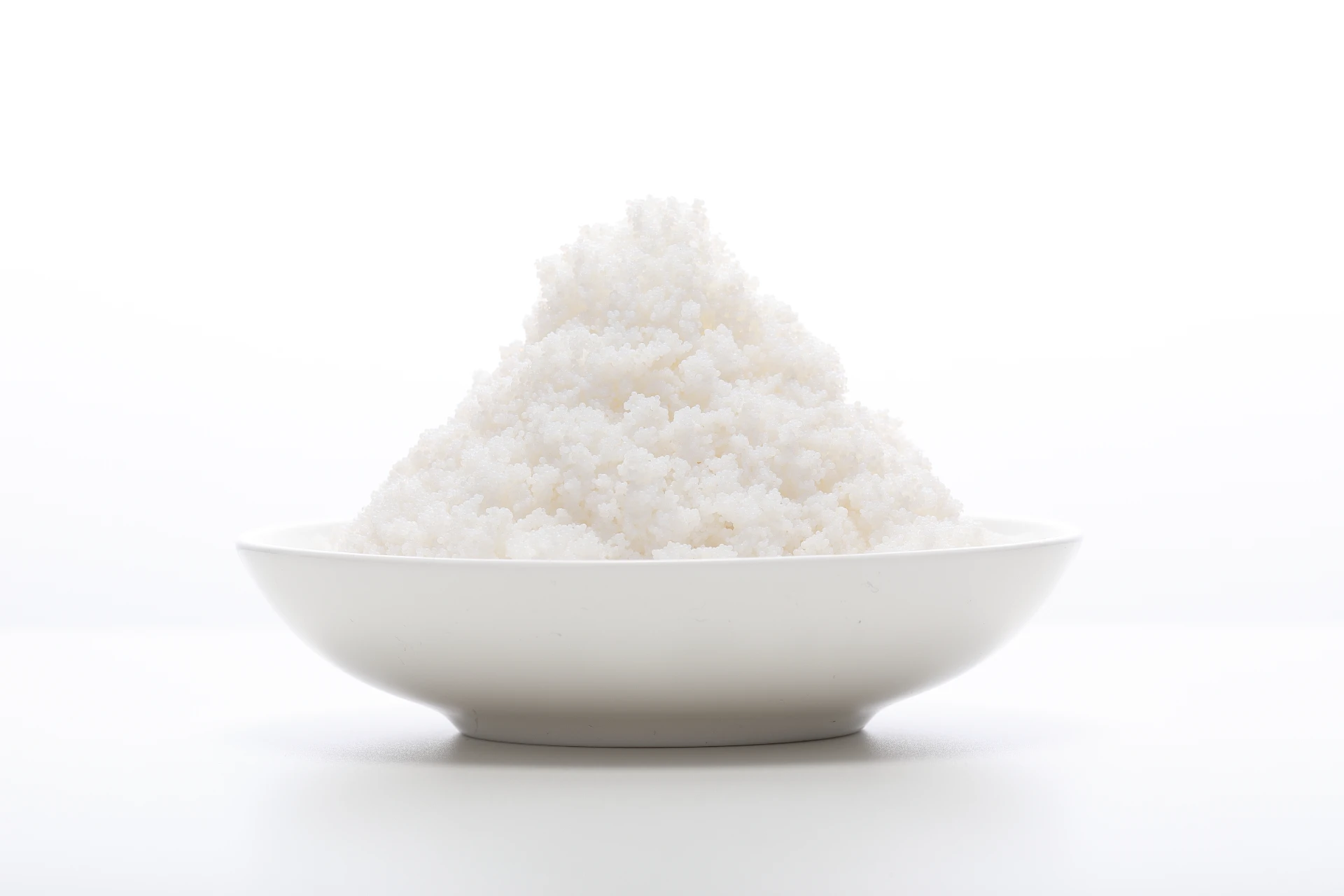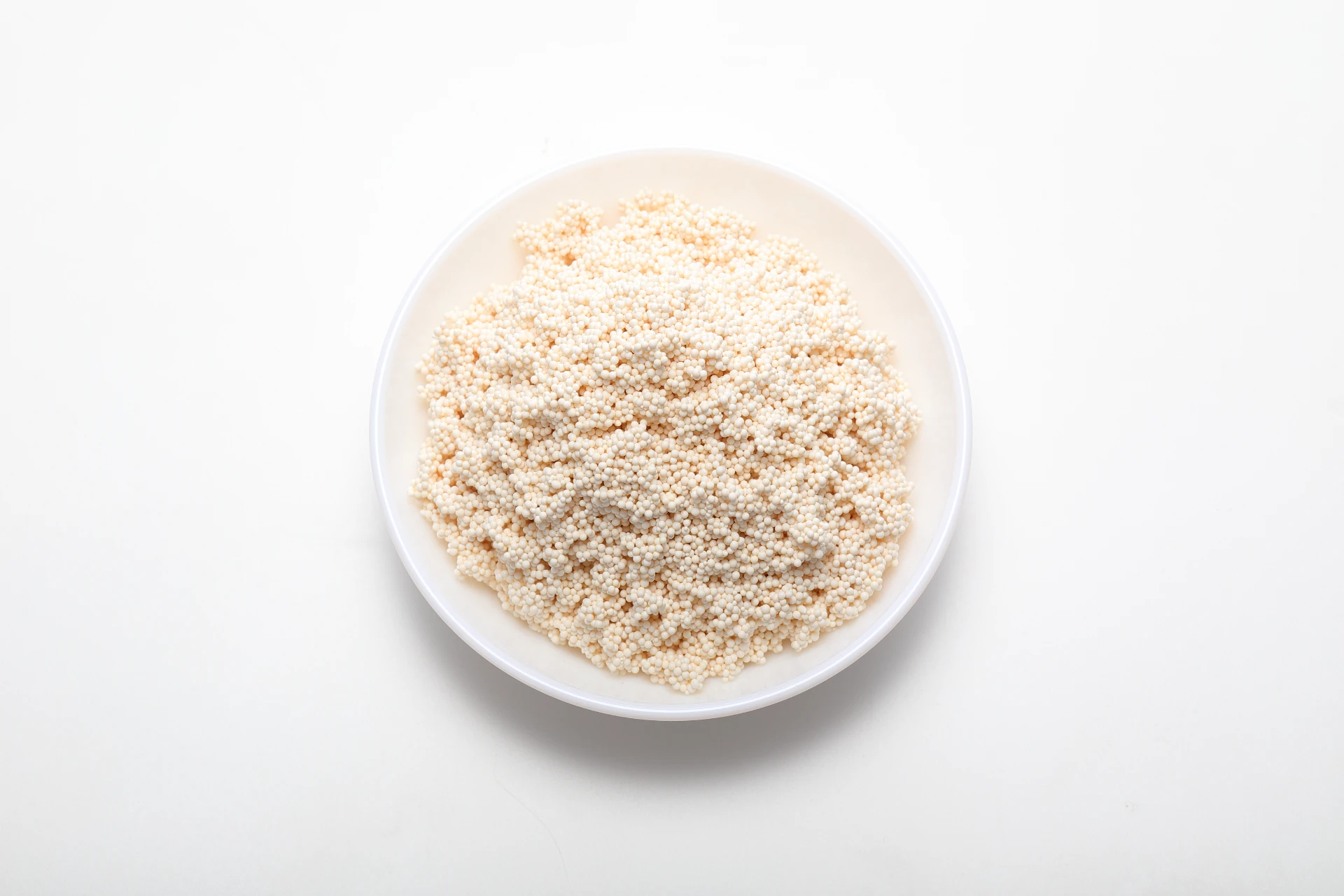
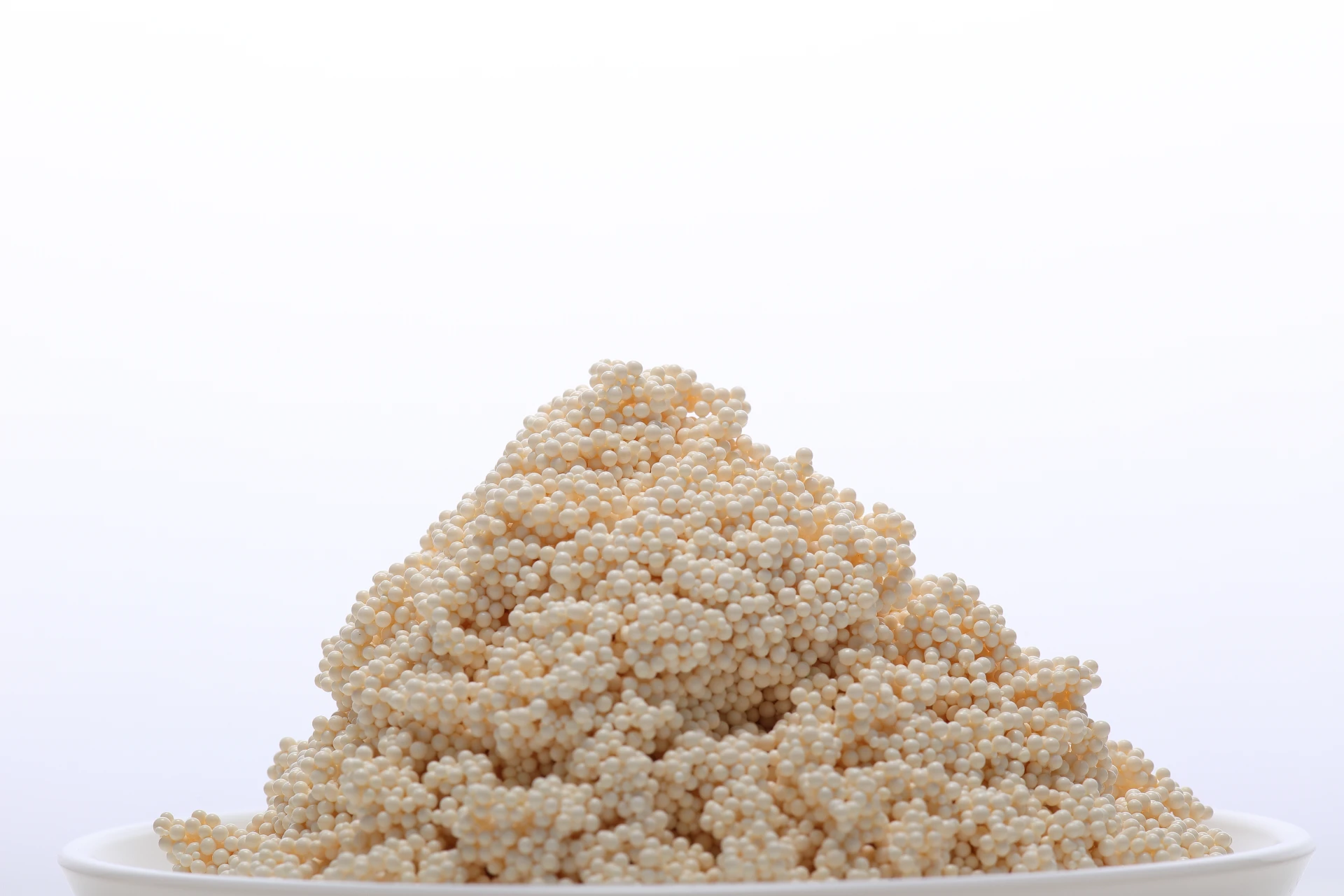
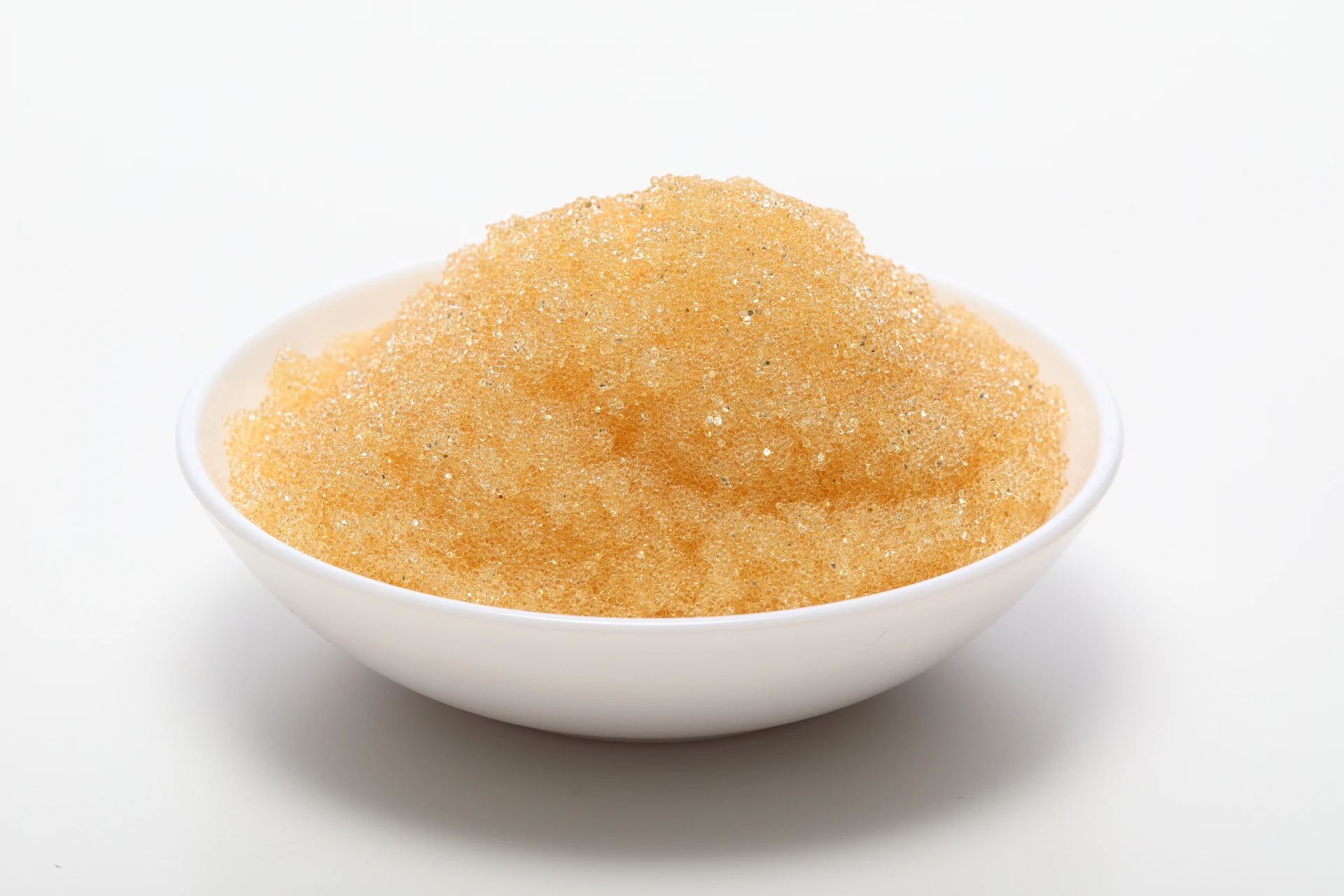
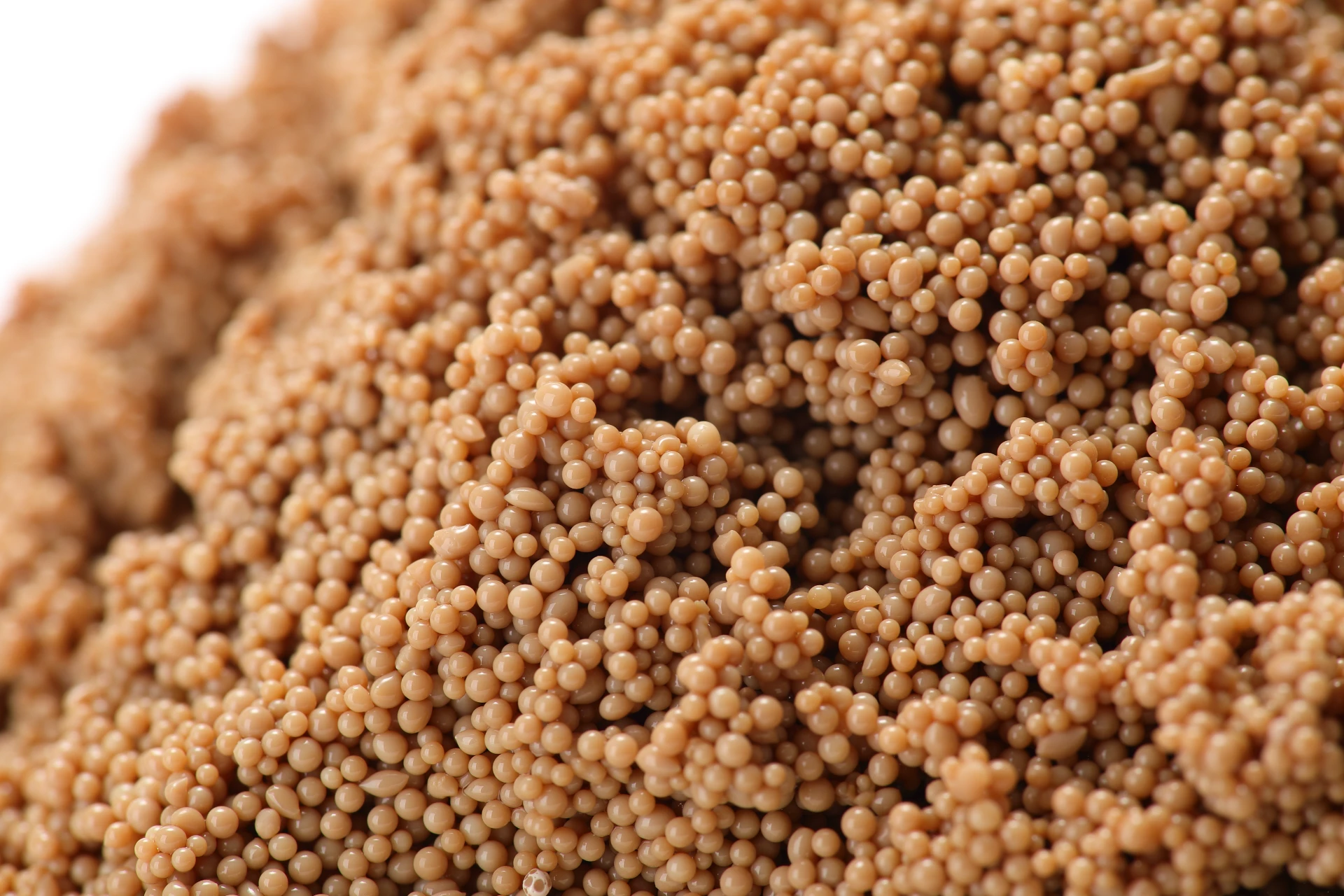
Advanced chelating resin Solutions for Brazil's Industrial Water Treatment

High-performance ion exchange technology engineered to meet the rigorous demands of South American mining, agriculture, and pharmaceutical sectors.

Advanced chelating resin Solutions for Brazil's Industrial Water Treatment

Providing specialized resin matrices to optimize purity, recovery, and environmental compliance across Brazil's diverse chemical and manufacturing landscapes.

Current Landscape of Resin Application in Brazil

Analyzing the intersection of regional environmental challenges and industrial resin requirements.

Brazil's industrial sector, particularly in the Southeast and Midwest regions, faces significant water quality challenges due to varied mineral compositions and strict environmental regulations from agencies like IBAMA. The widespread use of ion exchange resin has become critical for ensuring the stability of boilers and cooling systems in large-scale manufacturing plants.

In the mining heartlands of Minas Gerais, the demand for selective metal recovery is surging. Traditional methods are being replaced by high-selectivity special resin types that can efficiently isolate precious metals from complex leach liquors, directly impacting the economic viability of regional extraction projects.

Furthermore, the pharmaceutical and beverage industries in São Paulo are increasingly adopting mixed bed di resin systems to achieve the ultra-pure water standards required for global exports, balancing high throughput with the necessity of minimal chemical leakage.
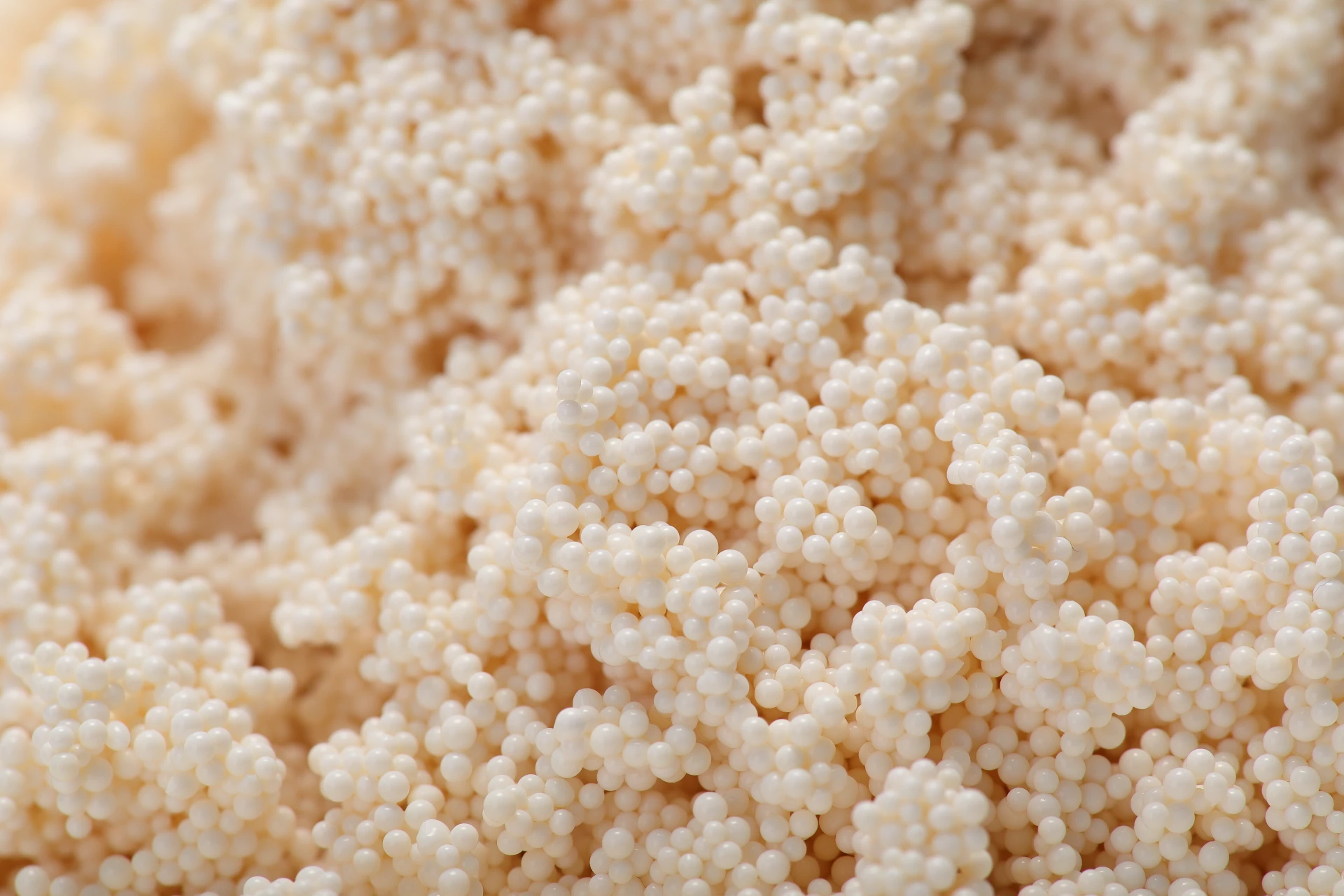
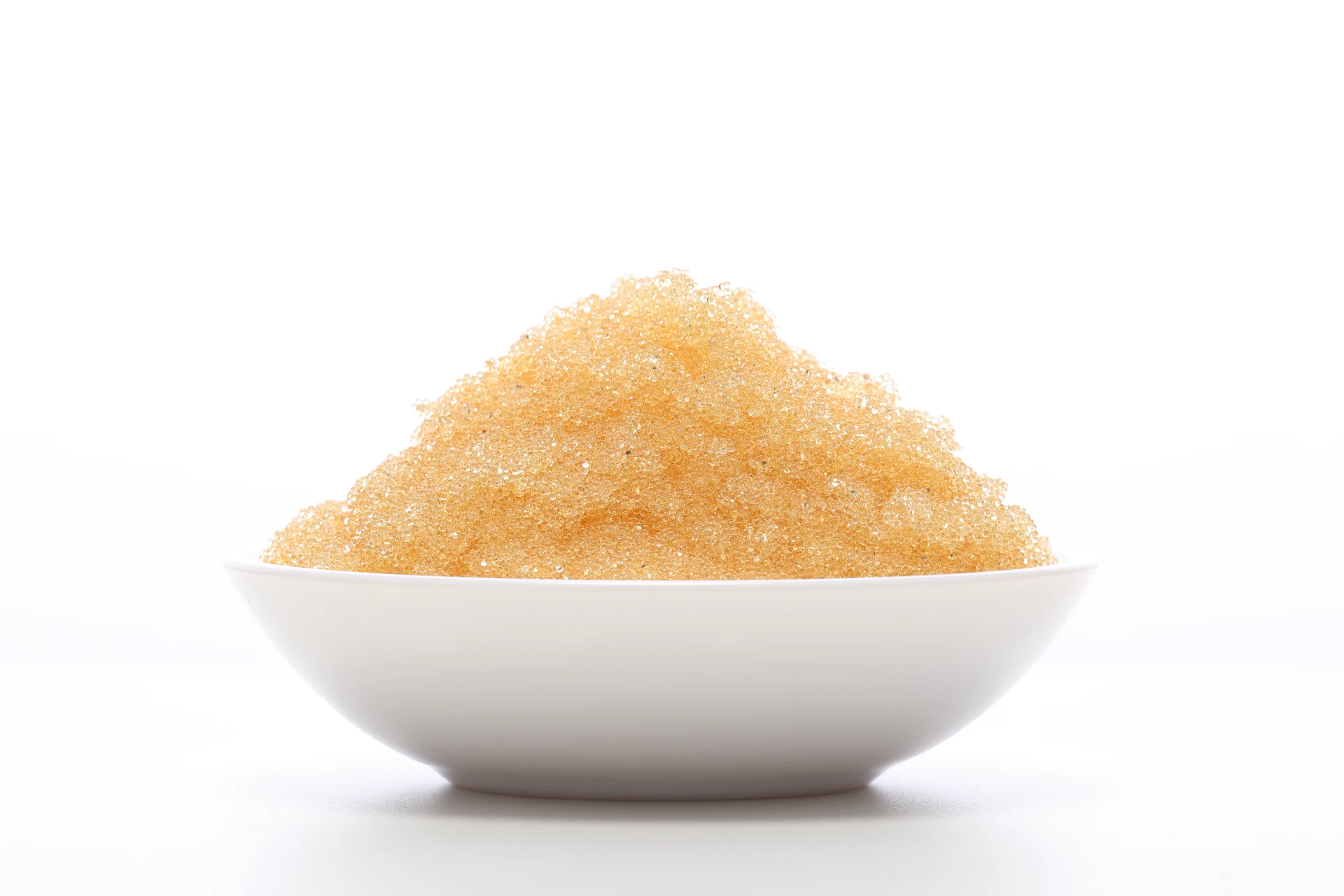
Evolution and Trajectory of Resin Technology in Brazil

From basic softening to intelligent, selective molecular separation.

Market Development History

During the 1980s and 90s, the Brazilian market relied heavily on imported standard softening resins, focusing primarily on basic hard water removal for textile and pulp industries.

From 2000 to 2015, there was a technological shift toward specialized applications. The introduction of bed resin configurations allowed for more efficient regeneration cycles, reducing the environmental footprint of brine discharge in coastal industrial zones.

Since 2016, the market has entered the "Precision Era," where chelating functionalities and macro-porous structures are utilized to target specific contaminants, aligning with the global trend of circular economy and resource recovery.

Future Development Trends

Sustainable Regeneration Protocols

A move toward biodegradable regenerants to comply with Brazil's tightening "Green Industry" mandates, reducing the salinity of wastewater effluent.

Hybrid Ion Exchange Systems

Integration of resins with membrane filtration (EDI) to create zero-liquid discharge (ZLD) systems for the beverage industry.

AI-Driven Resin Lifecycle Management

Implementation of IoT sensors to monitor resin exhaustion in real-time, optimizing the replacement frequency of mixed bed di resin beds.

Industry Trends and Future Outlook

Strategic forecasting for the synthetic materials sector in South America.

Selective Heavy Metal Recovery
Increasing demand for high-affinity resins to recover Cobalt and Nickel from Brazilian tailings.
Ultra-Pure Water Standards
Shift towards mixed-bed systems to support the expansion of Brazil's semiconductor and biotech hubs.
Circular Economy Integration
Implementing resin systems that allow for the reuse of treated process water in agribusiness.
Resin Durability Innovation
Developing cross-linked polymers to withstand the high temperatures of Brazilian industrial steam plants.

Industry Outlook

Based on regional search trends, there is a marked increase in queries related to "sustainable water purification" and "selective metal adsorption" in Brazil. This indicates a market pivot from bulk water treatment to high-value chemical separation.

The next 3-5 years will see a convergence of chemical engineering and digital monitoring, where the efficacy of the bed resin is managed via cloud-based analytics to minimize waste and maximize ion-exchange capacity.

Localized Application Scenarios in Brazil

Practical deployments of synthetic resin technology across Brazilian key industries.

01. Mining Effluent Treatment in Minas Gerais

Using high-selectivity resins to remove heavy metals from mining runoff, ensuring compliance with environmental laws and recovering valuable by-products.

02. Sugar and Ethanol Purification in São Paulo

Implementing ion exchange processes to decolorize and purify ethanol, increasing the final product's grade for the fuel market.

03. Ultra-Pure Water for Pharmaceutical Labs in Rio de Janeiro

Utilizing a combination of cation and anion resins in a mixed-bed configuration to produce water for injectable medications.

04. Boiler Feed Water Treatment in Industrial Hubs

Applying robust softening resins to prevent scale buildup in high-pressure boilers, reducing energy consumption and maintenance downtime.

05. Wastewater Recovery in Agribusiness

Employing specialized resins to capture nitrogen and phosphorus from agricultural waste, converting pollutants into usable fertilizers.

Brand Story

Global Development History of Hebei Lijian Biological Technology Co., Ltd.

Foundation and Core Research

Established with a vision to bridge the gap between raw chemical synthesis and industrial application, focusing on high-stability polymer matrices.

Technological Breakthroughs

Developed proprietary cross-linking techniques that significantly extended the life cycle of industrial resins in harsh environments.

Global Market Expansion

Expanded operations to South America, tailoring product lines to meet the specific climatic and water-chemistry needs of Brazil.

Sustainability Certification

Achieved international certifications for eco-friendly production, reducing the carbon footprint of resin manufacturing.

Future-Proofing the Industry

Currently investing in AI-driven material science to create the next generation of smart, adaptive ion exchange media.

Comprehensive Resin Portfolio for the Brazilian Market

A full spectrum of synthetic materials designed for maximum efficiency and durability.

Common Questions regarding Resin Application in Brazil

Expert answers to technical challenges faced by local operators.

How to choose the right ion exchange resin for Brazilian groundwater?

Selection depends on the specific mineral profile. For high iron or manganese levels common in some Brazilian regions, we recommend a strong acid cation resin with high kinetics to prevent fouling.

What is the advantage of chelating resin in metal recovery?

Chelating resins form stable complexes with specific metal ions, allowing for the selective removal of copper or nickel even in the presence of high concentrations of sodium or calcium.

How often should a mixed bed di resin system be regenerated?

Regeneration frequency depends on the influent water quality. In Brazil's industrial sectors, we typically see cycles ranging from 2 weeks to 3 months, depending on the throughput and ionic load.

Can special resin be used for organic removal in ethanol plants?

Yes, macroporous special resins are specifically designed to adsorb large organic molecules, preventing the fouling of downstream purification units in bio-fuel production.

What causes premature degradation of bed resin in tropical climates?

High ambient temperatures and potential oxidation from untreated water can degrade the polymer matrix. We suggest installing pre-filtration and temperature control systems to extend resin life.

Are there eco-friendly alternatives for resin regeneration?

We provide consultation on using food-grade acids and bases and implementing brine recovery systems to minimize the environmental impact of the regeneration process in Brazil.

Expert Resin Consultation for Your Project

Our technical team is ready to help you optimize your water treatment processes with the highest grade synthetic materials across Brazil.

Contact Us Now

If you are interested in our products, you can choose to leave your information here, and we will be in touch with you shortly.