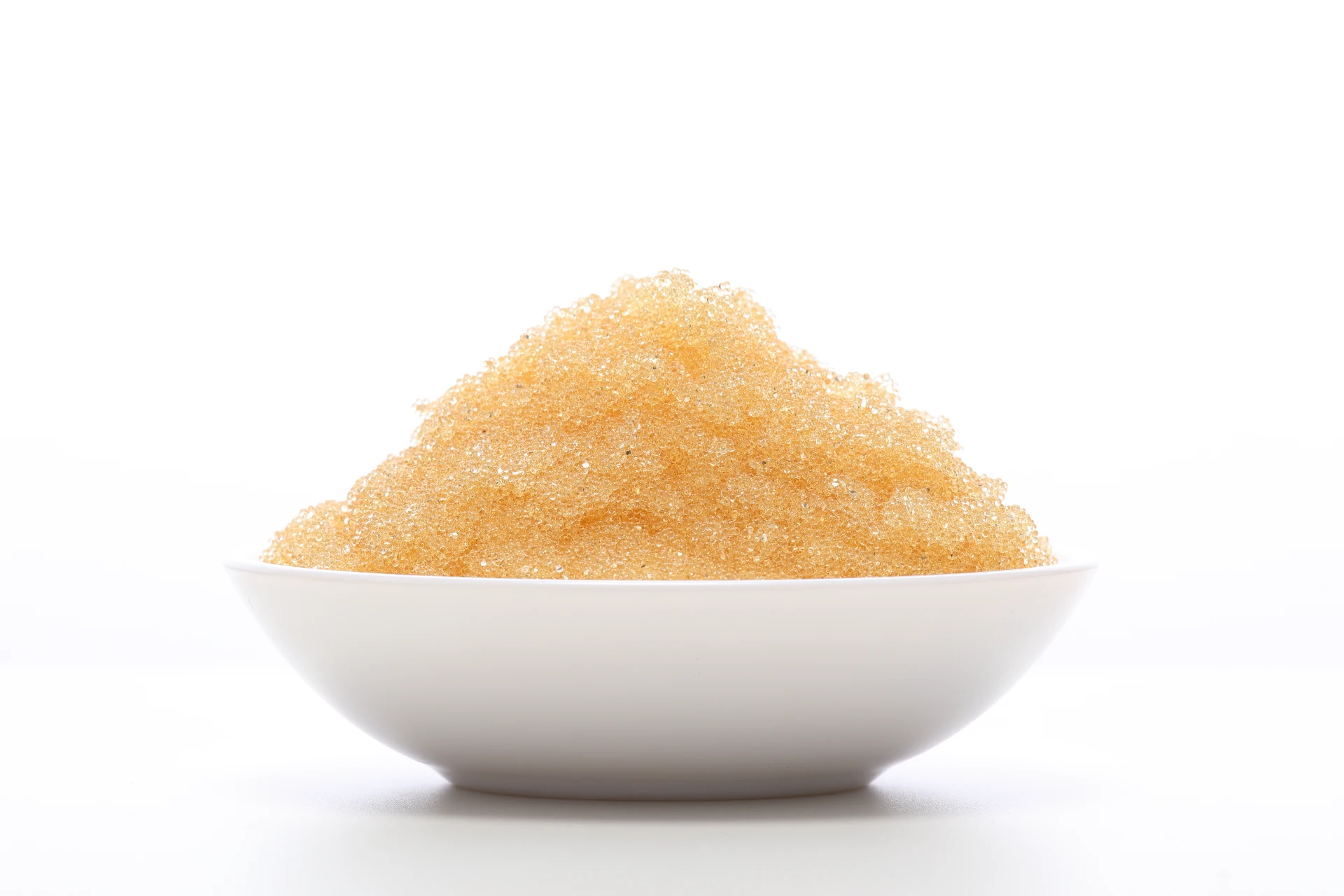
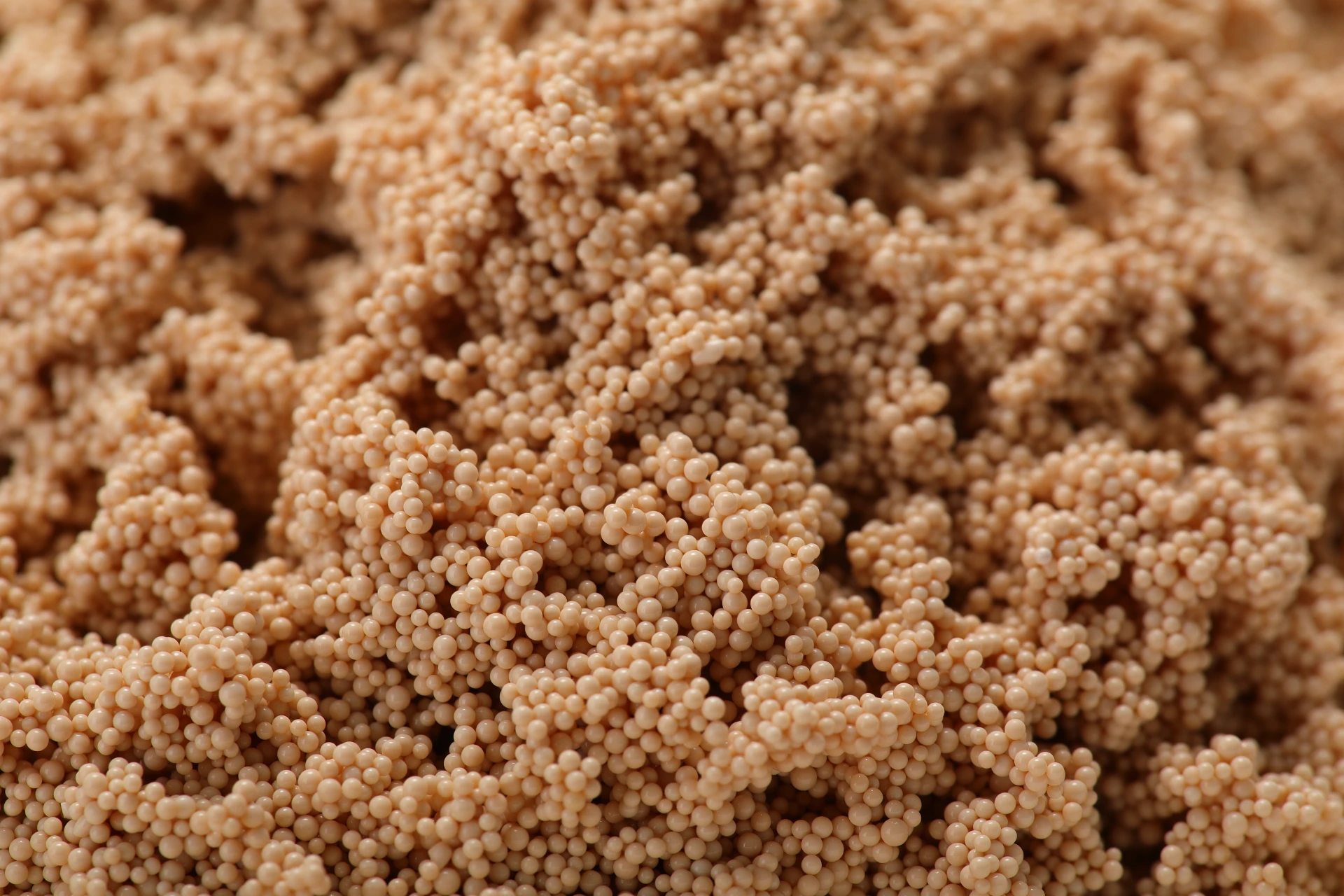
Advanced chelating resin Solutions for Chile's Mining and Water sectors

Optimizing resource recovery and ultrapure water production across the Andean region with high-performance synthetic materials.

Advanced chelating resin Solutions for Chile's Mining and Water sectors

Providing Chile with world-class ion exchange resin technologies to enhance metal extraction efficiency and industrial water purity.

Current State of Synthetic Resins in Chile

Analyzing the intersection of Chile's mineral wealth and water scarcity challenges.

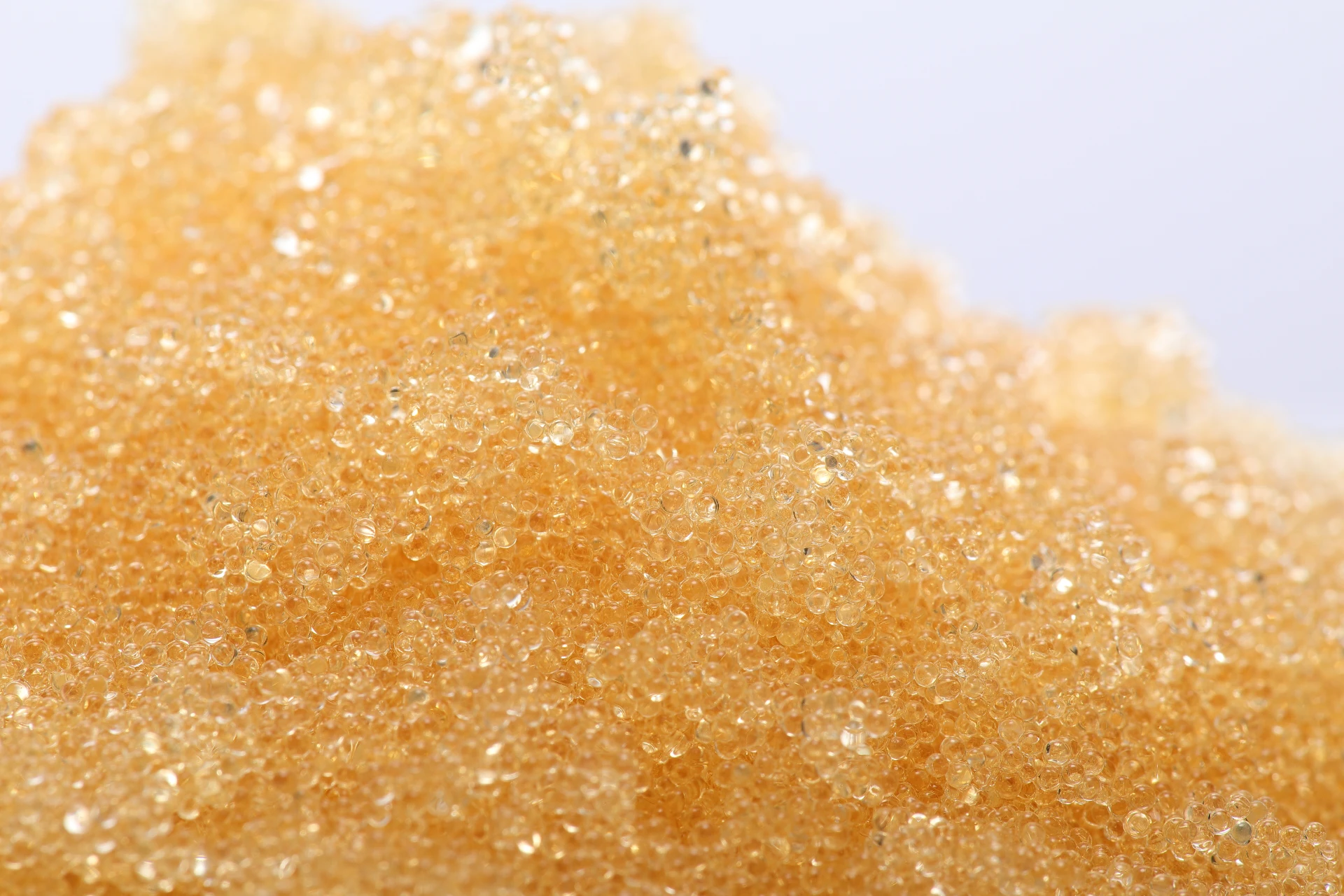
Chile's industrial landscape is dominated by large-scale copper and lithium mining. The demand for a specialized bed resin is critical here, as mining operations require precise separation of precious metals from complex leach solutions, especially in the arid Atacama region.

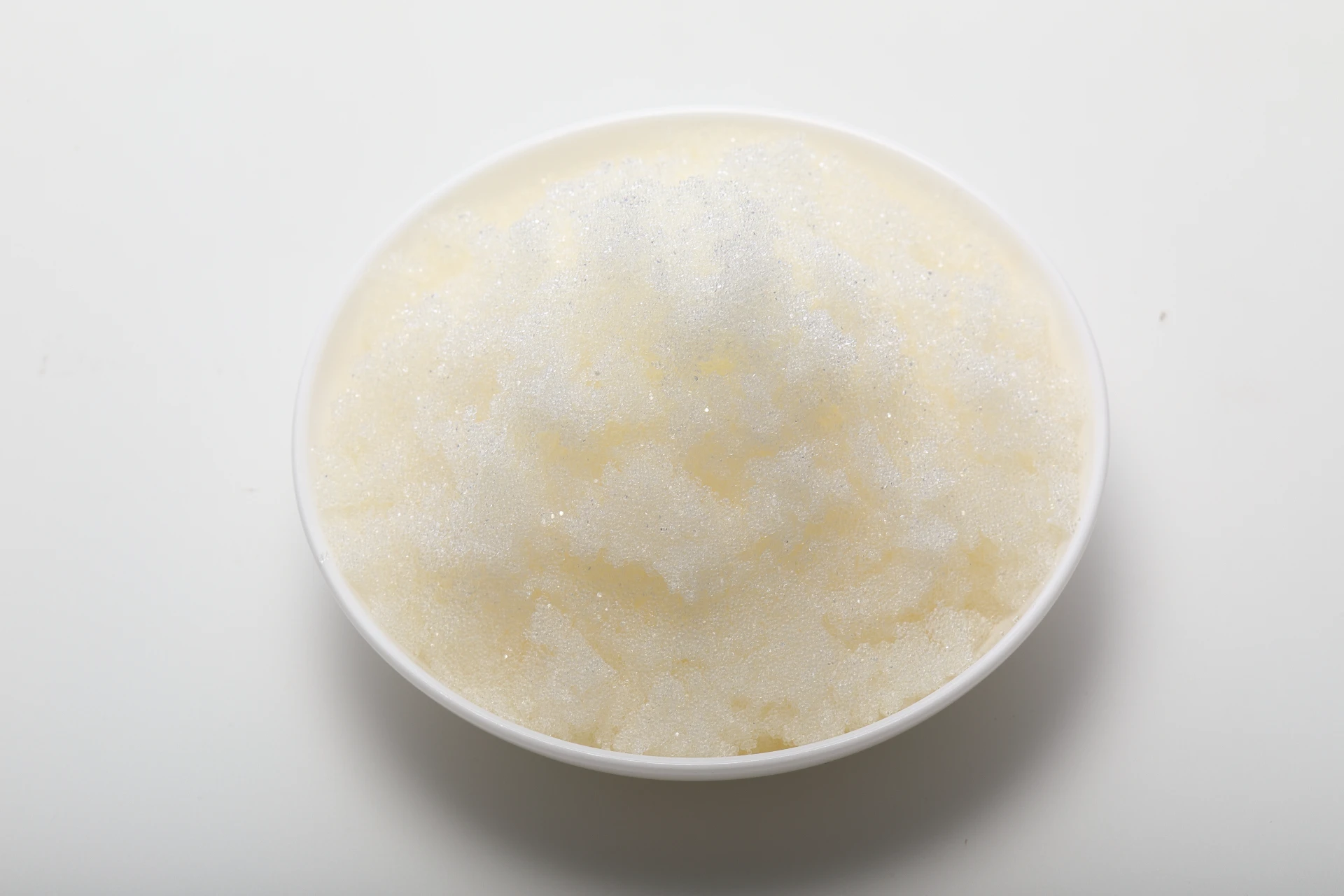
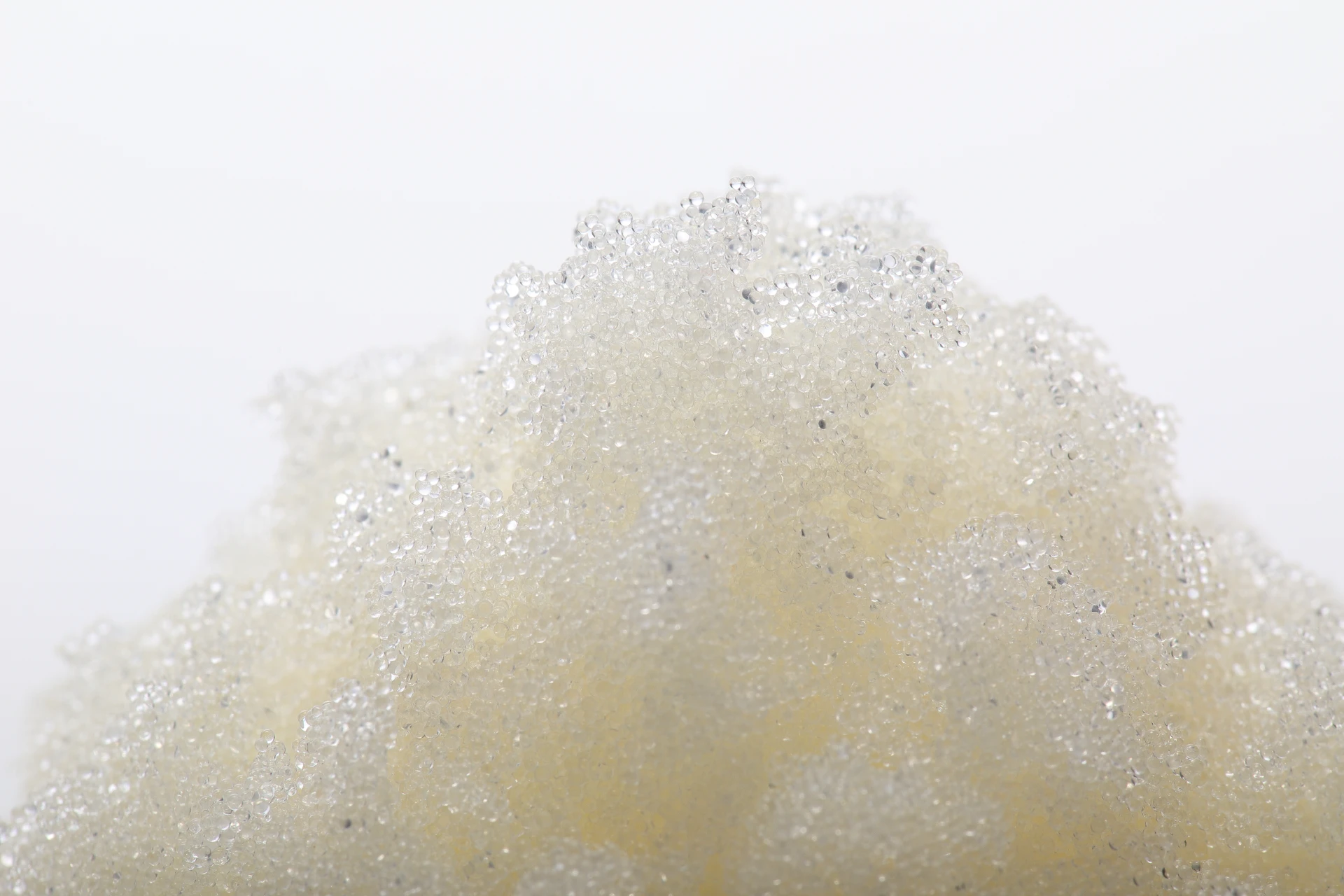
Water scarcity in Chile has pushed the agricultural and municipal sectors toward aggressive desalination. This transition has increased the reliance on mixed bed di resin to ensure that desalinated water meets strict industrial and potable standards, removing trace ions that could cause scaling in infrastructure.

The current market is shifting from general-purpose materials to a special resin approach, where polymers are engineered to withstand the extreme pH levels and high salinity typical of Chilean mineral processing plants.
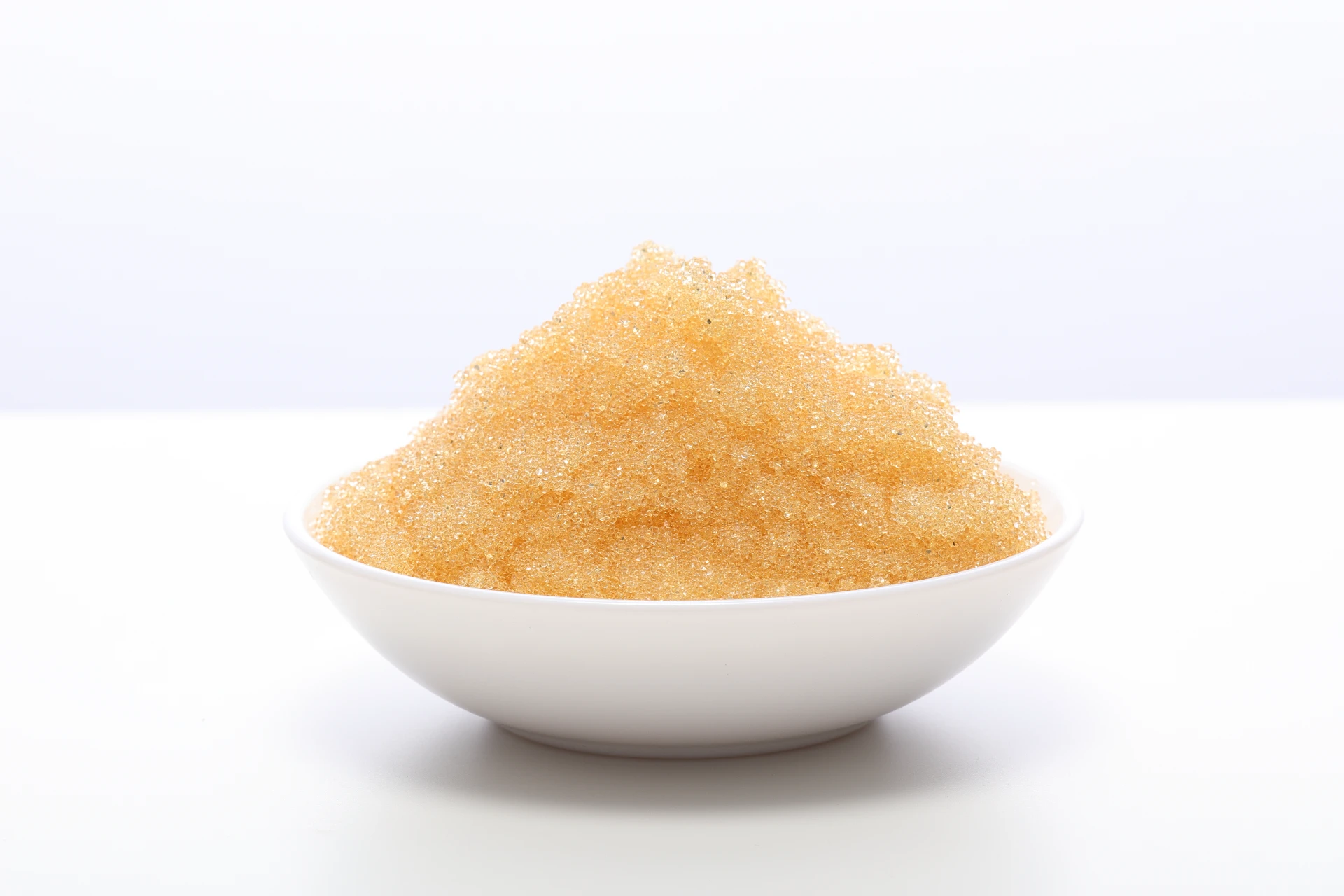
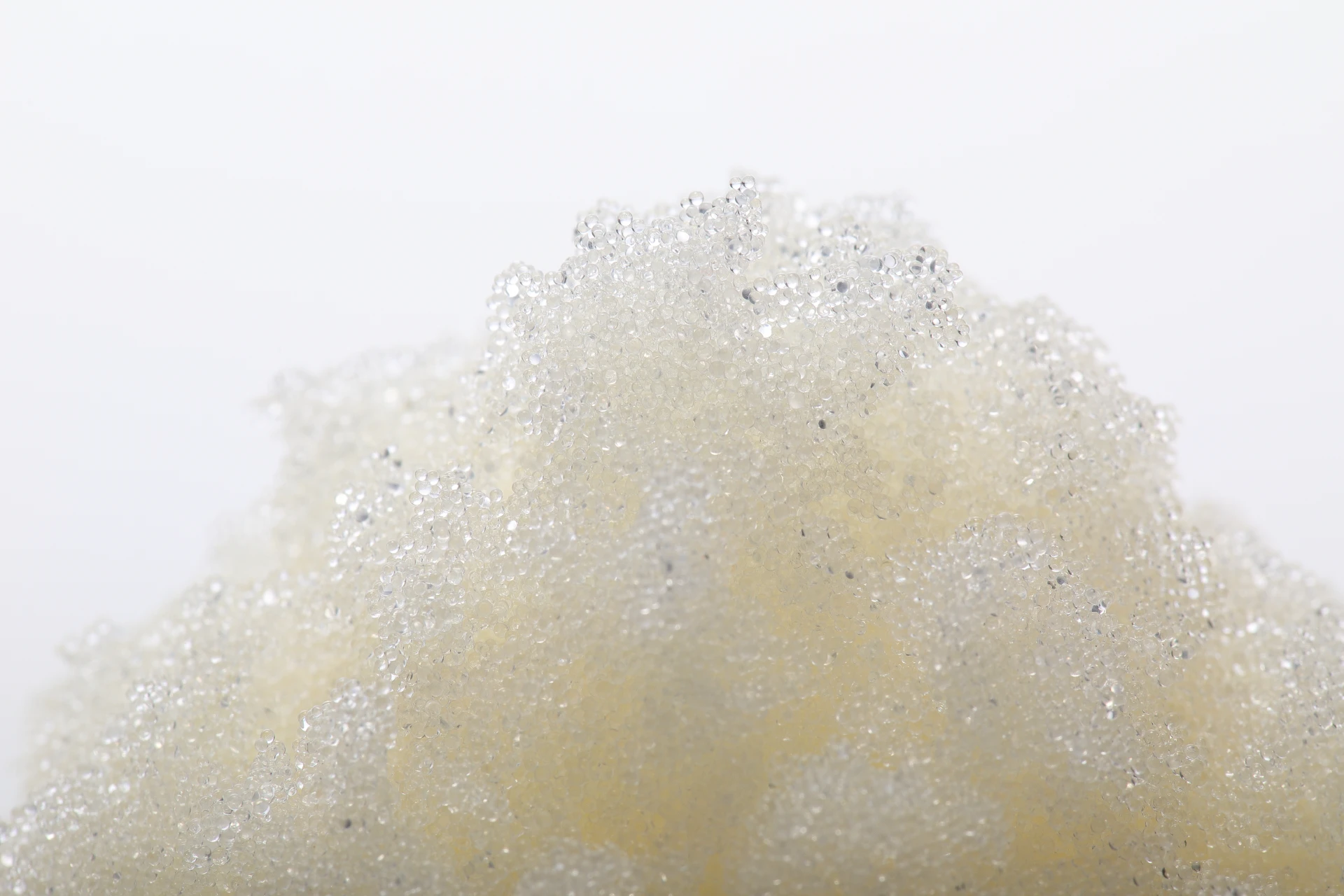
Evolution and Trajectory of Ion Exchange in Chile

From basic water softening to molecular-level selectivity.

Market Development History

In the 1980s and 90s, the Chilean market primarily utilized basic strong acid and base resins for simple water softening and basic copper recovery, focusing on bulk capacity rather than selectivity.

By the 2010s, the "Selectivity Era" began. The introduction of advanced chelating functional groups allowed mining companies to target specific ions like Cobalt or Nickel, significantly reducing chemical waste during regeneration.

Today, the integration of digital monitoring and high-flow resins has transformed the industry into a precision science, where resin kinetics are optimized for the specific flow rates of Andean processing facilities.

Future Development Trends

Sustainable Regeneration Cycles

Moving toward eco-friendly regenerants to reduce the environmental footprint of brine discharge in sensitive Chilean coastal ecosystems.

Hybrid Ion-Exchange Membranes

Integrating resin beads into membrane structures to combine the selectivity of resins with the continuous flow of membrane filtration.

AI-Driven Bed Life Prediction

Using real-time sensor data to predict the breakthrough point of the resin bed, minimizing downtime in 24/7 mining operations.

Industry Trends and Future Outlook

Strategic directions for the synthetic materials industry in South America.

Lithium Extraction Optimization
Developing highly selective resins to separate Lithium from Magnesium in brines.
Circular Water Economy
Implementing zero-liquid discharge (ZLD) systems using resin-based purification.
Tailings Water Recovery
Advanced resin beds to recover metals from mine tailings and recycle water.
Energy-Efficient Deionization
New resins requiring lower chemical concentrations for efficient regeneration.

Industry Outlook

Based on search trends in the South American industrial sector, there is a rising query volume for "sustainable mining chemicals." This indicates that Chilean firms are no longer looking for the cheapest resin, but for the one with the longest lifespan and lowest environmental impact.

We anticipate that within 3-5 years, the market will move toward "Smart Resin Beds," where the resin's chemical composition is customized for the specific mineral fingerprint of a particular mine site, maximizing yield and reducing waste.

Localized Application Scenarios in Chile

Real-world implementation of ion exchange technology in diverse Chilean industries.

1. Copper Mine Acid Leach Purification

Utilizing high-strength resins to purify pregnant leach solutions (PLS), removing impurity ions to ensure the highest grade of copper cathode production in Northern Chile.

2. Atacama Lithium Brine Processing

Deployment of selective chelating resins to separate lithium from high-concentration magnesium brines, increasing the efficiency of lithium carbonate production.

3. Antofagasta Desalination Plants

Implementing multi-stage mixed bed di resin systems to post-treat desalinated seawater for use in high-pressure boiler feed water.

4. Central Valley Agricultural Irrigation

Using ion exchange beds to remove boron and sodium from groundwater, preventing soil salinization and protecting high-value export crops.

5. Santiago Industrial Wastewater Treatment

Applying specialized resins to recover heavy metals from electronics manufacturing waste, ensuring compliance with strict Chilean environmental regulations.

Brand Story

Global Development Journey of Hebei Lijian Biological Technology Co., Ltd.

Foundational Innovation

Started with a mission to solve the inefficiency of traditional ion exchange, focusing on the synthesis of high-purity polymer beads.

Technological Breakthrough

Developed proprietary chelating functional groups that allowed for unprecedented selectivity in complex metal recovery.

Global Market Expansion

Expanded operations to South America, tailoring product lines to meet the rigorous demands of the Chilean mining industry.

Quality Standardization

Achieved international certifications, ensuring that every batch of resin meets global purity and durability standards.

Sustainable Future

Now leading the shift toward green chemistry, creating resins that reduce water and chemical consumption globally.

Comprehensive Resin Portfolio for the Chilean Market

A full suite of synthetic materials designed for mining, power, and water treatment.

Common Questions in the Chilean Resin Market

Expert answers to technical challenges faced by local engineers.

How to choose the right chelating resin for copper recovery in Chile?

Selection depends on the pH of your PLS and the presence of competing ions like Iron. We recommend resins with iminodiacetic acid groups for optimal copper selectivity.

What is the average lifespan of a bed resin in desalination plants?

Typically 3-5 years, depending on the frequency of regeneration and the quality of the feed water. Proper pre-filtration significantly extends lifespan.

Can mixed bed di resin be regenerated on-site in remote mining areas?

Yes, provided there is a stable supply of HCl and NaOH. We provide automated regeneration systems designed for remote site operation.

How do special resins handle high salinity in Atacama brines?

Our special resins use a highly cross-linked matrix to prevent osmotic shock and maintain structural integrity in hypersaline environments.

What is the difference between standard and high-capacity ion exchange resin?

High-capacity resins have a higher density of functional groups per unit volume, allowing for longer run times between regenerations.

How to prevent organic fouling in Chilean groundwater treatment?

Using an organic scavenger resin as a pre-treatment layer before the main ion exchange bed is the most effective method.

Consult Our Resin Specialists

Get customized synthetic material solutions tailored for the industrial requirements of Chile.

Contact Us Now

If you are interested in our products, you can choose to leave your information here, and we will be in touch with you shortly.