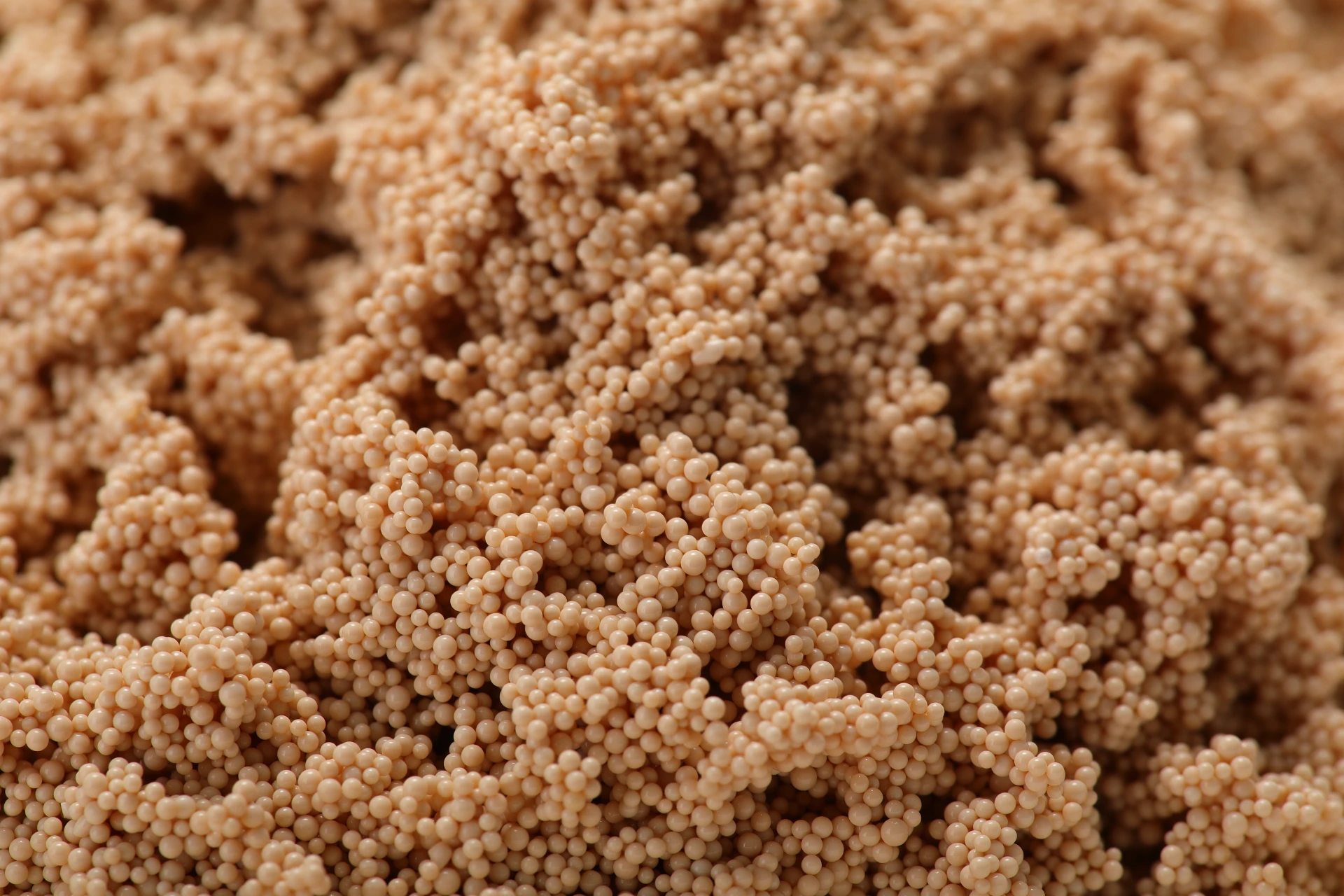
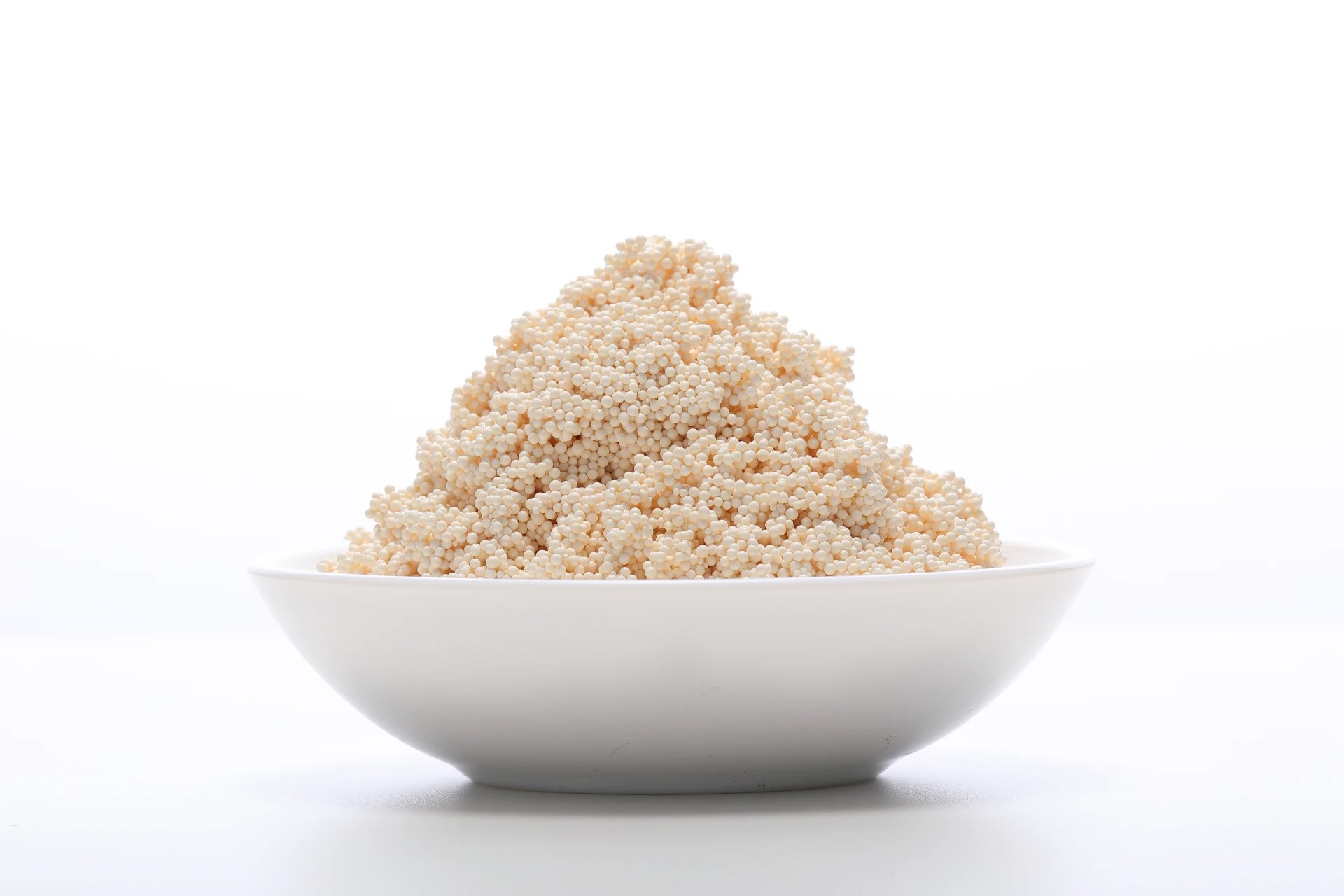
Advanced chelating resin Solutions for Denmark's Industrial Water Treatment

Providing high-performance ion exchange materials tailored for the rigorous environmental standards of the Danish pharmaceutical and energy sectors.

Advanced chelating resin Solutions for Denmark's Industrial Water Treatment

Integrating cutting-edge polymer science to deliver superior water purification and metal recovery services across Denmark, ensuring compliance with EU ecological directives.

Current Landscape of Ion Exchange Technology in Denmark

Adapting to Nordic environmental regulations and high-purity requirements.

Denmark's industrial sector is characterized by a strong emphasis on sustainability and "Green Transition." In the realm of water treatment, there is a surging demand for ion exchange resin that can handle the specific mineral compositions of Danish groundwater while adhering to strict PFAS and heavy metal discharge limits.

The Danish pharmaceutical hub, particularly around the Medicon Valley, requires ultra-pure water. This has led to the widespread adoption of mixed bed di resin to achieve the extremely low conductivity levels required for injectable drug manufacturing and biotechnology research.

Furthermore, the energy sector, focusing on wind and hydrogen production, is increasingly utilizing special resin grades to treat boiler feed water and cooling systems, preventing scaling and corrosion in high-efficiency power plants across the Jutland and Zealand regions.
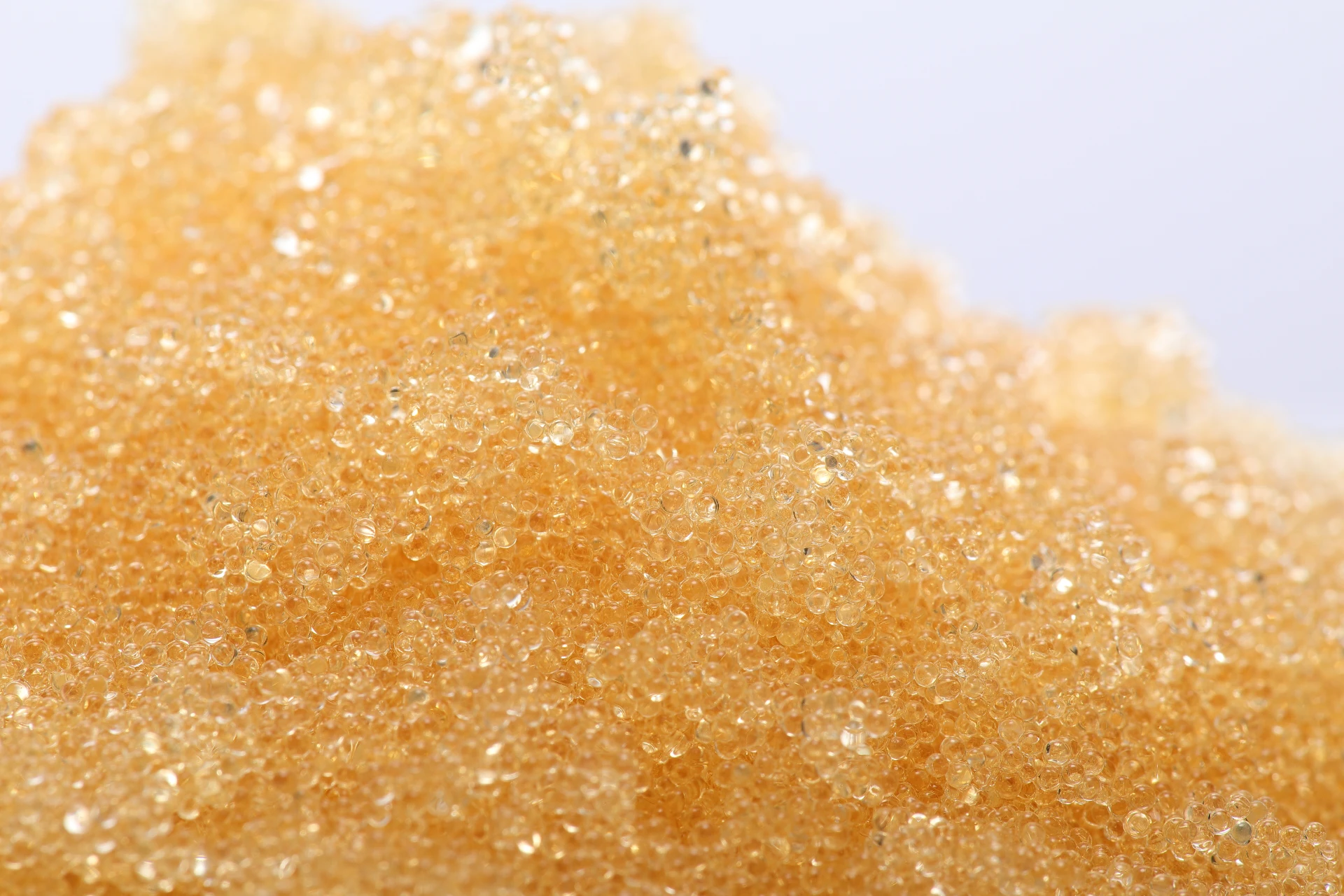
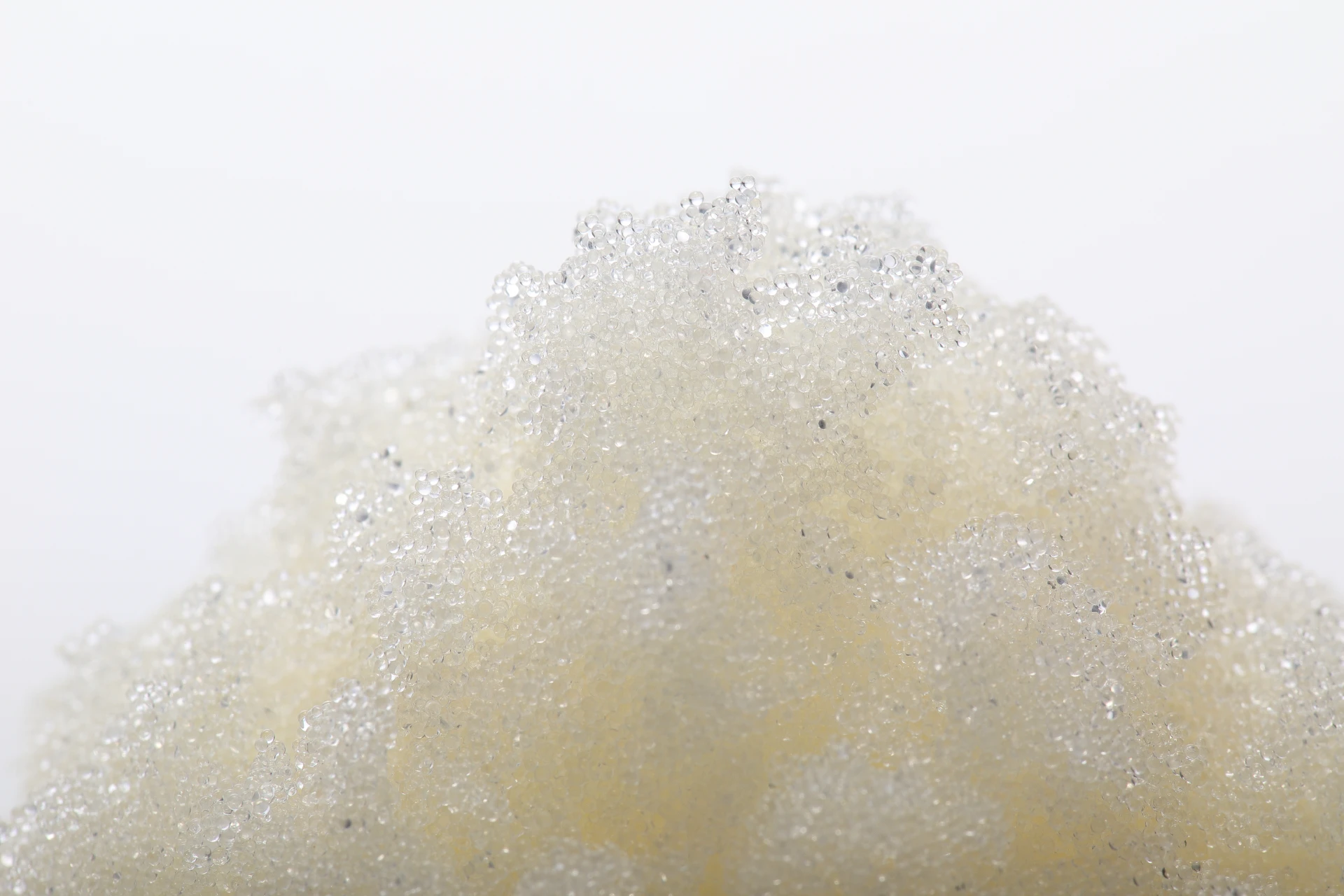
Evolution and Trajectory of Resin Technologies

From basic softening to precision molecular separation.

Market Development History

In the early 2000s, the Danish market relied heavily on standard strong acid and base bed resin for simple water softening and dechlorination in municipal plants.

Between 2010 and 2020, the focus shifted toward selectivity. The introduction of advanced chelating functionalities allowed industries to target specific toxic ions, moving away from bulk removal to precision purification to reduce chemical regenerant waste.

Since 2021, the integration of IoT-monitored resin beds has become a trend in Denmark, allowing operators to predict breakthrough points and optimize the regeneration cycles of their mixed bed di resin systems.

Future Development Trends

Circular Economy Integration

Shift towards resins that can be regenerated with organic acids or biodegradable agents to align with Denmark's zero-waste goals.

PFAS Selective Capture

Development of specialized polymers specifically engineered to capture short-chain PFAS molecules from groundwater.

Smart Resin Matrixes

Implementation of nano-composite structures to increase the exchange capacity and kinetic speed of ion movement.

Future Trends and Strategic Outlook

Anticipating the next generation of synthetic material advancements.

Eco-Friendly Regeneration
Reducing the salt footprint through optimized regeneration algorithms and green chemicals.
High-Selectivity Ligands
Developing ligands that distinguish between similar valence ions for precise metal recovery.
Ultra-Low Pressure Drop
Optimizing bead sphericity to reduce energy consumption in large-scale pumping stations.
Digital Twin Integration
Using software simulations to predict resin exhaustion based on real-time sensor data.

Industry Outlook

Based on Google search trends for "sustainable water treatment" in Scandinavia, we expect a 25% increase in the demand for specialized resins that can handle complex organic contaminants alongside traditional ions over the next 3 years.

The transition toward a hydrogen economy in Denmark will specifically drive the growth of special resin markets, as electrolysis requires water of the highest purity to prevent electrode degradation.

Localized Application Scenarios in Denmark

Real-world implementations of high-efficiency resin systems.

1. Pharmaceutical Grade Water (Copenhagen Region)

Implementing mixed bed di resin to ensure water conductivity remains below 0.1 μS/cm for the production of high-value biologic medicines.

2. Heavy Metal Recovery in Electroplating (Jutland)

Using chelating resin to selectively recover nickel and copper from waste streams, turning pollution into a resource.

3. Municipal Groundwater De-nitrification (Zealand)

Deploying large-scale bed resin installations to remove nitrates from drinking water sources in agricultural areas.

4. Green Hydrogen Electrolyzer Feed (Esbjerg)

Applying special resin for the removal of trace silica and boron to protect PEM electrolyzer membranes.

5. Dairy Process Water Recovery (Central Denmark)

Utilizing ion exchange systems to recover whey proteins and minerals, increasing the yield and sustainability of dairy processing.

Brand Story

Global Development History of Hebei Lijie Biological Technology Co., Ltd.

Foundation and Vision

Established with a mission to solve the most challenging ion separation problems in the chemical industry through polymer innovation.

R&D Breakthroughs

Developed a proprietary cross-linking technology that significantly extends the lifespan of resins in harsh industrial environments.

Global Expansion

Expanded footprint into the European market, specifically tailoring products to meet REACH regulations and EU environmental standards.

Sustainability Commitment

Launched a "Resin Lifecycle" program focusing on the recycling and regeneration of spent industrial materials.

Industry Leadership

Now recognized as a leading provider of high-performance synthesis materials for water purification globally.

Complete Resin Portfolio for the Danish Market

A comprehensive range of synthetic materials designed for Nordic water chemistry.

Local FAQs for Ion Exchange Resin in Denmark

Expert answers to common technical and regulatory questions.

How to choose the right chelating resin for heavy metal removal in Danish wastewater?

The choice depends on the target ion (e.g., Cu, Ni, Zn) and the background salinity. We recommend analyzing the water matrix first to select a resin with the highest selectivity coefficient for the specific metal.

What is the typical lifespan of mixed bed di resin in pharmaceutical applications?

Depending on the feed water quality and regeneration frequency, it typically lasts 3-5 years. Monitoring the pressure drop and conductivity breakthrough is key to optimal replacement.

Do your resins comply with EU REACH regulations for the Danish market?

Yes, all our synthetic materials are fully compliant with REACH and other European safety and environmental directives to ensure safe industrial use.

Can special resin be used for PFAS removal in groundwater?

Yes, specifically engineered anion exchange resins with hydrophobic matrices can effectively capture long and short-chain PFAS molecules.

How do I optimize the regeneration of a bed resin system to save costs?

Implementing counter-current regeneration and using precise dosing pumps to avoid excess chemical use can reduce operational costs by 15-20%.

What is the difference between standard ion exchange resin and chelating versions?

Standard resins remove ions based on charge, while chelating resins form coordination bonds with specific transition metals, allowing them to work even in high-salinity waters.

Consult Our Resin Experts Today

Ready to optimize your water treatment process in Denmark? Contact our technical team for a customized material analysis and solution.

Contact Us Now

If you are interested in our products, you can choose to leave your information here, and we will be in touch with you shortly.