Advanced Chelating Resin Solutions for Ethiopia's Industrial Growth

High-performance ion exchange technologies tailored for water purification, mining, and chemical processing in the Ethiopian market.

Advanced Chelating Resin Solutions for Ethiopia's Industrial Growth

Providing Ethiopia with cutting-edge resin technologies to ensure sustainable water treatment and efficient mineral recovery across East Africa.

Current Landscape of Water Treatment in Ethiopia

Analyzing the demand for high-efficiency resins amidst Ethiopia's rapid industrialization.

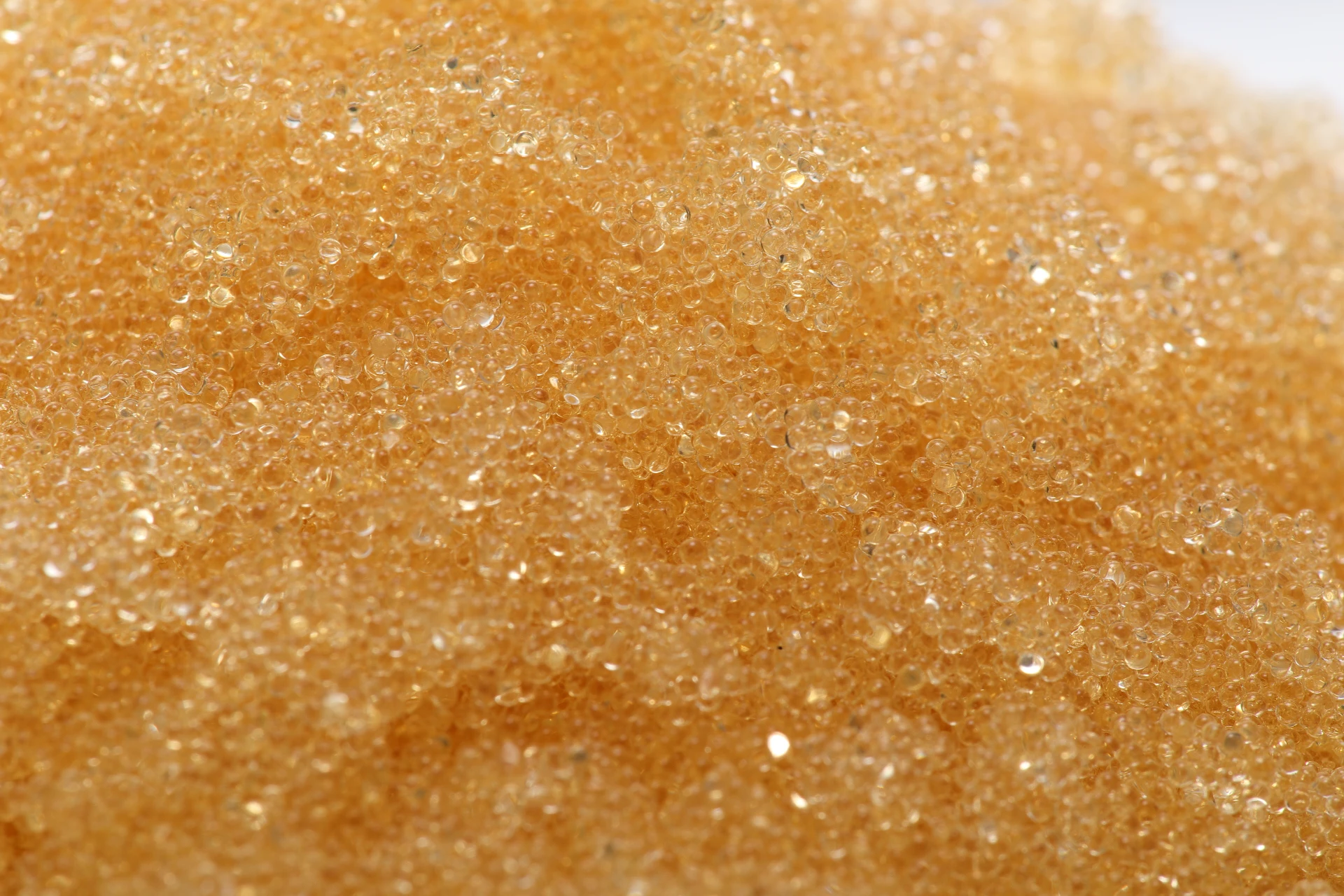
Ethiopia is currently experiencing a surge in industrial park development and agricultural expansion. However, the diverse geological composition of the Ethiopian Highlands often leads to high mineral content in raw water, necessitating the use of high-grade ion exchange resin to prevent scaling and equipment corrosion in manufacturing plants.

In the mining sector, particularly in gold and tantalum extraction, there is a critical need for selective separation. The adoption of special resin has become essential for local enterprises aiming to increase purity levels while adhering to increasingly strict environmental regulations regarding wastewater discharge.

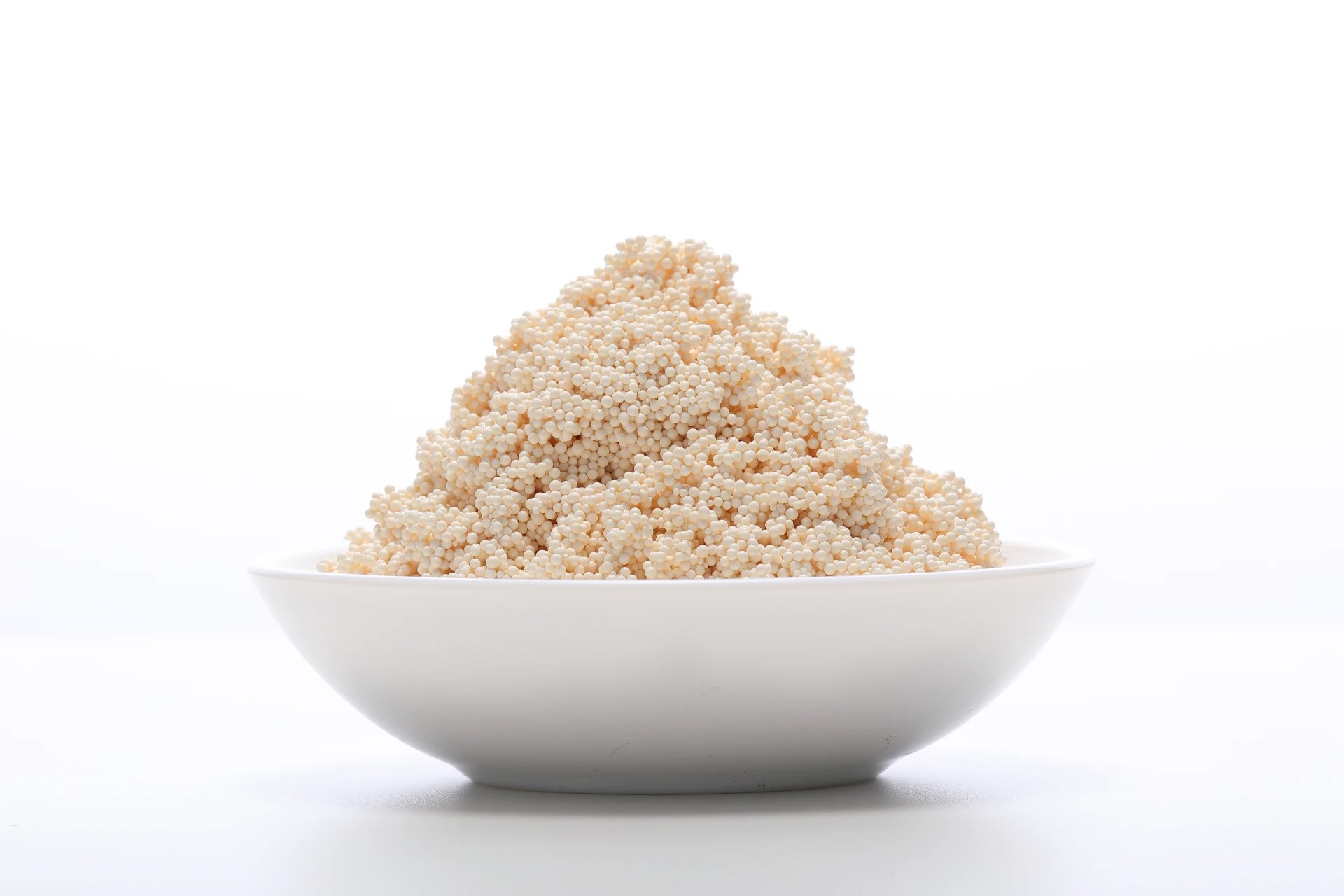
Despite the growth, many local facilities still rely on outdated filtration systems. The shift towards utilizing a professional bed resin configuration is becoming a priority for the beverage and pharmaceutical industries in Addis Ababa to meet international quality standards.
Evolution and Trajectory of Resin Technology in Ethiopia

From basic filtration to intelligent molecular separation.

Market Development History

Between 2000 and 2010, the Ethiopian market primarily utilized basic sand filters and simple softening agents. During this period, the concept of synthetic polymers was limited to a few large-scale state enterprises.

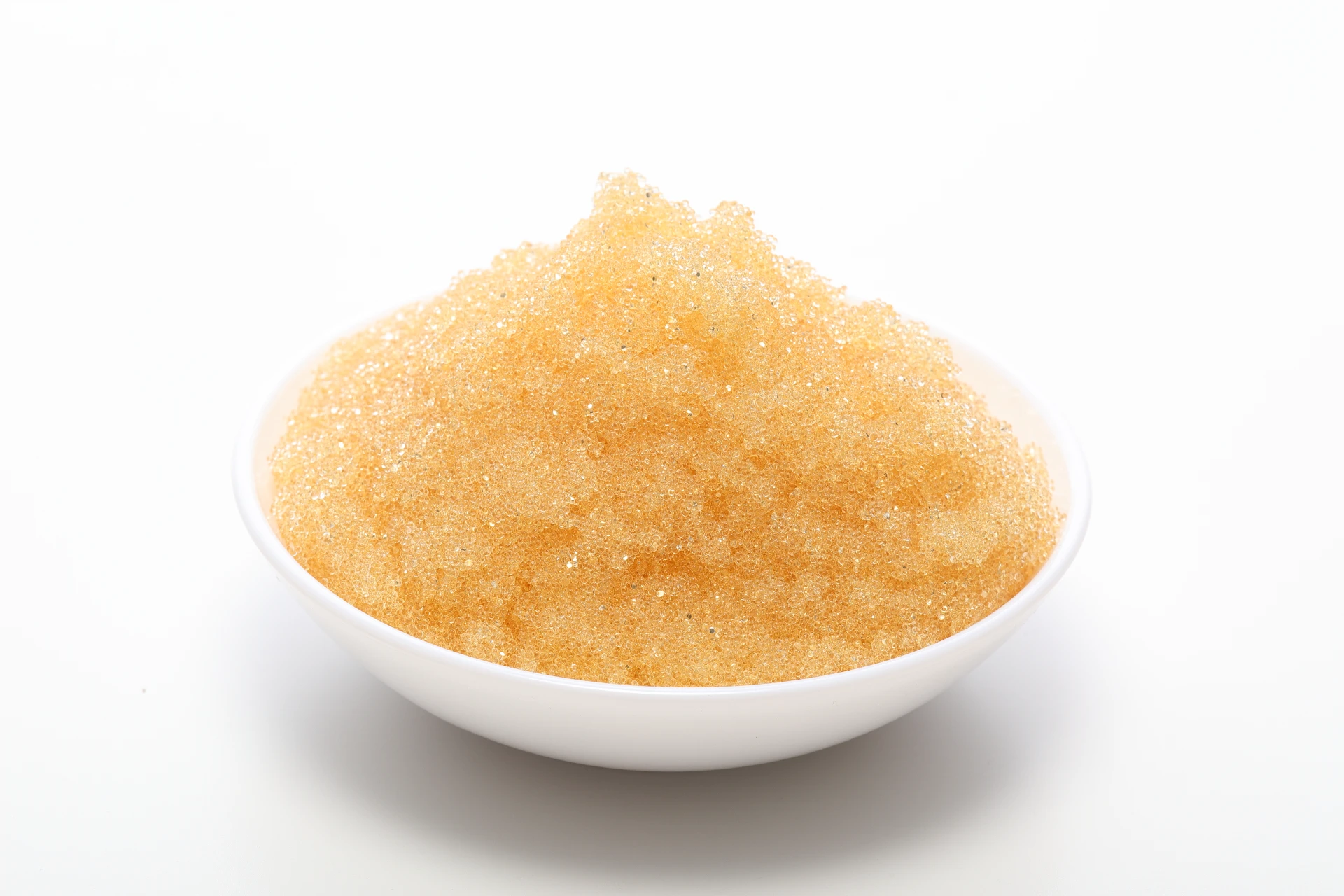
From 2011 to 2020, with the rise of the textile and leather industries, the demand for mixed bed di resin grew rapidly. This transition allowed factories to produce ultrapure water required for high-end dyeing and chemical synthesis.

Since 2021, the focus has shifted toward "Green Chemistry." There is now a clear trend toward resins with higher regeneration efficiency and lower chemical footprints, aligning with Ethiopia's Climate Resilient Green Economy (CRGE) strategy.

Future Development Trends

Digital Integration of Resin Beds

We predict a move toward IoT-enabled monitoring of resin exhaustion rates, allowing Ethiopian operators to optimize regeneration cycles in real-time.

Hyper-Selective Metal Recovery

Increased investment in rare earth element extraction will drive the demand for highly specific chelating functional groups to separate complex metal ions.

Decentralized Water Purification

Small-scale, high-efficiency resin modules will likely proliferate in rural Ethiopian regions to provide potable water and support local agro-processing.

Industry Trends and Future Outlook

Strategizing for the next 5 years of synthetic material application in East Africa.

Circular Economy Transition
Focusing on resins that offer longer lifespans and biodegradable precursors to reduce industrial waste in Ethiopia.
Advanced Desalination
Integrating ion exchange with membrane technology to solve brackish water issues in the Rift Valley region.
Pharmaceutical Grade Purity
Scaling up the production of pharmaceutical-grade water via specialized mixed bed systems for local drug manufacturing.
Waste-to-Resource Recovery
Using selective resins to recover valuable precious metals from industrial runoff in Ethiopian urban centers.

Industry Outlook

Based on Google search trend analysis for "industrial water treatment Africa," there is a significant upward trajectory in searches for sustainable chemical additives. Ethiopia is poised to become a regional hub for resin application as it attracts more FDI in the manufacturing sector.

The convergence of urban expansion and environmental stewardship will drive the transition from general-purpose resins to high-specificity functional materials, ensuring that industrial growth does not come at the expense of Ethiopia's natural water resources.

Localized Application Scenarios in Ethiopia

Real-world implementations of resin technology across various Ethiopian sectors.

1. Brewery and Soft Drink Production in Addis Ababa

Utilizing a multi-stage bed resin system to remove hardness and organic contaminants, ensuring consistent taste and quality for the booming beverage market.

2. Gold Mining Operations in the Oromia Region

Implementing high-selectivity chelating resin for the recovery of gold and other precious metals from complex ore leachates.

3. Leather Tannery Wastewater Treatment

Applying special resin to capture chromium and other heavy metals from wastewater, reducing the environmental impact on local river systems.

4. Pharmaceutical Water Purification

Deploying mixed bed di resin to produce ASTM Type I ultrapure water for the synthesis of essential medicines locally.

5. Agricultural Irrigation Water Conditioning

Using strong acid and base ion exchange resin to treat brackish groundwater, preventing soil salinity and improving crop yields in the Rift Valley.

Brand Story

Global Development Journey of Hebei Lijia Biological Technology Co., Ltd.

Foundation of Excellence

Established with a vision to redefine synthetic material purity, we began by mastering the fundamentals of polymer chemistry.

Technological Breakthroughs

Our R&D team developed proprietary cross-linking methods that significantly increased the durability of industrial resins.

Global Market Expansion

Expanding beyond Asia, we tailored our product lines to meet the harsh environmental challenges of the African continent.

Strategic Partnerships

Collaborating with global engineering firms to integrate our resins into large-scale municipal water projects.

Commitment to Sustainability

Today, we focus on solving the specific pain points of resin fouling and energy-intensive regeneration for our global clients.

Comprehensive Resin Portfolio for Ethiopia

A complete range of high-performance synthetic materials for every industrial need.

Ethiopia Industry FAQs

Expert answers to common challenges in ion exchange resin application.

How to select the best ion exchange resin for Ethiopia's hard water?

The choice depends on the specific mineral profile. For high calcium and magnesium levels common in Ethiopia, we recommend strong acid cation resins with high exchange capacities.

What is the advantage of chelating resin in mining recovery?

Chelating resins offer superior selectivity for heavy metals over alkali metals, allowing for the efficient extraction of gold and copper from dilute streams.

How often should a mixed bed di resin be regenerated in pharmaceutical use?

Regeneration frequency depends on the influent water quality. We typically suggest monitoring conductivity and regenerating when it exceeds 1 µS/cm.

Can special resin remove organic contaminants from textile dyes?

Yes, our specialized macroporous resins are designed to adsorb large organic molecules, making them ideal for the textile industry's wastewater treatment.

What are the common causes of bed resin fouling in Ethiopia?

Fouling is often caused by suspended solids or oil carry-over. Implementing a robust pre-filtration stage is critical to extending resin life.

Is it possible to combine different resins in a single system?

Absolutely. Layered bed configurations or sequential columns using different resins are standard for achieving complex purification goals.

Get Expert Technical Support

Ready to optimize your water treatment process in Ethiopia? Our engineers are here to provide custom resin formulations for your specific needs.

Contact Us Now

If you are interested in our products, you can choose to leave your information here, and we will be in touch with you shortly.