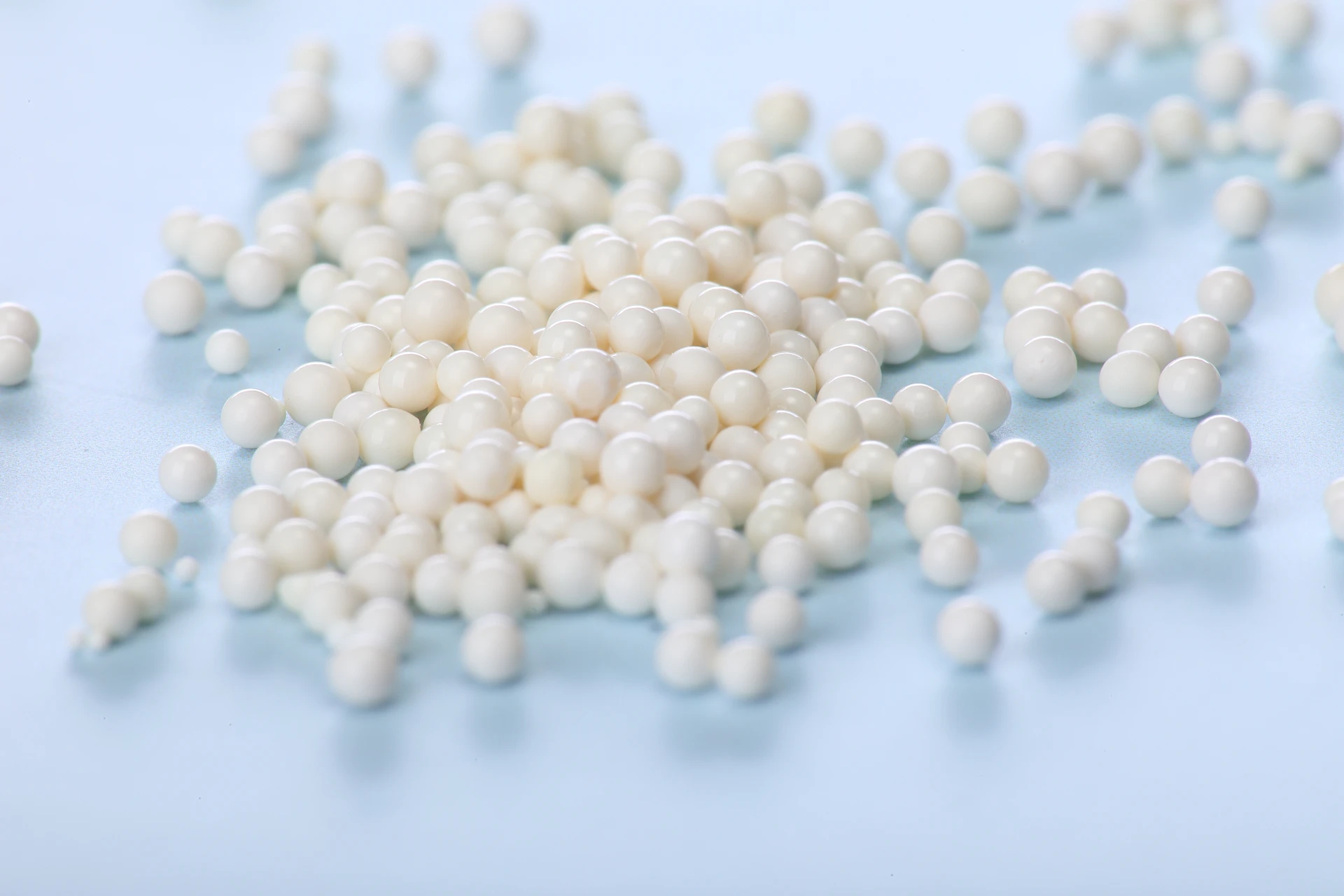
Advanced chelating resin Solutions for Gambia Water Treatment

High-performance synthetic materials designed to optimize industrial purification and mineral extraction in the West African region.

Advanced chelating resin Solutions for Gambia Water Treatment

Providing specialized ion exchange media to tackle the unique salinity and mineral challenges of Gambia's industrial and municipal water systems.

Current Status of ion exchange resin Application in Gambia

Analyzing the intersection of chemical synthesis and Gambia's environmental demands.

In Gambia, the industrial landscape is heavily influenced by its proximity to the Atlantic coast and the Gambia River. The high salinity and seasonal fluctuations in water quality have made the demand for high-grade bed resin essential for preventing scale build-up in local manufacturing plants and bottling facilities.

Currently, many Gambian enterprises rely on imported chemical agents, but there is a growing shift toward sustainable synthetic materials. The adoption of special resin types is increasing as local industries seek to move away from simple filtration toward selective ion removal to meet international quality standards.

However, the extreme humidity and temperature variations in the region often lead to rapid degradation of lower-quality resins. This has created a market gap for thermally stable and chemically resistant materials that can maintain efficiency without frequent, costly replacements.
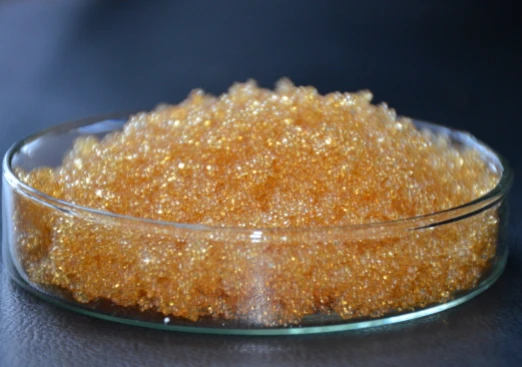
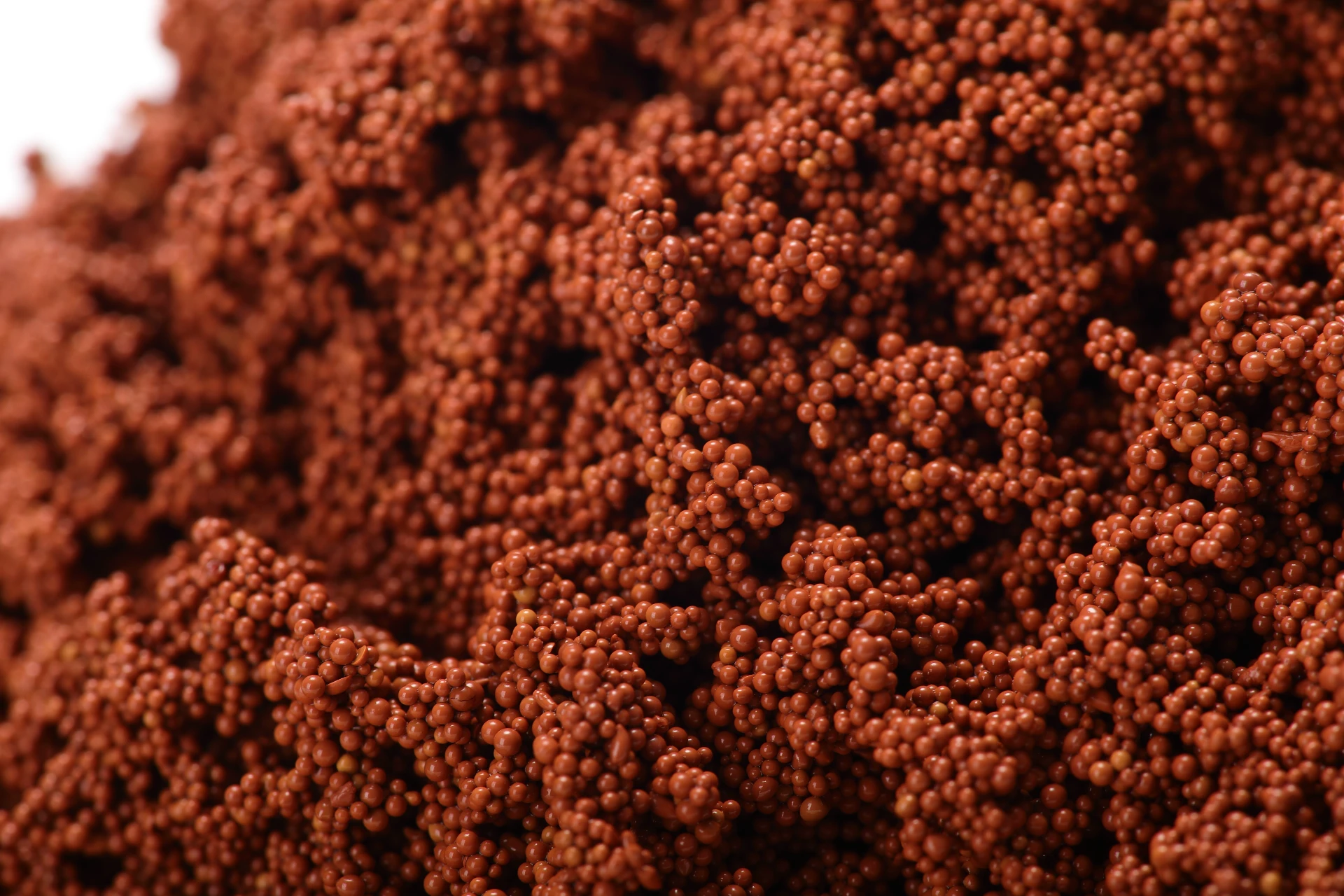
Evolution of Synthetic Resin Technology in the Gambian Market

From basic softening to precision molecular separation.

Market Development History

During the early 2000s, water treatment in Gambia primarily utilized basic salt-based softening techniques. The introduction of early-generation ion exchange resin around 2010 marked the first transition toward industrial-scale demineralization for the food and beverage sector.

Between 2015 and 2020, the focus shifted toward high-purity requirements. This period saw the integration of mixed bed di resin systems, allowing local pharmaceutical and laboratory facilities to achieve the ultra-pure water necessary for sensitive chemical analysis.

In recent years, the trajectory has moved toward "selective separation." The current era is defined by the deployment of specialized functional groups in synthetic polymers to target specific heavy metals found in groundwater, reducing environmental toxicity.

Future Development Trends

Transition to Green Synthesis

Expected movement toward biodegradable substrates in synthetic resins to reduce the ecological footprint of chemical waste in the Gambia River basin.

AI-Driven Regeneration Cycles

Integration of smart sensors to monitor resin exhaustion in real-time, optimizing the use of regenerants and extending the life of the media.

High-Selectivity Hybrid Materials

Development of hybrid resins that combine the strengths of organic polymers and inorganic adsorbents for complex waste stream treatment.

Industry Trends and Future Outlook for Synthetic Materials

Projecting the growth of chemical separation technology in West Africa.

Ultra-Pure Water Demand
Rising demand for mixed bed di resin in the growth of Gambian healthcare and biotech sectors.
Selective Metal Recovery
Using chelating resin to recover precious metals from industrial wastewater.
Climate-Resilient Media
Engineering resins that maintain ion-exchange capacity under high thermal stress.
Circular Economy Integration
Implementing resin regeneration systems that minimize salt discharge into coastal waters.

Industry Outlook

Based on Google search trends for water purification in West Africa, there is a sharp increase in queries regarding "selective ion removal" and "industrial desalination." This indicates that the Gambian market is moving beyond basic water softening toward sophisticated chemical engineering solutions.

Over the next 3-5 years, we expect a convergence of nanotechnology and resin manufacturing, leading to the development of "smart resins" that can be regenerated with fewer chemicals, directly addressing the logistics challenges of importing bulk chemicals into Gambia.

Localized Application Scenarios in Gambia

Tailoring resin technology to the specific environmental needs of the region.

1. Coastal Desalination Plants

Implementing high-capacity bed resin systems to remove sodium and magnesium ions from brackish coastal water, ensuring a steady supply of potable water for urban areas.

2. Beverage and Bottling Industry

Utilizing mixed bed di resin for the production of ultra-pure water, essential for maintaining the taste consistency and purity of locally bottled drinks.

3. Agricultural Runoff Treatment

Deploying chelating resin to capture nitrates and phosphates from agricultural runoff, preventing the eutrophication of the Gambia River.

4. Pharmaceutical Grade Water Production

Using special resin configurations to eliminate trace organic contaminants and heavy metals for medical-grade water systems.

5. Gold and Mineral Processing

Applying selective ion exchange media in small-scale mining operations to recover rare metals from leach solutions, increasing the economic yield of local mineral extraction.

Brand Story

Global Development Journey of Hebei Lijiang Biotech Co., Ltd.

Foundation of Excellence

Established with a mission to revolutionize synthetic material science, we began by solving the most basic challenges of ion exchange efficiency.

Technological Breakthrough

We pioneered the development of high-selectivity functional groups, allowing our resins to operate in extreme pH and temperature conditions.

Expanding the Horizon

Scaling our operations to serve the global market, specializing in customized solutions for regions with challenging water chemistry, such as Africa.

Commitment to Sustainability

Integrating green chemistry into our manufacturing process to ensure that every ton of resin produced minimizes environmental impact.

The Future of Pure Water

Continuing to innovate at the molecular level to provide the world with the most efficient and durable ion exchange media available.

Complete Product Portfolio for the Gambia Market

Comprehensive range of synthetic resins tailored for West African industrial requirements.

Frequently Asked Questions for Gambia Resin Applications

Expert answers to the most common technical queries in the region.

How does high salinity in Gambia affect the lifespan of ion exchange resin?

High salinity increases the ionic load on the resin, leading to more frequent regeneration cycles. We recommend using high-crosslinked polymers to enhance physical durability and resist osmotic shock.

Which chelating resin is best for removing heavy metals from industrial wastewater?

Depending on the target metal, iminodiacetic acid functional groups are highly effective for divalent cations like Copper, Nickel, and Lead, providing high selectivity even in the presence of sodium.

What is the advantage of mixed bed di resin over single-bed systems?

Mixed bed systems combine cation and anion resins in one vessel, achieving much lower resistivity and higher purity water, which is critical for Gambian pharmaceutical applications.

How often should I replace my bed resin in a tropical climate?

While resin doesn't "expire," thermal degradation and organic fouling can occur. In Gambia's climate, we suggest a comprehensive capacity test every 12-24 months to determine replacement needs.

Can special resin be used for the recovery of gold in small-scale mining?

Yes, specialized strong-base anion resins are designed to selectively adsorb gold-cyanide complexes, significantly improving recovery rates in mining operations.

What are the best practices for regenerating resins in remote areas?

Ensure the use of high-purity salt or acid regenerants and maintain consistent flow rates. Implementing automated dosing systems can reduce human error and prolong resin life.

Ready to Optimize Your Water Treatment?

Our technical experts are ready to provide customized synthetic material solutions for your projects in Gambia.

Contact Us Now

If you are interested in our products, you can choose to leave your information here, and we will be in touch with you shortly.