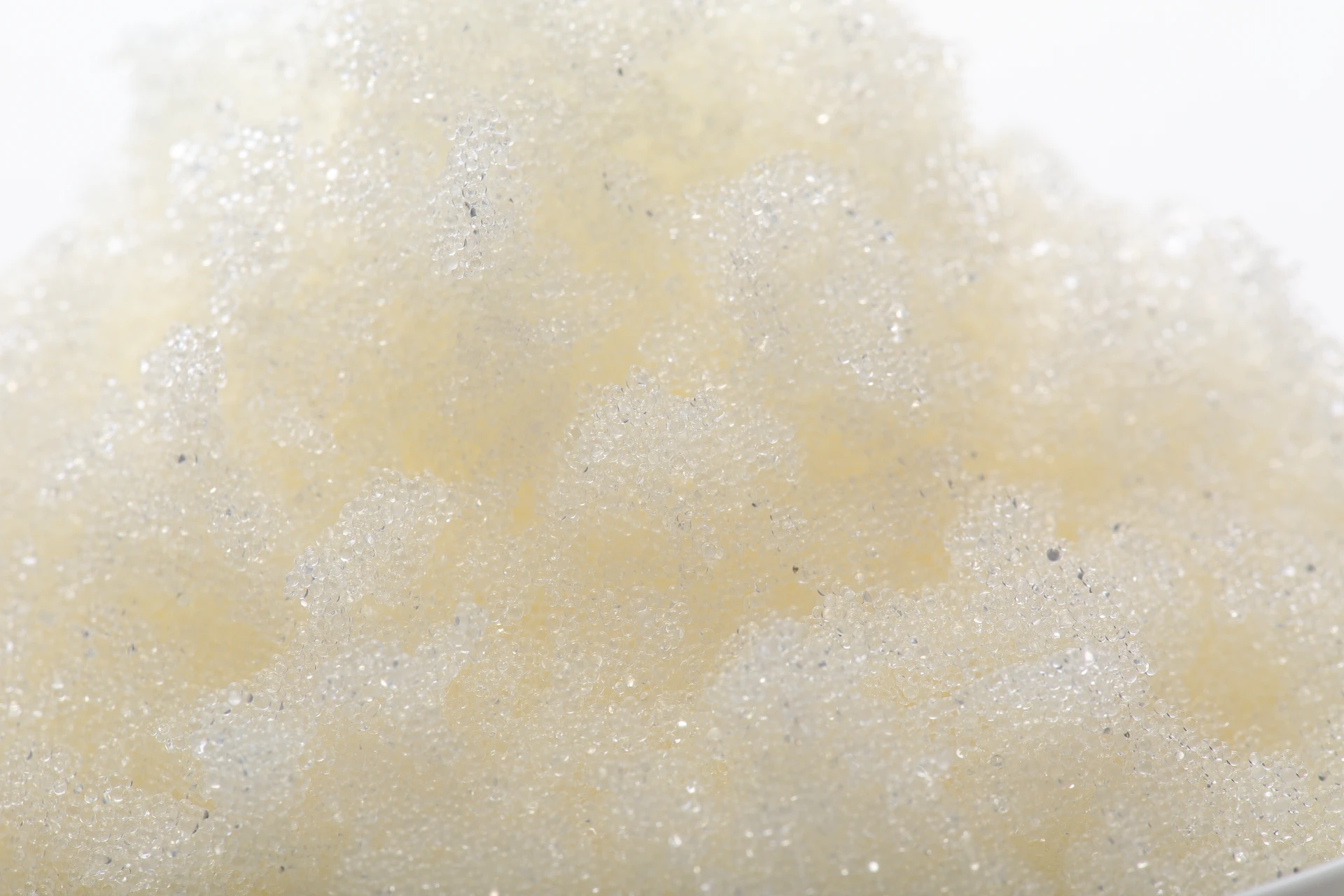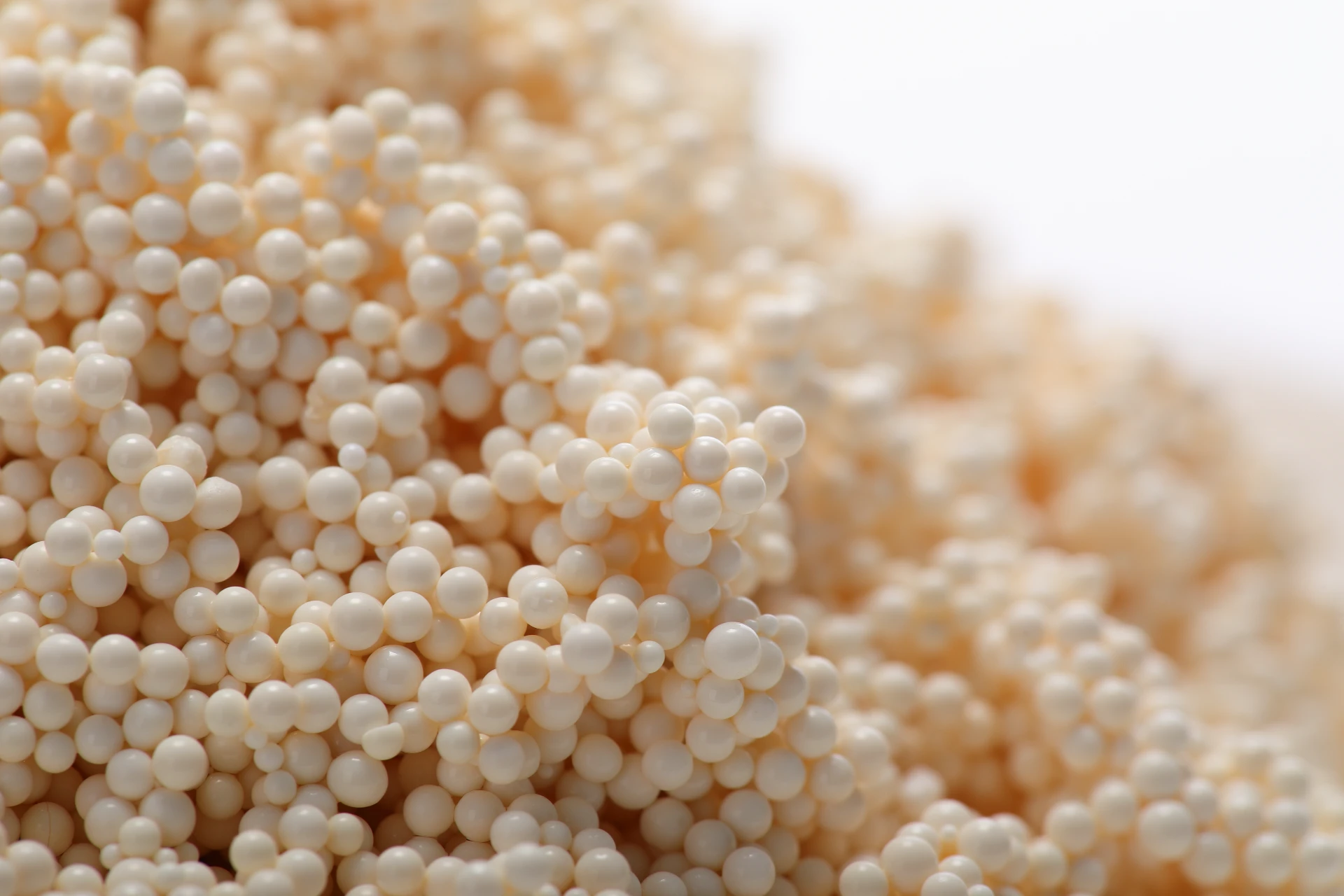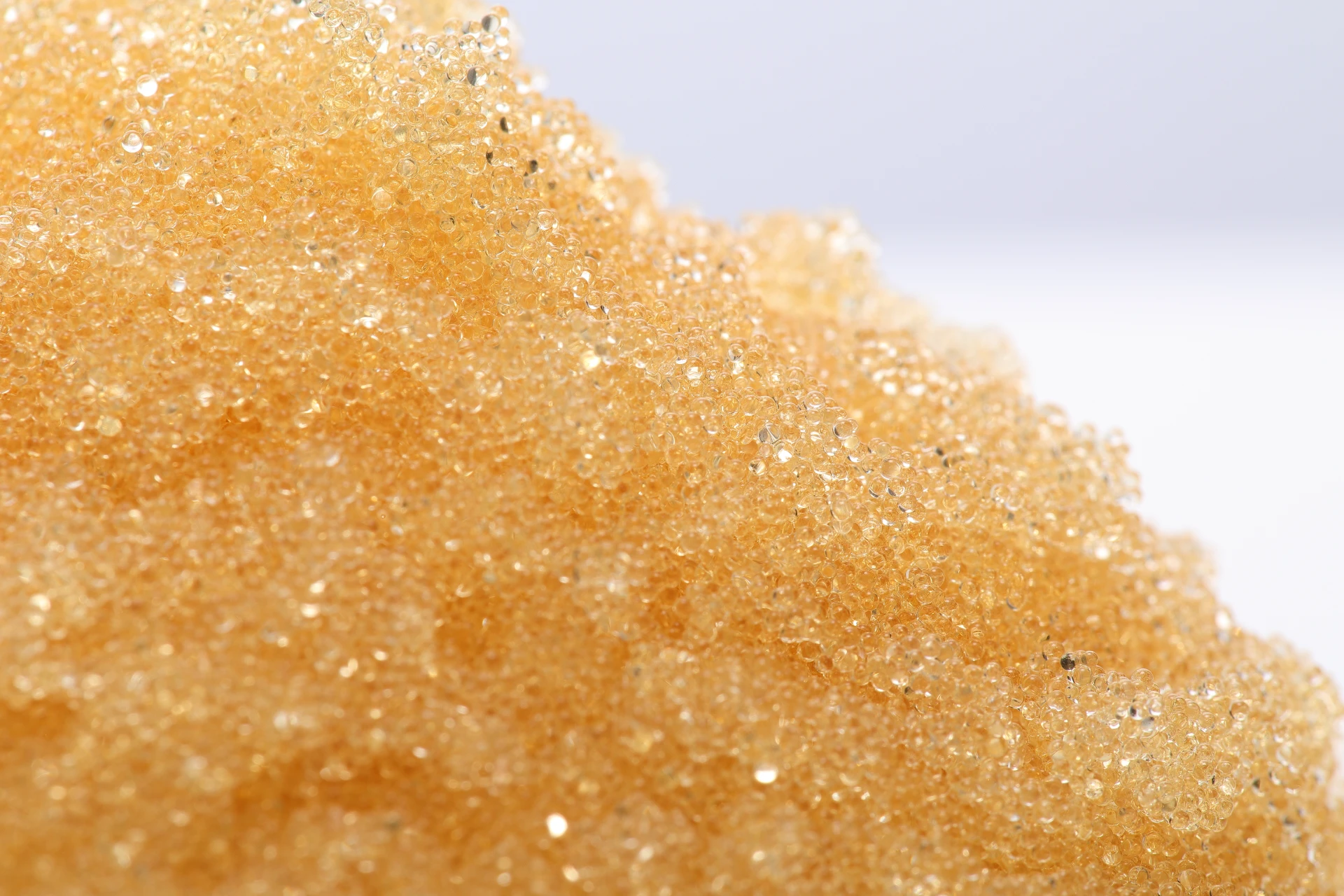
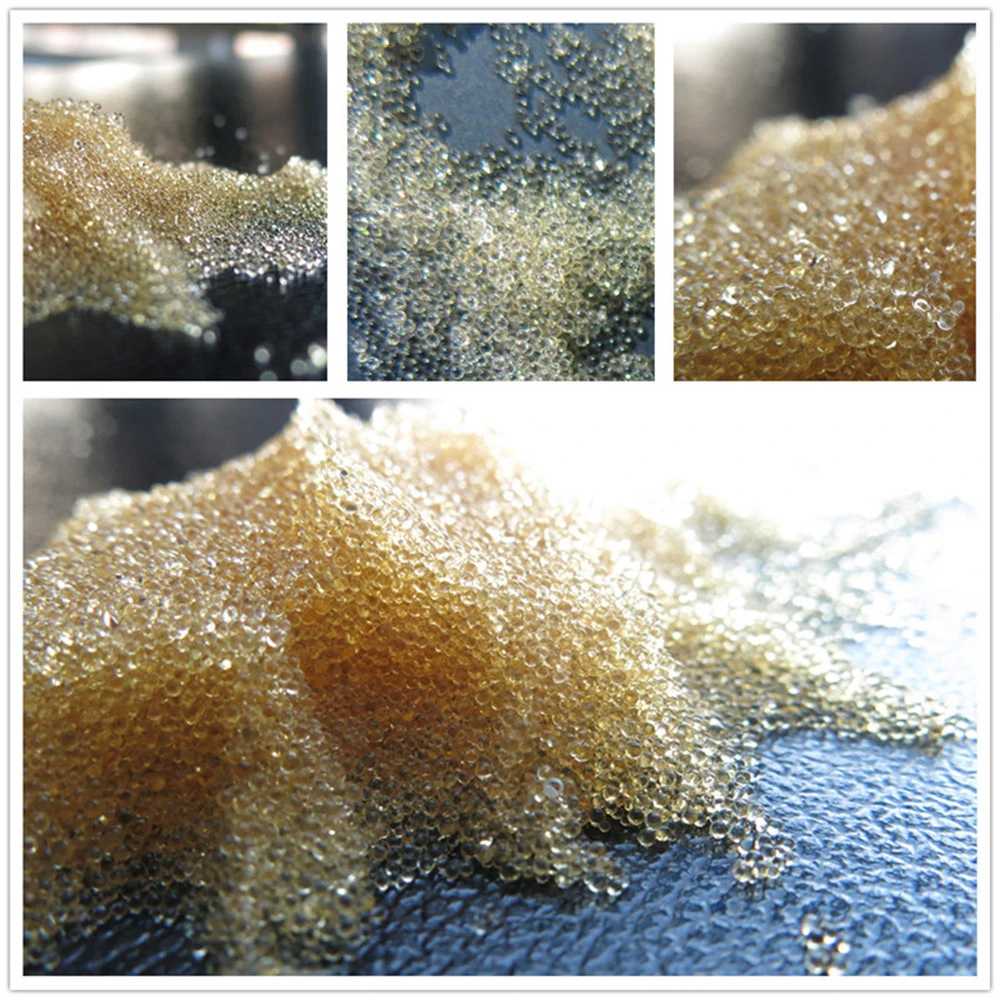
Advanced chelating resin Solutions for Ghana's Industrial Water Treatment

Optimizing mineral extraction and wastewater purification across Ghana with high-performance synthetic materials tailored for tropical environments.

Advanced chelating resin Solutions for Ghana's Industrial Water Treatment

Providing Ghana's manufacturing and mining sectors with high-capacity ion exchange technologies to ensure purity and operational efficiency.

Water Treatment Landscape in Ghana

Challenges and opportunities for ion exchange resin applications in the Ghanaian market.

Ghana's industrial sector, particularly in gold mining and beverage production, faces significant challenges due to high mineral content in raw water and strict environmental discharge regulations. The humid tropical climate accelerates the degradation of low-grade materials, necessitating the use of robust bed resin systems that can withstand fluctuating temperatures.

In regions like Ashanti and Western Ghana, the prevalence of heavy metals in groundwater requires specialized treatment. The reliance on imported chemical agents has led to a growing demand for high-efficiency, regenerable solutions that reduce long-term operational costs and minimize chemical waste in local ecosystems.

Currently, the market is transitioning from basic filtration to advanced chemical synthesis. There is an urgent need for high-selectivity materials to treat complex industrial effluents, driving the adoption of specialized resins that can target specific ions without wasting capacity on benign minerals.
Evolution of Ion Exchange Technology in Ghana

From traditional softening to high-precision special resin applications.

Market Development History

In the early 2000s, Ghana's water treatment relied heavily on simple coagulation and basic softening processes. The initial introduction of ion exchange was limited to small-scale potable water projects, using generic materials with low selectivity.

Between 2010 and 2020, the boom in the mining sector introduced the need for more complex purification. This era saw the shift toward mixed bed di resin systems to achieve the ultra-pure water required for sensitive laboratory analysis and industrial boilers.

Today, the industry has entered the phase of "Precision Purification." Modern plants now integrate smart regeneration cycles and high-selectivity chelating agents to handle specific contaminants like arsenic and mercury, which are common in Ghanaian ore processing.

Future Development Trends

Green Regeneration Cycles

Moving toward bio-degradable regenerants to reduce the environmental footprint of chemical plants in the Volta region.

Nanostructured Resin Matrices

The adoption of resins with optimized pore structures to increase the kinetic rate of ion exchange in high-flow industrial streams.

Integrated Automation

Shift towards IoT-enabled monitoring of resin bed exhaustion, reducing downtime in Ghana's 24/7 manufacturing facilities.

Industry Outlook and Strategic Forecast

Predicting the trajectory of synthetic material applications in West Africa.

Selective Heavy Metal Recovery
Increasing use of chelating agents to recover precious metals from mining tailings in Ghana.
Ultra-Pure Water Demand
Expansion of pharmaceutical plants in Accra driving the need for high-grade deionization.
Circular Economy Integration
Implementing resin-based wastewater recycling to combat water scarcity in arid zones.
Resilient Material Science
Developing resins with higher thermal stability for the Ghanaian industrial heat.

Industry Outlook

Based on Google search trends in West Africa, there is a significant increase in queries related to "industrial water purification" and "heavy metal removal." This suggests a market shift toward high-spec synthetic materials rather than basic chemical dosing.

Over the next 3-5 years, we expect the Ghanaian market to prioritize sustainable deionization. The synergy between energy efficiency and water purity will make advanced resin beds a core component of the country's industrialization strategy.

Localized Application Scenarios in Ghana

Practical implementations of ion exchange technology across diverse Ghanaian industries.

1. Gold Mining Effluent Treatment

Using high-selectivity resins to remove cyanide complexes and recover residual gold from wastewater in the Obuasi mining region.

2. Beverage Bottling Water Softening

Implementing large-scale ion exchange systems in Accra to remove calcium and magnesium for consistent product taste and quality.

3. Power Plant Boiler Feed Water

Deploying polishing units with mixed-bed resins to prevent scaling and corrosion in thermal power plants supporting the national grid.

4. Pharmaceutical Grade Water Production

Using multistage deionization to produce USP-grade water for the expanding local drug manufacturing sector.

5. Agricultural Runoff Remediation

Applying specialized resins to capture nitrates and phosphates from large-scale cocoa plantation drainage to protect local rivers.

Brand Story

Global Development History of Hebei Lijie Biological Technology Co., Ltd.

Foundational Innovation

Started with a mission to solve the core pain points of inefficient ion exchange by developing high-stability polymer matrices.

Technological Breakthrough

Perfected the synthesis of chelating resins that offer superior selectivity for transition metals in complex industrial streams.

Global Market Expansion

Expanded operations into the African market, adapting product specifications to suit the unique water chemistry of Ghana.

Sustainability Leadership

Introduced eco-friendly manufacturing processes that reduce the carbon footprint of synthetic resin production.

Future-Ready Solutions

Currently developing next-generation resins designed for the circular economy and zero-liquid discharge (ZLD) plants.

Comprehensive Resin Portfolio for Ghana

A full suite of synthetic materials designed for the Ghanaian industrial environment.

Ghana Industrial Resin FAQ

Expert answers to common technical queries regarding ion exchange in West Africa.

How to choose the right chelating resin for mining wastewater in Ghana?

Selection depends on the target metal. For gold recovery, we recommend resins with strong iminodiacetic acid groups that provide high selectivity over alkali metals.

What is the lifespan of a mixed bed di resin in tropical climates?

Lifespan depends on organic loading. In Ghana's humid environment, pre-filtration is essential to prevent organic fouling and extend resin life up to 3-5 years.

Can special resin be used for arsenic removal in groundwater?

Yes, our specialized iron-oxide impregnated resins are highly effective for the selective removal of arsenic from drinking water sources.

How often should a bed resin be regenerated in beverage plants?

Regeneration frequency is based on throughput volume and influent hardness. Automated controllers are recommended for Ghanaian plants to optimize salt usage.

Is ion exchange resin more efficient than reverse osmosis for Ghana's water?

They serve different purposes. Ion exchange is superior for selective mineral removal and polishing, while RO is better for total dissolved solids (TDS) reduction.

What are the storage requirements for resins in Ghana?

Resins must be kept in cool, shaded areas away from direct sunlight and extreme heat to prevent the drying and cracking of the polymer beads.

Consult Our Technical Experts

Get customized water treatment solutions for your facility in Ghana. Our engineers are ready to optimize your process.

Contact Us Now

If you are interested in our products, you can choose to leave your information here, and we will be in touch with you shortly.