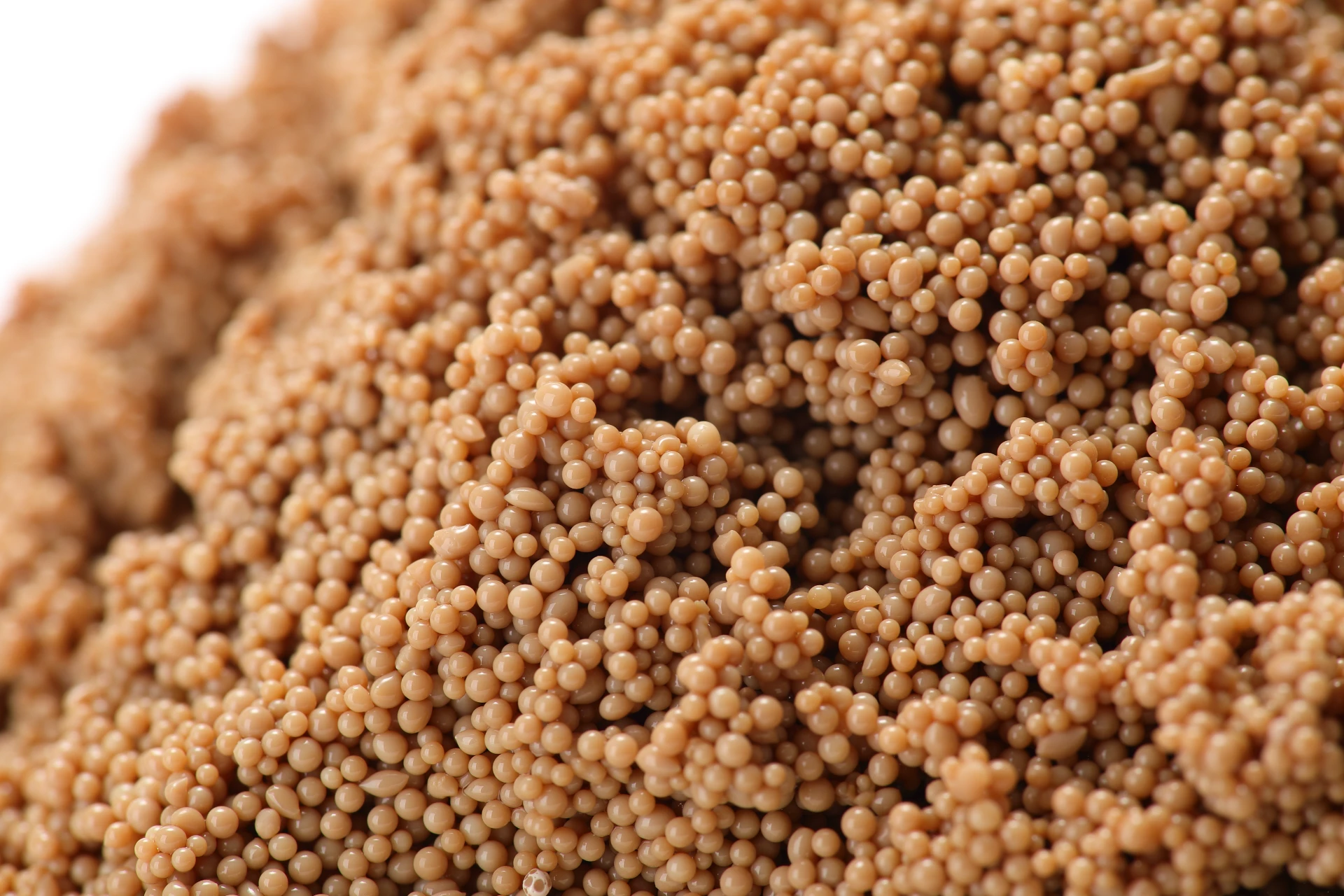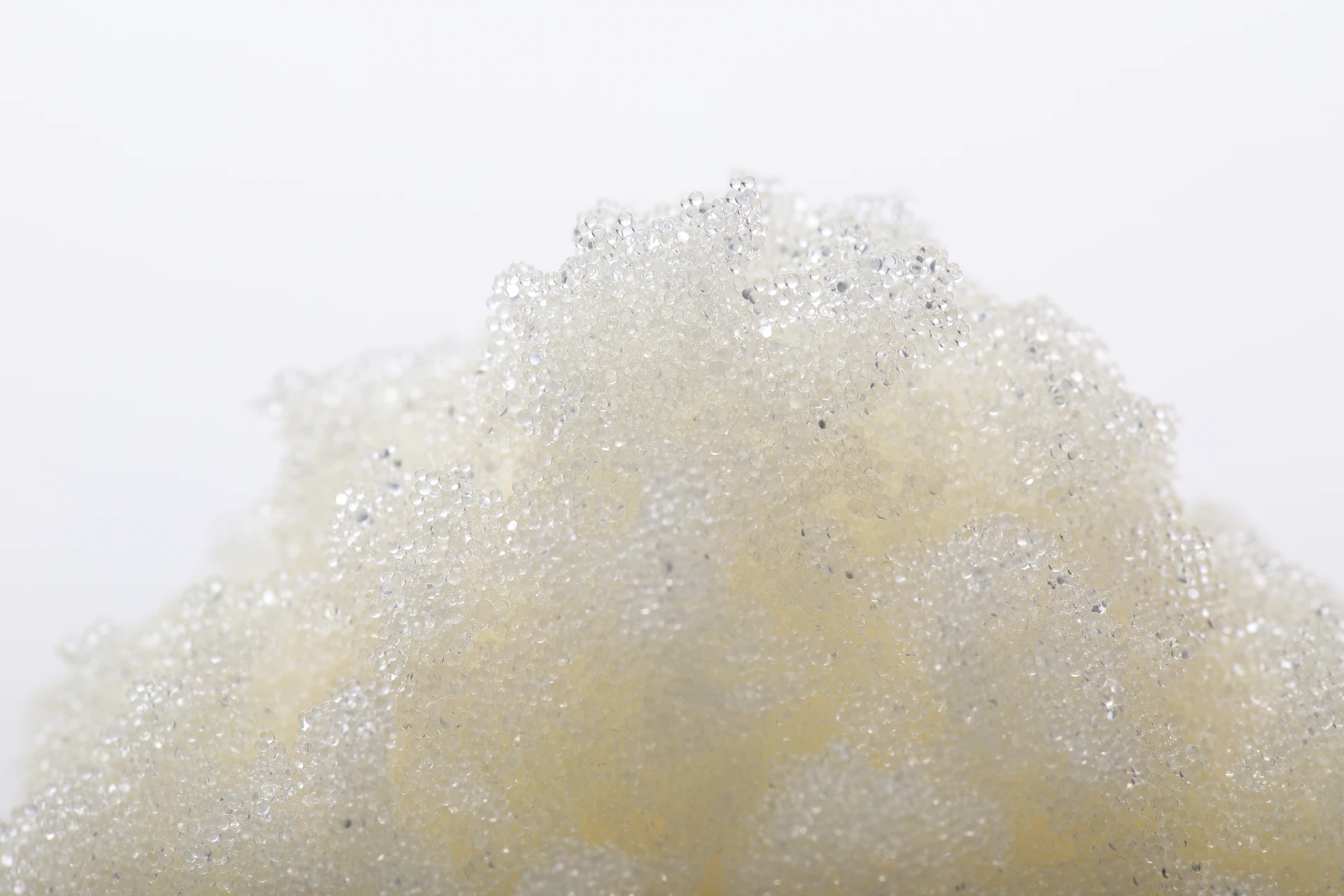
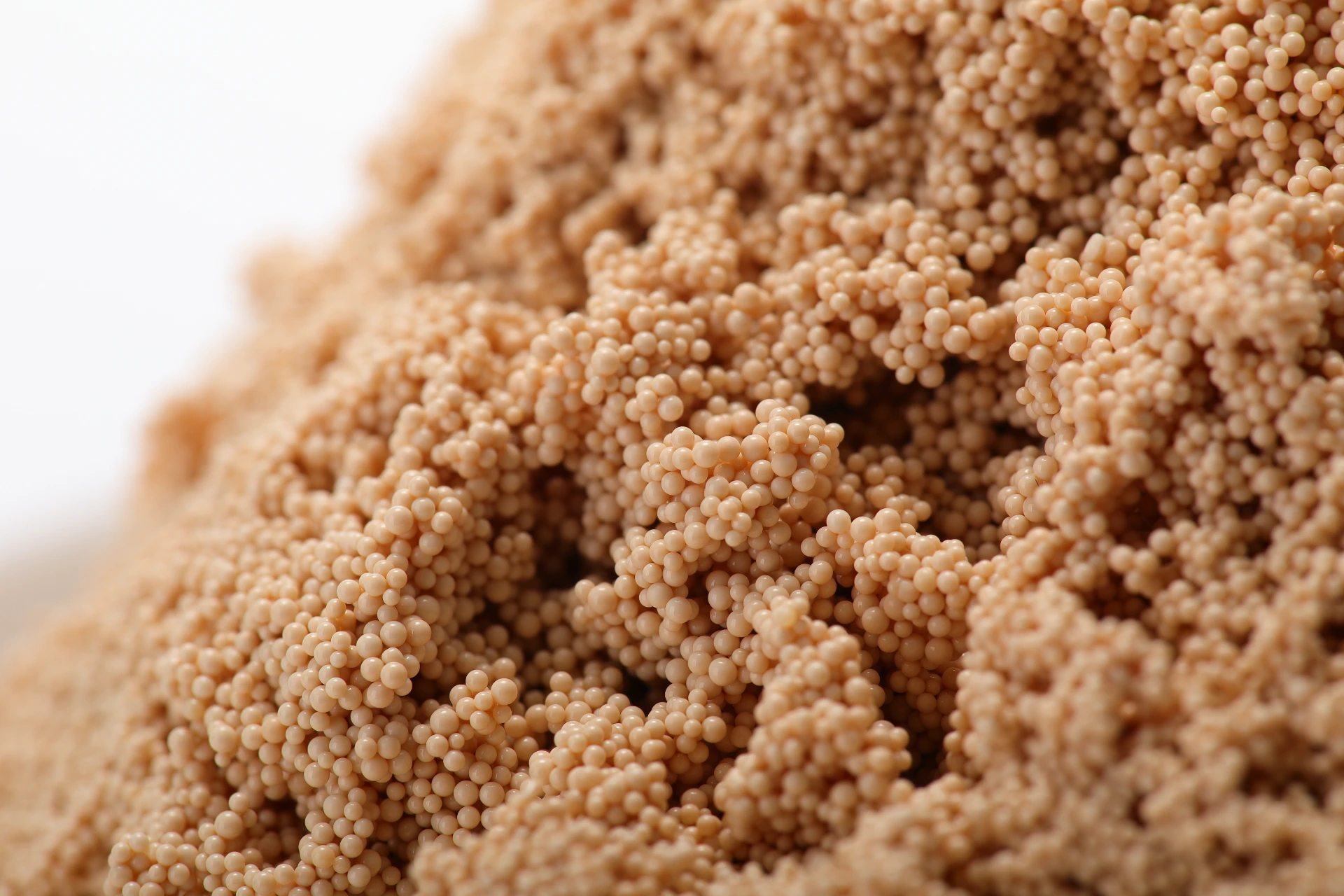
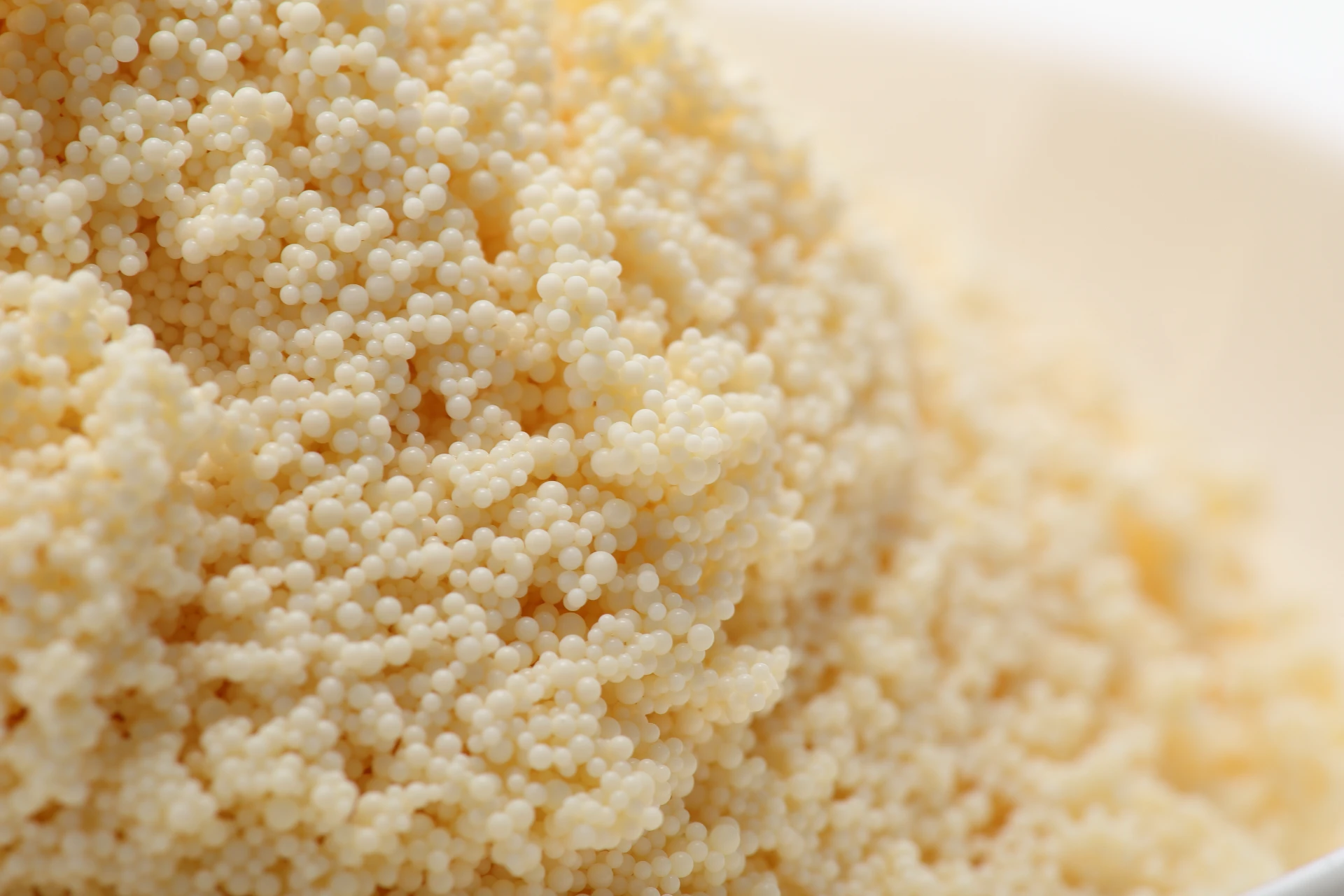
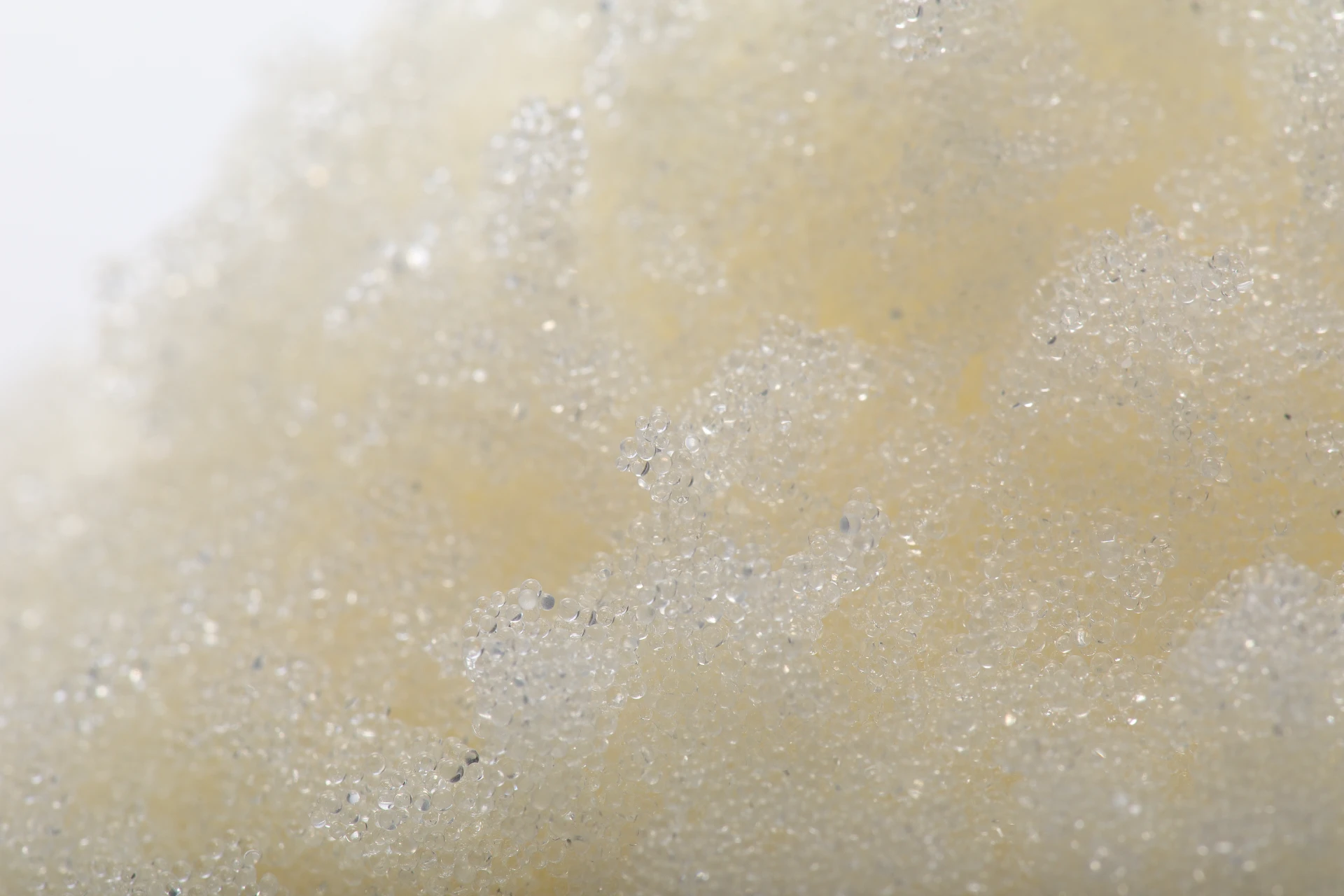
Advanced chelating resin Solutions for Israel's Industrial Water Treatment

Precision-engineered synthetic materials designed to tackle high salinity and complex mineral compositions in the Mediterranean region.

Advanced chelating resin Solutions for Israel's Industrial Water Treatment

Providing high-performance ion exchange technologies to optimize water purity and mineral recovery for Israel's chemical and agricultural sectors.

Water Purification Landscape in Israel

Addressing the challenges of extreme salinity and limited freshwater resources.

Israel faces a unique environmental challenge where groundwater is often characterized by high mineralization and brackish conditions. The widespread use of ion exchange resin has become critical for the desalination plants along the coast and the agricultural irrigation systems in the Negev desert.

The industrial sector in Israel, particularly in chemical manufacturing and pharmaceuticals, requires ultra-pure water. This has led to a high demand for mixed bed di resin to ensure that dissolved solids are eliminated to the lowest possible levels, meeting stringent international quality standards.

Furthermore, the presence of specific heavy metals in industrial runoff requires the deployment of special resin grades that can selectively remove contaminants without depleting essential minerals, balancing industrial efficiency with environmental sustainability.
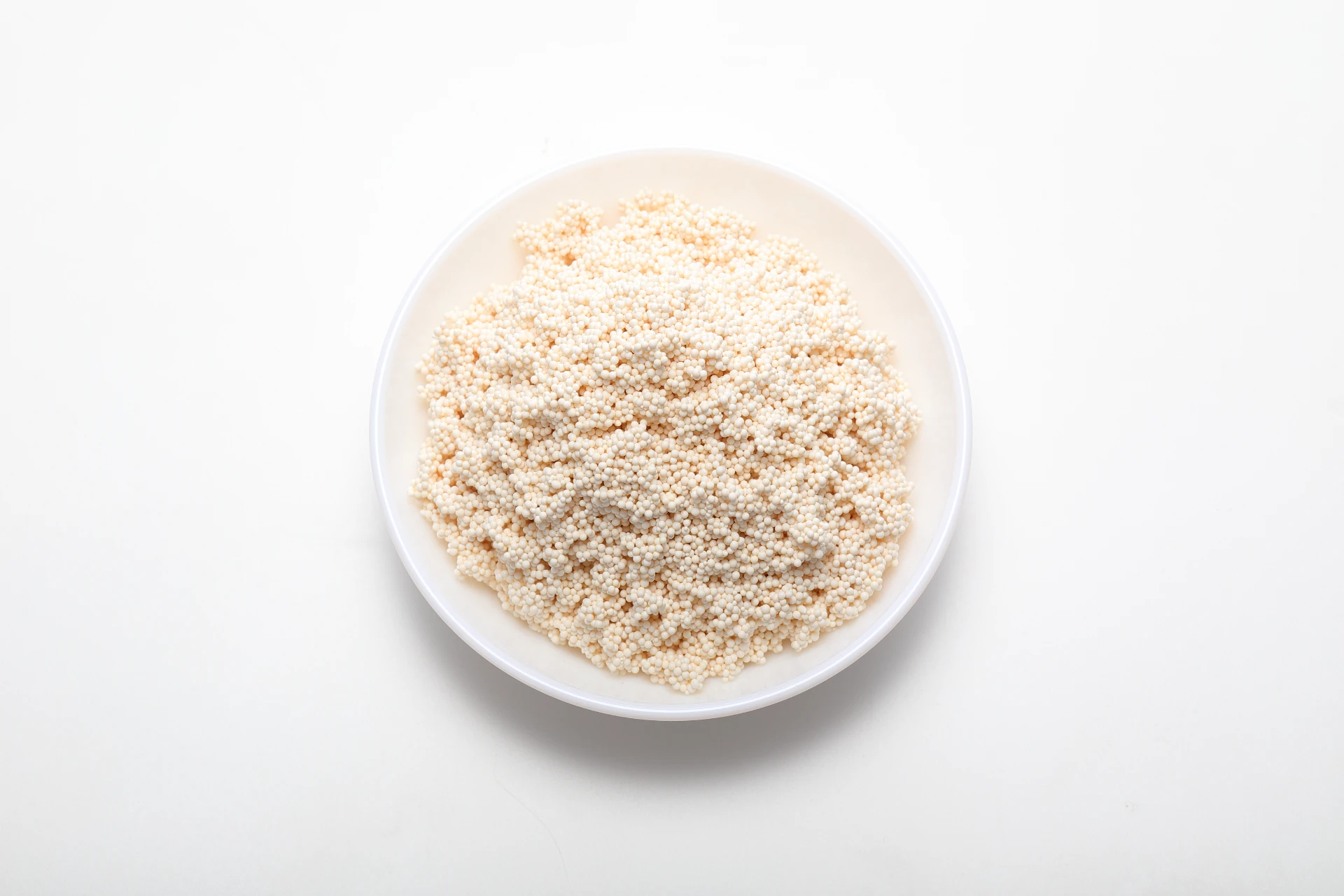
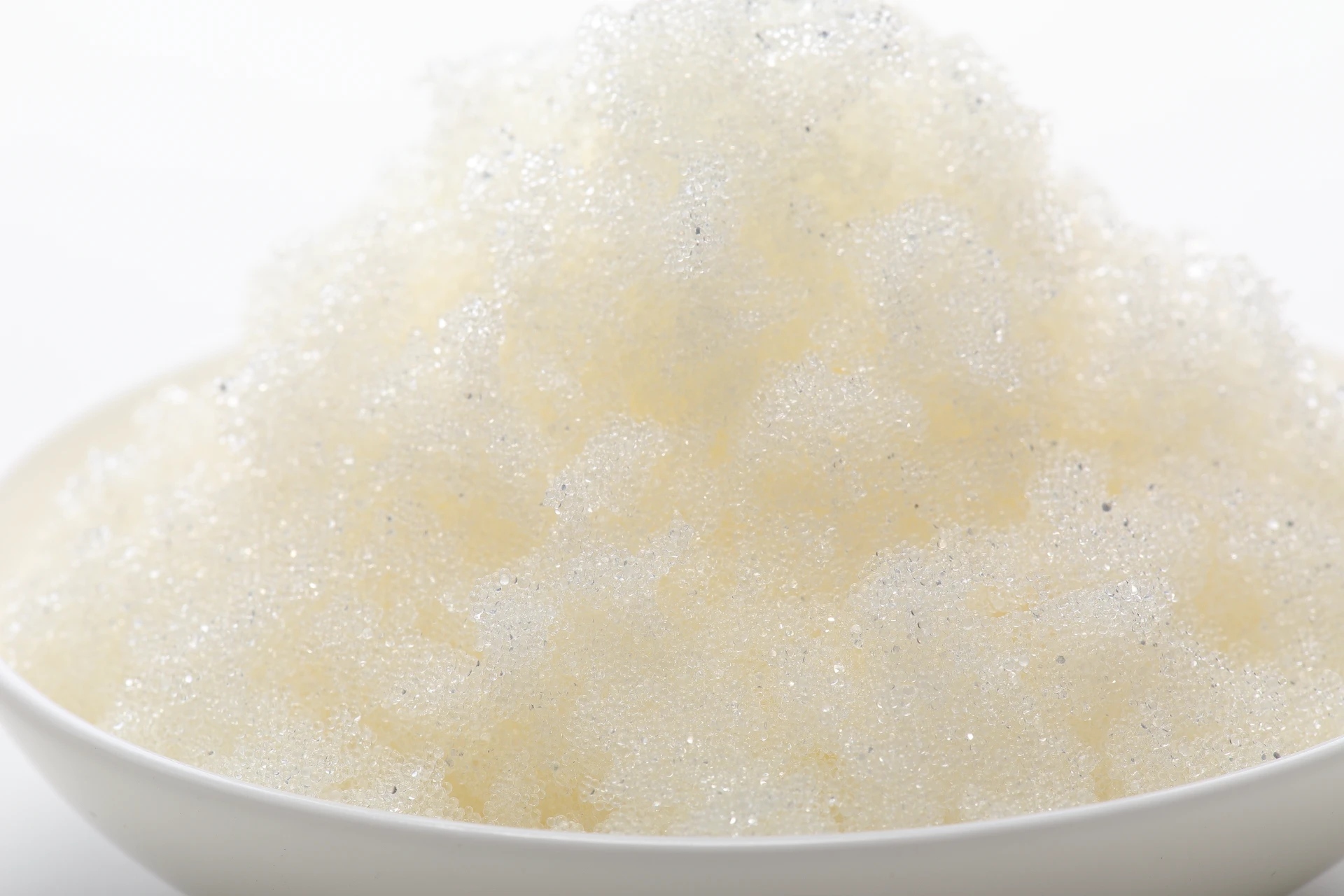
Evolution of Resin Technology in Israel

From basic softening to high-selectivity molecular recognition.

Market Development History

In the 1980s and 90s, the Israeli market relied primarily on standard bed resin for basic water softening and calcium removal, focusing on simple ion replacement to prevent scaling in boilers.

By the early 2000s, the surge in desalination technology shifted the focus toward polishing stages. The integration of advanced mixed-bed systems allowed for the production of electronic-grade water, marking a transition toward high-precision chemical synthesis.

From 2015 to the present, the focus has pivoted toward "Circular Economy" models. There is now a heavy emphasis on selective recovery of precious metals and the removal of boron from seawater, utilizing highly specialized chelating agents.

Future Development Trends

Nanostructured Resin Matrices

Integration of nanotechnology into the polymer matrix to increase the exchange capacity and kinetics, reducing the footprint of treatment plants.

AI-Driven Regeneration Cycles

Transitioning from timed regeneration to sensor-based, real-time monitoring to reduce chemical waste and extend the lifespan of the resin beads.

Sustainable Bio-based Polymers

Developing synthetic resins from renewable precursors to reduce the carbon footprint of the chemical manufacturing process in Israel.

Industry Trends and Future Outlook

Navigating the next era of synthetic material innovation.

Selective Ion Capture
Increasing precision in removing specific trace elements from hypersaline waters using advanced chelating ligands.
Zero Liquid Discharge
Implementing resin-based recovery systems to eliminate liquid waste in Israel's chemical parks.
High-Temp Stability
Developing resins capable of maintaining structural integrity at elevated temperatures for industrial steam processes.
Green Regeneration
Shifting toward biodegradable regenerants to minimize the salt load in Israeli coastal waters.

Industry Outlook

Based on Google search trends for "water scarcity solutions" and "industrial purification" in Asia, there is a clear trajectory toward hyper-specialization. The demand for resins that can handle fluctuating feed-water compositions is expected to grow by 15% annually over the next 3-5 years.

Israel's position as a global hub for water-tech means that adoption of "smart resins"—materials that can be monitored via IoT for saturation levels—will likely begin here before expanding to other arid regions worldwide.

Localized Application Scenarios in Israel

Practical deployments of resin technology across various Israeli sectors.

01. Seawater Desalination Polishing

Utilizing mixed bed di resin in the final stage of RO (Reverse Osmosis) plants to remove residual ions, ensuring the water meets pharmaceutical-grade specifications for the local medical industry.

02. Agricultural Boron Removal

Implementing specialized chelating resin in irrigation systems in the Arava Valley to selectively remove boron, which is toxic to many sensitive crops.

03. Pharmaceutical Water Loops

Deploying high-capacity ion exchange resin in the closed-loop water systems of biotech parks to maintain extreme purity and prevent cross-contamination.

04. Industrial Wastewater Recovery

Using special resin for the recovery of heavy metals from the plating and chemical synthesis waste streams in Haifa's industrial zones.

05. Boiler Feedwater Treatment

Standardizing bed resin configurations in power plants to prevent silica and hardness buildup, extending the operational life of high-pressure boilers.

Brand Story

Global Development Journey of Hebei Lijie Biological Technology Co., Ltd.

Foundation & Core Vision

Established with a mission to solve the global crisis of water contamination through high-performance synthetic polymer chemistry.

Technological Breakthroughs

Developed proprietary cross-linking techniques that significantly increased the physical stability and lifespan of industrial resins.

Global Market Expansion

Extended our reach into Asia and the Middle East, tailoring products to meet the specific salinity challenges of the Israeli market.

Sustainability Commitment

Pioneered the use of eco-friendly precursors in resin synthesis to reduce the environmental impact of chemical manufacturing.

Future Innovation Hub

Investing in R&D for "intelligent" ion exchange materials that adapt to changing water qualities in real-time.

Common Questions in the Israeli Resin Market

Expert answers to technical challenges faced by local engineers.

How does high salinity in Israel affect ion exchange resin lifespan?

High salinity leads to faster saturation and potential osmotic shock. We recommend high-crosslinked resins that offer better mechanical strength and stability against swelling.

Which chelating resin is best for boron removal in agriculture?

Specific N-methylglucamine functionalized resins are most effective for boron removal, ensuring high selectivity even in the presence of other competing ions.

What is the advantage of mixed bed di resin over separate bed systems?

Mixed bed systems provide significantly lower effluent conductivity and higher water purity by combining cation and anion exchanges in a single vessel.

Can special resin be used for the recovery of precious metals in industrial waste?

Yes, our specialized resins with thiol or amine groups are designed for the selective adsorption of gold, palladium, and platinum from complex waste streams.

How often should bed resin be replaced in desalination polishing?

Replacement frequency depends on the organic load. Typically, a resin's capacity declines over 3-5 years, but regular regeneration can extend this period.

Are these resins compatible with the regeneration chemicals used in Israel?

Our products are fully compatible with standard HCl and NaOH regenerants used in most Israeli industrial water treatment facilities.

Get Expert Consultation for Your Water Project

Our technical team is ready to provide customized resin specifications for industrial applications across Israel.

Contact Us Now

If you are interested in our products, you can choose to leave your information here, and we will be in touch with you shortly.