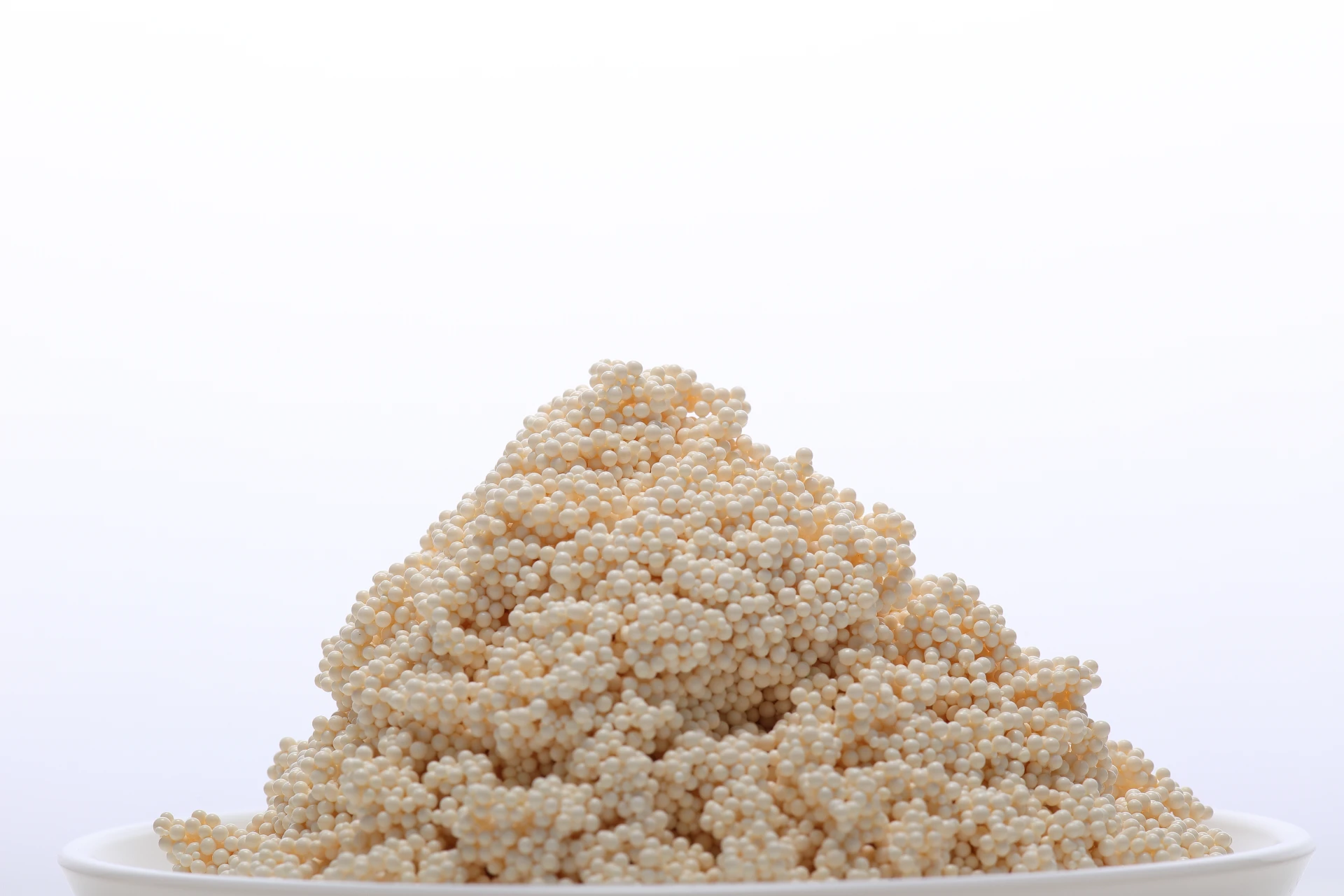
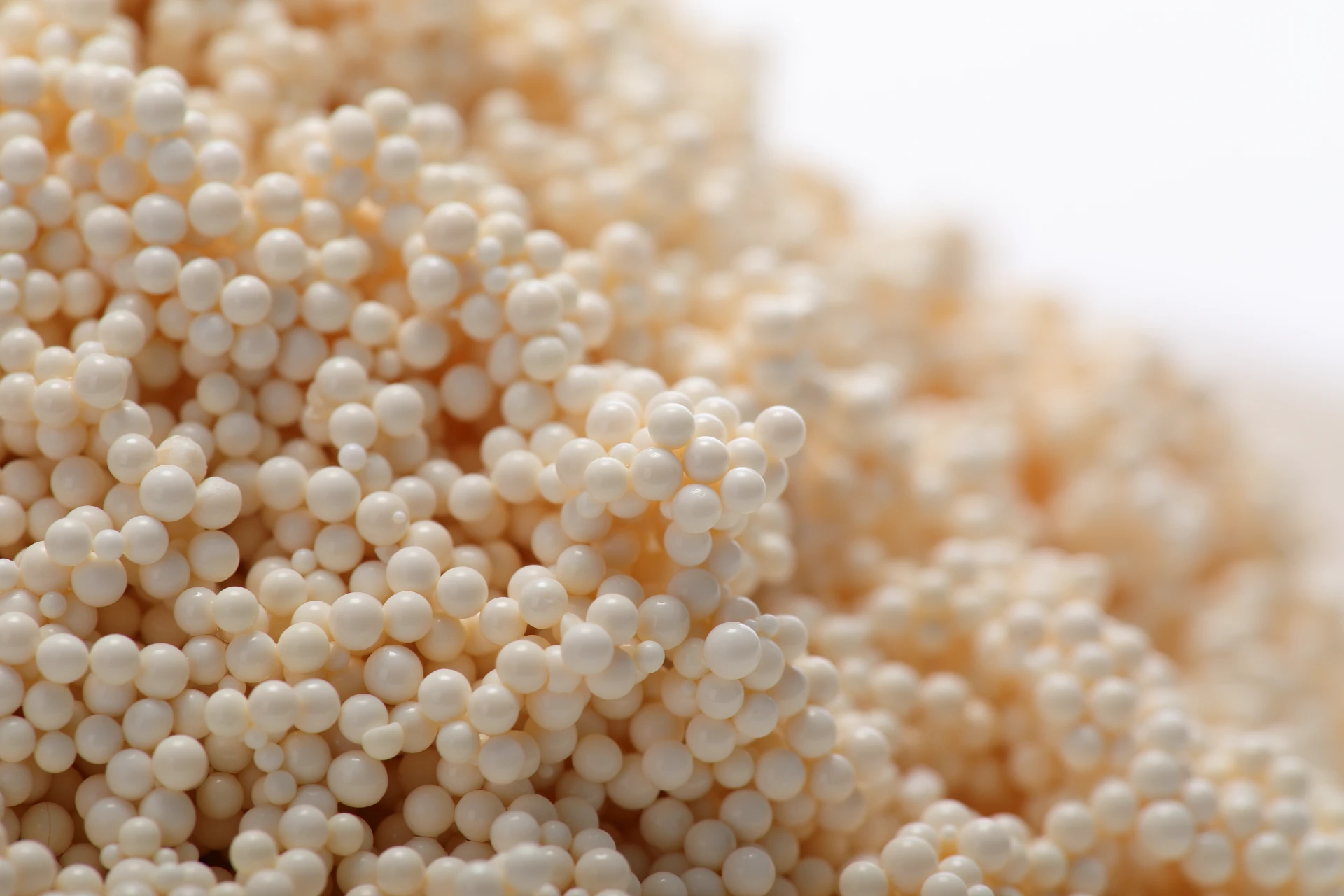
Advanced chelating resin Solutions for Kenya's Industrial Water Treatment

Empowering Kenyan manufacturing and mining sectors with high-performance ion exchange technologies for sustainable resource recovery and purity.

Advanced chelating resin Solutions for Kenya's Industrial Water Treatment

Comprehensive chemical synthesis and material engineering tailored for the unique water chemistry and industrial demands of the East African market.

Current State of Ion Exchange Technology in Kenya

Analyzing the intersection of synthetic material science and Kenyan environmental challenges.

In Kenya, the industrial landscape is characterized by a growing demand for high-purity water in the beverage, pharmaceutical, and textile sectors. However, the reliance on aging infrastructure often leads to inefficiencies in water softening and purification, necessitating the integration of advanced ion exchange resin to handle fluctuating raw water quality.

The geological profile of the Rift Valley region introduces specific mineral contaminants into the groundwater. This creates a critical need for specialized special resin capable of selective removal of heavy metals and organic pollutants, ensuring compliance with both local KEBS standards and international environmental protocols.

Economically, Kenya is transitioning toward a "Circular Economy" model. This shift is driving the adoption of high-capacity bed resin systems that reduce chemical waste during regeneration cycles, thereby lowering operational costs for factories in Nairobi and Mombasa.
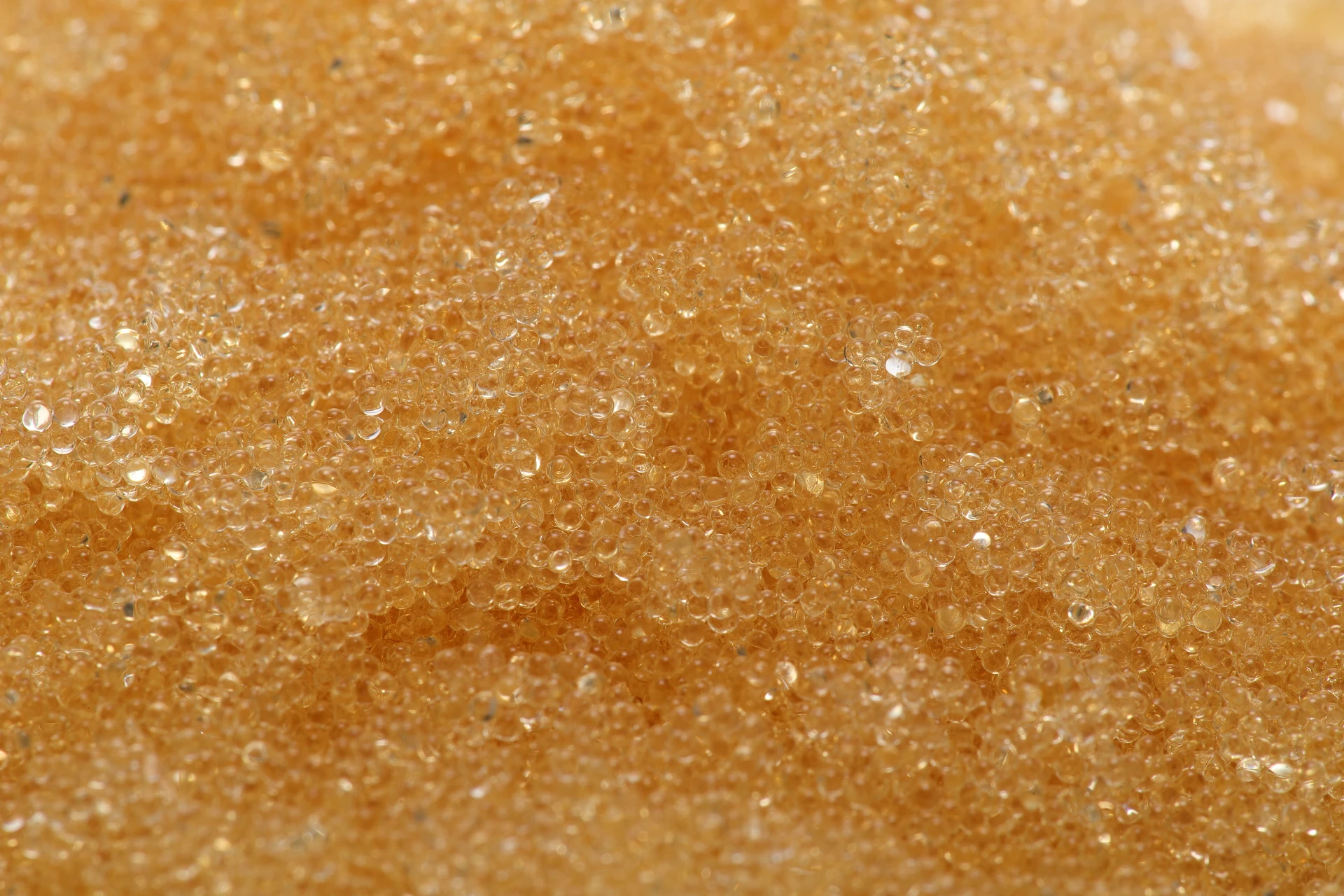
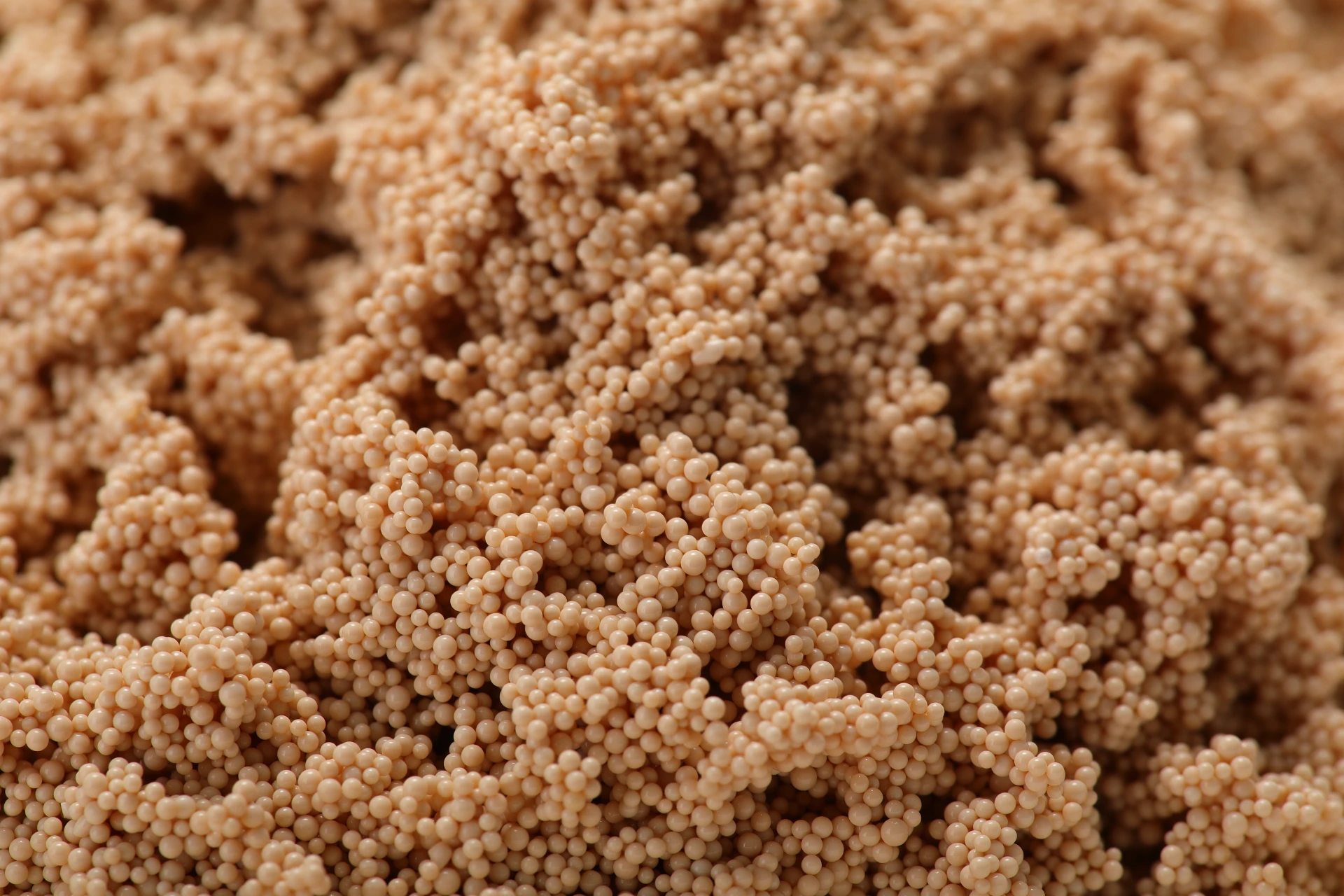
Evolution and Development Trajectory of Resin Technology

From basic softening to precision molecular separation in the Kenyan industrial context.

Market Development History

During the late 20th century, Kenya primarily utilized basic strong acid cation resins for general water softening. These traditional materials focused on hardness removal but lacked the selectivity required for complex industrial effluent treatment.

Between 2010 and 2020, the market saw a transition toward mixed-bed systems. The introduction of mixed bed di resin allowed for the production of ultrapure water, which became essential for the expanding electronics and high-end laboratory sectors in Kenya.

Currently, the industry has entered the era of functionalized polymers. The focus has shifted toward highly selective resins that can operate under extreme pH levels and high temperatures, reflecting the intensification of Kenyan chemical manufacturing processes.

Future Development Trends

Biodegradable Resin Matrices

Integration of bio-based polymers to reduce the environmental footprint of synthetic materials, aligning with Kenya's strict plastic ban and green energy goals.

AI-Driven Regeneration Cycles

The shift toward smart monitoring systems that predict the exhaustion point of the resin bed, optimizing chemical usage and extending material lifespan.

Nanostructured Selective Ligands

Developing resins with nanometer-scale precision to target specific rare-earth elements from industrial waste streams, increasing the value of byproduct recovery.

Industry Trends and Future Outlook

Strategic forecasting for the synthetic materials market in East Africa.

Zero Liquid Discharge (ZLD)
Implementation of ZLD systems using high-recovery resins to minimize wastewater discharge in Kenyan industrial zones.
Selective Metal Recovery
Using advanced chelating materials to recover gold and copper from mining runoff in the Kenyan highlands.
Energy-Efficient Synthesis
Reducing the carbon footprint of resin manufacturing through low-temperature polymerization techniques.
Smart-Material Integration
Integrating sensors within the resin bed to provide real-time data on saturation levels and throughput.

Industry Outlook

Based on search trend analysis, there is a significant increase in queries related to "industrial water purification" and "heavy metal removal" in the East African region. This suggests that Kenyan enterprises are moving away from generic filtration toward precision chemical separation.

Over the next 3-5 years, we expect the Kenyan market to demand a higher percentage of specialized resins that can handle complex organic loads, as the pharmaceutical and agri-processing sectors continue to expand their domestic production capabilities.

Localized Application Scenarios in Kenya

Real-world deployment of ion exchange materials across key Kenyan industries.

1. Tea Processing Effluent Treatment

Applying selective resins to remove organic polyphenols and tannins from wastewater in tea factories in Kericho, ensuring water is safe for discharge or reuse.

2. Nairobi Industrial Park Ultrapure Water

Utilizing mixed bed di resin to provide high-grade deionized water for electronics manufacturing and laboratory testing facilities in the capital.

3. Mining Tailings Recovery in Turkana

Implementing high-capacity chelating systems to extract valuable metals from mining waste, transforming environmental liabilities into economic assets.

4. Geothermal Plant Scale Inhibition

Using specialized ion exchange beds to treat brine and prevent scaling in geothermal energy plants in Naivasha, increasing turbine efficiency.

5. Beverage Industry Water Softening

Deploying industrial-scale softening resins to eliminate calcium and magnesium from borehole water for soft drink production in Mombasa.

Brand Story

Global Development History of Hebei Lijie Biological Technology Co., Ltd.

Foundation and Vision

Established with a mission to bridge the gap between advanced chemical synthesis and practical industrial application in water treatment.

Technological Breakthroughs

Developed proprietary polymerization techniques that increased the exchange capacity and mechanical strength of our resin beads.

Global Market Expansion

Expanded operations into Africa and Southeast Asia, customizing product lines to suit local water chemistry and industrial standards.

Sustainability Commitment

Launched a series of eco-friendly resins that reduce the need for harsh regenerants, supporting the global transition to green chemistry.

Industry Leadership

Now recognized as a leading provider of high-performance synthetic materials, solving the most complex ion separation challenges worldwide.

Complete Resin Portfolio for the Kenyan Market

A curated selection of synthetic materials designed for durability and efficiency in East African conditions.

Frequently Asked Questions - Kenya Edition

Expert answers to common technical queries regarding resin application in Kenya.

How do I choose the right ion exchange resin for borehole water in Kenya?

The choice depends on the specific mineral profile. For general hardness, a strong acid cation resin is ideal. For heavy metal contamination, a chelating resin is recommended for its high selectivity.

What is the expected lifespan of a mixed bed di resin in industrial use?

Depending on the feed water quality and regeneration frequency, our mixed bed resins typically last 3-5 years before capacity degradation becomes significant.

Can special resin be used for wastewater recovery in the textile industry?

Yes, our special resin series is designed to remove complex dyes and organic ligands from textile effluent, allowing for water recycling.

How does the temperature in Kenya affect the performance of bed resin?

Our resins are engineered for thermal stability. However, for high-temperature geothermal applications, we recommend our heat-resistant grades to prevent polymer degradation.

What is the best way to regenerate chelating resins in remote areas?

We provide optimized regeneration protocols using locally available acids and bases, ensuring that maintenance can be performed efficiently without complex logistics.

Do your resins comply with Kenyan environmental regulations?

Absolutely. All our products are manufactured to meet international quality standards, which exceed the local requirements for chemical safety and environmental impact.

Consult Our Resin Experts Today

Get a customized water treatment solution tailored for your industrial needs in Kenya.

Contact Us Now

If you are interested in our products, you can choose to leave your information here, and we will be in touch with you shortly.