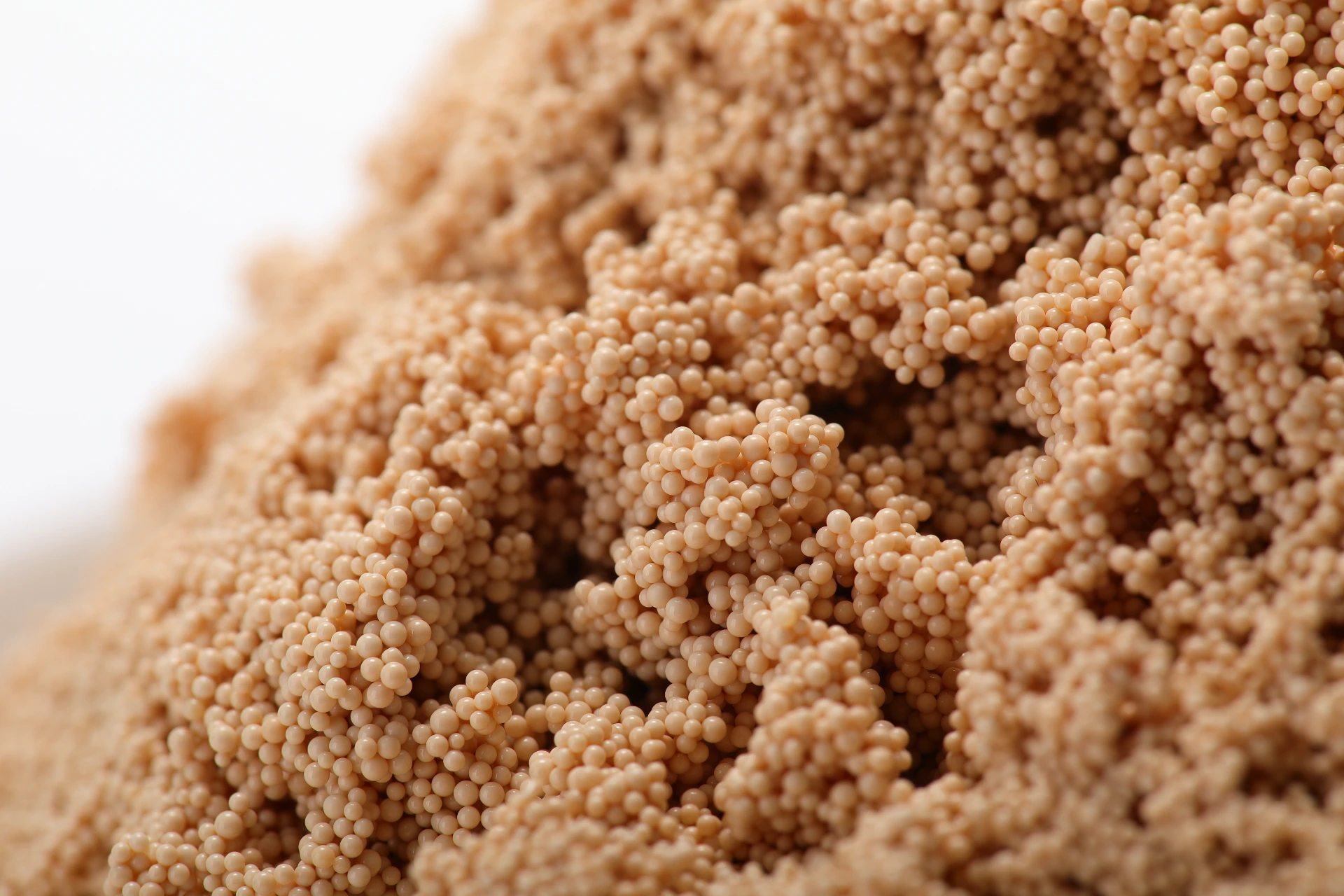
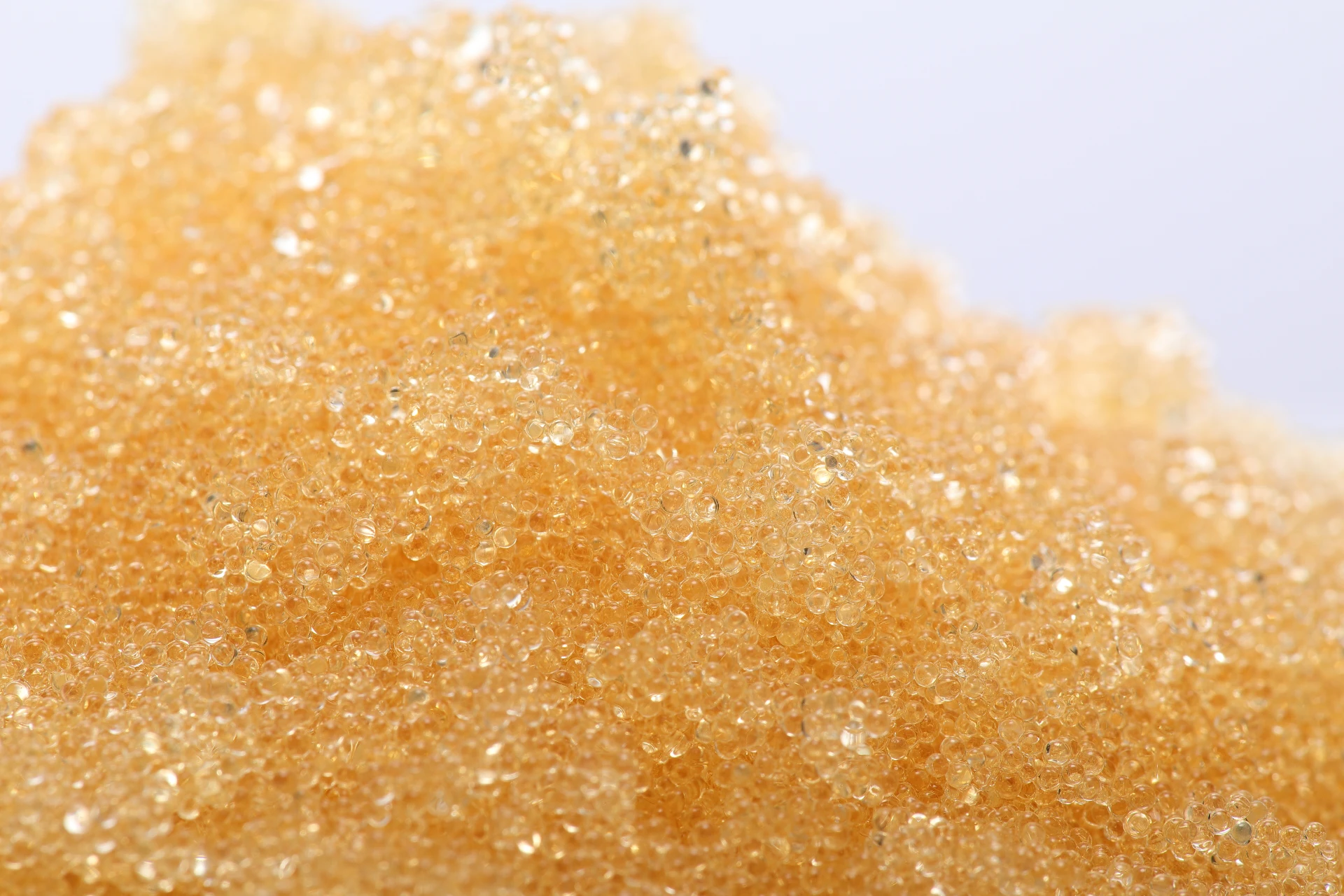
Advanced chelating resin Solutions for Kuwait Water Treatment

High-performance synthetic materials engineered to handle the extreme salinity and industrial demands of Kuwait's chemical and oil sectors.

Advanced chelating resin Solutions for Kuwait Water Treatment

Providing specialized ion exchange materials to solve complex water purification and mineral recovery challenges across Kuwait's industrial landscape.

Current State of Ion Exchange Materials in Kuwait

Analyzing the impact of hyper-saline environments on resin performance.

Kuwait's industrial sector, dominated by petrochemicals and desalination, relies heavily on ion exchange resin to manage water hardness. However, the region's extreme heat and high TDS (Total Dissolved Solids) levels in groundwater create a harsh operational environment that accelerates resin degradation.

The current market sees a transition toward more durable materials. Standard resins often struggle with organic fouling from oil-field produced water, leading to a growing demand for special resin grades that can withstand high temperatures and chemical shocks.

Furthermore, the strict environmental regulations in Kuwait are pushing facilities to optimize their bed resin configurations to reduce waste brine and improve the efficiency of water recycling in refineries.
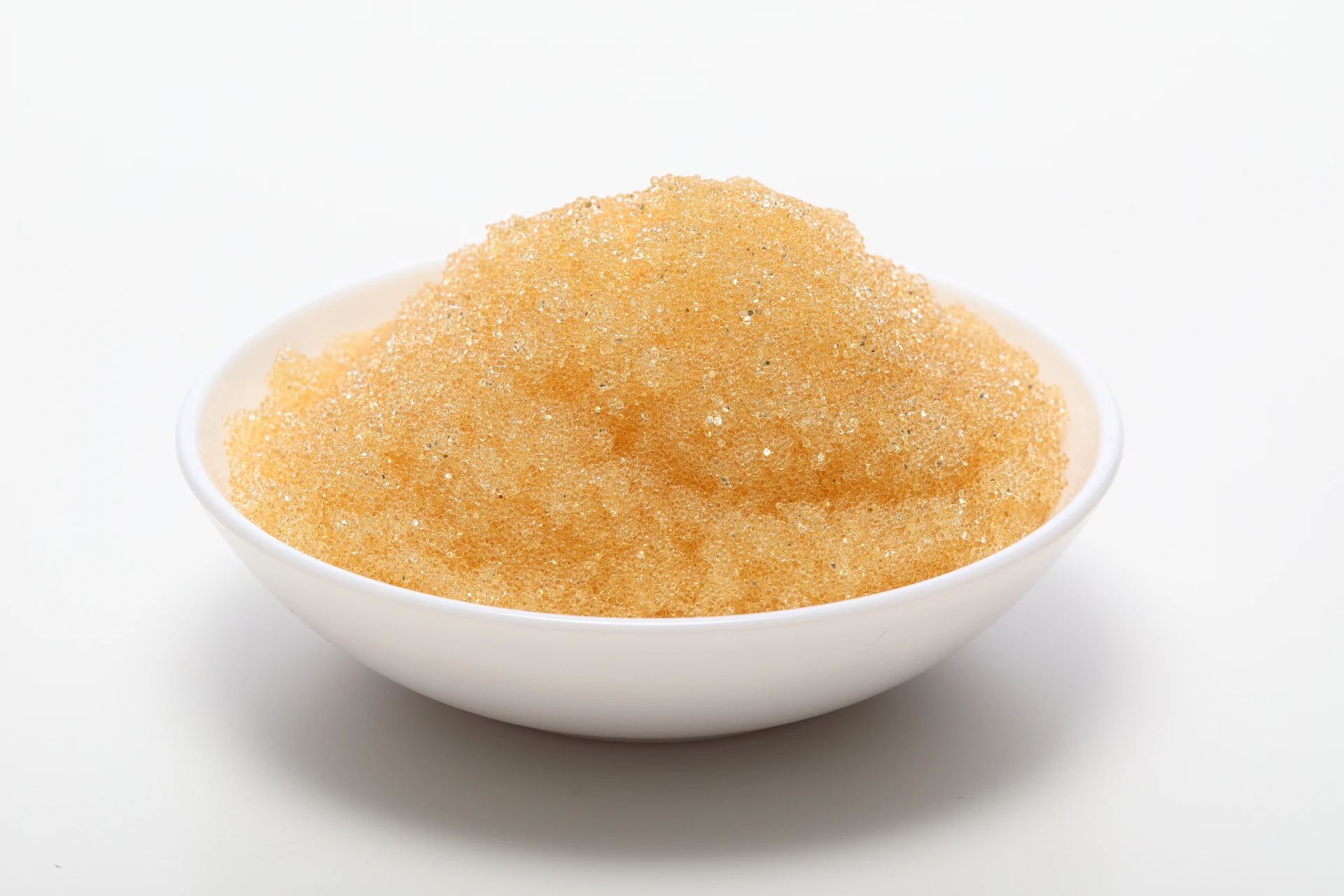
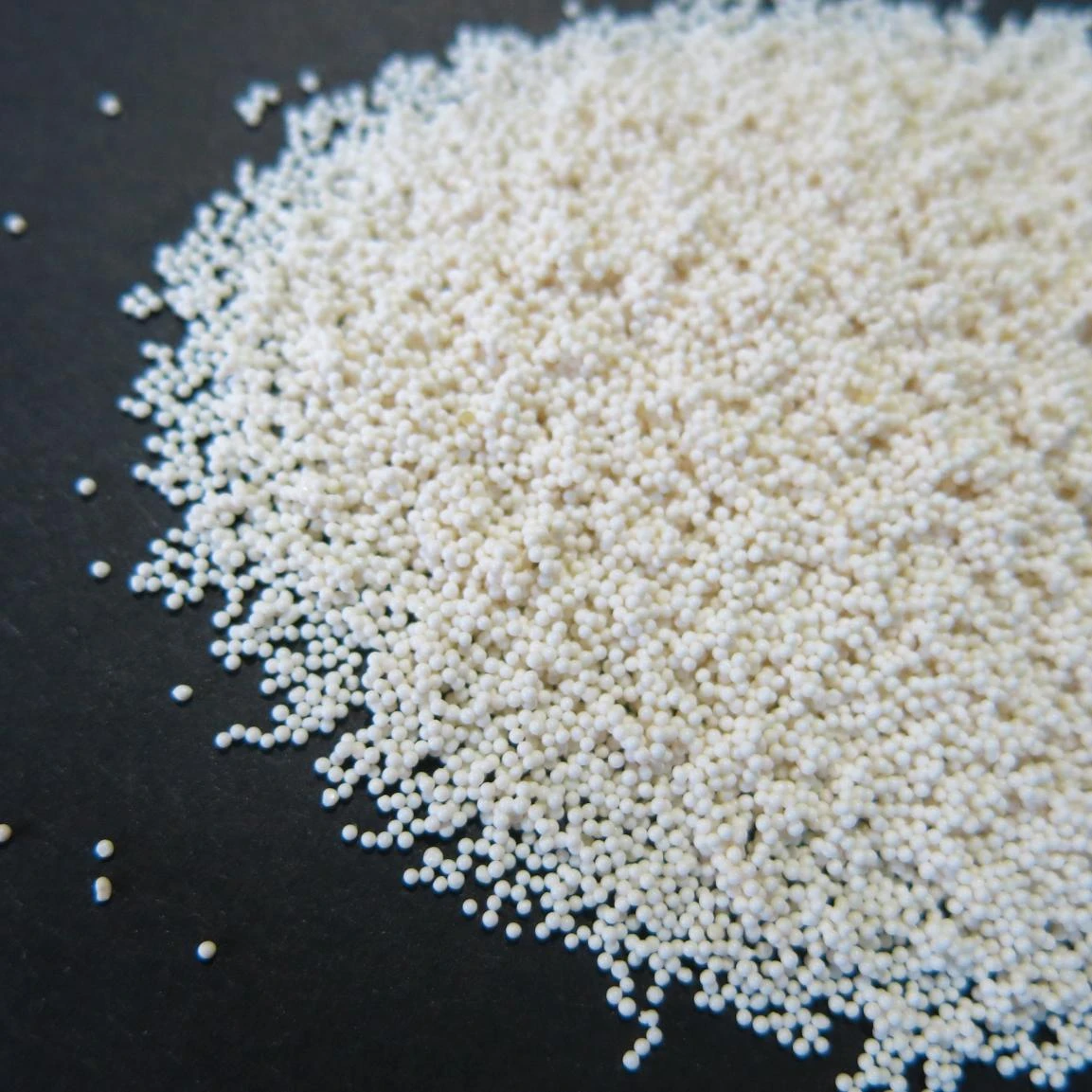
Evolution and Trajectory of Resin Technology

From basic softening to precision molecular separation.

Market Development History

In the early 2000s, the Kuwaiti market primarily utilized basic strong acid cation resins for simple water softening. The focus was purely on volume and cost, with limited consideration for selectivity.

Between 2010 and 2020, there was a technical shift toward mixed bed di resin systems. This allowed oil refineries to achieve the ultra-pure water standards required for high-pressure boilers and delicate catalytic processes.

Today, the trajectory has moved toward "Selective Ion Capture." The industry now employs advanced functional groups to target specific heavy metals, moving away from generic exchange to precision chemistry.

Future Development Trends

AI-Driven Regeneration Cycles

Integrating sensors with bed resin systems to predict breakthrough points based on real-time Kuwaiti water quality data.

Eco-Friendly Regenerants

Developing resins that can be regenerated with biodegradable acids, reducing the chemical footprint of Kuwait's industrial zones.

High-Temperature Stability

Engineering resins capable of operating at 80°C+ to eliminate the need for extensive pre-cooling of process water in the desert climate.

Industry Outlook and Future Projections

Predicting the next 5 years of synthetic material innovation in the GCC region.

Hyper-Selectivity
Shift toward resins that selectively remove toxic ions from complex Kuwaiti brine streams without wasting capacity.
Resource Recovery
Using resins not just for cleaning, but for extracting valuable minerals from industrial wastewater.
Low-Waste Ops
Development of resins with higher exchange capacities to reduce regeneration frequency and chemical waste.
Digital Twin Monitoring
Linking physical resin beds to digital twins for real-time efficiency auditing in Kuwaiti plants.

Industry Outlook

Google search trends in the Middle East indicate a surge in interest for "Zero Liquid Discharge" (ZLD). This suggests that mixed bed di resin will become central to closed-loop water systems in Kuwait.

We expect a 15% year-on-year increase in the adoption of specialty resins as Kuwait diversifies its economy away from crude oil toward advanced chemical manufacturing and sustainable aquaculture.

Localized Application Scenarios in Kuwait

Practical implementations of resin technology in the Kuwaiti environment.

01. Desalination Plant Pre-treatment

Using high-capacity ion exchange resin to remove hardness ions before Reverse Osmosis (RO) membranes, preventing scaling in the extreme heat of the Arabian Gulf.

02. Oil Refinery Boiler Feed Water

Deployment of mixed bed di resin to produce ultra-pure water, ensuring that high-pressure boilers in Kuwaiti refineries operate without corrosion.

03. Heavy Metal Recovery from Brine

Implementing chelating resin to selectively capture copper and nickel from industrial effluent in the Shuaiba Industrial Area.

04. Pharmaceutical Grade Water Production

Utilizing special resin for the removal of organic contaminants and endotoxins in Kuwait's expanding healthcare manufacturing sector.

05. Agricultural Irrigation Water Softening

Applying large-scale bed resin systems to treat brackish groundwater, enabling sustainable farming in the desert regions of Kuwait.

Brand Story

Global Development Journey of Hebei Lijiang Biotech Co., Ltd.

Foundation & Vision

Established with a mission to bridge the gap between raw chemical synthesis and practical industrial water solutions.

Technical Breakthrough

Developed proprietary polymer matrices that increased the durability of resins in high-salinity environments.

Global Expansion

Extended our reach to the Middle East, tailoring our product line for the unique climatic needs of the GCC.

Sustainability Pivot

Launched a series of "Green Resins" designed for low-chemical regeneration and longer lifecycles.

Kuwait Market Leadership

Became a trusted partner for Kuwait's energy and water sectors by solving the pain point of resin fouling.

Comprehensive Resin Portfolio for Kuwait Industrialists

From standard softening to high-end chelating solutions.

Kuwait Resin Application FAQ

Answers to common technical challenges in the local region.

How do I prevent organic fouling of ion exchange resin in Kuwait's oil fields?

We recommend using a macroporous resin structure and implementing a rigorous pre-filtration stage with activated carbon to remove hydrocarbons before they reach the resin bed.

What is the best mixed bed di resin for ultra-pure water in refineries?

A uniform particle size (UPS) mixed bed resin is ideal, as it reduces pressure drop and ensures consistent ion removal across the entire vessel.

Can chelating resin effectively remove heavy metals from Kuwaiti brine?

Yes, specifically those with iminodiacetic acid functional groups, which show high selectivity for divalent metals even in the presence of high sodium concentrations.

How often should bed resin be replaced in high-temperature environments?

While standard resins last 3-5 years, high-temp operations in Kuwait may require replacement every 2 years unless heat-stable special resin grades are used.

What special resin is recommended for removing boron from seawater?

Boron-selective resins with N-methylglucamine functional groups are the gold standard for treating seawater in desalination plants.

How does high salinity affect the capacity of ion exchange resin?

High sodium levels compete for exchange sites; therefore, using a resin with a higher selectivity coefficient for the target ion is critical in the Kuwaiti market.

Get Expert Resin Consultation

Optimize your water treatment efficiency with the leading synthetic material experts in Kuwait.

Contact Us Now

If you are interested in our products, you can choose to leave your information here, and we will be in touch with you shortly.