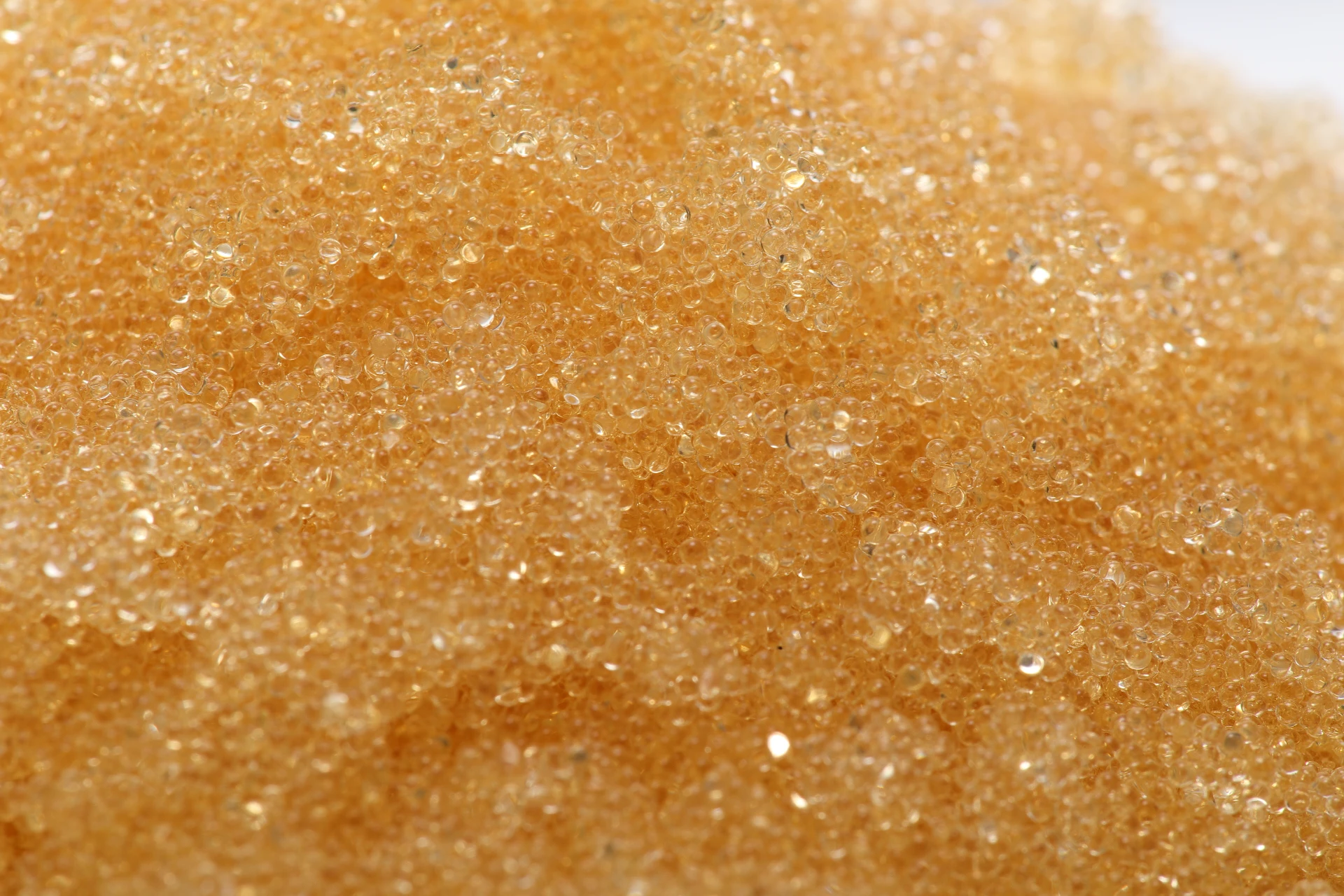
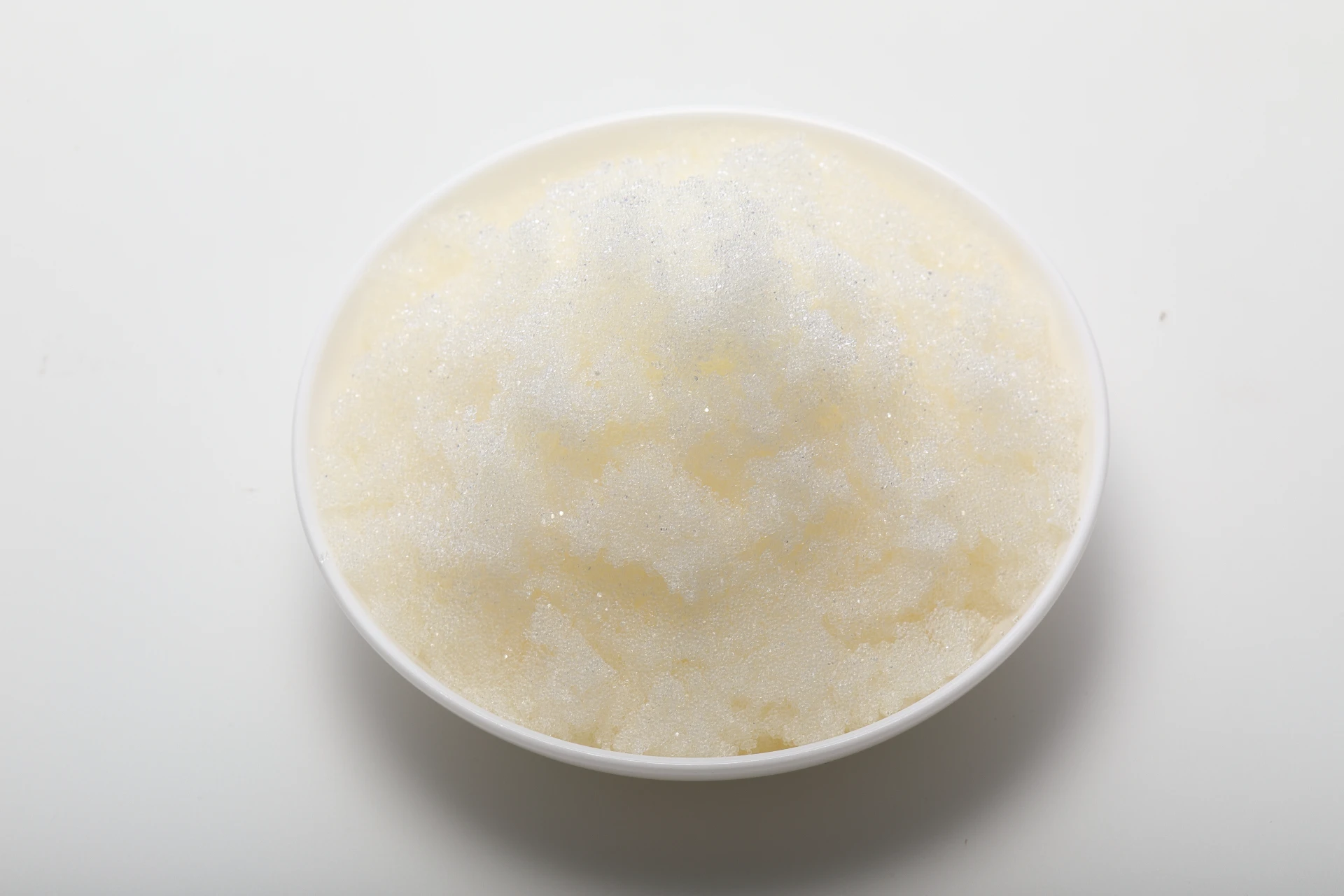
Advanced chelating resin Solutions for Malaysia's Industrial Water Treatment

High-performance synthetic materials engineered to meet the rigorous demands of Southeast Asia's chemical and manufacturing sectors.

Advanced chelating resin Solutions for Malaysia's Industrial Water Treatment

Providing specialized ion exchange technologies to optimize purity and efficiency for Malaysian industrial plants, ensuring sustainable water management across all manufacturing tiers.

The State of Synthetic Material Manufacturing in Malaysia

Analyzing the intersection of tropical environmental challenges and high-tech resin requirements.

Malaysia's industrial landscape, characterized by high humidity and significant precipitation, places unique stress on water purification systems. The widespread use of ion exchange resin in palm oil refining and electronics manufacturing is critical for managing complex mineral profiles in local groundwater.

The regional demand is increasingly shifting toward high-selectivity materials. As Malaysia pushes toward Industry 4.0, the reliance on special resin has grown to support the semiconductor industry in Penang and the petrochemical hubs in Pengerang, where ultra-pure water is a non-negotiable requirement.

Current market survival depends on the ability to handle "hard" water and organic fouling common in tropical climates. This has led to a surge in the adoption of robust bed resin configurations that can withstand frequent regeneration cycles without losing structural integrity.
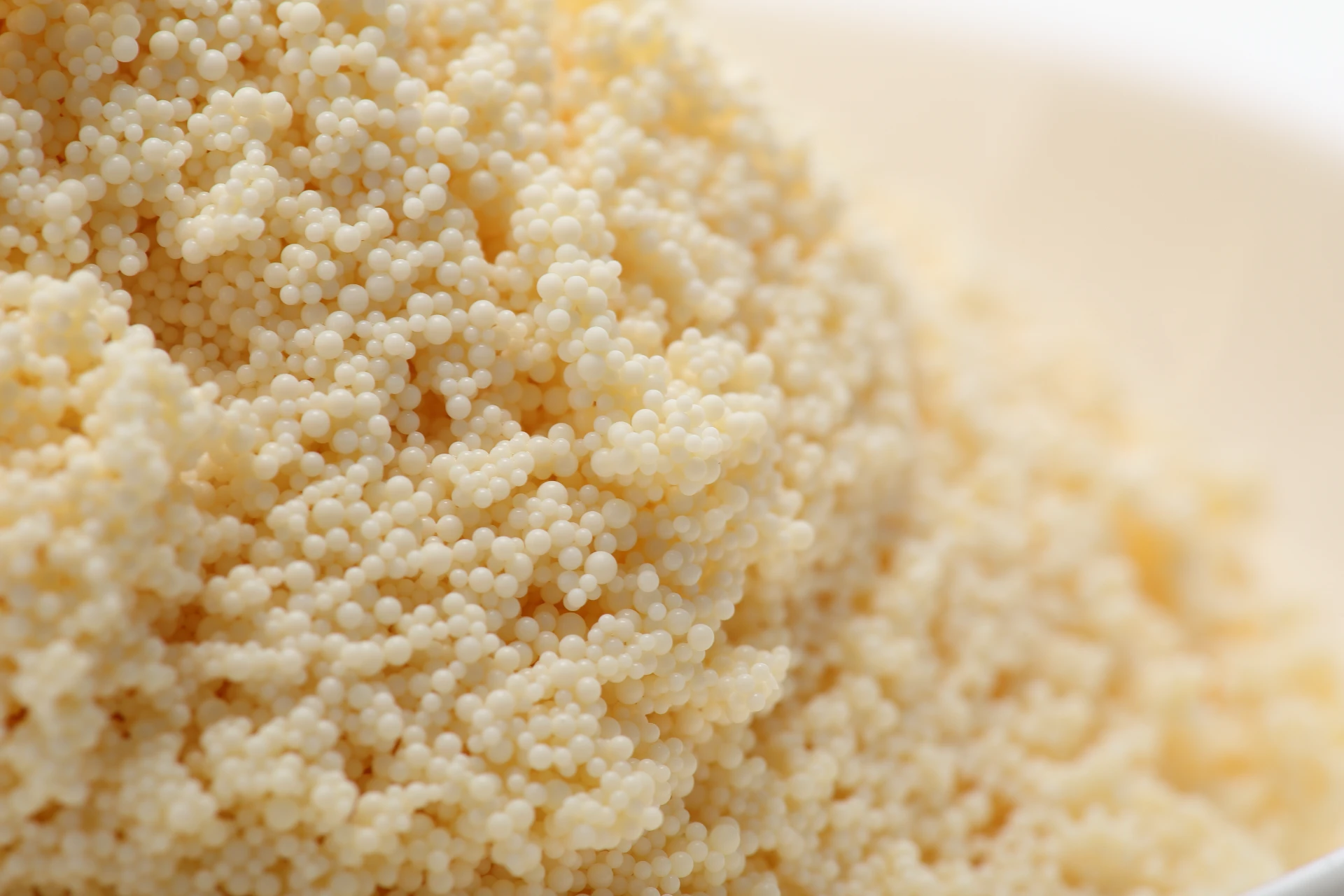
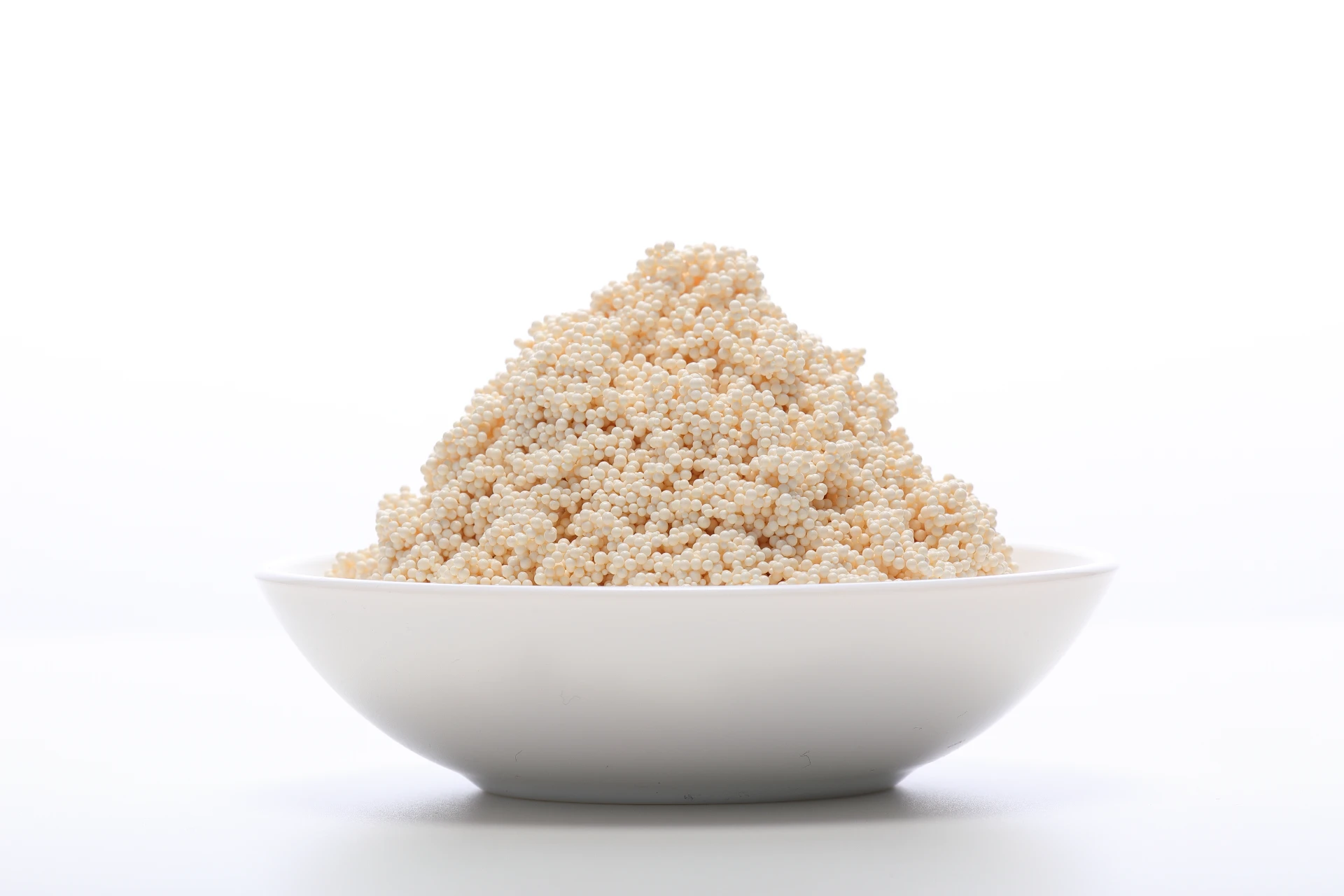
Evolution and Technical Trajectory of Resin Technology

From basic softening to molecular-level precision in water chemistry.

Market Development History

In the early 1990s, the Malaysian market relied primarily on standard strong acid cation resins for basic softening. These traditional systems were sufficient for basic textile and food processing but lacked the precision needed for evolving industrial standards.

Between 2000 and 2015, a technical pivot occurred with the introduction of mixed bed di resin technology. This allowed for the simultaneous removal of both cations and anions, enabling the electronics sector to achieve the resistivity levels required for silicon wafer fabrication.

Since 2016, the focus has shifted toward specialized selectivity. The development of advanced chelating functional groups has allowed manufacturers to target specific heavy metals, reducing chemical waste and aligning with Malaysia's stricter Environmental Quality Act regulations.

Future Development Trends

AI-Driven Regeneration Cycles

Integration of IoT sensors with ion exchange resin beds to predict breakthrough points and automate regeneration, reducing chemical consumption by 15-20%.

Bio-Based Polymer Substrates

A shift toward sustainable, non-styrene based substrates to reduce the carbon footprint of synthetic material production in line with global ESG goals.

Hyper-Selective Metal Recovery

Development of next-generation resins capable of recovering rare earth elements from industrial wastewater, turning waste streams into revenue for Malaysian mines.

Future Outlook for Synthetic Materials in Southeast Asia

Strategic predictions for the next 3-5 years based on Google Search Trends and regional growth.

Circular Economy Integration
Increasing demand for resins that facilitate the recovery and reuse of precious catalysts in chemical synthesis.
Ultra-Low Conductivity Focus
A sharp rise in search queries for polishing resins to achieve 18.2 MΩ·cm for the high-end chip industry.
Zero Liquid Discharge (ZLD)
Adopting resin-based concentration systems to eliminate wastewater discharge in drought-prone regions.
Green Chemistry Certification
Shift toward resins produced with reduced toxic precursors to meet European export standards.

Industry Outlook

The trajectory for the Malaysian synthetic materials market indicates a strong movement toward "Smart Water" infrastructures. We expect a fusion of high-capacity mixed bed di resin systems with real-time analytical monitoring, shifting from reactive maintenance to predictive optimization.

Furthermore, as the Malaysian government incentivizes green energy, the demand for resins used in hydrogen fuel cell purification and battery-grade lithium extraction is projected to grow at a CAGR of 8.4% over the next five years.

Localized Application Scenarios in Malaysia

Practical implementation of resin technology across key Malaysian economic sectors.

1. Palm Oil Refinery Decolorization

Utilizing high-capacity resins to remove soap and phospholipids from crude palm oil, ensuring a clear, high-value end product for the global export market.

2. Semiconductor Ultrapure Water (UPW)

Implementing mixed bed di resin in Penang's tech parks to eliminate trace ions, preventing circuit defects in nanometer-scale chip production.

3. Rubber Processing Wastewater Treatment

Applying chelating resin to sequester heavy metals and organic contaminants from rubber processing effluents before discharge into local river systems.

4. Pharmaceutical Grade Water Production

Using multi-stage bed resin configurations to produce Water for Injection (WFI) that meets stringent pharmacopeia standards in Kuala Lumpur's medical hubs.

5. Power Plant Boiler Feedwater

Deploying large-scale ion exchange systems to prevent scaling and corrosion in high-pressure boilers for Malaysia's natural gas power plants.

Brand Story

Global Development History of Hebei Lijian Biological Technology Co., Ltd.

Foundational Innovation

Established with a mission to solve the inefficiency of traditional water softening, we pioneered the synthesis of high-stability polymer matrices.

Expanding the Portfolio

We expanded into the specialized sector, developing the first generation of chelating materials to tackle heavy metal pollution in industrial zones.

Global Quality Standards

Achieved ISO and international certifications, ensuring our synthetic materials meet the stringent safety and purity requirements of the pharmaceutical industry.

Strategic Market Entry

Launched targeted solutions for the Asia-Pacific market, specifically tailoring resin kinetics to the water chemistry of Southeast Asian nations.

Sustainability Leadership

Currently leading the transition toward green resin manufacturing, focusing on biodegradable precursors and energy-efficient production cycles.

Comprehensive Resin Portfolio for the Malaysian Market

A full spectrum of ion exchange and synthetic materials tailored for tropical industrial environments.

Local Industrial FAQ: Ion Exchange in Malaysia

Expert answers to the most common technical challenges faced by local operators.

How do I prevent organic fouling of ion exchange resin in palm oil processing?

Implement a rigorous pre-filtration stage using activated carbon or multi-media filters to remove bulk organics before the water reaches the resin bed, combined with scheduled alkaline brine washes.

What is the best chelating resin for removing copper from industrial wastewater?

We recommend resins with iminodiacetic acid functional groups, which exhibit high selectivity for divalent metal ions like copper over monovalent ions like sodium.

Can mixed bed di resin be regenerated on-site in remote Malaysian regions?

Yes, provided you have a reliable source of high-purity HCl and NaOH. We provide automated regeneration skids designed specifically for decentralized industrial sites.

How often should a special resin bed be replaced in high-humidity environments?

While resin life is determined by chemical throughput, high humidity can affect storage. Once installed, typical lifespans range from 3-5 years depending on the regeneration efficiency and water quality.

What are the signs that my bed resin has reached its capacity?

The most common signs include a sharp increase in effluent conductivity, a rise in hardness levels (for softening), or a drop in the resistivity of the treated water.

Is there a difference between industrial and food-grade ion exchange resins?

Yes, food-grade resins are manufactured with stricter controls to ensure no monomers or catalysts leach into the process water, complying with FDA and international food safety standards.

Optimize Your Water Process Today

Our technical engineering team is ready to provide customized resin calculations and system audits for your facility in Malaysia.

Contact Us Now

If you are interested in our products, you can choose to leave your information here, and we will be in touch with you shortly.