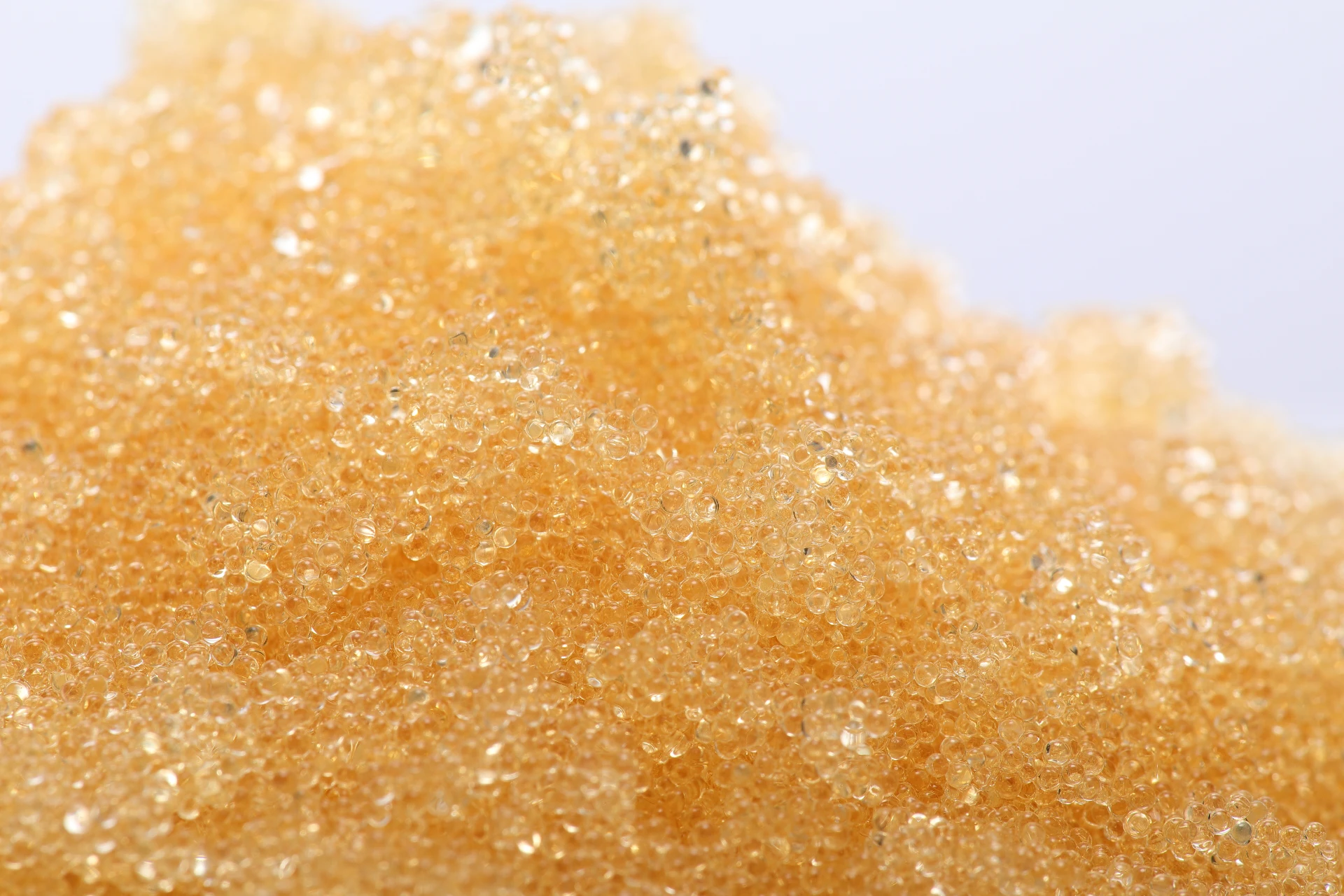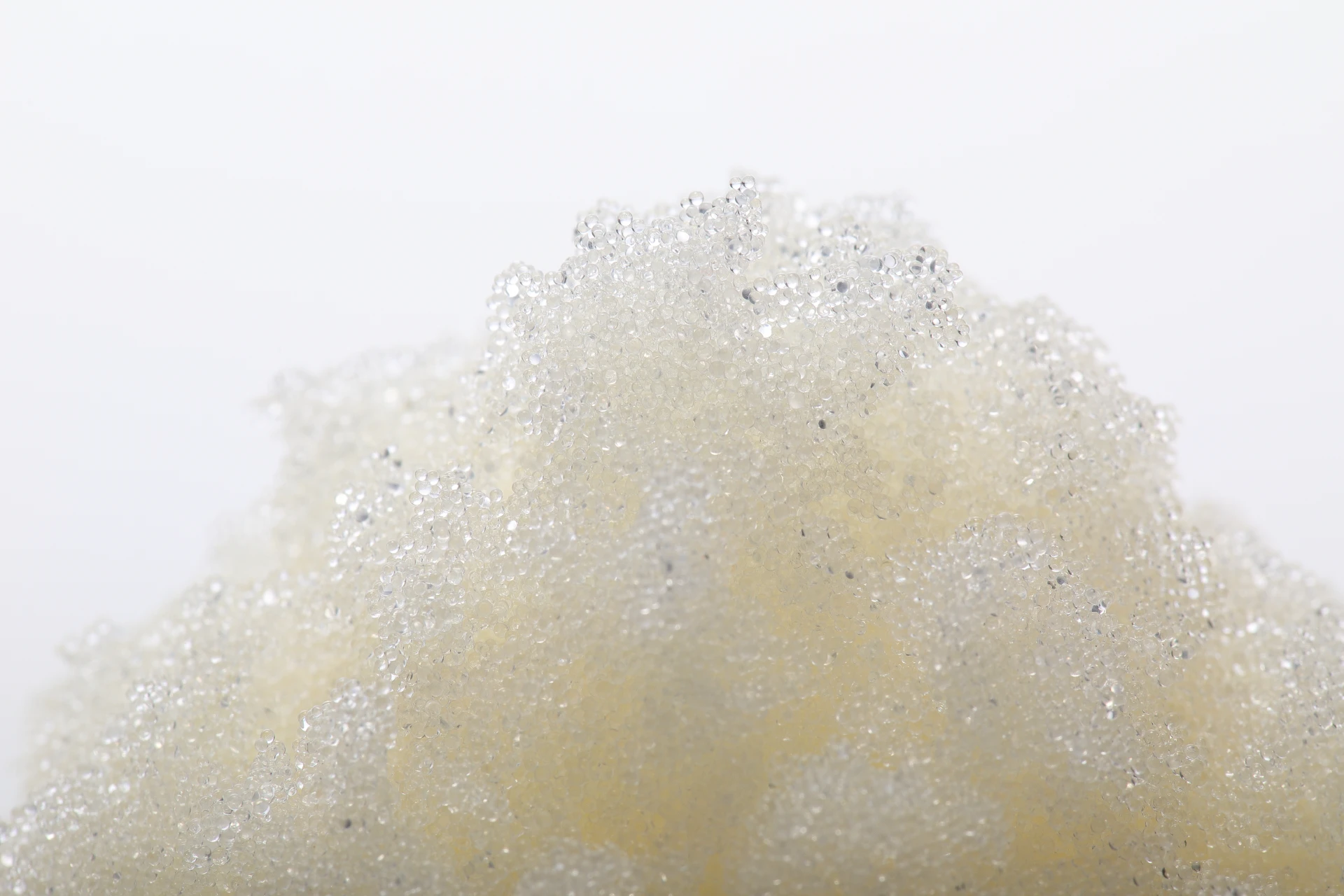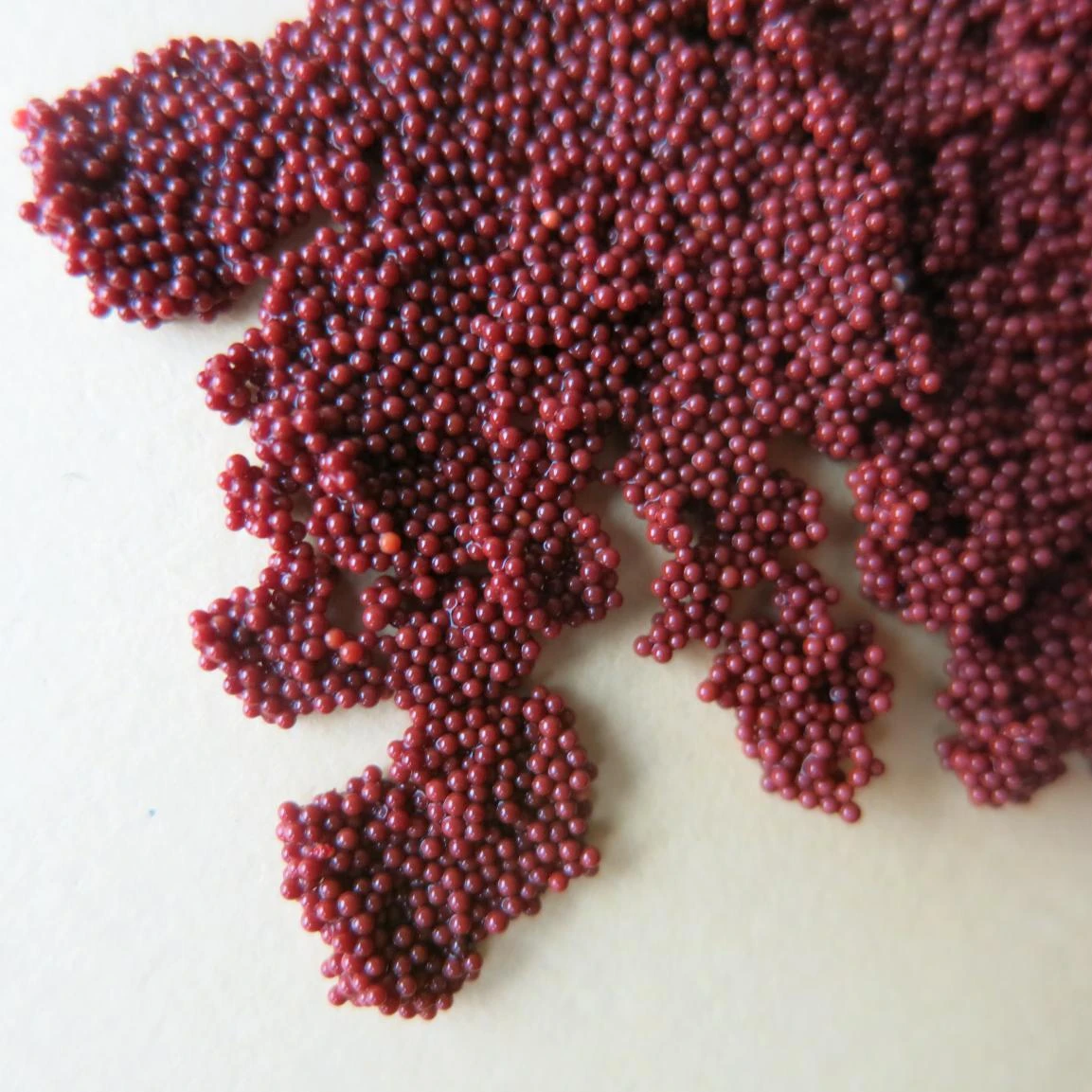
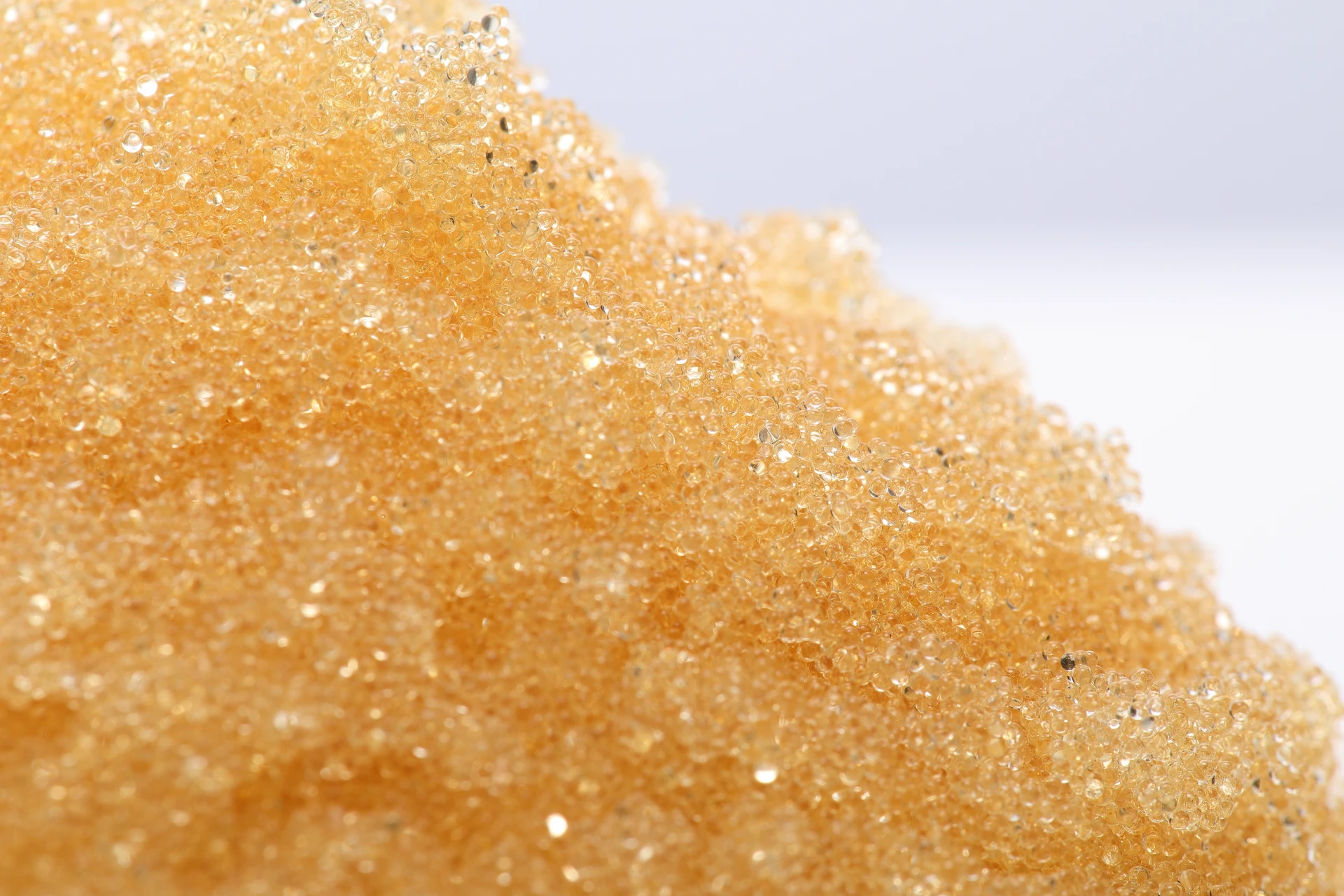
Advanced chelating resin Solutions for Mauritius Water Treatment

Optimizing industrial purification and mineral recovery in Mauritius through high-performance synthetic ion exchange materials.

Advanced chelating resin Solutions for Mauritius Water Treatment

Our high-capacity resins are engineered to meet the rigorous demands of the Mauritian industrial landscape, ensuring precise ionic separation and high-purity outcomes for chemical manufacturing and desalination.

Water Purification Landscape in Mauritius

Analyzing the impact of island geography on the adoption of ion exchange technologies.

Mauritius, as an island nation, faces unique challenges regarding freshwater scarcity and the presence of saline intrusion. The local industry heavily relies on desalination and groundwater treatment, where ion exchange resin technology is critical for removing hardness and contaminating ions from limited water sources.

The chemical manufacturing sector in Mauritius is evolving, requiring higher precision in metal recovery and wastewater treatment. The humid tropical climate increases the risk of biological fouling in traditional bed resin systems, pushing the market toward more resilient and specialized synthetic materials.

Currently, there is a growing demand for selective removal of heavy metals in textile and food processing plants across the island. This shift is driving the transition from generic softening processes to advanced chelating and specialized resin applications to meet international environmental standards.
Evolution of Synthetic Resin Applications

From basic softening to high-selectivity molecular separation in Mauritius.

Market Development History

In the early 2000s, the Mauritian market focused primarily on basic water softening using standard cation exchange resins to support the nascent tourism and sugar industries.

Between 2010 and 2020, the technical trajectory shifted toward ultra-pure water production. The introduction of mixed bed di resin systems became the gold standard for pharmaceutical and laboratory sectors in the region.

Currently, the market has entered the era of "Selective Purification," where special resin grades are deployed to target specific pollutants, reflecting a move toward circular economy principles and zero liquid discharge (ZLD).

Future Development Trends

Eco-Friendly Regeneration Cycles

A move toward reducing chemical waste during resin regeneration to protect the delicate Mauritian marine ecosystem.

Smart Monitoring Integration

The adoption of IoT sensors to monitor ion leakage and resin exhaustion in real-time, optimizing the replacement cycle of bed materials.

High-Selectivity Hybrid Materials

Development of resins that combine mechanical strength with extreme selectivity for rare earth metal recovery from industrial waste.

Industry Trends and Future Outlook

Strategic forecasting for synthetic resin manufacturing and application in Mauritius.

Sustainable Resource Recovery
Increasing use of selective resins to reclaim precious metals from electronics and industrial effluent in Mauritius.
Desalination Optimization
Integrating ion exchange polishing steps after reverse osmosis to ensure drinking water safety in coastal regions.
Ultra-Pure Requirements
Growth in semiconductor and precision electronics assembly requiring ppb-level water purity.
Modular System Design
Transition to skid-mounted ion exchange units for faster deployment in remote Mauritian sites.

Industry Outlook

Google search trends indicate a rising interest in "sustainable water treatment" and "industrial wastewater recycling" within the African region. For Mauritius, this translates to a shift from disposable filter media to regenerable high-performance resin beads.

Over the next 3-5 years, we expect the integration of AI-driven dosing systems that synchronize regeneration cycles with actual ion load, significantly reducing chemical footprints in the synthetic materials sector.

Localized Application Scenarios in Mauritius

Real-world deployment of ion exchange technology across Mauritian industries.

01. Coastal Desalination Polishing

Using specialized resins to remove residual boron and silica from seawater desalination plants to meet drinking water standards for Port Louis residents.

02. Textile Dyeing Wastewater Treatment

Implementing chelating resins to capture copper and chrome ions from textile factory effluents, preventing pollution of the island's lagoons.

03. Beverage Production Demineralization

Utilizing mixed bed di resin to produce consistent, mineral-free water for the local soft drink and bottling industry.

04. Pharmaceutical Ingredient Purification

Applying high-grade special resins for the isolation and purification of organic acids and pharmaceutical intermediates in medical manufacturing.

05. Sugar Mill Boiler Feed Water

Deploying industrial-scale bed resin systems to prevent scale buildup in high-pressure boilers of sugar refineries.

Brand Story

Global Development Process of Hebei Lijian Biological Technology Co., Ltd.

Foundation & Technical Core

Established with a focus on high-polymer chemistry, we began by solving the fundamental pain points of resin stability and kinetics.

Specialization in Selective Media

We expanded our R&D to create chelating resins capable of distinguishing between similar metal ions in complex industrial streams.

Global Expansion Initiative

Recognizing the water crisis in island nations, we optimized our logistics and product grades for the African and Indian Ocean markets.

Quality Certification Milestone

Achieving international ISO and food-grade certifications, allowing our resins to enter the most stringent pharmaceutical markets.

Future-Proofing Water Security

Our current mission is to integrate sustainable materials that reduce the chemical burden of ion exchange on a global scale.

Complete Resin Portfolio for the Mauritian Market

Comprehensive solutions from industrial softening to ultra-pure polishing.

Mauritius Industry FAQ

Technical answers for common ion exchange challenges in Mauritius.

How to choose the right ion exchange resin for saline groundwater in Mauritius?

For saline groundwater, we recommend a combination of strong acid cation resins and specialized polishing resins to handle the high chloride content and ensure stable hardness removal.

What is the typical lifespan of a chelating resin in textile wastewater?

Depending on the organic load and regeneration frequency, our chelating resins typically last 3-5 years, provided that pre-filtration is used to prevent fouling.

Can mixed bed di resin be regenerated on-site in Mauritius?

Yes, using automated regeneration skids, the resins can be separated, regenerated with acid and caustic, and remixed, significantly lowering operating costs.

How does humidity affect the storage of bed resin beads?

While resins are stable, extreme humidity in Mauritius requires stored beads to be kept in sealed containers to prevent biological growth and maintain chemical purity.

What special resin is best for boron removal in desalination?

We suggest using a boron-selective resin with N-methylglucamine functional groups, which provides high affinity for boron even in the presence of other salts.

How to prevent organic fouling of resins in tropical environments?

Implementing activated carbon pre-filtration and periodic alkaline brine washes can effectively remove organic matter and extend the resin's service life.

Expert Consultation for Water Purification

Get a customized resin selection and system design for your facility in Mauritius.

Contact Us Now

If you are interested in our products, you can choose to leave your information here, and we will be in touch with you shortly.