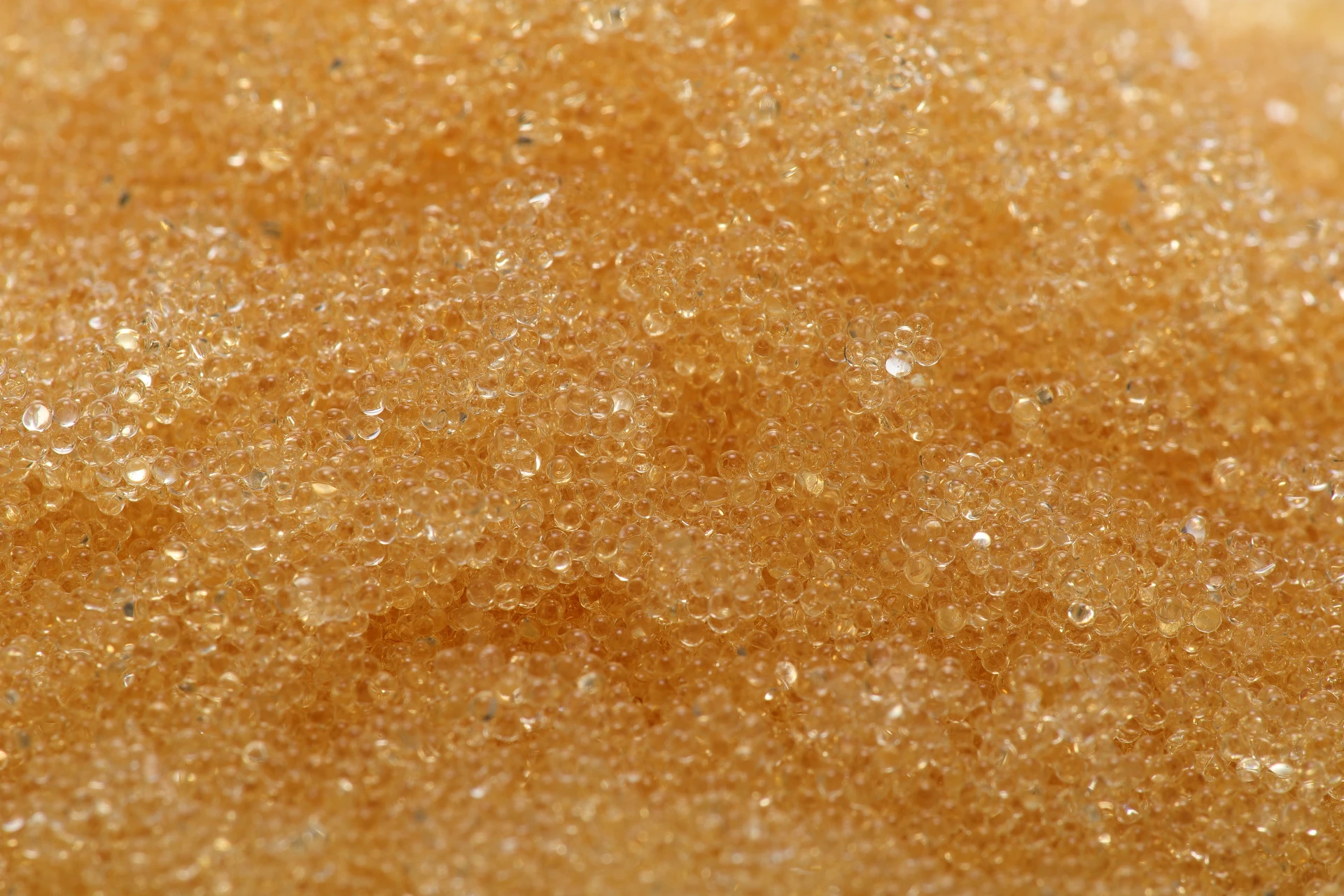
Advanced chelating resin Solutions for Morocco Industrial Water Treatment

Precision-engineered ion exchange materials designed to meet the rigorous demands of Morocco's chemical and mining sectors, ensuring sustainable resource recovery and high-purity water.

Advanced chelating resin Solutions for Morocco Industrial Water Treatment

Providing high-performance synthetic materials for selective ion removal and ultrapure water production across Morocco's strategic industrial hubs.

Industrial Landscape of ion exchange resin in Morocco

Analyzing the critical role of synthetic resins in North Africa's water scarcity context.

Morocco faces significant challenges regarding water salinity and mineral contamination, particularly in the phosphate mining and agricultural processing regions. The reliance on bed resin technology has become essential to mitigate the impact of hard water on industrial machinery and to ensure the quality of processed chemicals.

In coastal industrial zones like Casablanca and Tangier, the presence of complex brine and heavy metals requires more than standard softening. The adoption of high-selectivity resins is increasing to handle the specific ionic compositions of Moroccan groundwater, which often contains fluctuating levels of calcium and magnesium.

Furthermore, the Moroccan government's push for "Green Morocco" initiatives has intensified the demand for wastewater recycling. This shift is driving the transition from basic filtration to advanced special resin applications to recover precious metals and treat hazardous industrial effluents.
Evolution and Trajectory of Resin Technology in Morocco

From conventional softening to intelligent molecular separation.

Market Development History

During the 1990s and early 2000s, the Moroccan market primarily utilized basic strong acid and base resins for simple water softening in the textile and food industries, focusing on bulk removal of hardness ions.

Between 2010 and 2020, there was a significant technological leap toward the integration of mixed bed di resin systems. This allowed the pharmaceutical and electronics sectors in Morocco to achieve the high-resistivity water required for global export standards.

Currently, the industry is entering a phase of "Selective Recovery," where resins are no longer just for cleaning but are used as tools for mining value from waste streams, utilizing advanced functional groups to target specific rare earth elements.

Future Development Trends

Eco-Compatible Regenerants

Trend analysis shows a shift toward resins that require lower concentrations of chemicals for regeneration, reducing the environmental footprint of chemical plants in Morocco.

High-Temperature Stability

As geothermal and high-heat chemical processes expand, the demand for resins capable of maintaining structural integrity above 80°C is projected to rise.

AI-Driven Resin Lifecycle Management

Integration of IoT sensors to monitor the exhaustion levels of the resin bed in real-time, optimizing the regeneration cycles to save water and energy.

Industry Outlook and Strategic Forecasting

Projecting the next 3-5 years of synthetic material application in Morocco.

Circular Economy Integration
Implementing closed-loop water systems using advanced resins to achieve zero liquid discharge (ZLD) in Moroccan factories.
Selective Metal Capture
Utilization of specialized resins to isolate high-value minerals from phosphate runoff, increasing mining yield.
Desalination Synergy
Combining reverse osmosis with resin polishing to provide ultra-pure water for Morocco's growing desalination plants.
Nanostructured Polymers
Introduction of nano-composite resins to increase exchange capacity and reduce footprint in urban processing plants.

Industry Outlook

Based on Google Search trends for industrial water treatment in North Africa, there is a surging interest in sustainable chemical synthesis. Morocco is positioned to become a regional hub for synthetic materials, driving the demand for high-stability resins that can operate in saline environments.

The integration of these materials will likely shift from simple replacement parts to integrated chemical engineering solutions, where resin selection is tailored to the specific molecular profile of the local water source.

Local Application Scenarios in Morocco

Real-world deployment of resin technology across various Moroccan industries.

01. Phosphate Mining Effluent Treatment

Using chelating resin to remove heavy metal impurities from wastewater in OCP-related mining operations, ensuring compliance with environmental standards.

02. Agricultural Irrigation Pre-treatment

Deployment of high-capacity softening resins to treat brackish groundwater in the Souss-Massa region, preventing scale buildup in drip irrigation systems.

03. Pharmaceutical Ultrapure Water

Implementation of mixed bed di resin systems in Casablanca's pharma hubs to produce water with 18.2 MΩ.cm resistivity for drug formulation.

04. Textile Dyeing Water Recovery

Utilizing special resin to recover caustic soda and dyes from wastewater in Tangier's textile clusters, reducing chemical costs.

05. Power Plant Boiler Feed Water

Installation of large-scale resin beds to eliminate dissolved ions in steam generation plants, preventing corrosion and enhancing turbine efficiency.

Brand Story

Global Development Journey of Hebei Lijia Biological Technology Co., Ltd.

Foundational Innovation

Established with a focus on advanced polymer chemistry, we began by solving basic ion exchange inefficiencies for regional chemical plants.

Global Expansion

Expanded our reach into North Africa, tailoring our synthetic resins to handle the high-salinity water profiles typical of Morocco.

Technological Breakthrough

Developed a proprietary chelating matrix that significantly increases the selectivity for transition metals in complex industrial brines.

Sustainability Commitment

Launched a series of eco-friendly resins that reduce the need for harsh regeneration chemicals, aligning with global ESG standards.

Industry Leadership

Now recognized as a leading provider of high-performance synthetic materials, bridging the gap between lab research and industrial application.

Comprehensive Resin Portfolio for the Moroccan Market

A curated selection of synthetic materials designed for Morocco's unique industrial needs.

Morocco Industrial Resin FAQs

Expert answers to common technical queries regarding synthetic resins in the region.

How does the salinity of Moroccan groundwater affect ion exchange resin lifespan?

High salinity increases the ionic load, leading to more frequent regeneration cycles. We recommend using high-capacity resins with optimized cross-linking to extend the operational lifespan in saline environments.

Which chelating resin is best for removing heavy metals from phosphate wastewater?

For phosphate mining effluents, iminodiacetic acid functionalized resins are ideal due to their high selectivity for divalent metal ions over monovalent ions like sodium.

What is the advantage of using mixed bed di resin over separate bed systems in pharma?

Mixed bed systems provide significantly higher water purity (lower conductivity) in a single pass, which is critical for pharmaceutical applications in Casablanca's high-tech labs.

Can special resin be used for caustic soda recovery in the textile industry?

Yes, specialized strong base anion resins can selectively capture caustic molecules from waste streams, allowing factories to recycle chemicals and reduce operational costs.

How often should a bed resin be replaced in high-load Moroccan industrial plants?

Typically every 3-5 years, depending on the water quality and regeneration efficiency. Regular monitoring of pressure drop and leakage is recommended to determine the exact replacement timing.

Are there eco-friendly regeneration options for resins used in Morocco?

Yes, we provide resins designed for low-concentration acid/base regeneration, which minimizes the environmental impact on local Moroccan soil and water systems.

Consult Our Resin Experts

Get tailored synthetic material solutions for your industrial water challenges in Morocco.

Contact Us Now

If you are interested in our products, you can choose to leave your information here, and we will be in touch with you shortly.