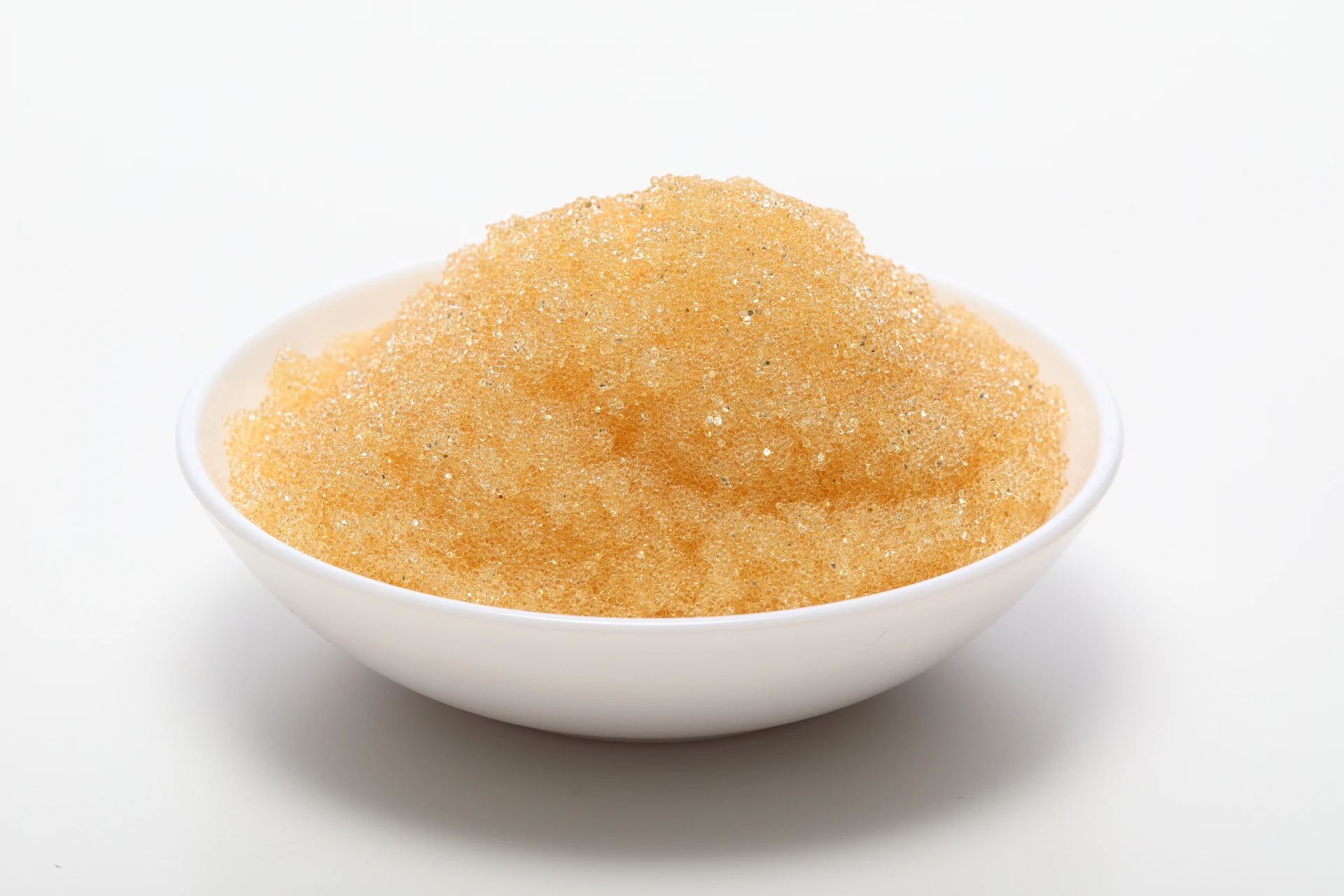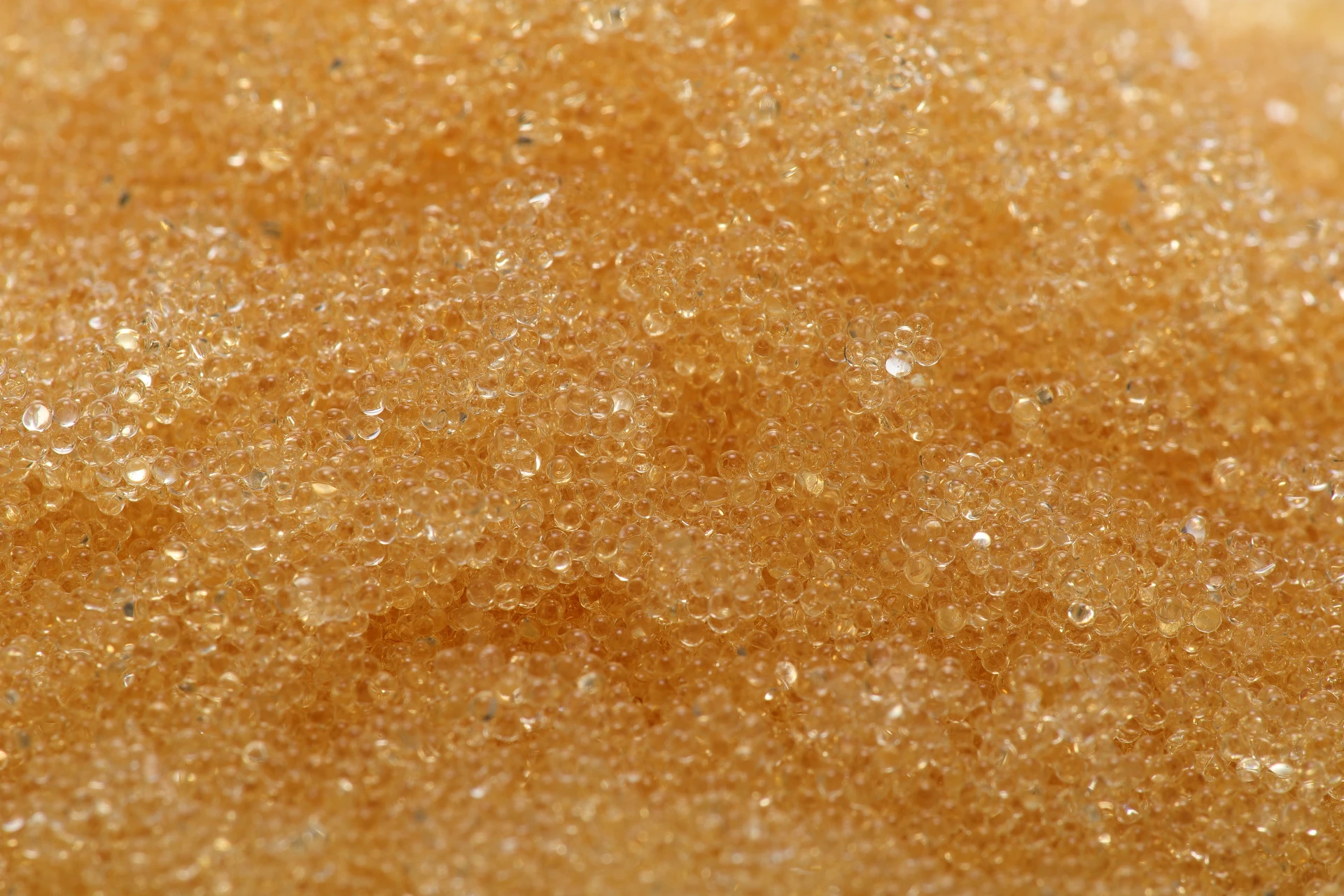
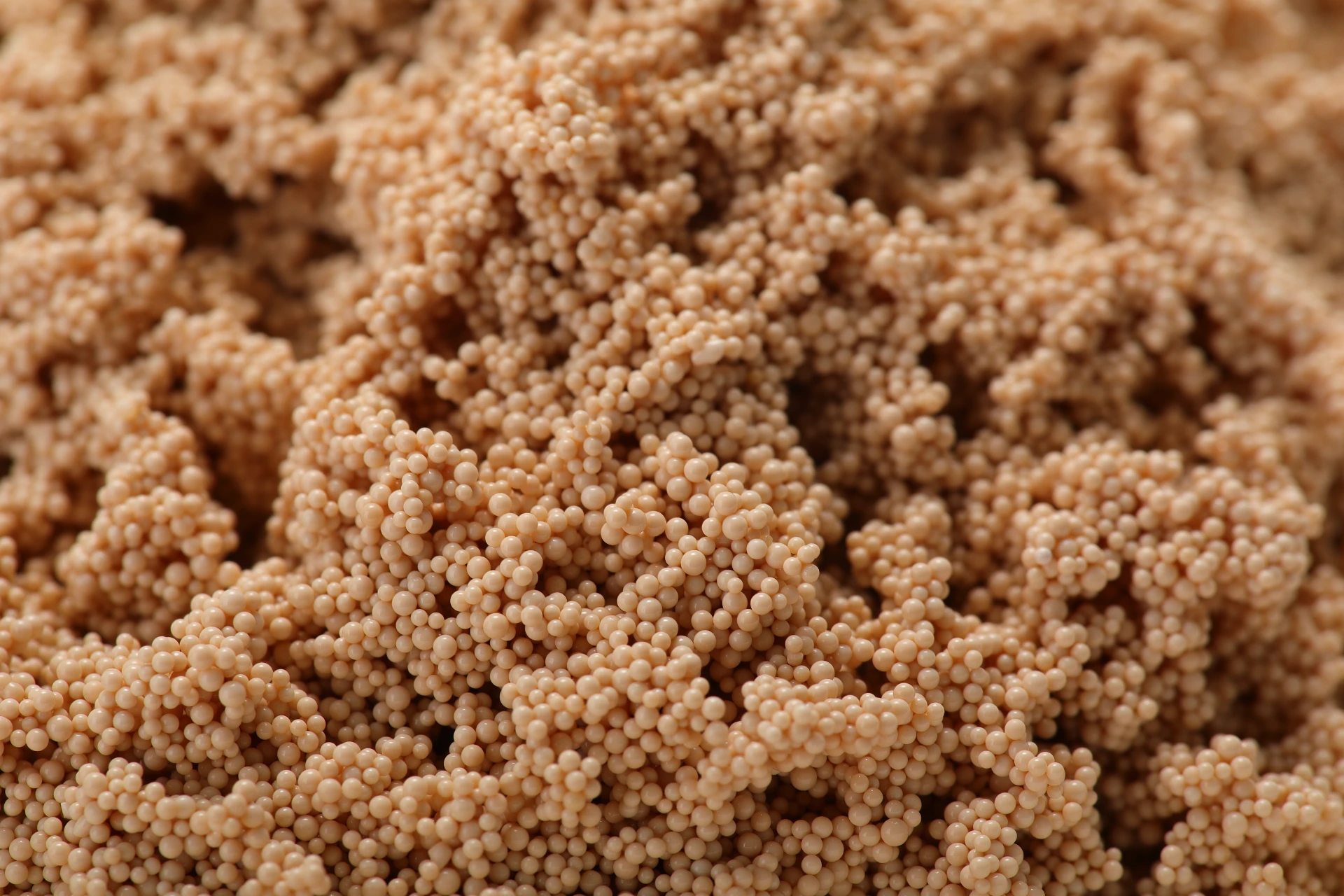
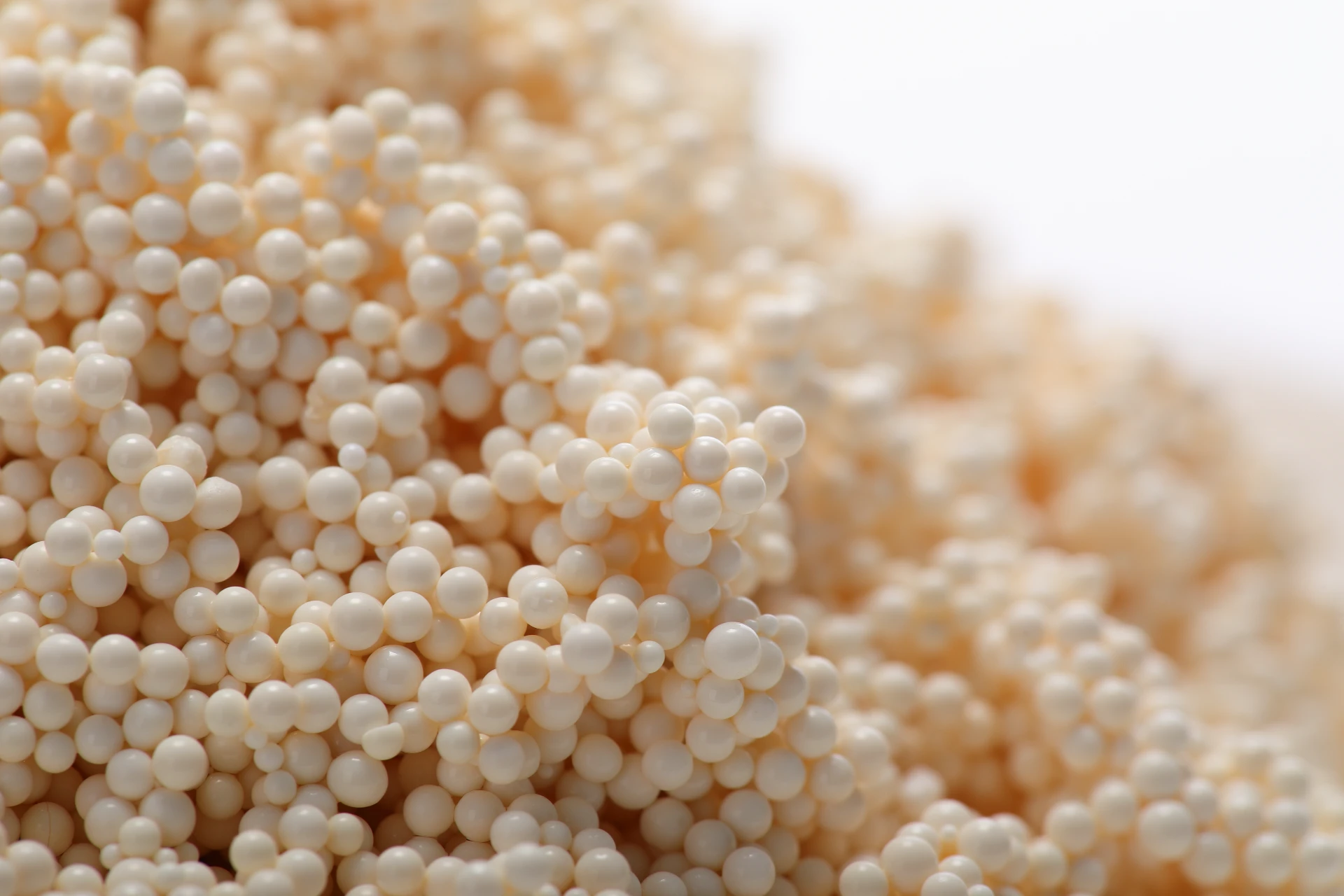
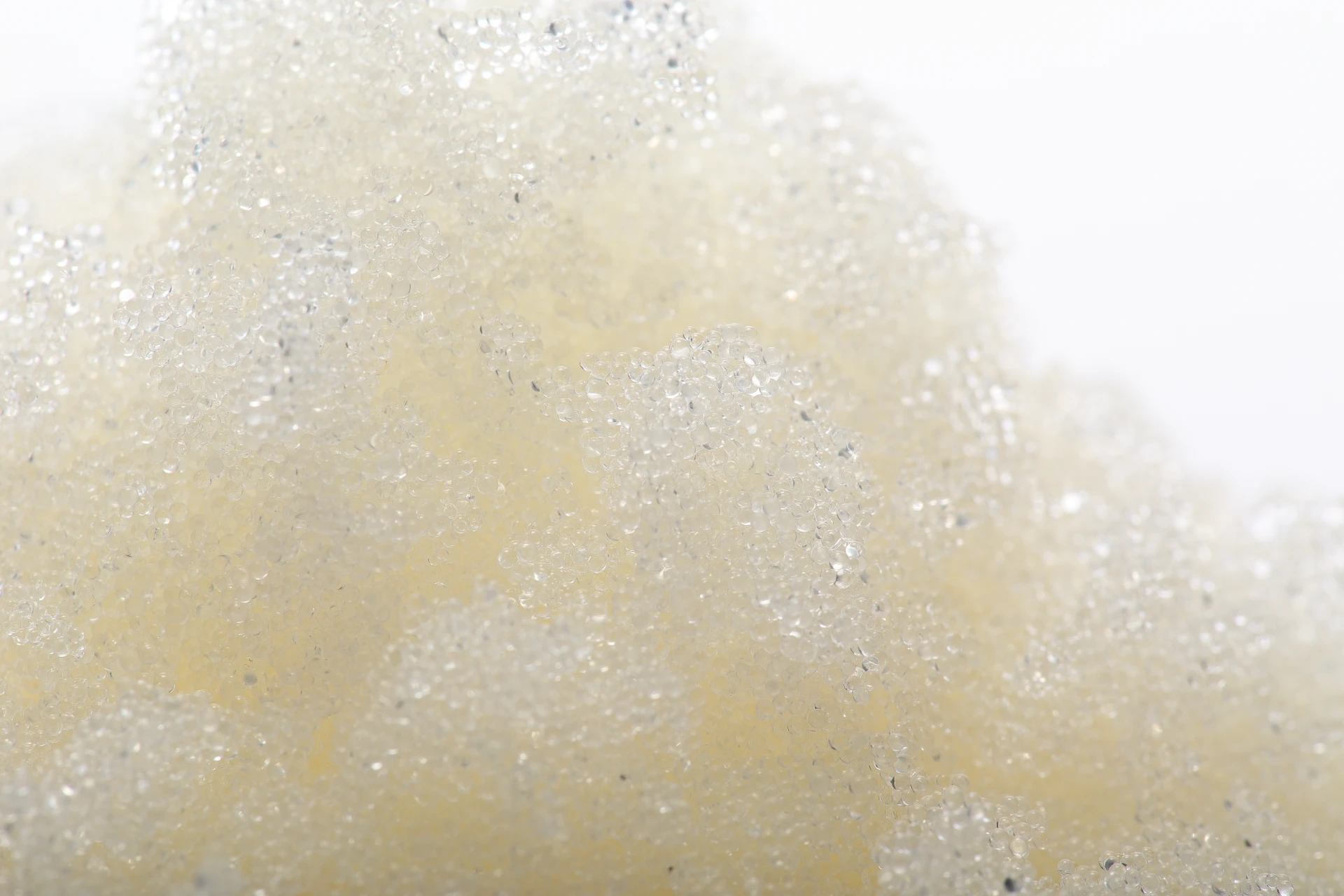
Advanced chelating resin Solutions for Myanmar Industrial Water Treatment

High-performance synthetic materials engineered to address the unique water chemistry and industrial demands of Asia - Myanmar.

Advanced chelating resin Solutions for Myanmar Industrial Water Treatment

We provide professional-grade ion exchange media tailored for the diverse manufacturing landscapes of Myanmar, from textile hubs in Yangon to agricultural processing in Mandalay.

Current Landscape of Water Purification in Myanmar

Analyzing the synergy between regional water quality and synthetic material applications.

In Myanmar, the manufacturing sector faces significant challenges due to high seasonal variability in raw water quality, particularly during the monsoon season. The widespread use of ion exchange resin is becoming critical for industries struggling with high mineral content and organic impurities in groundwater.

The local industrial environment is currently transitioning from basic filtration to advanced chemical processing. There is a growing demand for special resin capable of selective metal removal, especially in the mining and garment dyeing sectors where wastewater compliance is becoming more stringent.

Economic growth in regional industrial zones has led to an increased adoption of bed resin technologies to ensure stable boiler feed water and high-purity process water, reducing equipment scaling and increasing operational longevity.
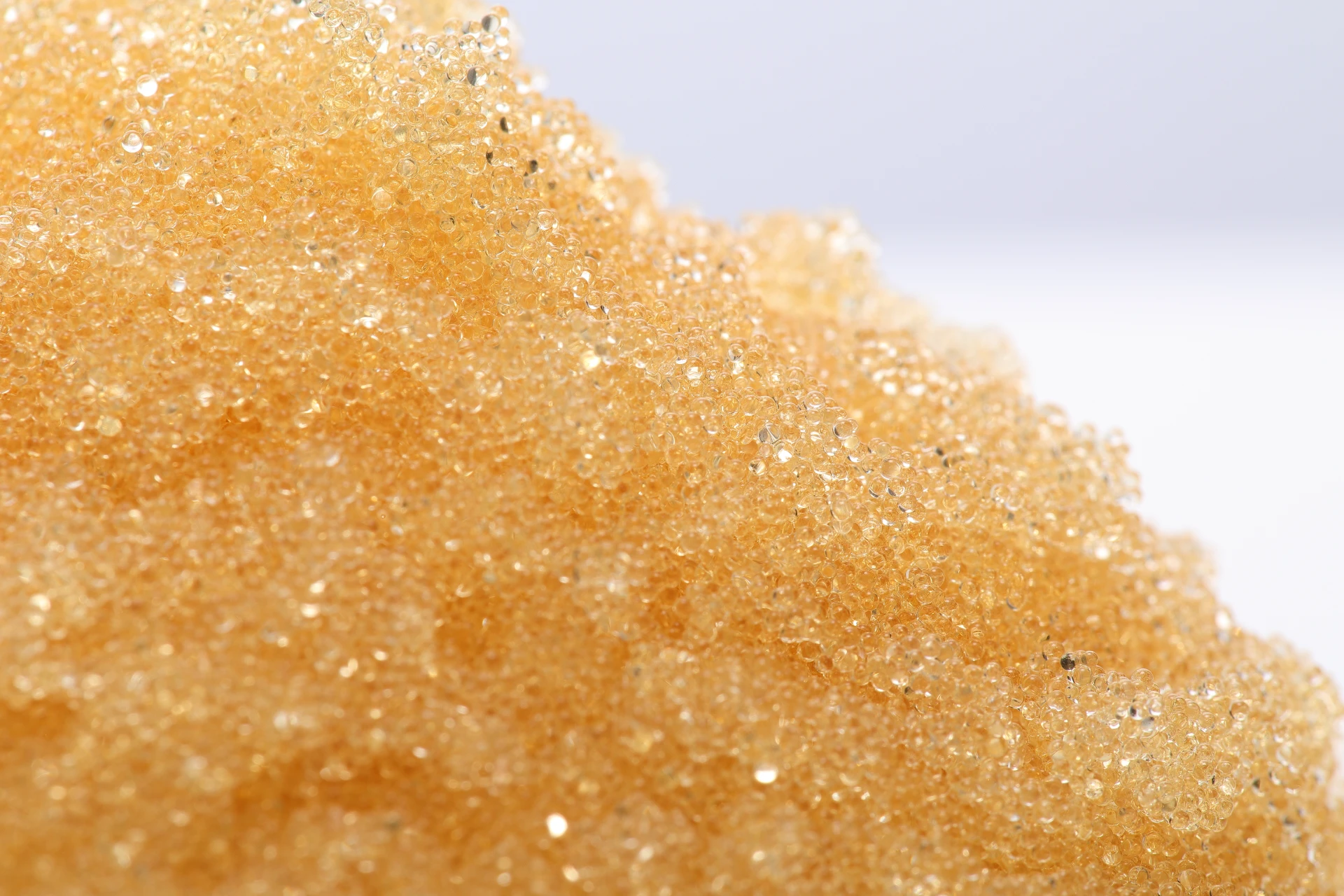
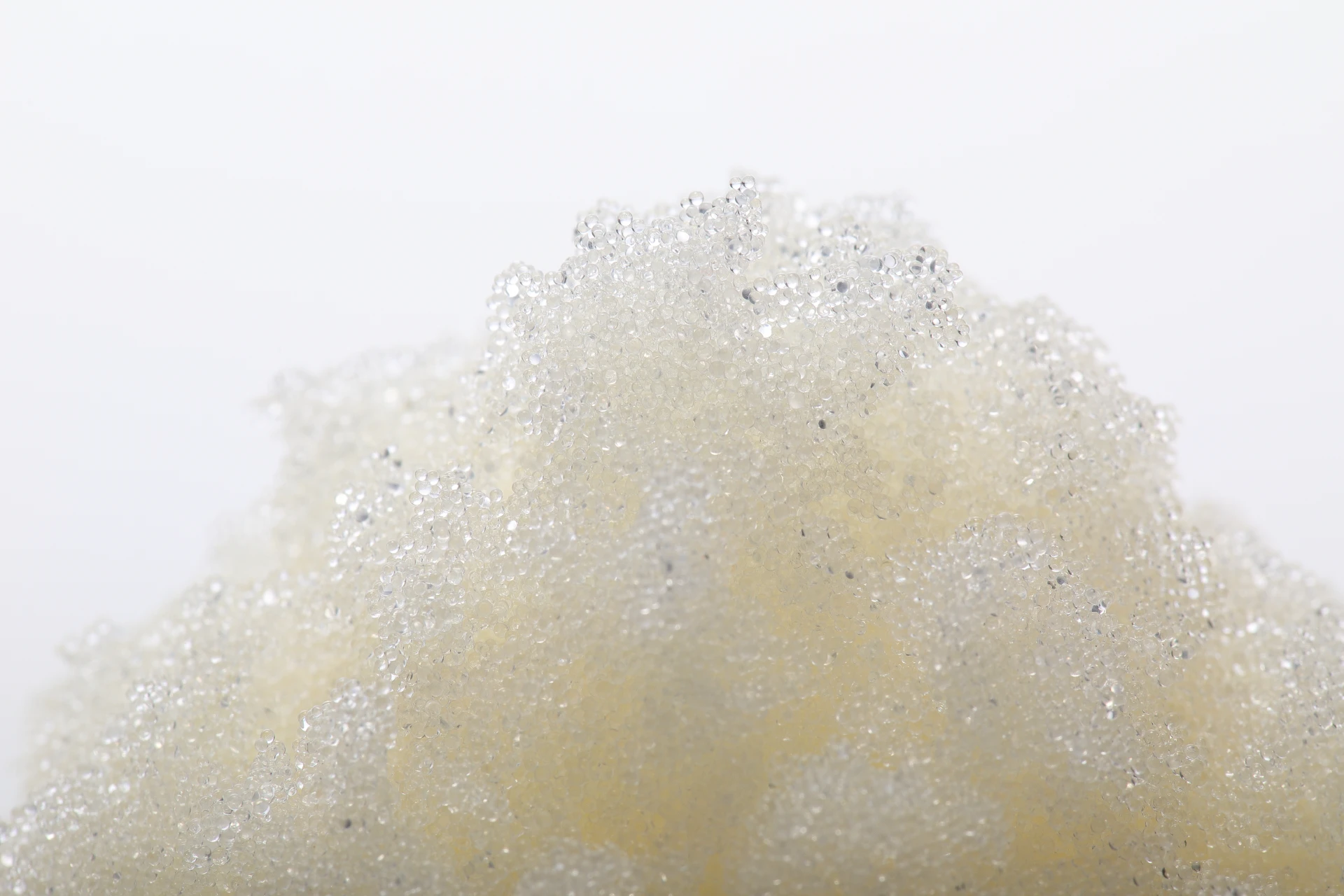
Evolution and Trajectory of Resin Technology in Myanmar

From traditional softening to high-precision molecular separation.

Market Development History

Early stages (Pre-2010) were dominated by simple sodium-cycle softening using basic resins to treat hard water for small-scale manufacturing.

The growth phase (2011-2020) saw the introduction of mixed bed di resin systems, allowing factories to achieve the ultra-pure water required for pharmaceuticals and electronics assembly.

The current modern era focuses on "Selective Extraction," utilizing advanced functional groups to target specific contaminants in complex industrial effluents.

Future Development Trends

Shift Towards Circular Economy

Increasing focus on the regeneration efficiency of resins to reduce chemical waste in Myanmar's industrial parks.

Smart Monitoring Integration

The integration of IoT sensors to monitor resin exhaustion in real-time, optimizing the replacement cycle of the filter media.

Specialization in Heavy Metal Capture

Rapid growth in the demand for resins targeting Arsenic and Lead, driven by stricter environmental laws in Southeast Asia.

Industry Outlook and Future Strategic Directions

Predicting the next 3-5 years of synthetic material evolution in Myanmar.

Environmental Compliance
Adapting to Myanmar's emerging wastewater standards through superior pollutant capture.
Process Optimization
Reducing chemical consumption in regeneration cycles through high-capacity materials.
Resource Recovery
Using resins to recover valuable metals from industrial runoff, adding profit to the process.
Technical Localization
Customizing resin pore structures to handle Myanmar's specific organic loading.

Industry Outlook

Based on global search trends for "sustainable water treatment" and "industrial ion exchange," we anticipate that Myanmar will see a surge in demand for biodegradable and long-life synthetic resins. The move toward green chemistry will drive the adoption of materials that require fewer acidic regenerants.

Furthermore, as Myanmar integrates deeper into ASEAN trade, the standardization of water quality for exports will make high-purity resins an absolute necessity for any manufacturer aiming for the global market.

Localized Application Scenarios in Myanmar

Real-world deployments of ion exchange technologies across various sectors.

01. Textile Dyeing & Printing in Hlaing Thar Yar

Implementation of selective resins to remove divalent ions from process water, ensuring consistent dye uptake and reducing fabric spotting.

02. Beverage Production in Yangon

Utilizing a combination of softening resins and mixed bed di resin to produce carbonation-grade water with zero mineral interference.

03. Mining Wastewater Treatment in Shan State

Deployment of heavy-metal specific resins to capture copper and gold leachates, ensuring environmentally safe discharge into local river systems.

04. Pharmaceutical Grade Water in Mandalay

High-precision demineralization using specialized beds to meet the rigorous pharmacopeia standards for injectable water.

05. Agricultural Processing in Ayeyarwady

Removal of organic acids and minerals from process water used in food canning, improving product shelf life and clarity.

Brand Story

Global Development History of Hebei Lijian Biological Technology Co., Ltd.

Foundation & Research

Established with a vision to master the chemistry of synthetic polymers, focusing on the core stability of ion exchange matrices.

Technical Breakthroughs

Developed proprietary functional groups for chelating resins, enabling the capture of metals in highly saline environments.

Global Market Expansion

Extended operations to Southeast Asia, adapting product formulations to suit the tropical climates and water chemistry of regions like Myanmar.

Quality Standardization

Achieved international certifications, ensuring that every batch of resin meets strict E-E-A-T principles of reliability and expertise.

Sustainable Future

Currently pioneering the next generation of eco-friendly resins to reduce the environmental footprint of industrial water treatment globally.

Comprehensive Product Portfolio for Myanmar

A full spectrum of synthetic materials to solve any water purity challenge.

Frequently Asked Questions in Myanmar

Technical guidance and troubleshooting for local industrial users.

How to choose the right chelating resin for heavy metal removal?

Selection depends on the specific target metal. For Myanmar's mining wastewater, we recommend resins with iminodiacetic acid groups for high selectivity toward copper and nickel.

What is the typical lifespan of a mixed bed di resin in industrial use?

Lifespan varies by water quality, but with proper regeneration and pre-filtration, these systems typically maintain peak efficiency for 3-5 years.

Can special resin handle high organic loading from river water?

Yes, our specialized acrylic resins are designed to resist organic fouling, making them ideal for the organic-rich surface waters found in the Ayeyarwady basin.

How often should a bed resin be regenerated in Myanmar's climate?

Regeneration frequency depends on the throughput and ion load. In high-humidity tropical environments, we recommend automated monitoring to prevent breakthrough.

What is the difference between standard ion exchange resin and chelating types?

Standard resins exchange ions based on charge, while chelating resins form complex bonds with specific metal ions, allowing for selective removal even in complex mixtures.

How to prevent resin degradation during storage in Myanmar?

Store resins in original packaging, away from direct sunlight and extreme heat, and ensure they remain moist to prevent the beads from cracking.

Consult Our Engineering Experts

Ready to optimize your water treatment system? Our team provides full technical support and custom resin formulations for clients across Myanmar.

Contact Us Now

If you are interested in our products, you can choose to leave your information here, and we will be in touch with you shortly.