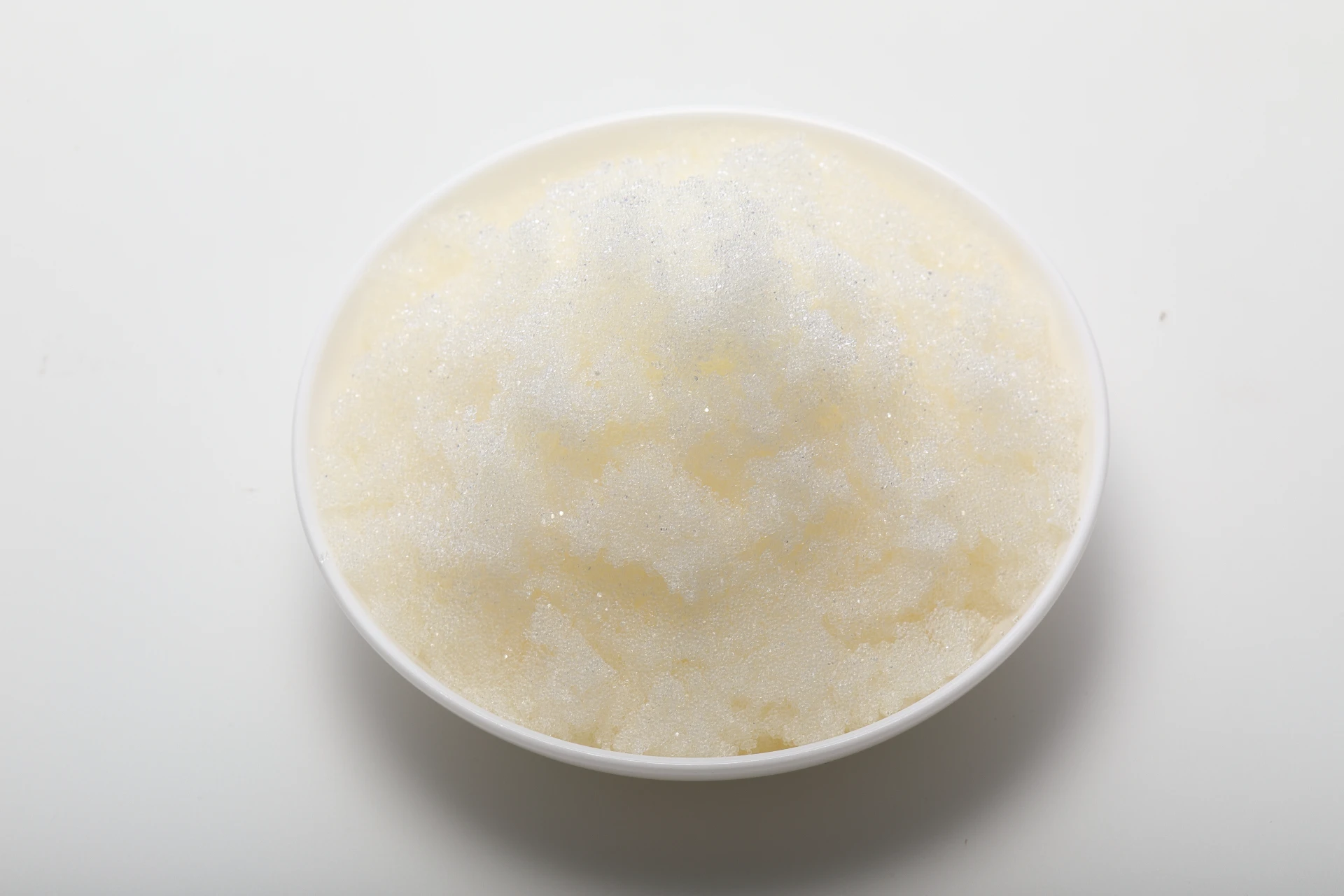

Advanced chelating resin Solutions for North Korea's Industrial Purification

High-performance synthetic materials engineered for heavy metal removal and ultrapure water production in demanding environments.

Advanced chelating resin Solutions for North Korea's Industrial Purification

Providing the North Korean industrial sector with specialized ion exchange technologies to ensure resource efficiency and environmental compliance.

Current State of Ion Exchange Industry in North Korea

Analyzing the intersection of heavy industrial needs and available chemical synthesis technologies.

In North Korea, the industrial landscape is heavily focused on mining and metallurgical production. The demand for high-quality ion exchange resin is driven primarily by the need to treat process water and recover valuable metals from ore leaching solutions, where traditional methods are no longer sufficient.

Due to the specific geographic terrain and the presence of various mineral deposits, local plants often face challenges with complex wastewater compositions. The adoption of special resin types has become critical for addressing site-specific contaminants that standard resins cannot effectively remove.

Currently, there is a transition toward more sustainable water cycles. The integration of bed resin systems is increasingly common in state-owned enterprises seeking to minimize chemical waste and improve the purity of industrial reagents used in synthetic material production.
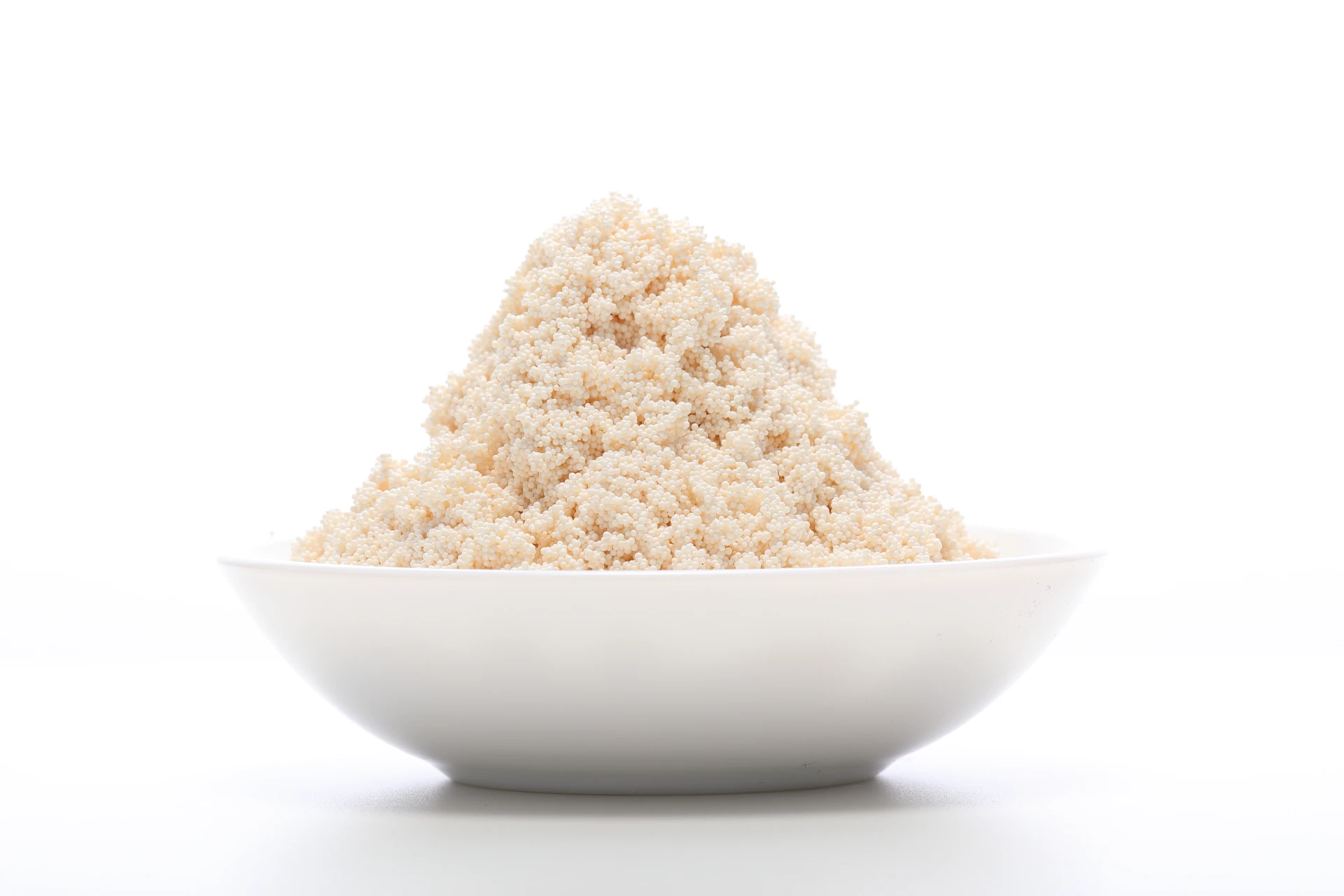
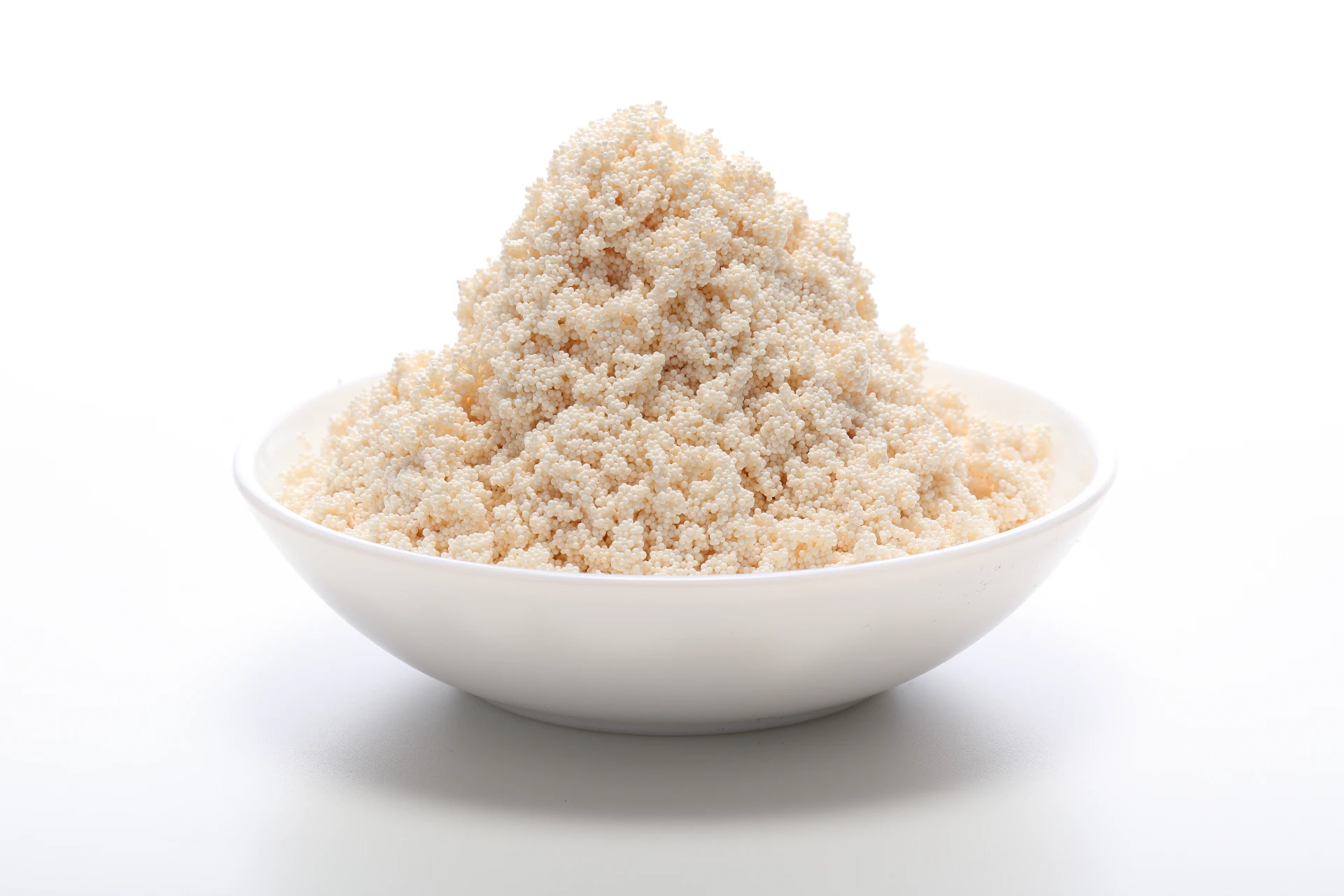
Evolution and Technical Trajectory of Resin Technology

From basic softening to high-precision selective separation.

Market Development History

During the early industrialization phase (1960s-1980s), the focus was on basic water softening and simple decolorization using standard organic polymers, which provided the foundation for domestic chemical processing.

By the late 1990s and early 2000s, the shift toward high-purity requirements led to the introduction of mixed bed di resin technology, allowing for the production of deionized water essential for electronics and laboratory applications.

In the last decade, the trajectory has moved toward "selective capture." The emergence of advanced chelating groups has allowed for the precise extraction of specific ions from complex matrices, reducing the operational costs of regeneration.

Future Development Trends

Integration of Nano-Composite Matrices

Research is pivoting toward resins with nano-engineered pores to increase the exchange capacity and kinetic speed, reducing the physical footprint of treatment plants.

Eco-Friendly Regeneration Cycles

Future trends indicate a move toward biodegradable regenerants and closed-loop systems to align with global environmental standards and resource scarcity.

AI-Driven Resin Lifecycle Management

Google search trends show a surge in "smart water treatment," suggesting a future where sensor-integrated beds predict breakthrough points automatically.

Industry Trends and Future Outlook

Strategic directions for the synthetic material and ion exchange sector.

High-Selectivity Capture
Transitioning from general ion exchange to target-specific removal of rare earth elements and toxic heavy metals.
Water-Energy Nexus
Developing low-pressure drop resins to reduce the electricity required for industrial pumping and filtration.
Hybrid Material Design
Combining organic resins with inorganic adsorbents to handle aggressive chemical environments.
Regeneration Efficiency
Developing resins that require fewer chemical washes, reducing the waste stream in mining operations.

Industry Outlook

The future of resin application in North Korea will likely be dominated by the push for industrial modernization. As the state seeks to upgrade its chemical infrastructure, the demand for specialized special resin grades will grow to support the pharmaceutical and high-tech electronics sectors.

Furthermore, the global trend toward "Green Chemistry" will eventually penetrate the local market, forcing a shift toward resins with longer lifespans and lower toxicity, ensuring that industrial growth does not compromise ecological stability.

Localized Application Scenarios in North Korea

Practical implementations of resin technology across key domestic industries.

1. Rare Earth Metal Recovery in Mining

Utilizing specialized chelating agents to extract high-value minerals from low-grade ores in the northern mountain regions, significantly increasing recovery rates.

2. Ultra-Pure Water for Semiconductor Fabrication

Implementing mixed bed di resin systems to eliminate all trace ions, ensuring the conductivity of water meets the strict requirements of silicon wafer cleaning.

3. Industrial Wastewater Detoxification

Applying high-capacity bed resin filters to remove heavy metals like chromium and lead from chemical plant effluents before discharge.

4. Pharmaceutical Grade Reagent Purification

Using selective ion exchange to purify raw materials for the domestic medicine industry, ensuring the removal of organic impurities and inorganic salts.

5. Power Plant Boiler Feed Water Treatment

Installing large-scale ion exchange units to prevent scale buildup in steam generators, extending the operational life of energy infrastructure.

Brand Story

Global Development Journey of Hebei Lijie Biological Technology Co., Ltd.

Foundational Innovation

Established with a mission to solve the most complex ion separation challenges through advanced polymer science and rigorous R&D.

Market Expansion

Expanding our footprint across Asia, providing customized resin solutions that adapt to the specific geological and industrial needs of each region.

Technological Breakthrough

Developing a proprietary line of high-selectivity resins that reduced chemical consumption by 30% for our global industrial partners.

Quality Certification

Achieving international standards of excellence, ensuring every batch of resin delivers consistent performance in the harshest environments.

Sustainable Future

Committing to the development of eco-friendly synthetic materials to lead the transition toward a circular chemical economy.

Comprehensive Resin Portfolio for North Korea

A complete range of products from general purpose to highly specialized ion exchangers.

Frequently Asked Questions in North Korea

Expert answers to common technical queries regarding resin application.

How to choose the right chelating resin for heavy metal recovery?

The choice depends on the target ion (e.g., Cu, Ni, Zn). We analyze the wastewater pH and competing ions to recommend a resin with the highest selectivity for your specific metal.

What is the typical lifespan of a mixed bed di resin in industrial use?

Depending on the feed water quality and regeneration frequency, our resins typically last 3-5 years before significant capacity loss occurs.

Can special resin handle high-temperature industrial processes?

Yes, we offer thermally stable resins designed to maintain structural integrity and exchange capacity at elevated temperatures common in chemical synthesis.

How does bed resin packing affect the flow rate and pressure drop?

Uniform bead size distribution is key. Our resins are engineered for optimal sphericity, which minimizes pressure drop and ensures even flow across the bed.

What are the regeneration requirements for high-purity ion exchange resins?

Regeneration typically involves strong acids (HCl, H2SO4) or bases (NaOH). We provide a detailed regeneration protocol to maximize resin life.

Are these resins compatible with automated regeneration systems?

Absolutely. Our resins are designed for high osmotic stability, making them ideal for the rapid pressure and chemical shifts found in automated systems.

Ready to Optimize Your Process?

Consult with our technical experts to find the perfect resin solution for your facility in North Korea.

Contact Us Now

If you are interested in our products, you can choose to leave your information here, and we will be in touch with you shortly.