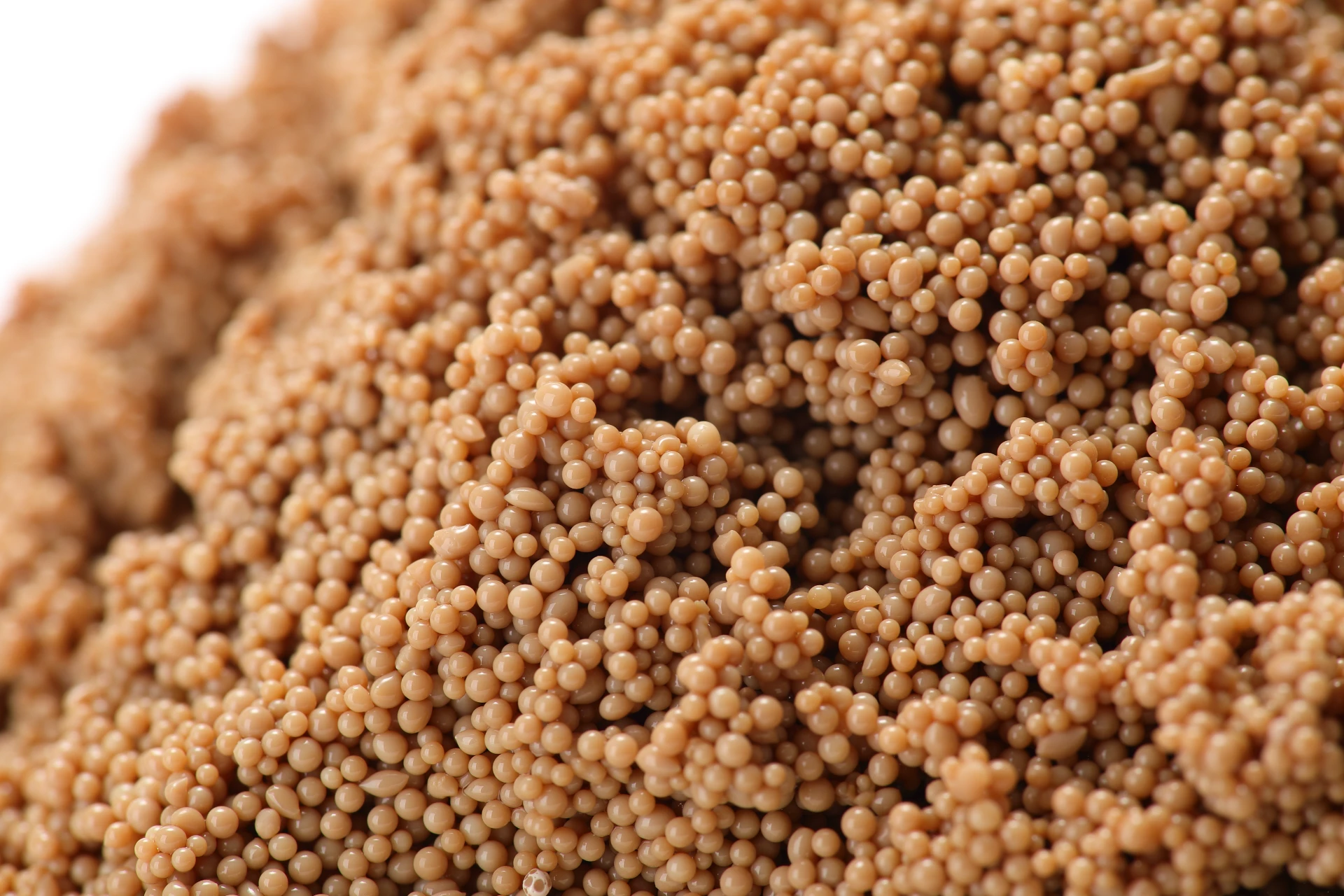
Advanced chelating resin Solutions for Norway's Industrial Water Purification

High-performance ion exchange materials engineered for the demanding environmental and technical standards of the Norwegian chemical and energy sectors.

Advanced chelating resin Solutions for Norway's Industrial Water Purification

Providing specialized resin media designed to handle the unique water chemistry of Northern Europe, ensuring maximum purity and operational efficiency for Norway's synthesis material manufacturing plants.

The Current State of Resin Application in Norway

Navigating the intersection of strict Nordic environmental regulations and high-tech industrial demands.

Norway's chemical manufacturing landscape is characterized by a stringent commitment to "Green Chemistry" and zero-discharge goals. In this environment, the use of ion exchange resin has shifted from simple softening to complex selective recovery of precious metals and hazardous pollutant removal to protect the fragile fjords and coastal ecosystems.

The prevalence of hydroelectric power and high-purity water requirements for synthetic material production means that Norwegian plants demand exceptional stability from their bed resin. The cold climate requires materials that maintain kinetic efficiency even at lower ambient temperatures, reducing the energy load needed for water pre-heating.

Furthermore, the rise of the battery materials sector in Norway has spiked the demand for high-selectivity resins. Industries are now integrating special resin to isolate specific rare-earth elements and transition metals, ensuring the purity levels required for next-generation energy storage components.
Evolution and Technical Trajectory of Resin Technology

From generic ion exchange to precision molecular recognition.

Market Development History

In the late 20th century, the Norwegian market relied primarily on standard strong acid and base resins for basic water demineralization. These early applications focused on bulk removal of ions with little regard for selectivity, leading to high chemical consumption during regeneration cycles.

Between 2000 and 2015, the industry transitioned toward the adoption of mixed bed di resin systems. This technical iteration allowed for the simultaneous removal of cations and anions in a single vessel, significantly increasing the conductivity standards for ultra-pure water used in semiconductor and synthetic material synthesis.

From 2016 to the present, the focus has pivoted toward "Functionalization." The development of chelating groups (such as iminodiacetic acid) has allowed Norwegian manufacturers to target specific metallic impurities with surgical precision, minimizing waste and maximizing the recovery of valuable catalysts.

Future Development Trends

Biodegradable Resin Matrixes

Moving away from petroleum-based polystyrene toward sustainable, bio-sourced polymers to align with Norway's 2030 carbon neutrality goals.

AI-Driven Regeneration Cycles

Integration of real-time sensors and machine learning to predict resin exhaustion, optimizing the use of regenerants and reducing the environmental footprint.

Hyper-Selective Nanocomposites

The engineering of hybrid resins that combine the strength of traditional beads with the selectivity of nano-frameworks for extreme trace contaminant removal.

Industry Outlook and Future Perspectives

Strategic foresight into the synthesis material manufacturing sector in Northern Europe.

Circular Economy Integration
Implementation of resin regeneration systems that recover acids and bases, closing the loop in chemical manufacturing.
Ultra-Pure Grade Scaling
Expansion of mixed bed di resin capacity to support the burgeoning European semiconductor and green hydrogen hubs.
Low-Temperature Kinetics
Developing specialized resins with enhanced ion-exchange rates at 4-10°C to suit Norway's natural water sources.
Specific Ion Recovery
Using high-selectivity chelating resins for the recovery of Lithium and Cobalt from industrial brine streams.

Industry Outlook

The future of resin technology in Norway is inextricably linked to the "Blue Economy." As the country expands its offshore wind and carbon capture and storage (CCS) infrastructure, the demand for resins capable of handling high-salinity environments and scrubbing acidic gases will increase.

Google search trends indicate a growing interest in "sustainable water treatment" and "selective ion removal" within the Nordic region. This suggests that the market is shifting away from commodity resins toward value-added, engineered solutions that solve specific purity challenges in synthesis material manufacturing.

Localized Application Scenarios in Norway

Real-world implementation of resin technology across Norway's industrial sectors.

1. Ultra-Pure Water for Battery Material Synthesis

Utilizing mixed bed di resin to produce ASTM Type I water, essential for the production of high-purity cathode materials in Norway's expanding battery Gigafactories.

2. Heavy Metal Recovery from Mining Effluents

Implementing high-selectivity chelating resin in mining regions to capture nickel and copper from runoff, preventing environmental contamination and recovering valuable assets.

3. Pharmaceutical Grade Water Purification

Deploying specialized special resin systems for the removal of endotoxins and specific organic impurities in the manufacturing of synthetic pharmaceuticals in Oslo.

4. Industrial Boiler Feedwater Softening

Using robust bed resin in district heating plants across Bergen to prevent scaling and corrosion in high-pressure steam systems.

5. Wastewater Polishing for Chemical Plants

Applying advanced ion exchange resin as a final polishing stage to remove trace pollutants from industrial wastewater before discharge into the North Sea.

Brand Story

Global Development History of Hebei Lijian Biological Technology Co., Ltd.

Foundational Innovation

Established with a mission to bridge the gap between raw chemical synthesis and high-performance material science, focusing on the core physics of ion exchange.

Technological Breakthroughs

Developed proprietary cross-linking techniques that significantly increased the mechanical strength and chemical stability of our resin beads.

Global Expansion

Extended our footprint into the European market, specifically tailoring products to meet the REACH regulations and Nordic environmental standards.

Sustainable Pivot

Invested heavily in R&D to create "Green Resins," reducing the hazardous waste generated during the resin manufacturing process.

Industry Leadership

Now recognized as a leading provider of high-selectivity resins, solving the most complex ion-separation challenges for the global chemical industry.

Comprehensive Resin Portfolio for the Norwegian Market

A full suite of synthetic materials designed for maximum ion selectivity and durability in extreme environments.

Frequently Asked Questions in Norway

Expert answers to the most common technical queries from our Nordic partners.

How does cold water temperature affect ion exchange resin efficiency in Norway?

Low temperatures can slow down the diffusion rate of ions into the resin bead. We recommend using resins with a specialized macroporous structure to maintain high kinetic performance in cold Norwegian waters.

Which chelating resin is best for removing trace heavy metals from industrial wastewater?

For most industrial applications in Norway, iminodiacetic acid-based resins offer the best selectivity for divalent cations like Cu2+, Ni2+, and Pb2+, ensuring strict compliance with environmental laws.

What is the typical lifespan of a mixed bed di resin in a high-purity water system?

Depending on the feed water quality and regeneration frequency, our mixed bed resins typically last 3-5 years before physical degradation significantly impacts the effluent conductivity.

How do I choose between a special resin and a standard ion exchange resin?

Standard resins are ideal for bulk ion removal (e.g., softening). Special resins are required when you need to target a specific ion in the presence of high concentrations of other ions.

Are your bed resin products compatible with automated regeneration systems?

Yes, our resins are engineered for consistent bead size and strength, ensuring optimal pressure drops and flow distribution in fully automated PLC-controlled systems.

What certifications do your resins have for use in the European synthesis material industry?

Our products are manufactured under ISO 9001 standards and are fully compliant with REACH and RoHS requirements for the European Economic Area, including Norway.

Consult Our Resin Experts Today

Get a customized ion exchange solution designed specifically for your operational needs in Norway.

Contact Us Now

If you are interested in our products, you can choose to leave your information here, and we will be in touch with you shortly.