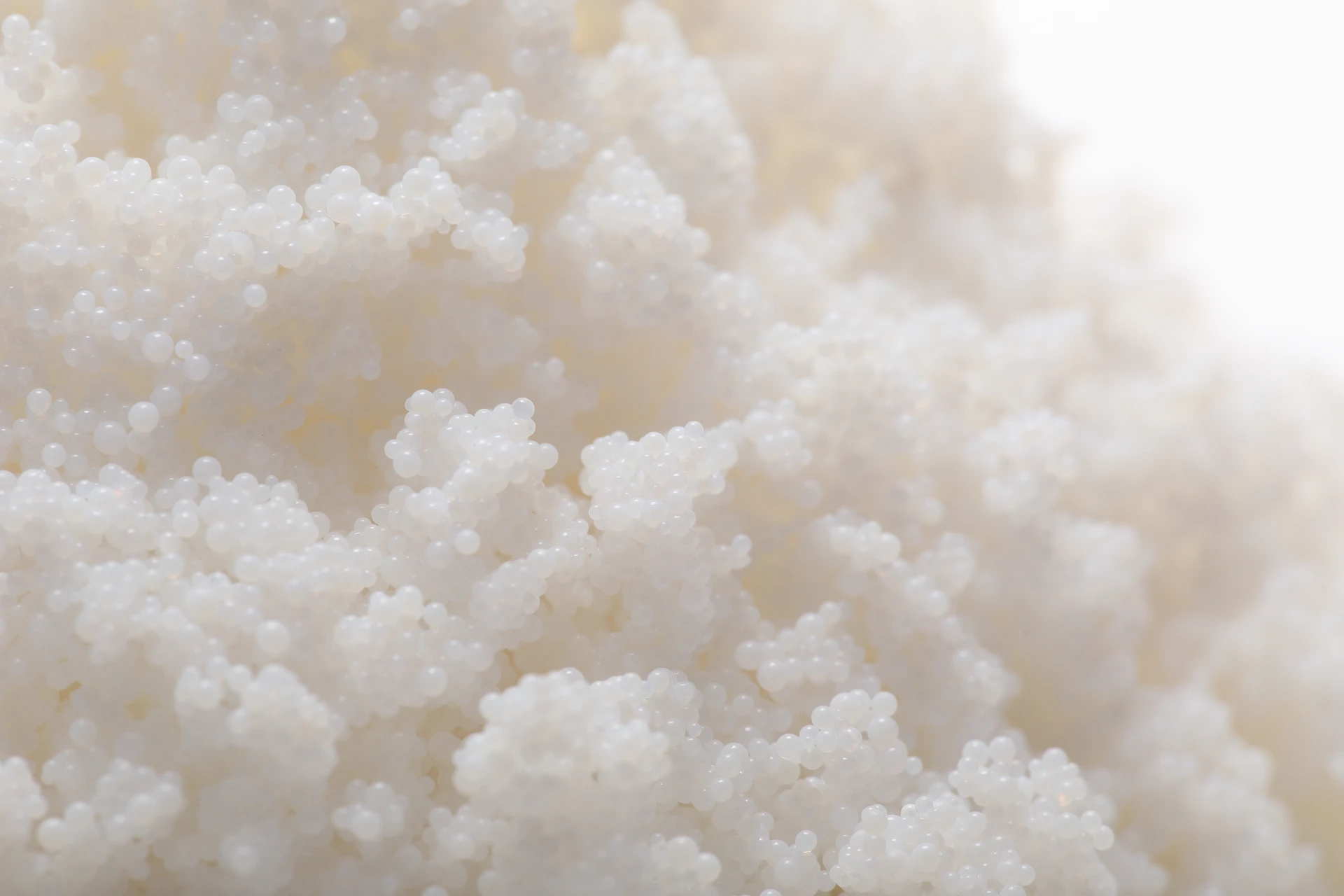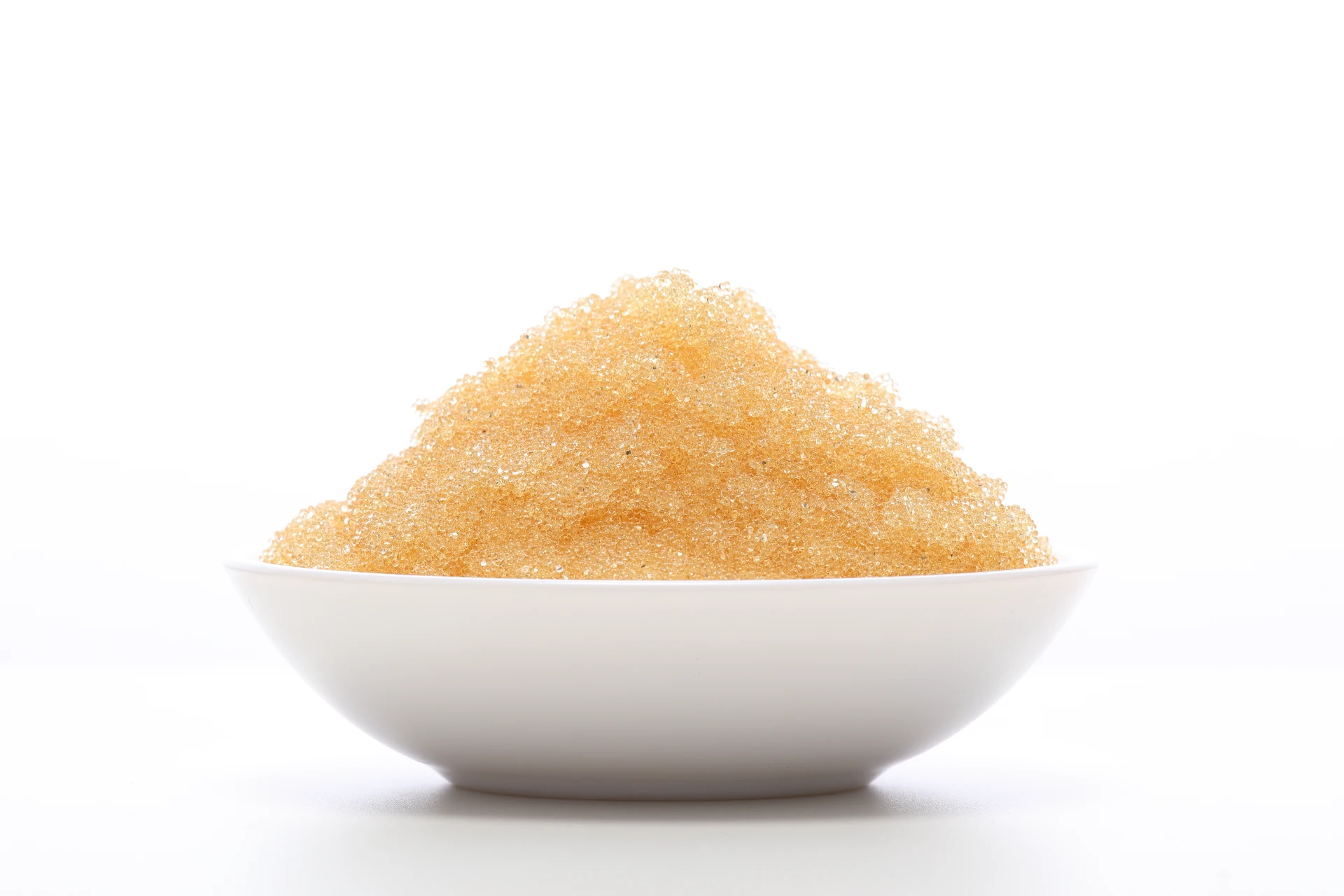
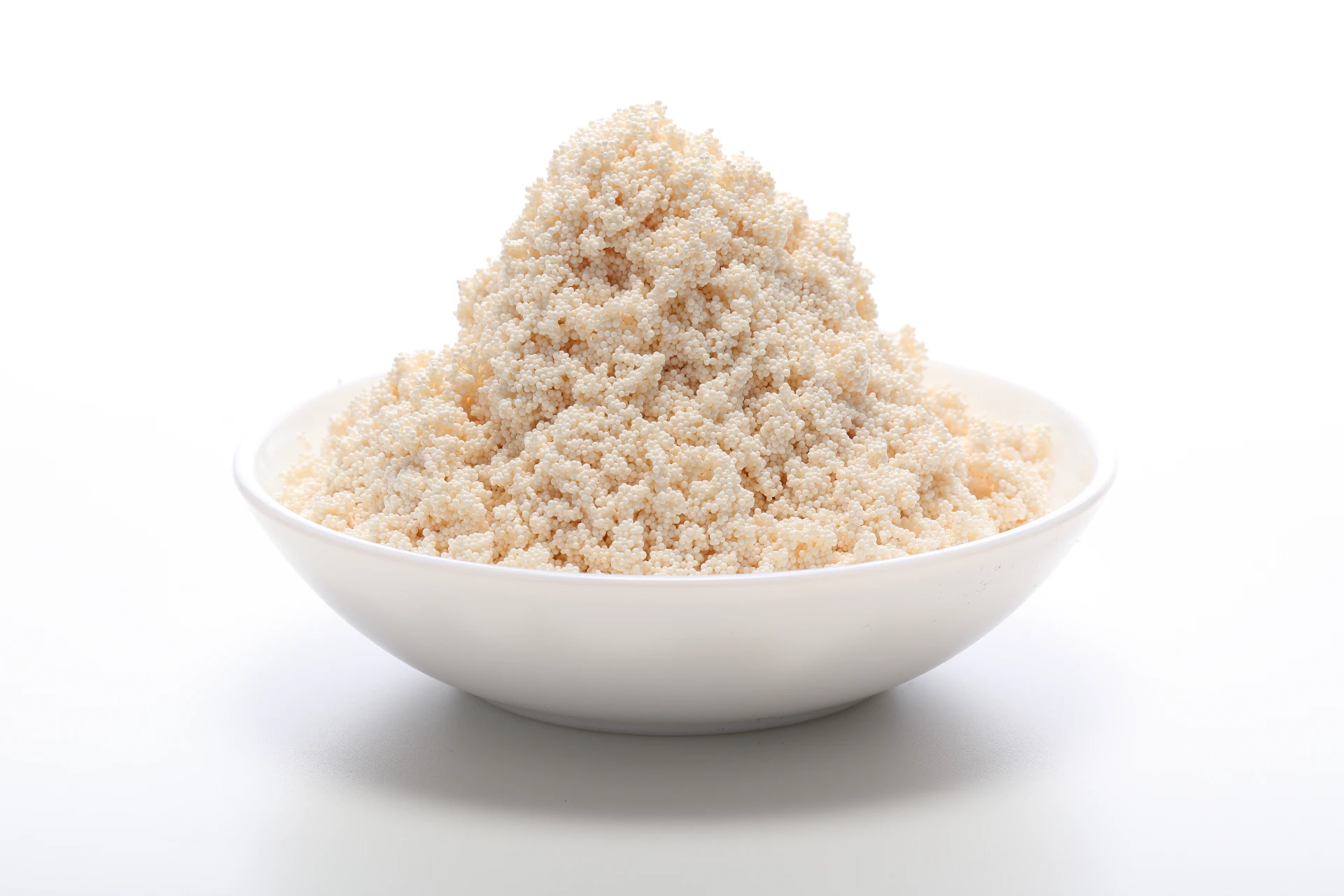
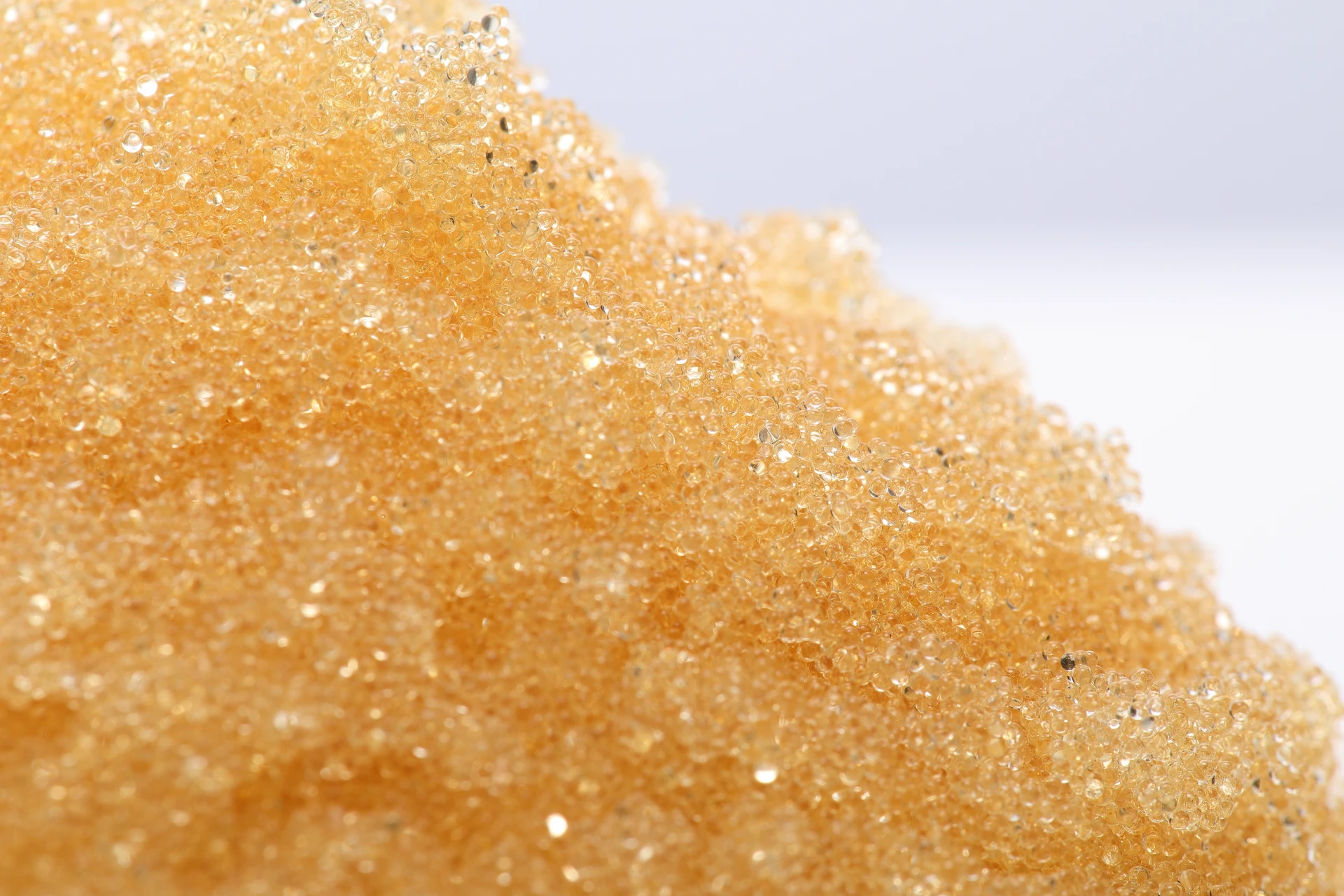
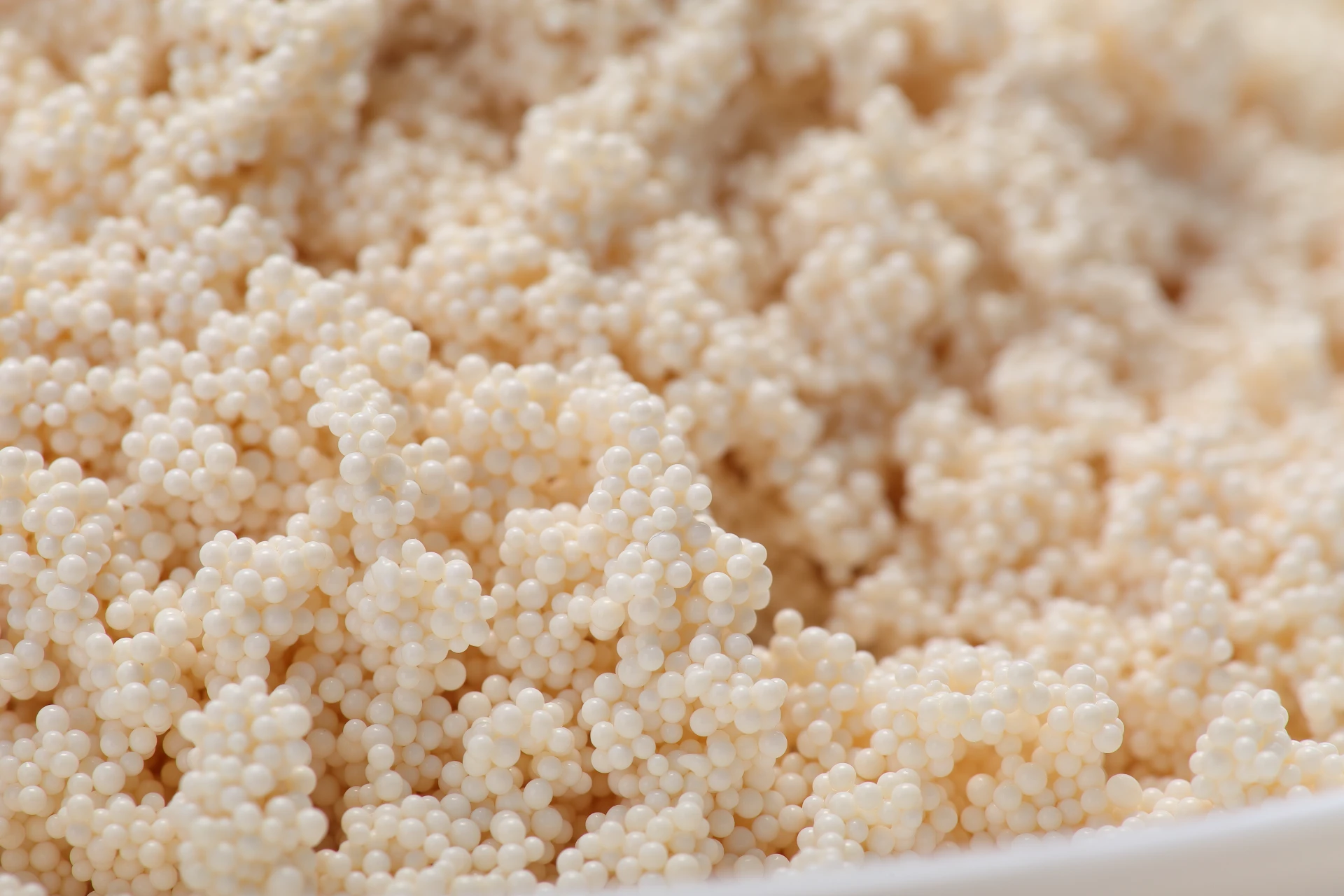
Advanced chelating resin Solutions for Pakistan Industrial Water Treatment

Providing high-performance ion exchange technologies to optimize mineral recovery and wastewater purification across Pakistan's chemical and textile sectors.

Advanced chelating resin Solutions for Pakistan Industrial Water Treatment

Integrating cutting-edge synthetic materials to solve complex water hardness and heavy metal contamination issues in Pakistan's diverse industrial landscape.

Current State of Water Purification in Pakistan

Analyzing the intersection of geography, groundwater quality, and industrial demand.

Pakistan's industrial sectors, particularly in Punjab and Sindh, face severe challenges due to high salinity and groundwater mineralization. The widespread use of ion exchange resin has become critical for the textile and leather industries to prevent scale buildup and ensure product quality.

The local environment, characterized by fluctuating water tables and seasonal runoff, often leads to unpredictable contaminant levels. This necessitates the deployment of a robust bed resin system capable of handling varying ionic loads without frequent breakthrough.

Economically, there is a growing shift towards sustainable manufacturing. Companies are moving away from traditional chemical precipitation toward more efficient, regenerable special resin technologies to reduce waste and comply with tightening environmental regulations.
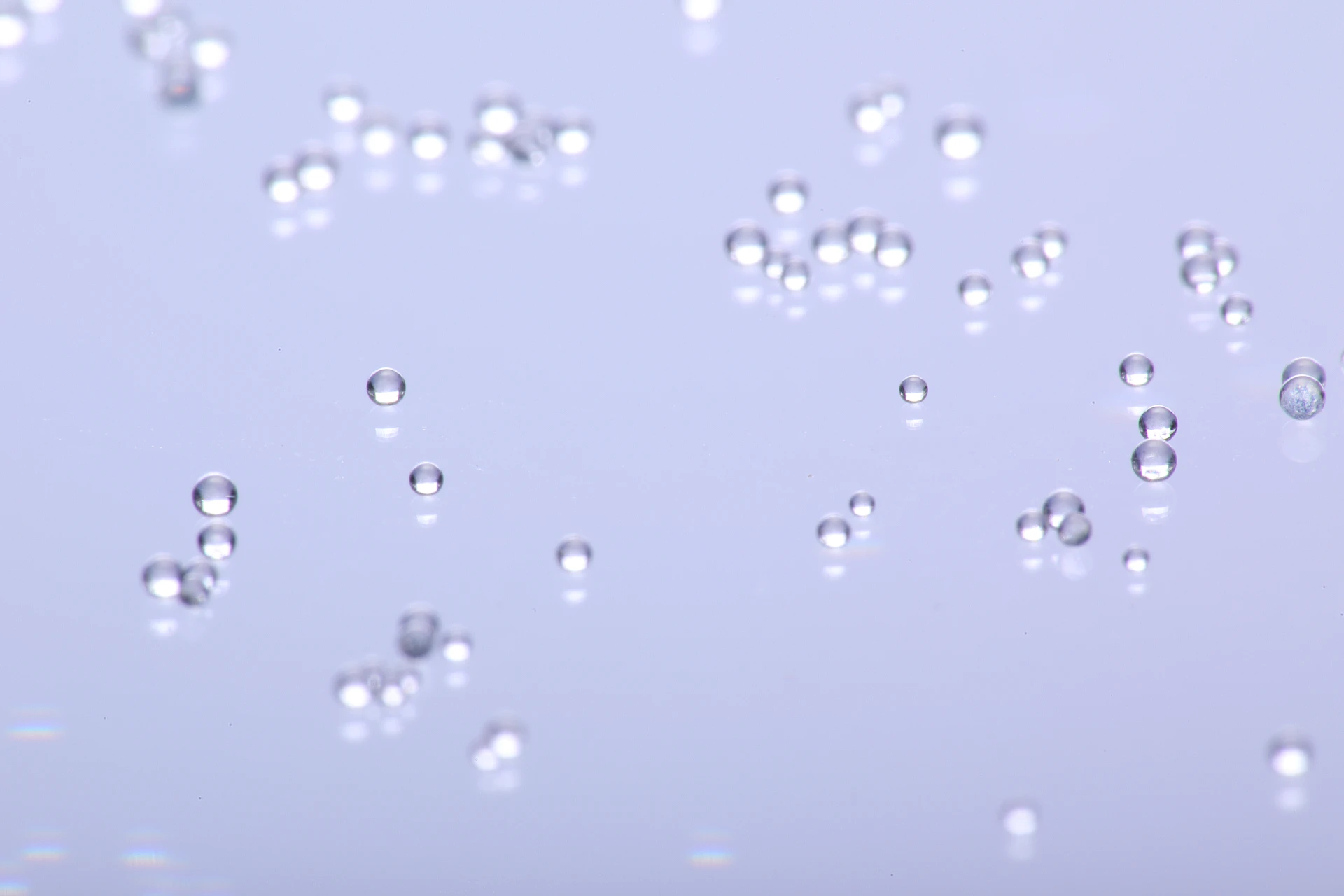
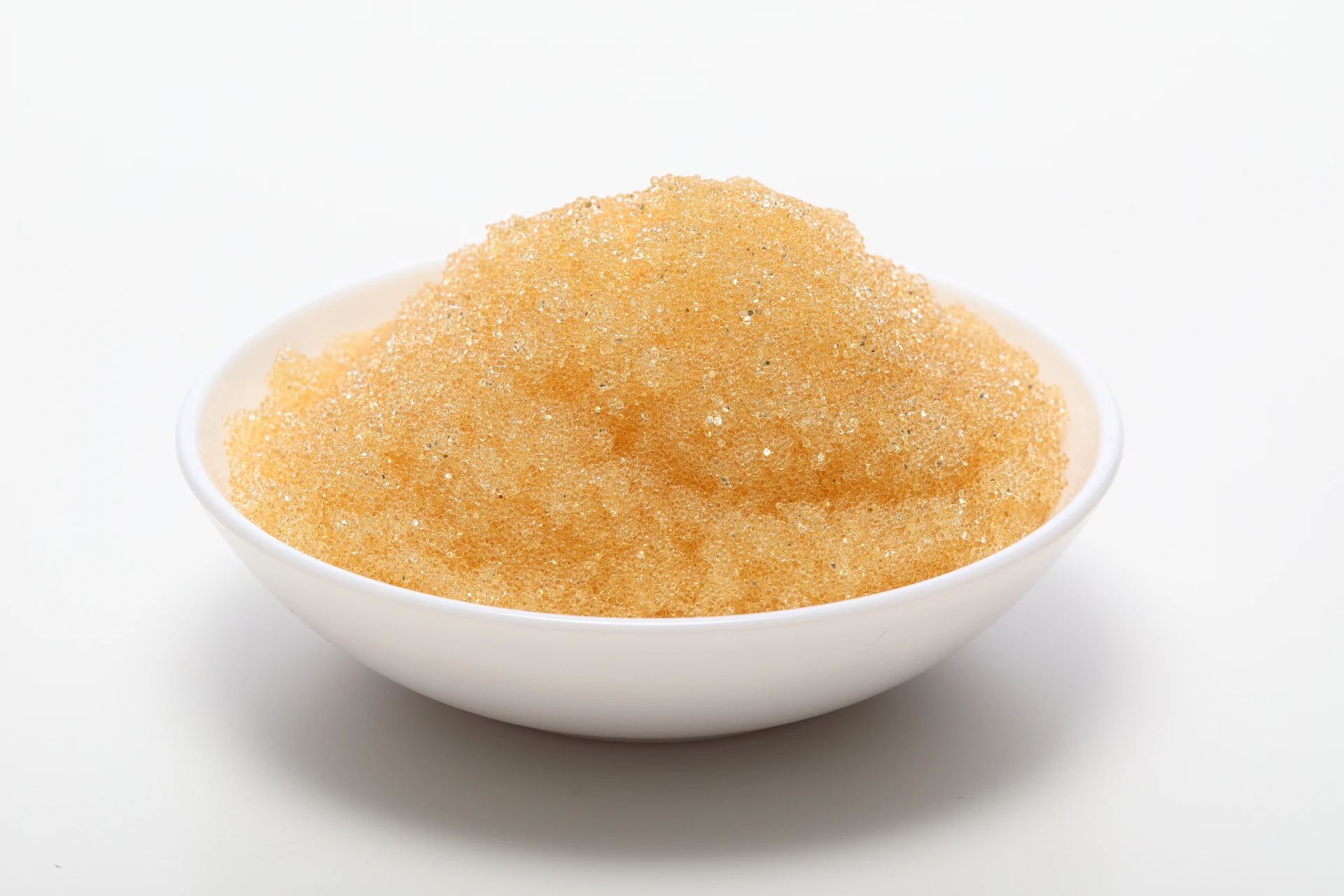
Evolution of Resin Technology in Pakistan

From basic softening to precision molecular separation.

Market Development History

In the early 2000s, the market was dominated by basic strong acid cation resins used primarily for simple water softening in agricultural irrigation and basic boiler feed.

Between 2010 and 2020, the introduction of mixed bed di resin revolutionized the pharmaceutical and electronics sectors in Pakistan, allowing for the production of ultra-pure water (UPW) essential for high-tech manufacturing.

Currently, the focus has shifted toward selectivity. The adoption of advanced chelating agents allows industries to target specific heavy metals like Nickel and Copper in effluent streams, moving the industry toward a circular economy.

Future Development Trends

Eco-friendly Regeneration Cycles

Increasing focus on reducing the salt and acid footprint during resin regeneration to protect local soil health in agricultural zones.

Smart Monitoring Integration

The integration of IoT sensors to monitor resin exhaustion in real-time, optimizing the lifecycle of the resin bed.

High-Selectivity Nano-Resins

Developing materials that can operate effectively in extremely high-salinity brines, common in Pakistan's coastal industrial areas.

Industry Trends and Future Outlook

Strategic shifts in synthetic material applications for the next 5 years.

Resource Recovery
Shifting from "treatment" to "recovery" by extracting valuable metals from waste streams using specialized chelating materials.
Water Scarcity Adaptation
Implementing advanced desalination pre-treatment using ion exchange to extend RO membrane life in arid regions.
Zero Liquid Discharge
Integrating resin systems into ZLD plants to eliminate liquid waste in the chemical manufacturing process.
Regulatory Compliance
Adopting higher purity standards for effluent discharge to align with global export requirements for textiles.

Industry Outlook

According to Google search trends and industrial growth data, there is a marked increase in queries regarding "sustainable water treatment" and "heavy metal removal" within Pakistan. This indicates a transition from generic softening to specialized purification.

The next 3-5 years will see a surge in the demand for hybrid systems that combine mixed bed di resin with reverse osmosis, creating a multi-stage barrier against contamination and ensuring water security for the manufacturing sector.

Localized Applications in Pakistan

Real-world deployment scenarios across various Pakistani industries.

1. Faisalabad Textile Dyeing Effluent Treatment

Using chelating resins to remove residual dyes and heavy metals from wastewater, allowing for the recycling of process water in one of the largest textile hubs.

2. Karachi Industrial Desalination Pre-treatment

Deploying ion exchange beds to remove problematic silica and hardness from brackish water, protecting expensive RO membranes from scaling.

3. Lahore Pharmaceutical Ultra-Pure Water

Application of mixed bed systems to achieve the electrical conductivity standards required for injectable drug formulation and lab-grade water.

4. Sialkot Surgical Instrument Finishing

Implementing specialized resins for the removal of polishing agents and metallic ions from rinsing tanks to ensure medical-grade surface purity.

5. Punjab Agricultural Water Softening

Large-scale bed resin installations to treat saline groundwater, preventing the clogging of drip irrigation systems and improving crop yields.

Brand Story

Global Development History of Hebei Lijian Biological Technology Co., Ltd.

Founding Vision

Established with the mission to bridge the gap between complex polymer chemistry and practical industrial water purification.

Technical Breakthroughs

Developed proprietary synthesis methods for high-capacity resins, significantly reducing the regeneration frequency for industrial users.

Market Expansion

Expanded operations into the Asian market, specifically tailoring resin porosity to handle the high-mineral content of groundwater in Pakistan.

Sustainability Commitment

Launched a series of biodegradable and low-waste resin products to help clients achieve zero-liquid discharge goals.

Global Leadership

Now recognized as a premier supplier of synthetic materials, delivering precision engineering to the world's most challenging water environments.

Comprehensive Resin Portfolio for Pakistan

A full suite of synthetic materials designed for maximum ionic efficiency and durability.

Common Questions in the Pakistan Market

Expert answers to technical challenges faced by local plant managers.

How to choose the right ion exchange resin for high-salinity groundwater in Punjab?

For high-salinity water, we recommend high-capacity strong acid cation resins with a cross-linking density optimized for stability against osmotic shock.

What is the advantage of using a mixed bed di resin over separate bed systems?

Mixed bed systems provide significantly lower leakage and higher purity levels, essential for the pharmaceutical and electronics industries in Pakistan.

Can chelating resins effectively remove heavy metals from textile wastewater?

Yes, our chelating resins are specifically designed to target polyvalent metal ions like Cu2+ and Ni2+ even in the presence of high concentrations of alkali metals.

How often should the bed resin be regenerated in industrial boilers?

Regeneration frequency depends on the influent TDS levels; however, utilizing our high-capacity resins typically extends the cycle time by 20-30%.

Are special resin types available for organic contaminant removal?

We offer a range of macroporous resins and adsorbent materials specifically designed to remove organic acids and surfactants from industrial streams.

What is the typical lifespan of a mixed bed resin in the Pakistani climate?

With proper pre-filtration to remove suspended solids and chlorine, our resins typically maintain 90% efficiency for 3-5 years of operation.

Consult Our Resin Experts

Looking for a customized water treatment solution for your facility in Pakistan? Our engineers are ready to help you optimize your ion exchange process.

Contact Us Now

If you are interested in our products, you can choose to leave your information here, and we will be in touch with you shortly.