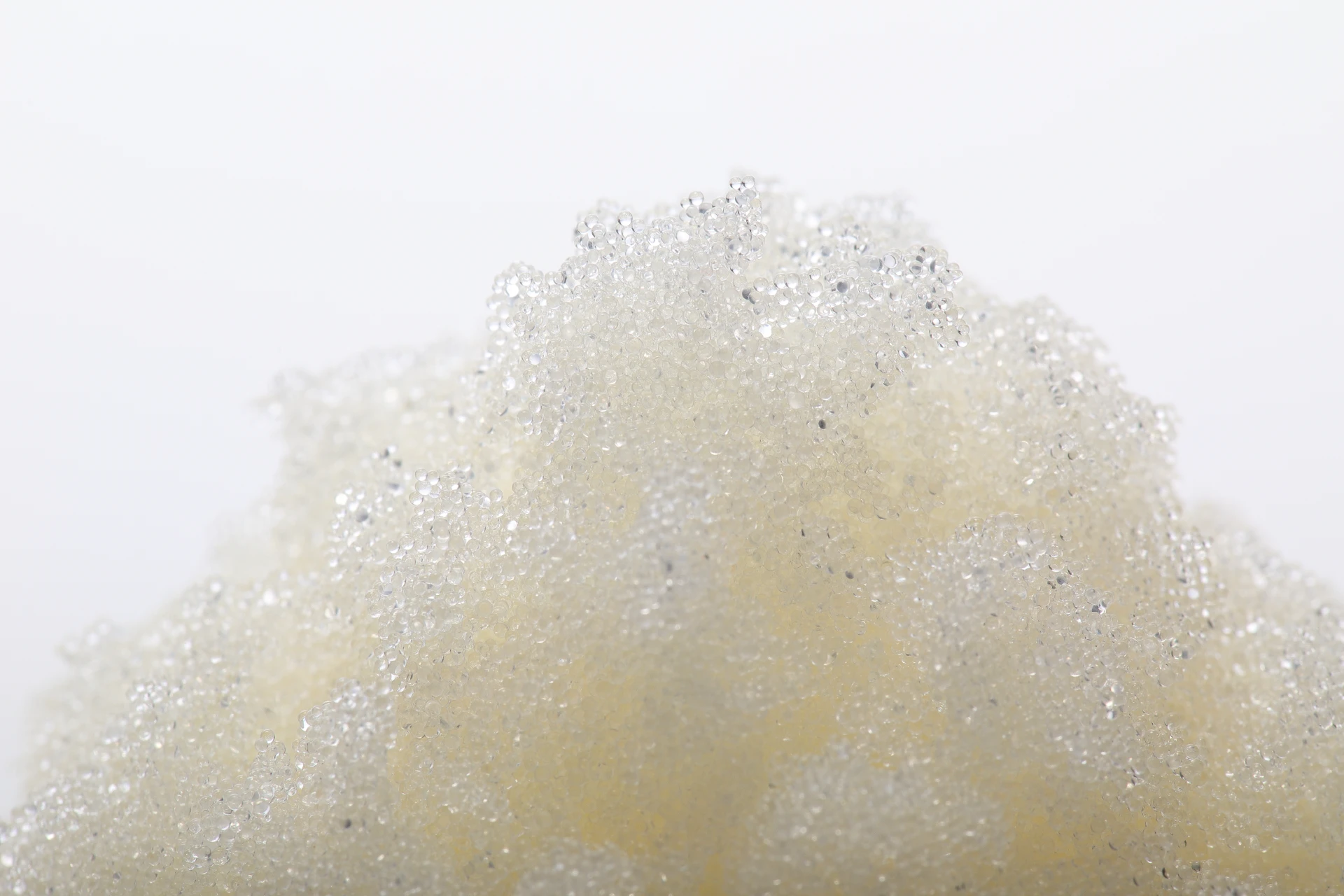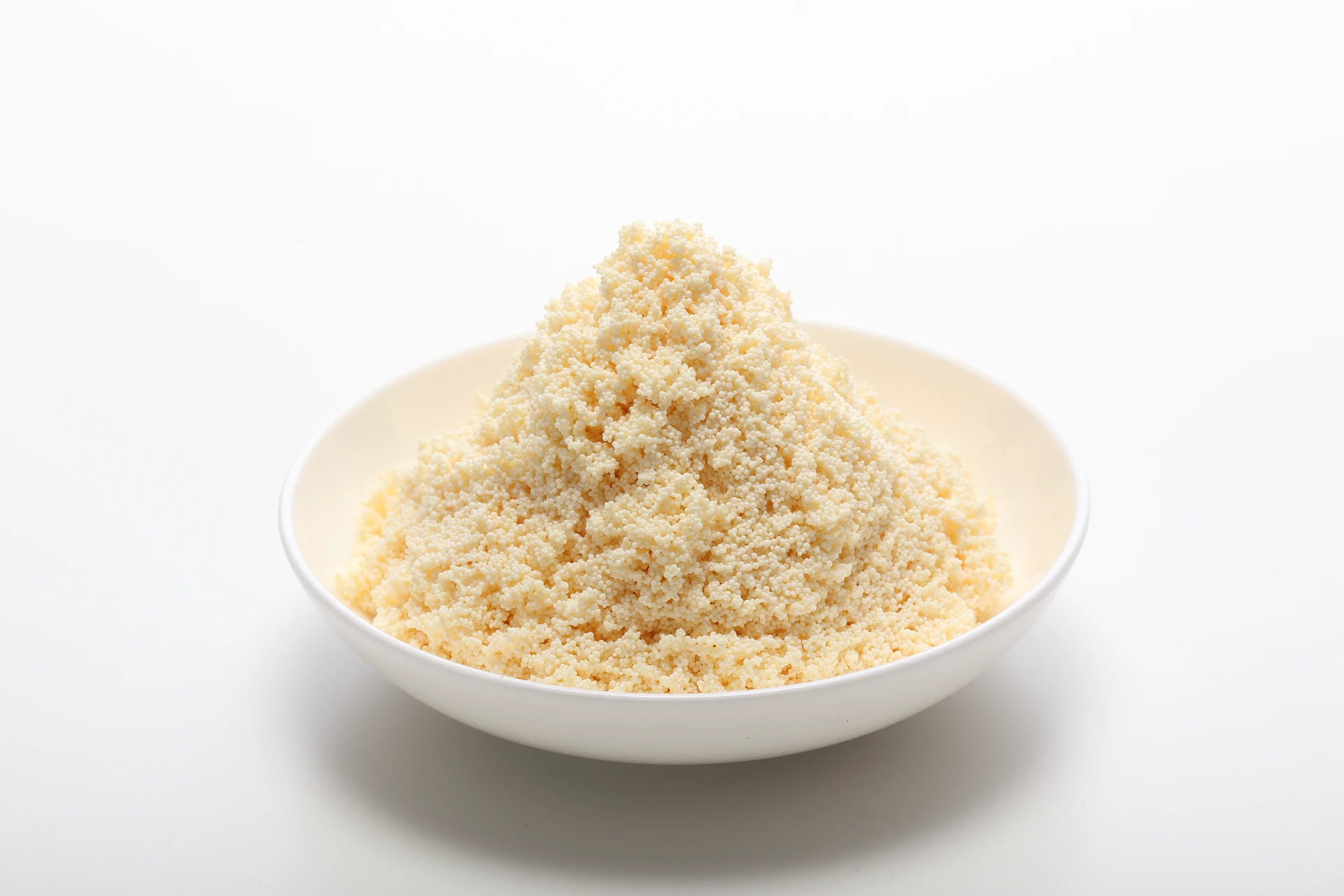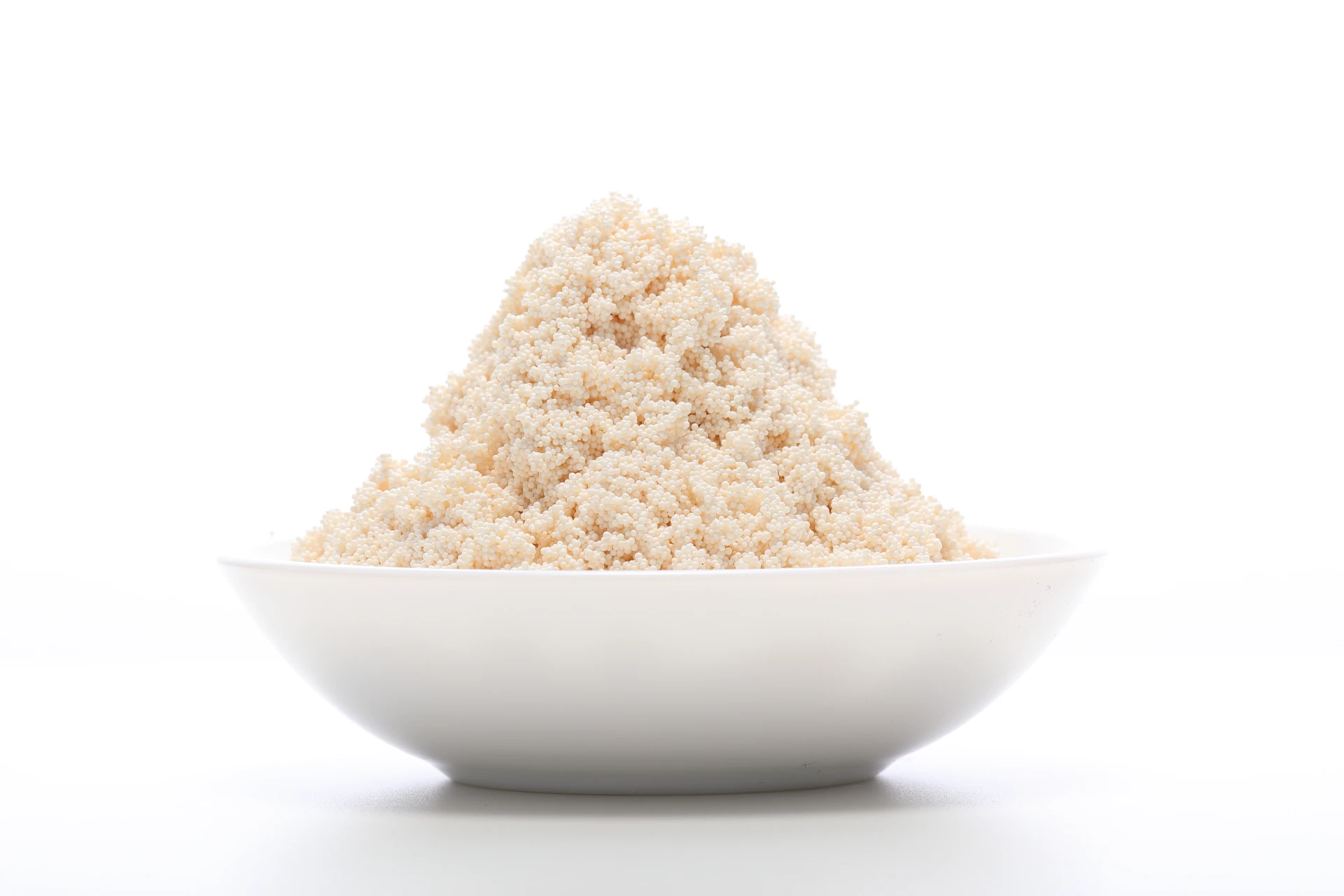
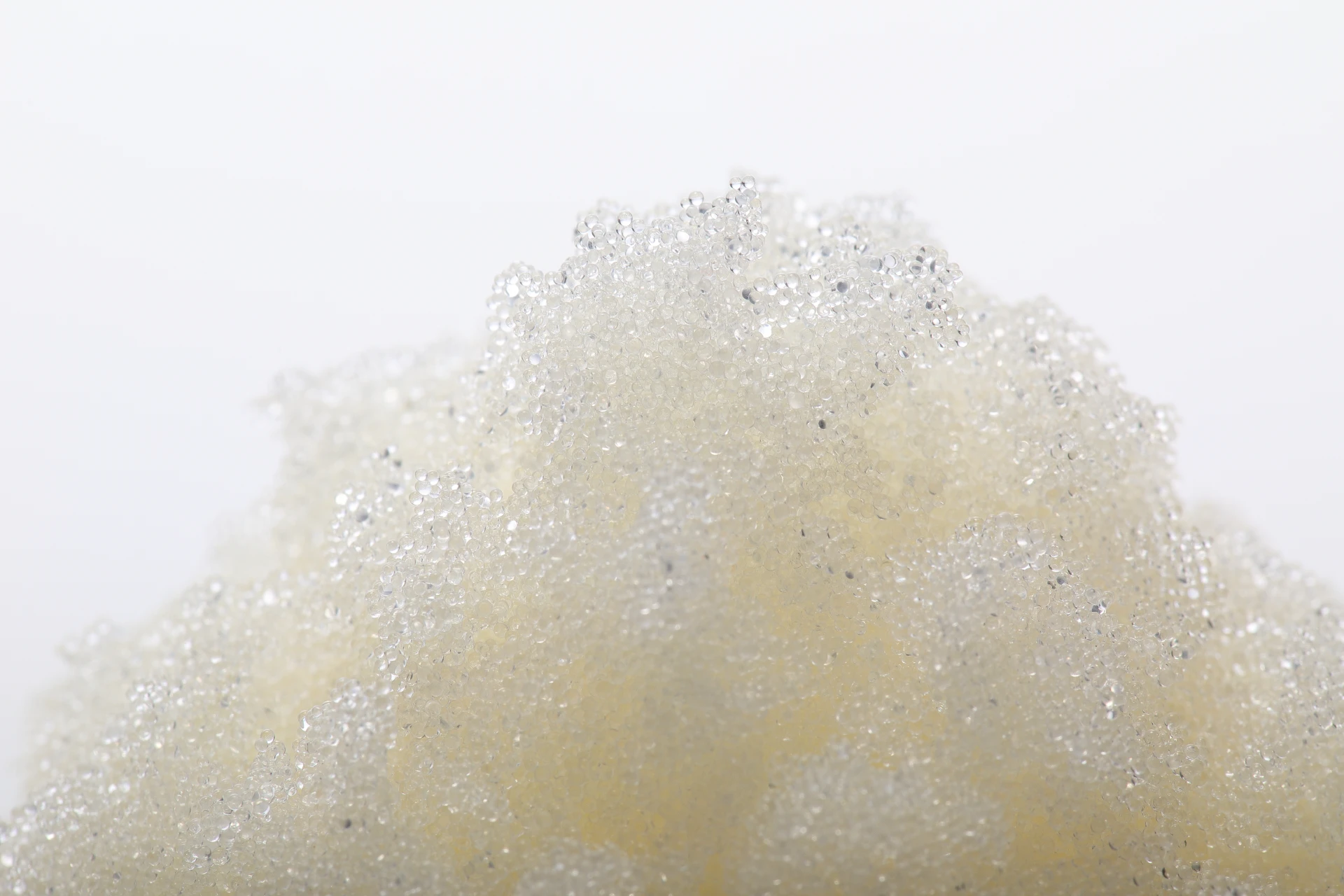
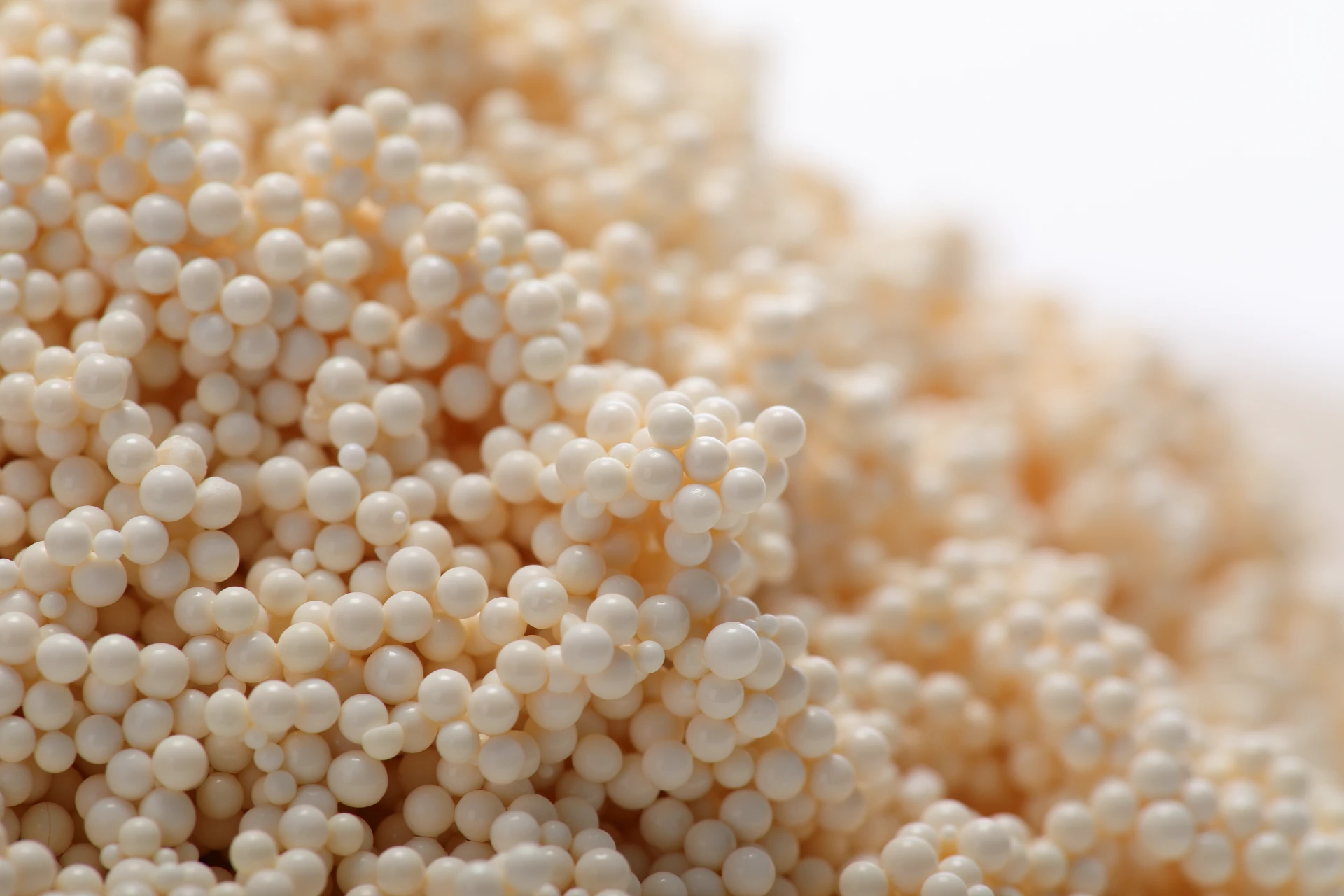
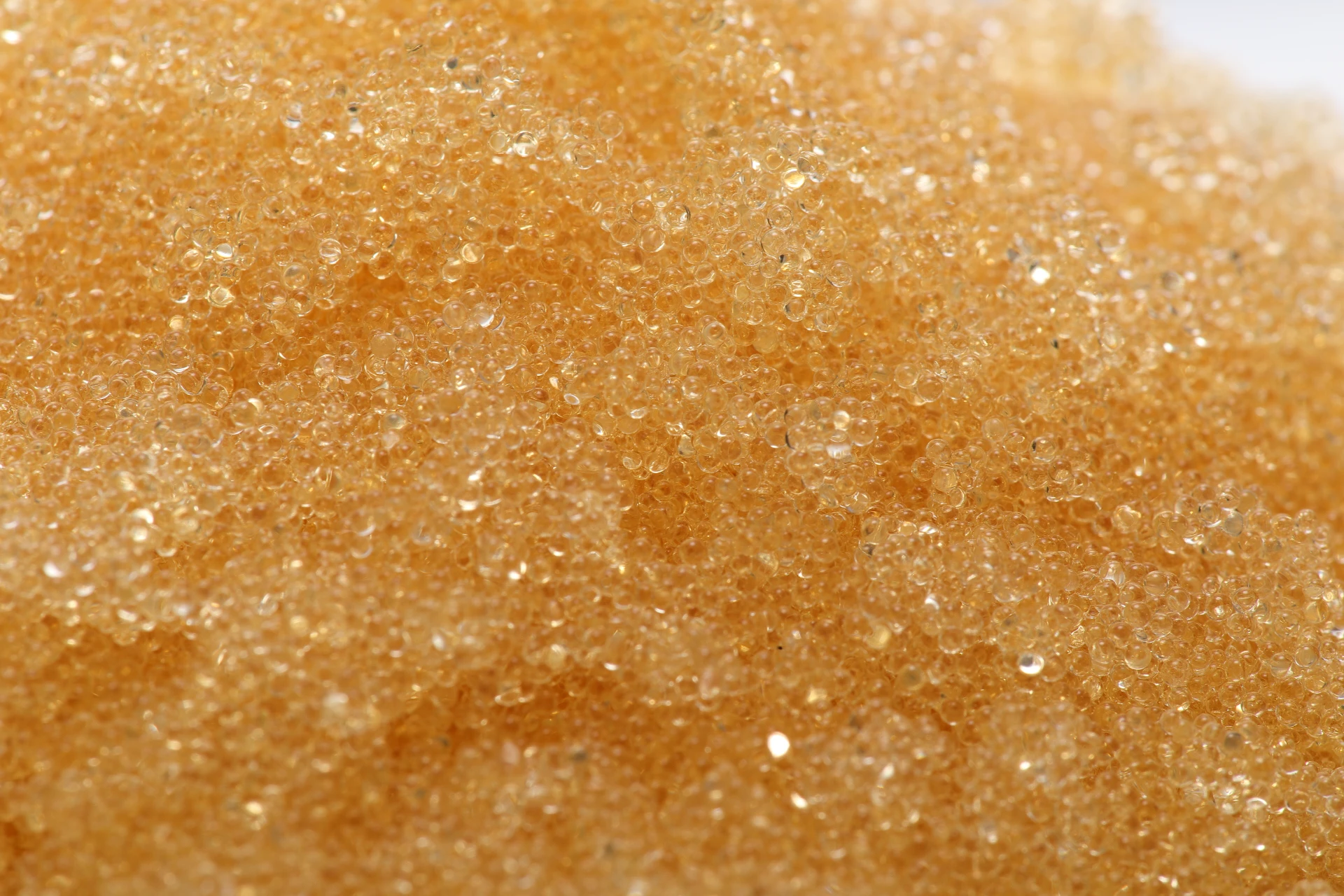
Advanced chelating resin Solutions for Poland Industrial Water Treatment

High-performance synthetic materials engineered for the rigorous demands of the Polish chemical and pharmaceutical manufacturing sectors.

Advanced chelating resin Solutions for Poland Industrial Water Treatment

Providing Poland's manufacturing hub with cutting-edge ion exchange technology to ensure ultra-pure water and efficient metal recovery in harsh industrial environments.

Industrial Landscape of Resin Manufacturing in Poland

Analyzing the synergy between Poland's heavy industry and high-purity chemical requirements.

Poland's chemical sector, centered around hubs like Silesia and Pomerania, faces unique challenges due to varying groundwater mineral compositions and strict EU environmental regulations. The demand for high-quality ion exchange resin has surged as local factories upgrade their wastewater treatment plants to meet "Green Deal" standards.

The region's climatic shifts and industrial history have created a need for durable materials. The adoption of bed resin systems has become standard for removing hardness and heavy metals from process water, supporting the growth of the Polish pharmaceutical and automotive parts industries.

Currently, the Polish market is shifting from generic filtration to high-selectivity processes. The integration of special resin applications is now critical for the recovery of precious metals and the purification of organic chemicals, reducing raw material waste across the manufacturing chain.
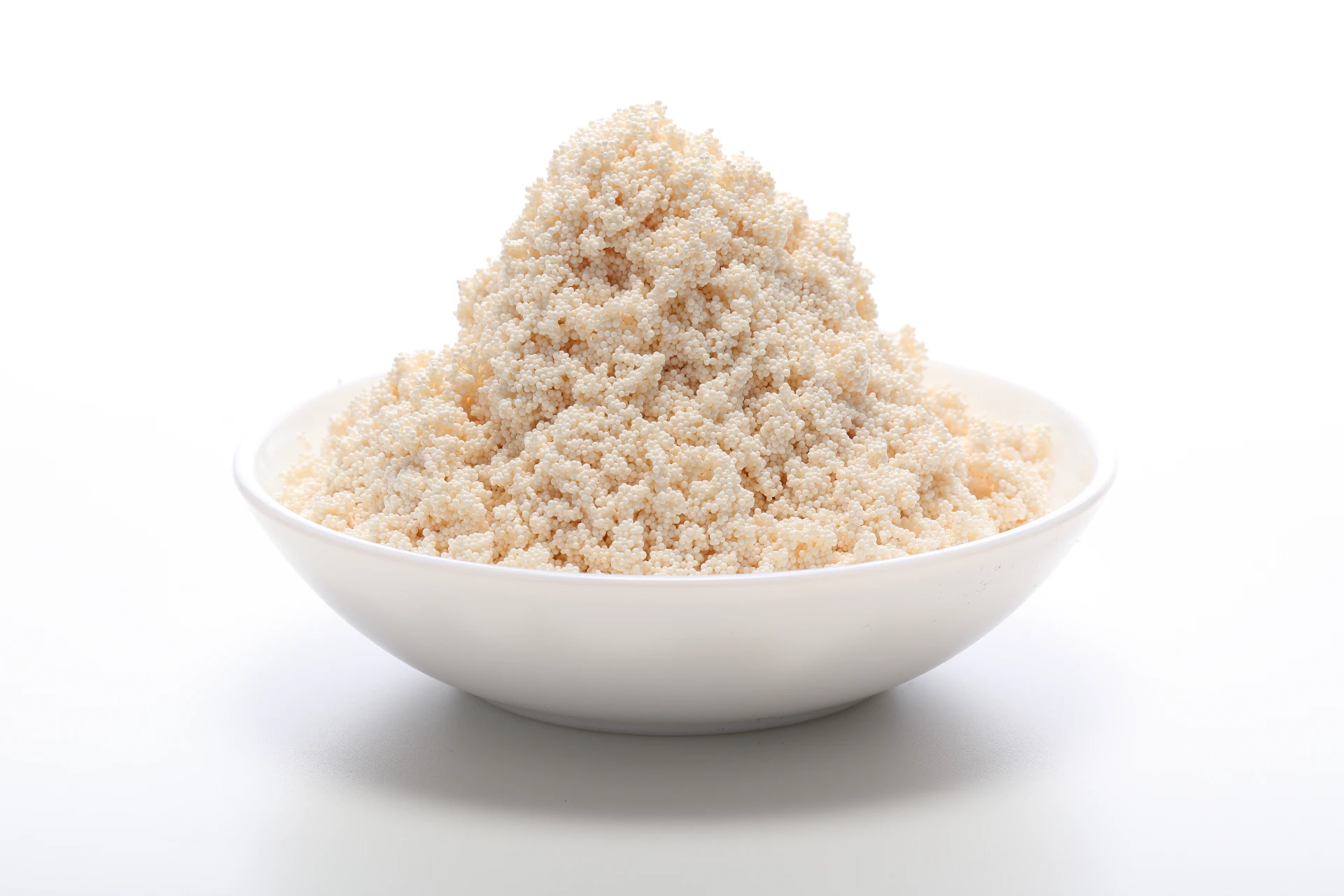
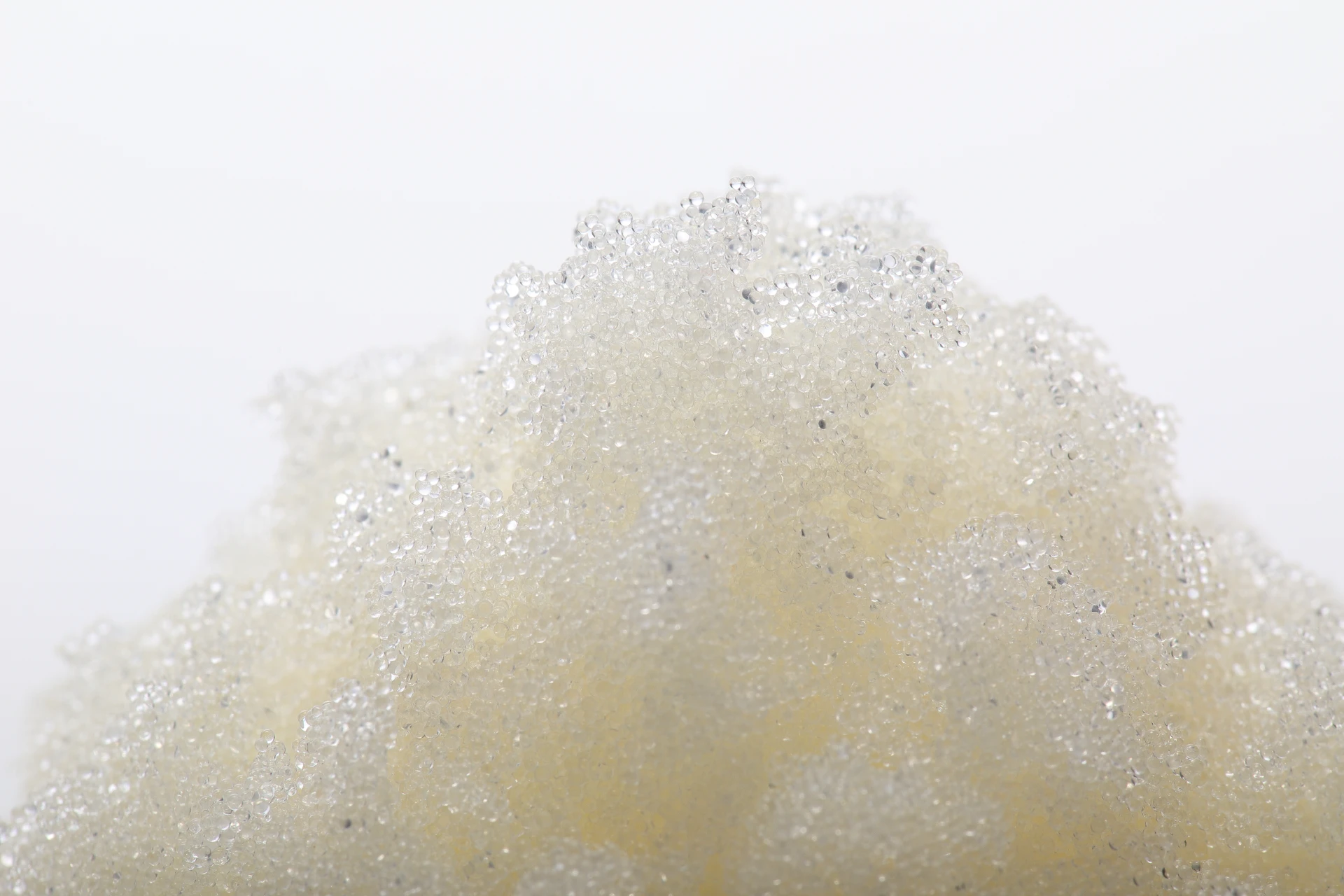
Evolution and Trajectory of Ion Exchange Technology

From basic softening to intelligent molecular separation in the Polish market.

Market Development History

In the 1990s and early 2000s, Poland primarily utilized basic strong acid and base resins for simple water softening and desalination. These traditional bed resin technologies provided the foundational infrastructure for post-war industrial expansion.

Between 2010 and 2020, the focus shifted toward high-purity requirements. The introduction of mixed bed di resin allowed Polish semiconductor and laboratory facilities to achieve the resistivity levels required for modern electronics manufacturing.

Entering the 2020s, the "Industry 4.0" movement in Poland has pushed the industry toward "Specialty Separation." This era is defined by the use of chelating agents and specialized matrices to target specific ionic contaminants in complex industrial streams.

Future Development Trends

Circular Economy Integration

Future systems will prioritize the regeneration of resins to minimize chemical waste, aligning with Poland's commitment to the European Circular Economy Action Plan.

AI-Driven Regeneration Cycles

The transition toward smart monitoring will allow resins to be regenerated based on real-time breakthrough curves rather than fixed time intervals, optimizing efficiency.

Nano-Composite Matrices

The next generation of synthetic materials will likely incorporate nano-composites to increase the exchange capacity and mechanical strength of the resin beads.

Future Outlook for Synthetic Resin Application

Strategic directions for Poland's chemical synthesis and water purification sectors.

Zero-Liquid Discharge (ZLD)
Integrating high-capacity resins to eliminate liquid waste in Polish chemical plants.
Selective Metal Recovery
Using advanced chelating resins to recover cobalt and nickel from industrial waste.
Ultra-Pure Water (UPW)
Expanding mixed bed di resin capacity for the biotech sector.
Eco-Friendly Regeneration
Developing resins that require milder regenerants to lower the environmental footprint.

Industry Outlook

Google search trends in Poland indicate a significant increase in queries regarding "sustainable water treatment" and "heavy metal removal." This suggests a market transition from basic maintenance to proactive environmental stewardship, where synthetic resins play a central role.

Over the next 3-5 years, we expect the Polish market to prioritize resins with higher mechanical stability and longer life cycles, reducing the frequency of bed replacement and lowering the total cost of ownership for manufacturers.

Localized Application Scenarios in Poland

Practical implementation of ion exchange materials across key Polish industries.

1. Pharmaceutical Grade Water in Warsaw

Implementation of mixed bed di resin for the production of Water for Injection (WFI), meeting strict European Pharmacopoeia standards.

2. Mining Wastewater Treatment in Upper Silesia

Using chelating resin to selectively remove dissolved heavy metals from coal mine drainage before environmental discharge.

3. Power Plant Boiler Feedwater in Southern Poland

Application of high-capacity bed resin systems to prevent scaling and corrosion in high-pressure steam turbines.

4. Food & Beverage Processing in Poznań

Utilizing ion exchange resin for the decolorization of sugar syrups and purification of organic acids.

5. Electronic Component Manufacturing in Wrocław

Deployment of special resin for the removal of trace silica and boron to ensure zero-defect semiconductor fabrication.

Brand Story

Global Development History of Hebei Lijie Biological Technology Co., Ltd.

Foundational Innovation

Established with a vision to solve the most complex water separation challenges through advanced synthetic polymer chemistry.

Quality Standardization

Achieved global quality certifications, ensuring every batch of resin meets the rigorous demands of the pharmaceutical and chemical industries.

Global Market Expansion

Extended our footprint into Europe, specifically tailoring product lines for the Polish and German industrial markets.

R&D Breakthroughs

Developed proprietary chelating matrices that offer 30% higher selectivity for transition metals compared to industry averages.

Commitment to Sustainability

Pioneering the development of biodegradable and long-life resins to reduce the global environmental impact of water treatment.

Complete Resin Portfolio for the Polish Market

A comprehensive range of ion exchange materials tailored for Poland's diverse industrial needs.

Common Questions for Polish Industrial Resin Users

Expert answers to technical queries regarding resin selection and maintenance.

How to choose the right chelating resin for heavy metal removal in Poland?

Selection depends on the target metal (e.g., Cu, Ni, Zn) and the background salts. We recommend analyzing the water chemistry of the specific Polish region to determine the optimal functional group.

What is the average lifespan of a mixed bed di resin in pharmaceutical applications?

Depending on the influent water quality and regeneration frequency, our mixed bed resins typically maintain peak performance for 3-5 years in controlled pharmaceutical environments.

Can special resin be used for the recovery of precious metals from industrial waste?

Yes, our specialized resins are designed with high affinity for gold, silver, and platinum group metals, allowing for efficient recovery from acidic or alkaline waste streams.

How does the temperature of Polish groundwater affect ion exchange resin efficiency?

Low temperatures can slightly slow down exchange kinetics. We provide resins with optimized pore structures to ensure consistent flux even during Polish winter months.

What are the best practices for regenerating bed resin in large-scale plants?

We recommend counter-current regeneration to maximize capacity and reduce chemical consumption, aligning with EU sustainability guidelines.

Is your ion exchange resin compliant with EU REACH regulations?

Absolutely. All our products are manufactured and supplied in strict accordance with EU REACH and other European environmental safety standards.

Consult Our Resin Experts Today

Looking for high-performance water treatment solutions in Poland? Our technical team is ready to assist you with custom resin configurations.

Contact Us Now

If you are interested in our products, you can choose to leave your information here, and we will be in touch with you shortly.