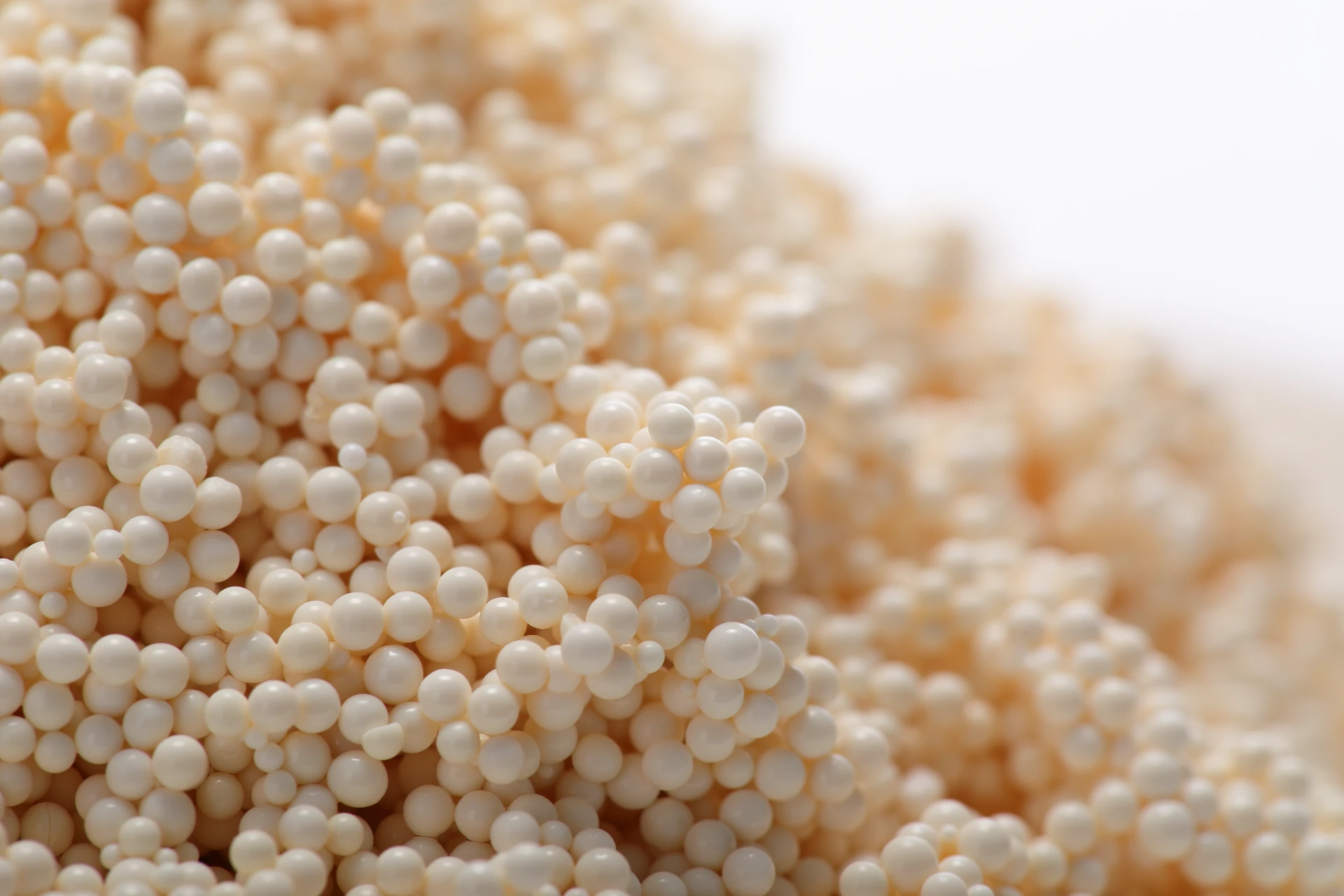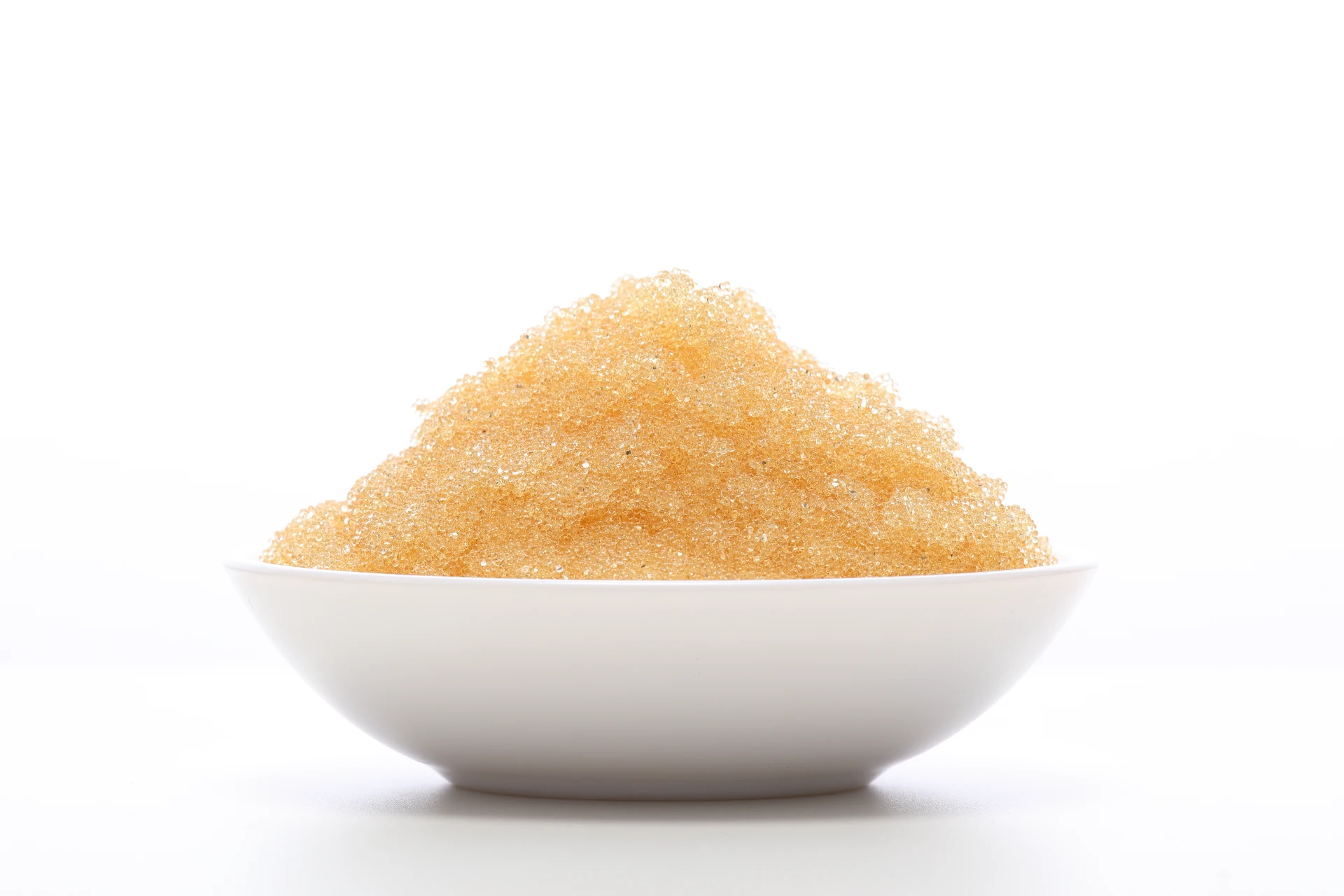
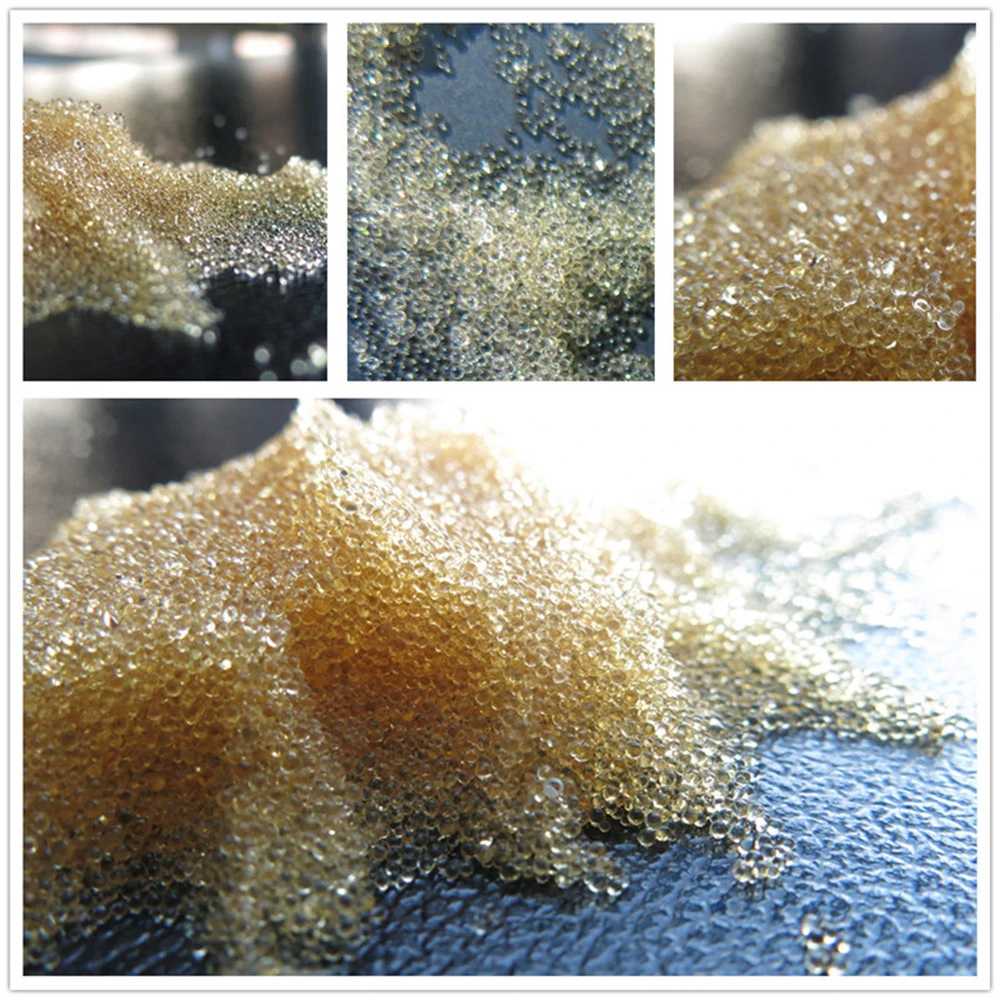
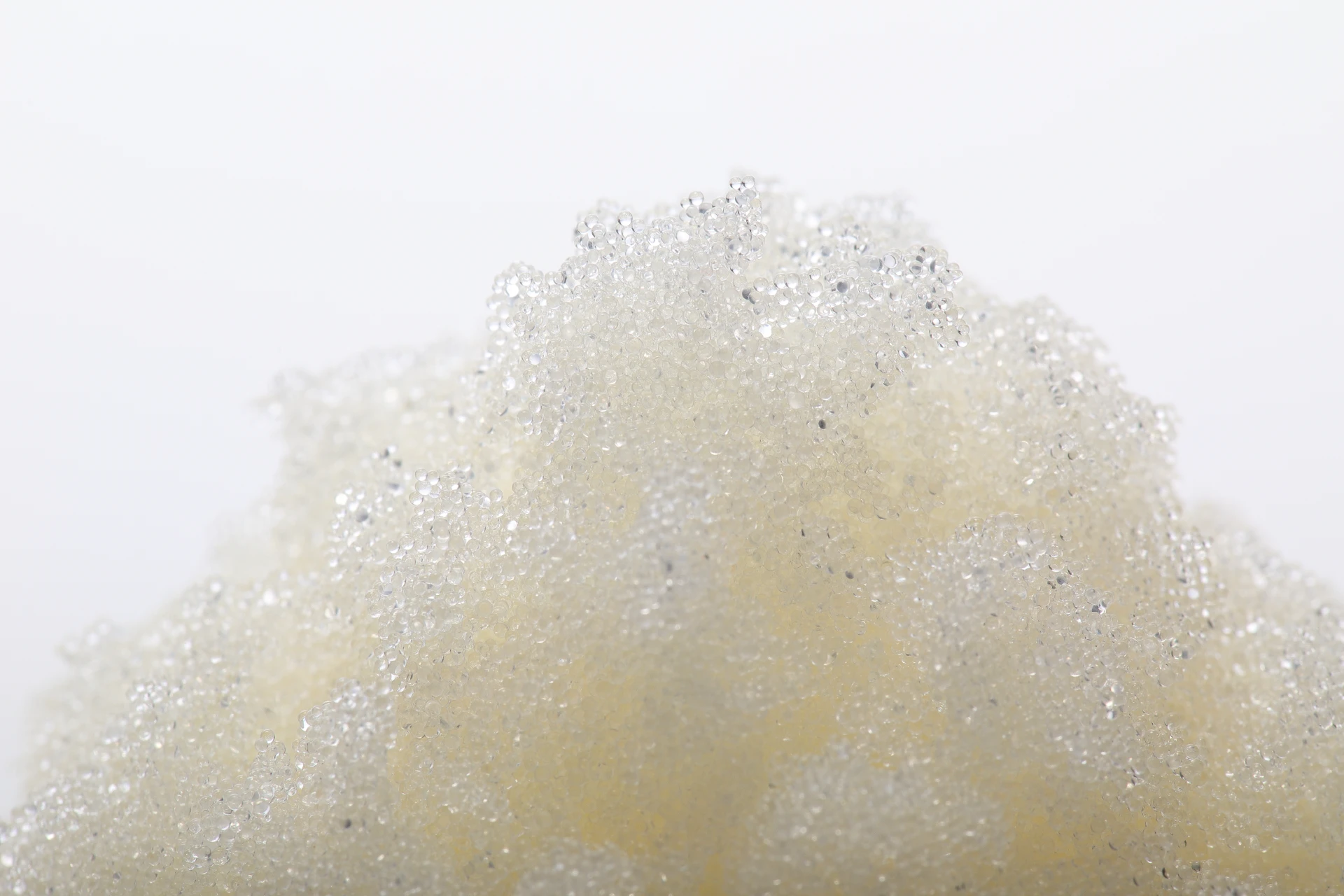
Romania's manufacturing sector, particularly in the Prahova and Sibiu regions, faces unique challenges due to varying mineral content in groundwater. The adoption of ion exchange resin has become critical for industries striving to meet stringent EU environmental directives regarding heavy metal discharge.
Local chemical plants are increasingly transitioning from basic filtration to advanced bed resin configurations to handle high-salinity process water. This shift is driven by the need for higher purity levels in the production of synthetic materials and pharmaceuticals.
Despite the technological progress, many legacy facilities still rely on outdated systems. There is a growing market gap for special resin applications that can selectively remove precious metals or toxic contaminants from complex industrial streams typical of the Romanian mining and metallurgy heritage.