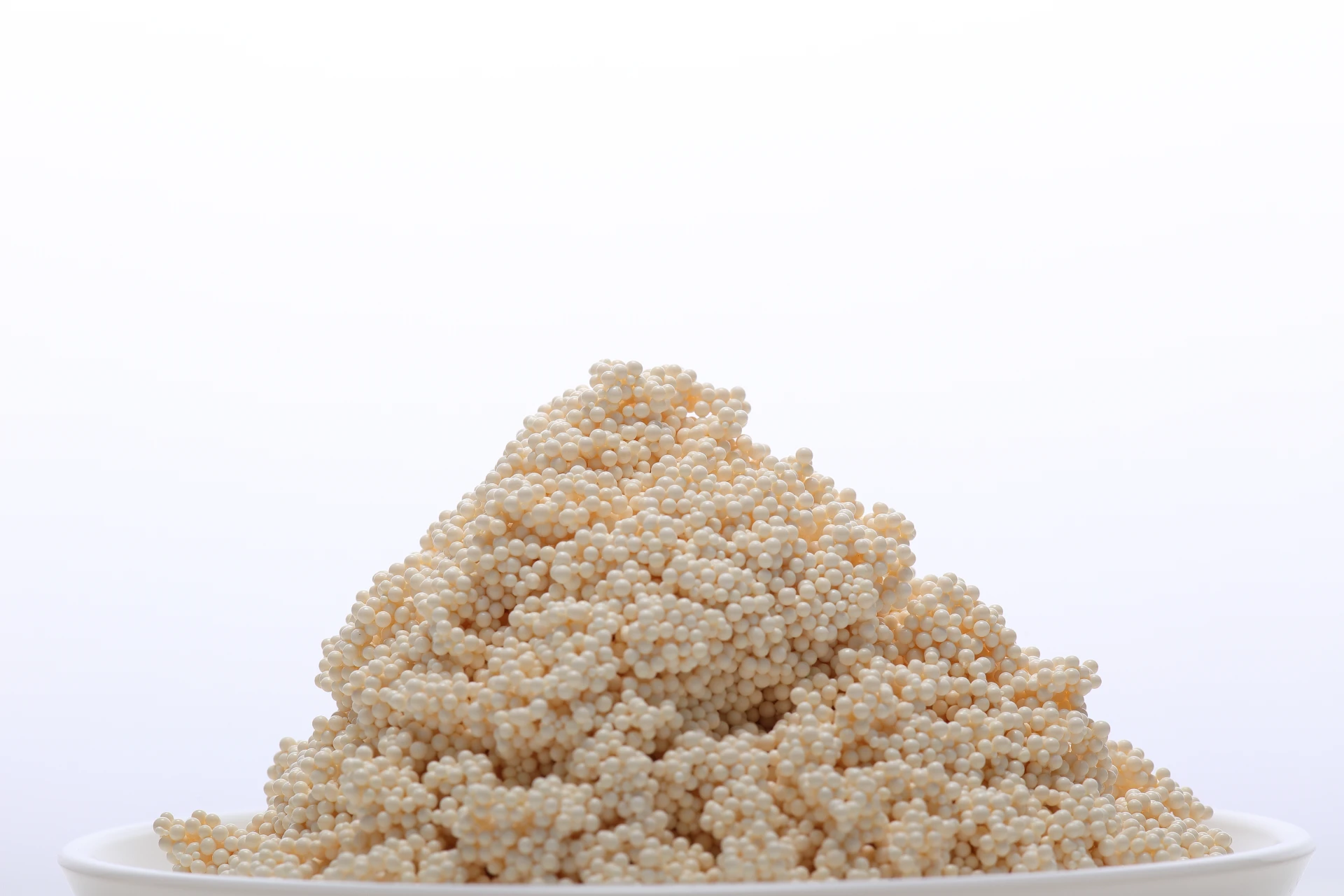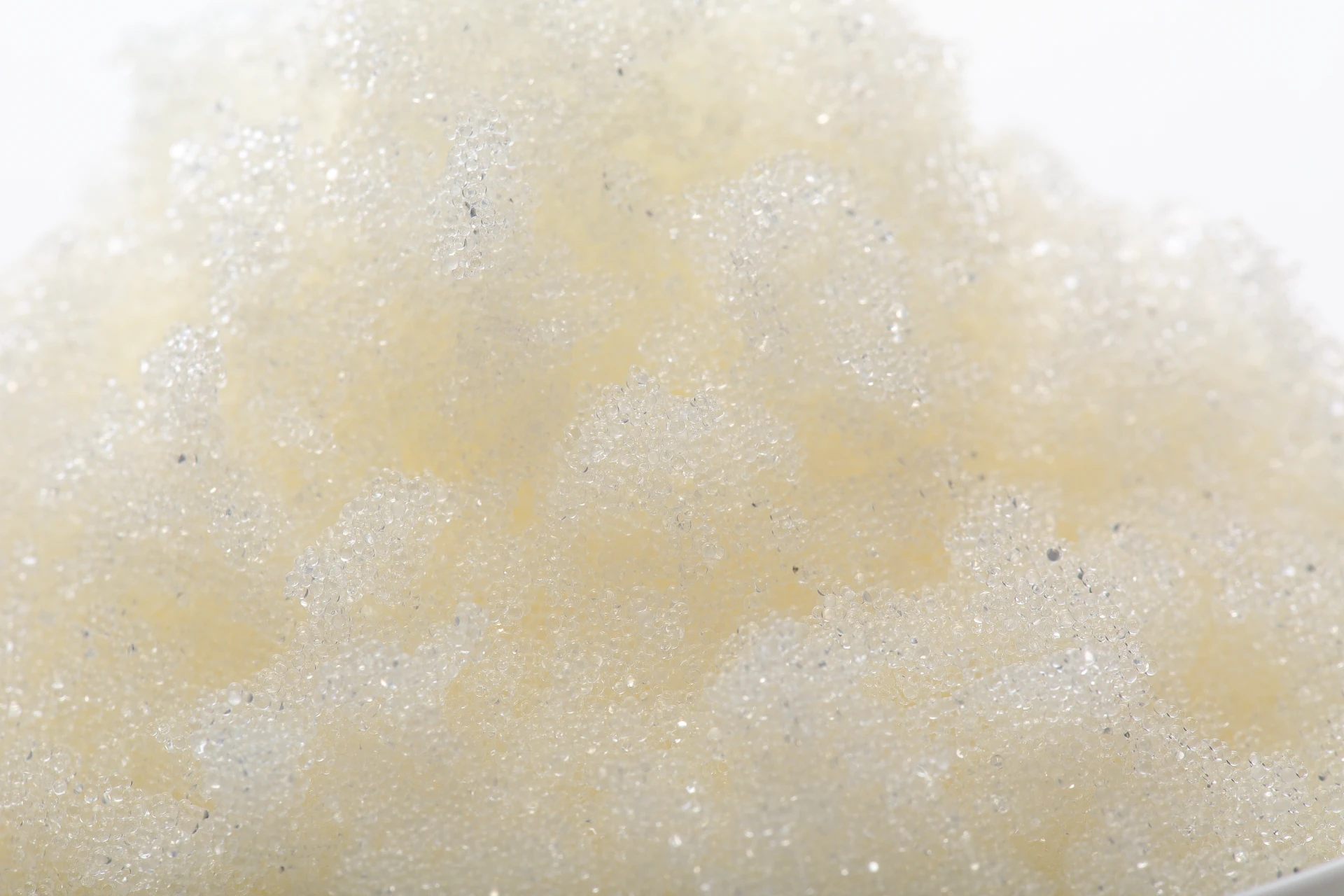
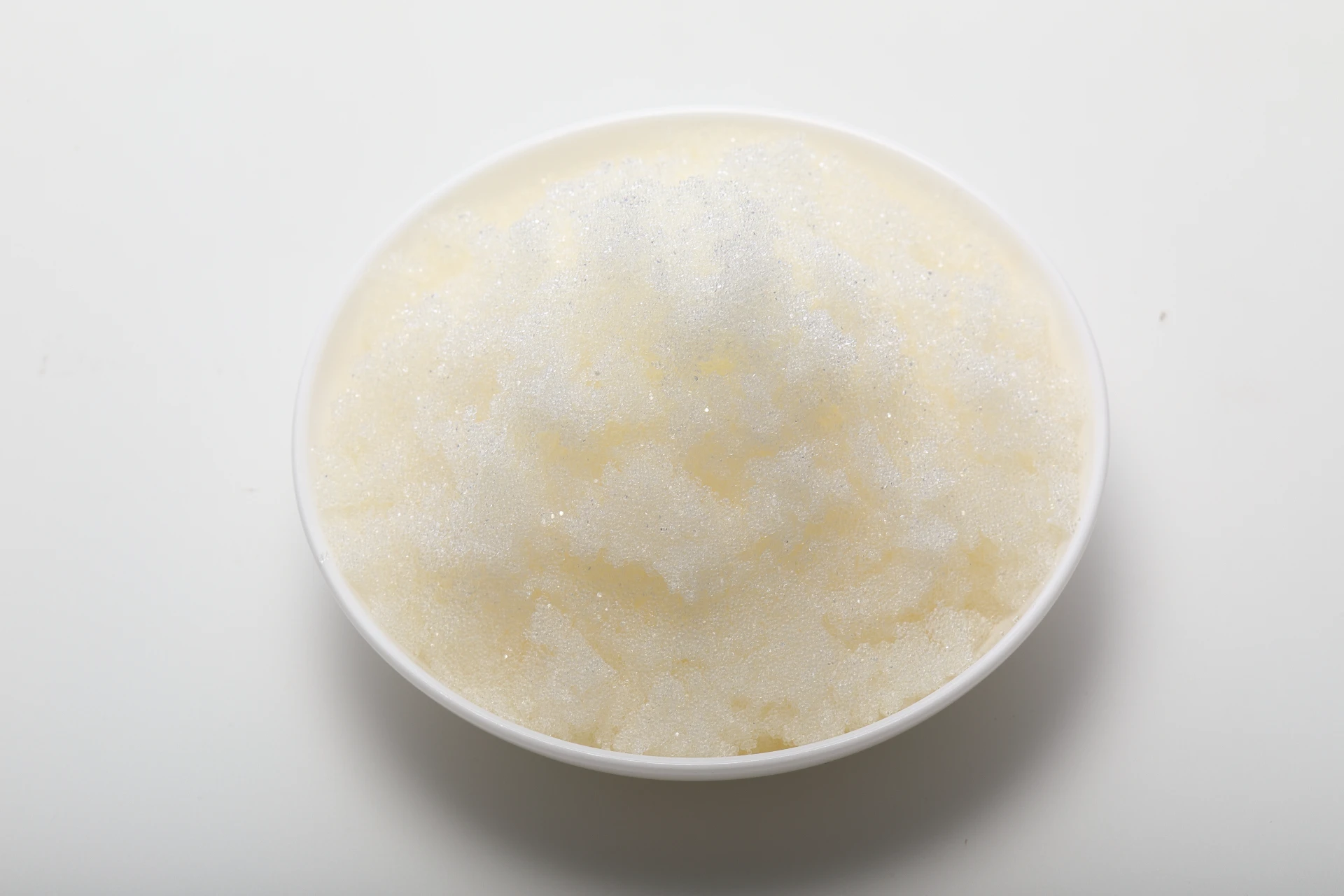
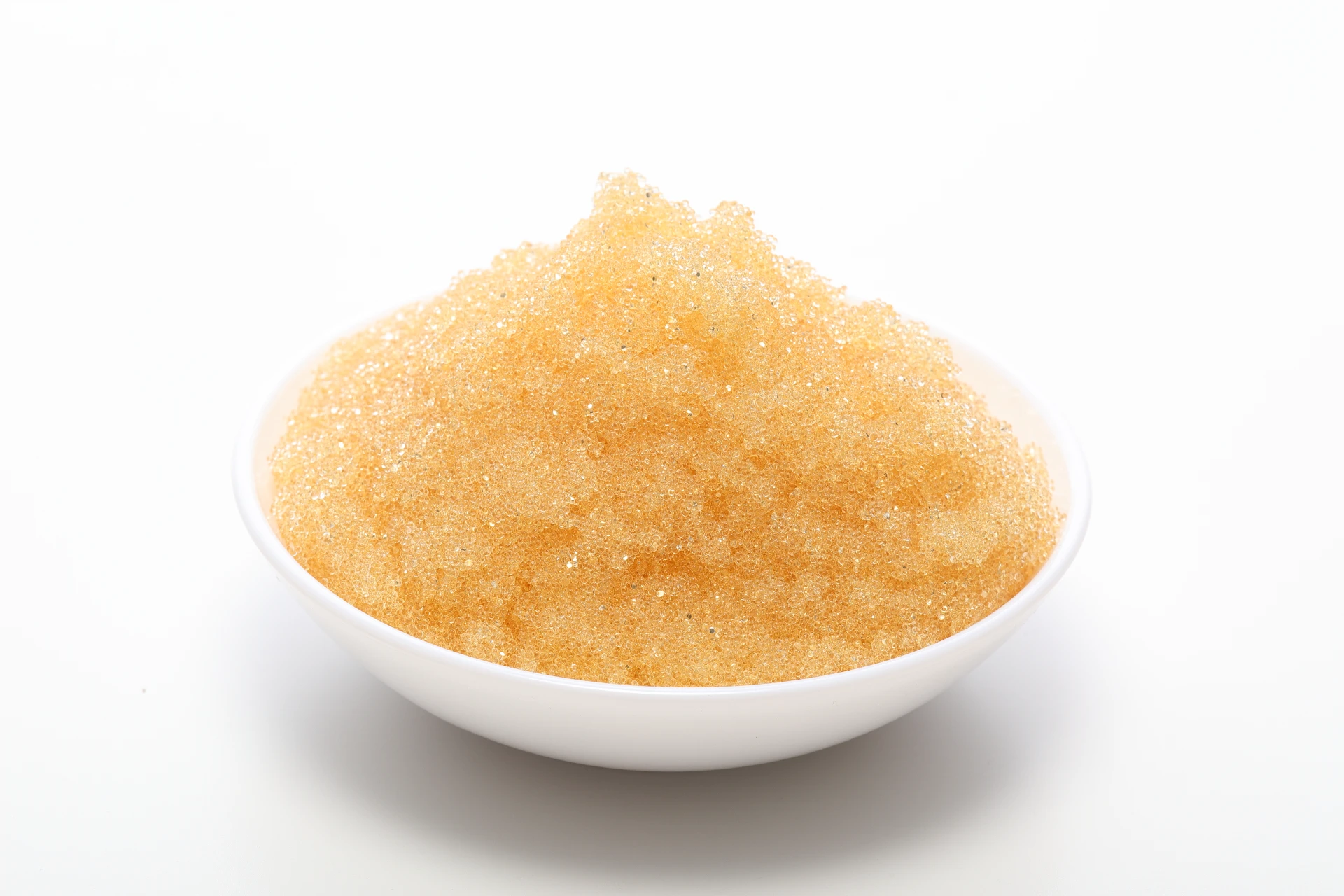
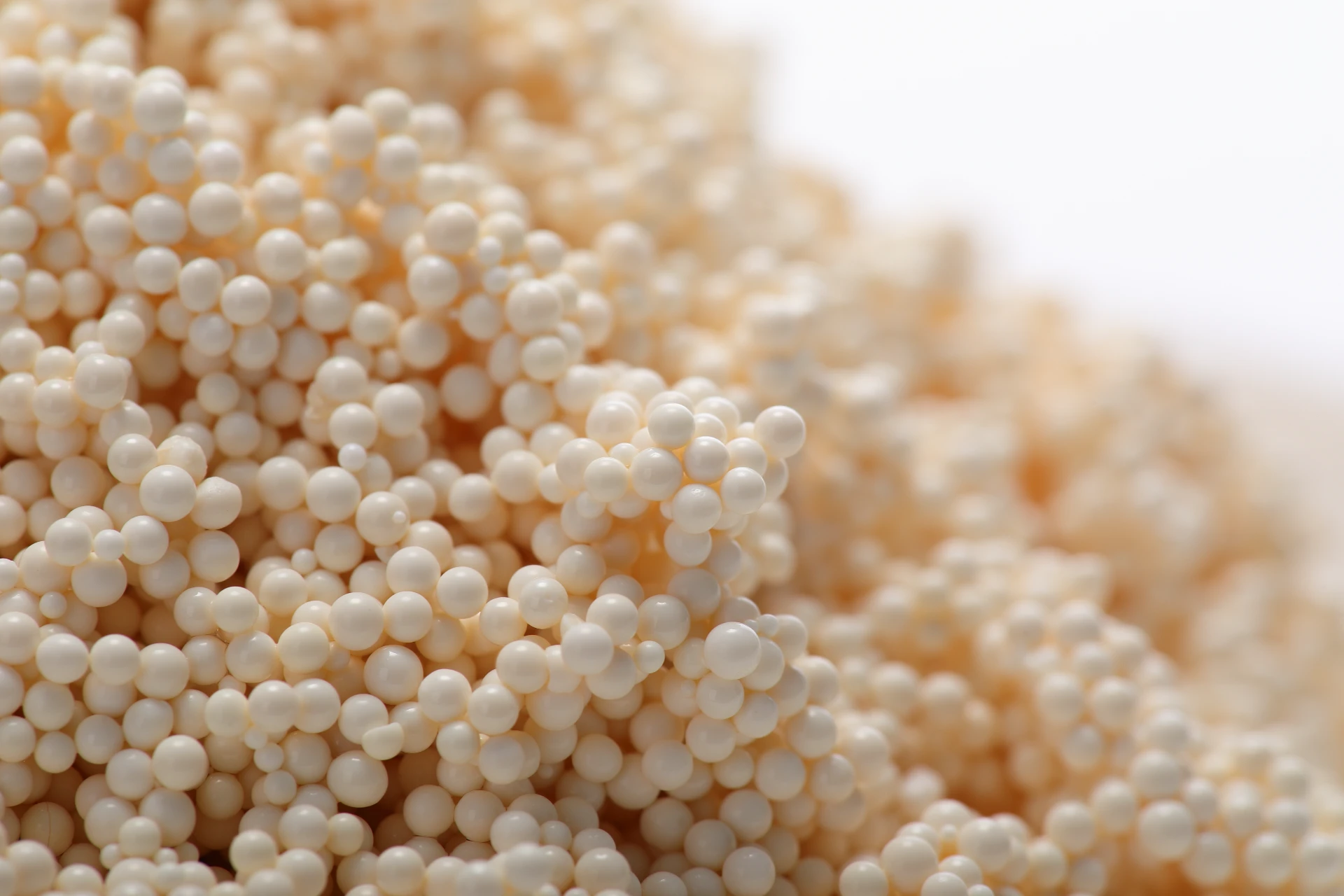
Advanced chelating resin Solutions for Russian Industrial Water Treatment

High-performance ion exchange media engineered for extreme climates and demanding chemical purification standards across Russia.

Advanced chelating resin Solutions for Russian Industrial Water Treatment

Providing specialized ion exchange resin technologies to optimize water purity and metal recovery in Russia's diverse industrial sectors.

Industrial Landscape of Resin Applications in Russia

Analyzing the current state of synthetic material manufacturing and water treatment in the Russian Federation.

The Russian industrial sector faces unique challenges due to its vast geography and extreme temperature fluctuations. In regions like the Urals and Siberia, the demand for a robust bed resin is critical to maintain consistent operation in mining and metallurgical plants where raw water contains high concentrations of dissolved minerals.

Currently, there is a significant shift toward import substitution and the localization of high-tech chemical components. Russian enterprises are increasingly seeking special resin grades that can withstand aggressive chemical environments and high-pressure regeneration cycles common in heavy industry.

Furthermore, the strict environmental regulations regarding wastewater discharge in European Russia have pushed factories to implement more sophisticated mixed bed di resin systems to ensure ultra-pure water discharge and efficient resource recovery.
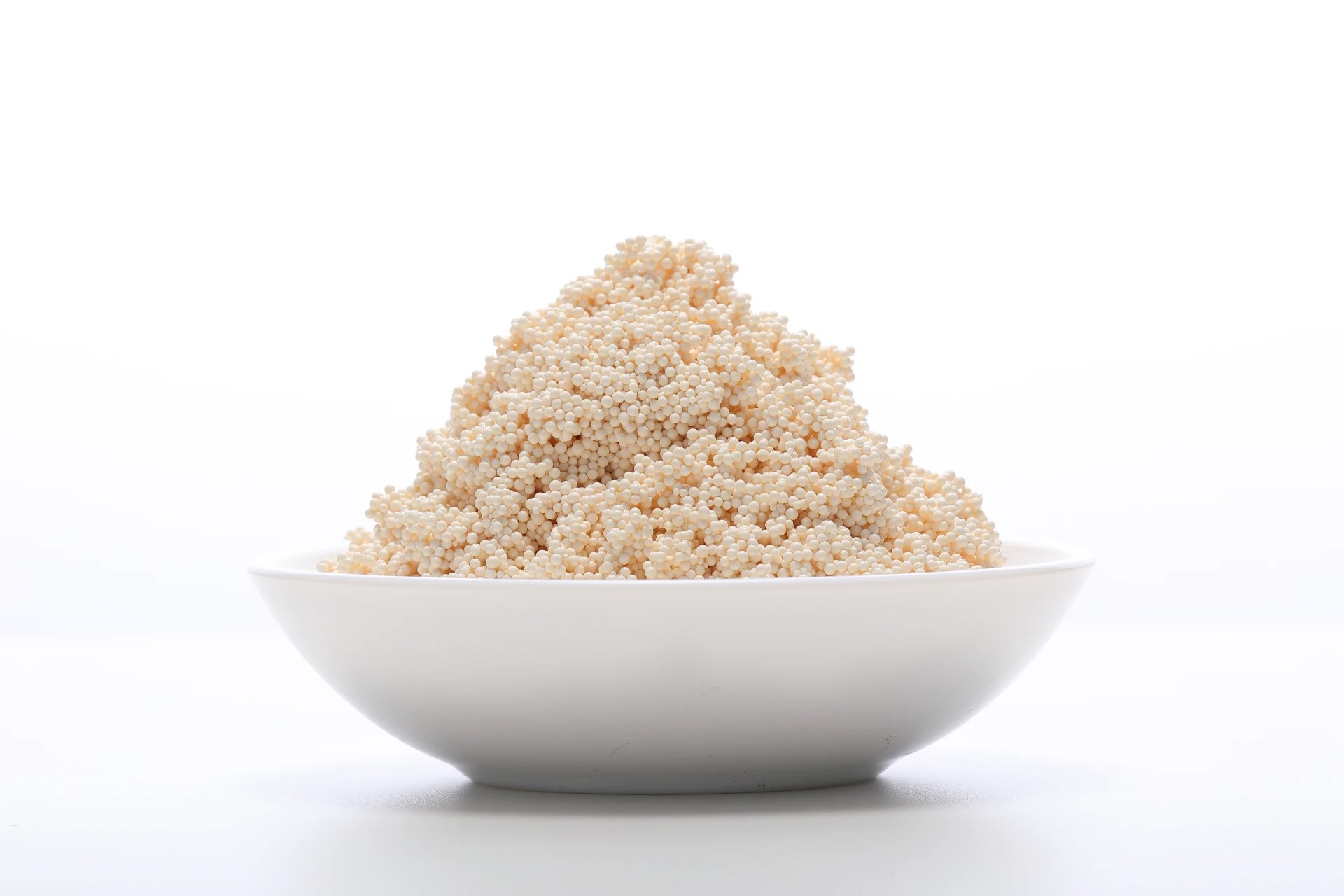
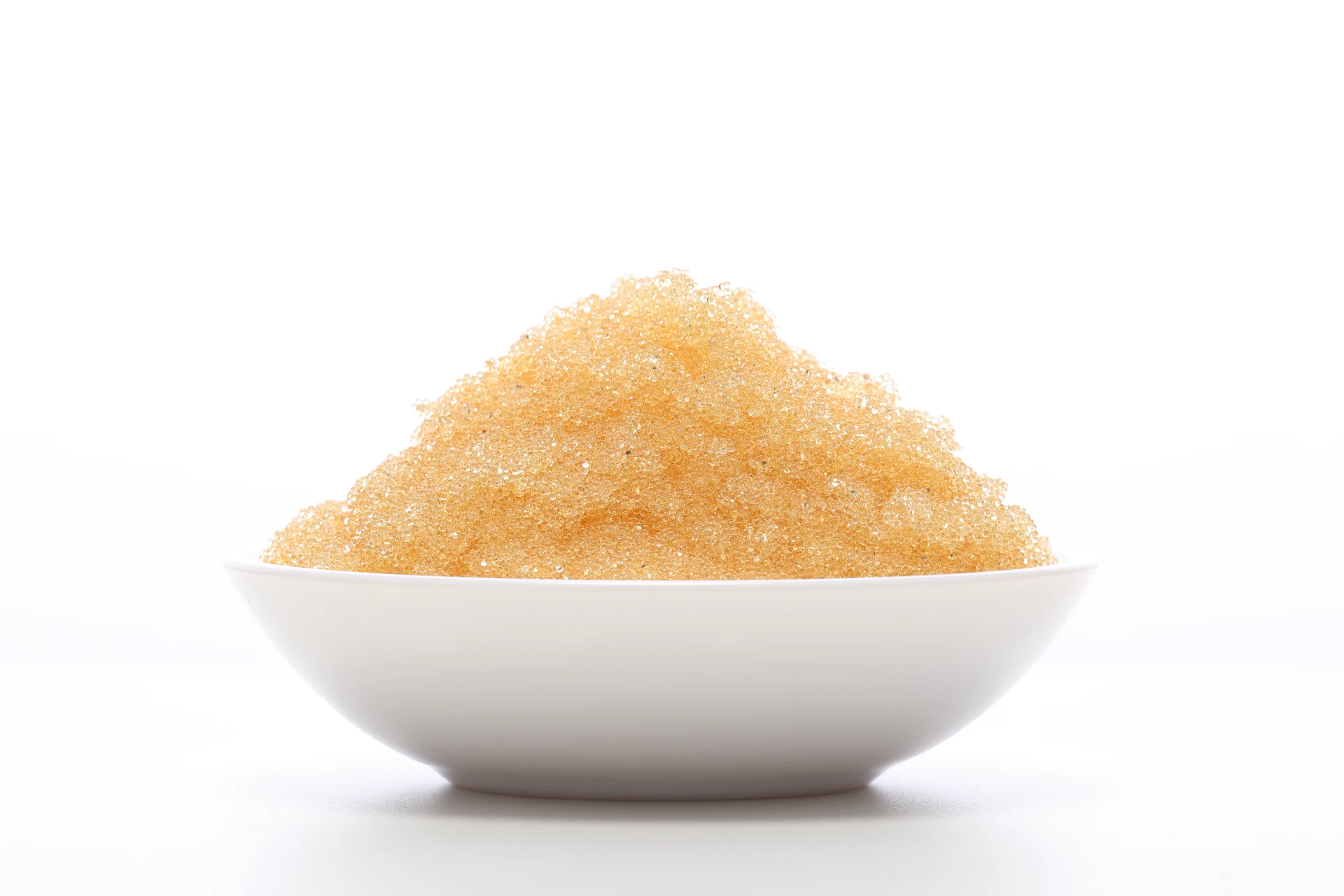
Evolution and Trajectory of Ion Exchange Technology

From traditional softening to precision molecular separation.

Market Development History

In the early 1990s, the Russian market relied heavily on basic strong acid and base resins for simple water softening. These traditional systems lacked selectivity, leading to high chemical consumption during regeneration.

Between 2005 and 2015, the introduction of specialized macroporous structures allowed for better kinetics. The industry moved toward using chelating resin to specifically target heavy metals in mining wastewater, improving purity levels significantly.

From 2016 to the present, the focus has shifted toward "Smart Resins" with enhanced mechanical stability and higher exchange capacities, designed to reduce the footprint of industrial water treatment plants.

Future Development Trends

Green Chemistry Integration

Future iterations will focus on biodegradable precursors and solvent-free polymerization to align with global ESG standards.

Precision Selectivity

Development of resins with nano-engineered pores to separate ions with nearly identical ionic radii, reducing the number of treatment stages.

Digital Regeneration Cycles

Integration of IoT sensors to monitor resin exhaustion in real-time, optimizing the regeneration of mixed bed di resin columns.

Industry Outlook and Future Projections

Forecasting the next 3-5 years of synthetic material evolution in the chemical sector.

Climate-Resilient Polymers
Engineering matrices that maintain high exchange capacity even at temperatures near 0°C, crucial for Russian winters.
Rare Earth Recovery
Using advanced selectivity to extract critical minerals from tailings, supporting the strategic mineral goals of Russia.
Zero Liquid Discharge (ZLD)
Integrating high-capacity resins into ZLD cycles to minimize water waste in the chemical manufacturing process.
Sustainable Regenerants
Shift towards organic acids and closed-loop regenerant recovery to reduce environmental toxicity.

Industry Outlook

Google search trends indicate a rising interest in "high-selectivity ion exchange" and "waste-to-resource" technologies in the Russian chemical sector. This suggests a transition from simple treatment to economic recovery.

As Russia continues to modernize its industrial base, the integration of high-performance special resin will be the cornerstone of sustainable manufacturing and water security.

Localized Application Scenarios in Russia

Practical deployment of resin technologies across Russian industries.

01. Siberian Mining Wastewater Treatment

Utilization of chelating resin to remove copper, nickel, and cobalt from acidic mine drainage in extreme cold environments.

02. Moscow Pharmaceutical Grade Water

Implementation of mixed bed di resin to produce ASTM Type I ultra-pure water for high-precision drug manufacturing.

03. Ural Steel Plant Boiler Feed Water

Application of a specialized bed resin to eliminate silica and sodium, preventing scale buildup in high-pressure boilers.

04. Volga River Basin Industrial Remediation

Deployment of ion exchange resin systems to treat chemical effluent before it enters the river system.

05. Arctic Oil & Gas Process Water

Customized special resin designs that maintain structural integrity under high pressure and cyclic freeze-thaw conditions.

Brand Story

Global Development Journey of Hebei Lijie Biological Technology Co., Ltd.

Foundational Innovation

Started with a mission to solve the inefficiency of standard water softening through advanced polymer chemistry.

Technical Breakthroughs

Developed a proprietary cross-linking method that significantly increased the lifespan of industrial resins.

Global Market Entry

Expanded operations to provide specialized solutions for the unique geological challenges of the Eurasian market.

Sustainable Evolution

Pioneered the use of eco-friendly raw materials to reduce the carbon footprint of resin production.

Industry Leadership

Now recognized as a top-tier provider of synthetic materials for critical industrial water purification globally.

Comprehensive Resin Portfolio for the Russian Market

A full suite of synthetic materials tailored for diverse chemical and industrial needs.

Russian Market FAQ

Technical answers for local industrial applications.

How does cold weather affect the capacity of ion exchange resin?

Low temperatures can slow down ion exchange kinetics. We recommend using macroporous resins which maintain better diffusion rates in colder Russian climates.

Which chelating resin is best for removing heavy metals from mining wastewater?

Depending on the target metal (e.g., Copper or Nickel), we provide iminodiacetic acid functional groups that offer high selectivity over alkali metals.

What is the typical lifespan of a mixed bed di resin in high-load industrial use?

With proper regeneration and pre-filtration, our resins typically last 3-5 years, though this depends on the organic loading of the feed water.

Can special resin be used for the recovery of precious metals?

Yes, we offer specialized resins designed for the selective adsorption of gold and platinum group metals from leaching solutions.

How to prevent fouling in a bed resin system?

We recommend implementing a robust pre-treatment stage (such as multi-media filtration) to remove suspended solids and organic matter before the resin bed.

What are the regeneration requirements for industrial ion exchange systems?

Depending on the resin type, regeneration typically requires HCl, NaOH, or NaCl, tailored to the specific ion being removed.

Get Expert Technical Support

Our engineers are ready to help you optimize your water treatment systems across Russia.

Contact Us Now

If you are interested in our products, you can choose to leave your information here, and we will be in touch with you shortly.