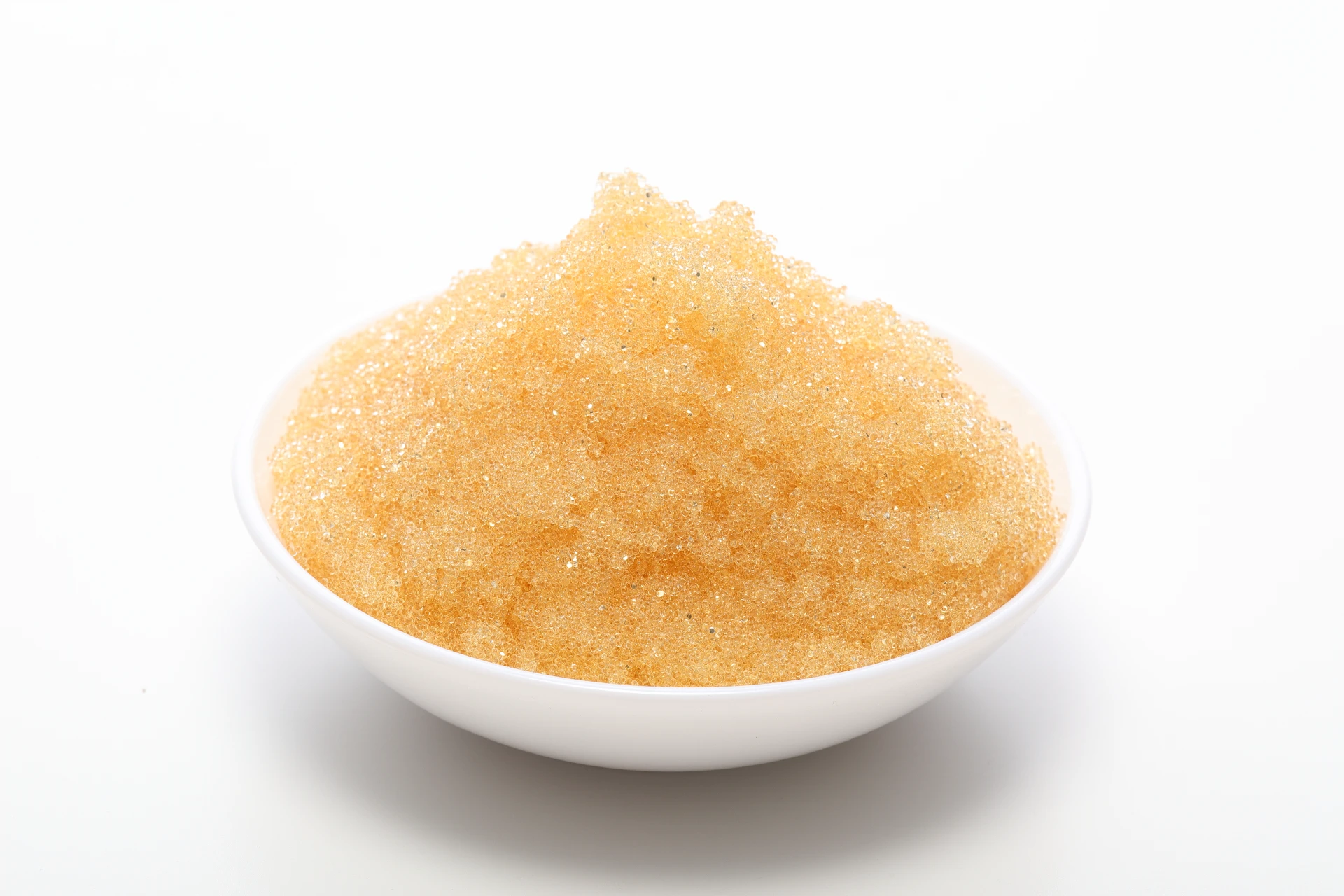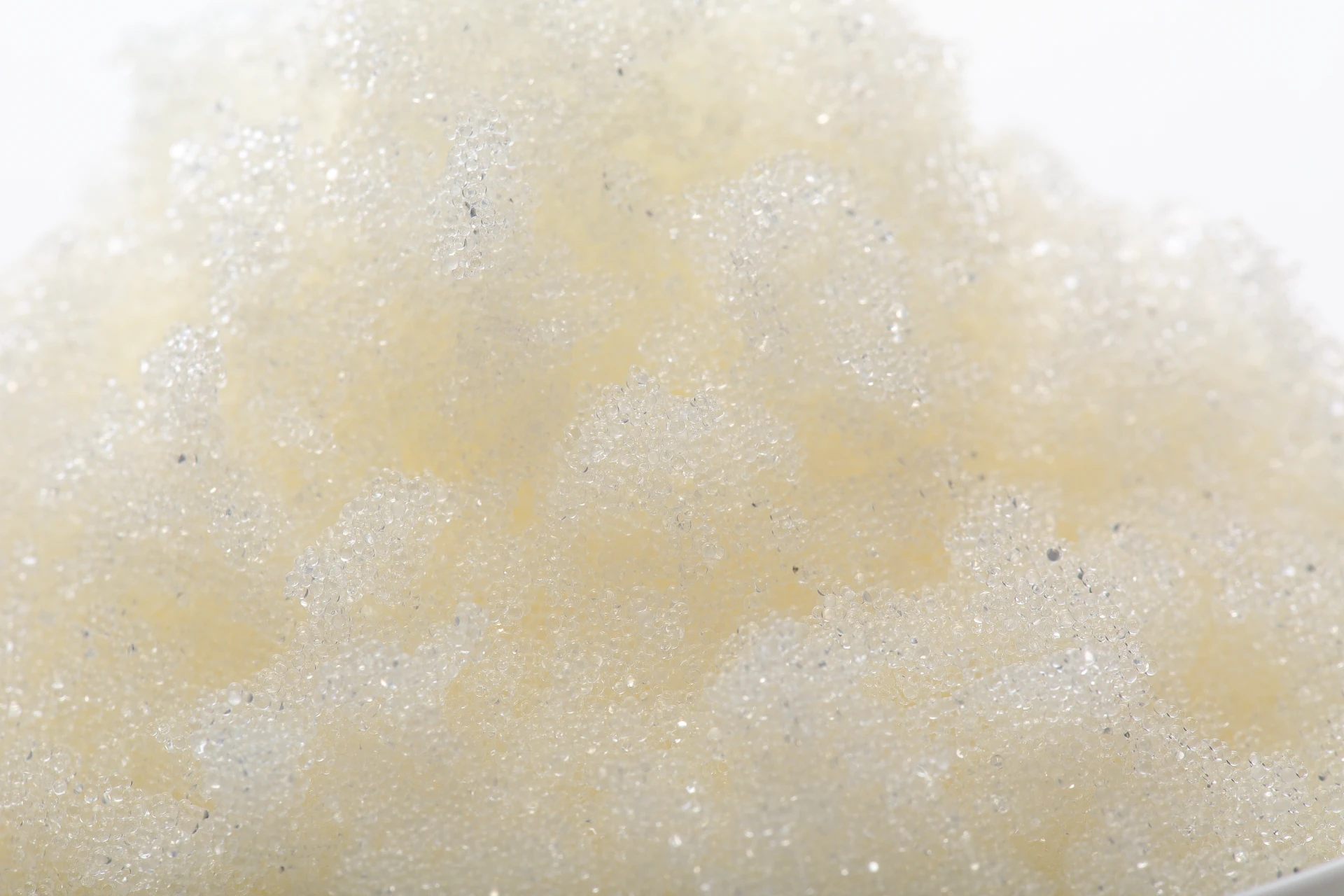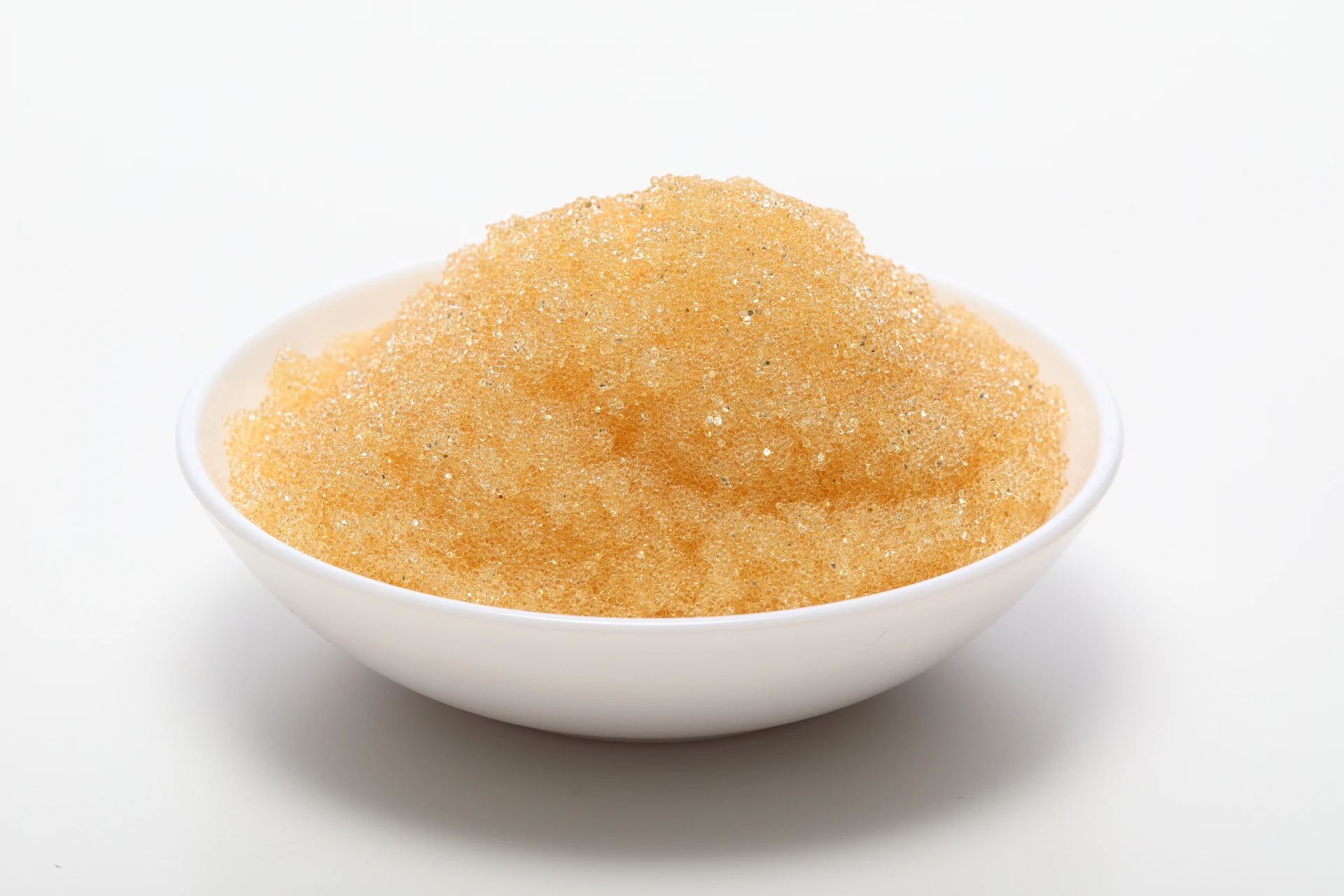
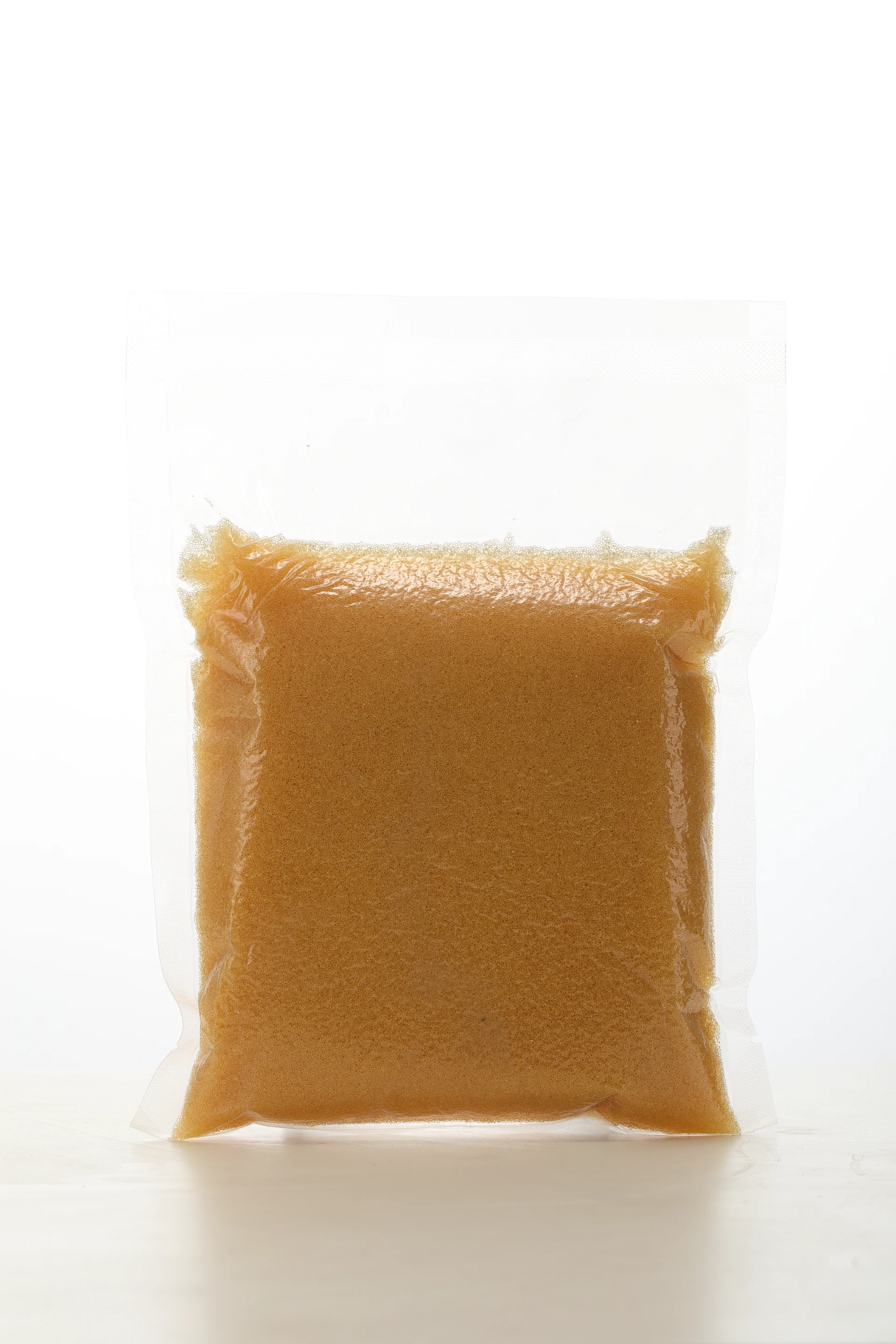
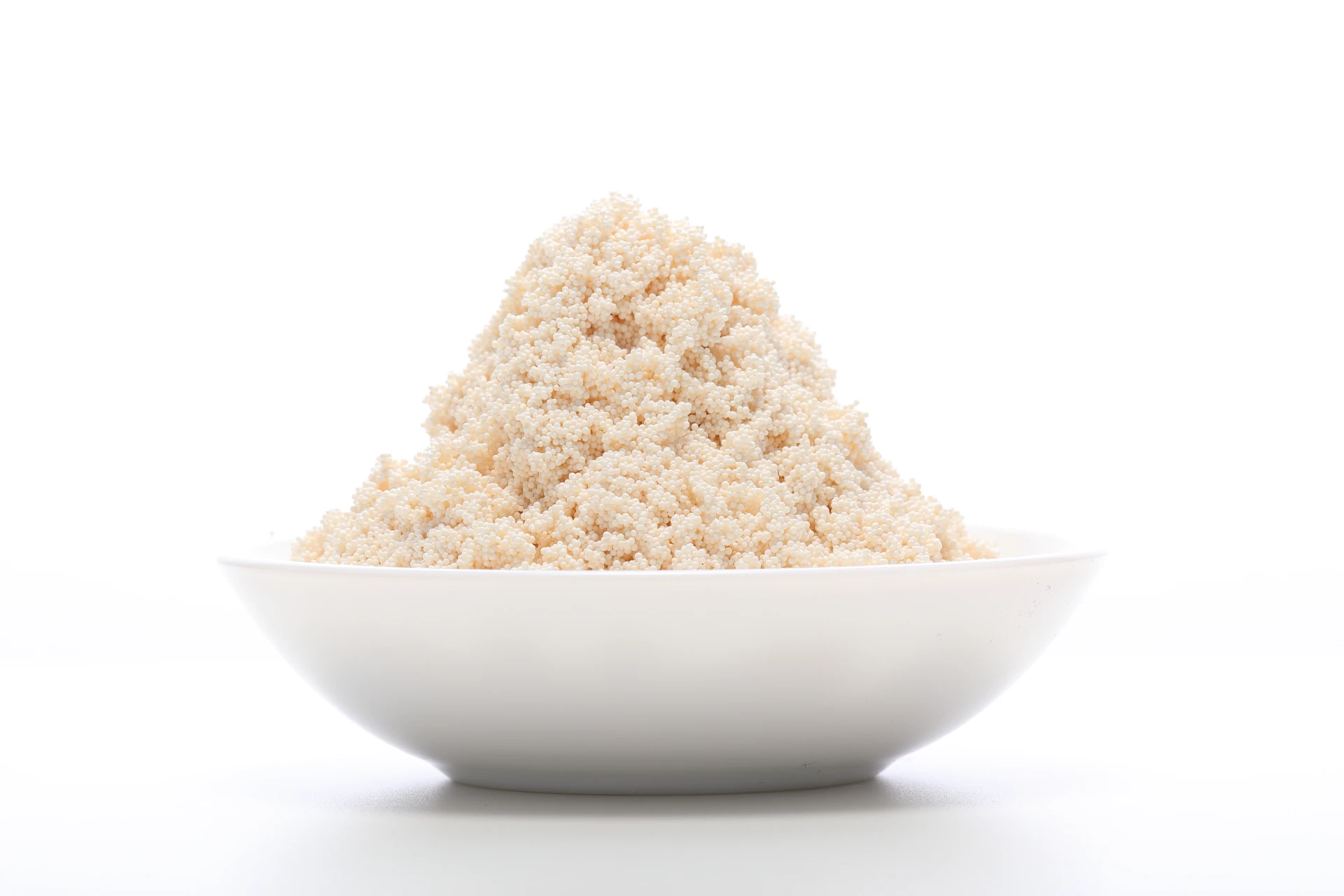
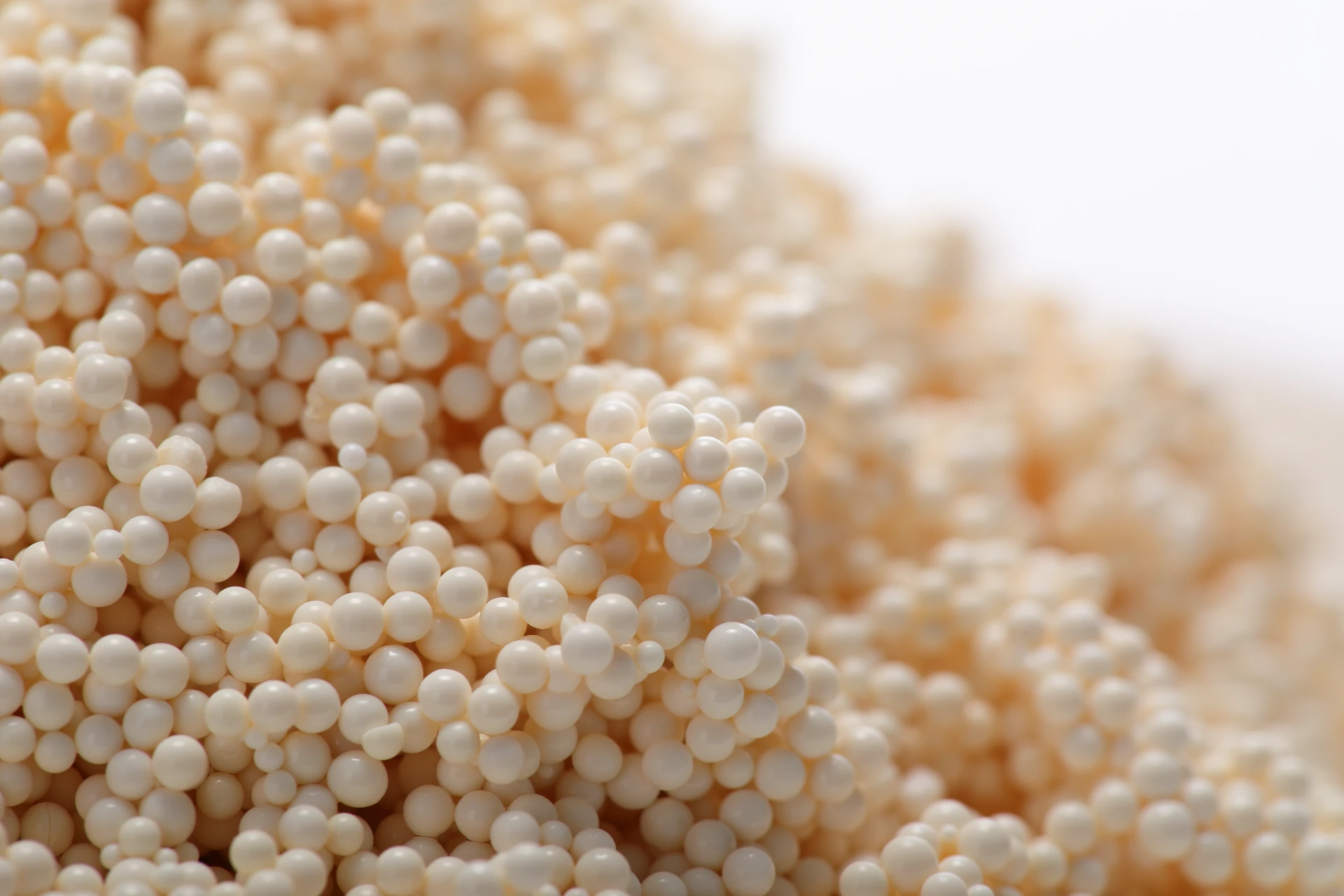
Advanced chelating resin Solutions for Slovakia Industrial Water Treatment

High-performance ion exchange materials engineered for the rigorous demands of Slovakian manufacturing and chemical processing industries.

Advanced chelating resin Solutions for Slovakia Industrial Water Treatment

Providing precision-engineered ion exchange resin technology to enhance purity and efficiency across Slovakia's diverse industrial landscape.

Industrial Water Landscape in Slovakia

Analyzing the current state of resin applications in the Slovak Republic.

Slovakia's industrial sector, heavily concentrated in automotive and electronics manufacturing, faces unique challenges due to the mineral composition of local water sources in the Danube basin. The demand for high-purity water necessitates the widespread use of bed resin systems to prevent scaling and equipment corrosion.

The regional chemical industry is currently transitioning toward stricter EU environmental regulations, driving a surge in the adoption of special resin variants capable of selective heavy metal removal from wastewater streams.

Furthermore, the integration of advanced mixed bed di resin technology has become standard for Slovakian pharmaceutical plants seeking ultra-pure water (UPW) to meet stringent European Pharmacopoeia standards.
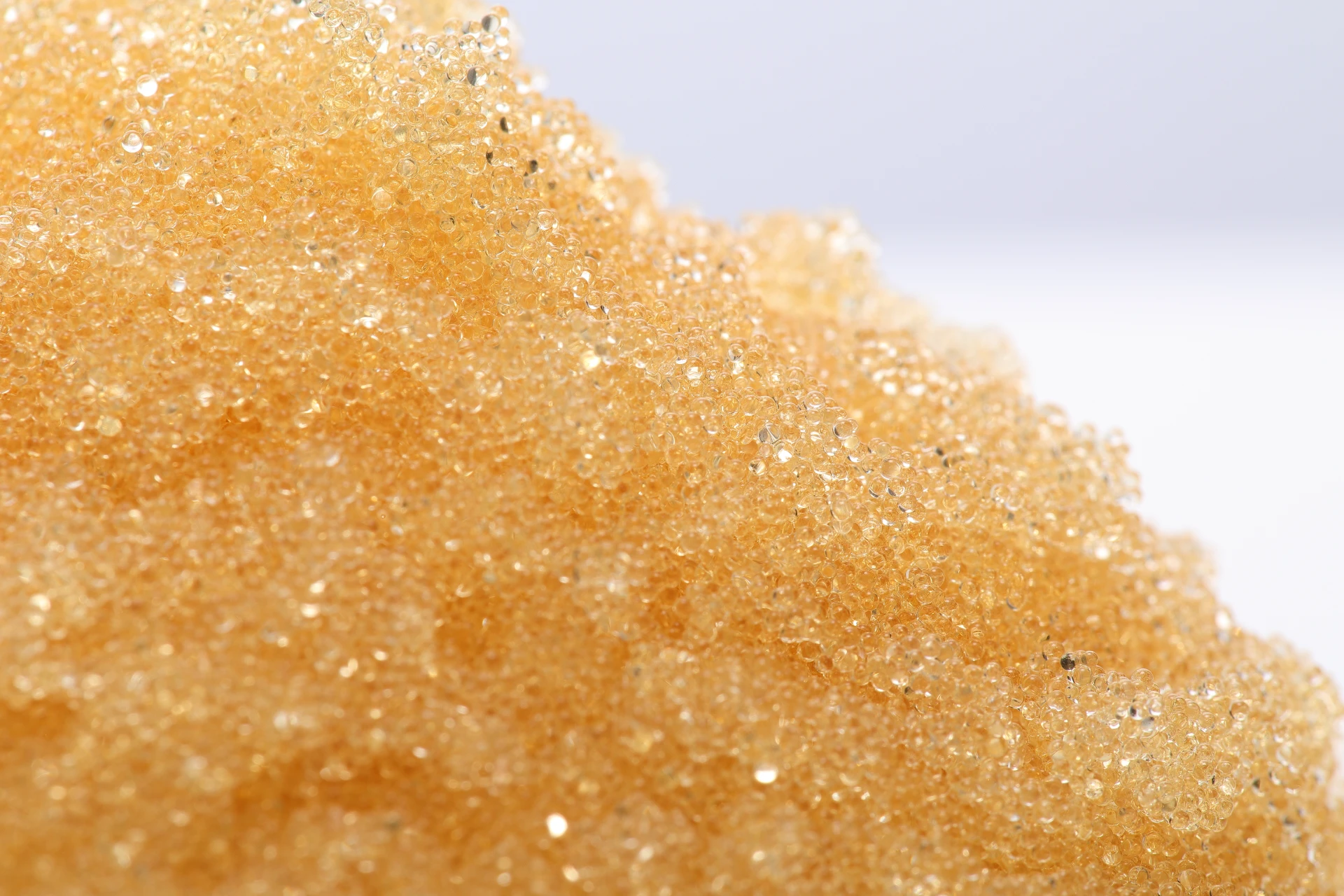
Evolution of Resin Technology in Slovakia

From conventional softening to intelligent molecular separation.

Market Development History

In the 1990s, the Slovakian market relied primarily on basic strong acid cation resins for simple water softening, focusing on bulk removal of hardness ions with low selectivity.

By 2010, the shift toward high-tech manufacturing led to the introduction of mixed bed di resin configurations, allowing industries to achieve resistivity levels required for semiconductor production.

From 2018 to the present, the focus has pivoted toward "Green Chemistry," where selective chelating resin materials are utilized for the recovery of precious metals and the elimination of toxic pollutants from industrial runoff.

Future Development Trends

Eco-Friendly Regeneration Cycles

Moving toward bio-degradable regenerants to reduce the saline footprint of resin exhaustion in the Tatra mountain regions.

Smart Monitoring Integration

Integration of IoT sensors into resin beds to predict breakthrough points in real-time, optimizing the lifespan of the materials.

Nano-Composite Hybrid Resins

Developing hybrid materials that combine the kinetics of membranes with the capacity of resins for faster processing speeds.

Industry Outlook and Future Perspectives

Strategic foresight for the synthetic resin sector in Central Europe.

Circular Economy Integration
Focusing on the regeneration and reuse of spent resins to minimize landfill waste in Slovakia.
Selectivity Optimization
Developing resins with higher affinity for trace contaminants in Slovakian groundwater.
Digital Twin Modeling
Using AI to simulate resin bed exhaustion and optimize replacement schedules.
Ultra-Low Fouling Media
Innovating surface-modified resins to resist organic fouling from industrial effluents.

Industry Outlook

Google search trends indicate a rising interest in "sustainable water purification" and "industrial wastewater recovery" within the European region. This suggests a fundamental shift from simple treatment to resource recovery, where ions are no longer seen as waste but as potential assets.

In Slovakia, the growth of the EV battery manufacturing chain will likely drive massive demand for high-capacity ion exchange systems to purify lithium and cobalt precursors, positioning the resin industry as a key enabler of the green energy transition.

Localized Application Scenarios in Slovakia

Real-world implementation of high-performance resins across various sectors.

01. Automotive Component Plating

Utilizing chelating resin to remove heavy metal impurities from rinse waters in the Bratislava automotive cluster, ensuring zero-liquid discharge compliance.

02. Pharmaceutical Ultra-Pure Water

Implementation of mixed bed di resin for the production of WFI (Water for Injection), critical for Slovakia's expanding biotech hubs.

03. Food and Beverage Processing

Application of ion exchange resin for the decolorization and purification of sugar and syrups in regional agri-food plants.

04. Power Plant Boiler Feed Water

Using robust bed resin systems to eliminate dissolved silica and sodium, protecting high-pressure turbines from scale buildup.

05. Specialized Mining Wastewater

Deploying special resin for the selective capture of uranium and rare earth elements from industrial tailings in mountainous regions.

Brand Story

Global Development History of Hebei Lijiang Biological Technology Co., Ltd.

Foundation and Technical Roots

Established with a vision to bridge the gap between chemical theory and industrial application, focusing on high-purity polymer synthesis.

R&D Breakthroughs

Developed proprietary cross-linking technologies that significantly increased the mechanical strength and longevity of industrial resins.

European Market Expansion

Strategically entered the EU market, tailoring products to meet the REACH regulations and specific Slovakian industrial water chemistry.

Sustainability Pivot

Launched a series of eco-friendly resins designed to reduce chemical consumption during the regeneration phase.

Global Leadership Vision

Now serving as a leading provider of specialized resins, solving the world's most complex water purification challenges through innovation.

Comprehensive Resin Portfolio for the Slovakian Market

Tailored solutions for every stage of the water treatment cycle.

Slovakia Industrial Resin FAQ

Expert answers to common technical queries in the region.

How to choose the right ion exchange resin for Slovakian hard water?

Analysis of the specific calcium and magnesium ratios in the local water source is essential. We recommend a strong acid cation resin for general softening or selective chelating resins for specific metal removal.

What is the expected lifespan of mixed bed di resin in pharmaceutical use?

Depending on the influent quality and regeneration frequency, high-grade mixed bed resins typically last 3-5 years before capacity degradation becomes significant.

Can chelating resin be used for selective gold recovery in mining?

Yes, our specialized chelating resins are engineered with high affinity for precious metals, allowing for efficient recovery even from low-concentration leach solutions.

How does bed resin compaction affect flow rates in large industrial tanks?

Excessive compaction increases pressure drop. We provide resins with optimized particle size distribution to ensure uniform flow and minimize energy consumption.

What are the benefits of using special resin for wastewater treatment?

Special resins offer targeted removal of organic acids or specific toxic ions that conventional resins cannot capture, ensuring compliance with EU environmental laws.

How often should I regenerate my mixed bed di resin system?

Regeneration frequency depends on the throughput volume and conductivity limits. We recommend installing an online conductivity meter to trigger regeneration automatically.

Expert Resin Consultation

Get professional technical support for your water treatment projects in Slovakia.

Contact Us Now

If you are interested in our products, you can choose to leave your information here, and we will be in touch with you shortly.