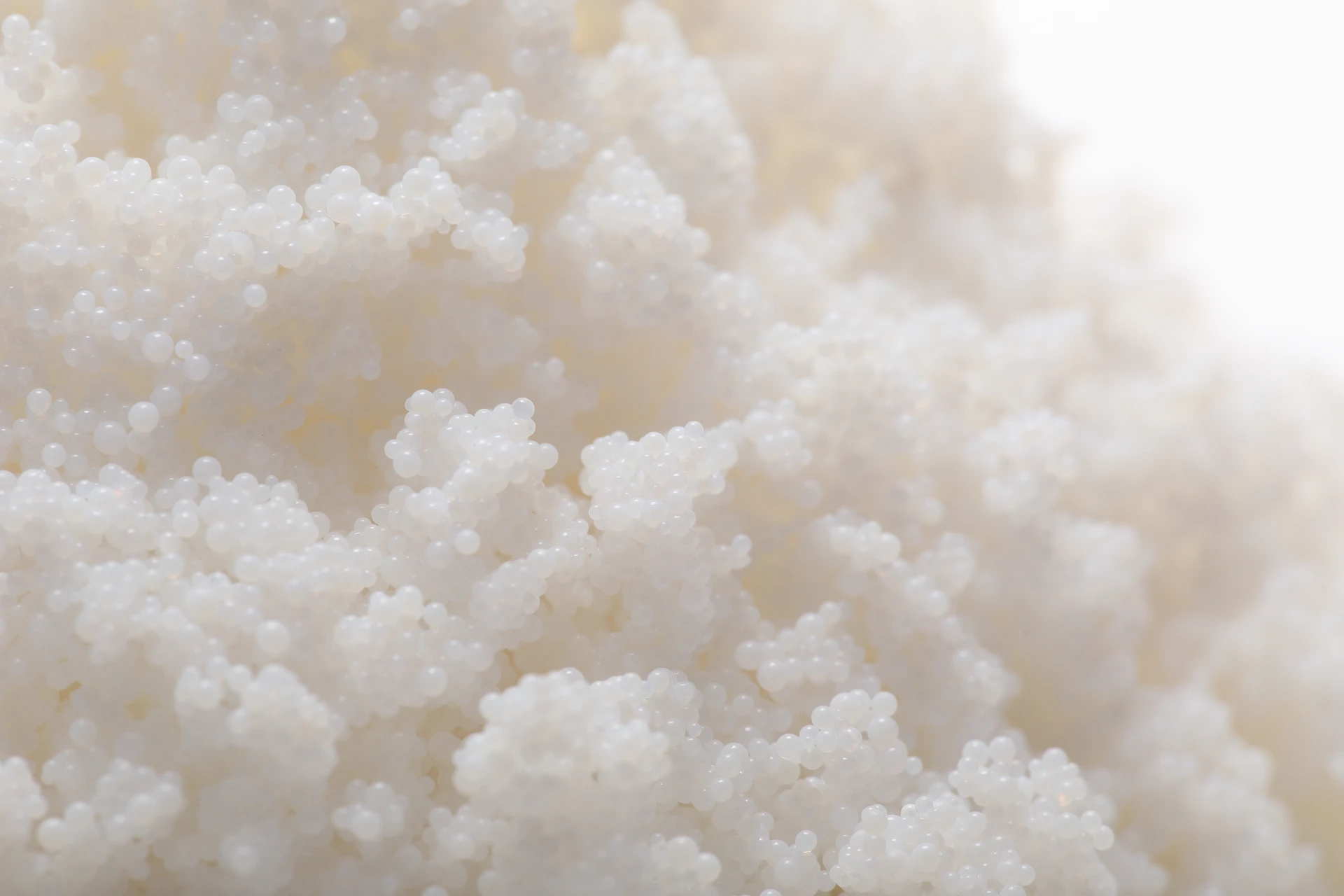
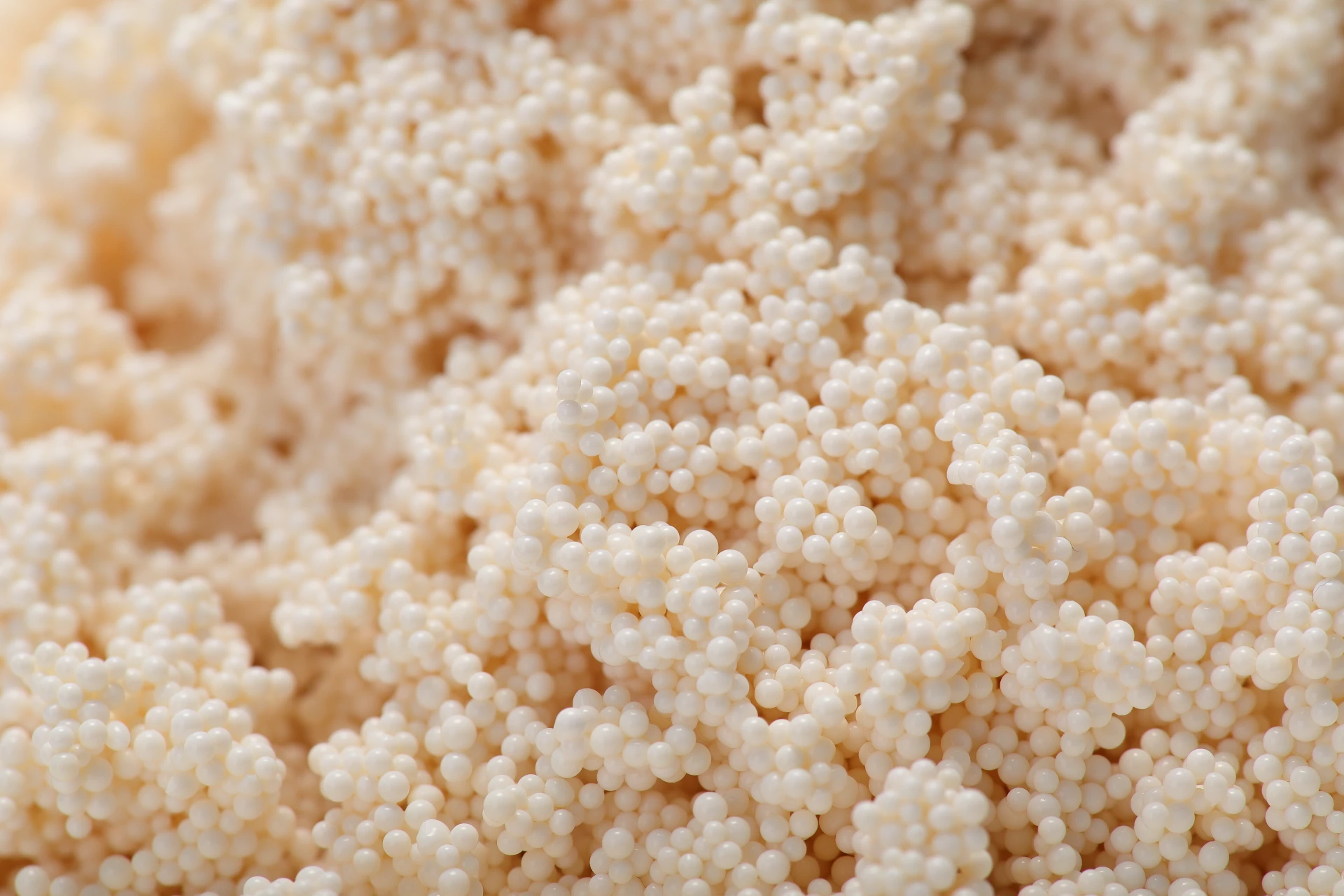
Advanced chelating resin Solutions for South African Industrial Water Treatment

Optimizing mineral extraction and wastewater purification across South Africa with high-performance ion exchange technologies.

Advanced chelating resin Solutions for South African Industrial Water Treatment

We provide high-capacity resin systems tailored for the complex hydrological and mineralogical profiles of the South African industrial sector, ensuring purity and efficiency.

Current Landscape of Ion Exchange in South Africa

Analyzing the impact of water scarcity and mineral density on resin application.

South Africa faces unique water management challenges due to its semi-arid climate and heavy reliance on mining. The widespread use of ion exchange resin is critical here, as industries must treat highly brackish groundwater and recycle process water to sustain operations amid strict environmental regulations.

In the mining hubs of Gauteng and the Northern Cape, the presence of complex heavy metals requires high-selectivity materials. Standard resins often fail due to the high salinity and fluctuating pH levels of local raw water, driving the demand for more robust special resin formulations that can maintain stability under extreme conditions.

Furthermore, the energy crisis in South Africa has pushed industries toward more efficient, low-pressure regeneration cycles. This shift emphasizes the need for resins with higher exchange capacities, reducing the frequency of chemical regeneration and lowering the overall operational carbon footprint of local manufacturing plants.
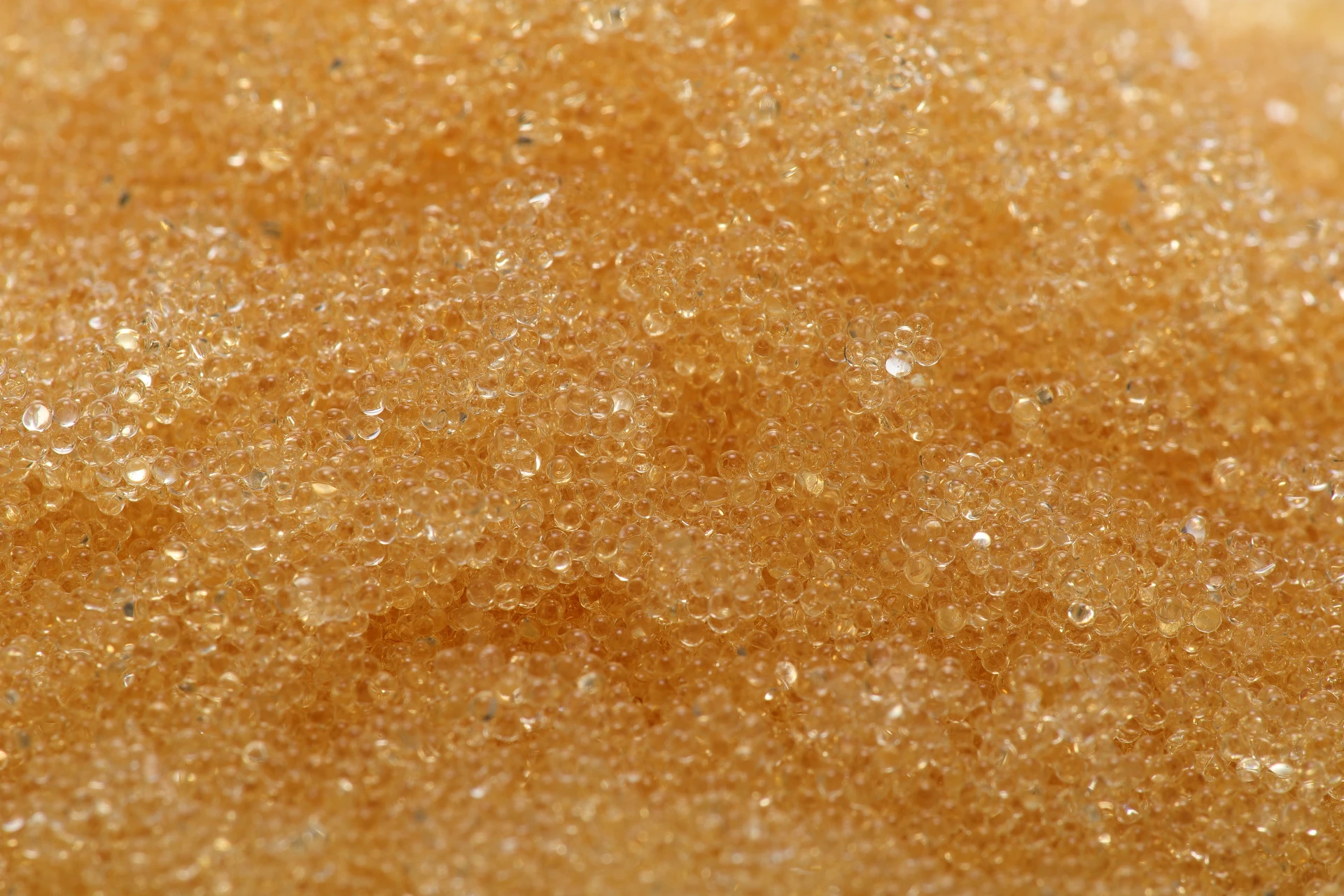
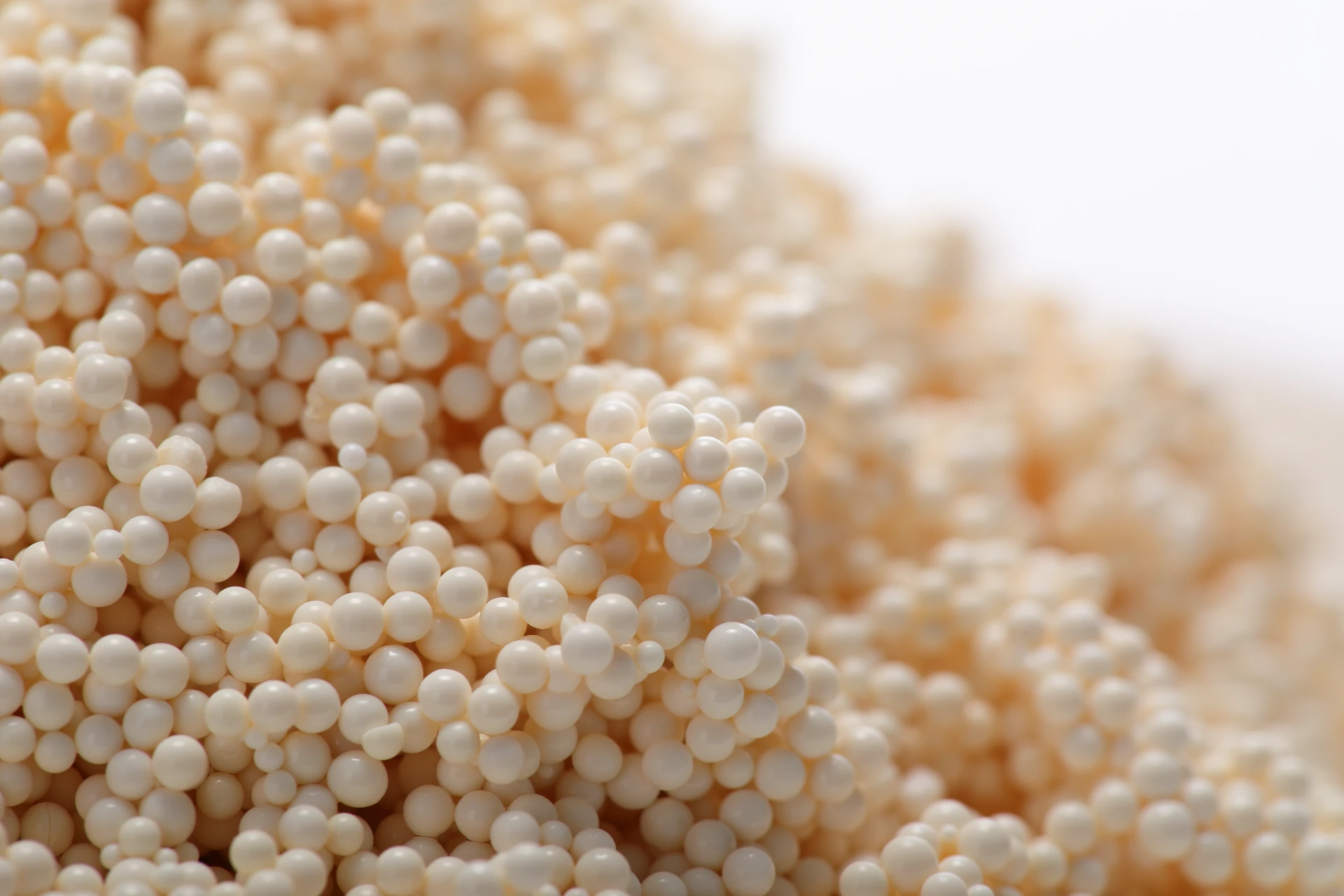
Evolution of Resin Technology in South African Industry

From basic softening to precision molecular separation.

Market Development History

During the early industrial phase (1970s-1990s), the South African market relied primarily on basic strong acid cation and strong base anion resins for simple water softening and boiler feed water, focusing on bulk removal of calcium and magnesium.

Entering the 2000s, the transition toward high-purity electronics and pharmaceutical manufacturing led to the adoption of mixed bed di resin systems. This era marked a shift from simple softening to the production of ultrapure water (UPW) to meet international quality standards.

From 2015 to the present, the focus has pivoted toward "Selective Recovery." The integration of advanced chelating agents allowed for the specific targeting of precious metals and toxic ions, transforming wastewater treatment from a cost center into a resource recovery stream.

Future Development Trends

AI-Driven Regeneration Cycles

Integration of smart sensors will allow for real-time monitoring of resin exhaustion, optimizing the use of bed resin life cycles through predictive maintenance.

Eco-Friendly Regenerants

Moving away from harsh acids toward biodegradable organic regenerants to comply with South Africa's tightening "Green Economy" mandates.

Hybrid Ion Exchange Membranes

The fusion of resin beads with membrane technology to create high-flux, high-selectivity systems for desalination in coastal regions like Cape Town.

Industry Trends & Future Outlook

Navigating the next generation of synthetic material manufacturing.

Circular Water Economy
Shift toward Zero Liquid Discharge (ZLD) systems using advanced resins to maximize water reclamation in water-stressed provinces.
High-Selectivity Chelation
Development of resins targeting specific rare earth elements critical for South Africa's energy transition and battery manufacturing.
Modular Resin Skids
Transition from massive onsite installations to prefabricated, scalable modular units for rapid deployment in remote mining sites.
Digital Twin Modeling
Using software to simulate ion breakthrough curves, reducing resin waste and optimizing chemical consumption based on local water data.

Industry Outlook

Based on Google search trends for "sustainable water treatment" and "industrial desalination" in the region, we predict a 15% CAGR in the demand for specialized resin systems over the next 5 years. The focus is shifting from simple filtration to complex chemical engineering.

The synergy between South Africa's mining heritage and new green hydrogen initiatives will create a massive market for high-purity water, where mixed bed di resin will play a central role in electrolyzer feed-water preparation.

Localized Application Scenarios in South Africa

Proven deployments for South African industrial challenges.

1. Platinum Group Metals (PGM) Recovery

Utilizing high-affinity chelating resins in the Bushveld Igneous Complex to selectively recover platinum and palladium from dilute leach solutions.

2. Gold Mine Acid Mine Drainage (AMD) Treatment

Implementing large-scale resin beds to remove heavy metal contaminants from AMD in the Witwatersrand basin, ensuring safe discharge.

3. Municipal Potable Water Upgrade

Deployment of softening systems in drought-prone municipalities to handle fluctuating salinity levels in groundwater sources.

4. Power Generation Boiler Feed Water

Using ultra-pure mixed bed systems for Eskom-scale power plants to prevent scaling and corrosion in high-pressure boilers.

5. Beverage and Food Processing

Customized resin solutions for the South African agri-processing sector to ensure consistent water quality for beverage production.

Brand Story

Global Development Journey of Hebei Lijian Biological Technology Co., Ltd.

Foundational Excellence

Established with a focus on high-polymer synthesis, we began by solving basic ion exchange challenges for local industrial plants.

R&D Breakthroughs

Invested heavily in the development of specialty chelating matrices, allowing for unprecedented selectivity in metal ion capture.

Global Market Expansion

Extended our footprint into the African continent, tailoring our chemistry to meet the harsh environmental conditions of South Africa.

Sustainability Pivot

Launched a line of eco-friendly, long-life resins designed to reduce chemical waste and operational costs for our global clients.

Industry Leadership

Today, we stand as a beacon of innovation in the synthetic materials sector, providing the "heart" of water purification systems worldwide.

Comprehensive Resin Portfolio for South African Industry

From heavy-duty mining resins to ultra-pure laboratory grades.

Common Questions on Ion Exchange in South Africa

Expert answers to local technical challenges.

How to choose the right chelating resin for PGM recovery in South Africa?

Selection depends on the leach solution's pH and the specific target metal. We recommend resins with iminodiacetic acid groups for high selectivity against alkali metals.

What is the typical lifespan of a mixed bed di resin in industrial use?

Depending on the feed water quality and regeneration frequency, a high-quality resin typically lasts 3-5 years before capacity loss becomes significant.

Can special resin handle the high salinity found in Northern Cape groundwater?

Yes, our specialty resins are engineered with a cross-linked matrix that resists osmotic shock and maintains structural integrity in high-TDS environments.

How does bed resin fouling occur in mining applications?

Fouling is often caused by organic matter or suspended solids. We recommend a robust pre-filtration stage to protect the resin beads.

What are the regeneration options for ion exchange resin in remote sites?

We offer optimized regeneration protocols that minimize chemical volume, making them ideal for remote locations with limited supply chains.

Is the mixed bed system suitable for hydrogen electrolyzer water?

Absolutely. Mixed bed systems are the industry standard for producing the low-conductivity water required to prevent membrane degradation in electrolyzers.

Expert Resin Consulting for Your Project

Our technical team is ready to help you optimize your water treatment processes in South Africa.

Contact Us Now

If you are interested in our products, you can choose to leave your information here, and we will be in touch with you shortly.