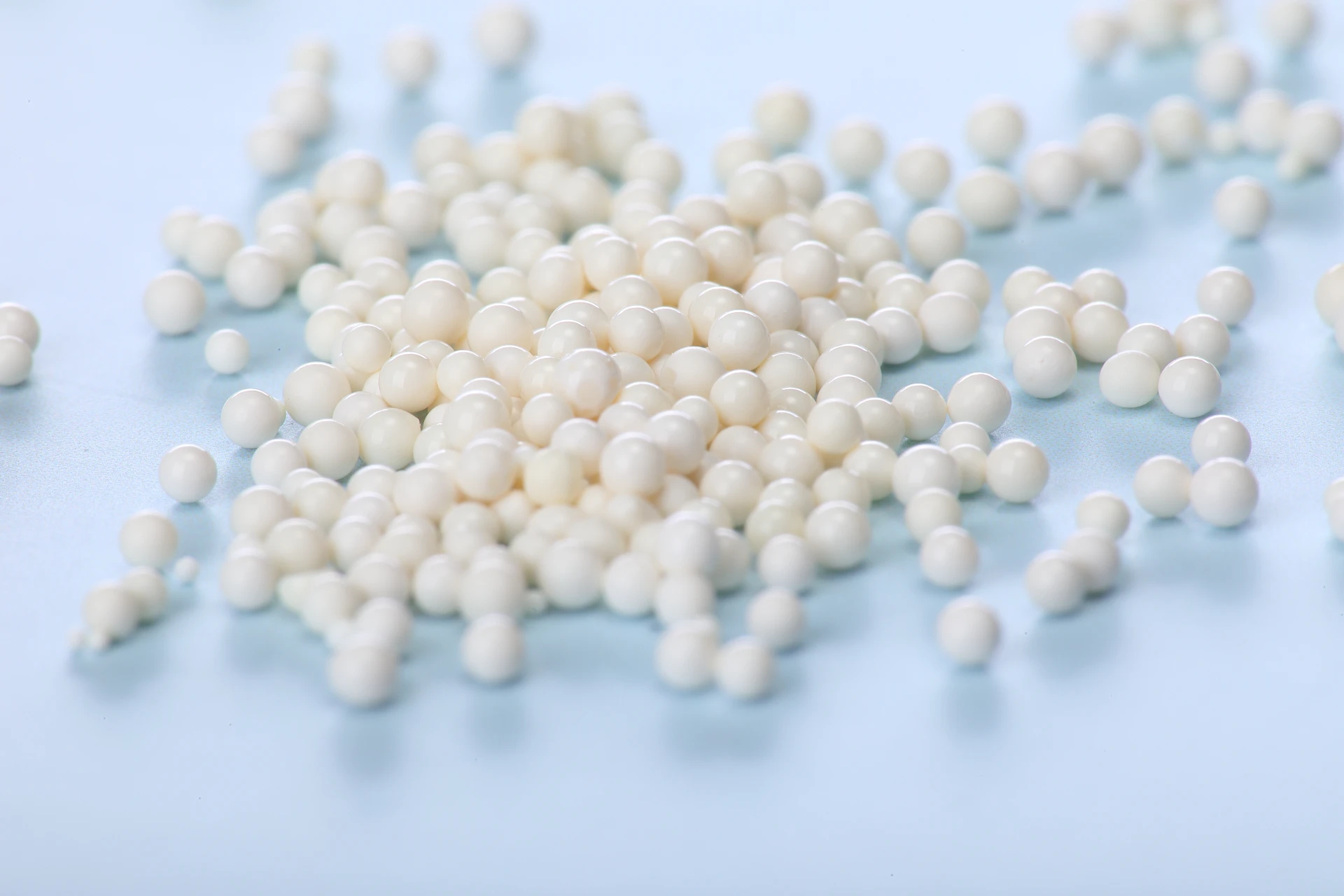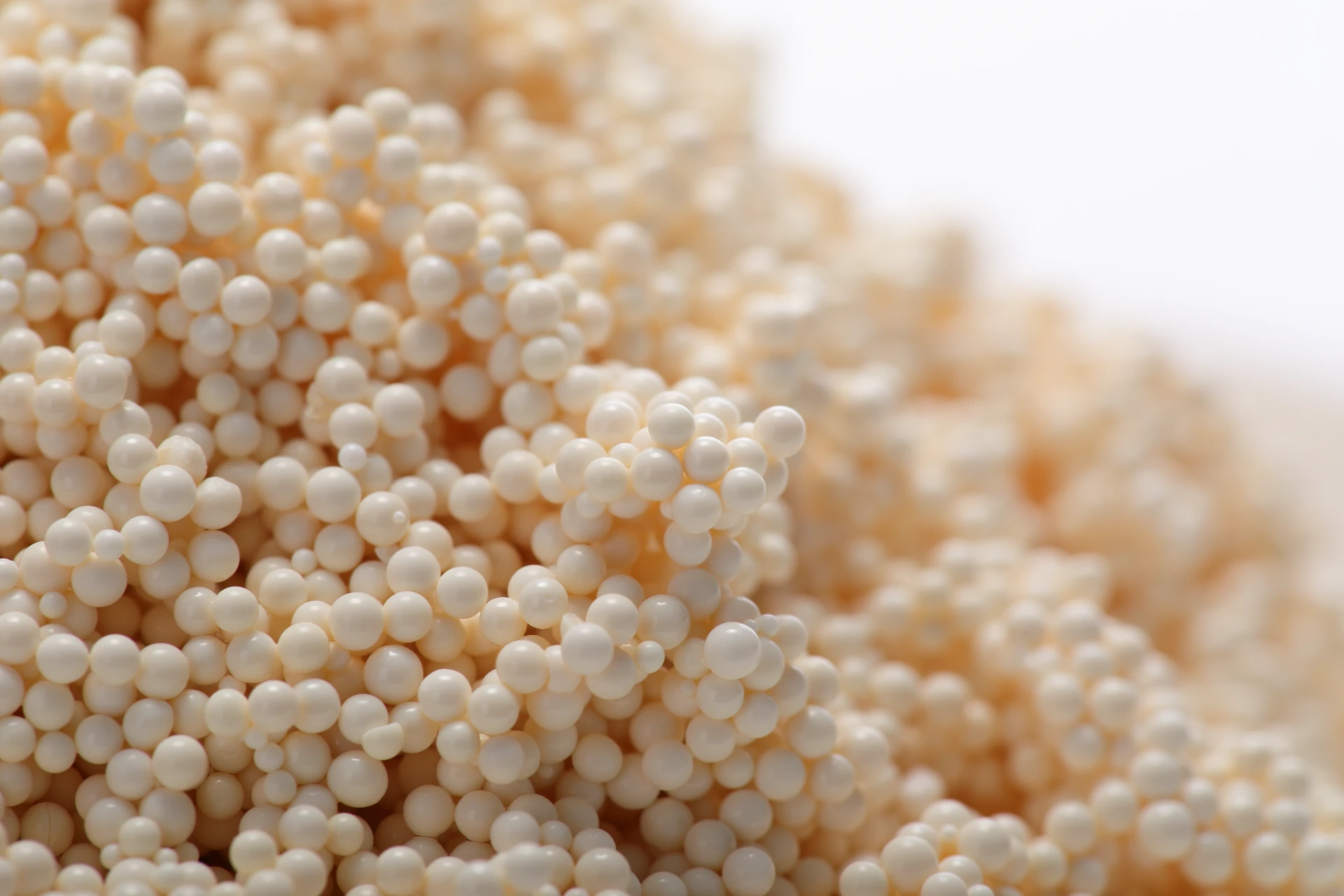
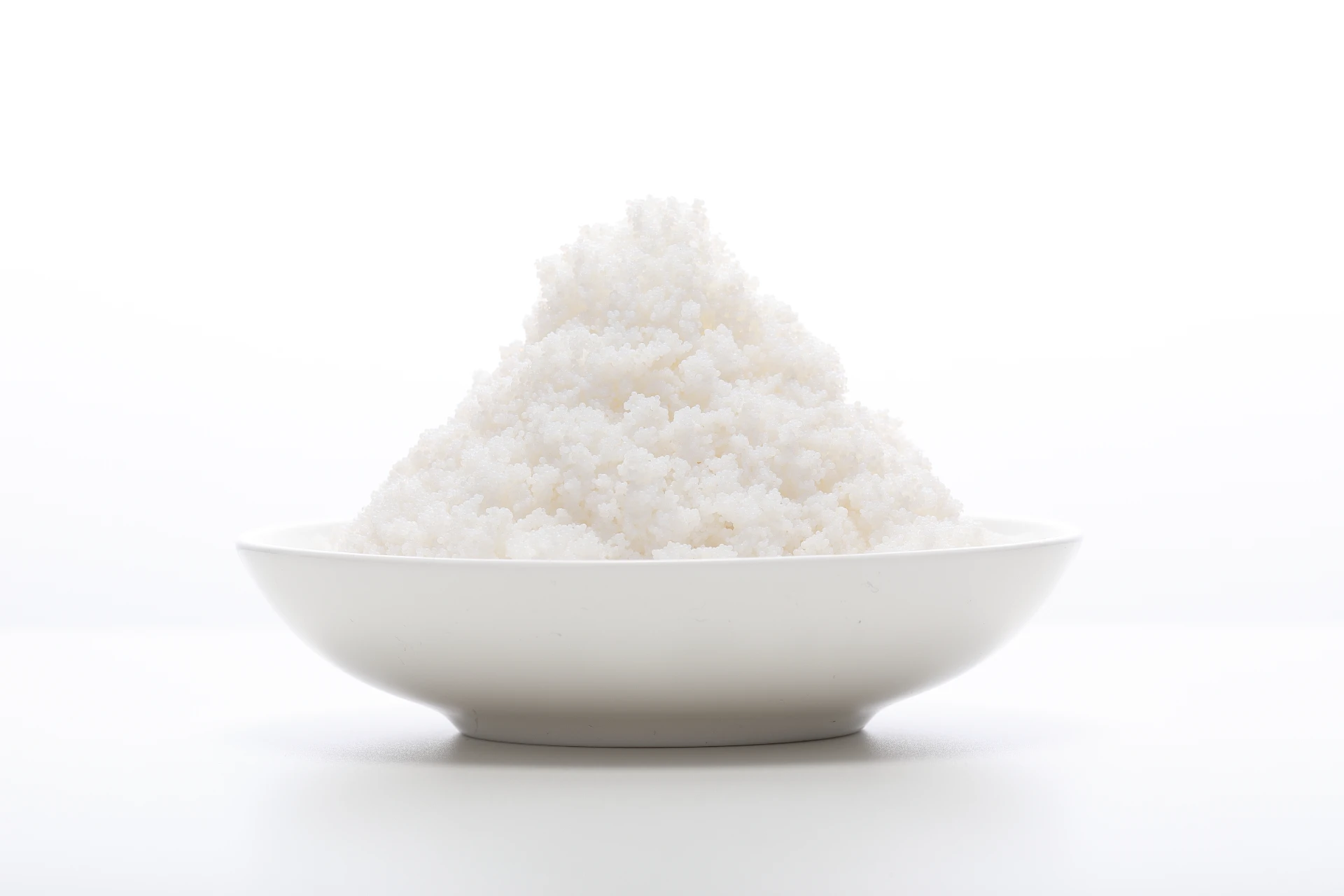
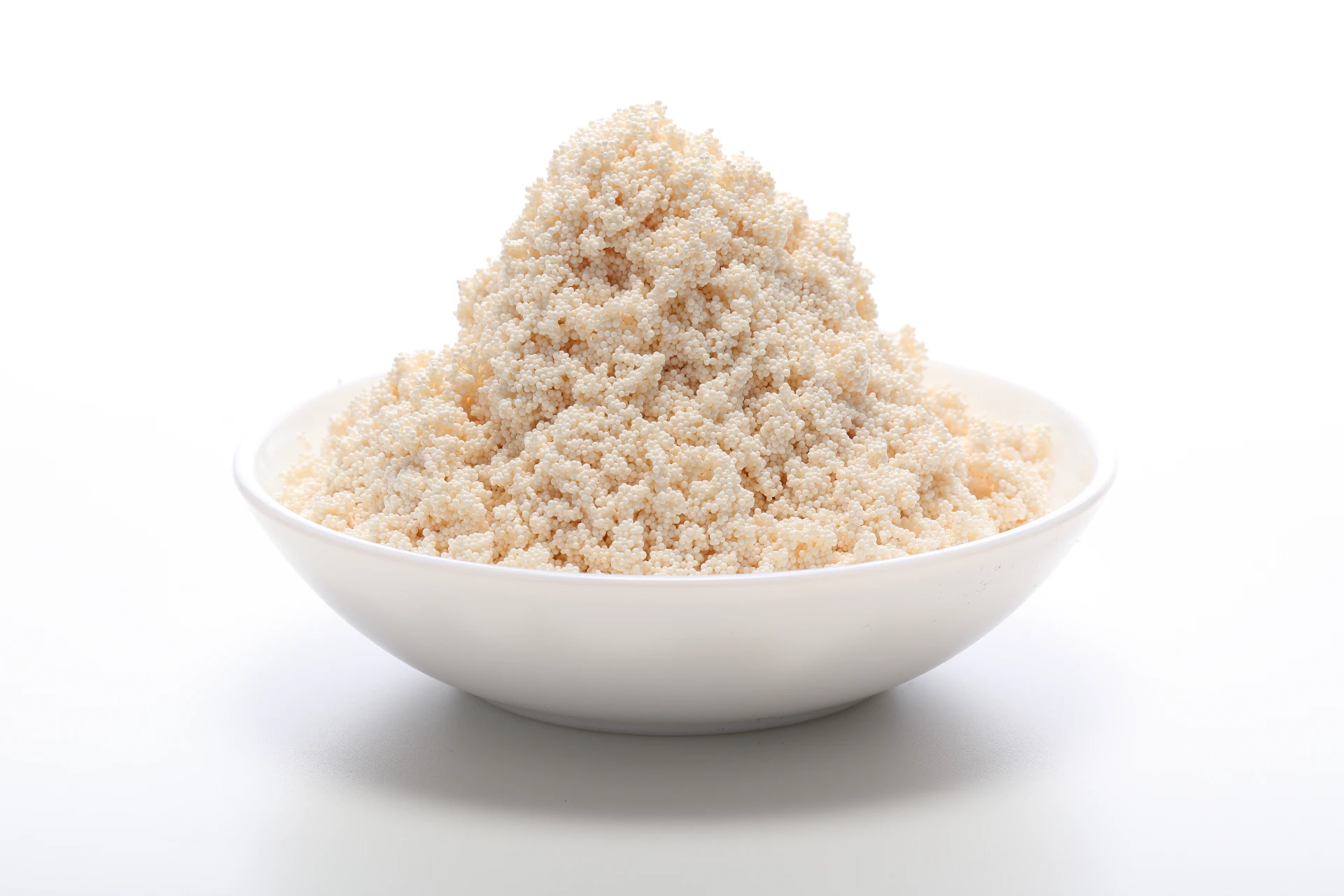
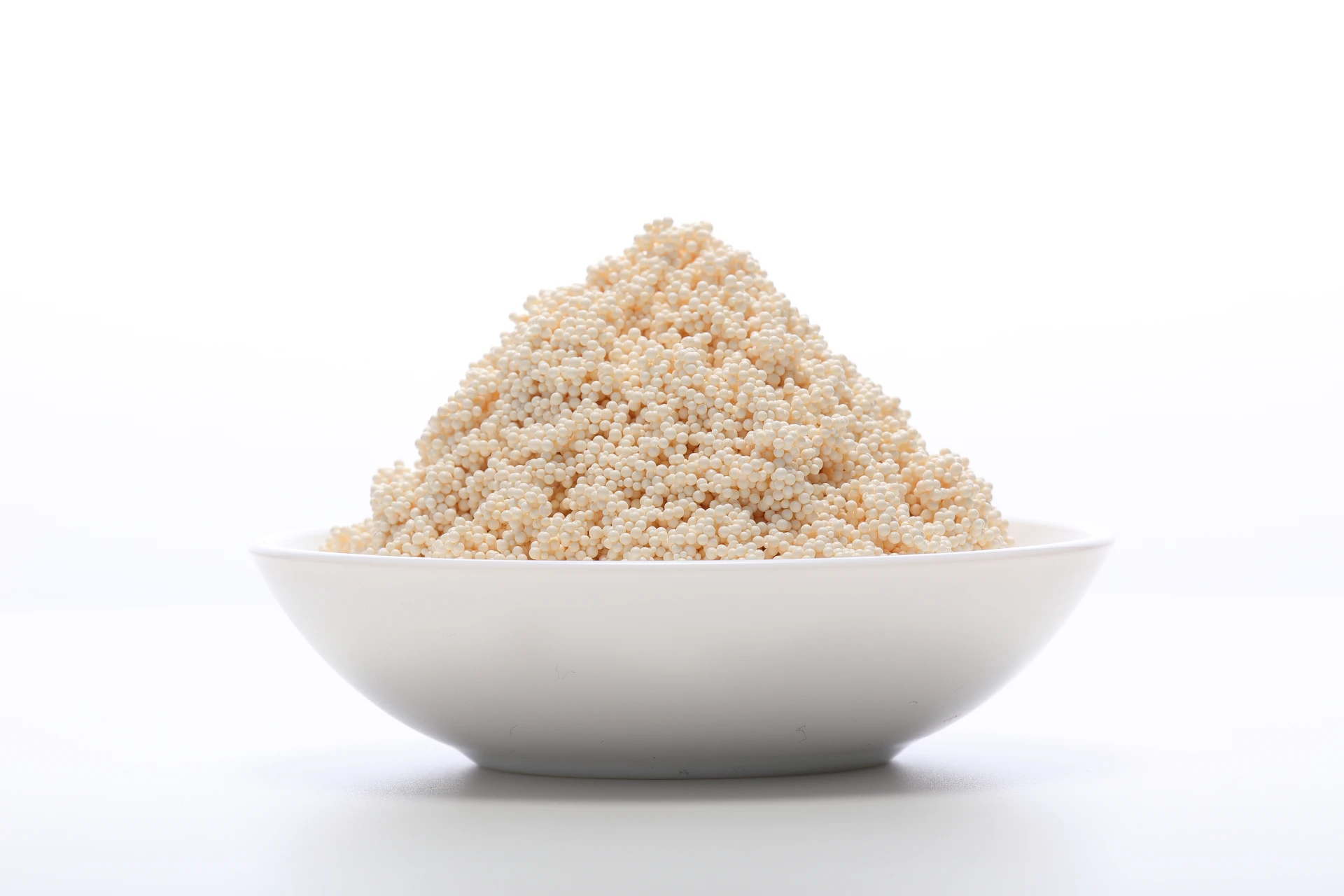
Advanced chelating resin Solutions for South Korea's High-Tech Industries

Precision-engineered ion exchange materials optimizing ultrapure water and metal recovery for South Korea's semiconductor and electronics sectors.

Advanced chelating resin Solutions for South Korea's High-Tech Industries

Delivering world-class water purification and selective ion removal technologies tailored for the rigorous standards of the South Korean manufacturing landscape.

Current Status of the Ion Exchange Industry in South Korea

Analyzing the demand for high-purity resins in Asia's leading tech hub.

South Korea's chemical manufacturing landscape is currently dominated by the extreme requirements of the semiconductor and display industries. The widespread use of ion exchange resin is no longer just about basic softening, but about achieving parts-per-trillion (ppt) purity levels to support fabrication plants in Gyeonggi-do and Pyeongtaek.

The region faces unique challenges due to its heavy industrial concentration along the coast, where seawater intrusion and complex mineral profiles in groundwater necessitate the use of highly selective special resin to prevent contamination in ultra-pure water (UPW) loops.

Furthermore, South Korea's strict environmental regulations regarding wastewater discharge have surged the demand for advanced metal recovery, pushing industries to shift from traditional precipitation to high-efficiency resins that can target specific heavy metals in complex industrial effluents.
Evolution and Trajectory of Resin Technology in South Korea

From basic water treatment to molecular-level precision.

Market Development History

During the 1980s and 1990s, the South Korean market focused primarily on industrial boiler feed water, utilizing basic strong acid and strong base resins for primary desalination.

By the early 2000s, the boom in the electronics sector triggered a transition toward mixed bed di resin technology, enabling the production of high-resistivity water essential for silicon wafer cleaning.

From 2015 to the present, there has been a strategic shift toward "selective separation," where materials like chelating types are employed to remove specific catalysts and impurities from pharmaceutical and chemical synthesis processes.

Future Development Trends

AI-Driven Resin Lifecycle Management

Integration of real-time sensors with resin bed monitoring to predict breakthrough times accurately in South Korean smart factories.

Sustainable Green-Chemistry Matrices

Moving toward biodegradable or recycled polymer bases to align with the "K-Green New Deal" environmental goals.

Ultra-Low Leakage Formulations

Development of resins with near-zero organic leaching to support the next generation of sub-3nm semiconductor nodes.

Industry Trends and Future Outlook for South Korea

Navigating the transition toward sustainable and ultra-precise chemical separation.

Ultra-Pure Water Evolution
Shift toward advanced bed resin configurations to meet the demands of 2nm semiconductor fabrication.
Circular Economy Integration
Increasing adoption of resins for critical mineral recovery from battery waste in the K-Battery ecosystem.
Selective Metal Capture
Enhanced use of specialty chelators to remove trace palladium and platinum in pharmaceutical synthesis.
Smart Water Management
Integrating resin beds into IoT-enabled water grids for reduced chemical consumption and waste.

Industry Outlook

The South Korean market is expected to witness a 4.5% CAGR in specialty resin demand over the next five years, driven by the expansion of the "K-Semiconductor Belt." The focus is shifting from volume to value, with an emphasis on resins that offer higher kinetic rates and longer operational life.

Google search trends in the region indicate a rising interest in "zero-liquid discharge" (ZLD) systems, which will necessitate more robust mixed bed di resin applications to maximize water recovery and minimize environmental footprint.

Localized Application Scenarios in South Korea

Real-world implementation of resin technology across key Korean sectors.

01. Semiconductor Ultrapure Water (UPW) Plants

Utilizing high-grade mixed bed systems to eliminate trace ions, ensuring the dielectric integrity of next-generation chips in Hwaseong and Icheon factories.

02. EV Battery Lithium Recovery

Deployment of selective chelating resins to extract high-purity lithium and cobalt from recycled battery slurries, supporting the circular economy in Ulsan.

03. Pharmaceutical Grade Water Purification

Application of specialized ion exchange resins to meet the strict Korea Food and Drug Administration (KFDA) standards for injectable water.

04. Industrial Wastewater De-metallization

Using heavy-metal specific resins to treat plating waste in the automotive parts industry, ensuring compliance with strict local discharge laws.

05. Power Plant Boiler Feedwater Treatment

Implementing large-scale resin beds to prevent scale and corrosion in nuclear and thermal power plants along the East Coast.

Brand Story

Global Development Journey of Hebei Lijian Biological Technology Co., Ltd.

Foundation of Excellence

Established with a vision to solve the most complex ion separation challenges in the chemical industry through rigorous R&D.

Technological Breakthrough

Developed proprietary polymerization techniques that significantly increased the exchange capacity and mechanical strength of our resins.

Global Market Expansion

Successfully entered the Asian market, providing customized resin solutions for the high-tech hubs of South Korea and Japan.

Commitment to Sustainability

Launched a series of eco-friendly resin products designed to reduce chemical regenerant waste in industrial water cycles.

Industry Leadership

Now recognized as a leading provider of high-performance resins, solving critical purity and recovery pain points for global manufacturers.

Complete Resin Portfolio for the South Korean Market

A comprehensive range of synthetic materials for every industrial purification need.

Frequently Asked Questions in South Korea

Expert answers to common technical queries regarding ion exchange materials.

How do I choose the right chelating resin for heavy metal removal in Korea?

Selection depends on the target ion and the background matrix. We recommend analyzing the competing ions in your wastewater to determine if an iminodiacetic acid or aminophosphonic functional group is more effective.

What is the typical lifespan of mixed bed di resin in semiconductor UPW systems?

Depending on the influent quality and flow rate, resins typically last 2-5 years. However, organic fouling can shorten this period, making pre-treatment with organic scavengers essential.

Can special resin be used for the recovery of rare earth elements?

Yes, our specialty resins are engineered with high selectivity for lanthanides and other rare earth metals, allowing for efficient separation and recovery from complex leachates.

How does temperature affect the performance of an ion exchange resin bed?

Increased temperature generally improves kinetics (faster exchange) but may decrease the equilibrium selectivity. It is critical to ensure the resin grade is thermally stable for your specific operating temperature.

What is the best way to regenerate a fouled chelating resin?

Regeneration usually involves a strong acid (HCl or H2SO4) to strip the metals, followed by a caustic wash (NaOH) to return the resin to its sodium form for optimal operation.

Are your resins compliant with South Korean environmental standards?

Absolutely. Our products are manufactured to meet international quality standards and are designed to help Korean industries meet their local environmental discharge and purity regulations.

Get Expert Technical Consultation

Optimize your water treatment and metal recovery processes with our high-performance resins tailored for South Korea.

Contact Us Now

If you are interested in our products, you can choose to leave your information here, and we will be in touch with you shortly.