Advanced Chelating Resin Solutions for South Sudan Industrial Water Treatment

High-performance ion exchange technology engineered to tackle the unique water chemistry challenges of South Sudan's manufacturing and mining sectors.

Advanced Chelating Resin Solutions for South Sudan Industrial Water Treatment

Providing specialized synthetic materials to optimize purification, metal recovery, and desalination processes across South Sudan's growing industrial landscape.

Current State of Resin Application in South Sudan

Analyzing the intersection of geological water profiles and industrial demand.

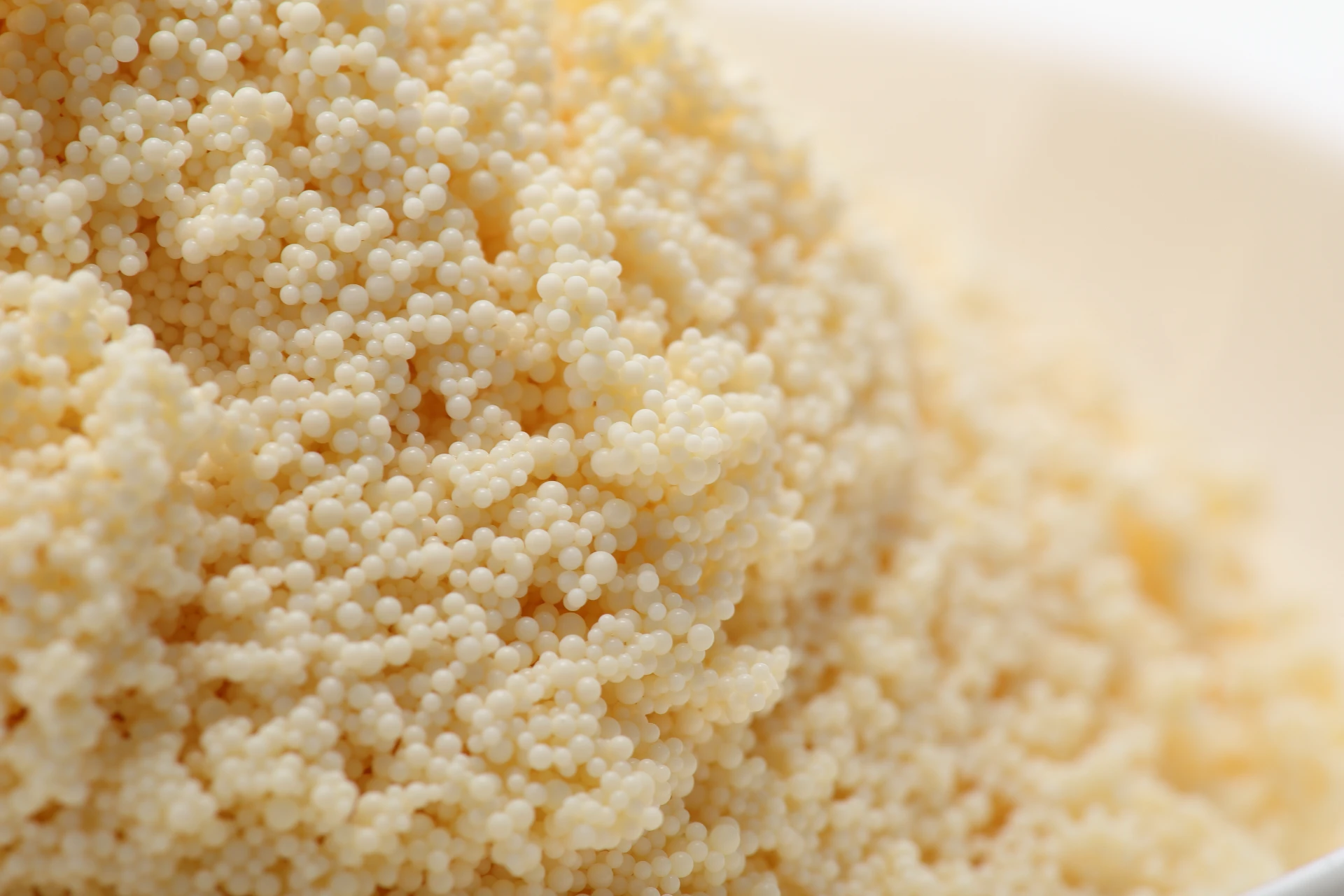
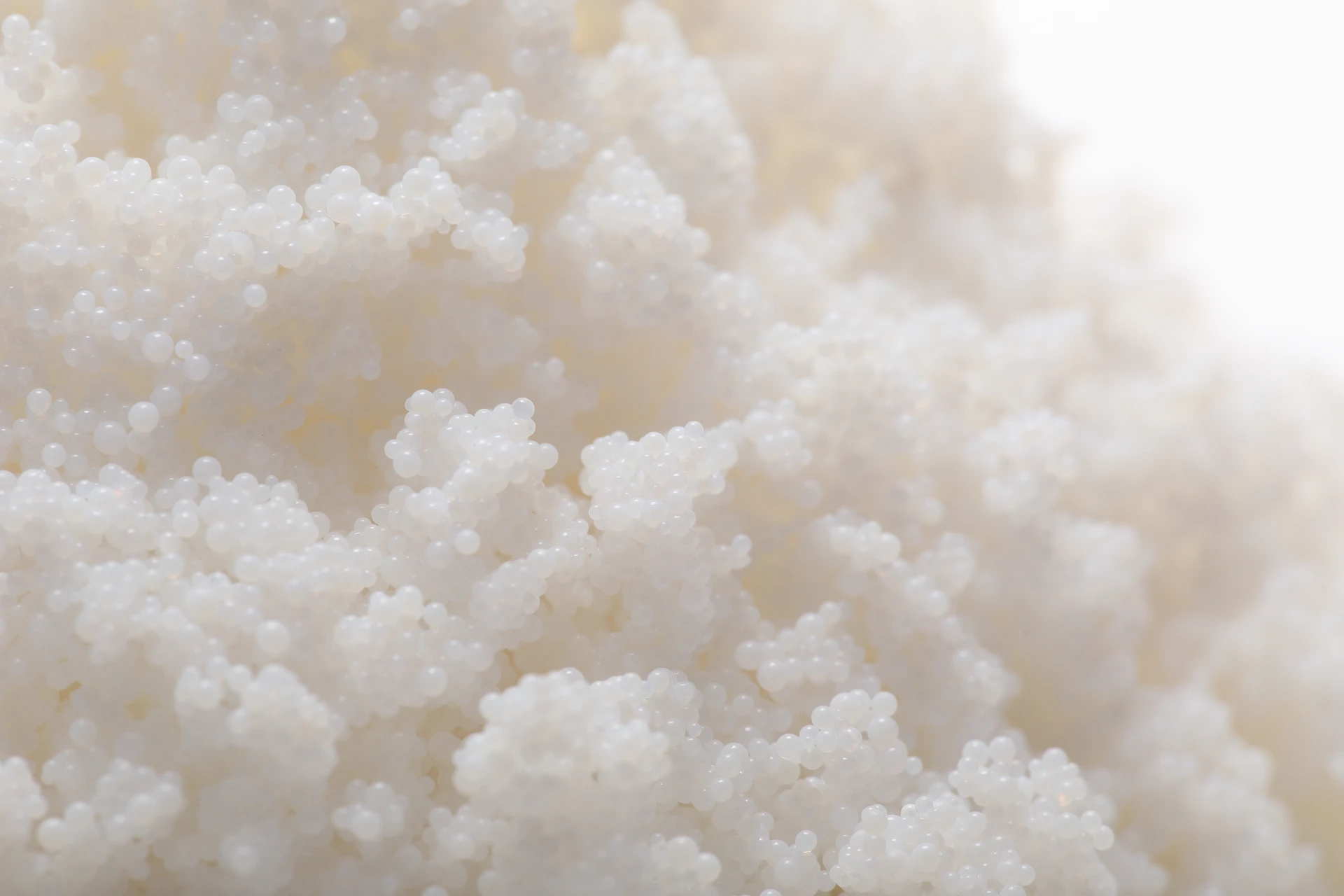
In South Sudan, the industrial sector faces significant challenges due to highly variable groundwater quality, often characterized by high turbidity and mineral content. The adoption of ion exchange resin has become critical for the oil and gas industry in the Upper Nile region, where boiler feed water must be ultra-pure to prevent scaling in extreme heat.

The local market is currently transitioning from basic filtration to advanced chemical synthesis. There is a growing reliance on bed resin systems to handle the high alkalinity found in the Sudd wetland regions, ensuring that industrial processes remain stable despite fluctuating raw water quality.

However, logistical constraints and the harsh tropical climate necessitate resins with high thermal stability and robust physical strength. The demand for specialized materials that can withstand frequent regeneration cycles is driving the shift toward higher-grade synthetic polymers.
Technical Evolution and Development Trajectory

From basic softening to high-selectivity molecular engineering.

Market Development History

During the early 2000s, water treatment in South Sudan relied primarily on rudimentary sand filtration and basic chemical precipitation, which were insufficient for the precision required by emerging chemical plants.

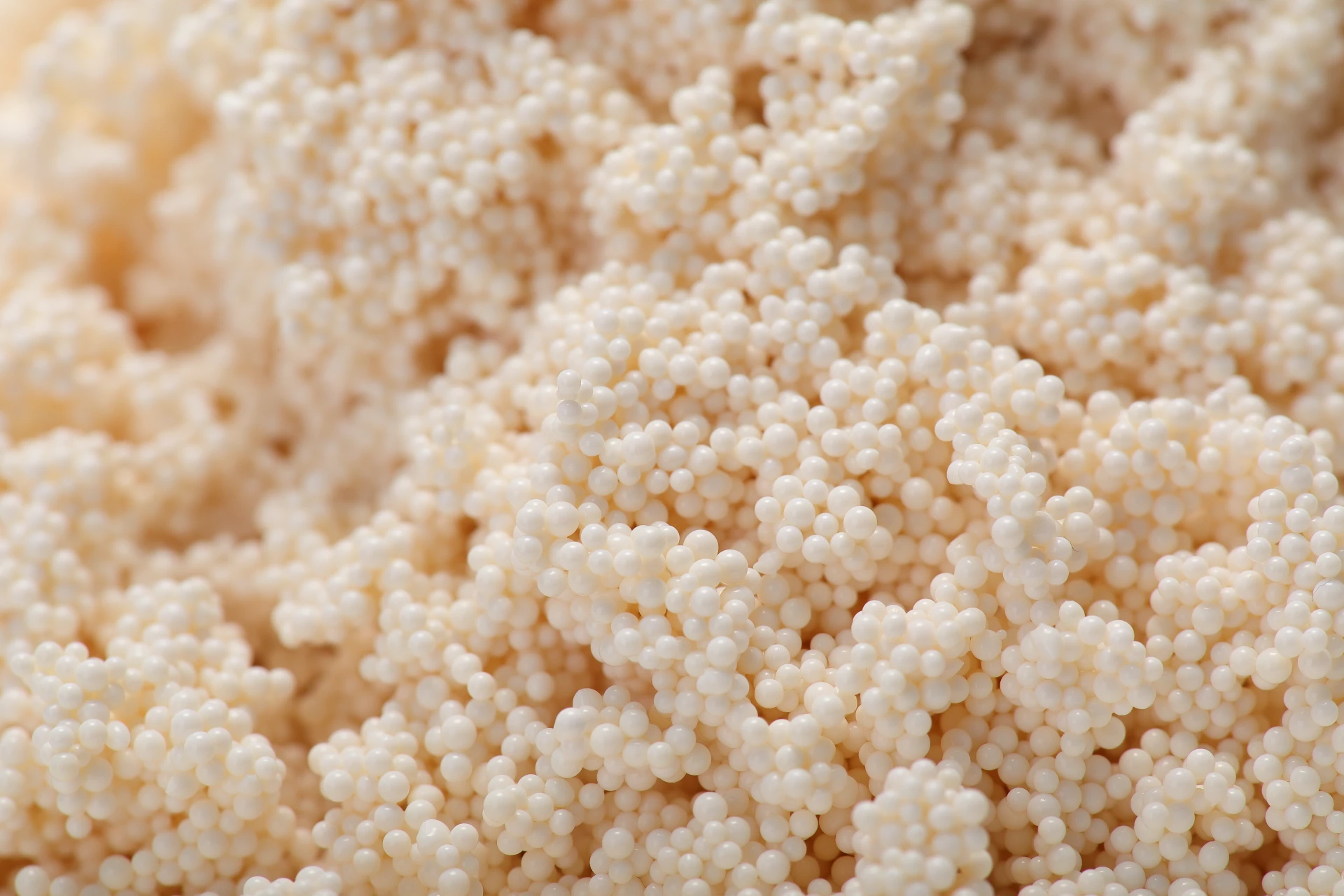
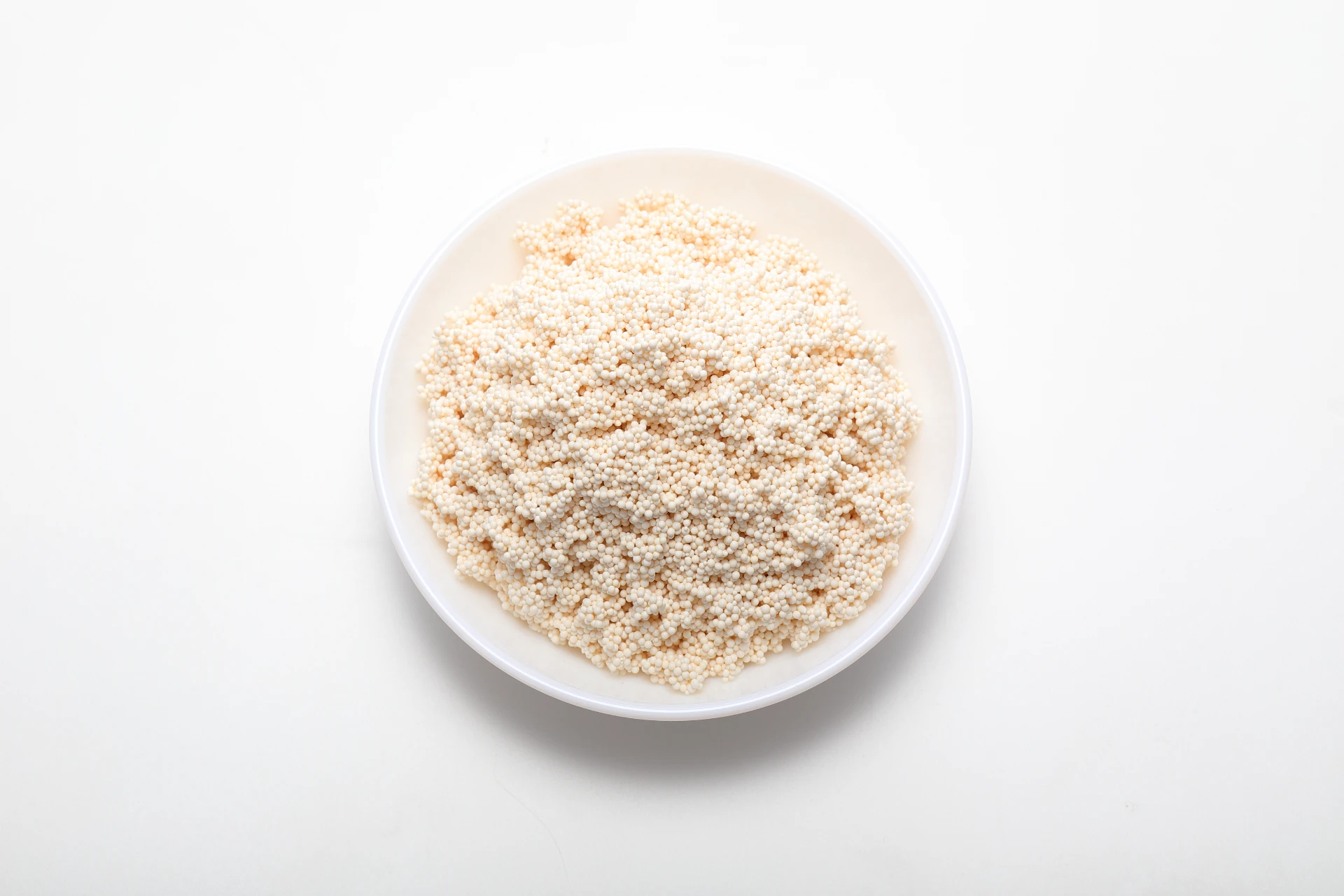
Between 2010 and 2020, the introduction of mixed bed di resin transformed the sector, allowing for the production of high-resistivity water necessary for the expansion of local power generation and refined oil processing.

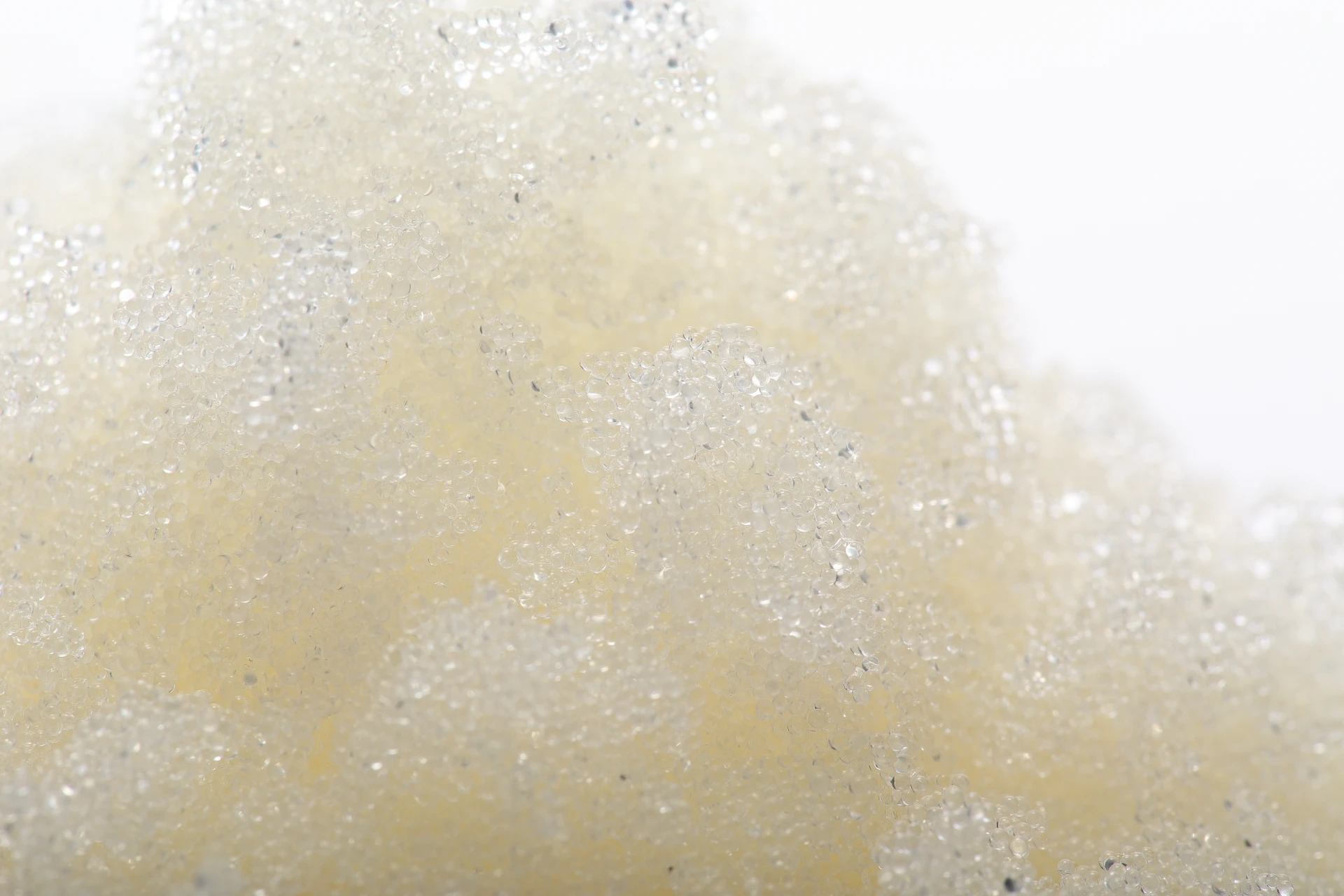
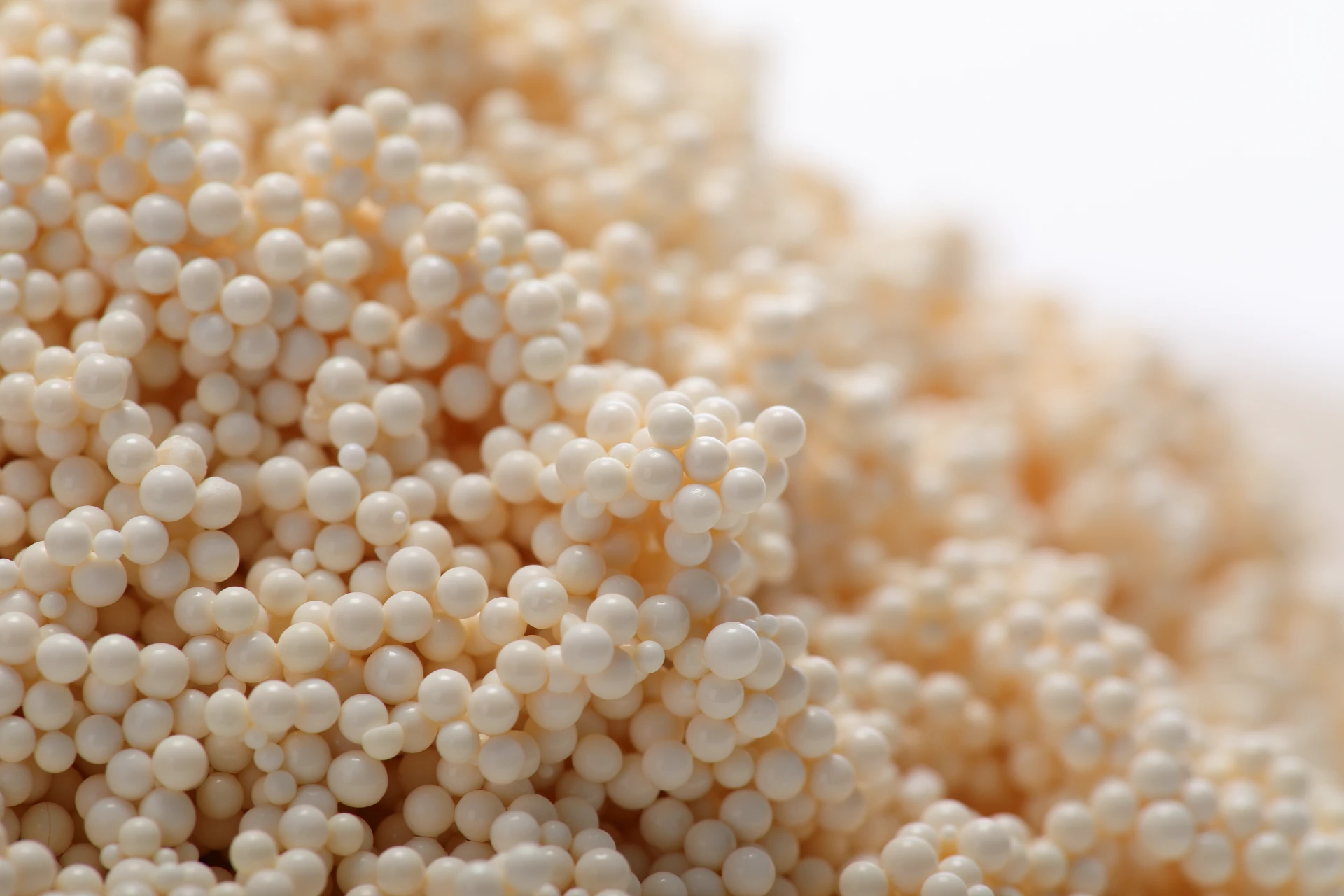
Entering the current decade, the focus has shifted toward "Specialty Selectivity." The implementation of special resin grades has enabled industries to target specific heavy metal contaminants, moving away from bulk removal to precision molecular separation.

Future Development Trends

Smart Regeneration Cycles

Integration of IoT sensors to optimize the regeneration of resins, reducing chemical waste in ecologically sensitive areas of the Nile basin.

Hyper-Selective Ligand Engineering

Development of resins with increased affinity for rare earth elements and specific toxic ions, enhancing the efficiency of mining operations.

Climate-Resilient Polymers

Engineering the polymer matrix to maintain structural integrity under the intense thermal fluctuations typical of the South Sudanese climate.

Industry Trends and Future Outlook

Strategic foresight for the synthetic materials market in East Africa.

Circular Economy Integration
Focusing on the recyclability of resin beads and reducing the carbon footprint of chemical manufacturing in South Sudan.
Modular Purification Units
Shift toward containerized resin systems for rapid deployment in remote mining and oil sites.
Advanced Desalination
Combining reverse osmosis with high-capacity resins to tackle brackish water in arid regions.
Digital Water Auditing
Using data analytics to predict resin exhaustion and optimize procurement for South Sudanese factories.

Industry Outlook

Based on Google search trends for industrial filtration in East Africa, we anticipate a 15% annual increase in demand for high-selectivity resins. As South Sudan rebuilds its infrastructure, the integration of sustainable water treatment technologies will be a primary driver for GDP growth in the manufacturing sector.

The future lies in the synergy between chemical engineering and digital monitoring, ensuring that the transition to modern industrialization is both efficient and environmentally responsible.

Localized Application Scenarios in South Sudan

Practical implementations across various critical sectors.

01. Oil Field Produced Water Treatment

Utilizing high-capacity resins to remove dissolved organics and heavy metals from produced water in the oil fields, ensuring environmental compliance before reinjection.

02. Potable Water Purification for Urban Centers

Implementing large-scale softening systems to treat hard groundwater in Juba, providing safe and scale-free water for residential and commercial use.

03. Mining Process Water Recovery

Using selective chelating agents to recover precious metals from leach solutions, significantly increasing the yield and profitability of mining operations.

04. Pharmaceutical Grade Water Production

Applying polishing systems to produce ultra-pure water (UPW) for local clinics and pharmaceutical compounding labs through advanced deionization.

05. Agricultural Irrigation Optimization

Reducing sodium levels in irrigation water to prevent soil salinization in the fertile regions along the White Nile.

Brand Story

Global Development Journey of Hebei Lijian Biological Technology Co., Ltd.

Founding Vision

Established with the mission to bridge the gap between complex polymer chemistry and practical industrial application, solving the core pain point of resin degradation.

Technical Breakthrough

Developed a proprietary cross-linking technology that enhanced the osmotic shock resistance of our synthetic resins, extending service life by 30%.

Global Expansion

Expanded our footprint into the African market, tailoring chemical specifications to meet the unique groundwater profiles of diverse geographic regions.

Sustainability Pivot

Launched a series of eco-friendly, biodegradable resin precursors to minimize the environmental impact of industrial water treatment.

Future Frontier

Currently investing in AI-driven molecular modeling to create the next generation of hyper-selective resins for the global green energy transition.

Comprehensive Resin Portfolio for South Sudan

A full suite of synthetic materials designed for extreme environments and rigorous industrial standards.

Common Questions for Resin Applications in South Sudan

Expert answers to technical challenges in the local manufacturing sector.

How to choose the right ion exchange resin for high-alkalinity water in South Sudan?

For high-alkalinity water, we recommend a strong acid cation resin in the sodium form for softening, followed by a strong base anion resin to remove bicarbonate and sulfate ions effectively.

What is the expected lifespan of a mixed bed di resin in an oil refinery setting?

Depending on the influent water quality and regeneration frequency, a high-grade mixed bed system typically lasts 3-5 years before requiring partial or full resin replacement.

Can chelating resin be used for the recovery of heavy metals from mining tailings?

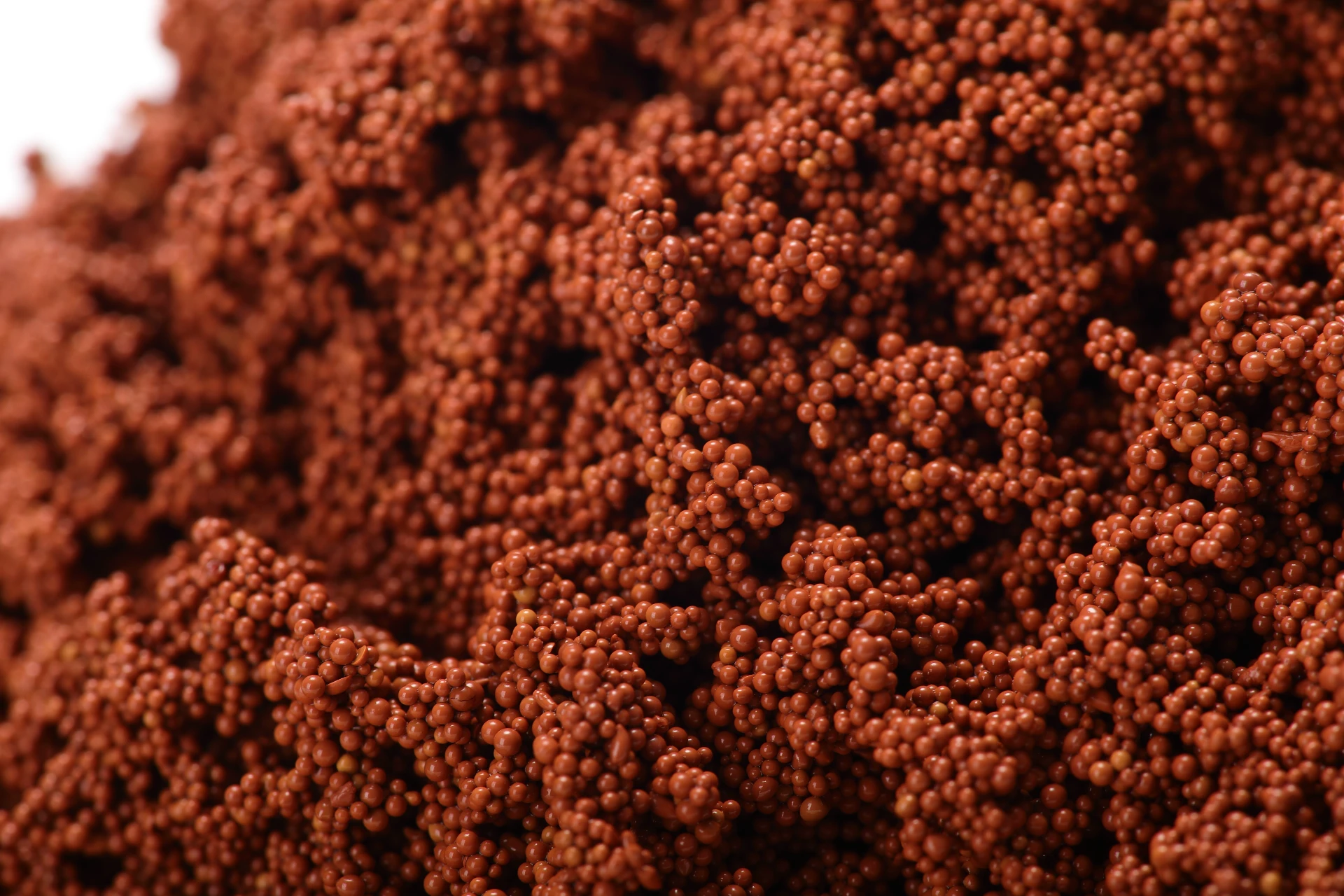
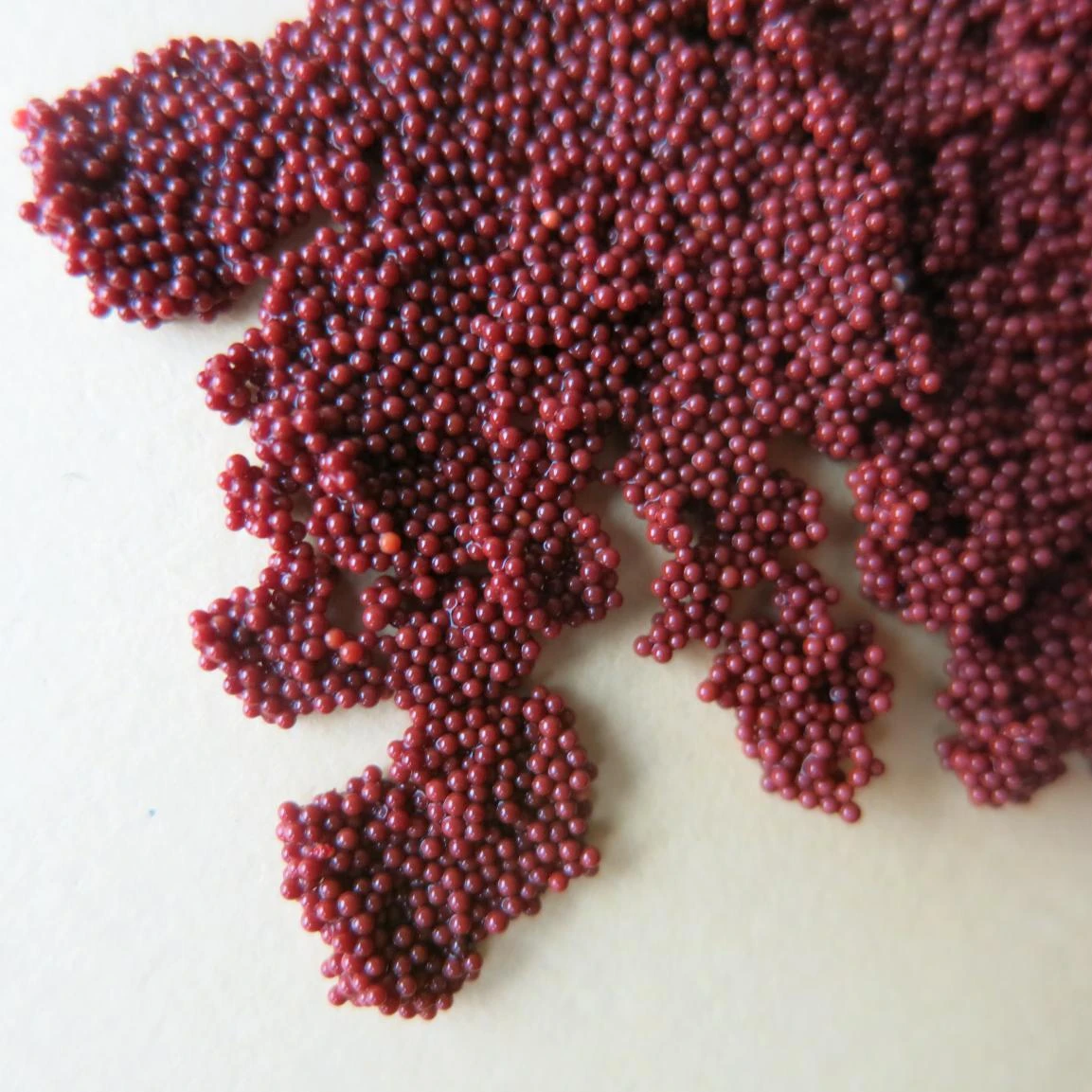
Yes, chelating resins are specifically designed with functional groups (like iminodiacetic acid) that have a high affinity for transition metals, making them ideal for tailings recovery.

How do I prevent organic fouling of my bed resin in wetland areas?

We suggest installing a macro-reticular organic scavenger resin as a pretreatment step to remove humic and fulvic acids before the water reaches the primary softening bed.

Which special resin is best for removing boron from groundwater?

A boron-selective resin with N-methylglucamine functional groups is the industry standard for targeting boron without removing other essential minerals.

What are the shipping requirements for large quantities of resin to South Sudan?

Resins should be shipped in UV-protected, moisture-proof bags within reinforced pallets to prevent contamination and physical crushing during transit via Mombasa or Port Sudan.

Ready to Optimize Your Water Treatment?

Get professional technical consultation for your synthesis material needs in South Sudan.

Contact Us Now

If you are interested in our products, you can choose to leave your information here, and we will be in touch with you shortly.