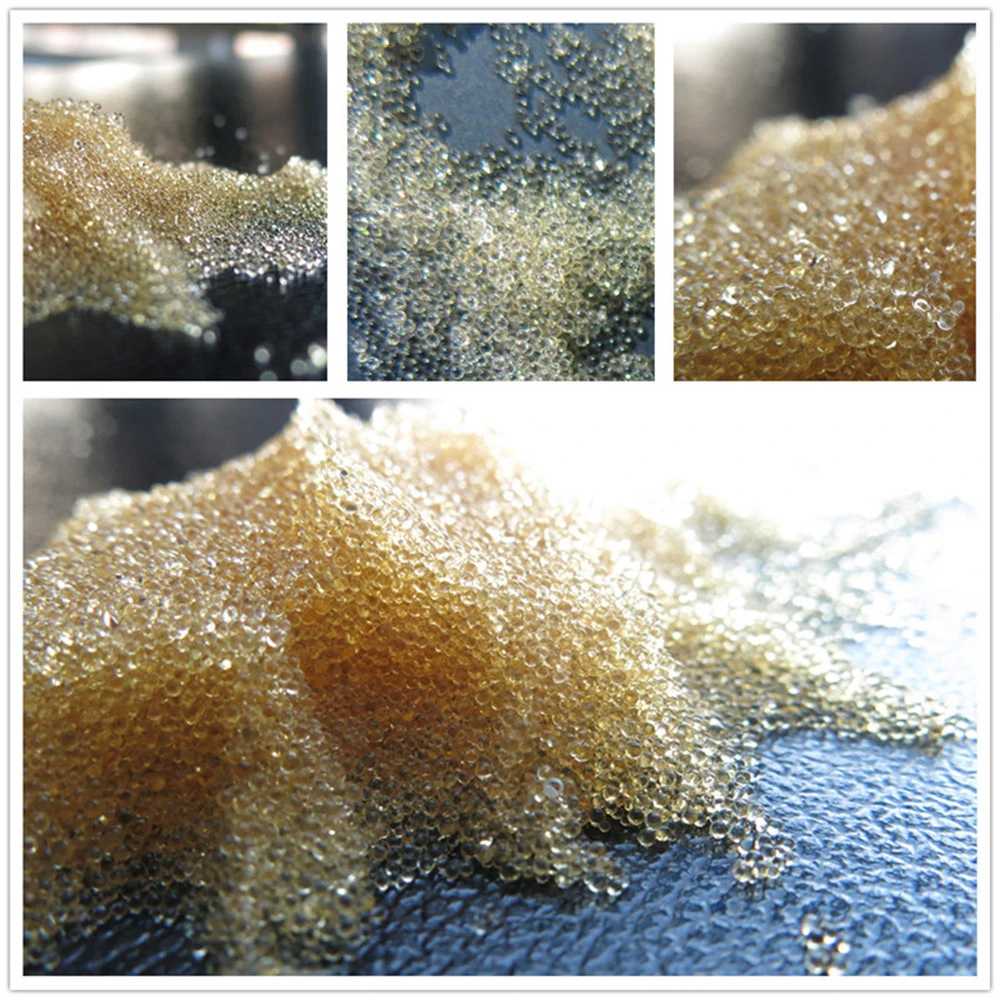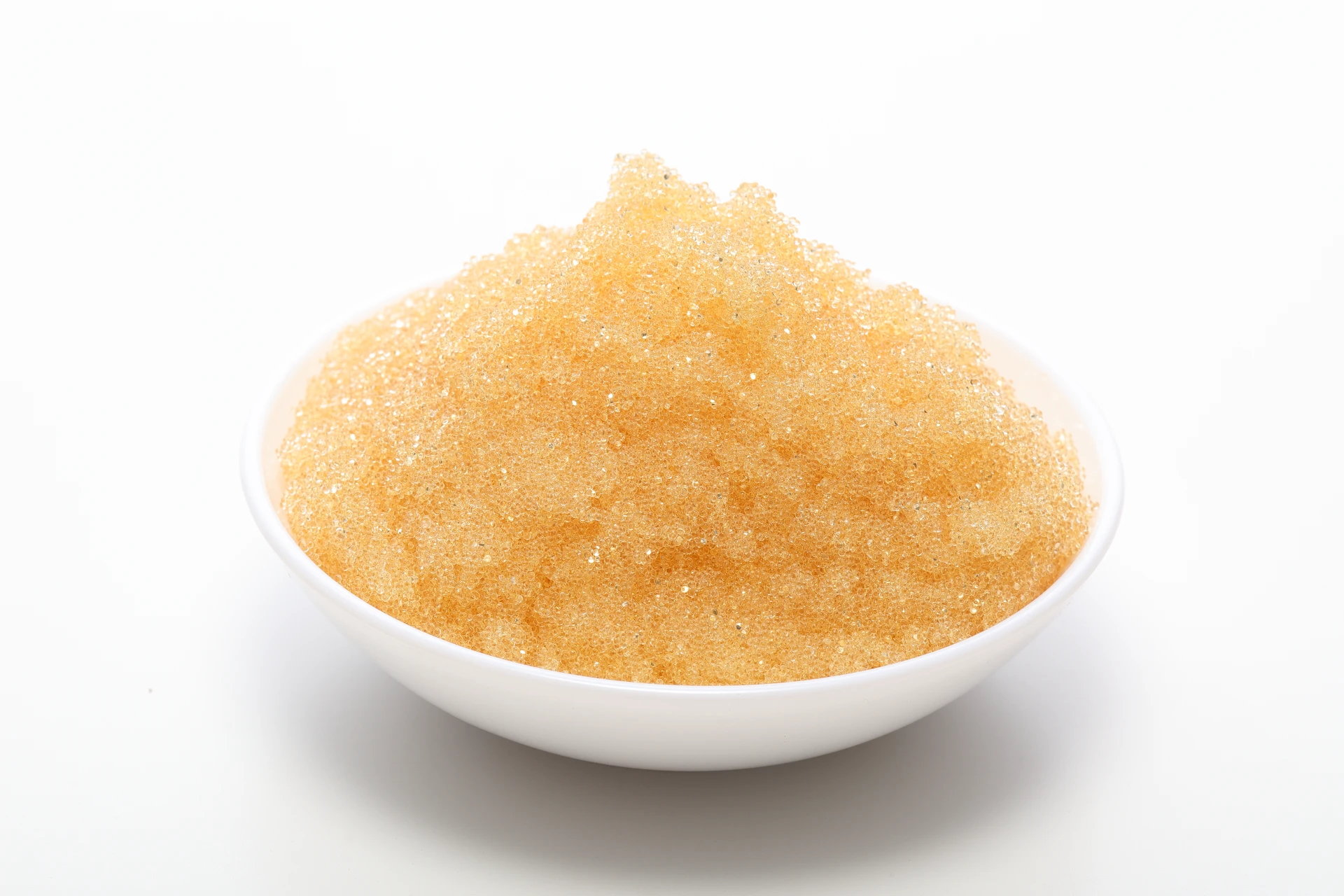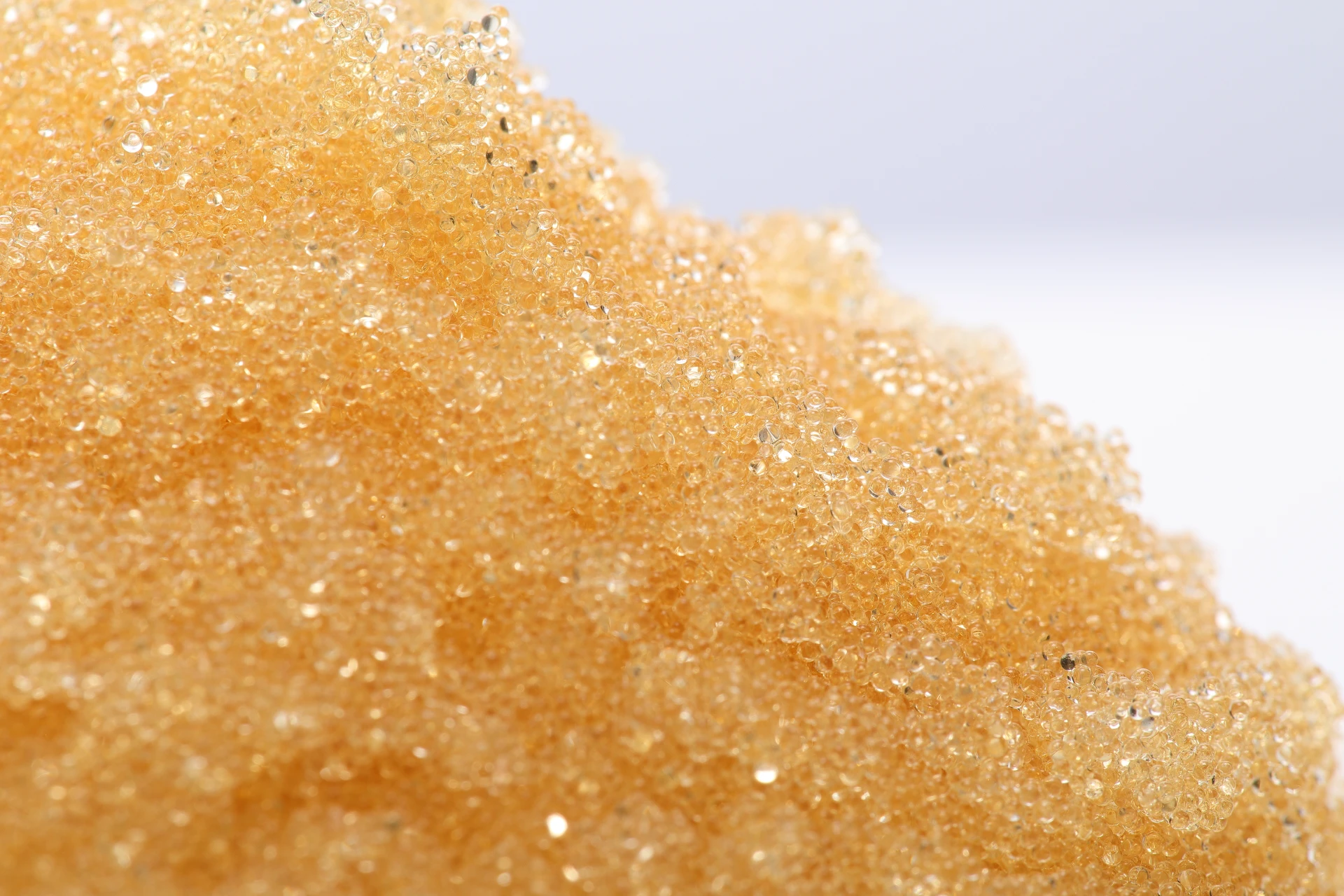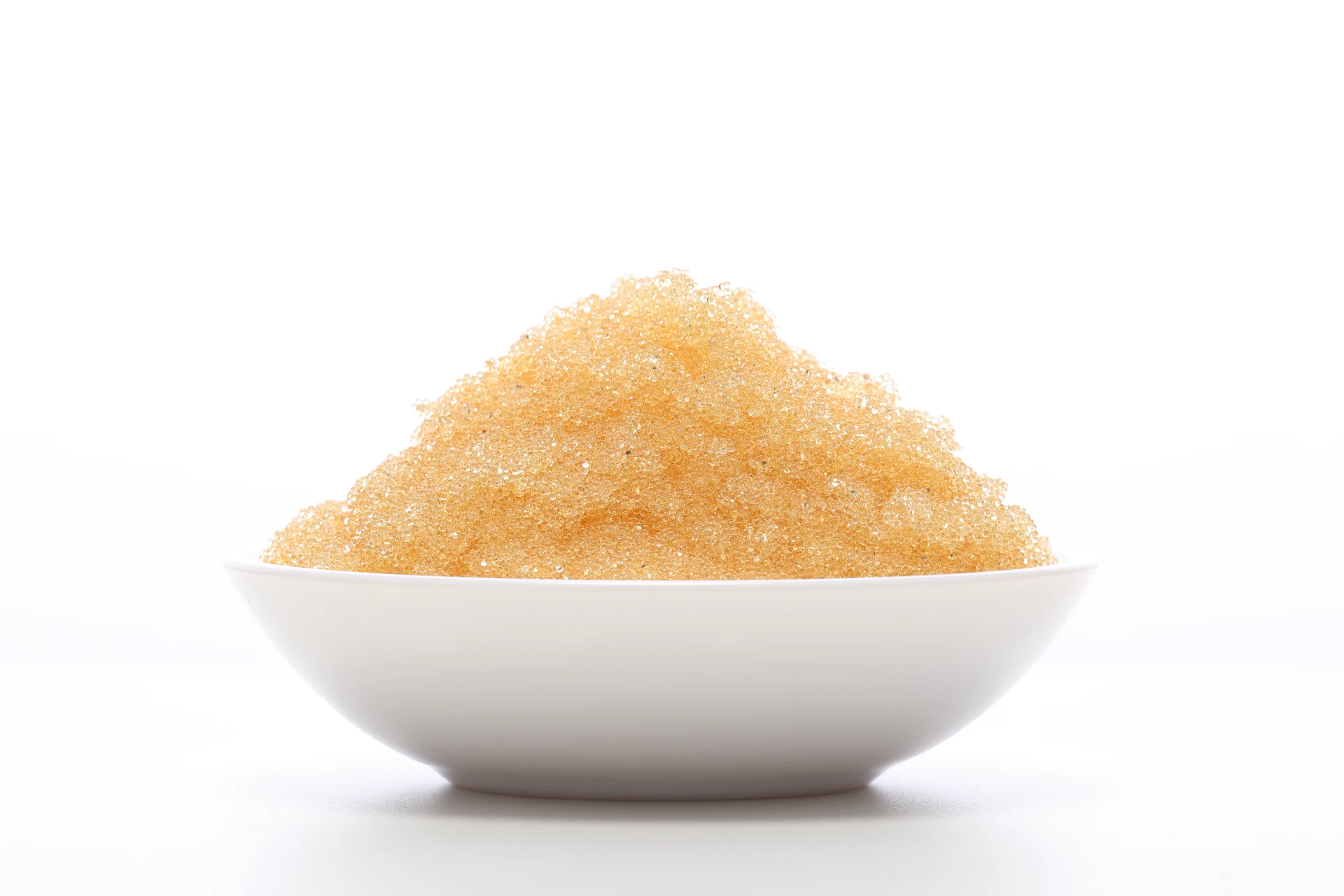
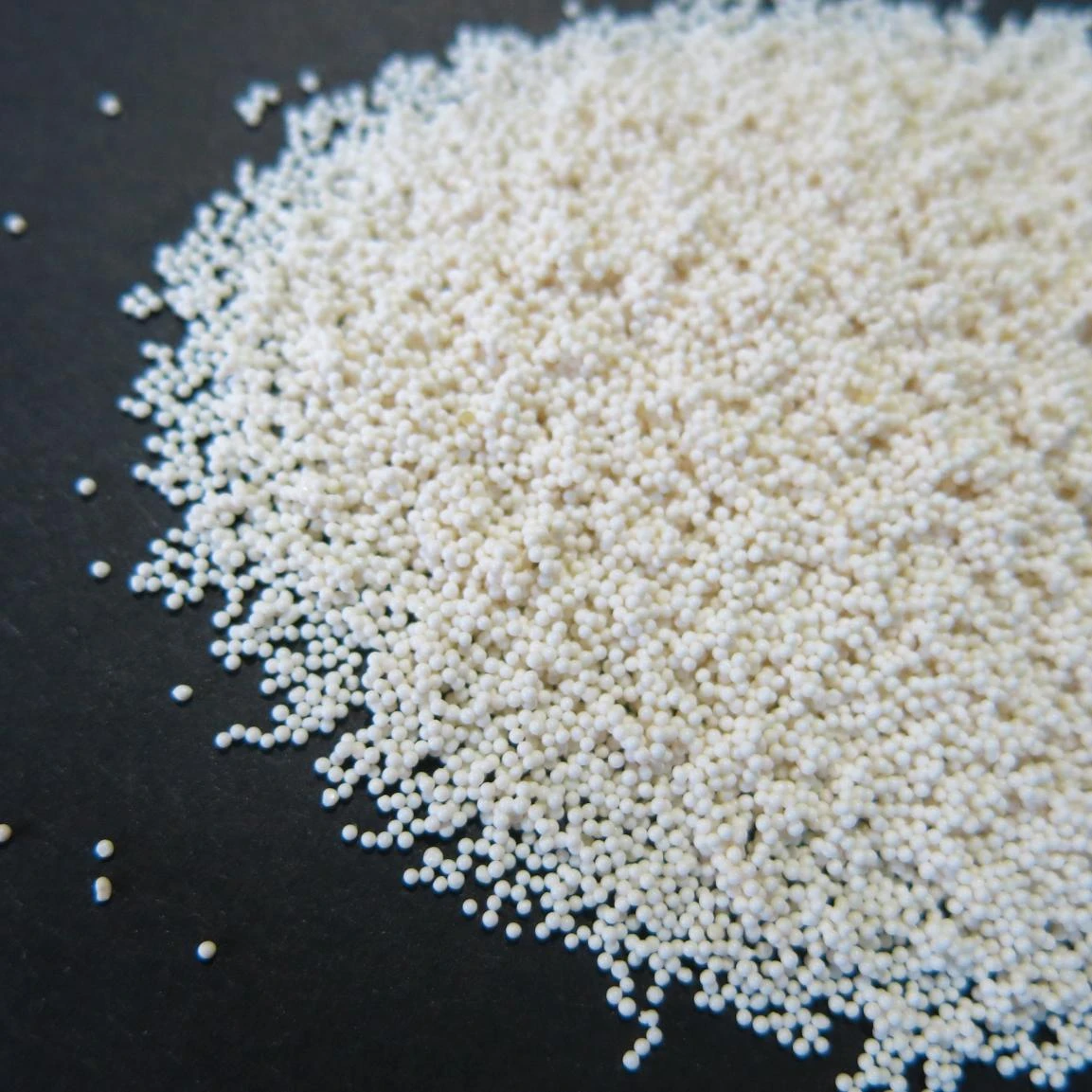
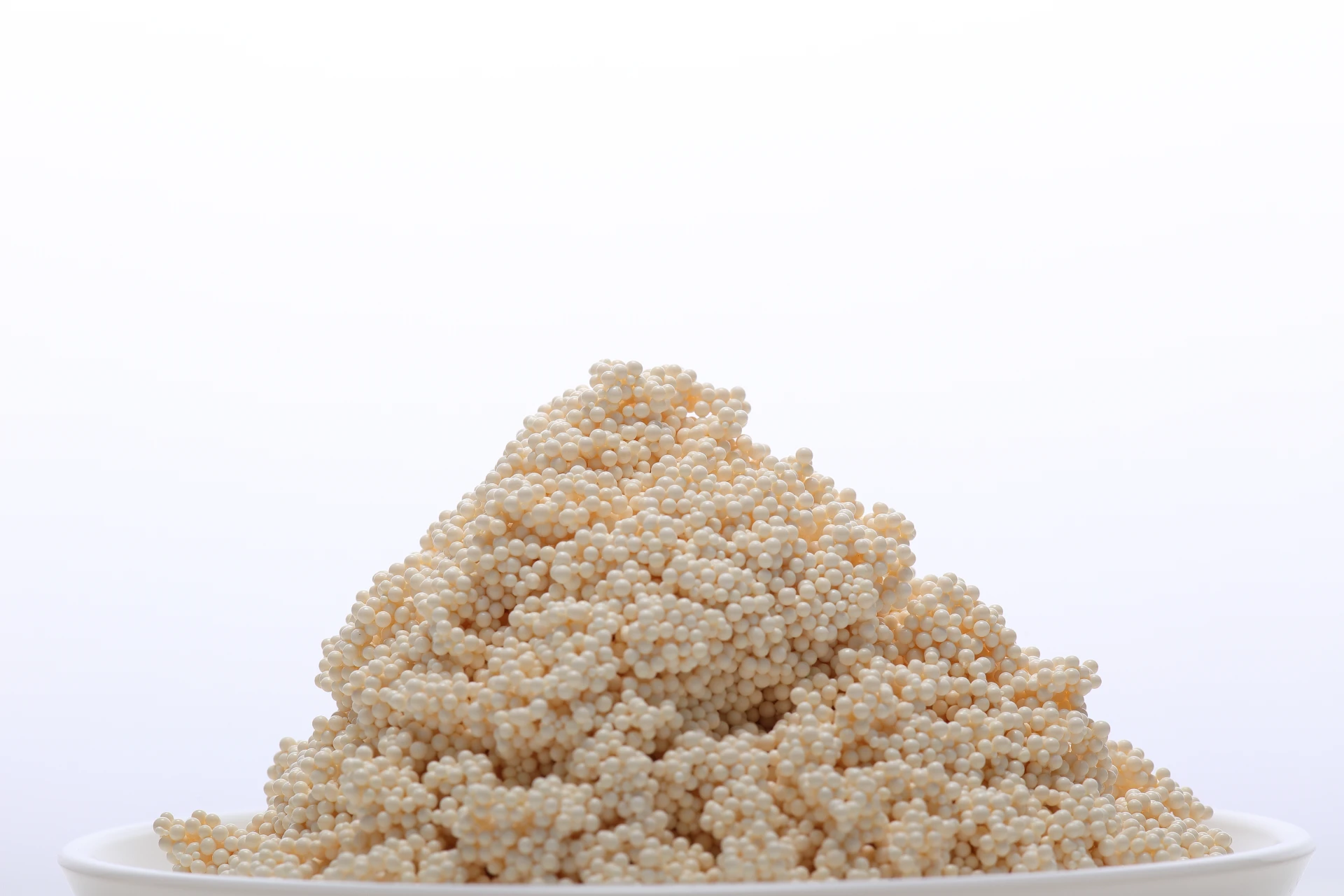
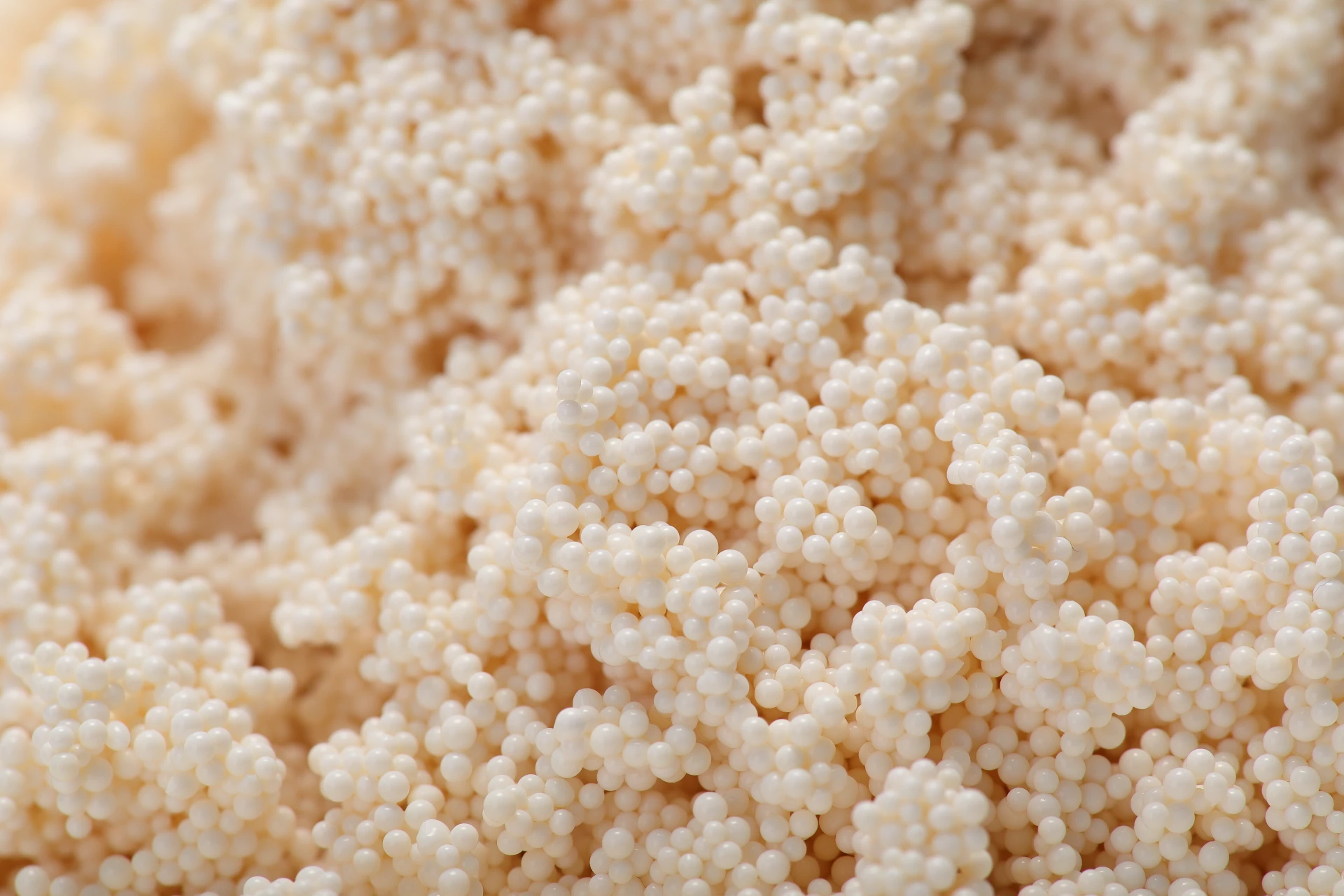
Sri Lanka's industrial sector, particularly in tea processing and textile manufacturing, faces significant challenges due to varied groundwater salinity and high mineral content. The demand for high-quality ion exchange resin has surged as local factories strive to meet international export standards for water purity.
Due to the humid tropical climate and coastal geography, equipment corrosion is a critical issue. This has led to an increased adoption of specialized bed resin systems that can withstand aggressive chemical regeneration cycles while maintaining high selectivity for heavy metal removal.
Economic shifts toward sustainable manufacturing in Colombo and Gampaha have pushed industries to transition from basic filtration to advanced ion-selective processes, ensuring that wastewater treatment aligns with the Central Environmental Authority (CEA) regulations.