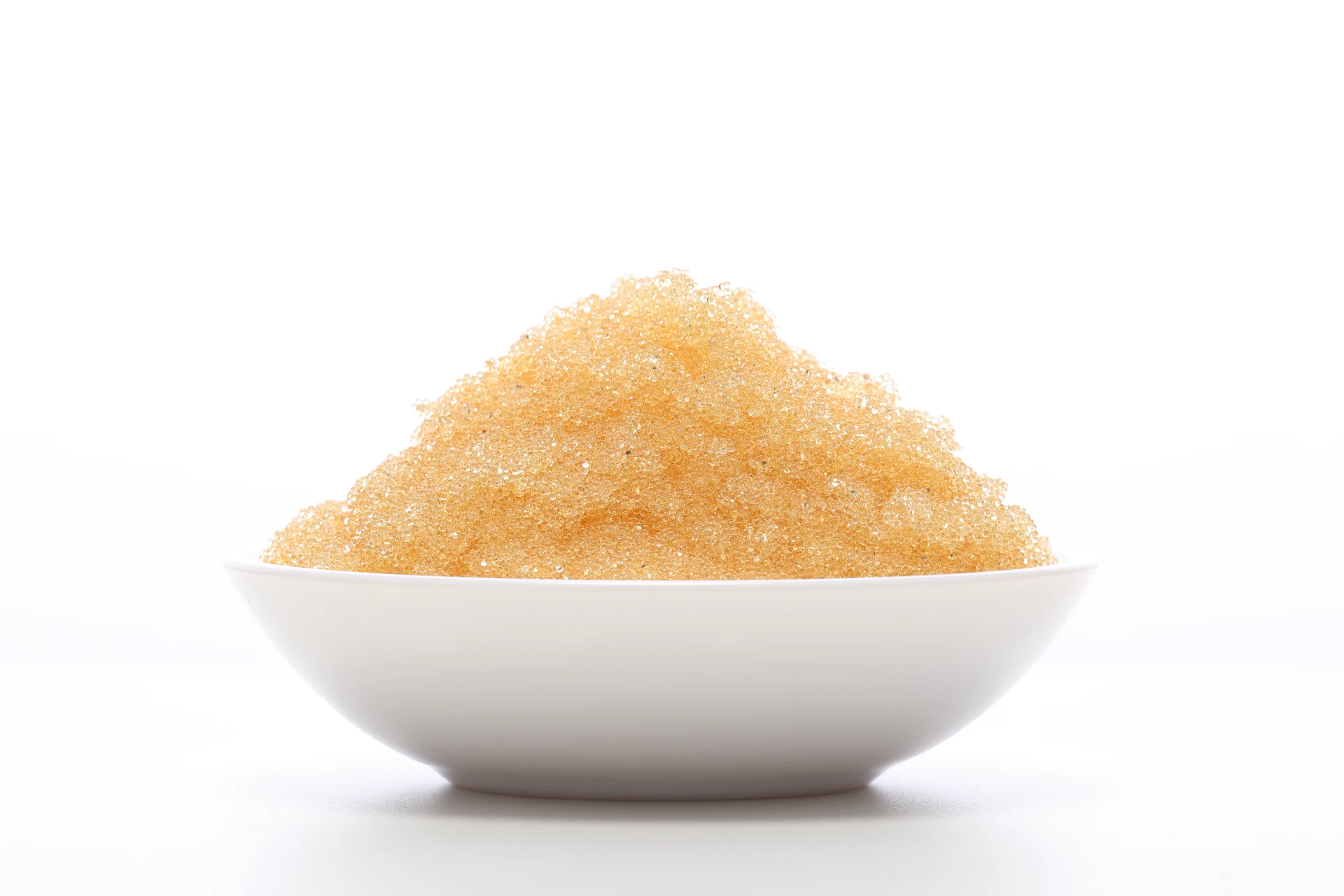
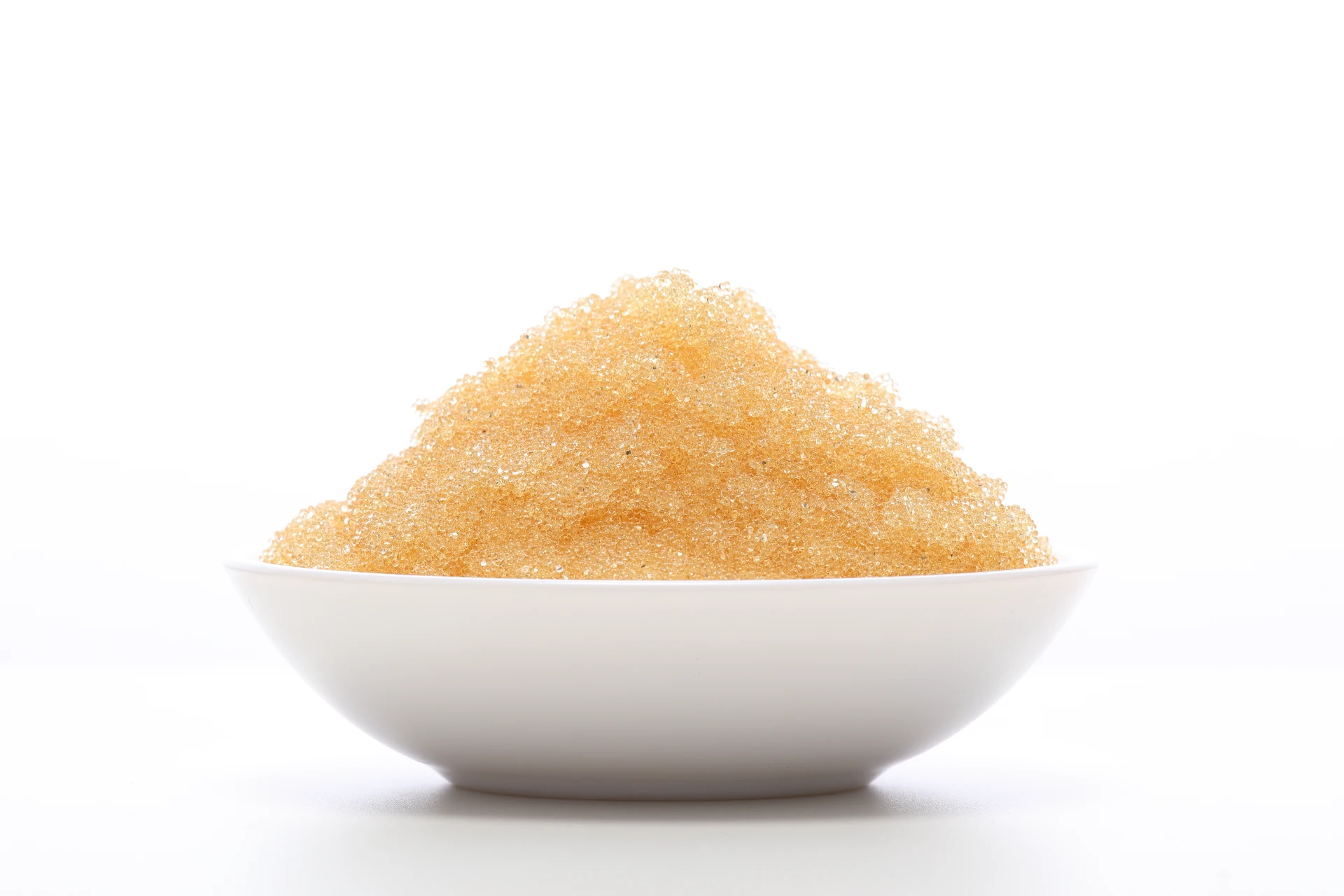
Advanced chelating resin Solutions for Swedish Industrial Water Treatment

Providing high-performance ion exchange technology tailored for Sweden's stringent environmental regulations and industrial purity standards.

Advanced chelating resin Solutions for Swedish Industrial Water Treatment

Our comprehensive range of synthetic resins is engineered to handle the specific mineral compositions of Scandinavian water sources, ensuring maximum efficiency in metal recovery and purification.

Current State of Ion Exchange Technology in Sweden

Analyzing the synergy between Swedish environmental policy and chemical manufacturing.

Sweden is recognized globally for its leadership in sustainability and "Green Chemistry." In the realm of water treatment, there is an intense demand for ion exchange resin that minimizes chemical waste while maximizing the recovery of precious metals from industrial streams, aligning with the circular economy goals of the Nordic region.

The local industrial landscape, characterized by heavy mining and pulp and paper production, requires highly durable bed resin systems. These systems must withstand the fluctuating temperatures of the Swedish climate and the specific organic load found in boreal forest-based industrial effluents.

Moreover, Swedish regulations regarding wastewater discharge are among the strictest in Europe. This has pushed the market toward adopting special resin grades that can target trace pollutants and heavy metals with surgical precision, ensuring compliance with EU and local environmental directives.
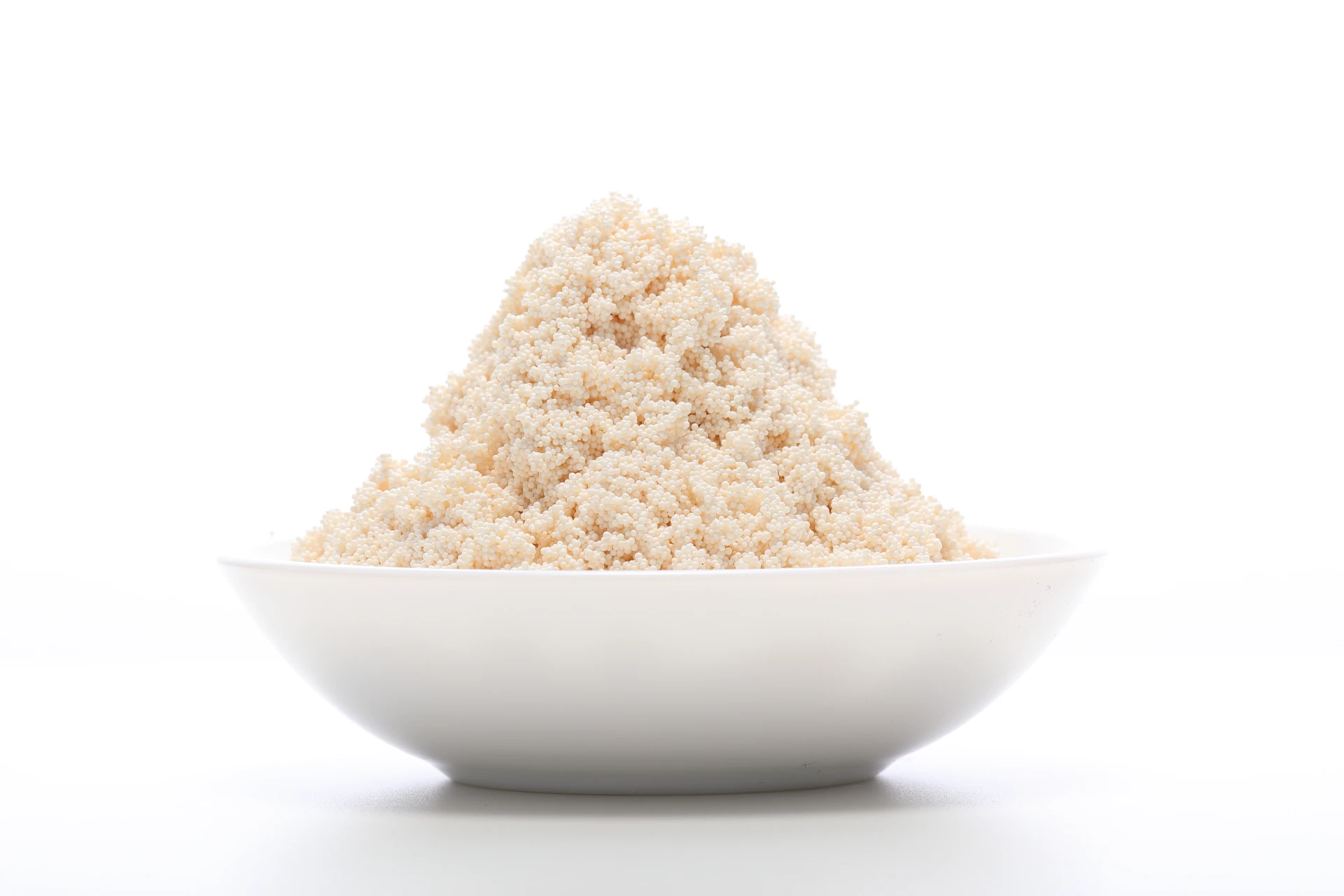
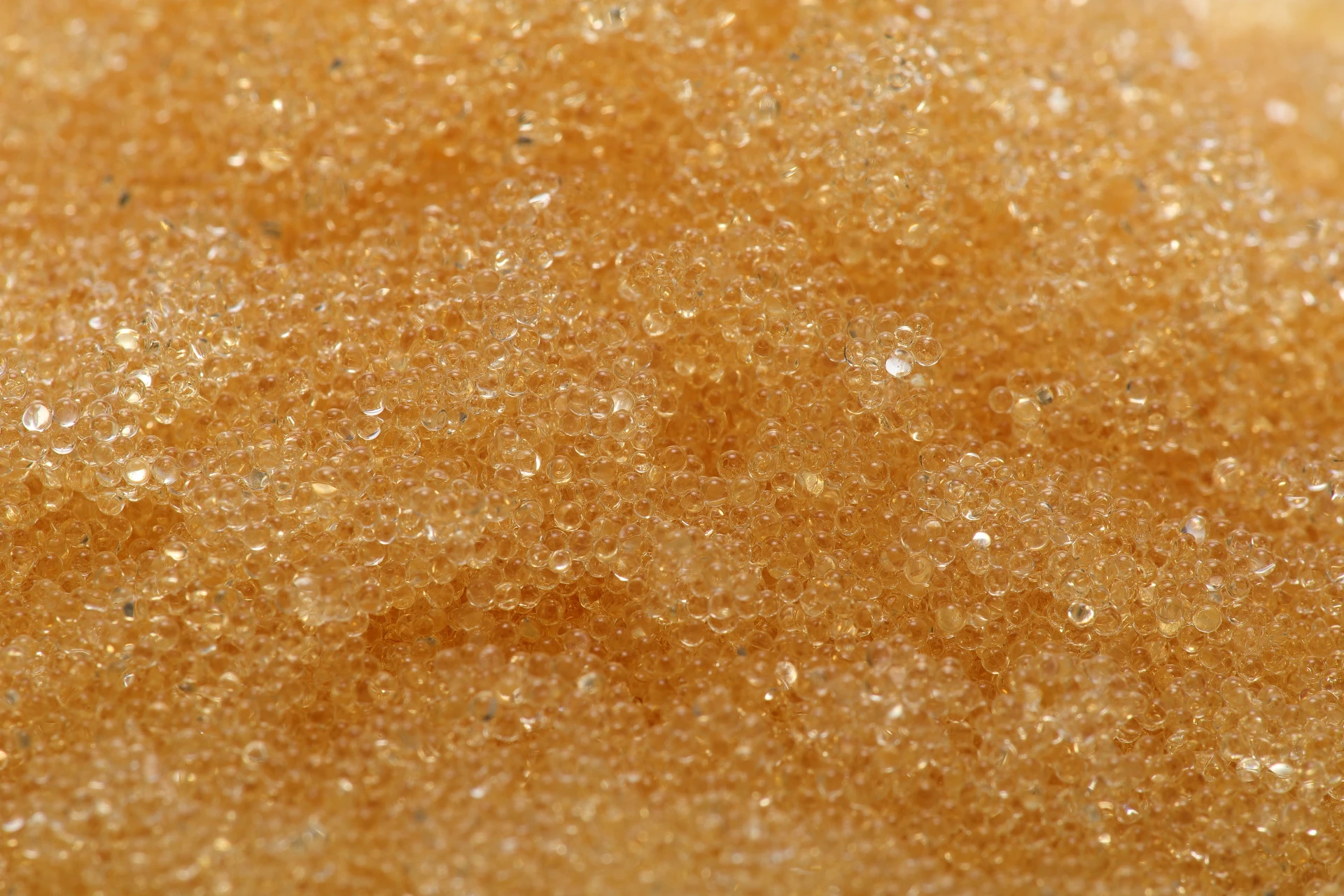
Evolution and Trajectory of Resin Synthesis in Sweden

From basic softening to advanced selective separation technology.

Market Development History

In the early 1980s, the Swedish market relied heavily on basic strong acid and base resins for simple water softening and pH adjustment in municipal water works.

By the late 1990s and early 2000s, the shift toward high-purity electronics and pharmaceutical manufacturing in the region led to the widespread adoption of mixed bed di resin to achieve ultra-low conductivity water.

Since 2010, the focus has transitioned toward "selectivity." The development of functionalized polymers has allowed for the precise removal of specific ions, reducing the frequency of regeneration and lowering the overall carbon footprint of industrial plants.

Future Development Trends

Biodegradable Polymer Matrices

Integration of bio-based precursors into resin synthesis to reduce reliance on petroleum-based styrene-divinylbenzene matrices.

AI-Driven Regeneration Cycles

Implementing smart sensors and AI to predict the exhaustion of bed resin, optimizing chemical usage and reducing wastewater.

Extreme Selectivity for Rare Earths

Developing advanced chelating agents specifically for the recovery of critical raw materials from mining tailings, supporting Sweden's strategic mineral independence.

Industry Trends and Future Outlook

Navigating the future of synthetic materials in Northern Europe.

Zero-Liquid Discharge (ZLD)
Integration of high-capacity resins to enable closed-loop water systems, eliminating industrial discharge into Swedish Baltic waters.
Digital Twin Monitoring
Using real-time data to simulate resin degradation and breakthrough curves for predictive maintenance.
Energy-Efficient Regeneration
Development of resins that require milder regenerants, reducing the energy needed for chemical heating.
Circular Material Recovery
Focusing on resins that enable the extraction of lithium and cobalt from recycled batteries.

Industry Outlook

Based on current search trends in the EU, there is a significant increase in queries related to "sustainable water purification" and "selective ion removal." This suggests that the Swedish market is moving away from general-purpose resins toward highly specialized chemical tools.

We anticipate that within the next 3-5 years, the integration of nano-composite materials into special resin will allow for the removal of micropollutants like PFAS, which is a critical environmental priority for the Swedish government.

Localized Application Scenarios in Sweden

Practical implementation of resin technology across Swedish key sectors.

01. Mining Tailings Purification in Kiruna

Using high-selectivity chelating resin to recover rare earth elements and eliminate heavy metal contamination from mining runoff in Northern Sweden.

02. Ultrapure Water for Stockholm Biotech Hubs

Implementing multi-stage mixed bed di resin systems to provide ASTM Type I water for pharmaceutical research and genomic sequencing labs.

03. Pulp and Paper Effluent Treatment

Applying robust bed resin configurations to remove lignin derivatives and organic acids, ensuring discharge water meets Baltic Sea protection standards.

04. Municipal Desalination and Softening

Customized ion exchange resin installations for coastal municipalities to handle brackish water and reduce scale in urban heating networks.

05. Specialized Chemical Synthesis Purification

Utilizing special resin for the catalytic purification of organic solvents in Sweden's advanced chemical manufacturing plants.

Brand Story

Global Development History of Hebei Lijiang Biotech Co., Ltd.

Foundation and Vision

Established with a mission to solve the most complex separation challenges, focusing on the molecular engineering of synthetic resins for industrial purity.

Technical Breakthroughs

Developed proprietary cross-linking technologies that significantly increased the physical stability and lifespan of resins in harsh chemical environments.

Global Expansion

Expanded our footprint into the European market, adapting our product lines to meet the strict REACH and environmental standards of Sweden and Germany.

Commitment to Sustainability

Pioneered the "Green Resin" initiative, focusing on reducing the chemical intensity of regeneration processes to protect global water resources.

Industry Leadership

Now recognized as a trusted partner for Fortune 500 companies in the chemical and pharmaceutical sectors, providing end-to-end resin solutions.

Full Product Portfolio for the Swedish Market

From standard softening grades to ultra-selective chelating polymers.

Frequently Asked Questions in Sweden

Expert answers to common technical queries regarding resin applications.

How does Swedish water hardness affect ion exchange resin lifespan?

The mineral composition of Swedish water varies; however, high concentrations of calcium and magnesium can accelerate the exhaustion of softening resins. We recommend custom capacity calculations to optimize regeneration intervals.

Can chelating resin be used for gold and silver recovery in Nordic mining?

Yes, our specialized chelating resins are designed with high affinity for precious metals, allowing for efficient recovery even from low-concentration leach solutions common in Swedish mining operations.

What is the advantage of mixed bed di resin over single-bed systems?

Mixed bed systems provide a simultaneous cation and anion exchange in one vessel, achieving significantly lower resistivity and higher purity water, which is essential for Swedish pharmaceutical standards.

How to handle resin fouling in pulp and paper wastewater?

Fouling is typically caused by organic macromolecules. We suggest utilizing a macroporous special resin structure and implementing a regular alkaline brine wash to maintain exchange capacity.

Are your bed resin products compliant with EU REACH regulations?

Absolutely. All our synthetic materials are manufactured and tested to ensure full compliance with EU REACH and other relevant European chemical safety standards.

What is the typical replacement cycle for industrial ion exchange resins?

Depending on the application and water quality, resins typically last 3-5 years. We provide detailed analysis services to determine the exact replacement time based on your operational data.

Consult Our Resin Experts Today

Get a tailored technical proposal for your water treatment project in Sweden.

Contact Us Now

If you are interested in our products, you can choose to leave your information here, and we will be in touch with you shortly.