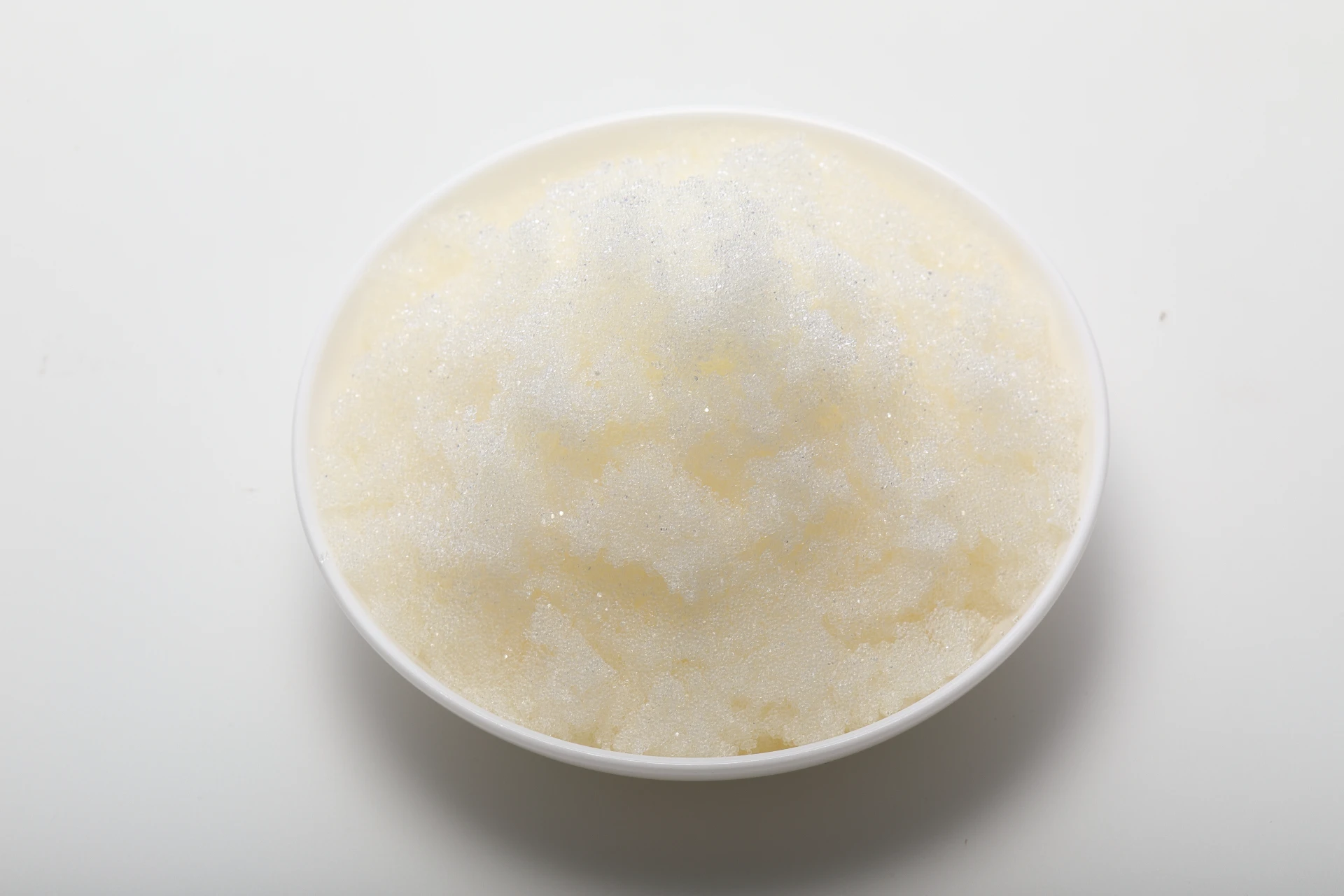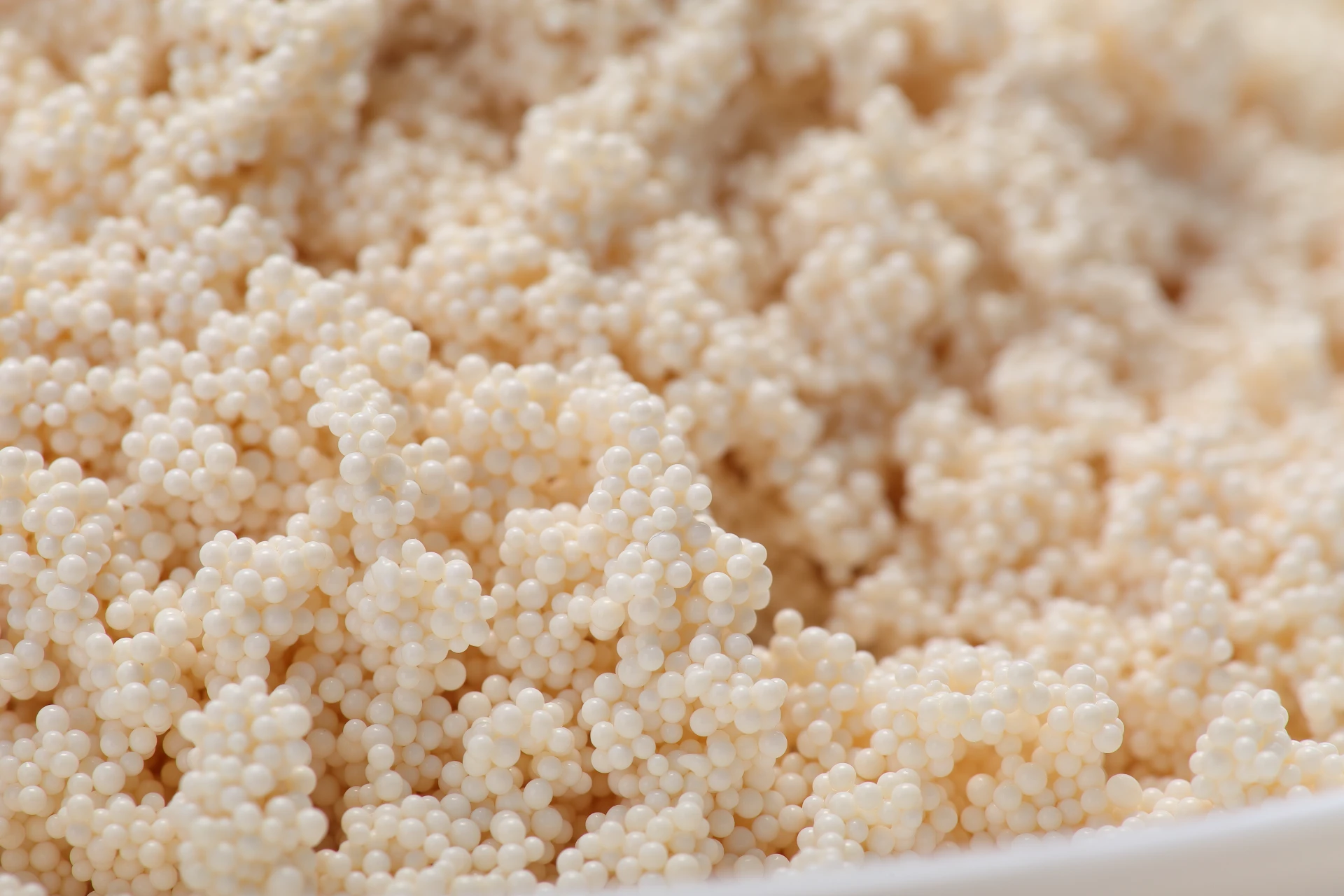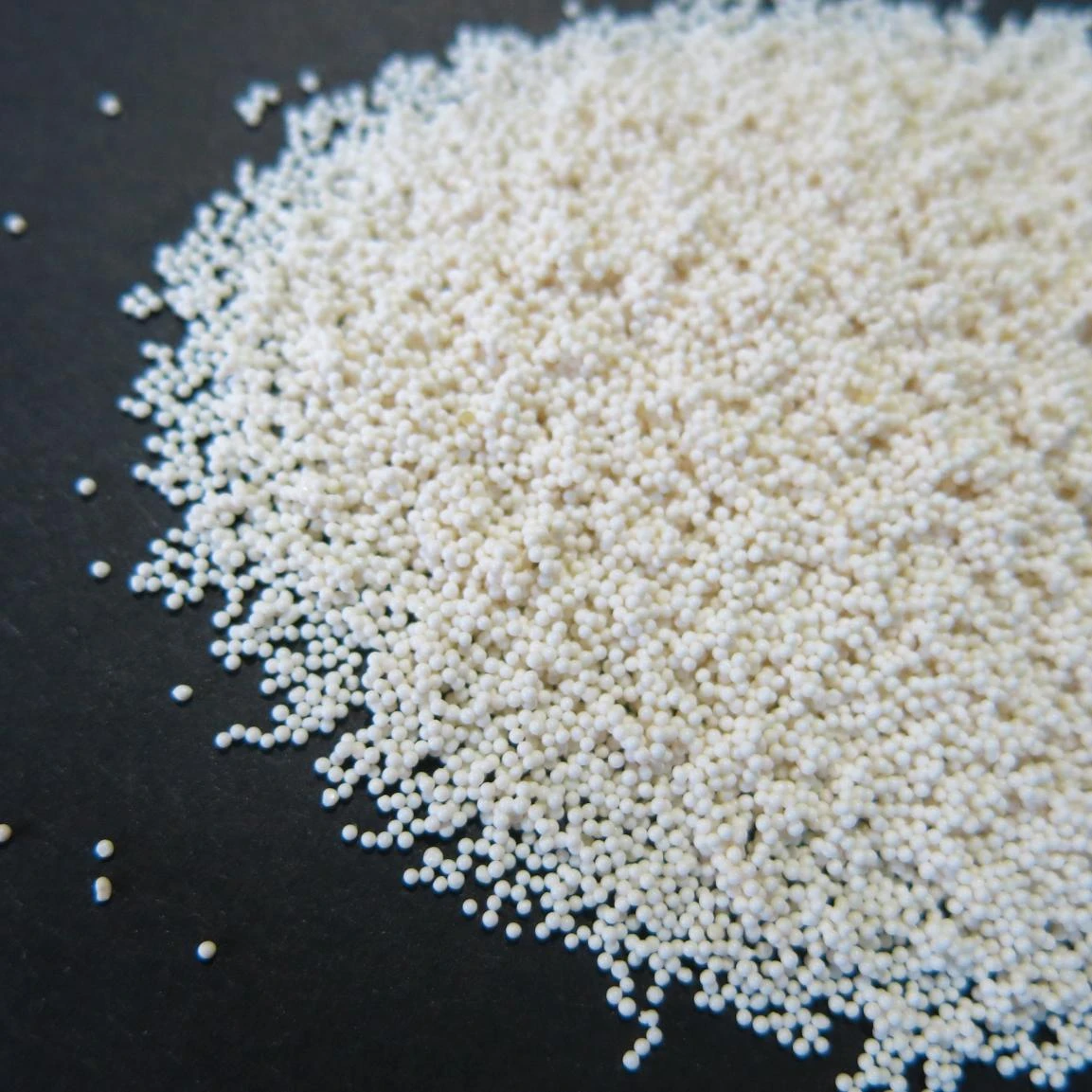
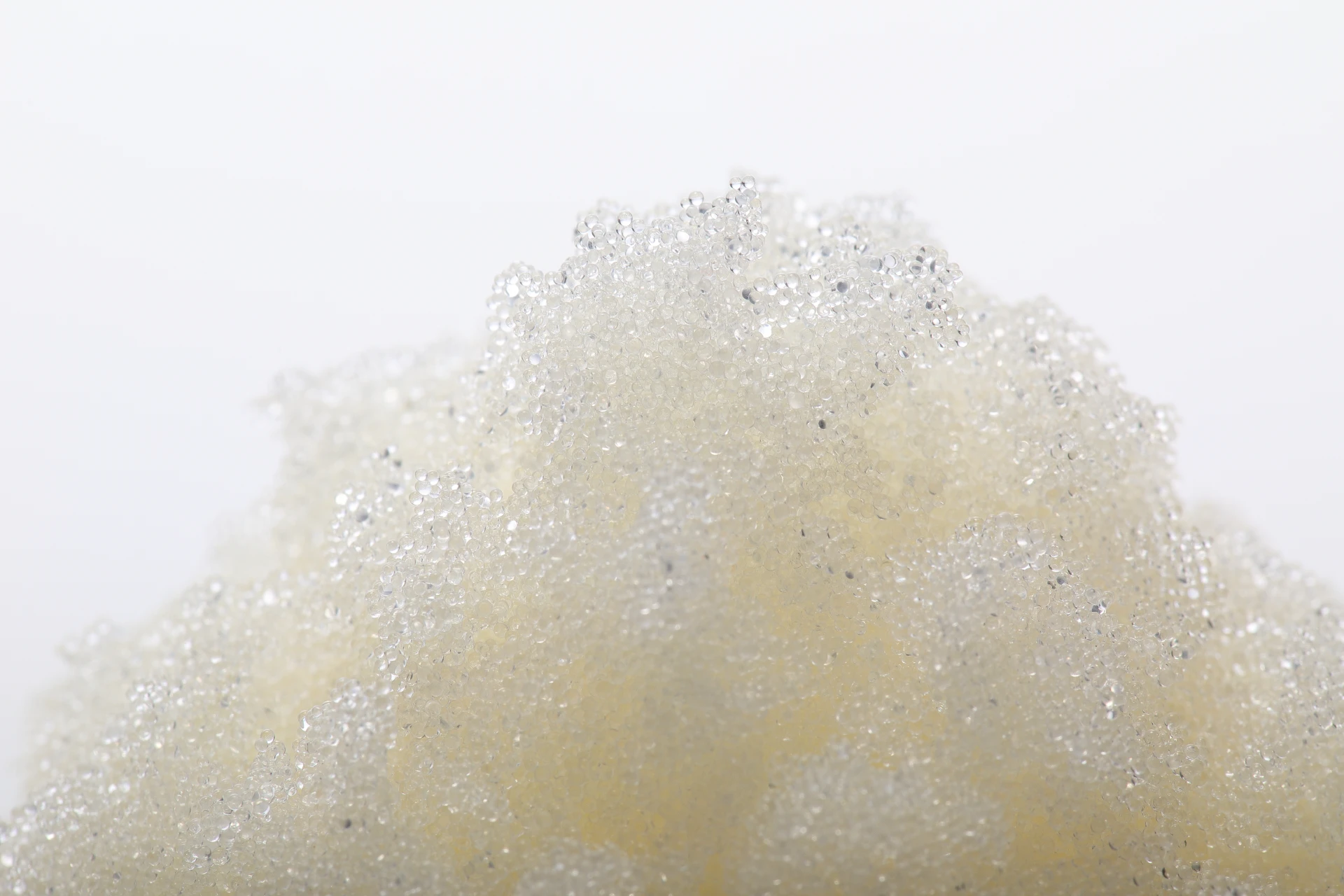
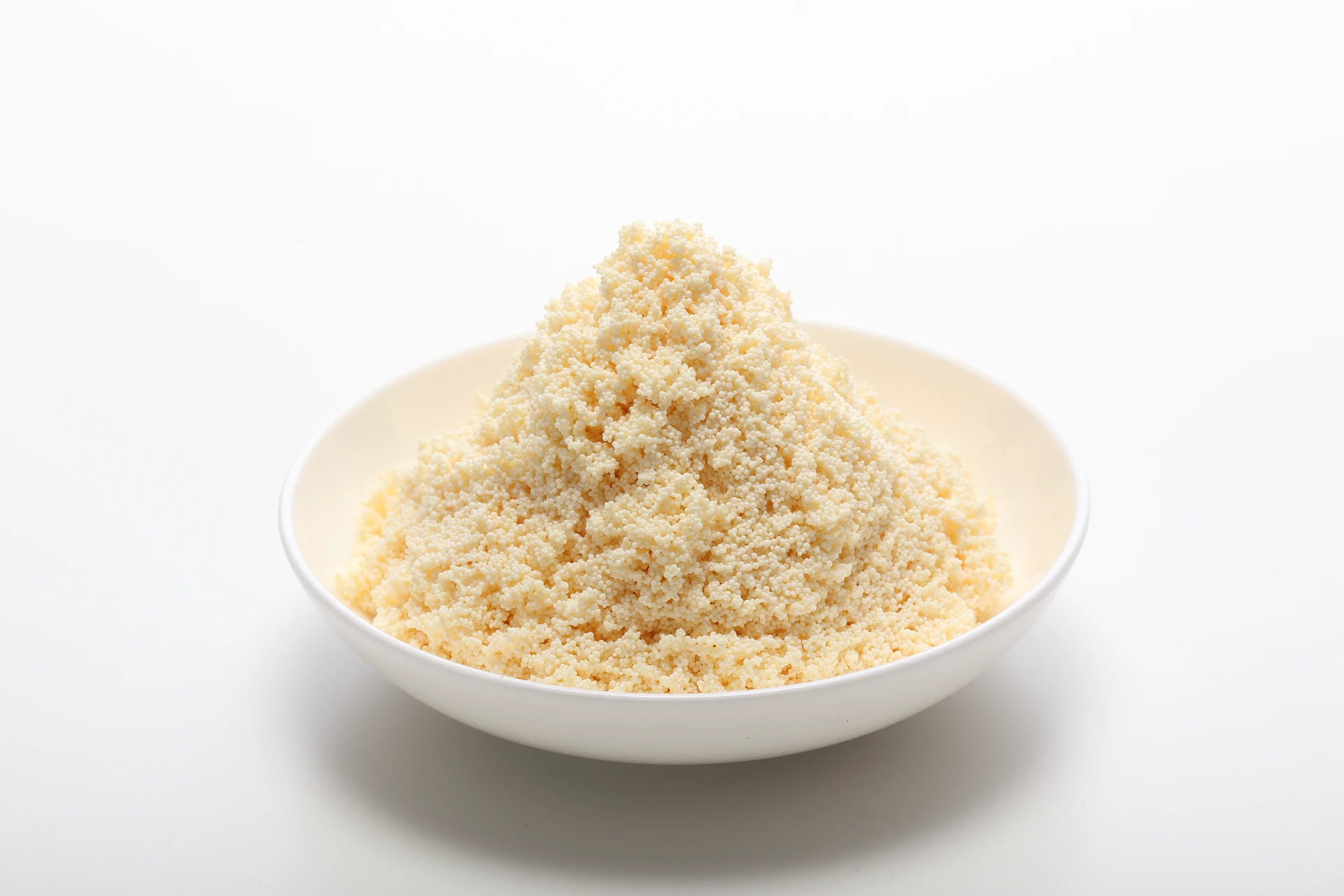
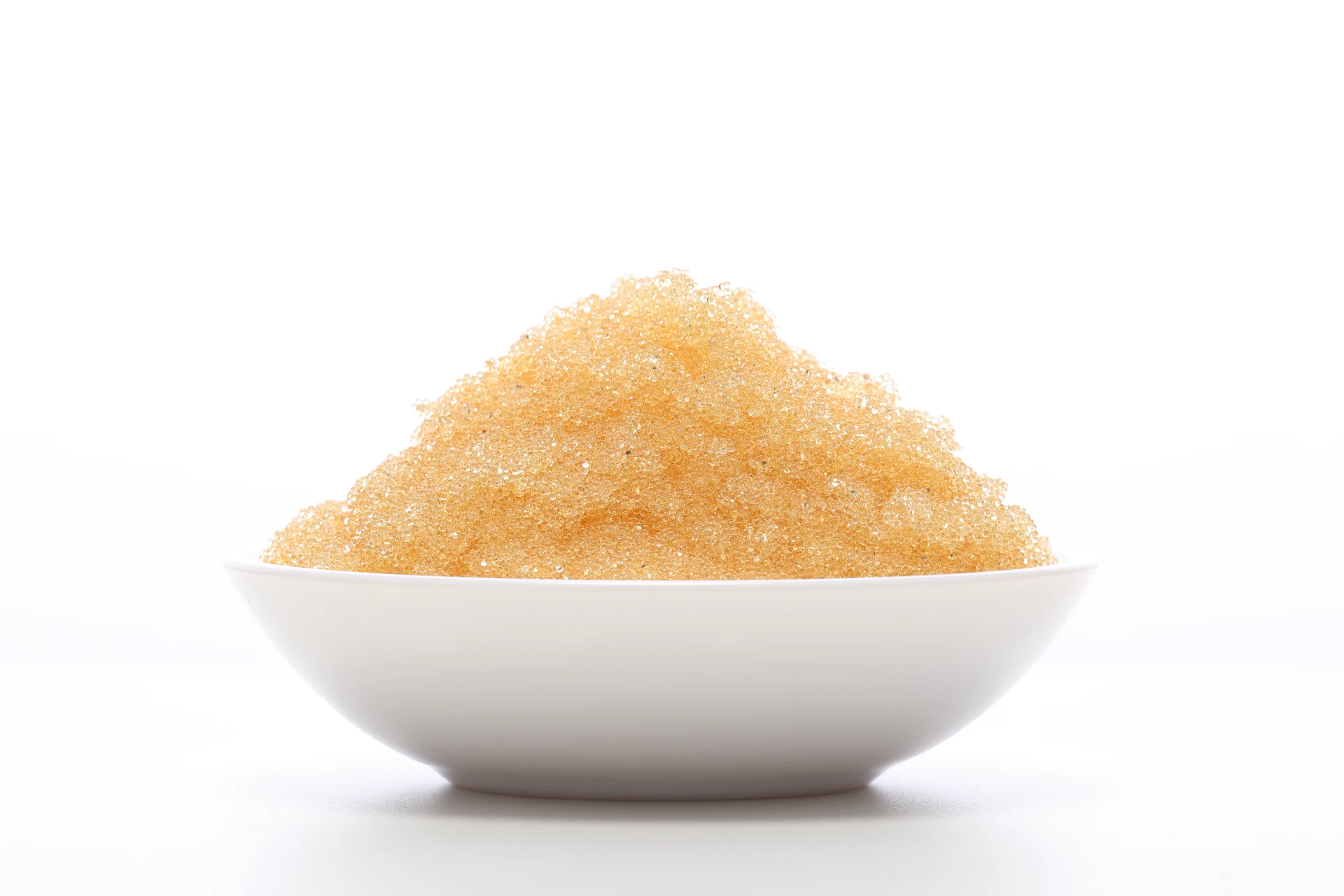
Advanced chelating resin Solutions for Tajikistan's Industrial Water Treatment

Optimizing ion exchange processes for Tajikistan's unique mineral profiles and industrial water challenges with high-performance synthetic resins.

Advanced chelating resin Solutions for Tajikistan's Industrial Water Treatment

Providing precision-engineered synthetic materials to enhance water purification and mineral recovery across Tajikistan's manufacturing sectors.

Current State of Synthetic Resin Application in Tajikistan

Analyzing the intersection of Tajikistan's geography and ion exchange technology.

Tajikistan's water resources are characterized by high mineral content due to the surrounding mountainous terrain, creating a significant demand for robust ion exchange resin systems. The industrial landscape, primarily focused on mining and aluminum production, requires specific chemical purifications to prevent scaling and equipment corrosion.

Currently, the market is transitioning from basic softening to specialized purification. Many facilities are upgrading their existing bed resin configurations to handle the high alkalinity and heavy metal loads typical of Central Asian groundwater sources.

Despite the available resources, there is a critical need for more efficient regeneration cycles and higher selectivity resins. The adoption of advanced materials is accelerating as Tajikistan seeks to modernize its chemical manufacturing and textile industries to meet international export standards.
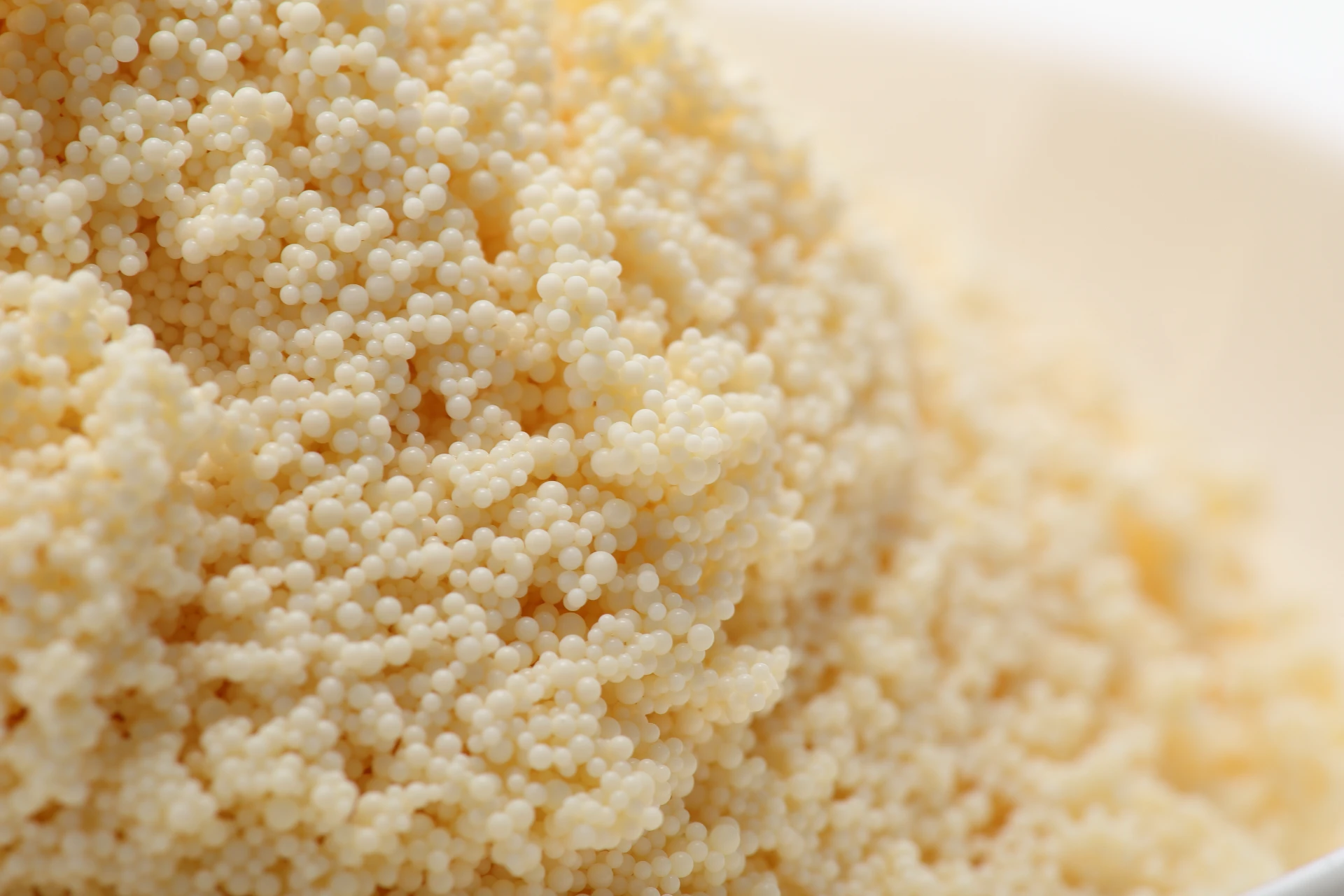
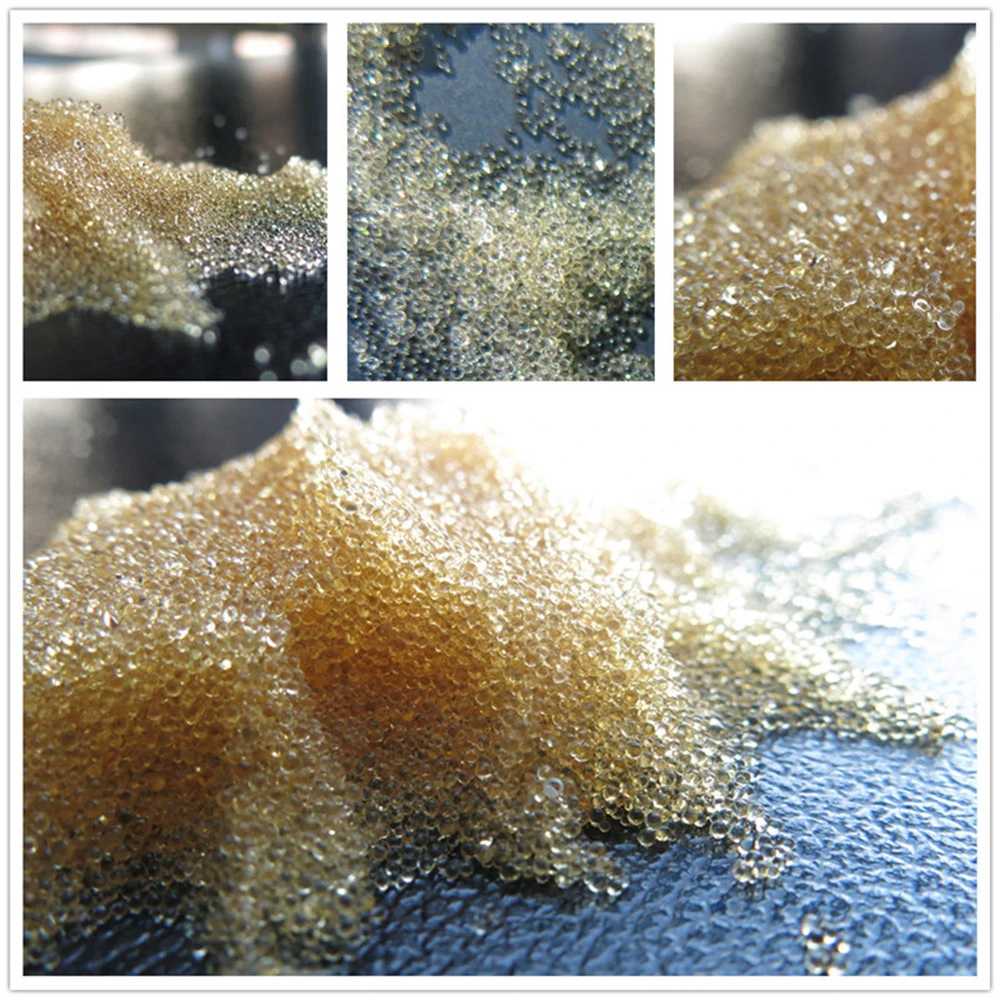
Evolution and Trajectory of Resin Technology in Tajikistan

From basic filtration to molecular-level selectivity.

Market Development History

In the late 20th century, Tajikistan relied heavily on traditional salt-based softening and basic strong-acid cation resins. These systems were sufficient for primary water supply but lacked the precision needed for industrial-grade chemicals.

Between 2010 and 2020, the shift toward mixed bed di resin became prominent. This iteration allowed for the production of ultra-pure water, which was essential for the growth of the pharmaceutical and electronics sectors in the region.

Recently, the focus has shifted toward "Specialty Application" phases. The introduction of special resin grades has enabled industries to target specific contaminants, such as boron or arsenic, which are naturally occurring in some Tajik watersheds.

Future Development Trends

Green Regeneration Cycles

Moving toward eco-friendly regenerants to reduce the chemical footprint in the Pamir mountain ecosystem.

High-Selectivity Chelating Agents

Integration of advanced ligands to recover precious metals from mining wastewater with 99% efficiency.

Smart Monitoring Systems

Combining synthetic resins with IoT sensors to predict breakthrough times and optimize resin replacement.

Industry Trends and Future Outlook

Projecting the next 3-5 years of synthetic material growth in the region.

Circular Water Economy
Increased implementation of closed-loop systems using high-capacity resins to minimize water waste in arid zones.
Selective Metal Recovery
Using chelating resins to target rare earth elements from Tajikistan's diverse geological deposits.
Industrial Scaling Resistance
Development of resins specifically resistant to the high calcium and magnesium levels of Tajik waters.
Low-Energy Processing
Resins that require lower pressure and temperature for regeneration, reducing operational costs.

Industry Outlook

Based on Google search trends for "industrial water purification" and "synthetic resin" in Central Asia, we expect a 15% CAGR in demand for high-selectivity resins over the next five years. Tajikistan's push for industrial autonomy will drive local adoption of advanced polymer chemistry.

The integration of sustainable practices will likely shift the market from general-purpose resins to targeted special resin applications, particularly in the wastewater reclamation sectors of Dushanbe and Khujand.

Localized Application Scenarios in Tajikistan

Real-world deployment of resin technology in Tajikistan's key industries.

1. Mining Wastewater Purification in the Pamir Region

Utilizing chelating resins to remove heavy metal contaminants from tailings ponds, ensuring compliance with environmental laws and recovering valuable minerals.

2. Ultra-Pure Water for Aluminum Smelting

Implementing mixed bed di resins to provide high-conductivity water for electrolysis processes, reducing impurities in the final aluminum product.

3. Textile Dyeing Water Softening in Khujand

Applying high-capacity ion exchange resins to eliminate hardness, which prevents dye spotting and improves fabric quality for textile exporters.

4. Agricultural Irrigation Pre-treatment

Using specific bed resin systems to remove sodium and boron from irrigation water, protecting soil health in the Fergana Valley.

5. Pharmaceutical Grade Water Production

Deployment of specialized resin columns to meet stringent USP standards for injectable water in Dushanbe's medical labs.

Brand Story

Global Development Process of Hebei Lijian Biological Technology Co., Ltd.

Foundation of Excellence

Established with a mission to solve the most complex ion exchange challenges in chemical manufacturing, focusing on high-stability polymer matrices.

R&D Breakthroughs

Developed proprietary chelating ligands that significantly increased the selectivity for transition metals in industrial wastewater.

Global Expansion

Expanded operations into Central Asia, adapting product formulations to suit the unique mineral compositions of regions like Tajikistan.

Sustainability Pivot

Launched a series of biodegradable and long-life resins to help industrial clients reduce their environmental footprint.

Industry Leadership

Recognized as a leading provider of synthetic materials, bridging the gap between laboratory research and industrial-scale application.

Complete Resin Product Portfolio for Tajikistan

A comprehensive range of synthetic materials tailored for the Tajik industrial landscape.

Common Questions on Ion Exchange in Tajikistan

Expert answers to technical queries from regional engineers.

How to choose the right ion exchange resin for high-mineral water in Tajikistan?

It requires a water analysis focusing on total dissolved solids (TDS). For general softening, strong acid cation resins are used; for specific metal removal, chelating resins are recommended.

What is the typical lifespan of a mixed bed di resin in industrial use?

Depending on the water quality and regeneration frequency, these resins typically last 3-5 years before capacity loss becomes critical.

Can special resin grades remove boron from Tajikistan's groundwater?

Yes, we offer specialized boron-selective resins that utilize specific functional groups to target boron ions without affecting other mineral balances.

What are the advantages of chelating resin over traditional ion exchange?

Chelating resins provide much higher selectivity for heavy metals (like Cu, Ni, Zn) even in the presence of high concentrations of alkali metals.

How to optimize the bed resin volume for mining applications?

Optimization involves calculating the exchange capacity against the flow rate (BV/h) and the target effluent concentration to determine the ideal bed depth.

Are your resins compatible with the extreme temperature fluctuations in Tajikistan?

Yes, our resins are engineered with high cross-linking degrees to ensure thermal stability and physical integrity across wide temperature ranges.

Ready to Optimize Your Water Treatment?

Contact our technical team today for customized resin solutions tailored to the industrial requirements of Tajikistan.

Contact Us Now

If you are interested in our products, you can choose to leave your information here, and we will be in touch with you shortly.