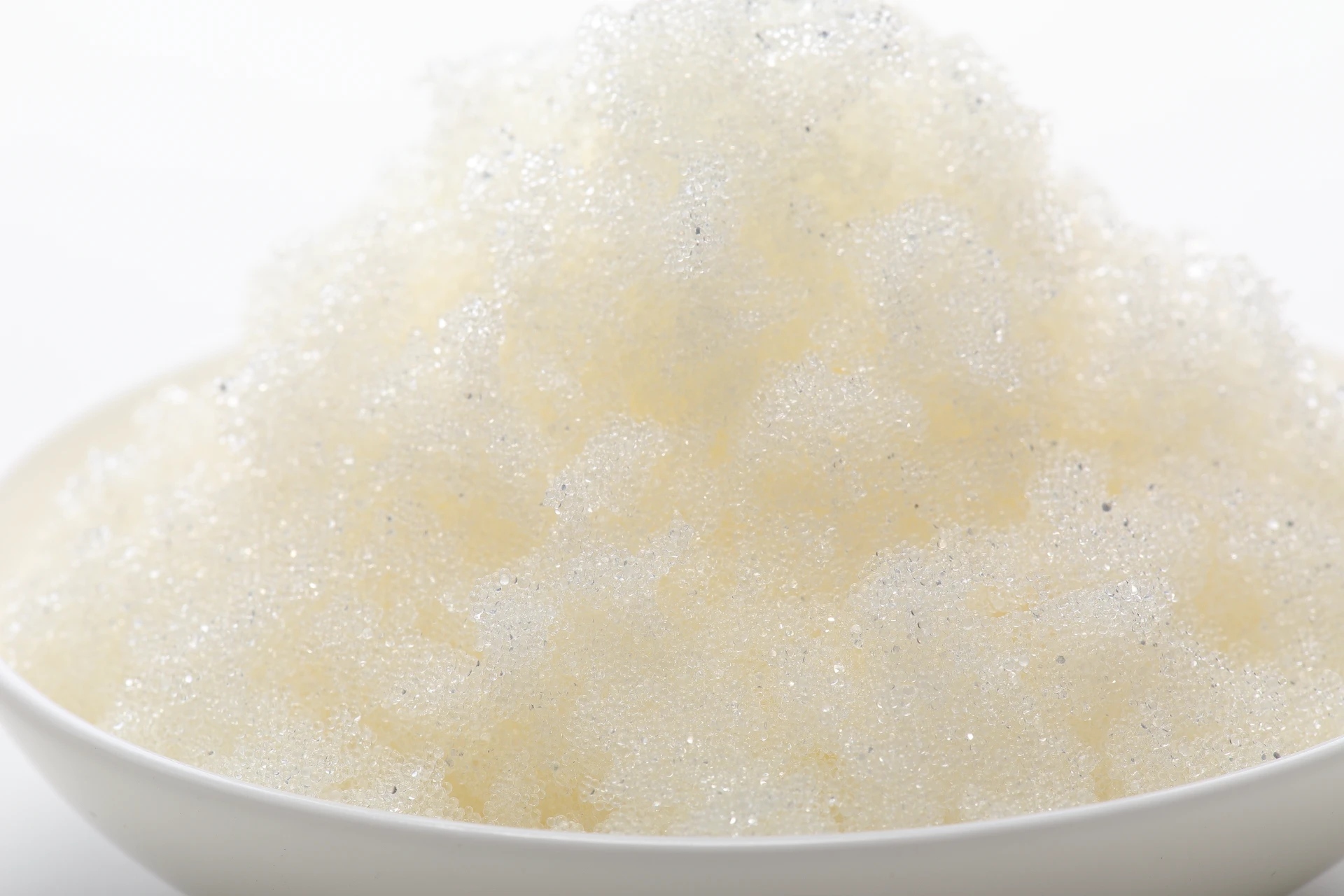
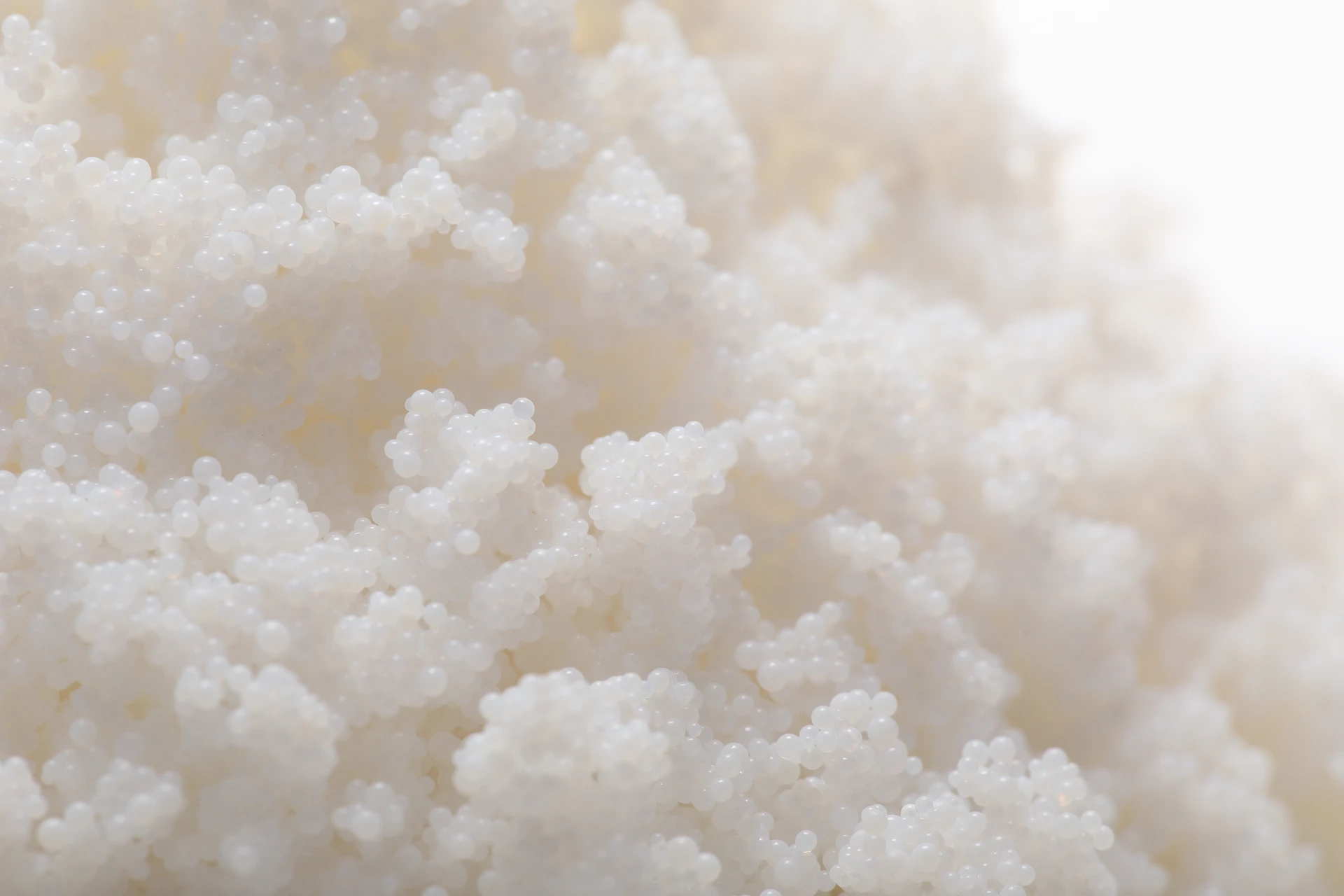
Advanced chelating resin Solutions for Thailand's Industrial Water Treatment

High-performance ion exchange media engineered to meet the rigorous demands of Thailand's chemical and manufacturing sectors, ensuring superior purity and resource recovery.

Advanced chelating resin Solutions for Thailand's Industrial Water Treatment

Providing specialized resin technologies to solve complex water softening, purification, and metal recovery challenges across Thailand's diverse industrial landscapes.

Industrial Water Status in Asia - Thailand

Analyzing the impact of tropical climates and industrial growth on resin performance.

Thailand's chemical manufacturing sector faces unique challenges due to its humid tropical climate and the high mineral content of groundwater in the Central Plain. The reliance on ion exchange resin is critical for maintaining the operational integrity of boiler systems and cooling towers against scale buildup.

With the expansion of the Eastern Economic Corridor (EEC), there is an increasing demand for high-purity water in electronics and semiconductor fabrication. This has shifted the market focus toward high-efficiency mixed bed di resin to achieve the ultra-low conductivity required for advanced manufacturing.

Furthermore, strict environmental regulations from the Thai Ministry of Industry regarding wastewater discharge have forced factories to adopt more sophisticated bed resin configurations to remove heavy metals and toxic ions before water is returned to the environment.
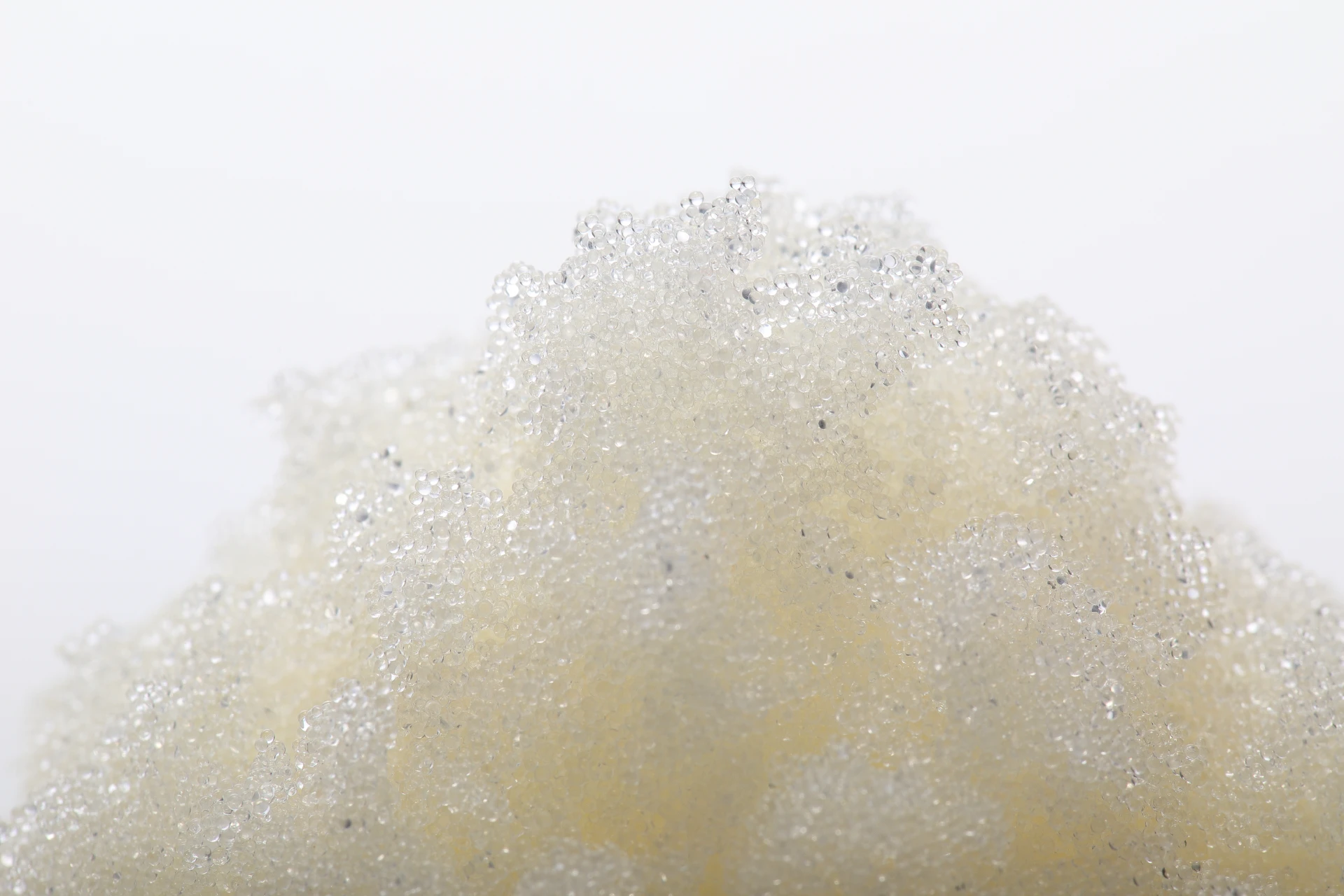
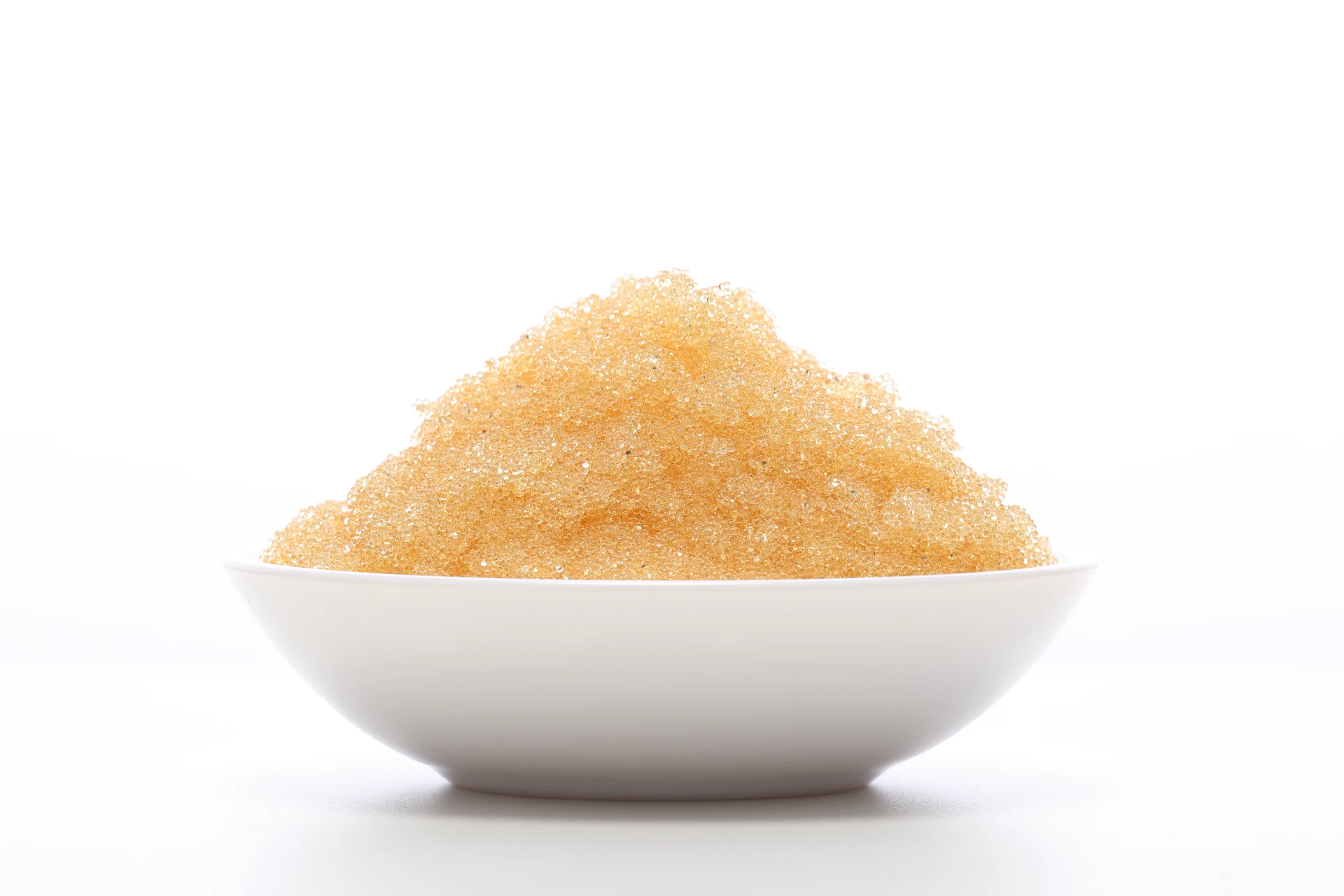
Evolution of Resin Technology in Thailand

From basic softening to intelligent molecular separation.

Market Development History

In the 1990s, the Thai market primarily utilized standard strong acid cation resins for basic water softening in the food and beverage industry, focusing on simple calcium and magnesium removal.

By the 2010s, the shift toward "Industry 4.0" introduced the need for special resin grades capable of selective ion removal, particularly for the plating and textile industries in Samut Prakan and Chonburi.

Today, the focus has evolved toward sustainable "Circular Economy" models, where resins are used not just for purification but for the active recovery of precious metals from industrial waste streams.

Future Development Trends

Nano-Composite Integration

The integration of nanotechnology into resin matrices to increase the exchange capacity and mechanical strength under high-pressure flow.

Green Regenerant Chemistry

Moving away from harsh acids toward biodegradable regenerants to reduce the environmental footprint of resin maintenance in Thailand.

AI-Driven Cycle Optimization

Implementing smart sensors to predict resin exhaustion and automate the regeneration cycle, reducing chemical waste by up to 20%.

Future Trends and Strategic Outlook

Driving efficiency and sustainability in the synthetic materials sector.

Selective Ion Capture
Developing resins with higher selectivity for specific heavy metals to optimize recovery in mining and plating.
Ultra-Low Leakage
Engineering beads with minimal organic leakage for high-sensitivity pharmaceutical and laboratory applications.
Thermal Stability
Increasing the operating temperature threshold of resins to allow for hotter feed-water processing.
Circular Resin Life
Developing advanced regeneration protocols to extend the usable life of resins by 30-50%.

Industry Outlook

Based on Google search trends in Southeast Asia, there is a significant uptick in queries regarding "wastewater zero-discharge" and "heavy metal recovery." This indicates a market shift where resins are no longer viewed as consumable costs but as strategic assets for resource efficiency.

In the next 3-5 years, we expect the Thai market to move toward integrated resin systems that combine mechanical filtration with advanced ion exchange, reducing the pretreatment burden and lowering the overall cost of ownership for plant operators.

Localized Applications in Thailand

Real-world implementation of ion exchange technologies in Thai industry.

1. EEC Electronics Water Purification

Utilizing mixed bed di resin in the Eastern Economic Corridor to produce ultra-pure water (UPW) for semiconductor cleaning and wafer fabrication.

2. Bangkok Metropolitan Wastewater Treatment

Applying high-capacity cation resins to remove dissolved solids from urban industrial runoff, ensuring compliance with local environmental standards.

3. Southern Thailand Rubber Processing

Implementing specialized resins to treat process water in rubber coagulation plants, removing interfering ions to improve latex quality.

4. Rayong Petrochemical Feed-water

Deploying robust bed resin systems for high-pressure boiler feed-water to prevent corrosion in large-scale refinery plants.

5. Jewelry Manufacturing Metal Recovery

Using high-selectivity chelating resin to recover gold and silver from rinsing baths in Bangkok's jewelry districts.

Brand Story

Global Development Journey of Hebei Lijian Bio-Tech Co., Ltd.

Foundational Innovation

Established with a mission to bridge the gap between academic chemistry and industrial application in synthetic resins.

Quality Standardization

Achieved international certifications, ensuring every batch of resin meets the stringent purity requirements of the global market.

Strategic Global Expansion

Expanded operations into Southeast Asia, tailoring resin formulations to the specific mineral profiles of the Thai and Vietnamese markets.

Specialized Resin R&D

Launched a dedicated R&D center to develop chelating resins that solve specific pain points like high-salinity wastewater treatment.

Sustainability Commitment

Pioneered the development of eco-friendly resins that reduce chemical consumption during the regeneration phase.

Comprehensive Resin Portfolio for Thailand

A full spectrum of ion exchange media tailored for the Thai industrial environment.

Thailand Industrial Resin FAQ

Expert answers to common technical questions from our Thai clients.

How to choose the right ion exchange resin for Thailand's groundwater?

You must analyze the specific hardness (Ca2+, Mg2+) and presence of organics. For most Thai groundwater, a strong acid cation resin followed by a strong base anion resin is recommended.

What is the advantage of using chelating resin for metal recovery?

Chelating resins have a high affinity for specific transition metals, allowing them to remove heavy metals even in the presence of high concentrations of alkali metals like sodium.

When should I replace my mixed bed di resin?

Replacement is necessary when the conductivity of the effluent exceeds your process threshold despite regular regeneration, or if the pressure drop across the bed increases significantly.

Can special resin handle high-temperature water in Thai refineries?

Yes, our high-temperature grade resins are designed to maintain structural integrity and exchange capacity at elevated temperatures, preventing resin degradation.

How does the tropical humidity in Asia affect resin storage?

Resins must be kept moist. In Thailand's heat, ensure containers are tightly sealed to prevent the beads from drying out, which can cause permanent capacity loss.

What is the regeneration frequency for a typical bed resin system?

This depends on the influent water quality and flow rate, but typically ranges from once every 24 hours to once a week for industrial-scale operations in Thailand.

Expert Consultation for Your Resin Needs

Get technical support and customized resin formulations for your facility in Thailand.

Contact Us Now

If you are interested in our products, you can choose to leave your information here, and we will be in touch with you shortly.