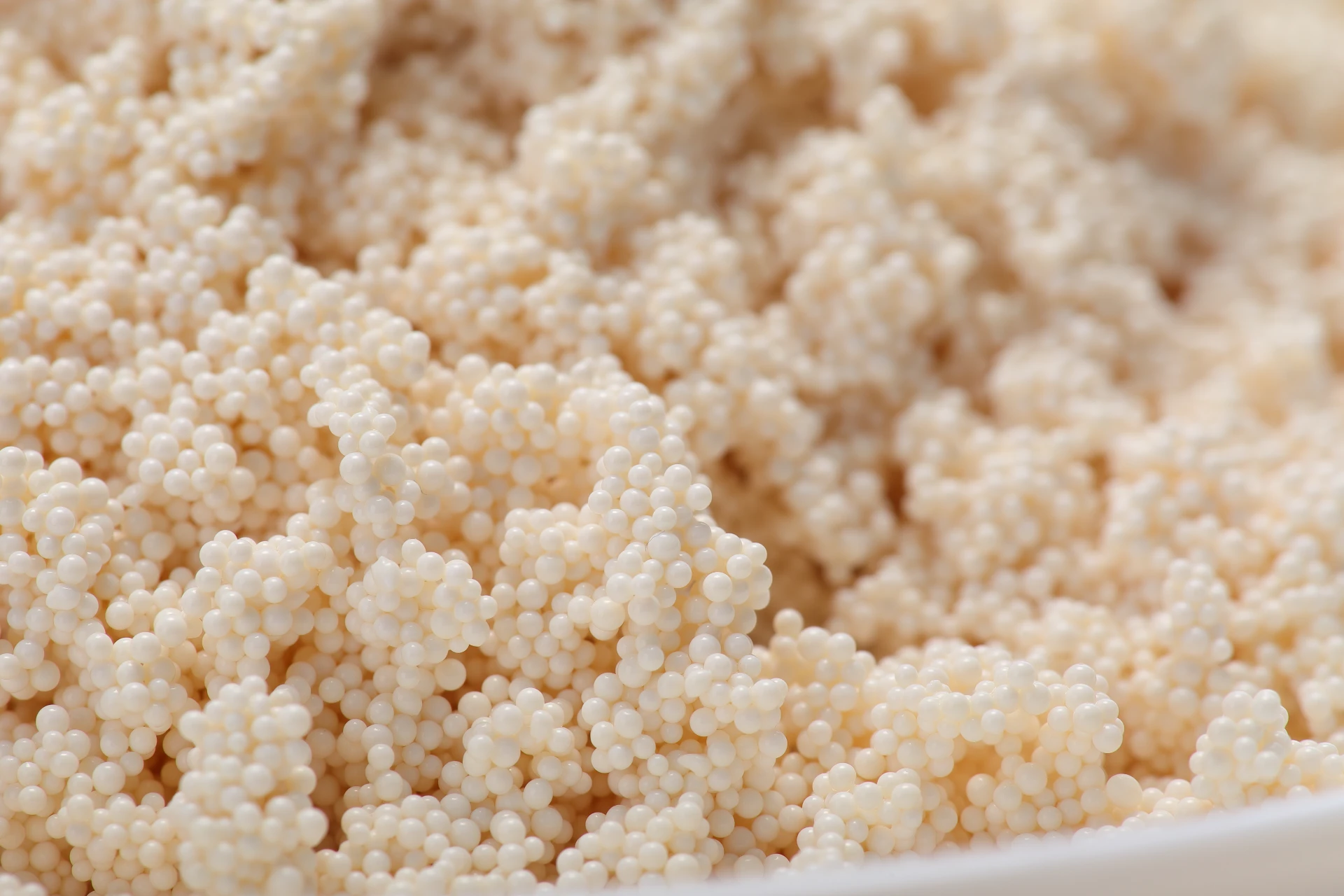
Advanced Chelating Resin Solutions for Turkmenistan Industrial Water Treatment

Optimizing resource recovery and water purification for Turkmenistan's energy and chemical sectors with high-performance synthetic materials.

Advanced Chelating Resin Solutions for Turkmenistan Industrial Water Treatment

Delivering precision-engineered resin technologies to solve complex ion contamination and purification challenges across Turkmenistan's harsh industrial environments.

Current State of Ion Exchange Technology in Turkmenistan

Analyzing the integration of synthetic resins within the Caspian region's industrial framework.

Turkmenistan's industrial landscape is heavily dominated by oil, gas, and petrochemical processing. Due to the high salinity of groundwater and the presence of complex mineral deposits in the Karakum region, the demand for robust ion exchange resin has surged to maintain equipment longevity and product purity.

The local market currently faces challenges with extreme temperature fluctuations, which can degrade standard polymer matrices. This has led to a shift toward specialized special resin grades that offer superior thermal stability and mechanical strength for heavy-duty industrial cycles.

Furthermore, the tightening of environmental regulations regarding wastewater discharge into the Caspian basin is forcing plants to upgrade from basic filtration to advanced bed resin configurations to remove heavy metals and toxic ions more efficiently.
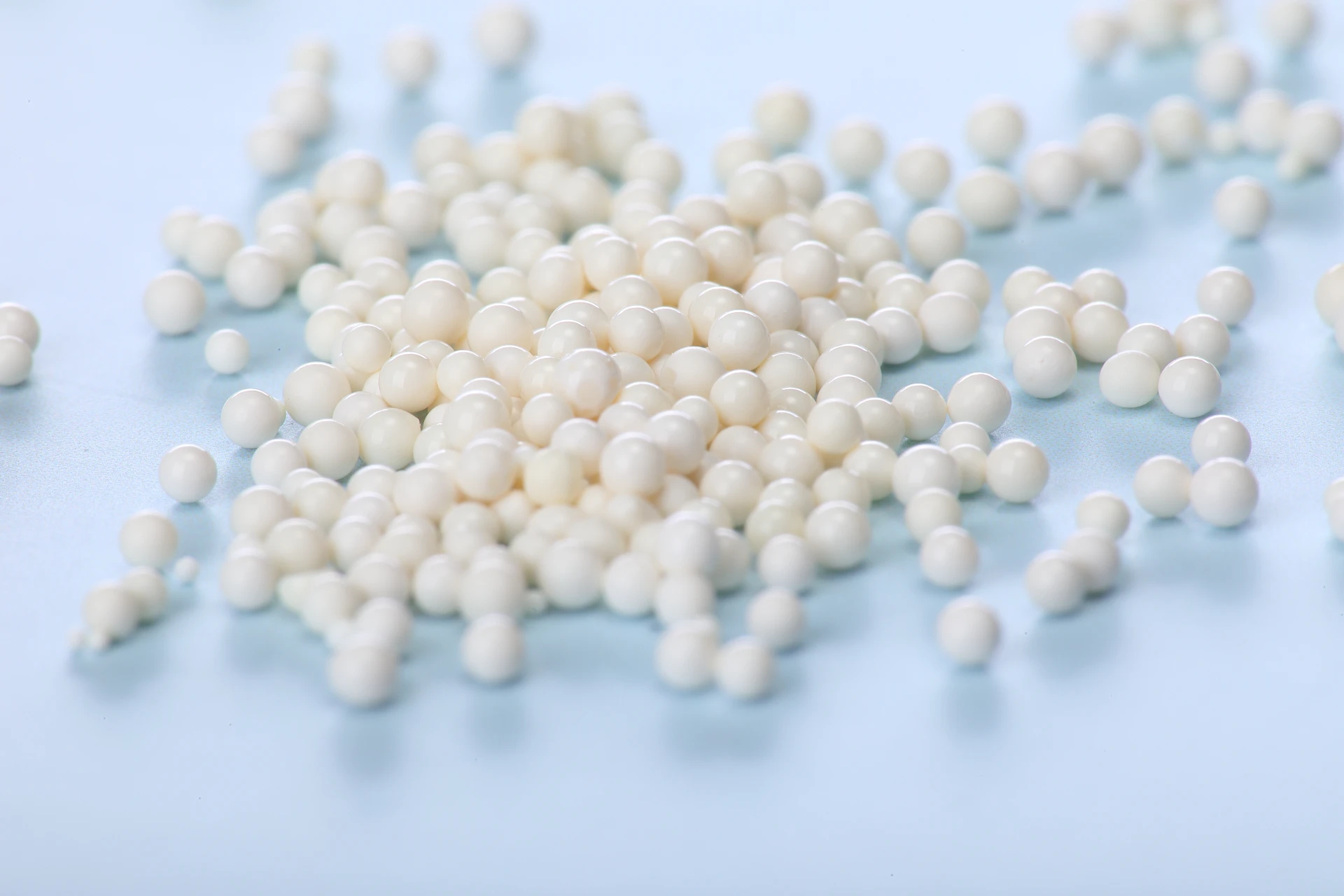
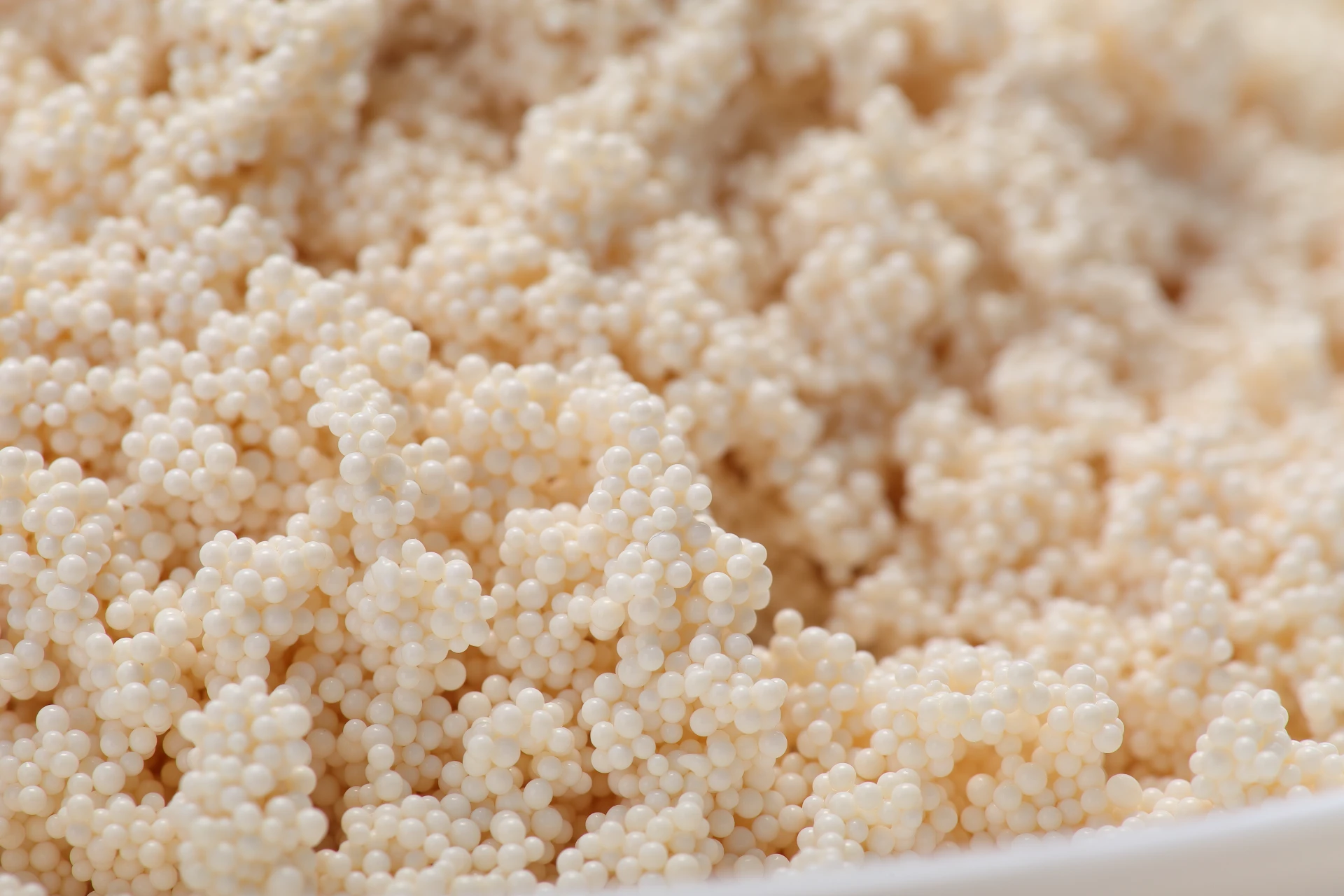
Evolution and Trajectory of Resin Applications

From traditional softening to high-precision selective ion removal.

Market Development History

In the early 2000s, the Turkmenistan market primarily utilized basic cation and anion resins for simple water softening in the energy sector, focusing mainly on hardness removal.

Between 2010 and 2020, there was a technical transition toward high-purity water requirements. This era saw the introduction of mixed bed di resin to support the burgeoning chemical manufacturing plants requiring ultra-pure water (UPW).

Since 2021, the focus has shifted toward "Selective Recovery." The adoption of chelating polymers has allowed industries to target specific metals, reducing waste and improving the efficiency of catalyst regeneration.

Future Development Trends

AI-Driven Regeneration Cycles

Integration of smart sensors to monitor breakthrough curves in real-time, optimizing the regeneration frequency of industrial resins.

Eco-Friendly Regenerants

A transition toward biodegradable or recyclable regenerant chemicals to minimize the environmental footprint of the resin lifecycle.

Nanocomposite Resin Matrices

Development of resins with nano-integrated functional groups to increase exchange capacity and kinetics in high-flow systems.

Industrial Trends and Future Outlook

Strategic directions for the synthetic materials industry in Central Asia.

Selective Metal Recovery
Increasing use of chelating resins to extract high-value metals from industrial tailings in Turkmenistan's mining sector.
Ultra-Pure Water Standards
Rising demand for mixed-bed systems to meet the stringent conductivity requirements of modern pharmaceutical production.
Thermal Resilience
Developing resins that maintain functional group stability under high-temperature process streams.
Circular Water Economy
Implementing ZLD (Zero Liquid Discharge) systems utilizing integrated resin beds.

Industry Outlook

Based on Google search trends for "industrial water purification" and "heavy metal removal" in Central Asia, there is a projected 15% annual growth in the adoption of specialized ion exchange materials. The trend is moving from generic commodity resins to application-specific engineered polymers.

Over the next 3-5 years, we anticipate a strong pivot towards hybrid resin systems that combine the speed of adsorption with the selectivity of ion exchange, specifically tailored for the complex brine chemistry found in Turkmenistan's industrial wastewater.

Localized Application Scenarios in Turkmenistan

Practical implementations of resin technology in regional key industries.

1. Natural Gas Plant Boiler Feed Water

Utilizing mixed bed di resin to produce high-purity condensate, preventing scale formation in high-pressure boilers used in gas processing plants.

2. Petrochemical Wastewater Detoxification

Applying chelating resins to selectively remove dissolved copper, nickel, and cobalt from refinery effluent before discharge into local ecosystems.

3. Industrial Brine Purification

Implementing specialized bed resin systems to remove organic contaminants and multivalent ions from brine streams used in chlor-alkali production.

4. Agricultural Irrigation Pre-treatment

Using strong acid cation resins to mitigate the effects of high salinity in groundwater, ensuring the sustainability of agricultural projects in the Ahal region.

5. Rare Earth Element Recovery

Deploying special resin for the selective adsorption of rare metals from industrial waste streams, turning waste into economic value.

Brand Story

Global Development History of Hebei Lijiang Biological Technology Co., Ltd.

Foundational Research Phase

Established with a focus on advanced polymer synthesis, solving the core problem of resin degradation in acidic environments.

Industrial Scale-Up

Transitioned from laboratory success to mass production, implementing strict ISO quality controls for global export.

Market Expansion into Central Asia

Developed customized resin grades specifically for the water chemistry of Turkmenistan and neighboring regions.

Innovation in Chelating Polymers

Launched a new generation of high-selectivity chelating resins to address heavy metal pollution in mining.

Global Sustainability Leadership

Now focusing on biodegradable resin supports and zero-waste regeneration technologies for a greener planet.

Comprehensive Resin Portfolio for Turkmenistan

A full range of ion exchange and specialty resins designed for the Caspian region's industrial needs.

Turkmenistan Local Industry FAQ

Expert answers to the most common technical questions in the region.

How to choose the right ion exchange resin for high-salinity water in Turkmenistan?

For high-salinity water, we recommend resins with high cross-linking percentages to resist osmotic shock and ensure stability during regeneration cycles.

What is the advantage of using chelating resin for heavy metal removal?

Chelating resins offer superior selectivity, allowing them to target specific ions like Cu2+ or Ni2+ even in the presence of high concentrations of alkali metals.

How often should mixed bed di resin be regenerated in power plant applications?

Regeneration frequency depends on the influent water quality, but typically it is triggered when effluent conductivity exceeds the 0.1 µS/cm threshold.

Can special resin handle the temperature variations of the Karakum desert?

Yes, our specialty resins are engineered with heat-resistant polymer matrices that maintain structural integrity between 10°C and 80°C.

What is the typical lifespan of an industrial bed resin in petrochemical plants?

Depending on fouling and regeneration practices, our industrial resins typically last 3-5 years before capacity loss requires replacement.

How to prevent organic fouling in ion exchange systems?

We recommend installing an organic scavenger pre-filter or using macro-porous resins which are more resistant to organic fouling.

Consult Our Resin Experts

Get customized technical support for your water treatment projects in Turkmenistan.

Contact Us Now

If you are interested in our products, you can choose to leave your information here, and we will be in touch with you shortly.