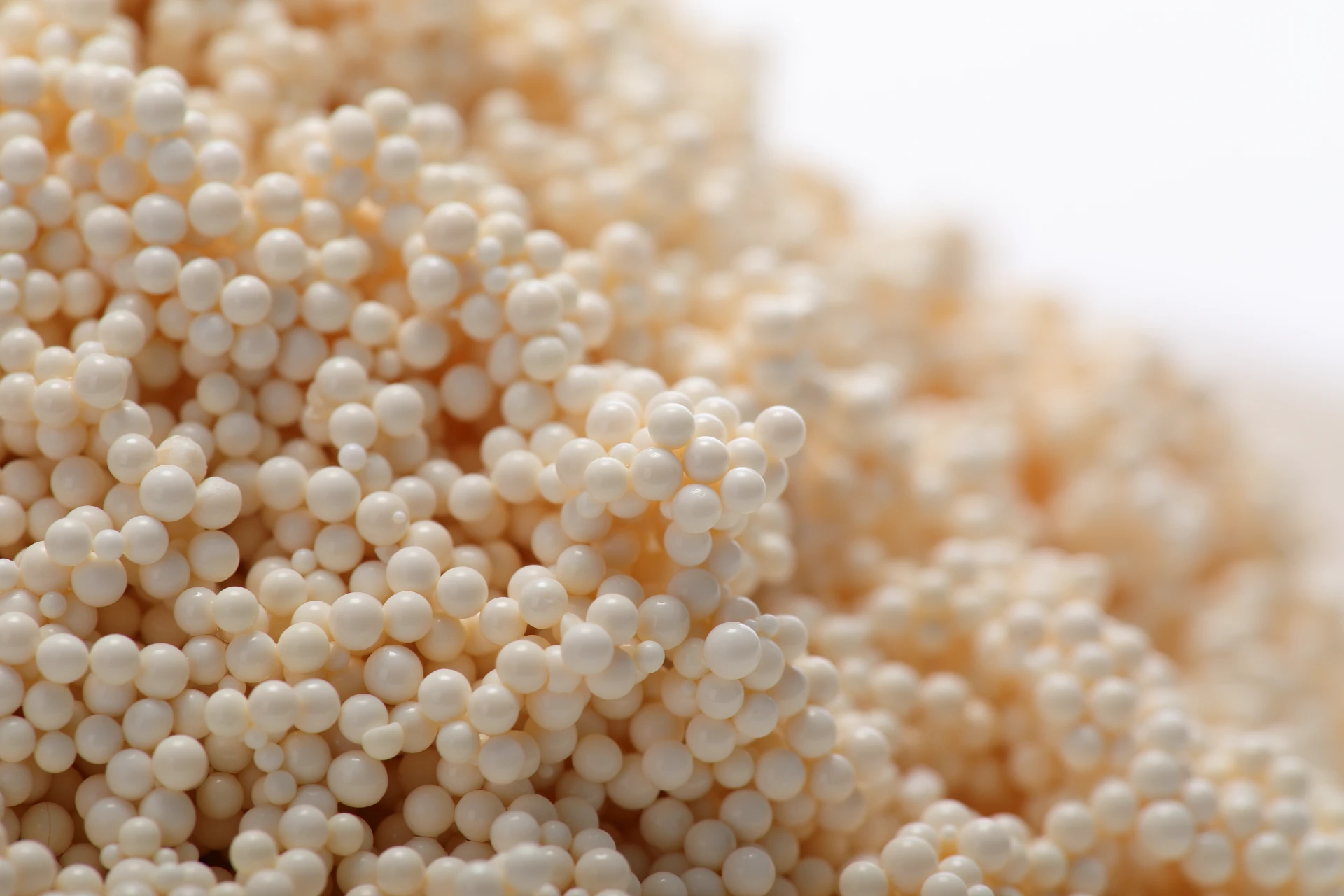
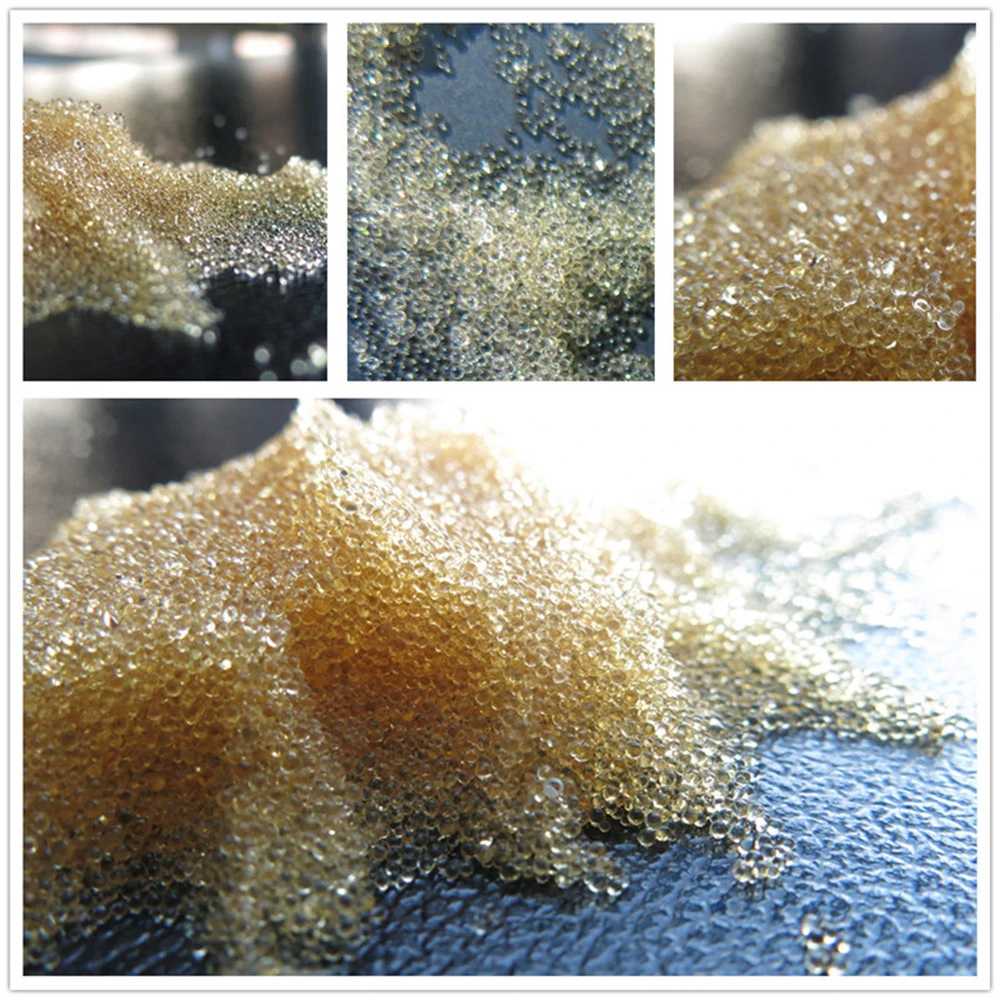
Advanced chelating resin Solutions for Uzbekistan Industrial Water Treatment

High-performance polymer materials engineered to optimize mineral extraction and water purification across Uzbekistan's chemical and mining sectors.

Advanced chelating resin Solutions for Uzbekistan Industrial Water Treatment

Providing precision-engineered ion exchange media to tackle the unique hard water challenges and mineral recovery needs of Uzbekistan's diverse manufacturing landscape.

Industrial Water State in Uzbekistan

Analyzing the interplay between Uzbekistan's geological composition and chemical manufacturing requirements.

Uzbekistan's chemical industry operates within a region characterized by high mineral salinity and alkaline groundwater. This environmental reality necessitates the extensive use of ion exchange resin to prevent scaling in industrial boilers and cooling towers, ensuring the longevity of manufacturing infrastructure.

In the mining and metallurgical sectors of Tashkent and Navoi, the demand for selective separation is critical. The integration of specialized bed resin technologies allows local plants to efficiently recover precious metals and rare earth elements from complex leach liquors, reducing waste and increasing profitability.

Currently, many facilities are transitioning from basic salt-based softening to advanced special resin applications. This shift is driven by the need for higher purity water in the pharmaceutical and food processing industries, which are expanding rapidly under Uzbekistan's new economic diversification strategies.
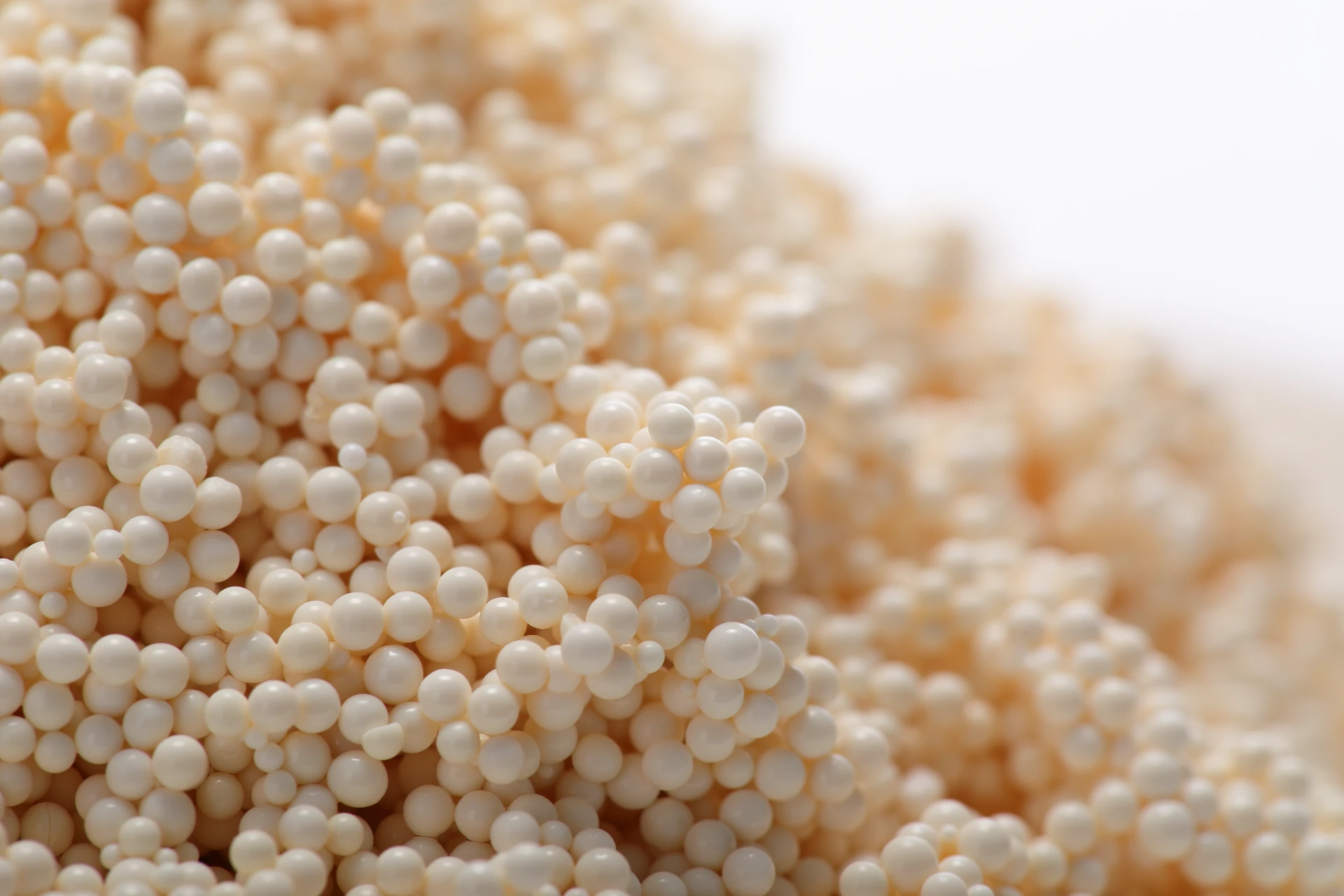
Evolution of Resin Technology in Central Asia

Tracing the technical trajectory from conventional softening to high-precision molecular separation.

Market Development History

Prior to 2010, the Uzbekistan market relied heavily on generic strong acid cation resins for basic water softening. These traditional systems provided essential functionality but lacked the selectivity required for complex industrial effluent treatment.

Between 2010 and 2020, the industry witnessed the introduction of mixed bed di resin systems. This iteration allowed for the production of ultra-pure water, supporting the growth of high-tech chemical synthesis and electronics manufacturing in the region.

Since 2021, there has been a surge in the adoption of chelating functional groups. The focus has shifted toward targeted pollutant removal and the recovery of specific metal ions, aligning with global ESG standards and local environmental regulations.

Future Development Trends

Green Regenerant Integration

Moving toward biodegradable regenerants to reduce the environmental footprint of brine discharge in the Aral Sea basin area.

Smart Monitoring Systems

Integration of IoT sensors to monitor resin exhaustion in real-time, optimizing regeneration cycles and reducing chemical consumption.

Ultra-High Selectivity Polymers

Development of resins capable of separating chemically similar ions in extreme pH environments, common in Uzbekistan's heavy chemical plants.

Future Trends and Strategic Outlook

Predicting the next frontier of synthetic material applications in Uzbekistan.

Resource Circularity
Shift toward "Zero Liquid Discharge" (ZLD) using resins to reclaim every drop of process water.
Selective Recovery
Using advanced polymers to target specific rare minerals in Uzbekistan's rich soil deposits.
Energy Optimization
Reducing the thermal energy required for resin regeneration in large-scale plants.
Chemical Safety
Implementing non-toxic resin matrices to meet stricter EU and local health standards.

Industry Outlook

The trend data suggests a significant increase in search volume for "sustainable water treatment" and "selective ion removal" within the Uzbekistan region. This indicates that the market is moving away from bulk treatment toward precision engineering.

Over the next 3-5 years, we expect a convergence of chemical engineering and digitalization, where the performance of mixed bed di resin will be optimized by AI-driven dosing systems, drastically reducing operational costs for local manufacturers.

Localized Applications in Uzbekistan

Real-world deployment of resin technologies across the Uzbekistani industrial landscape.

1. Gold Mining Effluent Treatment in Navoi

Using high-selectivity chelating media to recover gold and silver from cyanide leach solutions, ensuring minimal environmental leakages.

2. Textile Dyeing Water Purification in Fergana Valley

Implementing mixed-bed systems to remove heavy metal catalysts from textile wastewater, allowing for process water recycling.

3. Fertilizer Plant Boiler Feedwater in Tashkent

Applying rigorous demineralization cycles to prevent silica and calcium scaling in high-pressure steam boilers.

4. Pharmaceutical Grade Water for Samarkand Labs

Deploying ultra-pure water systems using polishing resins to meet international pharmacopeia standards.

5. Agricultural Drainage Desalination

Specialized ion exchange for reducing soil salinity in the Karakalpakstan region by treating irrigation water.

Brand Story

Global Development History of Hebei Lijian Biological Technology Co., Ltd.

Foundational Innovation

Established with a vision to solve the most complex ion separation challenges, focusing on the synthesis of high-stability polymer matrices.

Industrial Scaling

Expanded production capacities to serve the global chemical raw materials market, optimizing the manufacturing of strong acid and base resins.

Selective Material Breakthrough

Developed proprietary chelating functional groups that revolutionized the recovery of precious metals in mining operations.

Central Asian Expansion

Launched dedicated support for the Uzbekistan market, tailoring product specifications to meet local water salinity profiles.

Sustainable Future

Committing to eco-friendly resin production and assisting global clients in achieving zero-liquid discharge goals.

Complete Resin Portfolio for Uzbekistan

A comprehensive range of synthetic materials designed for the diverse needs of the Uzbek chemical industry.

Uzbekistan Industry FAQ

Technical answers to common questions regarding ion exchange applications in the region.

How to choose the right ion exchange resin for high-salinity water in Uzbekistan?

For high-salinity water, we recommend resins with high cross-linking density to prevent osmotic shock and maintain physical stability during regeneration.

Can mixed bed di resin remove organic contaminants from industrial waste?

While mixed beds primarily remove ions, we suggest a pre-treatment layer of organic scavenger resin to protect the di-resin from fouling.

What is the typical lifespan of a chelating resin in gold recovery plants?

Depending on the concentration of competing ions and regeneration frequency, our resins typically maintain 90% efficiency for 3-5 years.

How does bed resin compaction affect flow rates in large industrial tanks?

Compaction increases pressure drop. We recommend periodic backwashing to re-classify the beads and ensure uniform flow distribution.

Are special resin types available for removing boron from agricultural water?

Yes, we provide boron-selective resins that utilize specific functional groups to target boron even in the presence of high sulfate levels.

What regeneration chemicals are most effective for Uzbekistan's hard water resins?

Standard NaCl is used for softening, while HCl or H2SO4 and NaOH are preferred for demineralization systems depending on the resin type.

Get Expert Technical Support

Our engineers are ready to optimize your water treatment systems in Uzbekistan. Contact us for customized resin selection and dosage calculations.

Contact Us Now

If you are interested in our products, you can choose to leave your information here, and we will be in touch with you shortly.