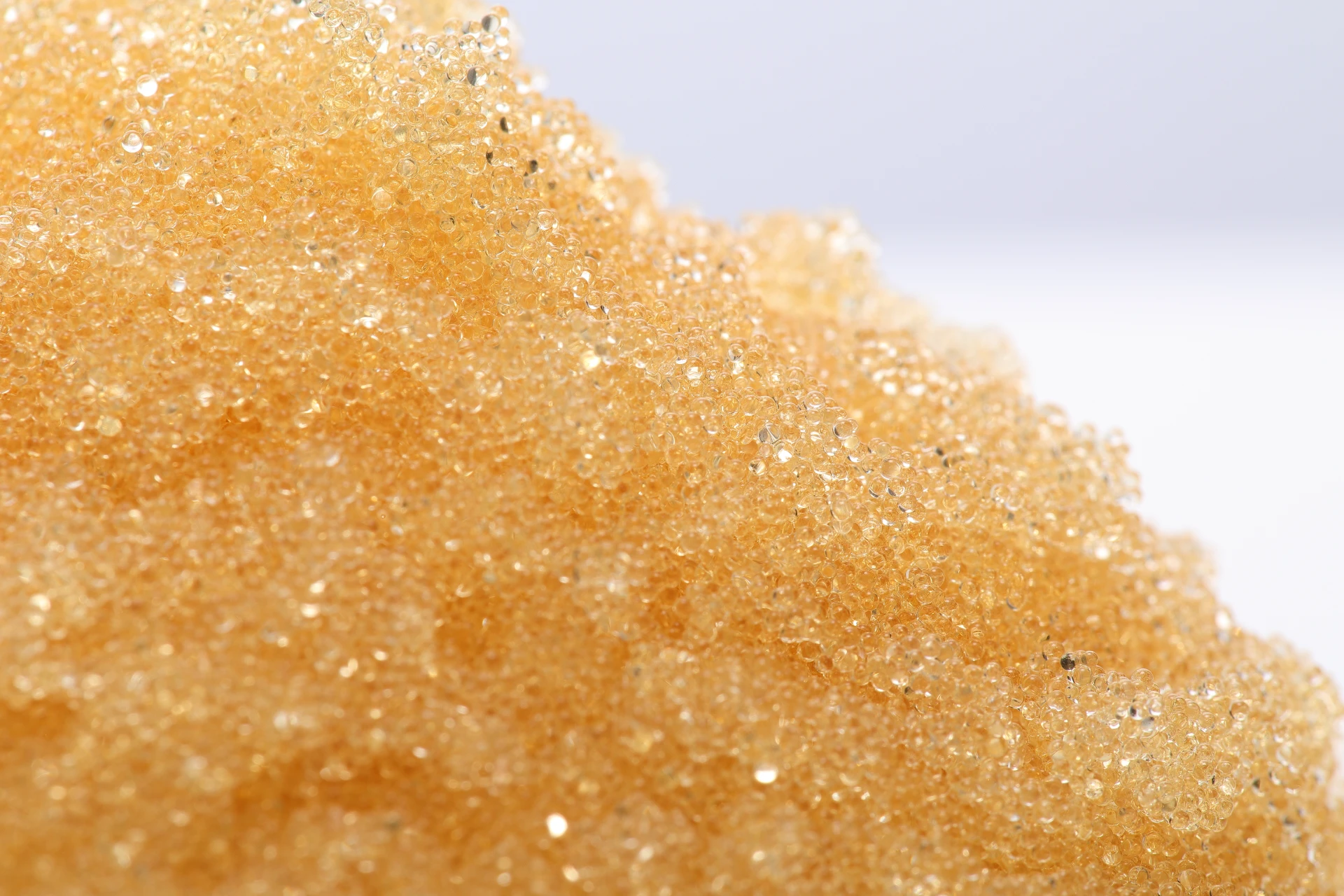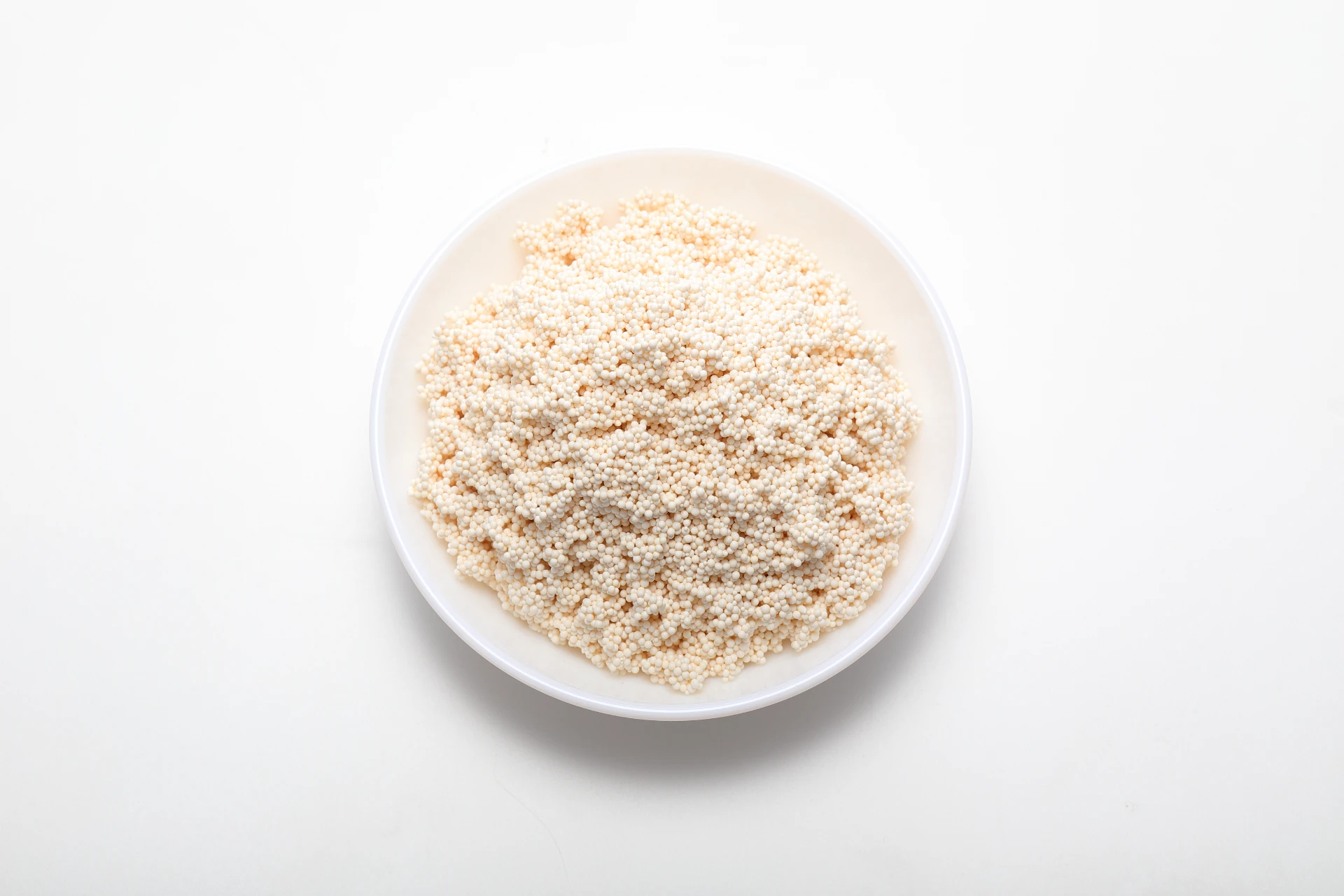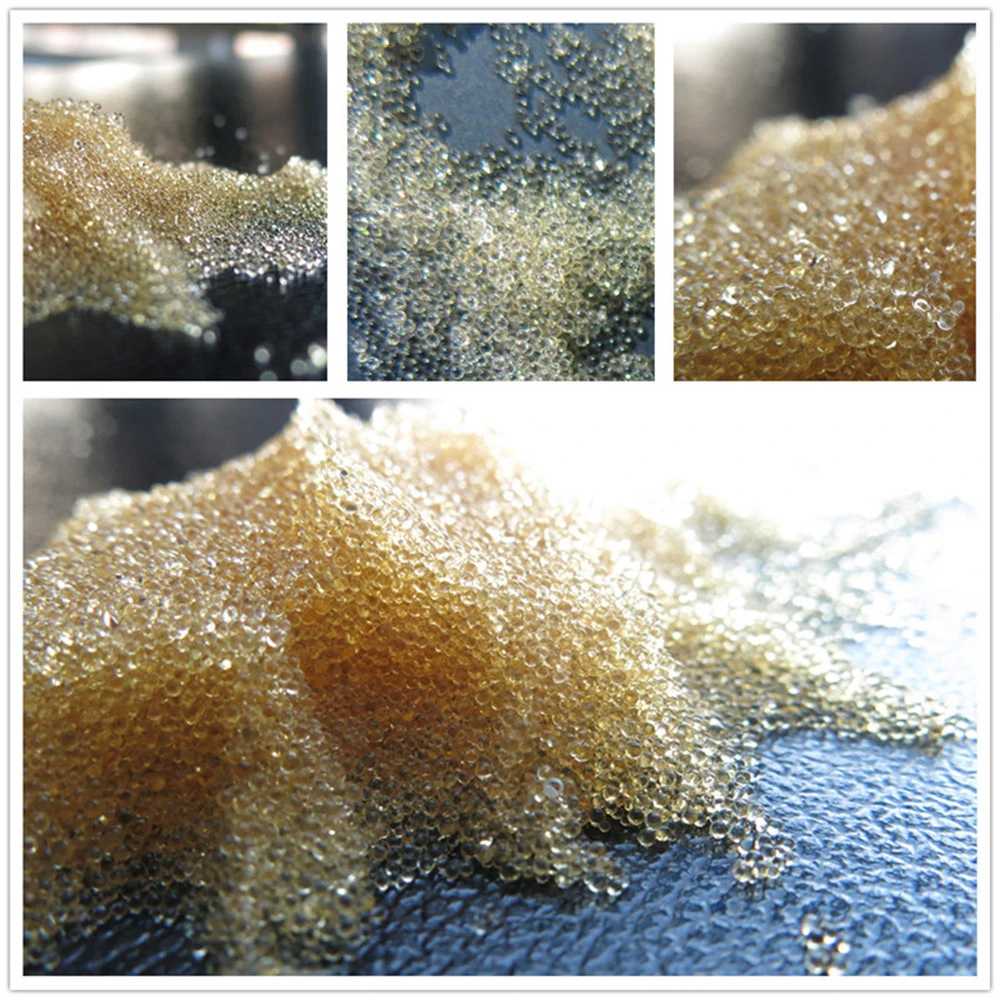
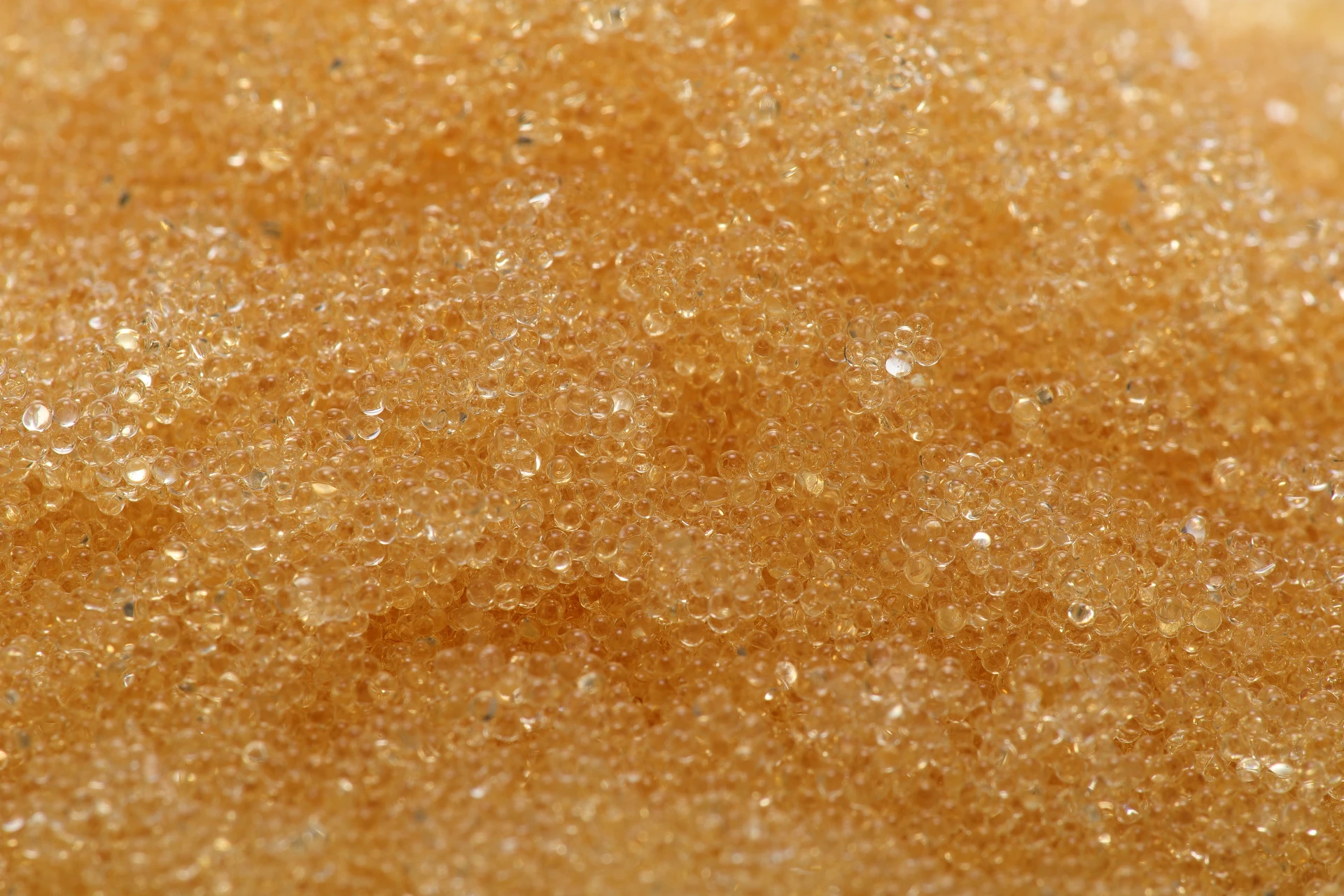
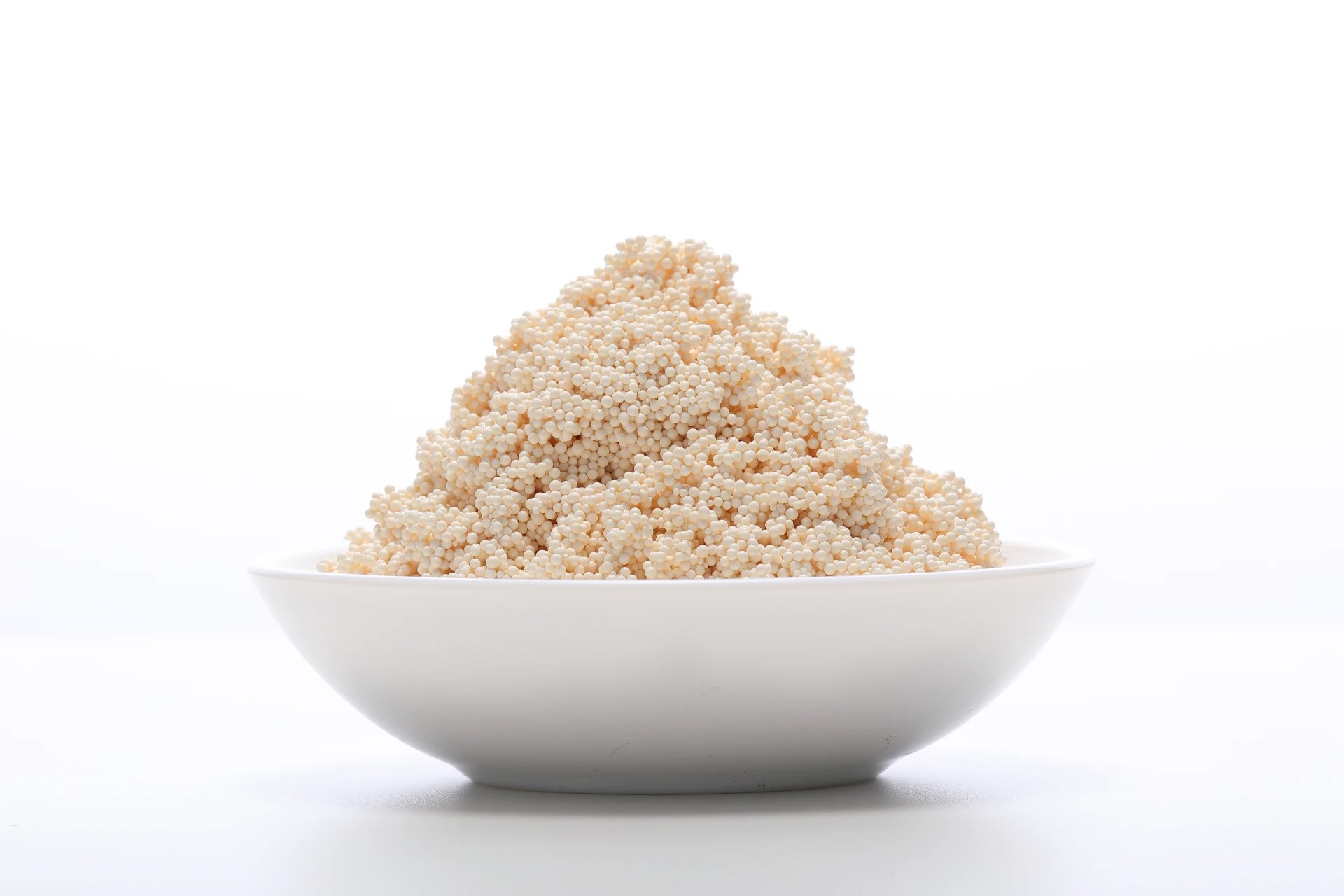
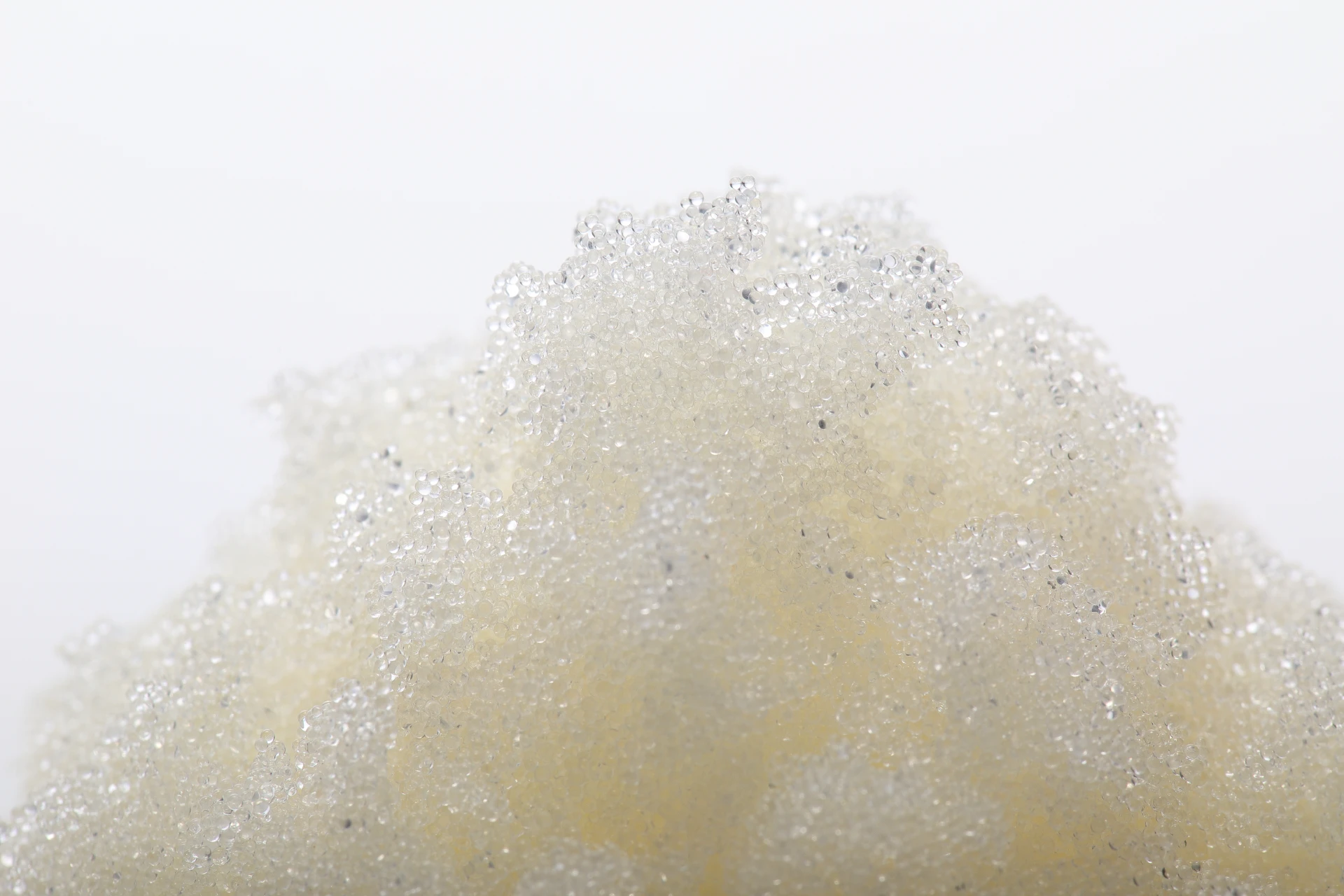
Advanced chelating resin Solutions for Zimbabwe Industrial Water Treatment

High-performance synthetic materials engineered for the challenging mineral profiles of Zimbabwean mining and manufacturing sectors.

Advanced chelating resin Solutions for Zimbabwe Industrial Water Treatment

Providing specialized ion exchange technologies to optimize mineral recovery and ultra-pure water production across Zimbabwe's industrial hubs.

Current State of Resin Application in Zimbabwe

Analyzing the intersection of Zimbabwe's geological wealth and water purification needs.

Zimbabwe's industrial landscape, heavily centered around the Great Dyke's mining operations, faces significant challenges with water hardness and heavy metal contamination. The widespread use of ion exchange resin is critical for treating process water used in gold and platinum extraction, where specific ionic selectivity is required to prevent equipment scaling.

Due to the region's distinct climatic variations and seasonal water scarcity, many industries rely on recycled water systems. This puts immense pressure on bed resin materials, which must withstand higher organic loads and fluctuate in chemical composition during the dry season.

Furthermore, the local manufacturing sector is transitioning from basic filtration to advanced polishing. There is a growing demand for special resin grades that can target specific contaminants like arsenic or fluoride, which are prevalent in certain Zimbabwean groundwater basins.
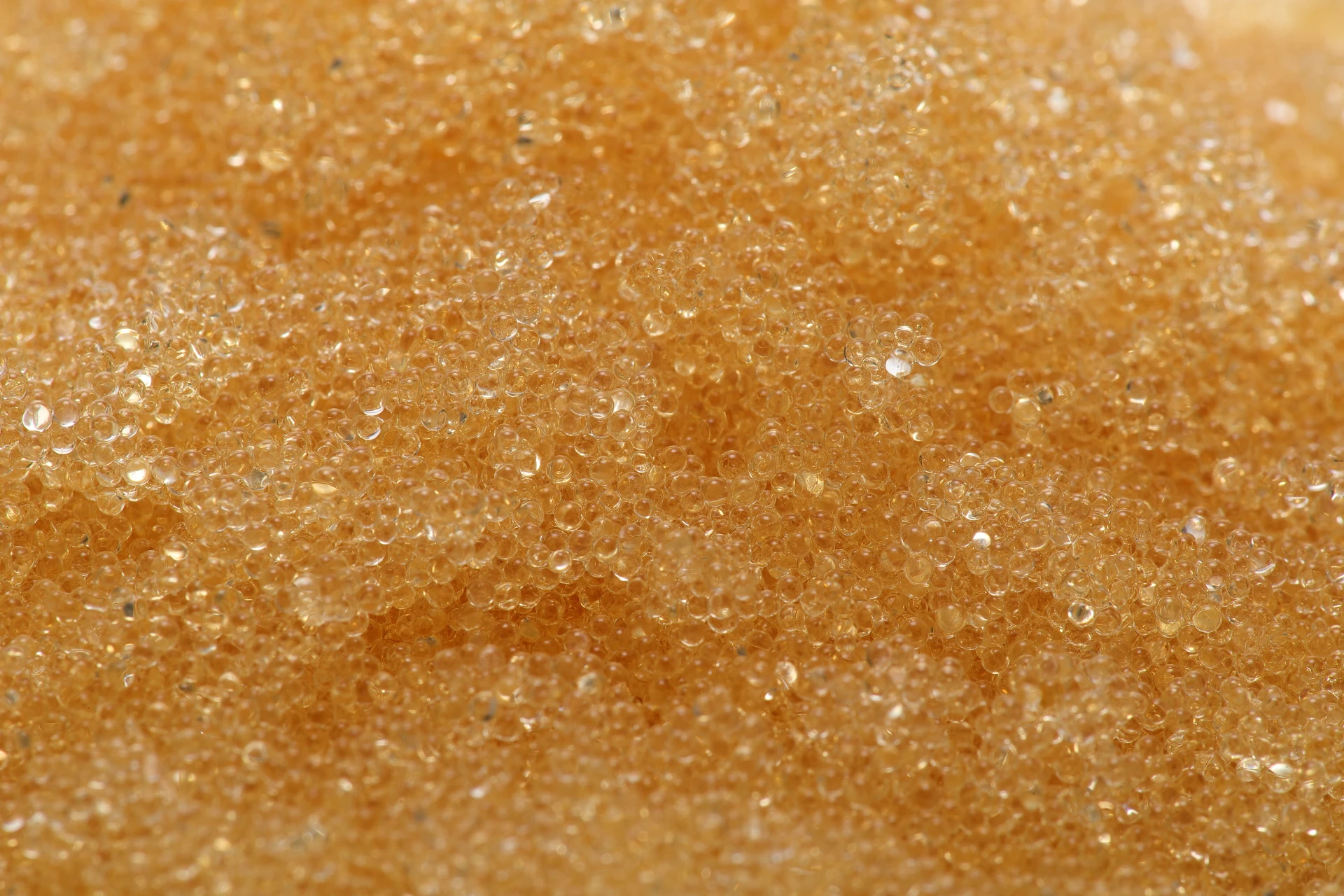
Evolution of Ion Exchange Technology in Zimbabwe

From basic softening to high-precision molecular separation.

Market Development History

In the early 2000s, the Zimbabwean market primarily utilized standard strong acid cation resins for simple water softening in agriculture and basic mining, focusing on bulk removal of Calcium and Magnesium ions.

Between 2010 and 2020, the industry saw a shift toward sophistication with the introduction of mixed bed di resin systems. This allowed the pharmaceutical and beverage industries in Harare and Bulawayo to achieve the high resistivity water required for global export standards.

Today, the focus has shifted toward selectivity. The adoption of chelating technologies now allows mines to selectively recover precious metals from leach liquors, transforming waste streams into revenue sources.

Future Development Trends

Sustainable Regeneration Cycles

Moving toward eco-friendly regenerants to reduce the salt footprint in the local Zambezi river basin ecosystems.

Smart Monitoring Integration

Integration of IoT sensors to track resin exhaustion in real-time, reducing chemical waste in remote mining sites.

Hybrid Exchange Systems

Development of combined membrane-resin systems to handle the high turbidity often found in Zimbabwean raw water sources.

Industry Trends and Future Outlook

Projecting the trajectory of synthetic material science in Southern Africa.

Selective Metal Recovery
Increasing use of resins to target specific rare earth elements in Zimbabwean ores.
Ultra-Pure Water Demand
Growth in electronics and lab-grade water needs driving mixed bed di resin adoption.
Waste Water Valorization
Converting industrial effluent into usable process water through advanced exchange cycles.
Resin Life Extension
Developing resins with higher osmotic shock resistance for harsh African climates.

Industry Outlook

Based on Google search trends for industrial filtration in Sub-Saharan Africa, there is a marked increase in queries regarding "selective ion removal" and "industrial water recycling." This suggests that Zimbabwean enterprises are moving away from disposable filtration toward sustainable, regenerable resin systems.

The next 3-5 years will likely see the integration of high-capacity special resin matrices designed specifically for the high-sulfate waters found in the region's mining belt, optimizing both yield and environmental compliance.

Local Application Scenarios in Zimbabwe

Practical deployments of ion exchange technology across diverse Zimbabwean sectors.

01. Gold Mining Effluent Treatment

Using chelating resins to remove residual cyanide and recover trace gold from wastewater in the Kadoma mining district.

02. Beverage Production in Harare

Implementing mixed bed systems to ensure consistent water purity for soft drink and brewery production, meeting international quality standards.

03. Lithium Processing Plants

Deployment of specialized resins for the purification of lithium salts, supporting Zimbabwe's growing role in the global EV battery supply chain.

04. Agricultural Irrigation Softening

Removing excessive calcium and magnesium from borehole water to prevent soil salinization in the Mashonaland farming regions.

05. Municipal Power Plant Feedwater

Utilizing high-capacity resin beds to prevent boiler scale and corrosion in state-run thermal power stations.

Brand Story

Global Development Journey of Hebei Lijiang Biotech Co., Ltd.

Foundational Excellence

Established with a mission to master the synthesis of high-purity polymers, focusing on the core chemistry of ion exchange.

Technological Breakthrough

Developed proprietary chelating matrices that solved the pain point of low selectivity in complex industrial brine solutions.

Global Market Expansion

Extended operations into the African market, tailoring resin durability to withstand extreme temperatures and variable water quality.

Environmental Stewardship

Launched a series of biodegradable and low-waste resins to support the global shift toward green manufacturing.

Industry Leadership

Now recognized as a leading provider of specialized synthetic materials for the most demanding industrial water challenges worldwide.

Complete Resin Portfolio for the Zimbabwean Market

A comprehensive range of synthetic materials tailored for mining, power, and food industries.

Zimbabwe Industrial Resin FAQ

Expert answers to common technical challenges in the region.

How to choose the right chelating resin for Zimbabwean gold mine wastewater?

Selection depends on the specific metal ions present. We recommend a resin with high affinity for precious metals that can withstand the acidic conditions typical of Zimbabwean leach circuits.

What is the typical lifespan of a mixed bed di resin in high-mineral areas?

Lifespan varies, but with proper pre-filtration to remove suspended solids and organics, our resins typically maintain efficiency for several years through regular regeneration.

Can special resin be used to remove fluoride from groundwater in rural Zimbabwe?

Yes, we offer specialized fluoride-selective resins designed specifically for drinking water purification in regions with high natural fluoride levels.

How does temperature affect bed resin performance in Southern Africa?

High ambient temperatures can accelerate resin degradation. Our products are engineered with enhanced thermal stability to ensure consistent ion exchange capacity.

What is the best regeneration method for resins used in Zimbabwean power plants?

We recommend automated counter-current regeneration to minimize chemical usage and maximize the purity of the effluent water.

Are these ion exchange resins compatible with existing Zimbabwean water infrastructure?

Our resins are designed to fit standard industrial vessel dimensions, making them easily integrable into existing softening or demineralization plants.

Consult Our Resin Experts

Get a customized water treatment strategy tailored for your operations in Zimbabwe.

Contact Us Now

If you are interested in our products, you can choose to leave your information here, and we will be in touch with you shortly.