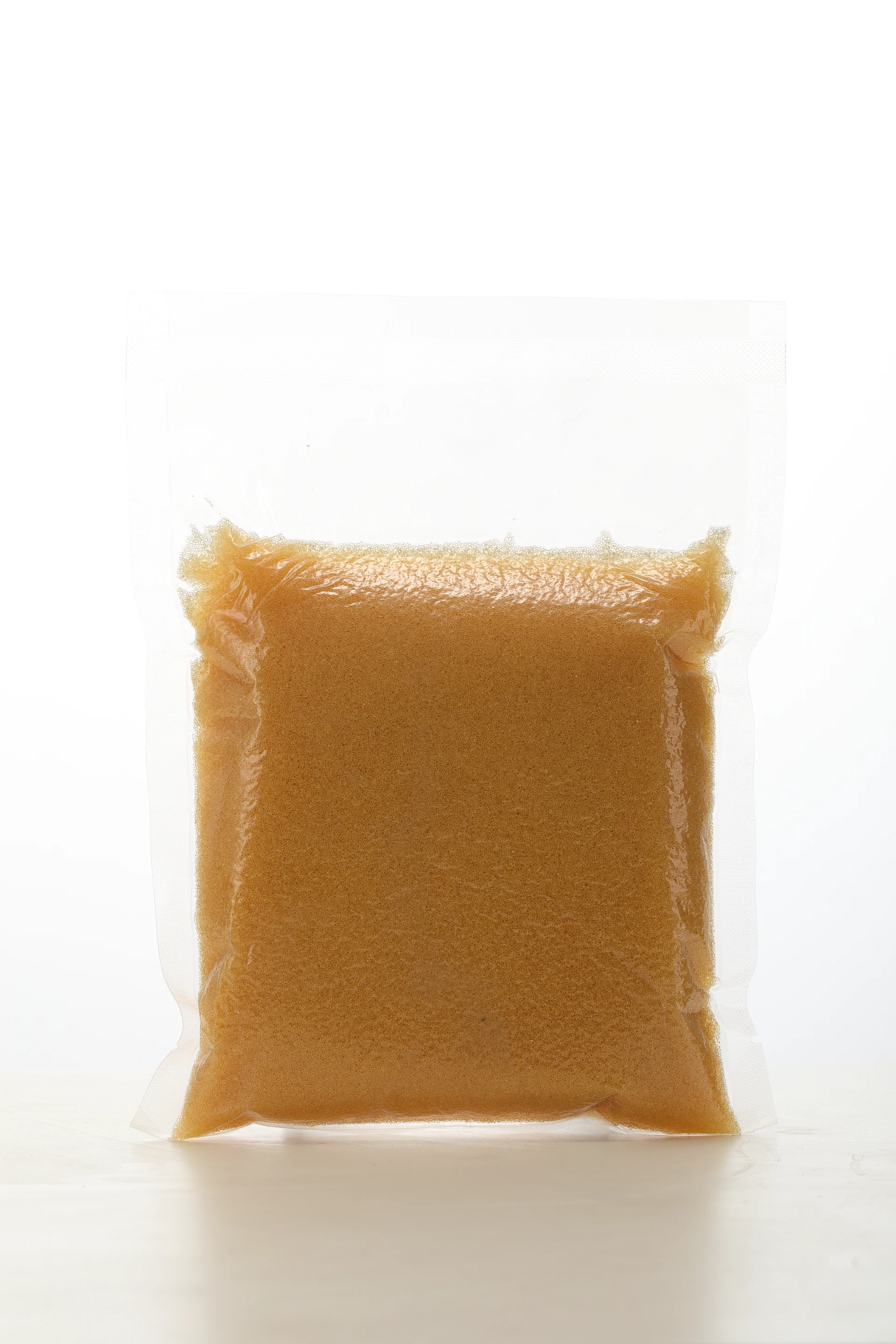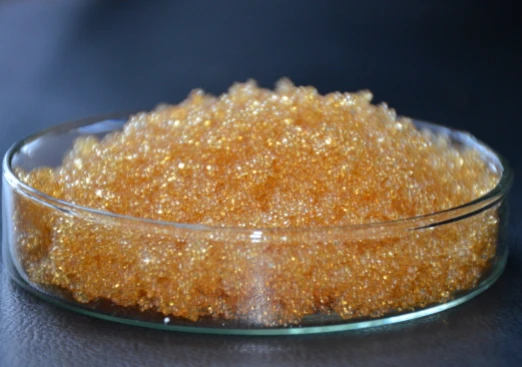
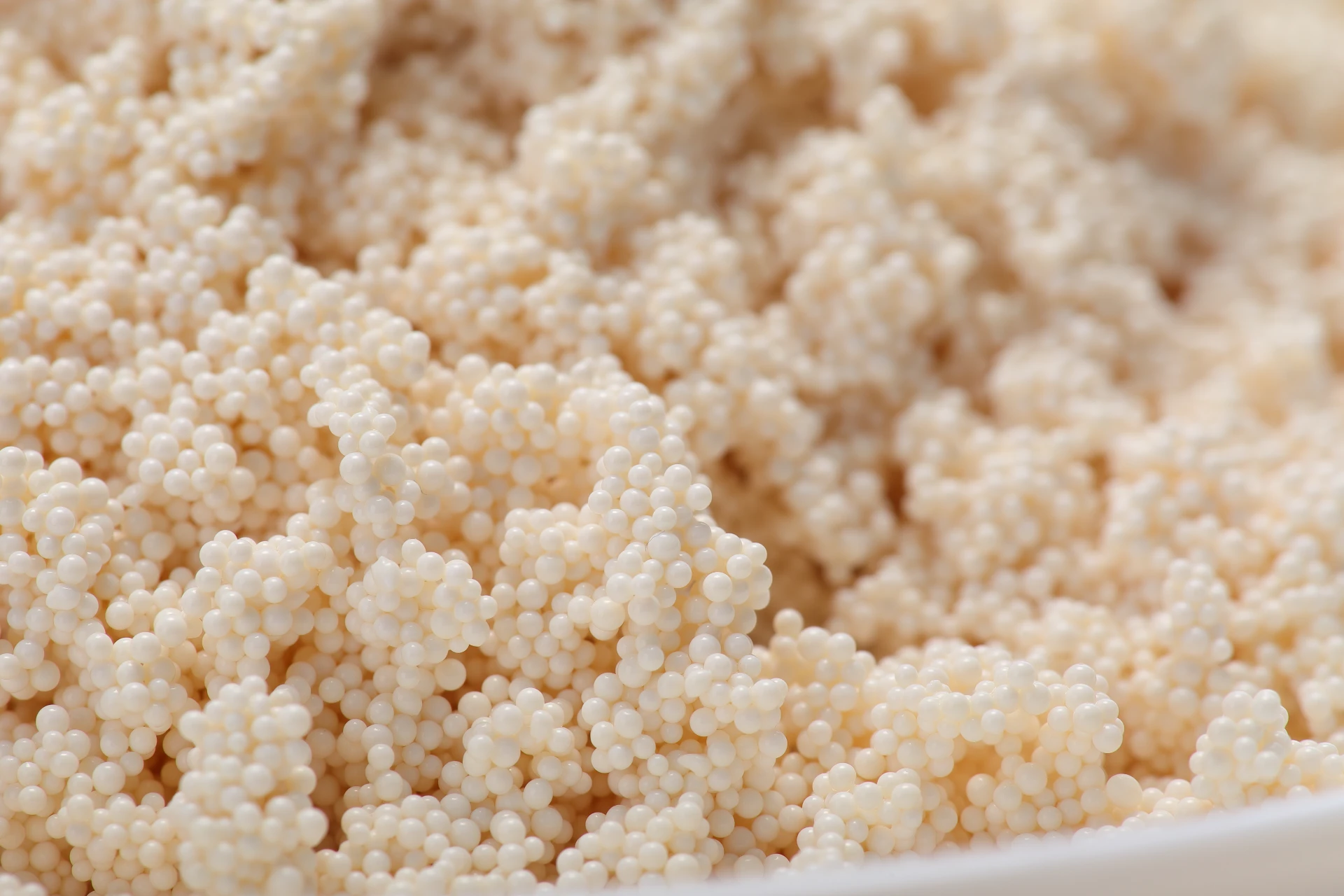
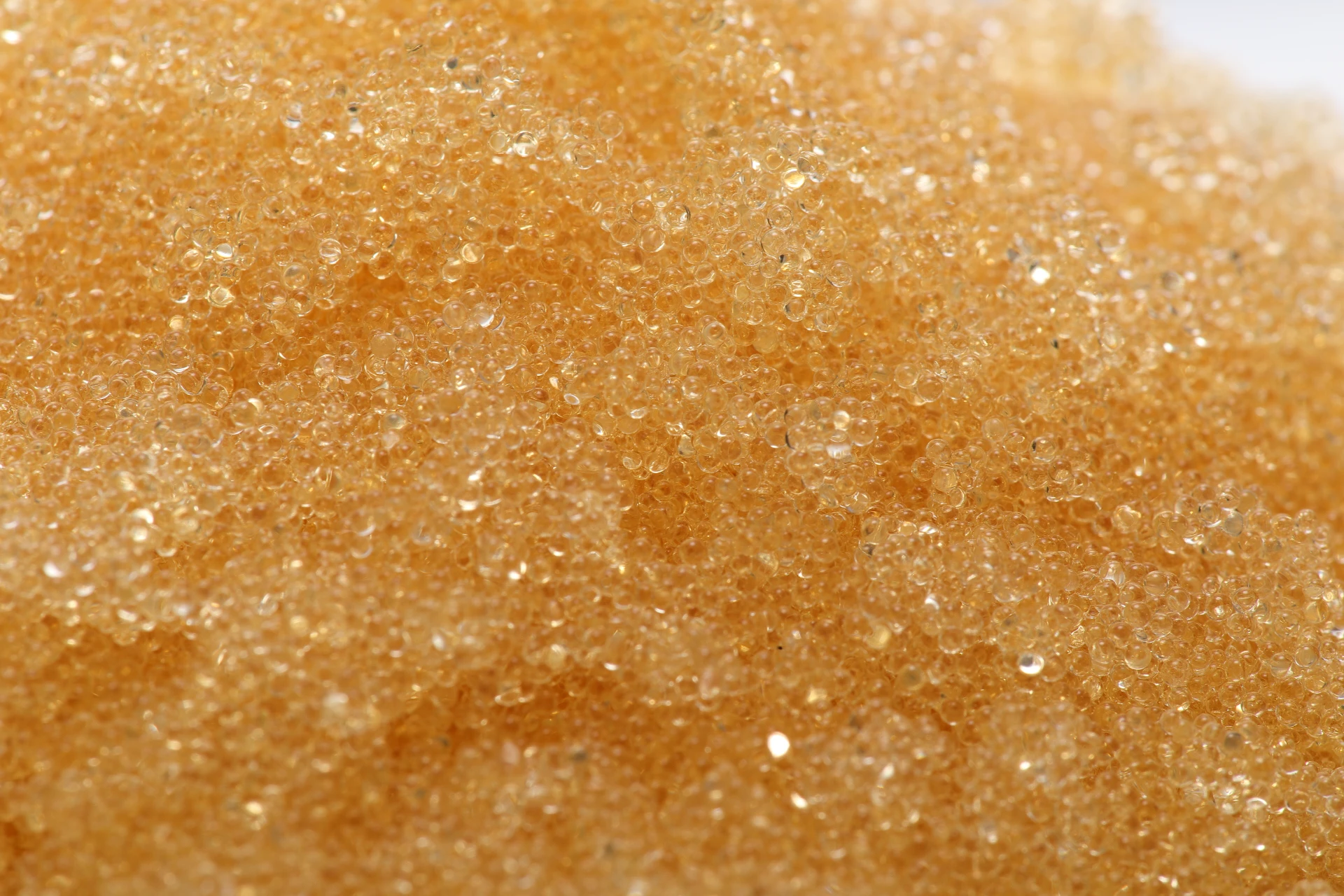
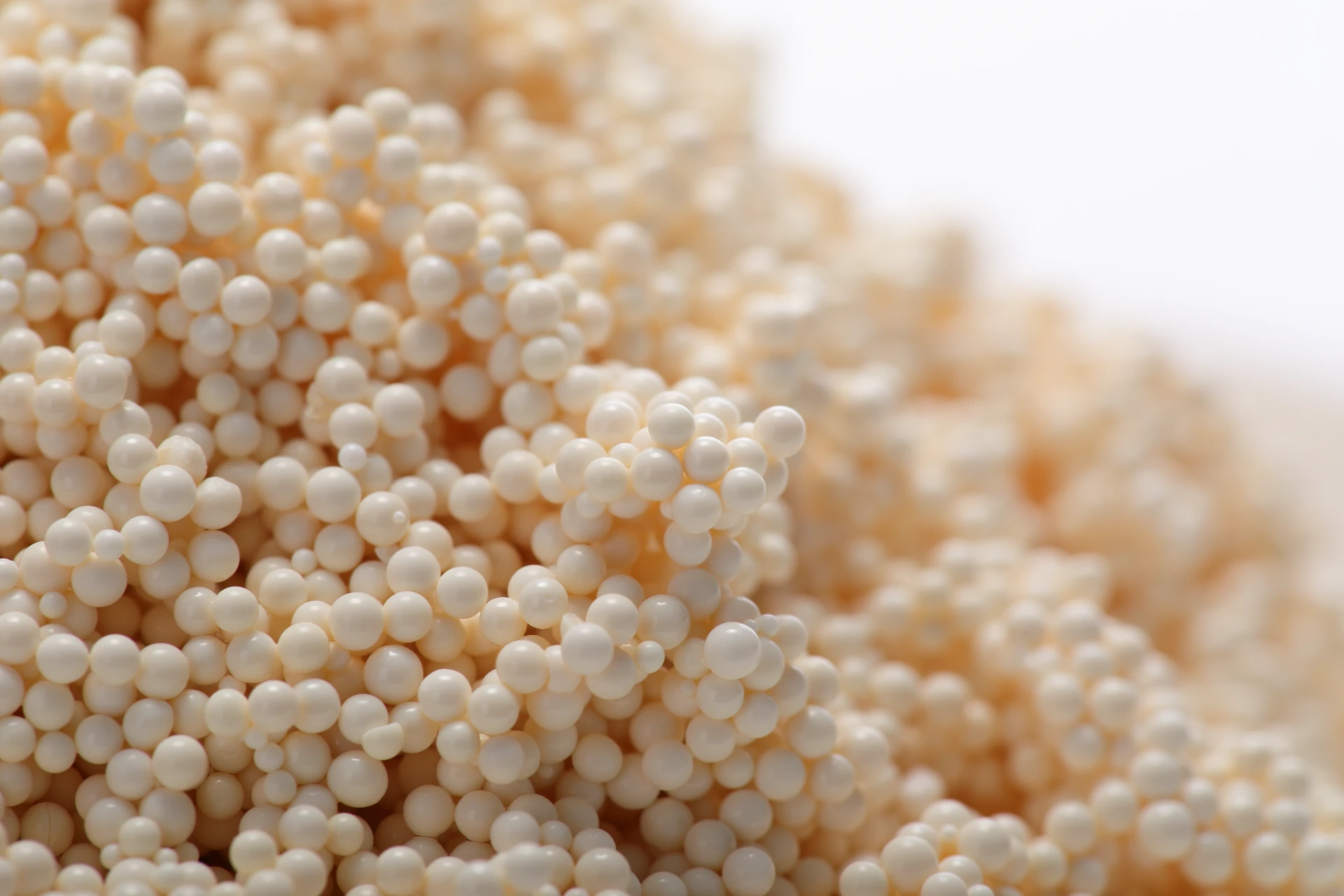
Advanced Water Purification Solutions with chelating resin in Oman

High-performance synthesis materials engineered for the demanding industrial water environments of the Arabian Peninsula.

Advanced Water Purification Solutions with chelating resin in Oman

Providing specialized synthesis materials to optimize industrial separation and purification processes across Oman's chemical and energy sectors.

Industrial Water Landscape in Oman

Analyzing the challenges of mineral salinity and extreme climate on synthetic resin performance.

Oman's industrial sector, particularly in Sohar and Salalah, faces significant challenges due to high salinity levels in groundwater and the extreme arid climate. The reliance on desalination makes the efficient use of ion exchange resin critical for ensuring water quality in power plants and chemical refineries.

The prevalence of heavy metal contamination in specific mining runoff and the high calcium/magnesium content of local brine require highly selective bed resin configurations to prevent scaling and equipment degradation in high-temperature environments.

As Oman pushes toward its "Vision 2040" economic diversification, there is a growing demand for specialized special resin products that can withstand thermal stress while maintaining high exchange capacities for the petrochemical industry.
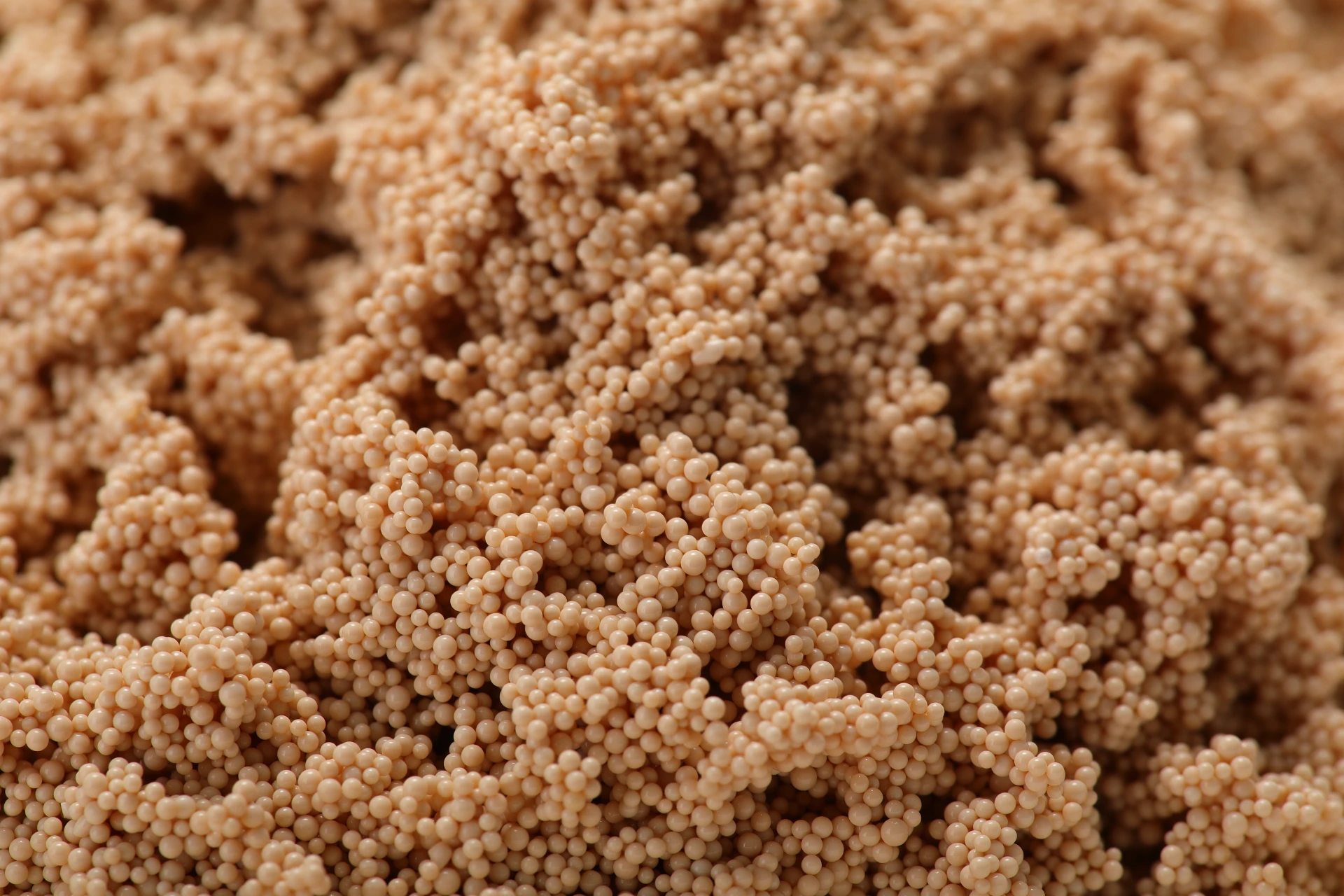
Evolution of Ion Exchange Technology in Oman

From basic softening to precision molecular separation.

Market Development History

During the late 20th century, the Omani market primarily utilized standard strong acid cation resins for basic water softening in the oil and gas sector, focusing on simple hardness removal to protect boilers.

By the 2010s, the shift toward high-purity water for the electronics and pharmaceutical industries led to the widespread adoption of mixed bed di resin, enabling the production of ultra-pure water (UPW) with resistivity exceeding 18MΩ·cm.

Currently, the market has transitioned toward "Selective Synthesis," where advanced polymers are tailored to remove specific toxic ions from wastewater, reducing the environmental footprint of industrial chemical plants in Oman.

Future Development Trends

AI-Driven Regeneration Cycles

Integration of real-time sensors to optimize the regeneration frequency of resins, reducing chemical waste and operational costs in Omani plants.

High-Temperature Stability Polymers

Development of resins capable of operating at temperatures exceeding 80°C without losing functional groups, essential for the geothermal and petrochemical streams.

Circular Economy Water Recovery

A shift toward "Zero Liquid Discharge" (ZLD) systems where resins are used to recover precious metals and salts from waste streams.

Industry Trends and Future Outlook

Strategic projections for synthetic materials in the Middle Eastern chemical landscape.

Selective Ion Removal
Increasing adoption of specialized resins for the removal of boron and nitrates from Oman's brackish water sources.
Green Synthesis
Shift towards biodegradable resin matrices to align with Oman's environmental sustainability targets.
Modular Bed Design
Implementation of prefabricated resin modules for rapid deployment in remote Omani oil fields.
Digital Twin Monitoring
Using digital twins to predict resin exhaustion rates based on Omani water salinity fluctuations.

Industry Outlook

Google Search trends indicate a significant rise in queries related to "wastewater reclamation" and "industrial resin efficiency" within the GCC region. This suggests that Omani manufacturers are pivoting from simple water treatment to complex resource recovery.

Over the next 3-5 years, we expect the demand for high-selectivity polymers to grow by 15% annually as Oman strengthens its chemical manufacturing base and implements stricter environmental discharge regulations.

Localized Application Scenarios in Oman

Real-world implementation of resin technology across Omani industrial sectors.

1. Desalination Plant Pre-treatment

Utilizing high-capacity ion exchange systems to remove sulfate and silica, preventing membrane fouling in reverse osmosis plants along the coast of Muscat.

2. Oil Refinery Boiler Feed Water

Implementing mixed bed di resin to produce ultrapure water, eliminating corrosive ions and extending the lifespan of high-pressure steam boilers.

3. Mining Wastewater Decontamination

Applying specialized chelating resin to selectively capture heavy metals from mine drainage in the Al Hajar Mountains.

4. Pharmaceutical Grade Water Production

Designing multi-stage polishing beds that use a combination of cation and anion resins to meet strict international pharmacopeia standards for local medicine production.

5. Petrochemical Catalyst Purification

Using specialty resins to purify organic solvents and recover expensive catalyst components from chemical process streams in the Sohar Industrial Port.

Brand Story

Global Development History of Hebei Lijiang Biotechnology Co., Ltd.

Foundational Innovation

Established with a mission to solve the critical pain point of low-efficiency ion exchange in harsh industrial environments, focusing on high-stability polymer matrices.

Technical Breakthrough

Developed a proprietary synthesis process for chelating agents that significantly increased selectivity for divalent ions in complex saline backgrounds.

Global Expansion

Expanded operations into the Middle East, tailoring product specifications to meet the thermal and chemical requirements of the Arabian Peninsula.

Sustainability Pivot

Launched a line of eco-friendly resins designed for water recycling, helping global clients reduce their freshwater footprint.

Industry Leadership

Recognized as a leading provider of synthesis materials, delivering customized resin solutions to the world's most challenging industrial sites.

Comprehensive Resin Portfolio for Oman

A complete range of synthetic materials tailored for the Omani industrial climate.

Oman Industrial Resin FAQ

Expert answers to common technical queries regarding resin application in Oman.

How does high salinity in Oman affect ion exchange resin lifespan?

High salinity increases the ionic load, leading to faster exhaustion. We recommend using resins with higher exchange capacities and optimizing regeneration cycles to maintain performance.

Which chelating resin is best for removing heavy metals from Omani mining water?

Resins with iminodiacetic acid functional groups are highly effective for selectively capturing Cu, Ni, and Zn from complex mining runoff in the Al Hajar region.

Can mixed bed di resin handle the temperature fluctuations in Sohar?

Yes, our specialized mixed beds are designed for thermal stability, ensuring that the resin beads do not degrade or collapse under high ambient temperature conditions.

What is the optimal regeneration method for bed resin in arid climates?

Counter-current regeneration is recommended to minimize chemical consumption and water waste, which is critical given Oman's water scarcity.

How to choose a special resin for petrochemical solvent purification?

Selection should be based on the polarity of the solvent and the specific contaminant. We provide macroreticular resins that offer better kinetic properties for organic phases.

Do you provide technical support for resin installation in Oman?

Yes, we provide full technical guidance on bed loading, flow rate optimization, and regeneration scheduling tailored to Omani water chemistry.

Partner with the Resin Experts

Contact us today for high-performance synthetic material solutions tailored specifically for the industrial needs of Oman.

Contact Us Now

If you are interested in our products, you can choose to leave your information here, and we will be in touch with you shortly.