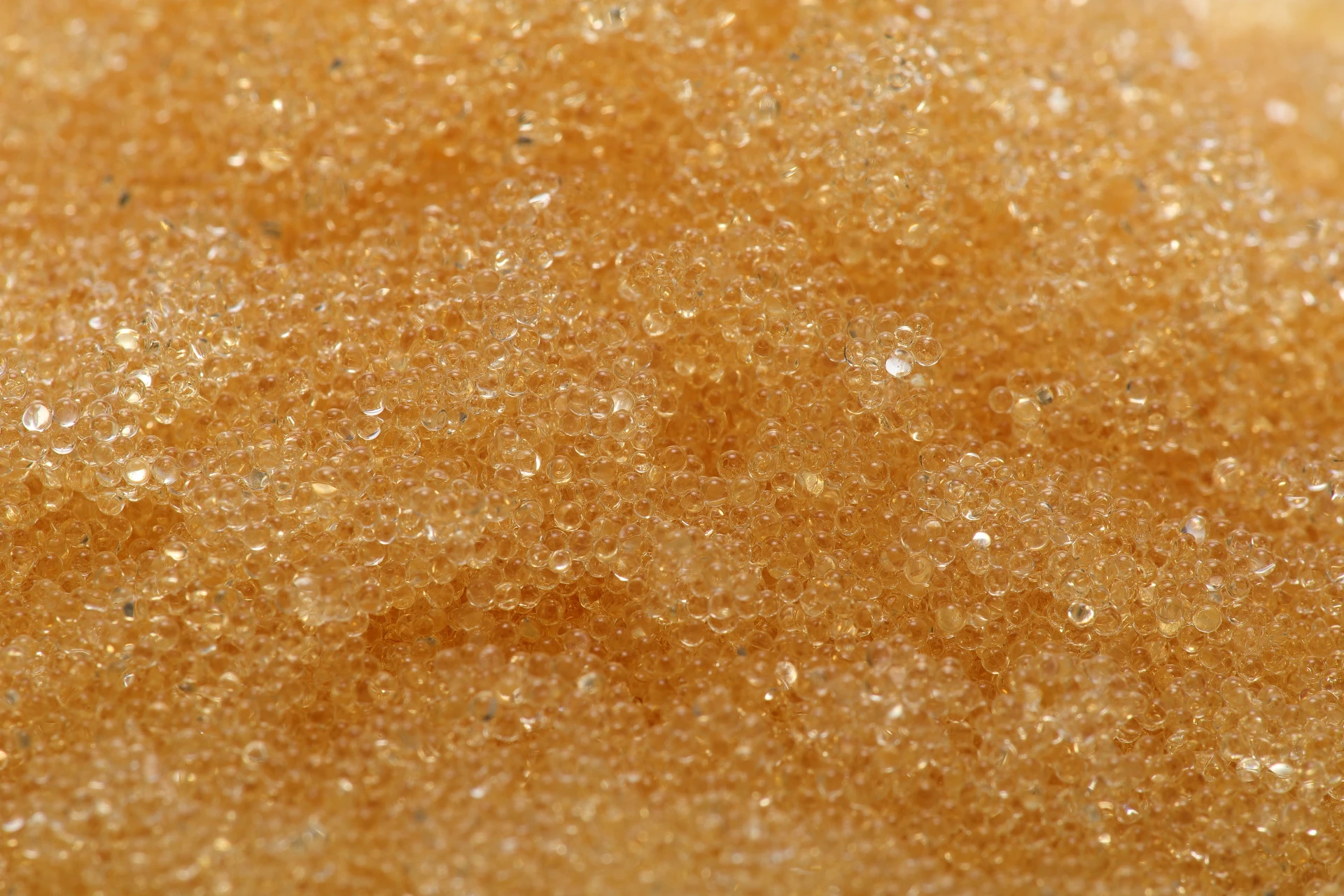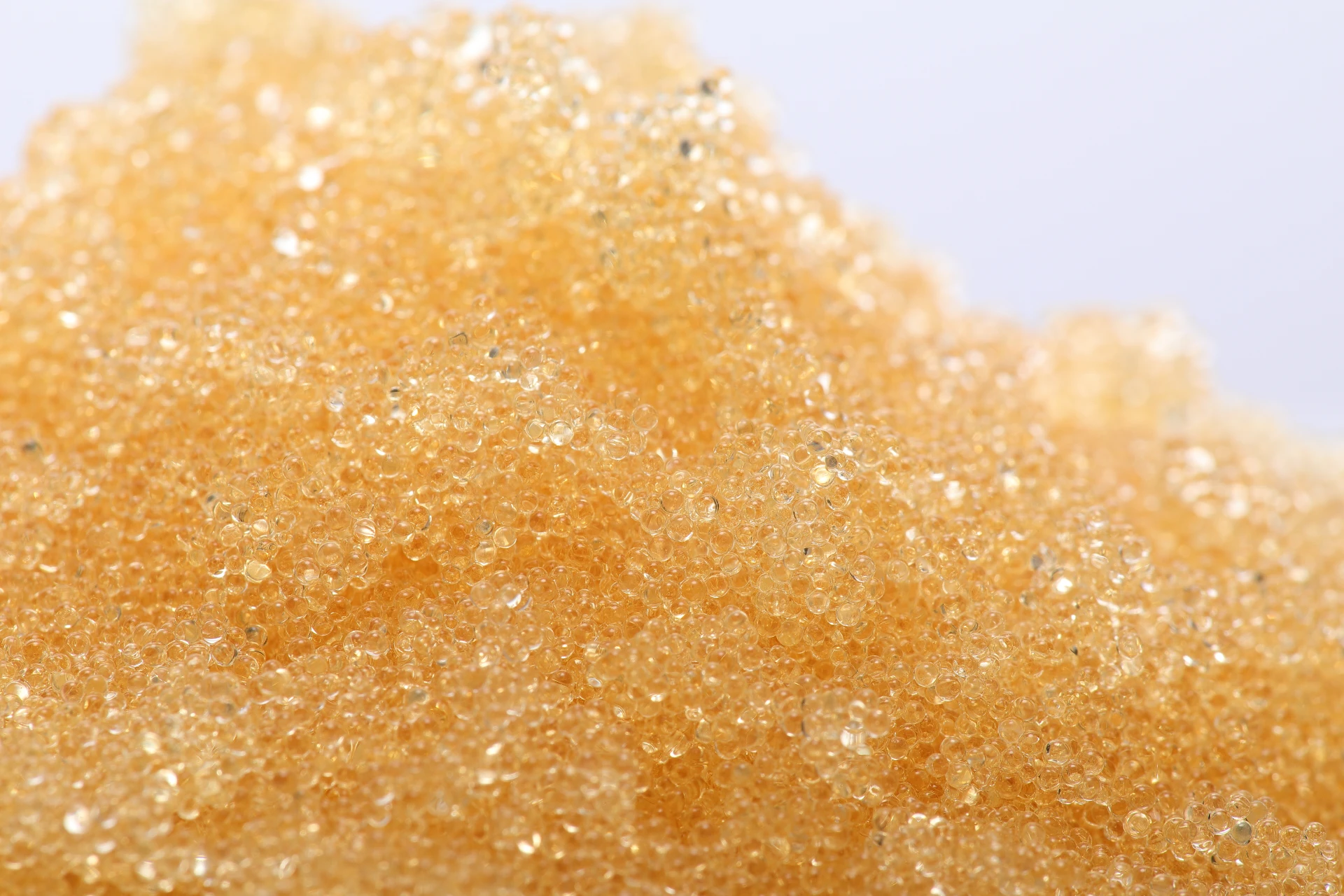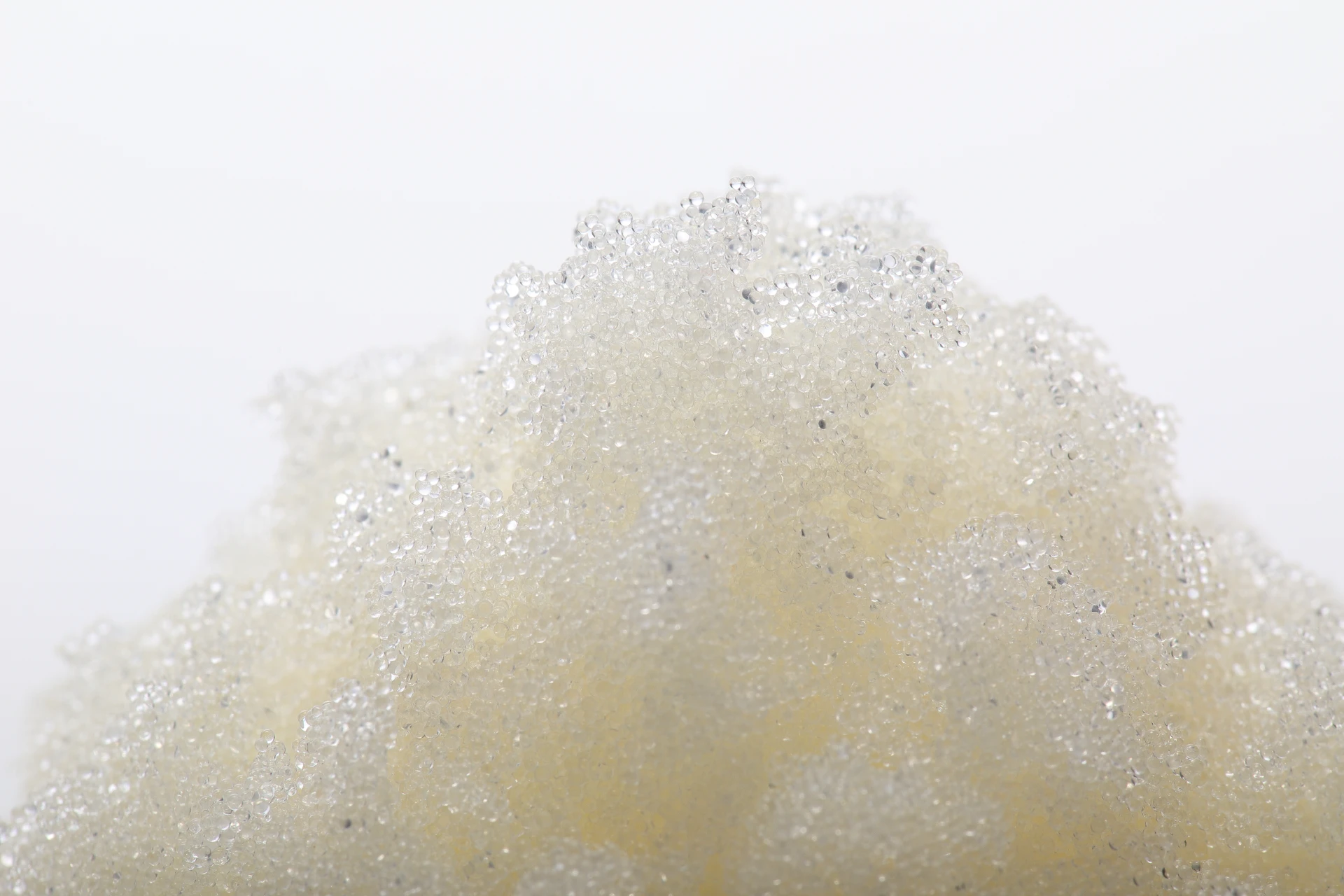
Advanced Water Purification via chelating resin in Peru

Tailored synthetic material solutions for Peru's mining and industrial sectors, optimizing metal recovery and high-purity water systems.

Advanced Water Purification via chelating resin in Peru

Providing high-performance synthetic materials to tackle the complex water chemistry of the Andean regions, ensuring sustainable industrial growth through precise ion exchange technology.

Industrial Resin Landscape in Peru

Analyzing the intersection of Peru's mineral wealth and chemical water treatment needs.

Peru's industrial landscape is heavily dominated by mining and metallurgy, particularly in the Andes. The unique geological composition of the region results in source water with high concentrations of heavy metals and dissolved minerals, necessitating the use of high-capacity ion exchange resin to maintain operational efficiency and meet environmental regulations.

In coastal regions like Lima, saltwater intrusion and varying mineral levels in groundwater pose significant challenges for the food and beverage industry. The demand for bed resin has surged as companies shift from basic filtration to advanced chemical separation to ensure product consistency and equipment longevity.

Furthermore, the strict environmental laws implemented by the Peruvian government regarding wastewater discharge have forced industries to move beyond generic treatments. This has led to a strategic adoption of special resin tailored for the selective removal of toxic ions from tailings and process water.
Evolution of Synthetic Material Technology in Peru

From basic softening to high-precision molecular separation.

Market Development History

Between 1990 and 2005, the Peruvian market relied primarily on imported basic strong acid and strong base resins for simple water softening and dechlorination, focusing on bulk volume rather than selectivity.

From 2006 to 2018, with the mining boom, there was a technical shift toward selective adsorption. The introduction of mixed bed di resin allowed for the production of ultra-pure water required for sensitive laboratory analysis and advanced boiler feed water in power plants.

Since 2019, the focus has pivoted toward "circular economy" models. Modern installations now integrate complex multi-stage resin systems that not only purify water but selectively recover precious metals from waste streams, maximizing resource efficiency.

Future Development Trends

Green Chemistry Integration

There is a growing trend toward biodegradable and eco-friendly resin matrices to reduce the chemical footprint of regeneration processes in Peruvian ecological zones.

Digital Resin Monitoring

The integration of IoT sensors to monitor the breakthrough curves of ion exchange beds in real-time, reducing chemical waste during regeneration cycles.

Extreme Selectivity

Development of next-generation chelating agents capable of operating in highly acidic environments typical of Peruvian copper and gold leaching processes.

Future Trends and Strategic Outlook

Predicting the next 3-5 years of resin technology in the South American market.

Mining Recovery Optimization
Increasing focus on recovering Cobalt and Nickel from tailings using high-selectivity resins.
Zero Liquid Discharge (ZLD)
Integrating resin systems with membrane technology to achieve complete water recycling.
Smart Regeneration Systems
AI-driven chemical dosing to extend the life of the ion exchange matrix.
Hyper-Pure Pharmaceutical Water
Expansion of the pharmaceutical sector in Peru requiring ultra-low conductivity water.

Industry Outlook

Google search trends indicate a significant rise in queries related to "sustainable water treatment" and "metal recovery" within the South American region. This suggests a market shift from simple waste management to resource recovery, where high-end resins play a pivotal role.

We anticipate that the adoption of specialized ion exchange materials will grow at a CAGR of 6% in Peru, driven by the synergy between technological innovation and stricter ESG (Environmental, Social, and Governance) mandates in the extractive industries.

Local Application Scenarios in Peru

Real-world implementations of resin technology across Peruvian industries.

1. Copper Mine Acid Mine Drainage (AMD) Treatment

Utilizing chelating resin to selectively remove heavy metals from highly acidic drainage water in the Southern Highlands, ensuring compliance with Peruvian environmental limits.

2. Coastal Desalination Post-Treatment

Applying ion exchange resin to polish water from Reverse Osmosis (RO) plants in Lima, removing residual boron and silica for industrial use.

3. Agrochemical Production Purification

Implementing mixed bed di resin in the production of high-purity chemicals for the Peruvian agriculture sector to prevent catalyst poisoning.

4. Gourmet Beverage Water Softening

Using high-capacity bed resin to standardize water hardness for the beverage industry in the Cusco region, preserving the taste profile of local products.

5. Electroplating Waste Recovery

Employing special resin to recover precious metals from industrial rinse water in the manufacturing hubs of Callao.

Brand Story

Global Development History of Hebei Lijian Biological Technology Co., Ltd.

Founding Vision

Established with the goal of bridging the gap between complex polymer chemistry and practical industrial water challenges.

Technical Breakthroughs

Developed proprietary cross-linking technologies that increased resin durability in extreme pH conditions.

Global Expansion

Expanded operations into South America, establishing a strong support network for the Peruvian mining industry.

Sustainability Pivot

Launched a series of "Green Resins" focusing on lower regeneration chemical requirements.

Industry Leadership

Recognized as a key innovator in synthetic materials for selective ion separation on a global scale.

Comprehensive Resin Portfolio for Peru

A full spectrum of synthetic materials designed for the unique demands of the Peruvian market.

Common Questions in Peru

Expert answers to technical queries regarding resin application in the Andean region.

How to choose the right chelating resin for copper recovery in Peru?

Selection should be based on the pH of the leach solution and the presence of competing ions like Iron. We recommend iminodiacetic acid functional resins for high selectivity toward divalent copper ions.

What is the lifespan of mixed bed di resin in high-mineral water?

Lifespan depends on the frequency of regeneration and the quality of pre-treatment. In Peruvian industrial settings, proper pre-filtration can extend the life of mixed bed resins to 3-5 years.

Can special resin handle high concentrations of silica in Andean water?

Yes, our specialized strong base anionic resins are designed with a high affinity for silicic acid, effectively preventing silica leakage in ultra-pure water systems.

How does bed resin regeneration work in remote mining sites?

We provide automated regeneration systems that minimize manual chemical handling, utilizing concentrated brine or acids tailored to the specific resin type used on site.

What are the benefits of using ion exchange resin over traditional precipitation?

Ion exchange offers higher selectivity, produces less sludge, and allows for the recovery of valuable metals in a concentrated form, significantly reducing disposal costs.

Which resin is best for softening groundwater in the Peruvian coast?

A strong acid cation resin in the sodium form is typically most effective for removing calcium and magnesium ions from coastal groundwater.

Ready to Optimize Your Water Process?

Our technical team is ready to provide customized resin solutions for your projects in Peru.

Contact Us Now

If you are interested in our products, you can choose to leave your information here, and we will be in touch with you shortly.