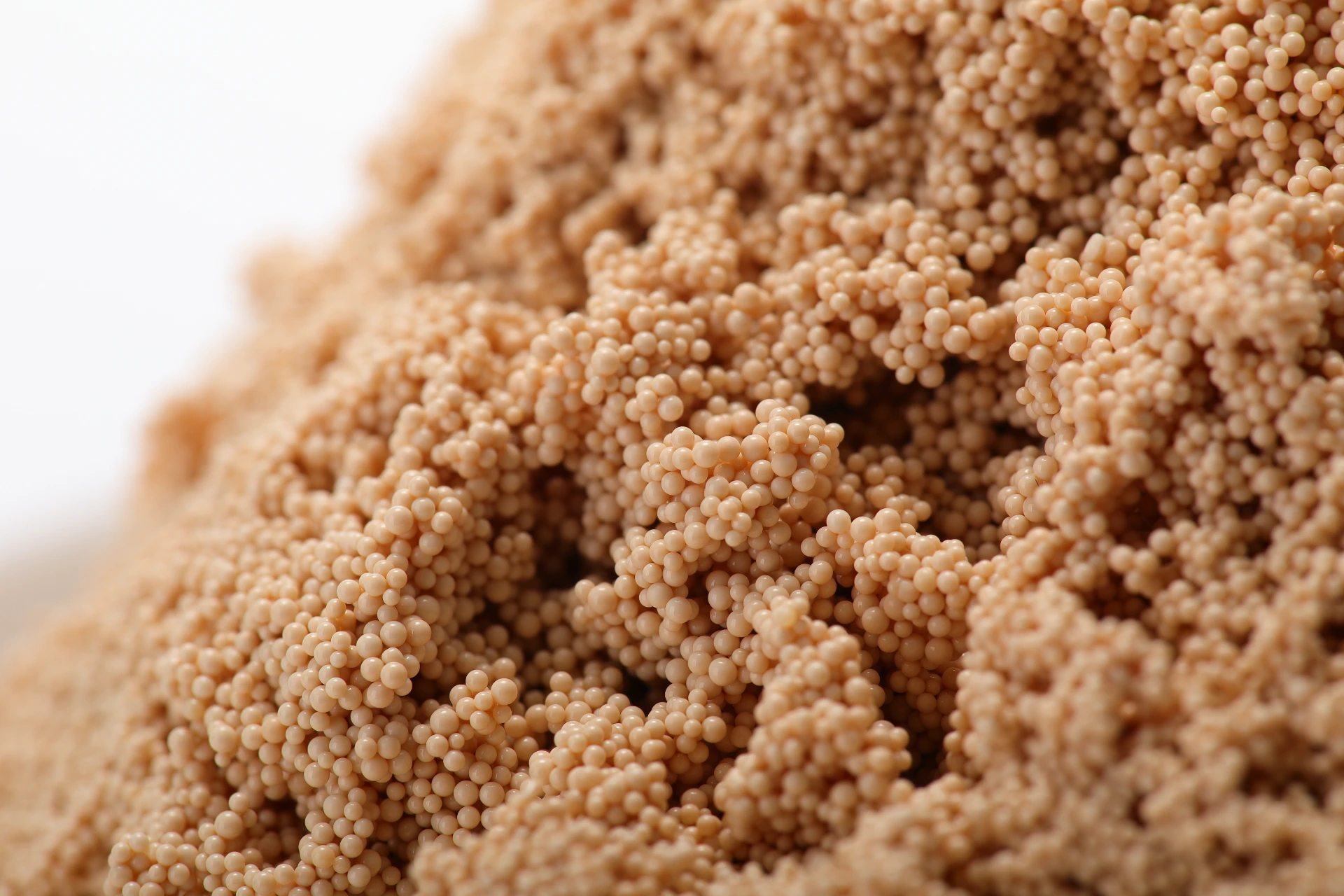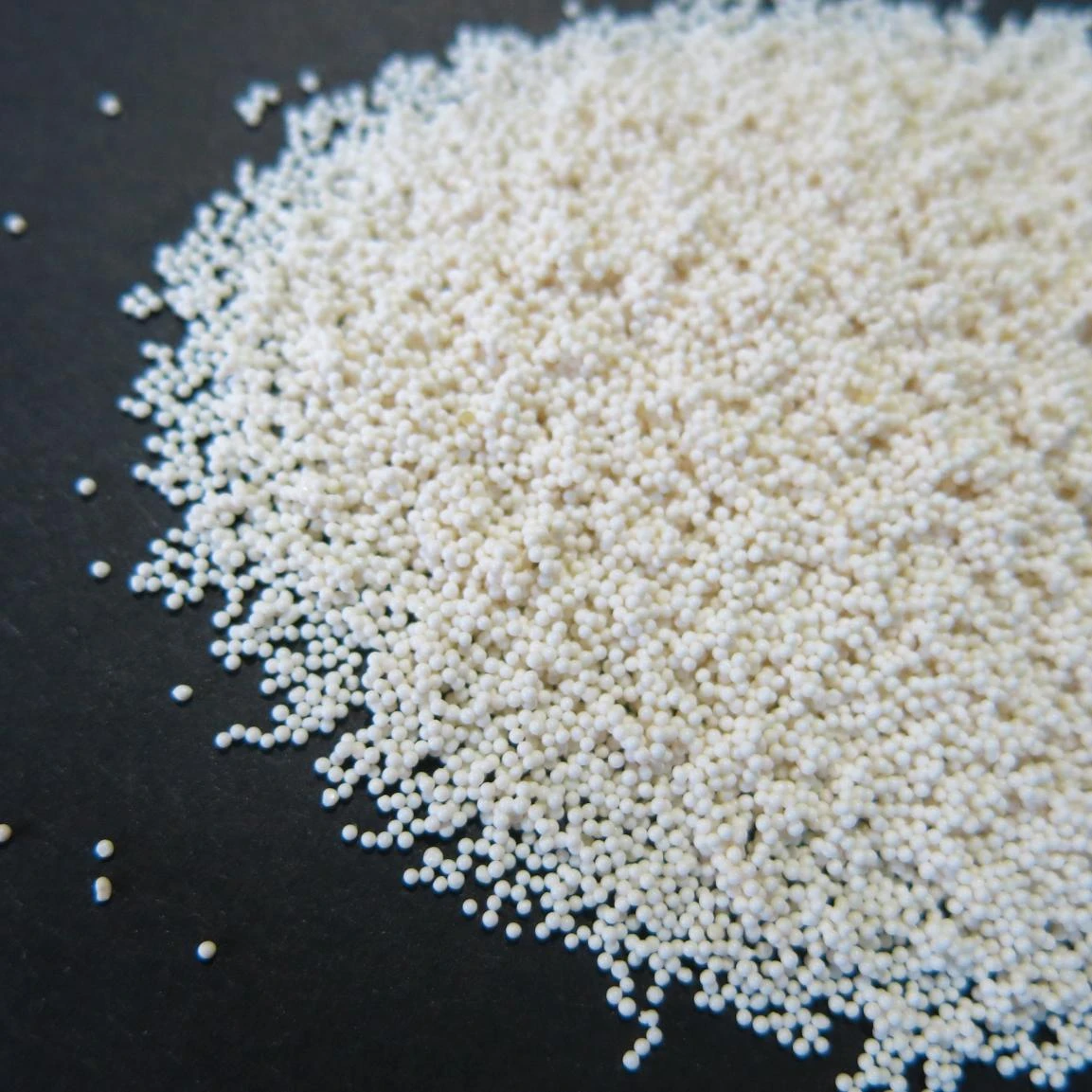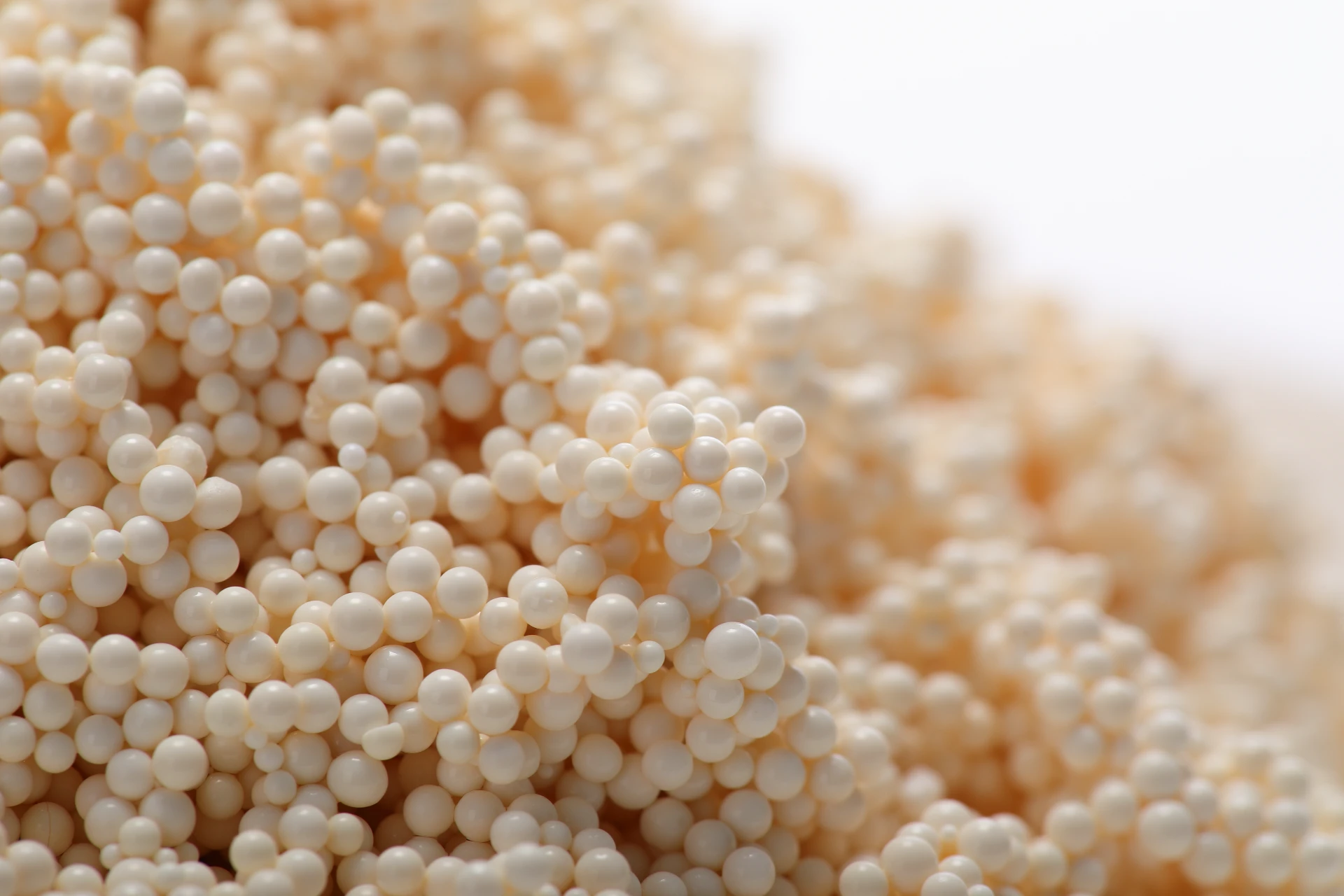
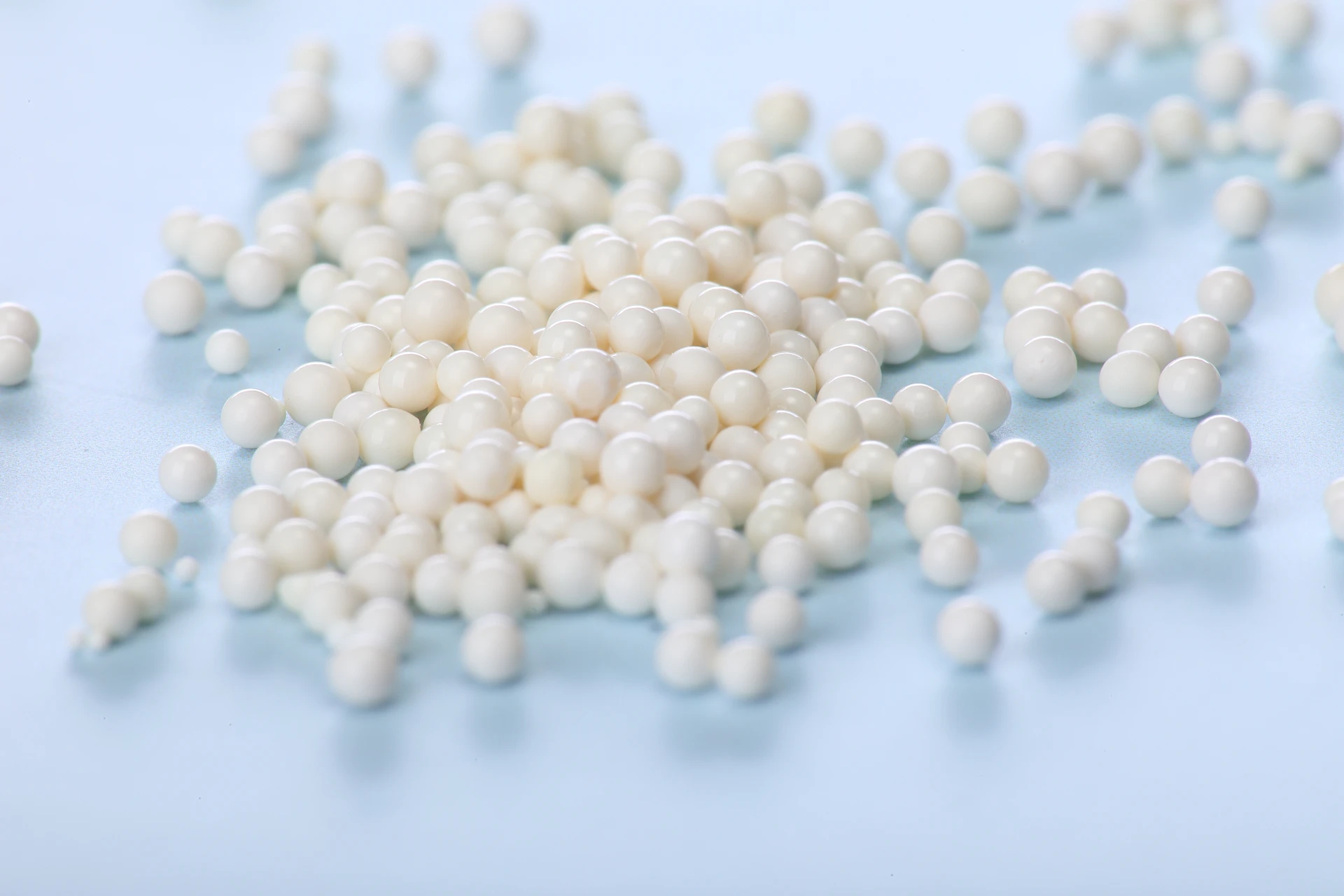
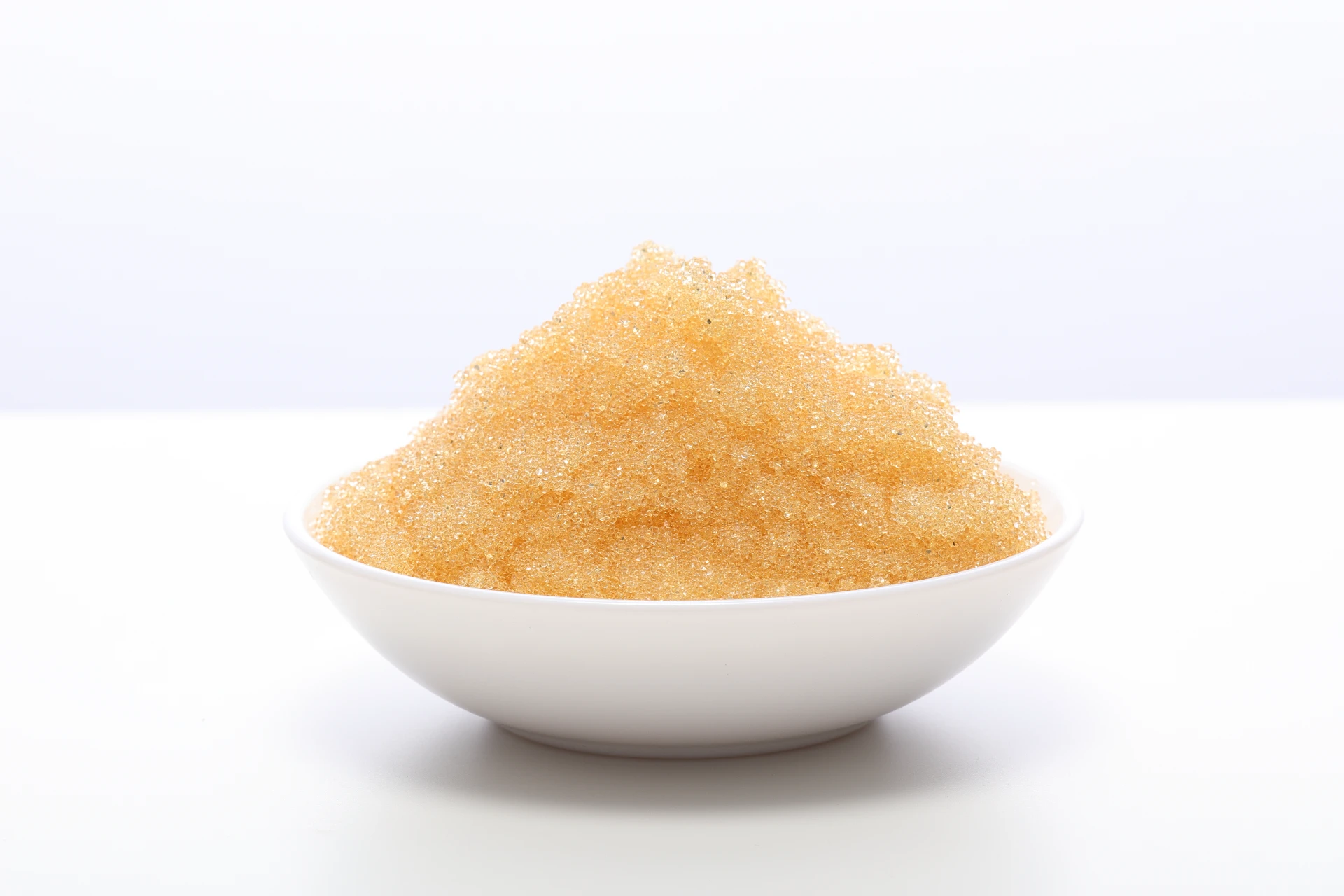
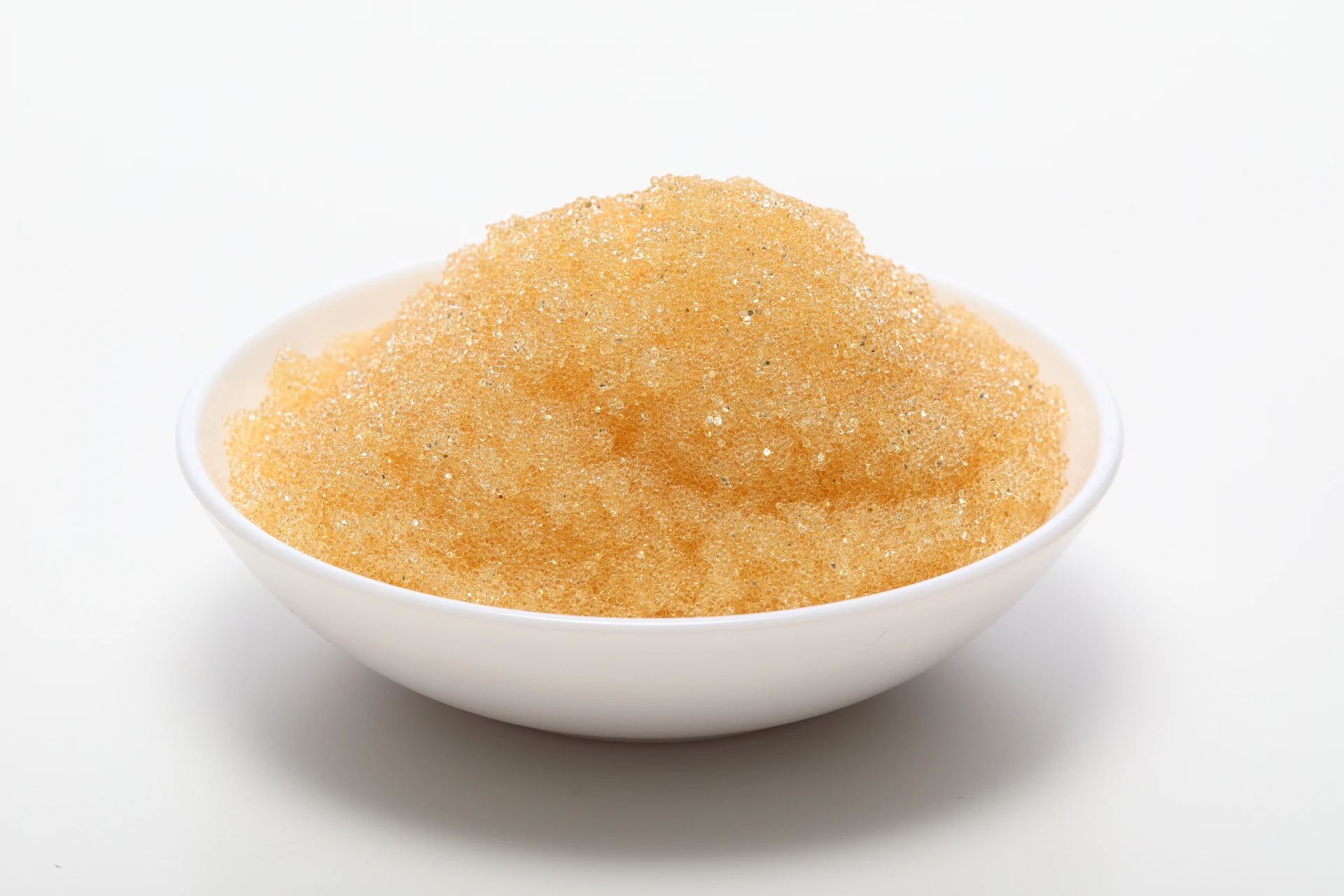
Advanced Water Purification with chelating resin in Cuba

Optimizing industrial mineral recovery and high-purity water systems across the Cuban archipelago with next-generation synthetic materials.

Advanced Water Purification with chelating resin in Cuba

Providing high-performance ion exchange solutions tailored for Cuba's unique chemical manufacturing and water treatment infrastructure, ensuring stability and efficiency.

Industrial Resin Landscape in Cuba

Analyzing the integration of ion exchange technology in a Caribbean economic context.

In Cuba, the manufacturing of chemical raw materials faces specific challenges due to high humidity and saline coastal environments. The use of ion exchange resin has become critical for maintaining the purity of process water in the pharmaceutical and food processing sectors, which are pillars of the local economy.

The reliance on aging infrastructure requires materials that offer high mechanical strength and resistance to osmotic shock. Consequently, the demand for bed resin that can withstand frequent regeneration cycles without losing capacity is increasing across industrial zones in Havana and Santiago de Cuba.

Current market trends show a shift toward specialized applications, where special resin grades are being implemented to treat complex wastewater streams containing heavy metals, reflecting Cuba's commitment to environmental sustainability and resource recovery.
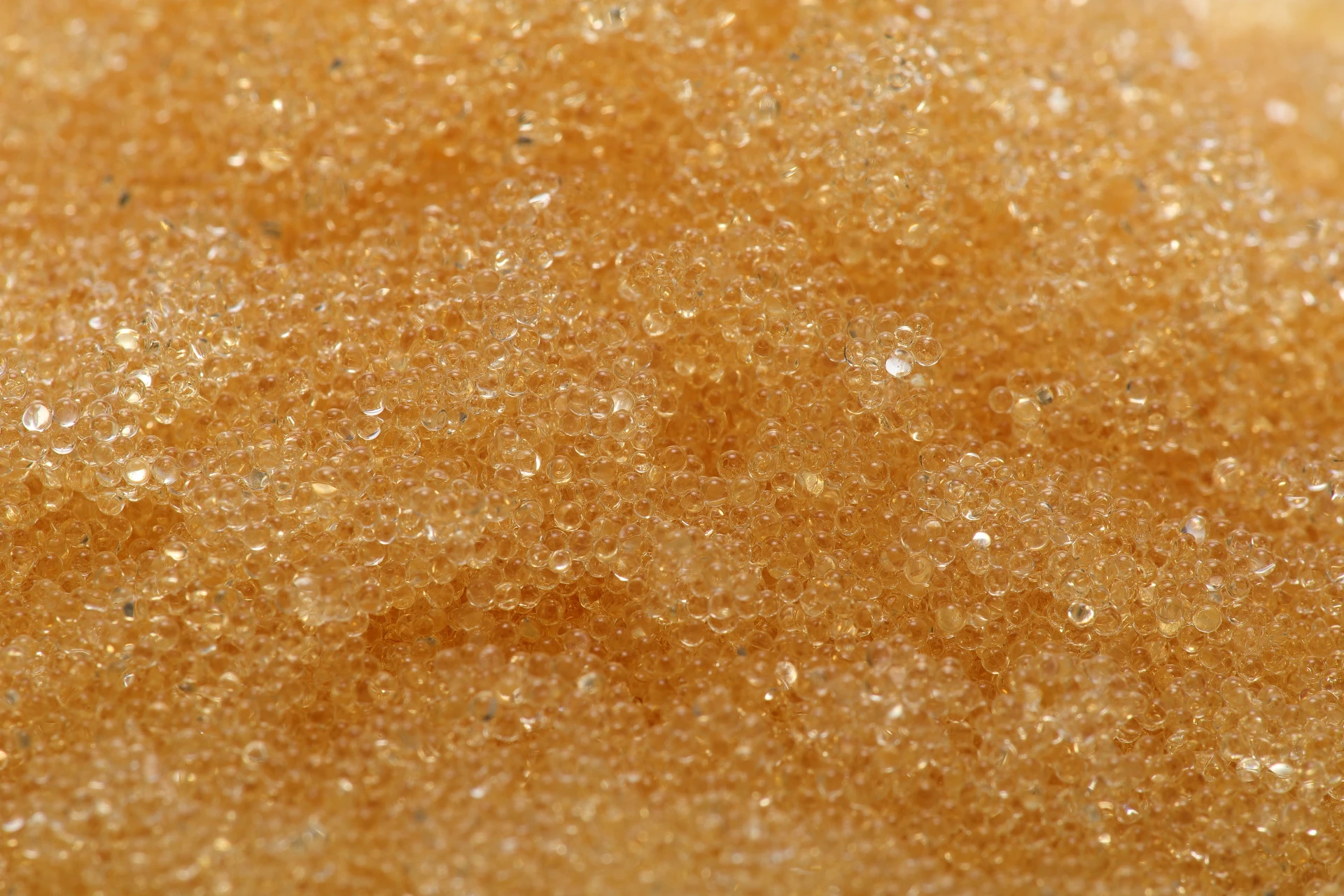
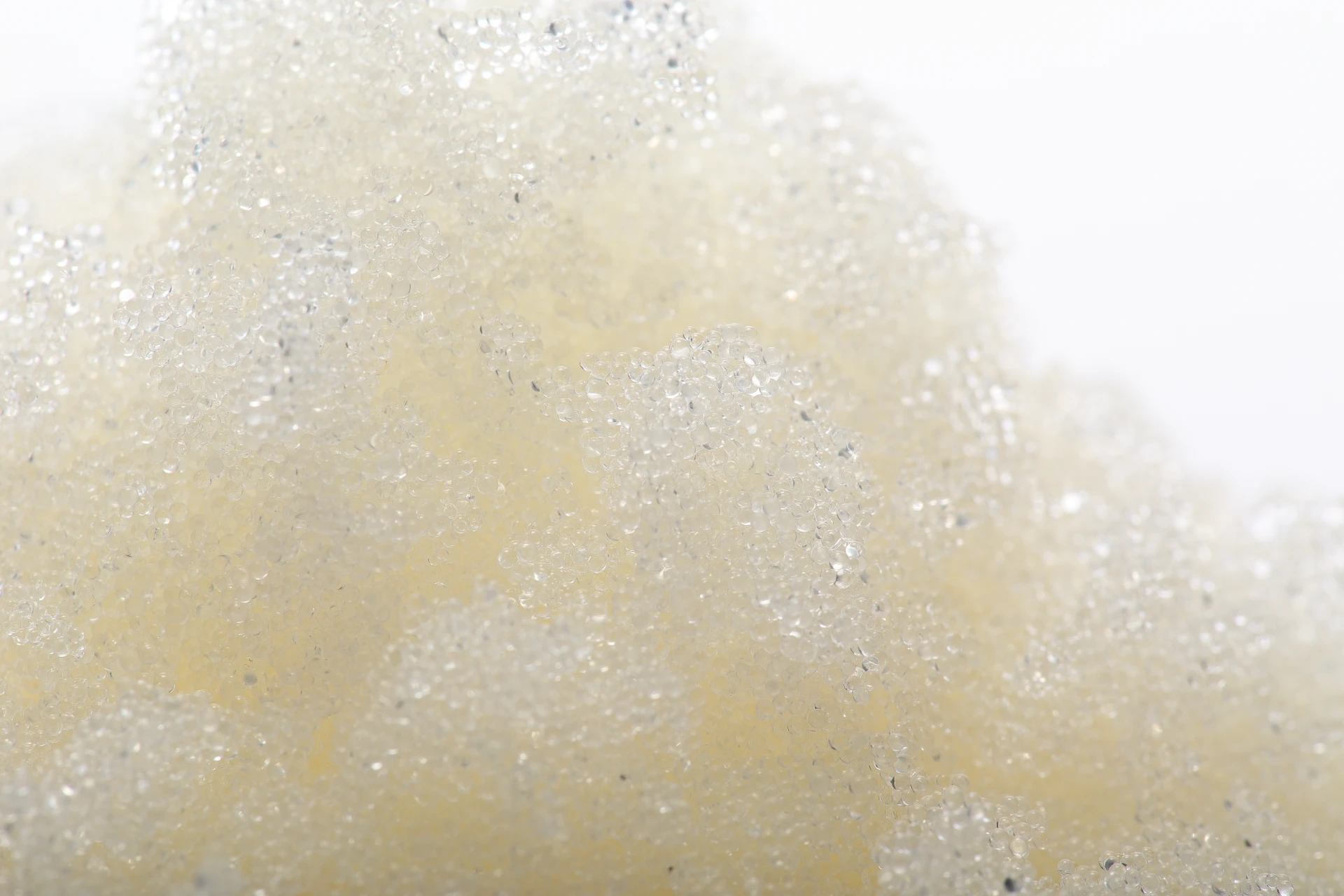
Evolution of Ion Exchange Technology

From basic softening to precision molecular separation.

Market Development History

During the 1980s and 90s, the Cuban chemical sector primarily relied on basic strong acid and base resins for general water softening and simple demineralization, focusing on large-scale output over precision.

By the mid-2000s, there was a technical transition toward the adoption of mixed bed di resin to meet the stringent requirements of the growing biotech and medical industries, allowing for the production of ultra-pure water.

In the last decade, the focus has pivoted toward selective separation. The introduction of advanced functional groups has enabled more efficient removal of specific contaminants, reducing the chemical footprint of regeneration processes.

Future Development Trends

Eco-Friendly Regeneration

The industry is moving toward resins that require fewer regenerants, reducing the environmental impact on Cuba's sensitive coastal ecosystems.

High-Selectivity Chelating Agents

Enhanced selectivity for rare earth elements and specific heavy metals will drive the next wave of industrial upgrades in the mining sector.

Smart Monitoring Integration

The integration of real-time sensors to monitor resin exhaustion levels will optimize the lifespan of the material and reduce operational downtime.

Industry Trends and Future Outlook

Predicting the shift toward sustainable synthetic material manufacturing.

Sustainable Sourcing
Transitioning to resins produced with lower carbon footprints to align with global green standards.
Advanced Kinetics
Developing materials with faster exchange rates to increase throughput in high-demand facilities.
Digitalization
Implementing AI-driven prediction models for resin replacement cycles to minimize waste.
Selective Recovery
Expanding the use of resins for the recovery of precious metals from industrial waste streams.

Industry Outlook

Over the next 3-5 years, the Cuban market is expected to see a surge in the demand for high-purity water systems. This growth will be driven by the expansion of the local biotechnology sector, where the precision of mixed bed di resin is non-negotiable for pharmaceutical grade water.

Furthermore, as global search trends indicate a move toward "Circular Economy" solutions, we anticipate a shift toward resins that allow for the recovery of valuable catalysts, reducing the cost of chemical manufacturing in the region.

Localized Application Scenarios in Cuba

Practical implementations of synthetic materials in various Cuban industries.

01. Pharmaceutical Water Purification

Utilizing ultra-pure resin systems to remove trace ions for the production of injectable medicines in Havana's biotech hubs.

02. Sugar Refinery Effluent Treatment

Implementing selective resins to remove organic acids and heavy metals from refinery wastewater to comply with environmental laws.

03. Nickel Mining Metal Recovery

Deploying chelating materials in mining operations to selectively capture cobalt and nickel from low-grade ores.

04. Desalination Pre-treatment

Using high-capacity softening resins to prevent scaling in reverse osmosis membranes across coastal tourist resorts.

05. Beverage Production Softening

Standardizing the taste and quality of bottled beverages by removing hardness ions through efficient exchange beds.

Brand Story

Global Development Journey of Hebei Lijiang Biological Technology Co., Ltd.

Foundation and Core Vision

Founded with a mission to solve the most challenging separation problems, we began by optimizing the molecular structure of synthetic resins.

Technological Breakthroughs

We developed a proprietary cross-linking technology that significantly enhanced the mechanical stability of industrial resins.

Global Market Expansion

Expanding our footprint into the Americas, we adapted our products to meet the specific climatic and industrial needs of different regions.

Commitment to Sustainability

Integrating green chemistry into our production lines to ensure that our resins are as eco-friendly as they are efficient.

Industry Leadership

Today, we stand as a global leader, providing customized resin solutions that empower industries to achieve zero-liquid discharge.

Complete Resin Portfolio for the Cuban Market

A comprehensive range of synthetic materials designed for high performance in Caribbean industrial environments.

Frequently Asked Questions in Cuba

Technical guidance for local operators and procurement managers.

How do I choose the right chelating resin for heavy metal removal in Cuban mining?

Selection depends on the target metal. For cobalt or nickel, we recommend resins with iminodiacetic acid groups for high selectivity over alkali metals.

What is the expected lifespan of a bed resin in high-humidity coastal areas?

Lifespan varies by application, but our high-crosslinked resins are designed to resist physical degradation, typically lasting 3-5 years with proper regeneration.

Can mixed bed di resin be regenerated on-site in smaller Cuban facilities?

Yes, with the correct separation equipment and chemicals, mixed beds can be regenerated on-site to maintain high water conductivity standards.

What special resin grades are best for pharmaceutical grade water in Havana?

We recommend food-grade and pharmaceutical-compliant resins that are free from extractables and meet international purity standards.

How does temperature affect the performance of ion exchange resin in tropical climates?

Higher temperatures can increase exchange kinetics but may stress some resin structures. Our products are thermally stabilized for tropical environments.

Are there sustainable alternatives for resin regeneration chemicals in Cuba?

We provide consultation on using optimized concentrations and recycled regenerants to reduce the chemical load on the environment.

Get Technical Support in Cuba

Our experts are ready to provide customized resin solutions for your industrial needs in Cuba.

Contact Us Now

If you are interested in our products, you can choose to leave your information here, and we will be in touch with you shortly.