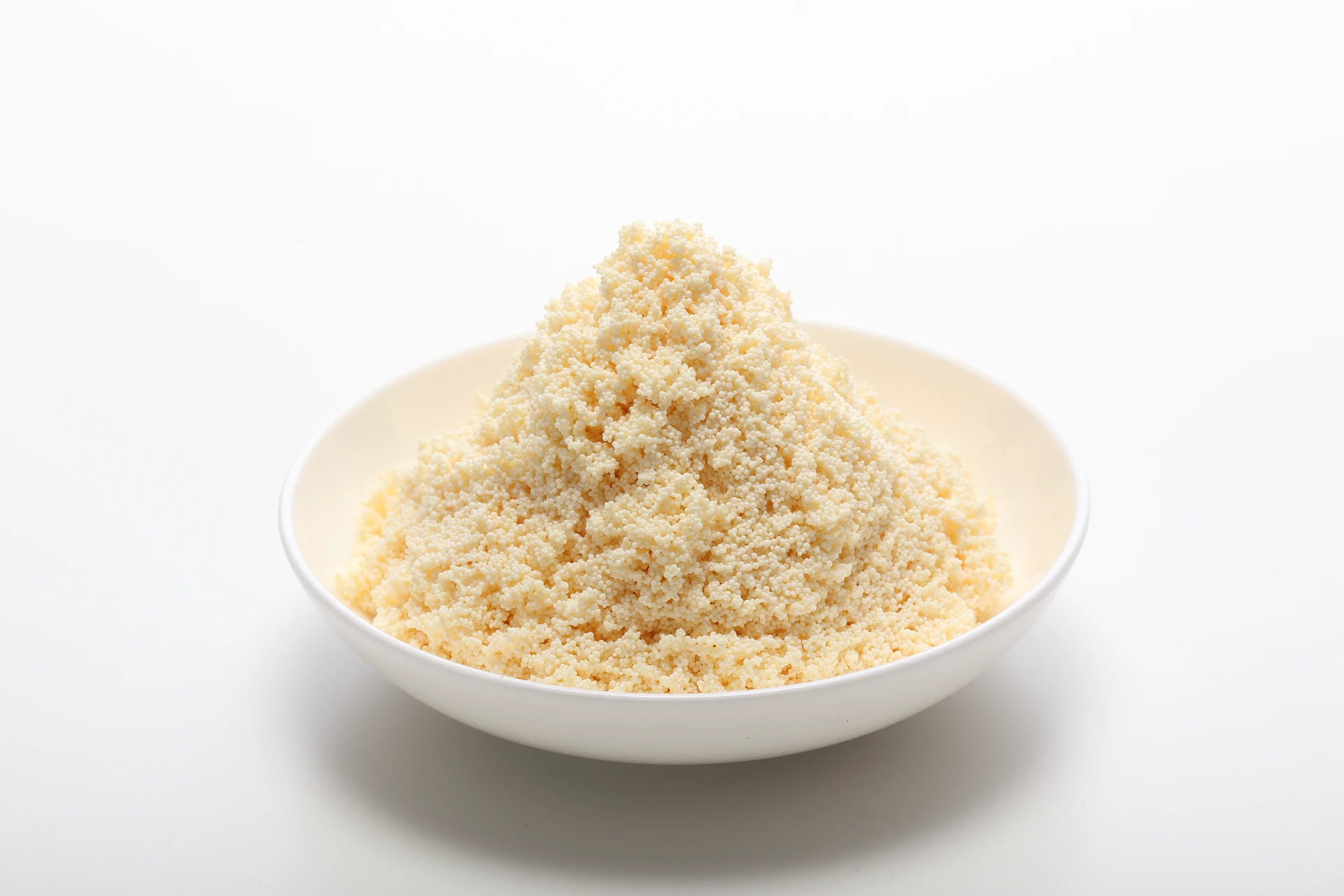
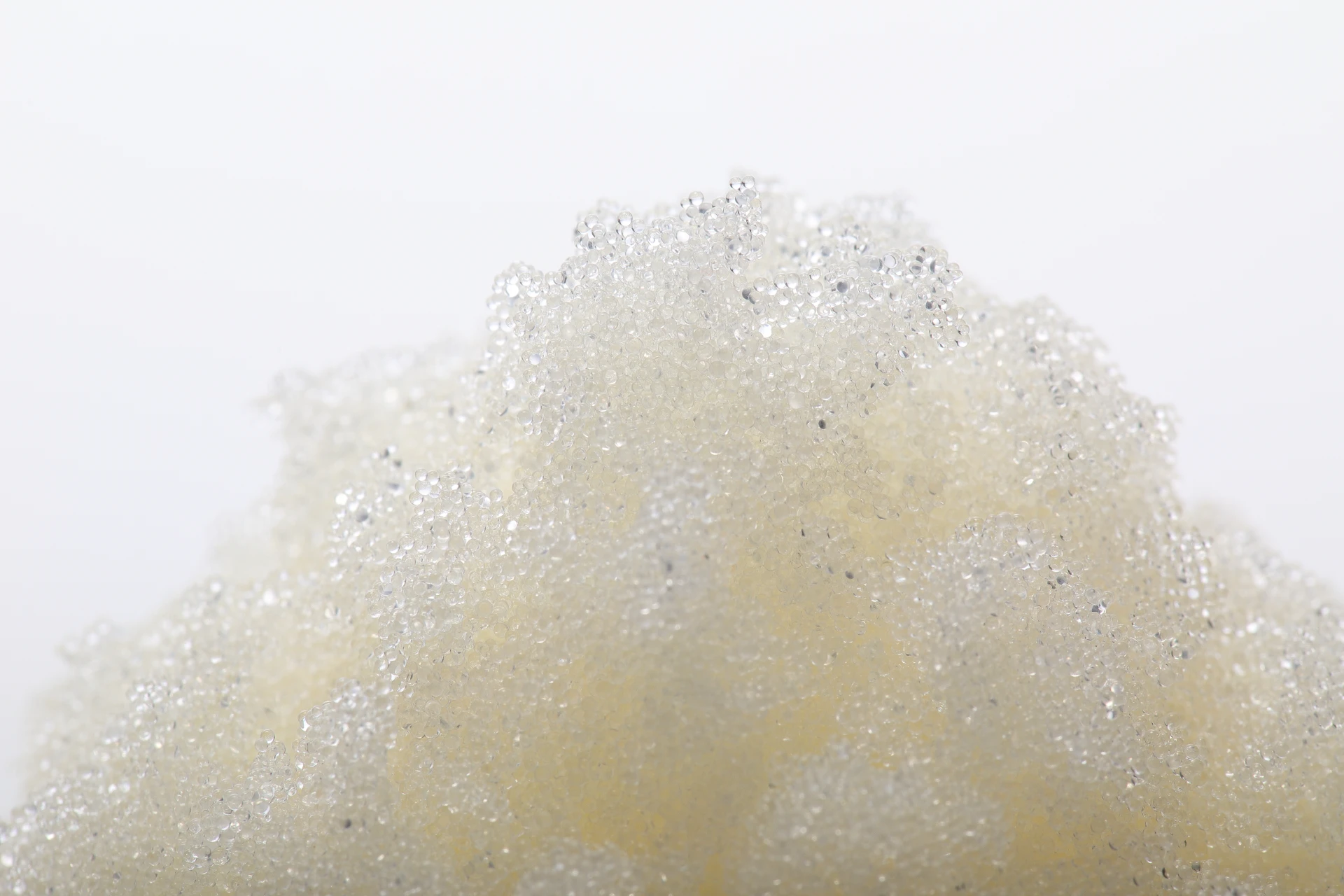
Advanced Water Purification with chelating resin in Philippines

High-performance synthetic materials engineered for the unique industrial water challenges of the Philippine archipelago.

Advanced Water Purification with chelating resin in Philippines

Providing cutting-edge ion exchange resin solutions to ensure sustainable industrial growth and pure water access across the Philippines.

Current State of Water Treatment in Philippines

Analyzing the intersection of geography and chemical synthesis in Southeast Asia.

The Philippines faces unique challenges due to its archipelagic nature and high humidity, leading to complex groundwater mineralization. The demand for high-quality bed resin has surged as local manufacturing sectors strive to meet international purity standards amid fluctuating raw water quality.

Economic zones in Luzon and Visayas are increasingly adopting special resin to handle specific contaminants found in volcanic soil regions, where traditional filtration fails to remove heavy metals effectively.

With the growth of the semiconductor and food processing industries in the region, the transition toward high-efficiency mixed bed di resin systems is critical to prevent equipment scaling and ensure product consistency.
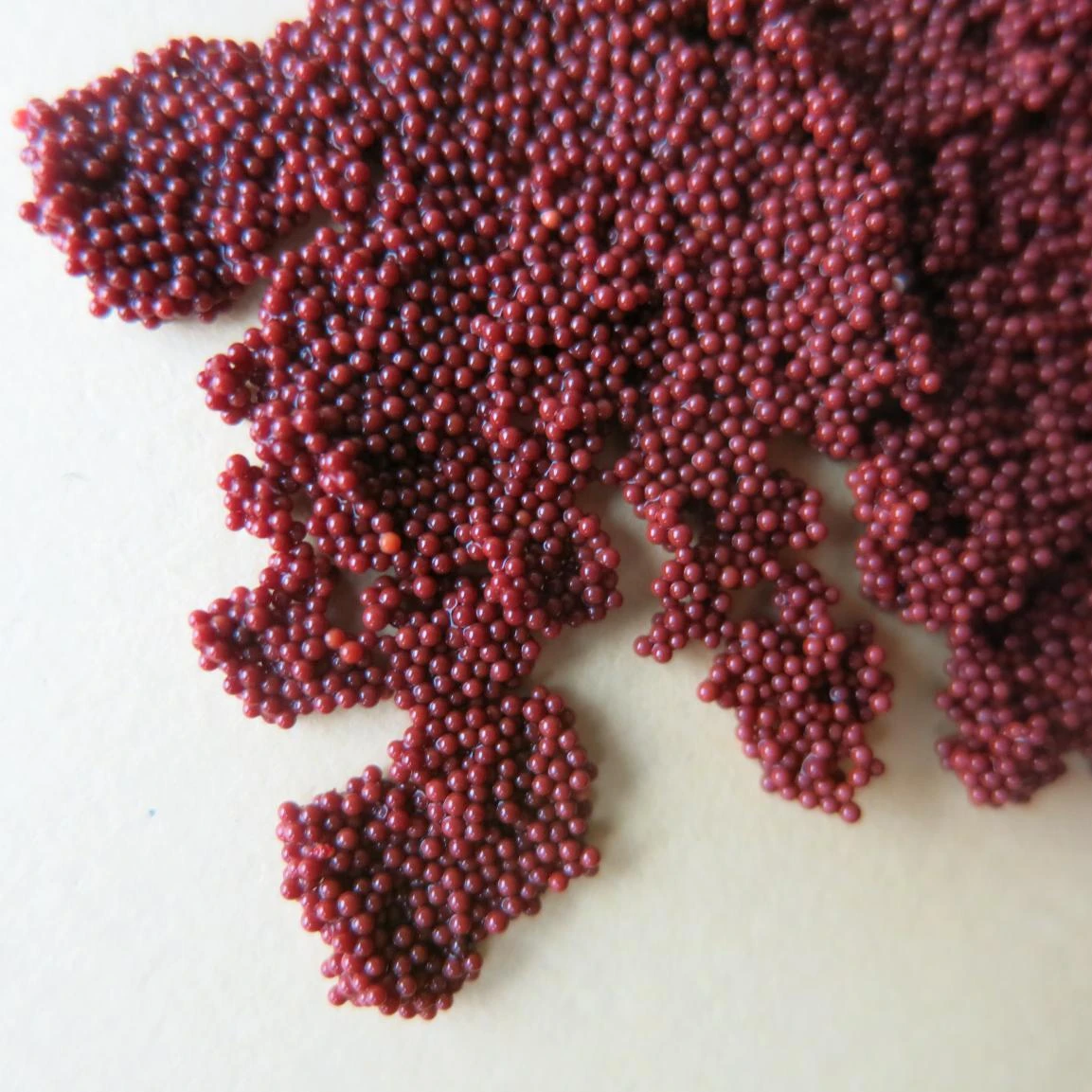
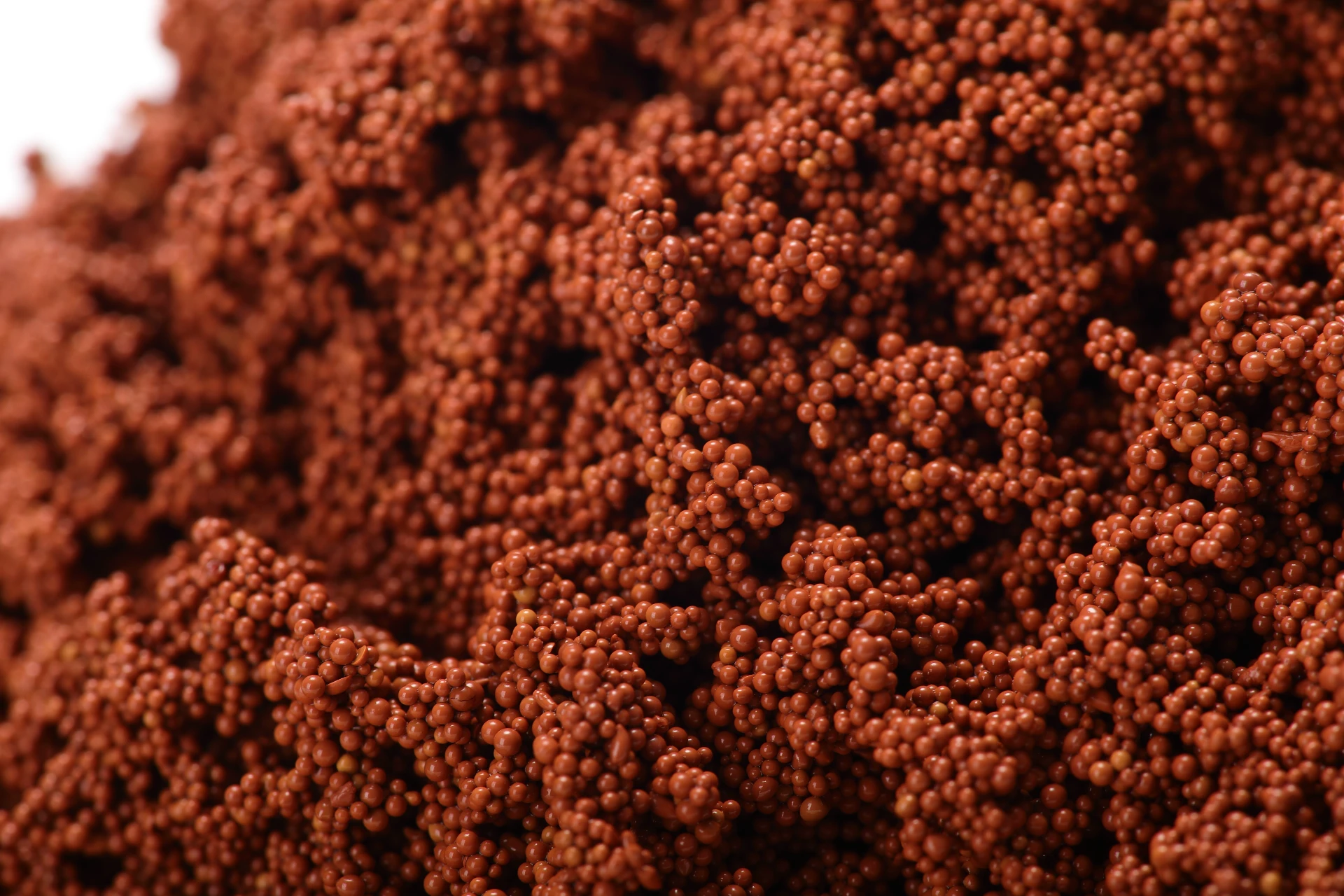
Evolution of Ion Exchange Technology

From basic softening to precision molecular separation.

Market Development History

In the early 2000s, the Philippine market relied heavily on basic sodium-cycle softening resins. These early iterations provided basic hardness removal but lacked the selectivity required for complex industrial wastewater.

Between 2010 and 2018, the shift toward "Selective Exchange" began. This era saw the introduction of advanced chelating agents that could target specific metal ions, reducing chemical waste during regeneration cycles.

From 2019 to the present, the focus has shifted to "Ultra-Pure" requirements, where combined systems utilizing high-capacity polymers now dominate the high-tech manufacturing landscape in Metro Manila and Cebu.

Future Development Trends

Eco-Friendly Regeneration

Moving toward biodegradable regenerants to minimize the environmental footprint on Philippine coastal ecosystems.

Smart Resin Monitoring

Integration of IoT sensors to predict resin exhaustion in real-time, optimizing the replacement cycle of the media.

High-Temperature Stability

Development of resins capable of operating in extreme thermal conditions common in tropical power plant cooling systems.

Industry Trends and Future Outlook

Strategic directions for the synthetic materials sector in Asia.

Sustainable Sourcing
Prioritizing resins with lower carbon footprints during the polymerization process.
Selective Extraction
Increased focus on resins that can selectively recover precious metals from industrial waste.
Modular Design
Rapid-deploy resin vessels for remote Philippine islands without heavy infrastructure.
Hybrid Integration
Combining membrane filtration with resins for zero-liquid discharge systems.

Industry Outlook

Google search trends indicate a rising interest in "sustainable water treatment" and "heavy metal removal" within the Philippines. This suggests a market shift toward high-selectivity media that reduces chemical consumption.

We expect the next 3-5 years to see a massive adoption of specialty polymers in the Philippine mining and electronics sectors, driving the demand for customized resin beads.

Local Application Scenarios in Philippines

Real-world deployment of synthetic materials across the archipelago.

1. Beverage Production in Laguna

Utilizing mixed bed di resin to achieve ultra-pure water for bottling plants, ensuring consistent taste and quality by removing all dissolved ionic impurities.

2. Mining Wastewater in Mindanao

Deployment of chelating resin to selectively recover copper and gold from process streams while preventing environmental runoff.

3. Power Plant Desalination in Cebu

Applying high-capacity bed resin to handle brackish water intake, protecting boilers from scale and corrosion.

4. Electronics Fabrication in Cavite

Implementation of special resin for the removal of trace organic contaminants in the semiconductor rinsing process.

5. Municipal Water Treatment in Manila

Large-scale application of ion exchange resin for nitrate and fluoride removal to provide safe drinking water to densely populated urban areas.

Brand Story

Global Development Journey of Hebei Lijian Biological Technology Co., Ltd.

Foundation of Excellence

Established with a mission to solve the most complex water chemistry problems through innovative polymer synthesis.

Technological Breakthrough

Developed proprietary cross-linking techniques that significantly increased the longevity of ion exchange media.

Global Expansion

Expanded distribution to Southeast Asia, tailoring chemical properties to meet tropical environmental demands.

Sustainability Commitment

Launched a line of eco-friendly resins designed to reduce the regeneration chemical load on the environment.

Future Vision

Striving to be the global leader in high-selectivity resins for the next generation of green manufacturing.

Complete Product Portfolio for the Philippines

A comprehensive range of resins designed for local water quality and industrial needs.

Frequently Asked Questions in Philippines

Expert answers to common technical queries regarding synthetic resins.

How to choose the right ion exchange resin for tropical climates?

In tropical climates like the Philippines, resins must exhibit high thermal stability and resistance to organic fouling caused by higher biological activity in water sources.

What is the benefit of chelating resin for mining wastewater?

Chelating resins have a high affinity for specific divalent and trivalent metal ions, allowing for the selective recovery of valuable metals from complex mixtures.

When should I replace my mixed bed di resin?

Replacement is necessary when the conductivity of the effluent water exceeds your purity threshold despite proper regeneration, or when pressure drops increase significantly.

Can special resin handle high salinity water in coastal areas?

Yes, specialty resins are engineered with specific functional groups to maintain selectivity even in high-salinity environments typical of coastal industrial zones.

How does bed resin impact boiler efficiency?

By effectively removing hardness ions (Ca2+, Mg2+), the resin prevents scale buildup in boiler tubes, thereby improving heat transfer and reducing energy costs.

What is the regeneration cycle for industrial resins in the Philippines?

The cycle depends on the influent water quality; however, we recommend automated monitoring to trigger regeneration based on breakthrough curves rather than fixed timers.

Get Expert Resin Consultation

Our technical team is ready to optimize your water treatment systems in Philippines. Contact us for customized material selection.

Contact Us Now

If you are interested in our products, you can choose to leave your information here, and we will be in touch with you shortly.