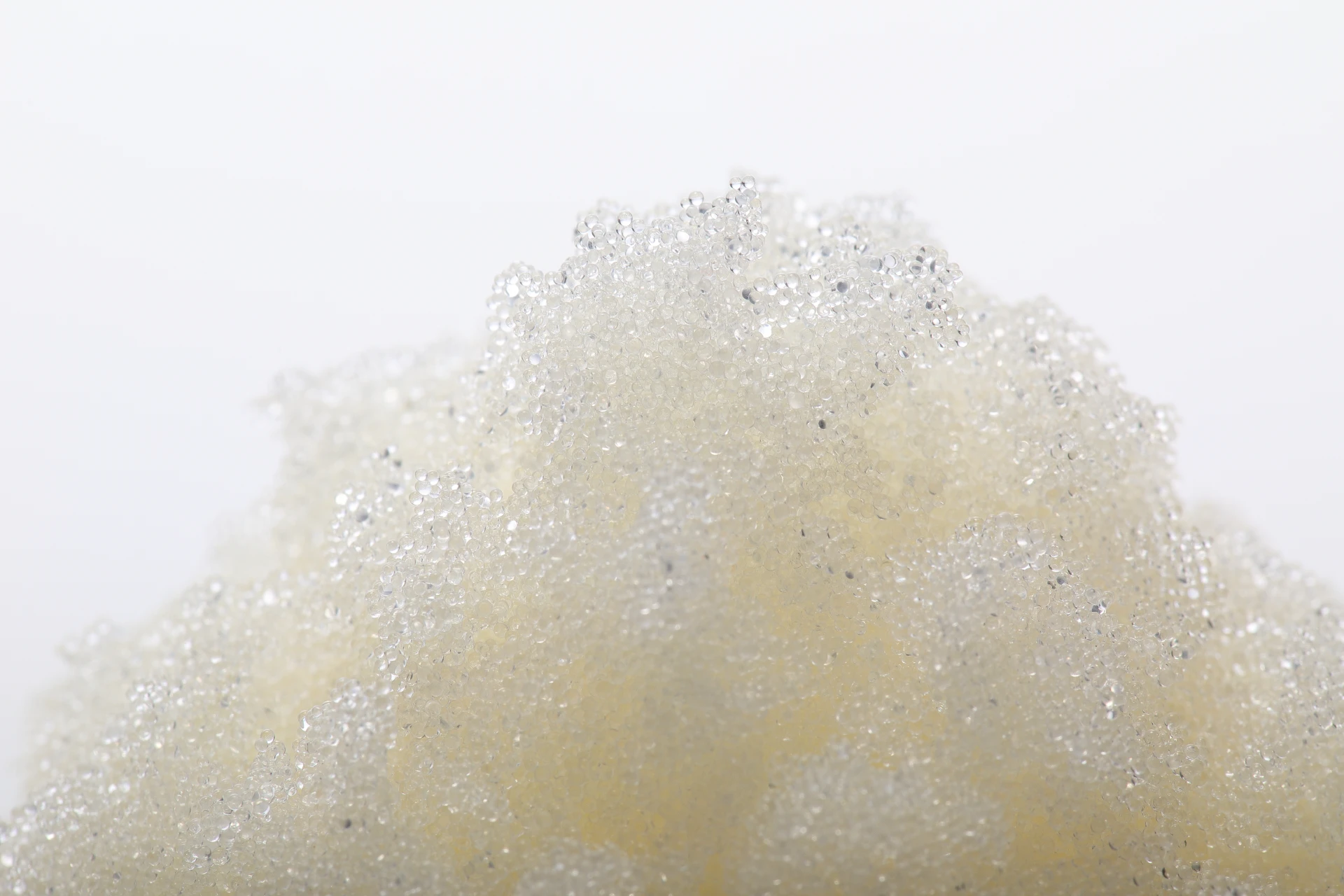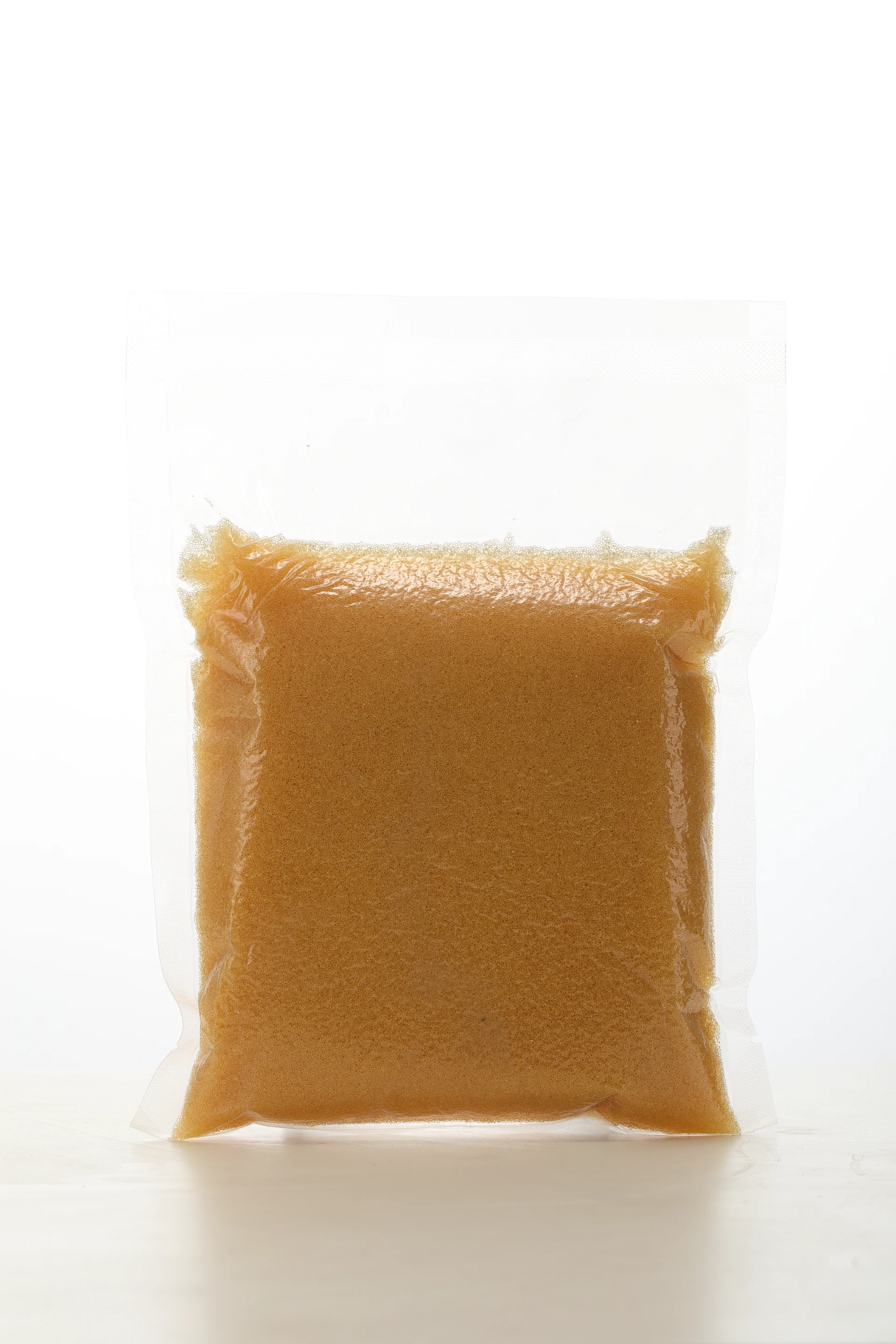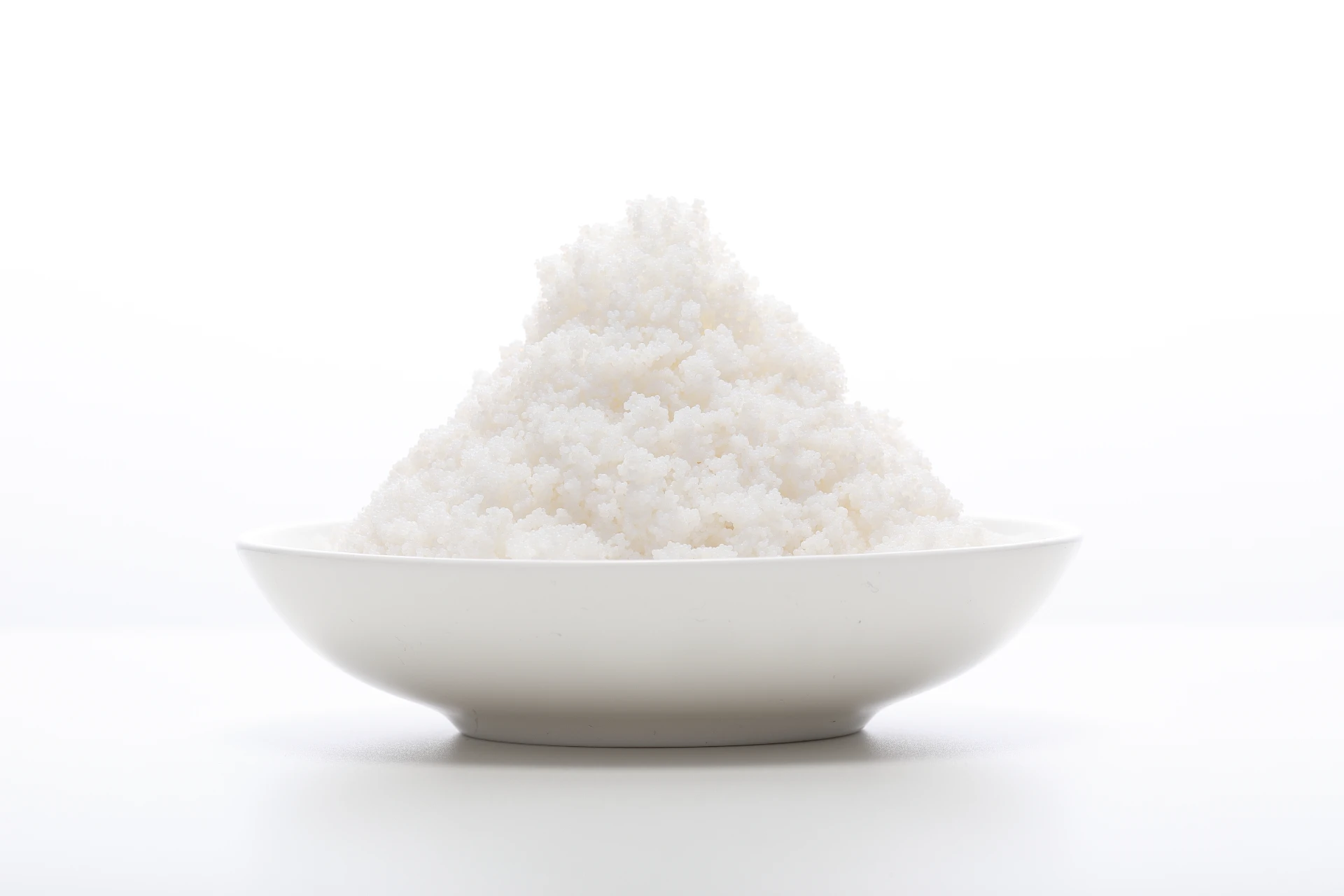
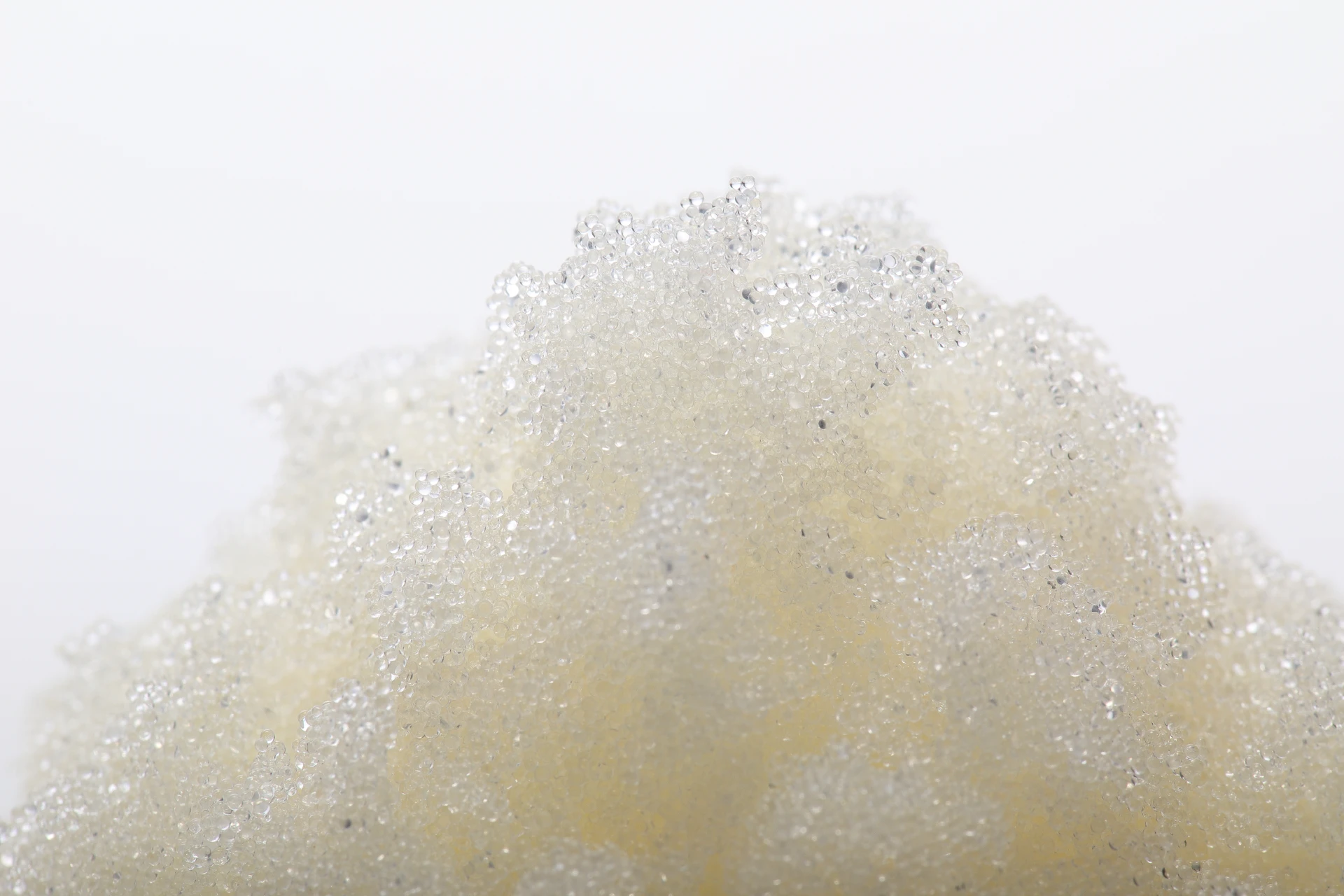
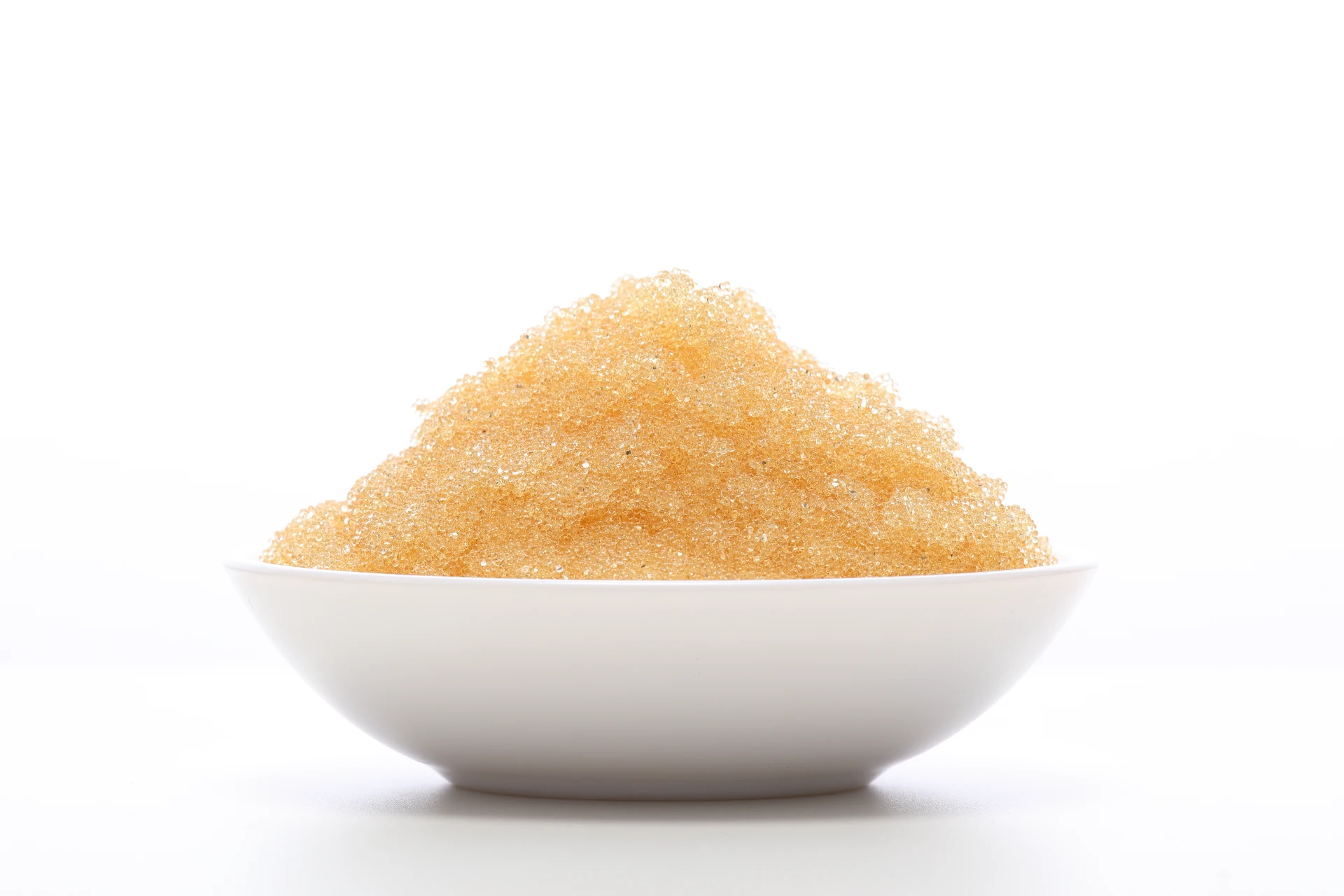
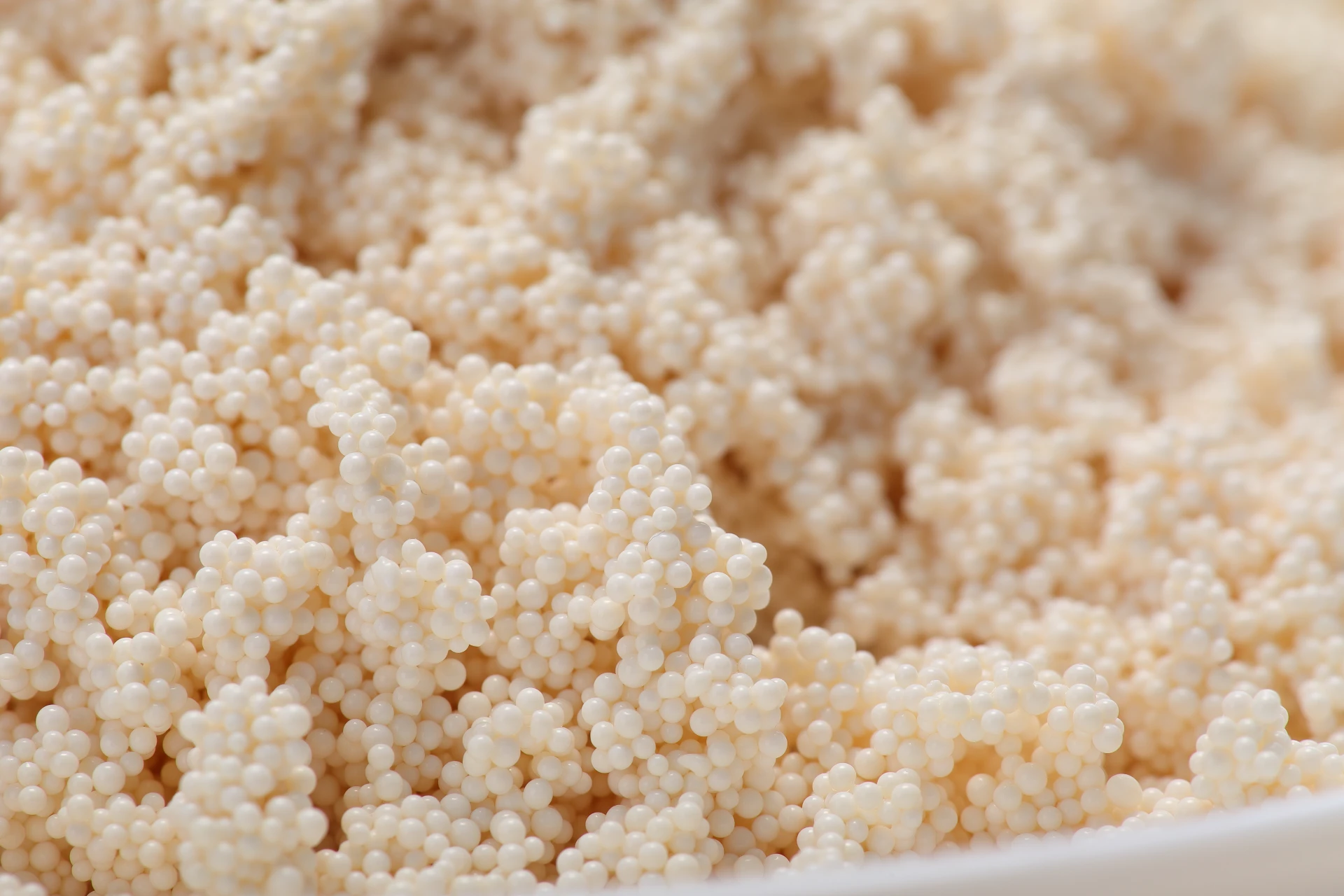
Advanced Water Treatment Solutions with chelating resin in Portugal

Providing high-performance synthetic material solutions for industrial purification, wastewater treatment, and specialty chemical manufacturing across the Portuguese market.

Advanced Water Treatment Solutions with chelating resin in Portugal

Our specialized resin portfolios are engineered to meet the rigorous demands of Portugal's chemical and manufacturing sectors, ensuring maximum ion selectivity and operational efficiency.

The Industrial Landscape of Ion Exchange in Portugal

Analyzing the intersection of Portugal's maritime economy and advanced chemical synthesis.

Portugal's manufacturing sector is currently undergoing a transition toward sustainable "Green Chemistry," driven by EU mandates. The demand for ion exchange resin has surged, particularly in the cork processing and textile industries where wastewater recovery is critical for environmental compliance.

Due to the coastal nature of Portuguese industrial hubs like Sines and Setúbal, the presence of high salinity in process water necessitates the use of high-selectivity special resin to remove specific heavy metal contaminants without sacrificing throughput.

The local market is shifting from generic filtration methods to precision-engineered ion exchange systems. This evolution is fueled by the need for ultra-pure water in the growing pharmaceutical clusters in Lisbon and Porto, where strict purity standards are non-negotiable.
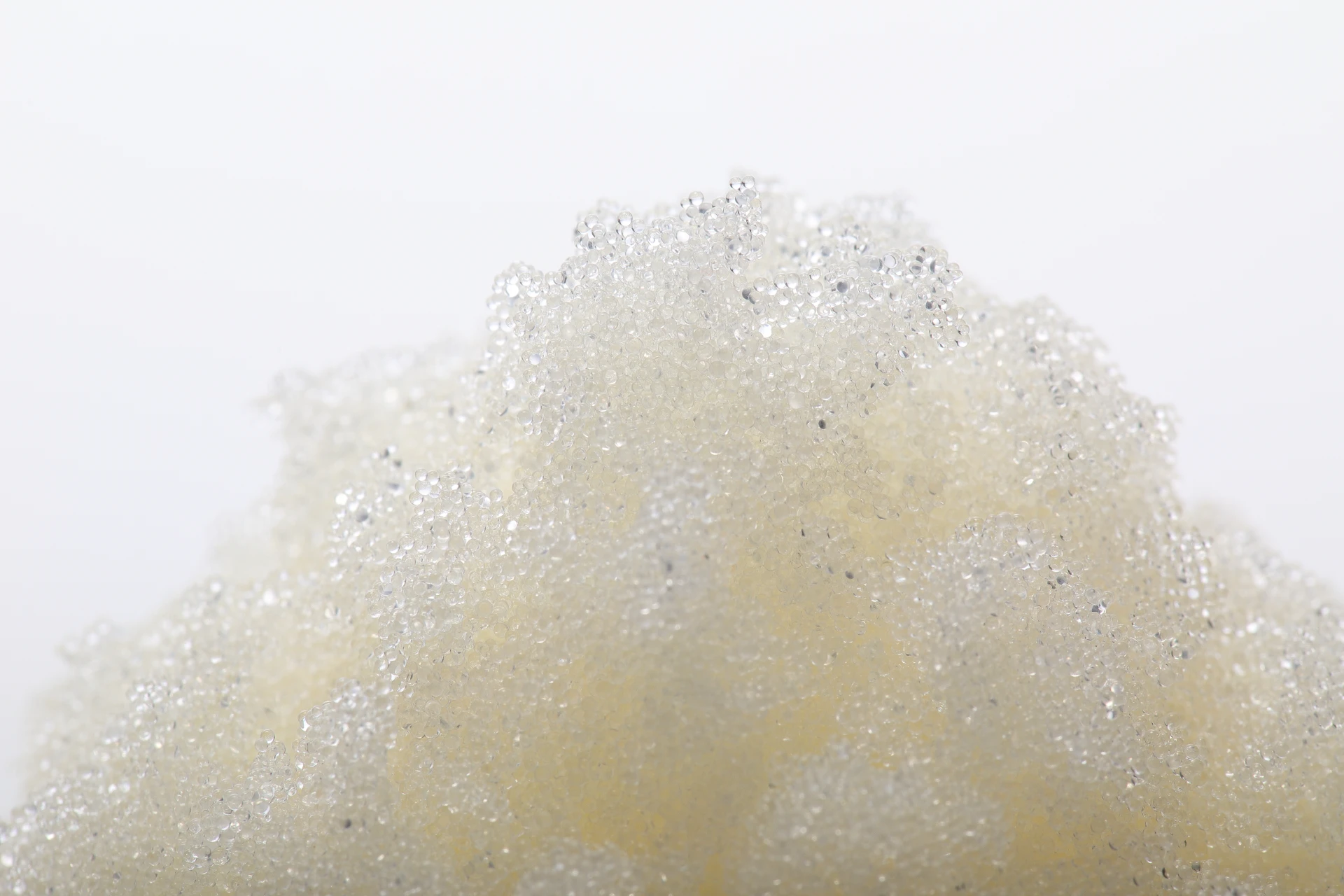
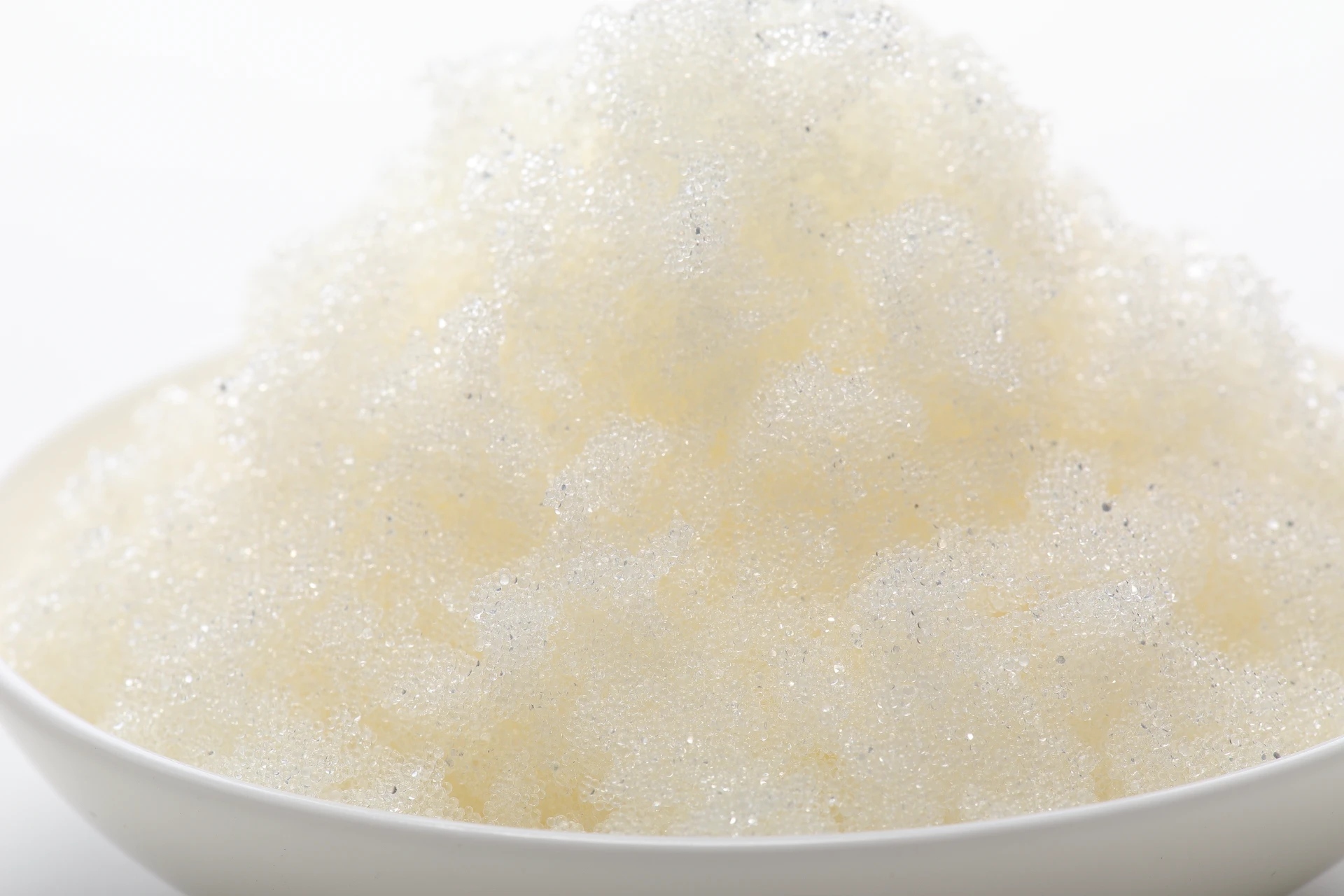
Evolution of Synthetic Resin Technology in Portugal

From basic softening to molecular-level selectivity.

Market Development History

In the 1990s, the Portuguese market relied heavily on basic softening resins for boiler feed water. The primary focus was simple hardness removal using standard cation exchange methods.

Between 2005 and 2015, the integration of mixed bed di resin became prevalent. This period marked the transition to high-purity water production for the electronics and power generation sectors, allowing for simultaneous cation and anion removal.

From 2016 to the present, there has been a pivot toward specialized applications. The introduction of advanced bed resin configurations has enabled the recovery of precious metals and the treatment of complex industrial effluents.

Future Development Trends

Eco-Friendly Regenerants

Moving toward biodegradable regeneration chemicals to reduce the environmental footprint of resin maintenance in alignment with the European Green Deal.

Smart Monitoring Integration

Integration of IoT sensors within resin vessels to monitor ion breakthrough in real-time, optimizing the regeneration cycles of mixed-bed systems.

High-Selectivity Ligands

Development of resins with tailored functional groups to target emerging contaminants like PFAS and micro-pollutants in Portuguese urban water cycles.

Strategic Trends and Future Outlook

Predicting the next trajectory of synthesis and separation technology.

Circular Economy Integration
Maximizing the lifecycle of resins through advanced rejuvenation techniques and closed-loop water systems.
Selective Metal Recovery
Implementing high-affinity chelating resins to extract lithium and cobalt from industrial brine.
Ultra-Low Conductivity
Advancing mixed bed technology to achieve resistivity levels of 18.2 MΩ·cm for semiconductor applications.
Customized Matrix Synthesis
Developing special resins with modified porosity to handle high-molecular-weight organic pollutants.

Industry Outlook

Based on Google search trends in the Iberian Peninsula, there is a growing interest in "sustainable water desalination" and "zero liquid discharge (ZLD)". This indicates that the future of ion exchange in Portugal will be tied to water scarcity solutions.

We expect a 15% annual growth in the demand for specialty chelating agents as Portugal expands its green hydrogen production facilities, which require ultra-pure water for electrolysis.

Localized Application Scenarios in Portugal

Practical deployments of ion exchange technology in regional industries.

1. Vinification and Winery Water Treatment

Utilizing high-capacity resins to remove excess iron and manganese from groundwater in the Douro Valley, ensuring the organoleptic properties of premium wines are preserved.

2. Marine-Industrial Wastewater Purification

Applying chelating resin in Sines' industrial port to capture toxic heavy metals from refinery effluents before sea discharge.

3. Pharmaceutical-Grade Pure Water Production

Implementation of mixed bed di resin in Lisbon's biotech hubs to produce water with zero conductivity for injectable drug formulation.

4. Cork Manufacturing Effluent Recovery

Using specialized bed resin to recover tannins and organic acids from cork processing waste, reducing chemical oxygen demand (COD).

5. Desalination Plant Post-Treatment

Integrating ion exchange units following Reverse Osmosis (RO) in Algarve's desalination plants to remineralize water and adjust pH levels for municipal use.

Brand Story

Global Development Journey of Hebei Lijian Biological Technology Co., Ltd.

Foundational Innovation

Established with a focus on polymer chemistry, specializing in the synthesis of high-stability cross-linked polystyrene matrices.

Quality Standardization

Achieving international quality certifications to ensure our resins meet the stringent requirements of the European chemical market.

Global Market Expansion

Strategically expanding our distribution networks into Europe, focusing on Portugal's diverse industrial needs.

Specialty Resin Breakthrough

Developing a proprietary line of chelating agents that solve the pain point of low selectivity in complex brine solutions.

Sustainable Future Vision

Committing to the development of bio-based resins to lead the industry toward a carbon-neutral future.

Complete Ion Exchange Portfolio for Portugal

Comprehensive solutions ranging from general softening to ultra-pure specialty separation.

Portugal Industrial Ion Exchange FAQ

Technical answers for the Portuguese synthetic materials market.

How to choose the right chelating resin for heavy metal removal in Portugal's coastal industries?

Selection depends on the target ion (e.g., Cu, Ni, Pb) and the background salinity. We recommend resins with iminodiacetic acid groups for broad transition metal selectivity in high-chloride environments.

What is the typical lifespan of a mixed bed di resin in pharmaceutical applications?

Depending on the influent water quality, a mixed bed typically lasts 2-5 years. However, regular regeneration and monitoring of the resistivity profile are essential to maintain 18.2 MΩ·cm purity.

Can special resin be used for the recovery of organic acids in Portuguese cork processing?

Yes, weak base anion resins are specifically designed to selectively adsorb organic acids, allowing for their recovery and reducing the toxicity of the effluent.

What are the advantages of using a professional bed resin over traditional sand filters?

Unlike sand filters which only remove particulates, ion exchange bed resins remove dissolved ionic contaminants at the molecular level, providing chemical purity rather than just clarity.

How does the high temperature of Portuguese summers affect ion exchange resin stability?

Our resins are engineered with high cross-linking density to ensure thermal stability up to 120°C for strong acid cations, preventing bead degradation during summer peak loads.

Is ion exchange resin compatible with the EU's REACH regulations for chemicals?

Yes, all our synthetic materials are manufactured to be REACH compliant, ensuring they are safe for use and distribution within Portugal and the broader European Union.

Consult Our Resin Experts

Ready to optimize your water treatment processes in Portugal? Contact us for a tailored technical analysis and product sampling.

Contact Us Now

If you are interested in our products, you can choose to leave your information here, and we will be in touch with you shortly.