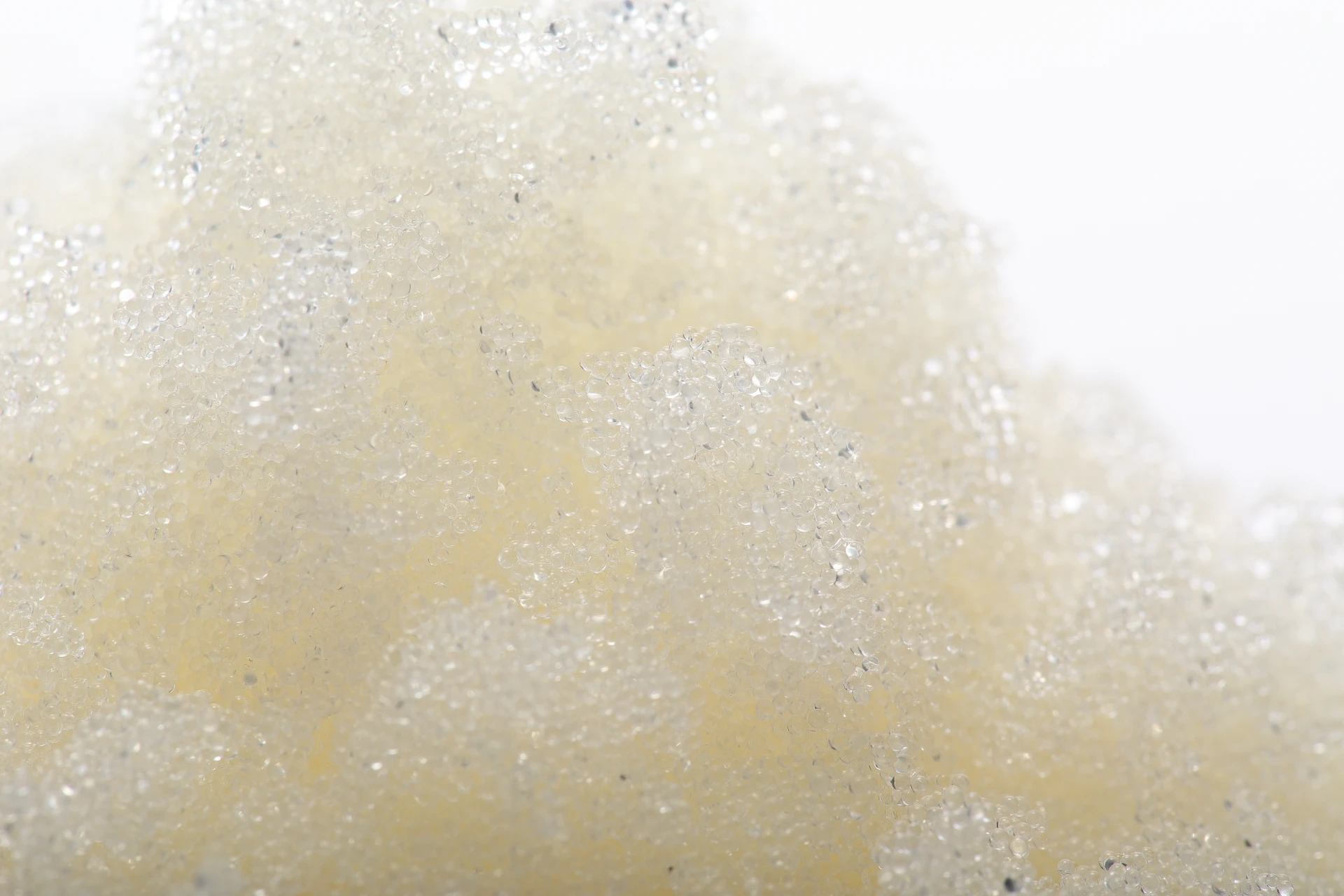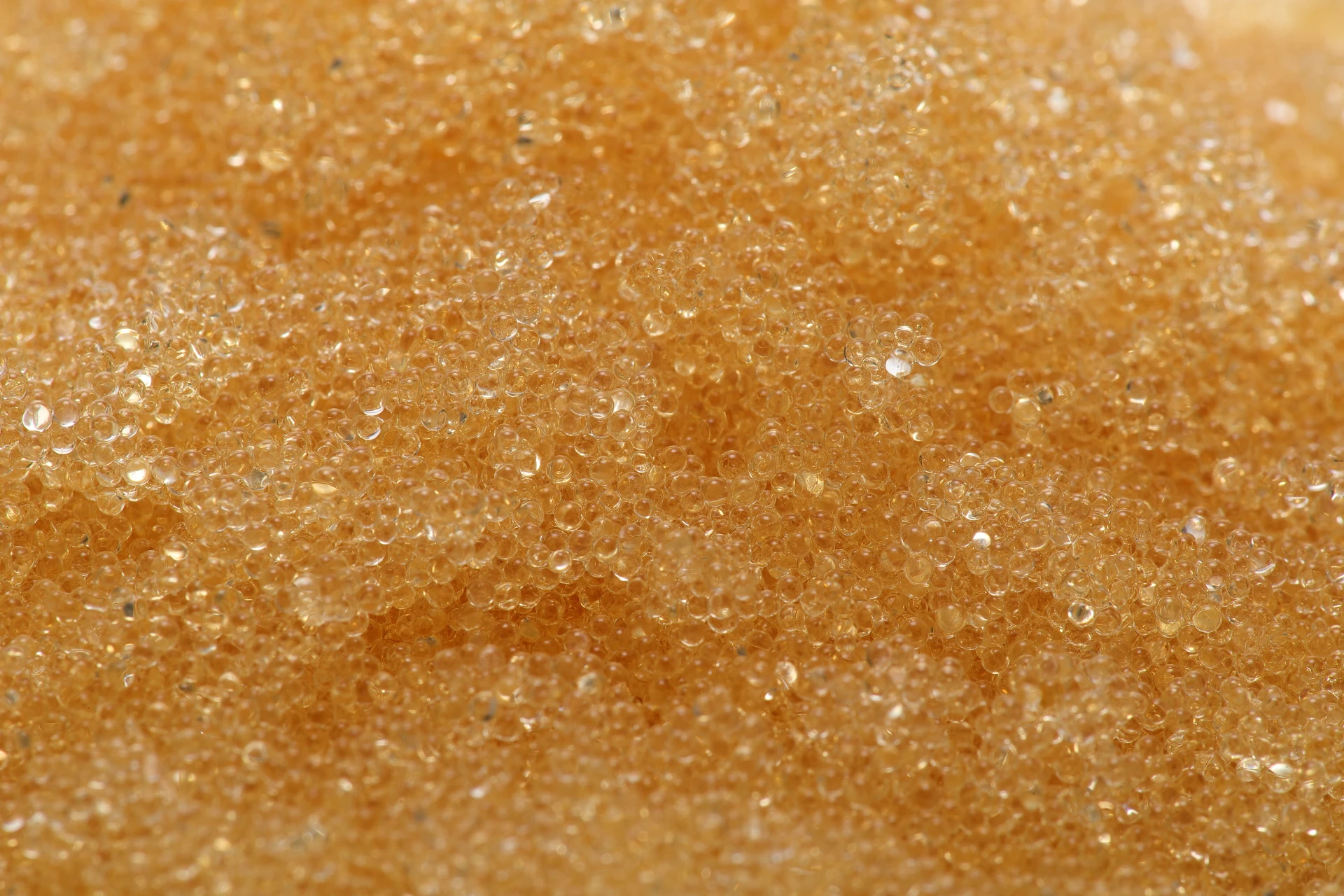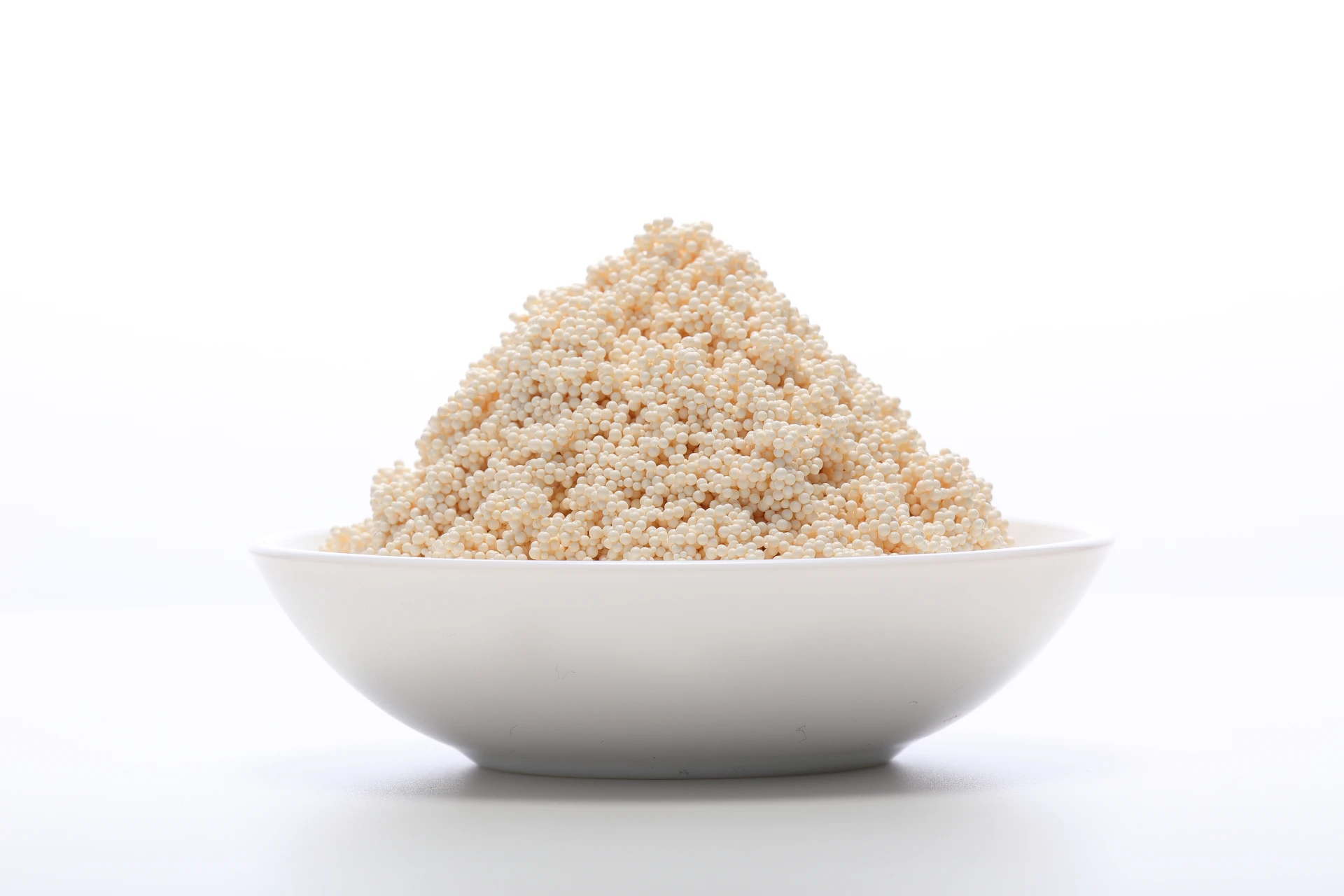
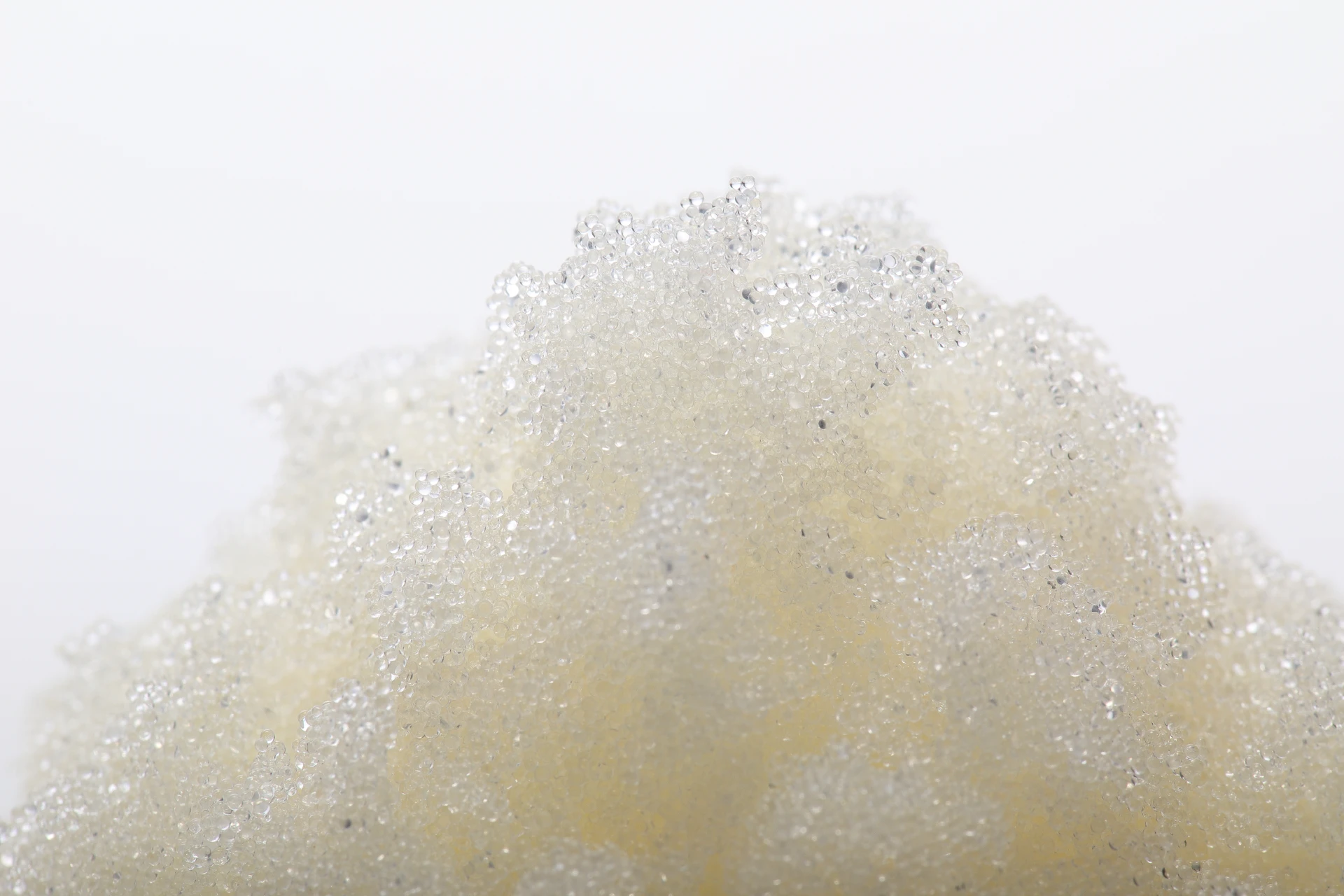
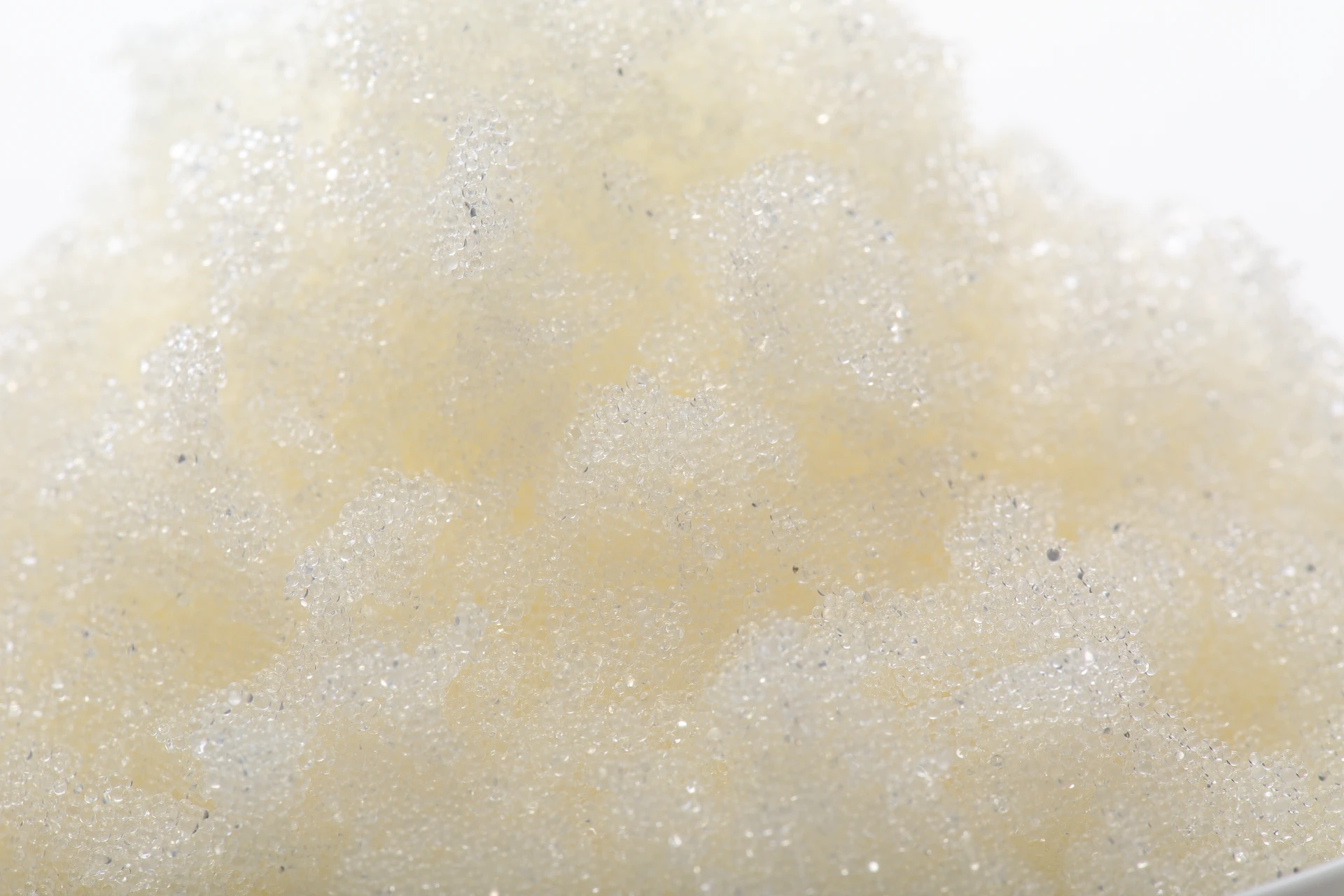
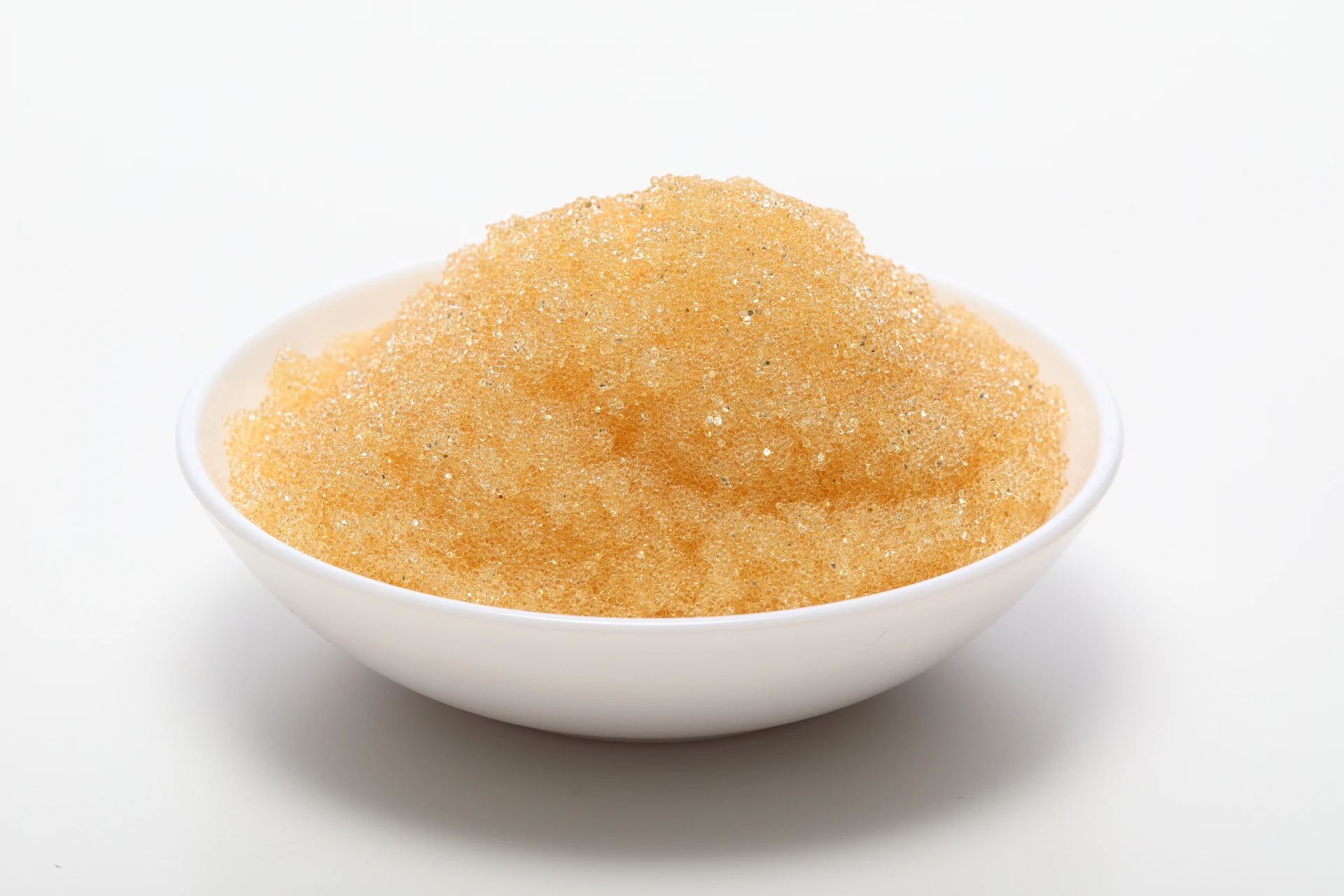
Advanced Water Treatment with chelating resin in DR Congo

Providing high-performance synthetic material solutions for mining and industrial water purification across the Democratic Republic of the Congo.

Advanced Water Treatment with chelating resin in DR Congo

Integrating high-selectivity resins to solve complex mineral extraction and water purification challenges in the heart of Africa.

Industrial Resin Landscape in the Democratic Republic of the Congo

Analyzing the intersection of synthetic material technology and Congo's mineral-rich environment.

The Democratic Republic of the Congo (DRC) possesses some of the world's most complex hydrological and mineral profiles. In the mining sectors of Katanga and Lualaba, the demand for high-efficiency ion exchange resin has surged as industries strive to recover precious metals from dilute leach solutions.

Local water conditions are often characterized by high turbidity and specific mineral contaminants due to the tropical rainforest climate and extensive volcanic soil. This requires the deployment of bed resin systems that can withstand aggressive chemical environments and high organic loads without rapid degradation.

Currently, the market is shifting from basic filtration to sophisticated ion selectivity. The integration of special resin grades is becoming critical for the DRC's evolving manufacturing sector, ensuring that industrial wastewater meets increasingly strict environmental regulations.
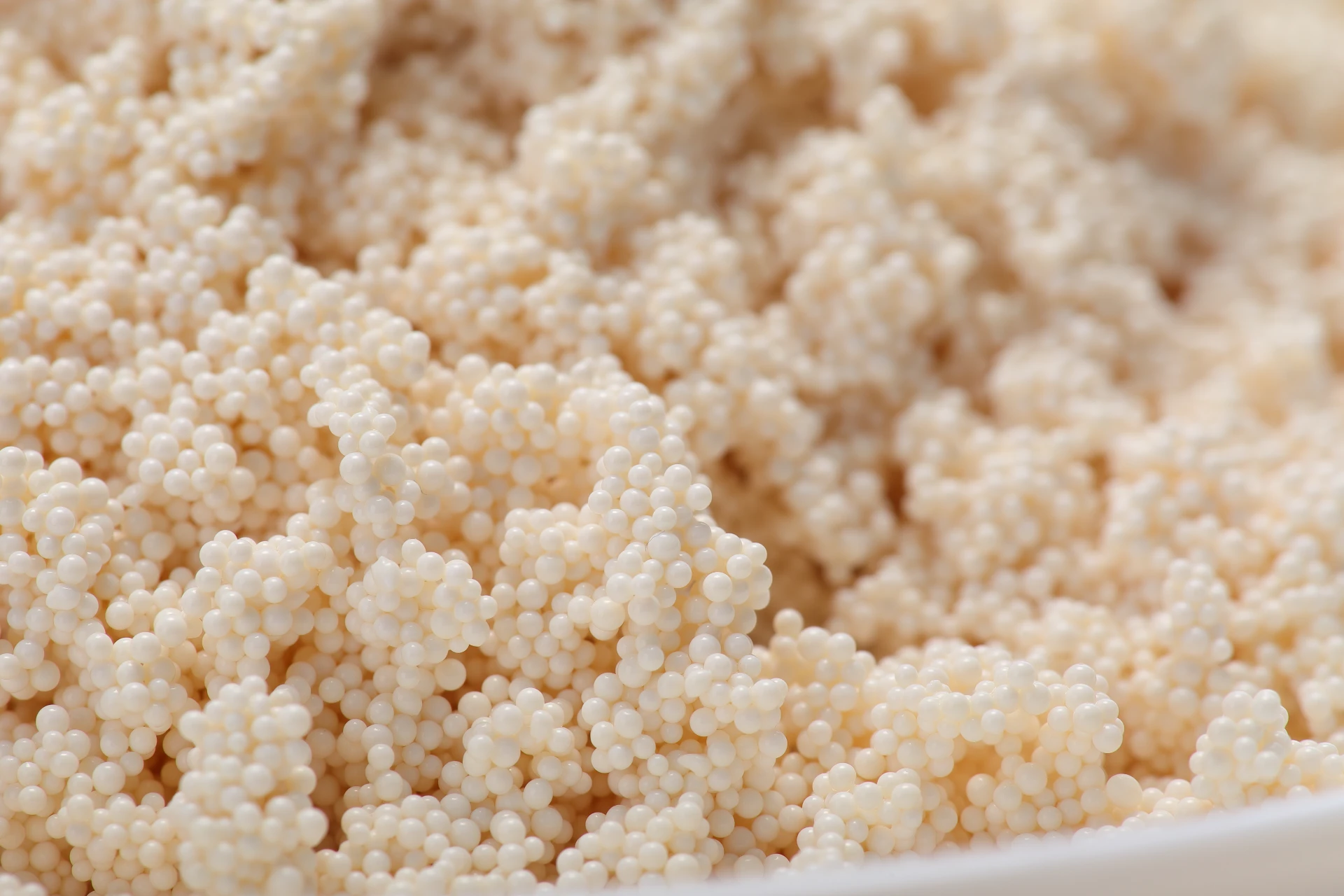
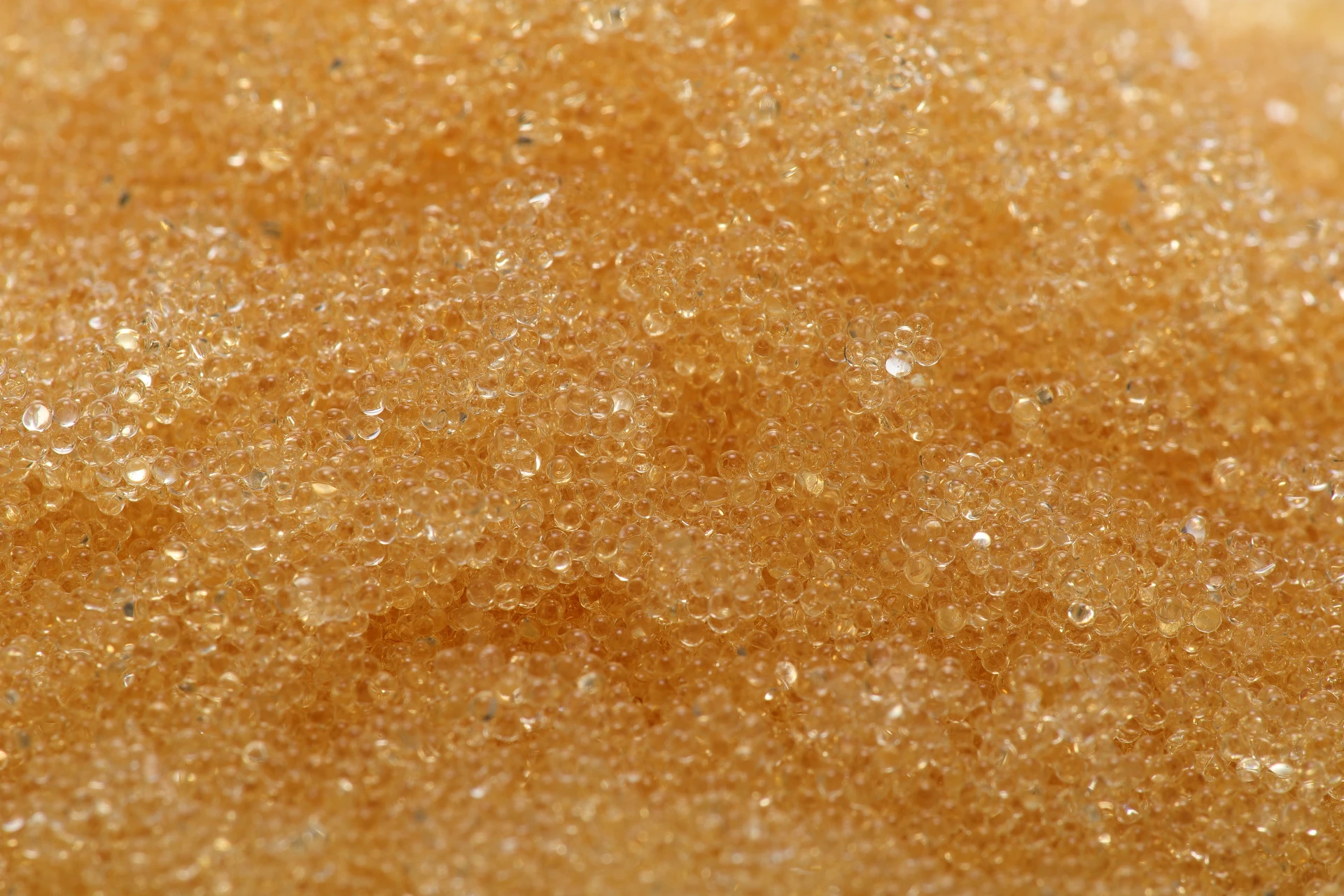
Evolution and Trajectory of Resin Technology in DRC

From traditional softening to high-precision molecular separation.

Market Development History

From 2000 to 2010, the DRC primarily utilized basic strong acid cation resins for simple water softening in urban centers, focusing on removing hardness for basic industrial boilers.

Between 2011 and 2020, the rise of large-scale cobalt and copper mining led to the adoption of mixed bed di resin systems to produce high-purity water required for electrolysis and chemical processing.

Since 2021, there has been a pivot towards "Selective Separation." The industry has transitioned to using advanced polymers that can distinguish between similar metal ions, significantly increasing the recovery rates of critical raw materials.

Future Development Trends

Eco-Friendly Regeneration Cycles

A shift towards reducing the chemical footprint of resin regeneration to protect the Congo Basin's biodiversity.

Hybrid Ion-Exchange Systems

Integration of membrane technology with ion exchange resin to handle extremely high salinity feeds.

Smart Resin Monitoring

Adoption of real-time sensors to monitor the breakthrough points of resin beds, optimizing the replacement cycle in remote mining sites.

Industry Outlook and Strategic Forecast

Mapping the future of synthetic materials in the Congolese industrial sector.

Critical Mineral Recovery
Increasing use of highly selective chelating polymers for Cobalt and Lithium extraction.
Ultra-Pure Water Demand
Growth in semiconductor and pharmaceutical manufacturing requiring mixed bed di resin.
Waste Water Circularity
Implementing zero-liquid discharge (ZLD) systems using advanced special resin.
Modular Treatment Units
Deployment of skid-mounted ion exchange units for remote Congolese mining sites.

Industry Outlook

Based on Google search trends and industrial growth in the African Copperbelt, we predict a 15% annual increase in the demand for selective chelating agents. The focus is shifting toward materials that can operate in high-temperature environments common in chemical synthesis.

Future competitive advantages will belong to companies providing integrated "resin-as-a-service," combining the supply of high-grade resins with regeneration expertise and lifecycle management to minimize environmental impact in the DRC.

Localized Application Scenarios in DR Congo

Real-world implementations of ion exchange technology across various sectors.

01. Copper-Cobalt Heap Leach Recovery

Utilizing highly selective resins to recover Cobalt from acidic leach solutions, ensuring maximum yield in the Katanga mineral belt.

02. Industrial Boiler Feed Water

Application of bed resin for softening and demineralization to prevent scaling in energy plants located in Kinshasa.

03. Artisanal Mining Water Remediation

Deploying specialized resins to remove heavy metal contaminants from runoff water to protect local river ecosystems.

04. Beverage Production Purification

Using mixed bed di resin for the production of ultra-pure water in local food and beverage bottling plants.

05. Pharmaceutical Lab Grade Water

Implementing multi-stage ion exchange resin systems to provide ASTM-grade water for healthcare facilities.

Brand Story

Global Development Journey of Hebei Lijiang Biological Technology Co., Ltd.

Technical Foundation

Established as a pioneer in synthetic materials, focusing on the precision synthesis of polymer matrices for ion exchange.

Industrial Expansion

Developed advanced chelating technologies that solved the challenge of selectivity in complex metal mixtures.

Global Reach

Expanded operations to Africa, tailoring resin specifications for the extreme conditions of the Democratic Republic of the Congo.

Sustainability Pivot

Introduced biodegradable and long-lifecycle resins to reduce the environmental footprint of the mining industry.

Future Vision

Committed to becoming the primary partner for water and mineral purification in the Congo Basin through innovation.

DR Congo Localized Resin FAQs

Technical answers for regional industrial challenges.

How to choose the right ion exchange resin for Congolese mining water?

Selection depends on the target ion (e.g., Cu, Co, Li) and the pH of the solution. We recommend analyzing the water chemistry to choose between strong acid cation or specialized chelating resins.

What is the lifespan of bed resin in high-humidity tropical climates?

With proper pre-filtration and temperature control, our resins maintain stability for several years. We provide specific grades resistant to organic fouling common in the Congo Basin.

Can mixed bed di resin handle high turbidity water from the Congo River?

Mixed bed resins require pre-treatment. We recommend a multi-media filter and a softener before the mixed bed to prevent premature clogging and resin degradation.

Which special resin is best for removing heavy metals from tailings?

Our iminodiacetic acid based chelating resins are highly effective for the selective removal of divalent metal ions from mining tailings.

How do I regenerate chelating resin in remote sites in DRC?

Regeneration is typically achieved using HCl or H2SO4 followed by NaOH. We provide modular regeneration kits designed for sites with limited infrastructure.

Are your synthetic materials compliant with environmental laws in Congo?

Yes, our products are manufactured under ISO standards and are designed to help users meet the DRC's Ministry of Environment wastewater discharge limits.

Consult Our Resin Specialists

Ready to optimize your water treatment process in the Democratic Republic of the Congo? Contact us for a tailored technical audit.

Contact Us Now

If you are interested in our products, you can choose to leave your information here, and we will be in touch with you shortly.