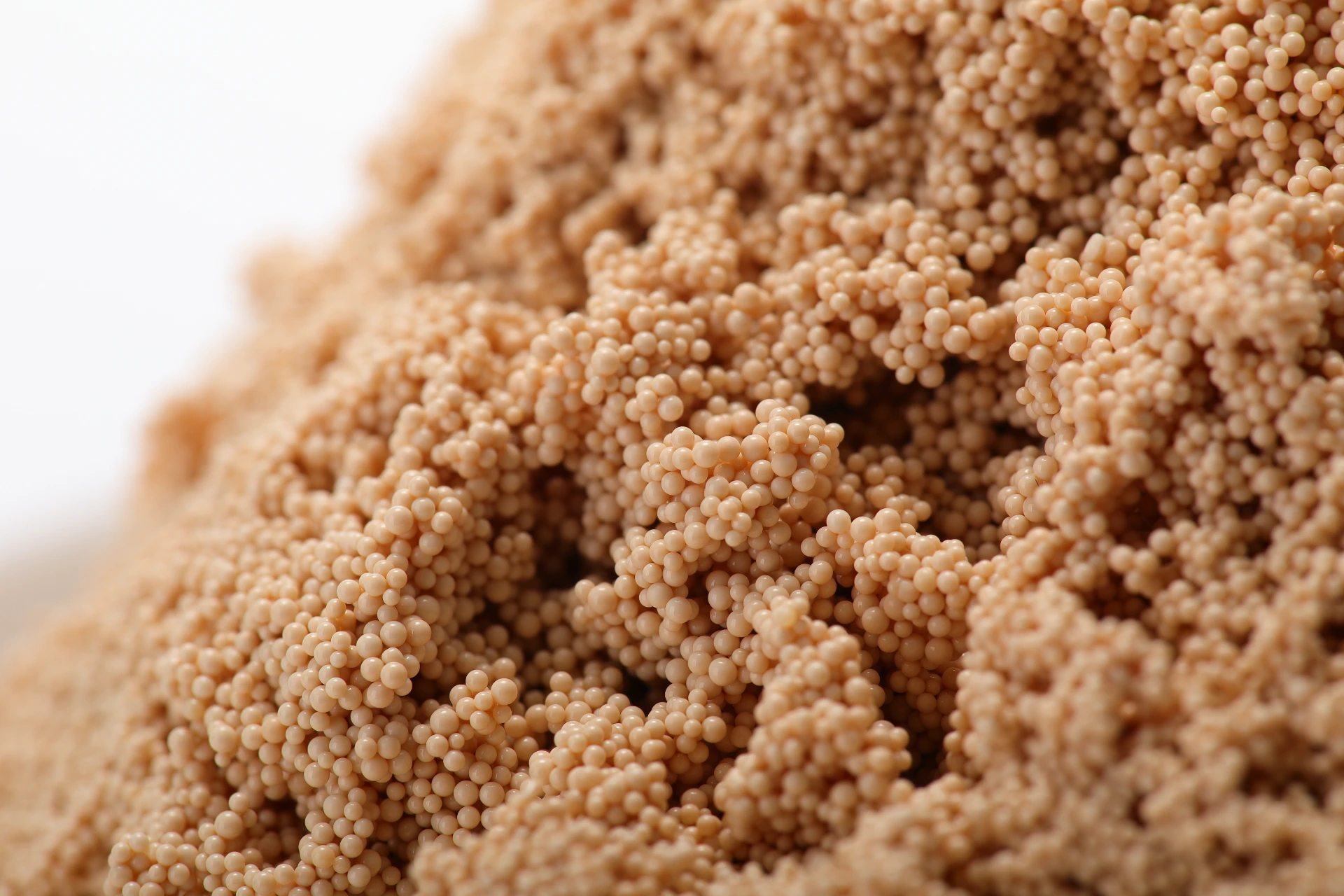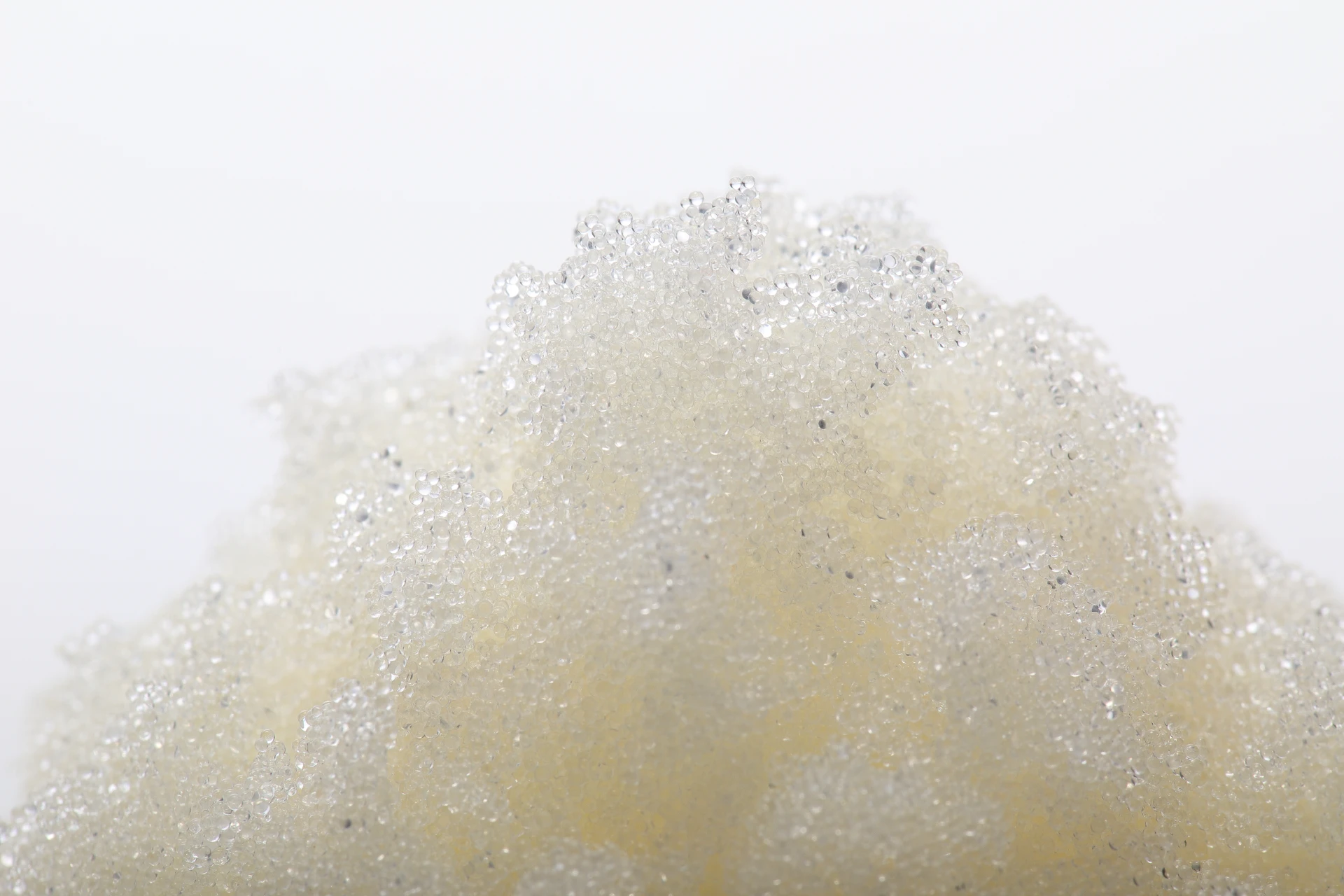
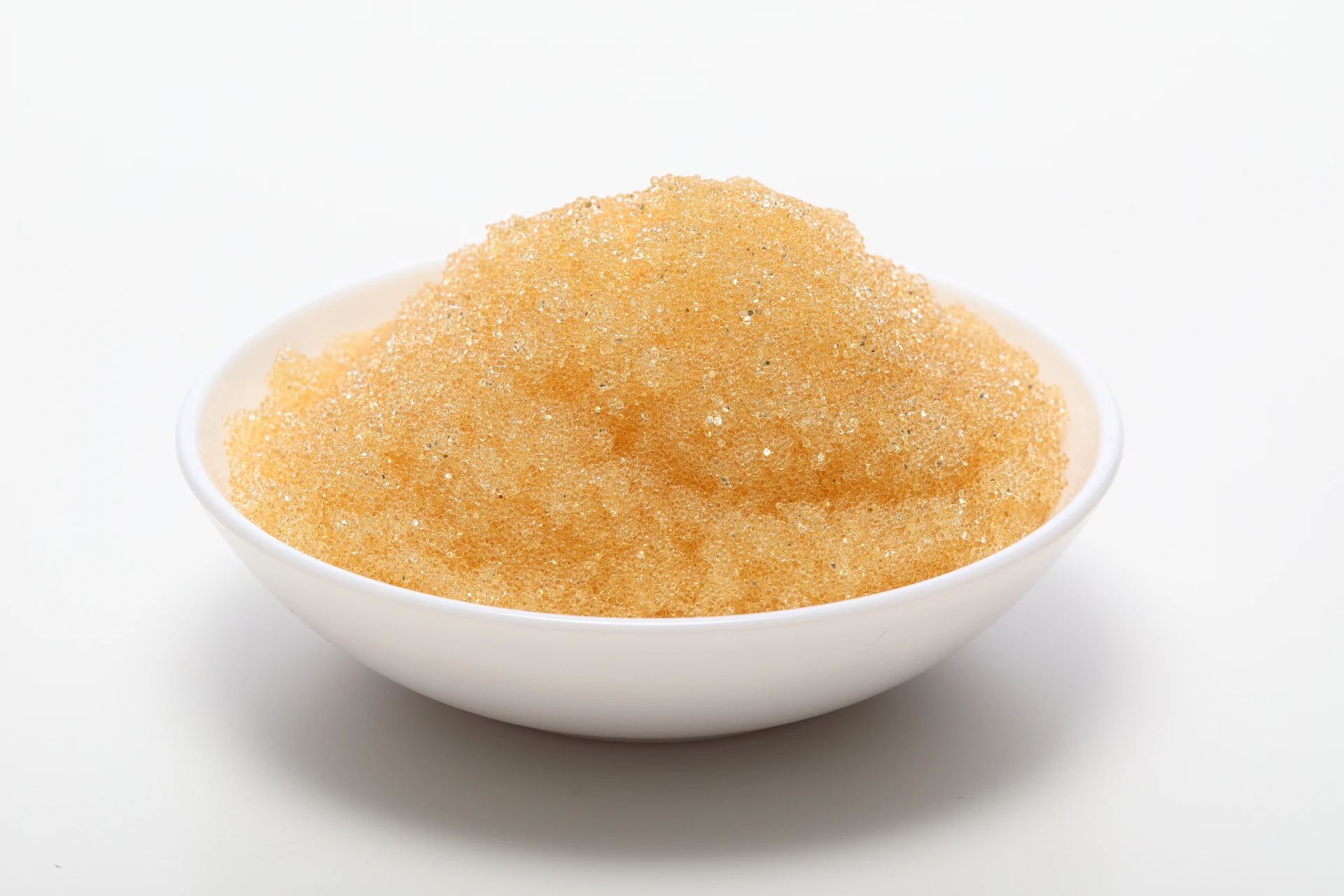
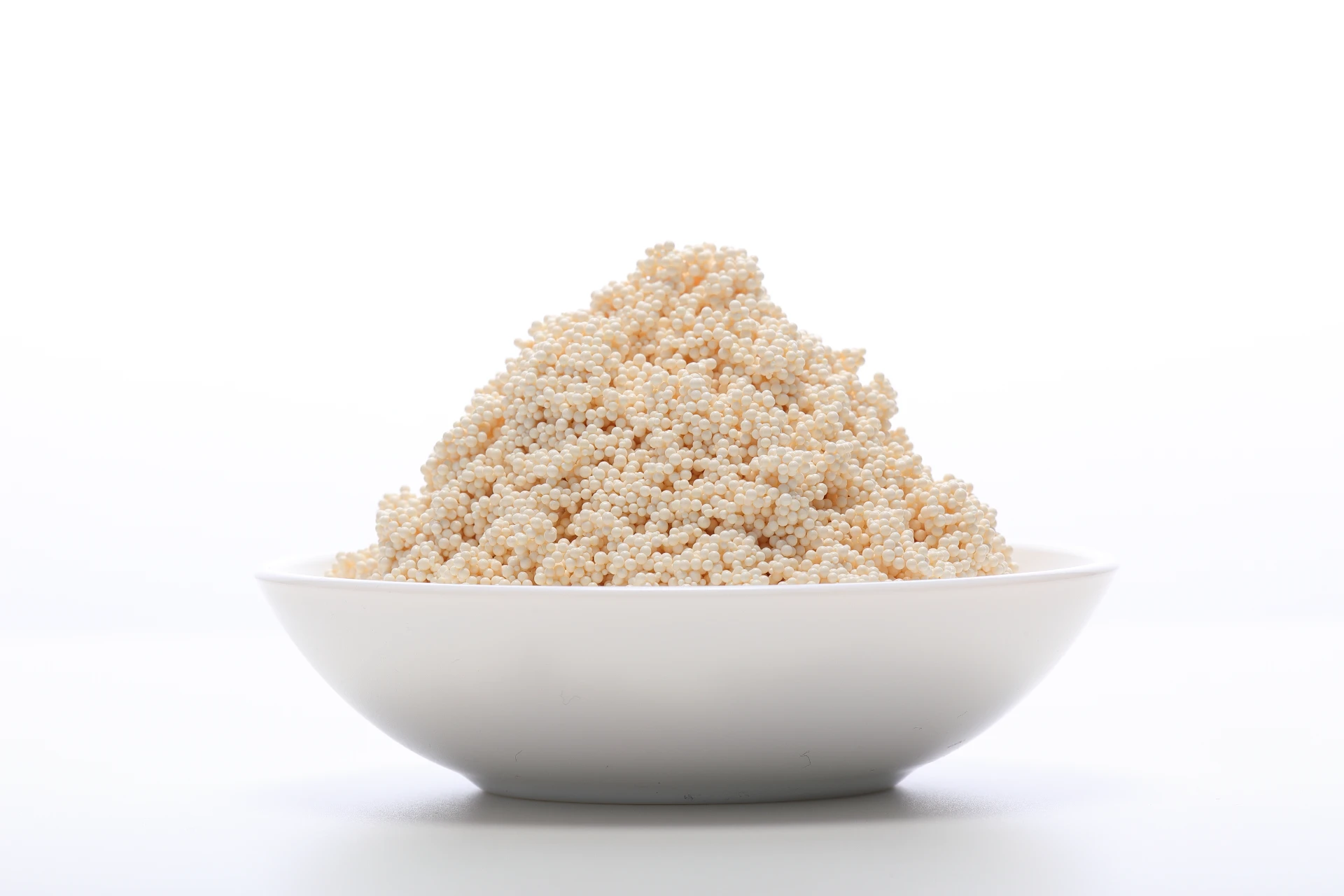
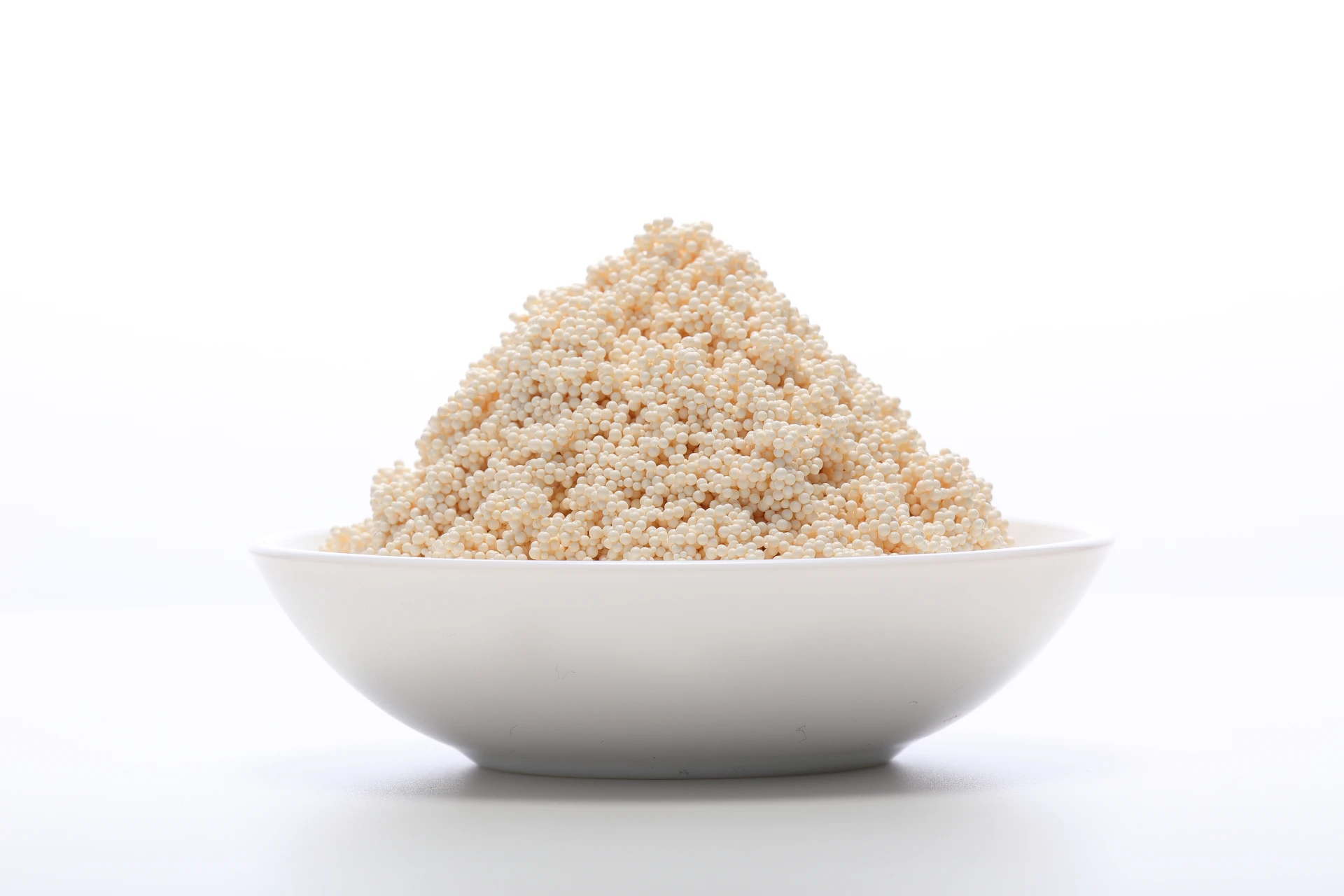
High-Efficiency chelating resin Solutions for Zambia's Mining and Water Sectors

Advanced ion exchange technologies tailored for the unique geological and industrial requirements of the Zambian market, ensuring purity and sustainability.

High-Efficiency chelating resin Solutions for Zambia's Mining and Water Sectors

Optimizing industrial processes in Zambia through high-capacity ion exchange resin and specialized purification media designed for heavy metal recovery and ultra-pure water production.

The Current State of Resin Application in Zambia

Analyzing the intersection of Zambia's mineral wealth and chemical purification needs.

Zambia's industrial landscape is dominated by the Copperbelt region, where the demand for bed resin is critical for acid mine drainage treatment and metal leaching. The local environment, characterized by high seasonal rainfall and varying water hardness, necessitates resins that can withstand fluctuating chemical loads.

Currently, many local plants rely on imported materials, but there is a growing shift toward special resin grades that can selectively target copper, cobalt, and uranium. The challenge remains in balancing high throughput with the cost of chemical regenerants in remote mining sites.

Water scarcity in certain provinces has pushed the local manufacturing sector to adopt more rigorous recycling protocols. This has led to an increased adoption of mixed bed di resin systems to ensure that process water meets international standards for boiler feed and electronic grade applications.
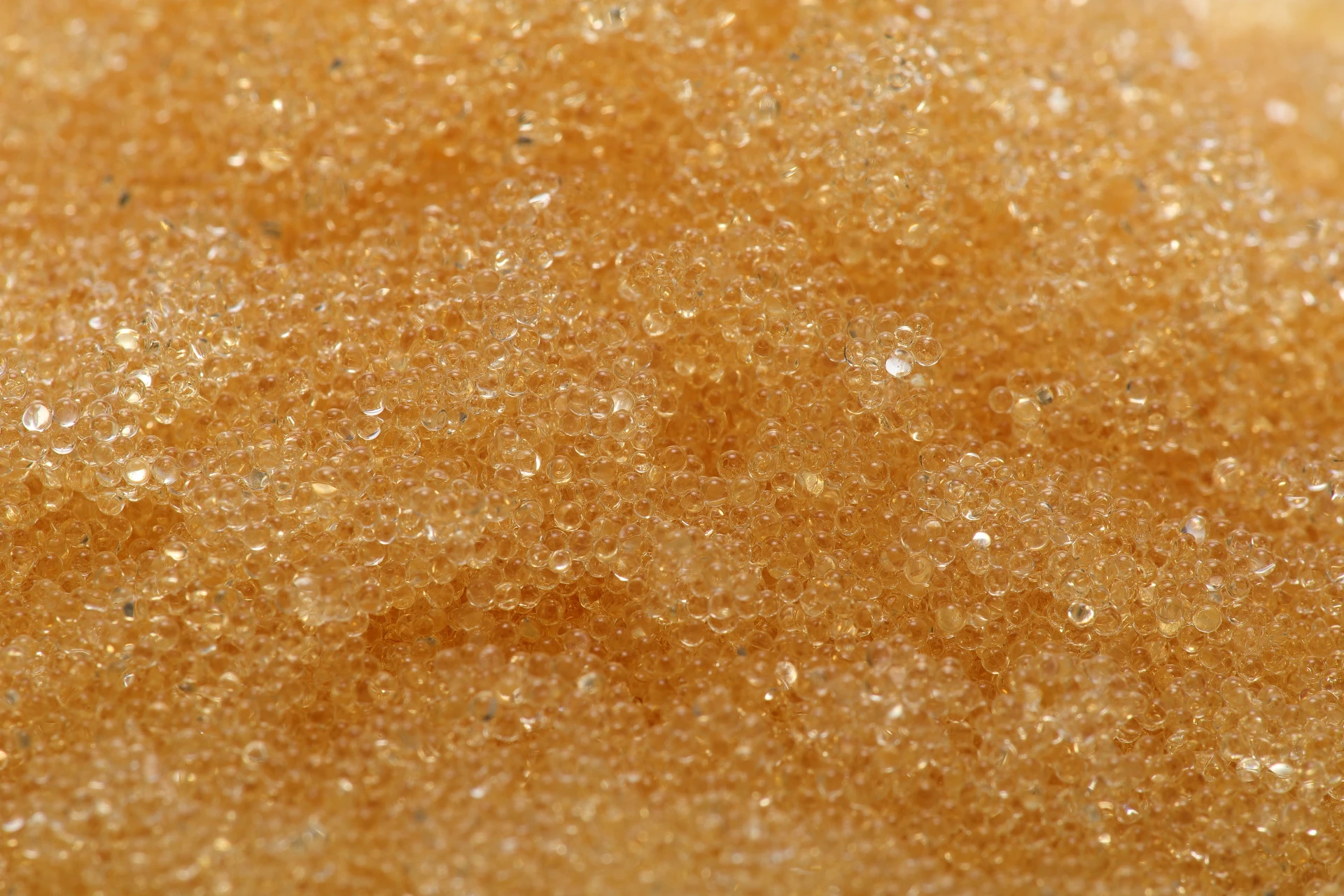
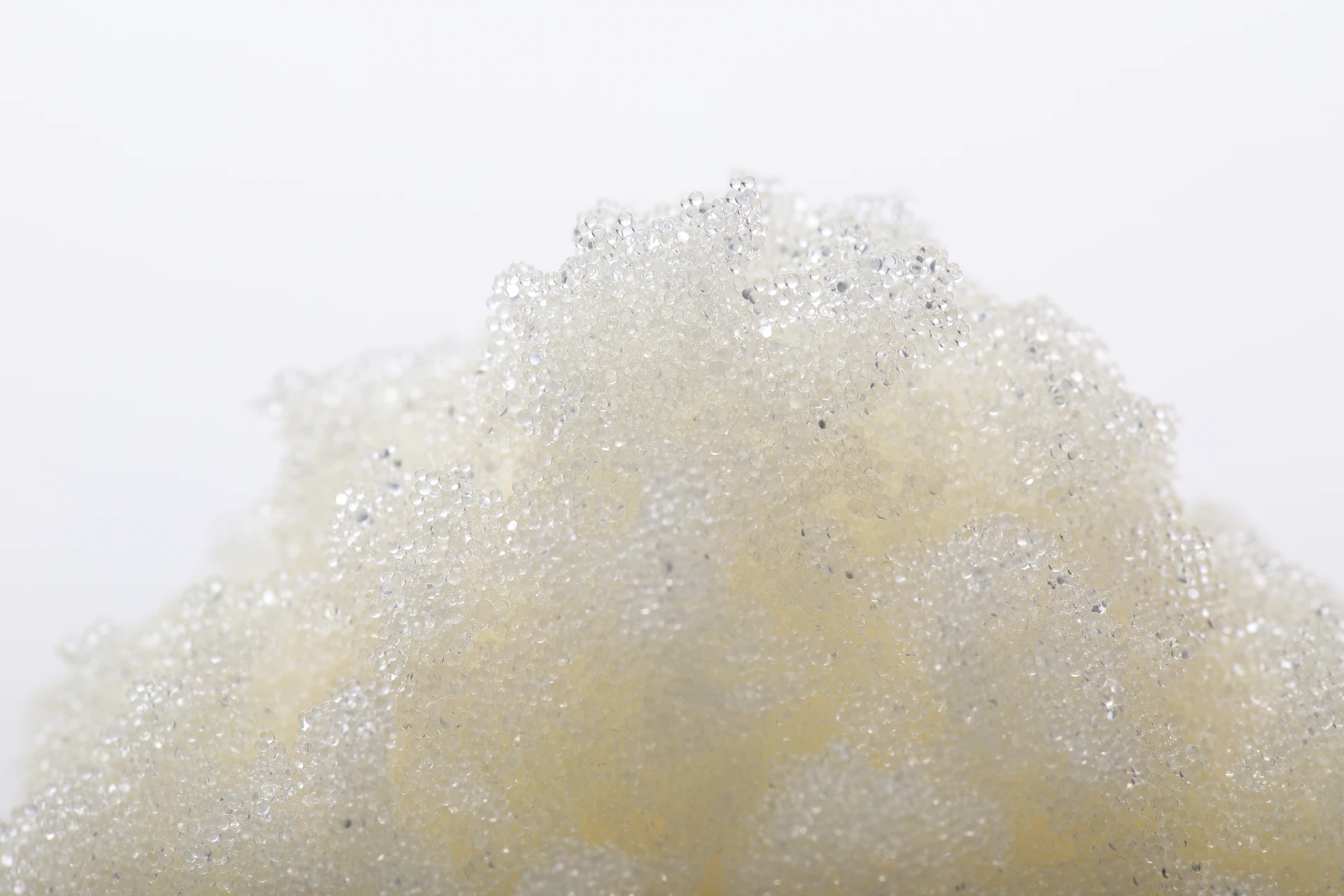
Technological Evolution of Resin Manufacturing

From basic softening to precision molecular recognition in the Zambian context.

Market Development History

In the 1990s, the Zambian market primarily utilized standard strong acid cation resins for basic water softening and simple mineral separation, focusing on bulk removal rather than selectivity.

By the 2010s, the transition toward "Selective Recovery" began. The introduction of advanced chelating resin allowed mining operations to recover precious metals from low-grade ores more efficiently, reducing waste.

From 2020 to the present, the focus has shifted to "Circular Economy" models, where mixed bed di resin technology is integrated into closed-loop water systems to minimize the environmental footprint of chemical plants.

Future Development Trends

Nano-Composite Matrix Integration

Integration of nano-materials into the resin matrix to increase the active site density, allowing for smaller vessel footprints in cramped mining facilities.

AI-Driven Regeneration Cycles

Shift toward sensor-based regeneration of bed resin, reducing chemical waste by precisely timing the exhaustion point of the media.

Green Synthesis of Polymers

Transitioning toward bio-based precursors for the production of synthetic resins to meet stricter ESG (Environmental, Social, and Governance) goals in the Africa region.

Industrial Trends and Future Outlook for Zambia

Mapping the trajectory of synthetic materials in chemical manufacturing.

Selective Metal Recovery
Increasing use of specialized resins to extract Cobalt and Copper from complex leach liquors.
Ultra-Pure Water Demand
Rise in semiconductor and pharma-grade water needs requiring advanced deionization.
Wastewater Valorization
Converting hazardous industrial effluent into reusable water and mineral concentrates.
Modular Resin Plants
Deployment of skid-mounted ion exchange units for rapid scalability in remote sites.

Industry Outlook

Google search trends indicate a sharp increase in queries related to "sustainable mining" and "water reclamation" in the Southern African region. This suggests a transition from traditional bulk chemical treatments toward precision separation technologies.

Over the next 3-5 years, the Zambian market is expected to see a 15% growth in the adoption of special resin solutions as the government tightens environmental regulations on tailings dam discharge.

Localized Application Scenarios in Zambia

Real-world deployments of ion exchange technology across Zambian industries.

01. Copper-Cobalt Hydrometallurgy

Utilizing chelating resin for the selective recovery of cobalt from copper leach solutions, maximizing purity and market value of the final product.

02. Municipal Water Demineralization

Implementing mixed bed di resin in Lusaka's industrial water treatment plants to remove dissolved salts and organics for high-purity process water.

03. Gold Mining Effluent Treatment

Using special resin to capture cyanide complexes and heavy metals from discharge water, ensuring compliance with Zambian environmental laws.

04. Power Plant Boiler Feed Water

Applying high-capacity bed resin in hydroelectric power plant water cycles to prevent scale formation and corrosion in high-pressure turbines.

05. Artisanal Mine Water Remediation

Deployment of portable ion exchange resin units to treat groundwater contaminated by arsenic and lead in rural mining communities.

Brand Story

Global Development Journey of Hebei Lijiang Biotech Co., Ltd.

The Foundation of Excellence

Established as a specialist in synthetic materials, we began by solving the most basic water softening challenges with high-durability polymers.

R&D Breakthroughs

We expanded our portfolio into selective chelating agents, allowing us to serve the global mining industry with precision metal separation.

Global Market Expansion

Recognizing the needs of emerging markets, we localized our technical support to provide tailored resin solutions for Africa and Southeast Asia.

Sustainability Commitment

We pivoted toward eco-friendly synthesis, reducing the chemical footprint of resin production while increasing exchange capacity.

Future-Proofing Industry

Today, we focus on the synergy of AI and material science to create the next generation of "smart" resins for a cleaner planet.

Comprehensive Resin Portfolio for Zambia

A full suite of ion exchange media designed for the rigors of Zambian industrial applications.

Frequently Asked Questions in Zambia

Technical guidance for the local implementation of resin systems.

How to choose the right chelating resin for copper recovery in Zambia?

Selection depends on the pH of the leach liquor and the concentration of competing ions. We recommend iminodiacetic acid functional resins for high selectivity toward divalent cations in acidic conditions.

What is the typical lifespan of mixed bed di resin in industrial plants?

Depending on the organic load and regeneration frequency, the resin typically lasts 3-5 years. Pre-filtration is essential to prevent fouling from Zambian raw water particulates.

Can special resin handle high salinity in mine tailings?

Yes, our specialized macroporous resins are designed to maintain structural integrity and selectivity even in high ionic strength environments common in mining tailings.

How does temperature affect the performance of bed resin in Africa?

Higher temperatures generally increase exchange kinetics but can accelerate the degradation of certain functional groups. We provide thermally stable grades specifically for tropical climates.

What are the regeneration requirements for ion exchange resin in remote areas?

Standard HCl or NaOH is used. For remote Zambian sites, we provide guidelines on using locally sourced chemicals to reduce logistics costs without compromising resin life.

Is the mixed bed di resin compatible with automated PLC systems?

Absolutely. Our resins are designed for consistent pressure drops, making them ideal for integration with automated regeneration cycles managed by PLC controllers.

Expert Consultation for Your Resin Needs

Ready to optimize your chemical processes in Zambia? Our technical team is available for customized site audits and resin selection.

Contact Us Now

If you are interested in our products, you can choose to leave your information here, and we will be in touch with you shortly.