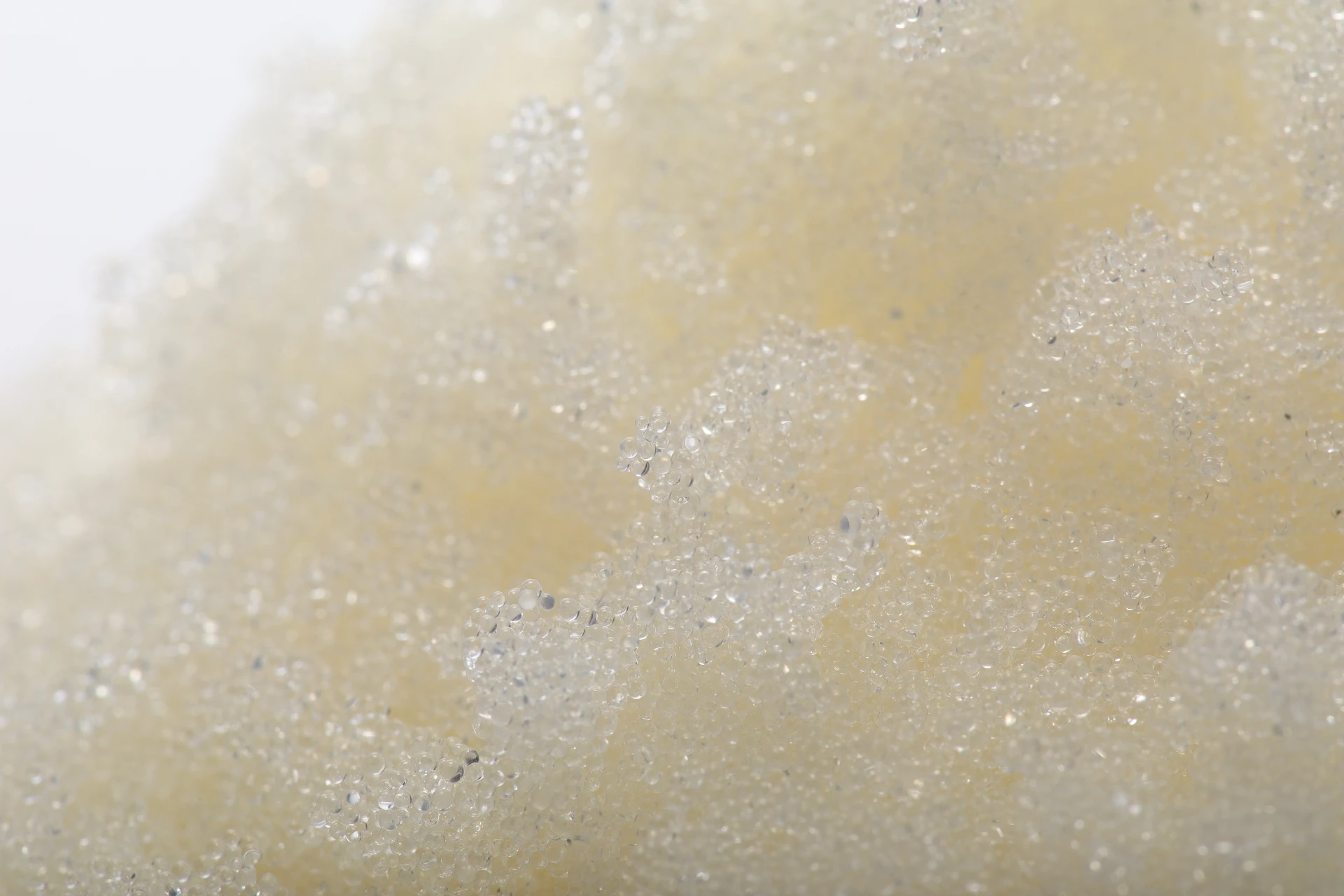
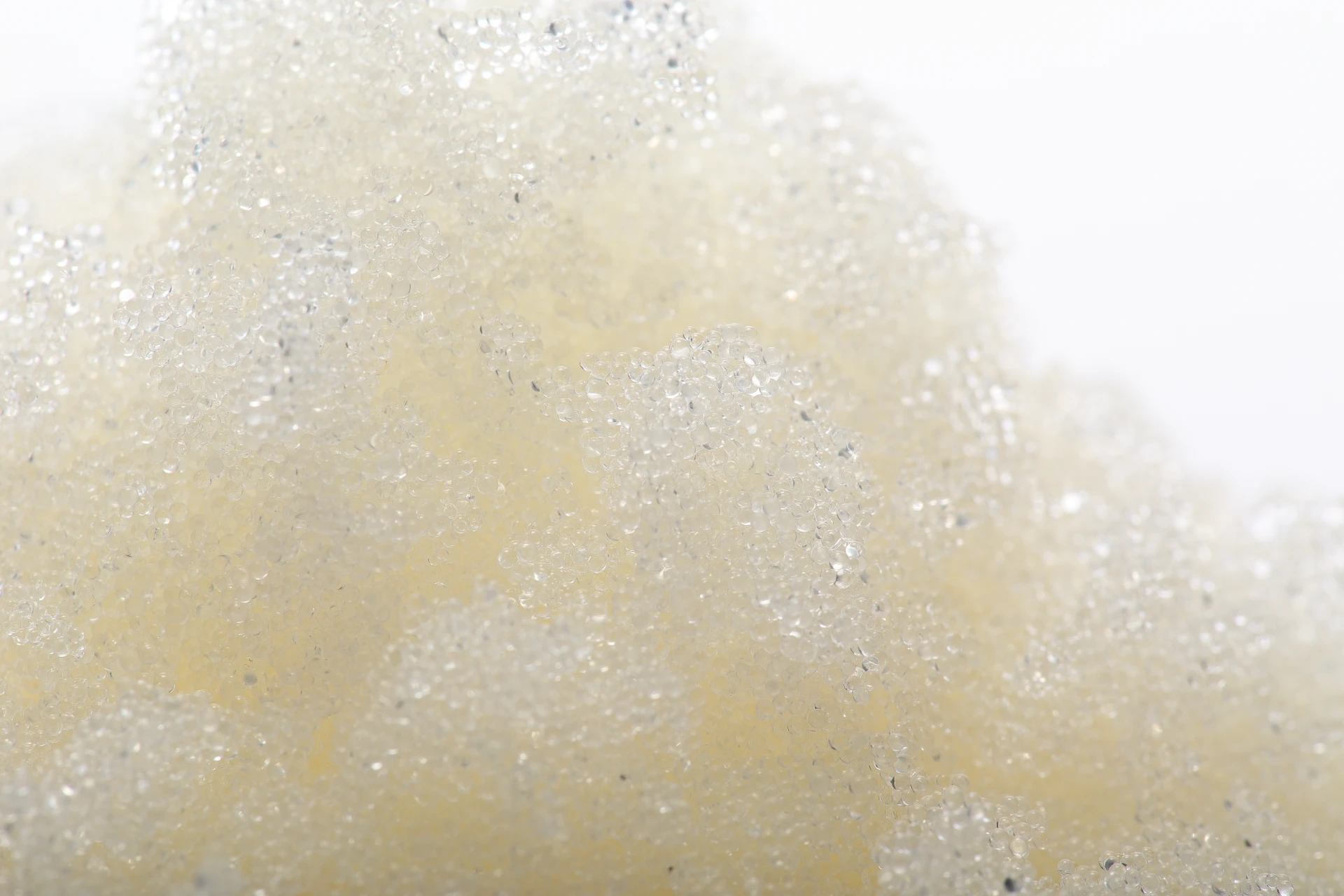
High-Performance Chelating Resin Solutions for Afghanistan's Industrial Water Treatment

Providing advanced ion exchange technology to tackle heavy metal contamination and water hardness in Afghanistan's unique geological landscape.

High-Performance Chelating Resin Solutions for Afghanistan's Industrial Water Treatment

Our specialized resin portfolios are engineered to deliver ultra-pure water and efficient mineral recovery, ensuring operational stability for chemical and mining sectors across Afghanistan.

Water Purification Status in Afghanistan

Analyzing the challenges of industrial water quality in the region.

Afghanistan's industrial sector faces significant hurdles due to high mineral content and groundwater salinity. The reliance on ion exchange resin is increasing as local industries strive to meet international purity standards for chemical production.

Geographical constraints and the prevalence of hard water in provinces like Herat and Kabul necessitate the use of robust bed resin systems to prevent scale buildup in boilers and cooling towers, which otherwise leads to frequent equipment failure.

Currently, the market is shifting from basic filtration toward sophisticated special resin applications, specifically targeting the removal of toxic heavy metals from mining runoff to comply with emerging environmental regulations.
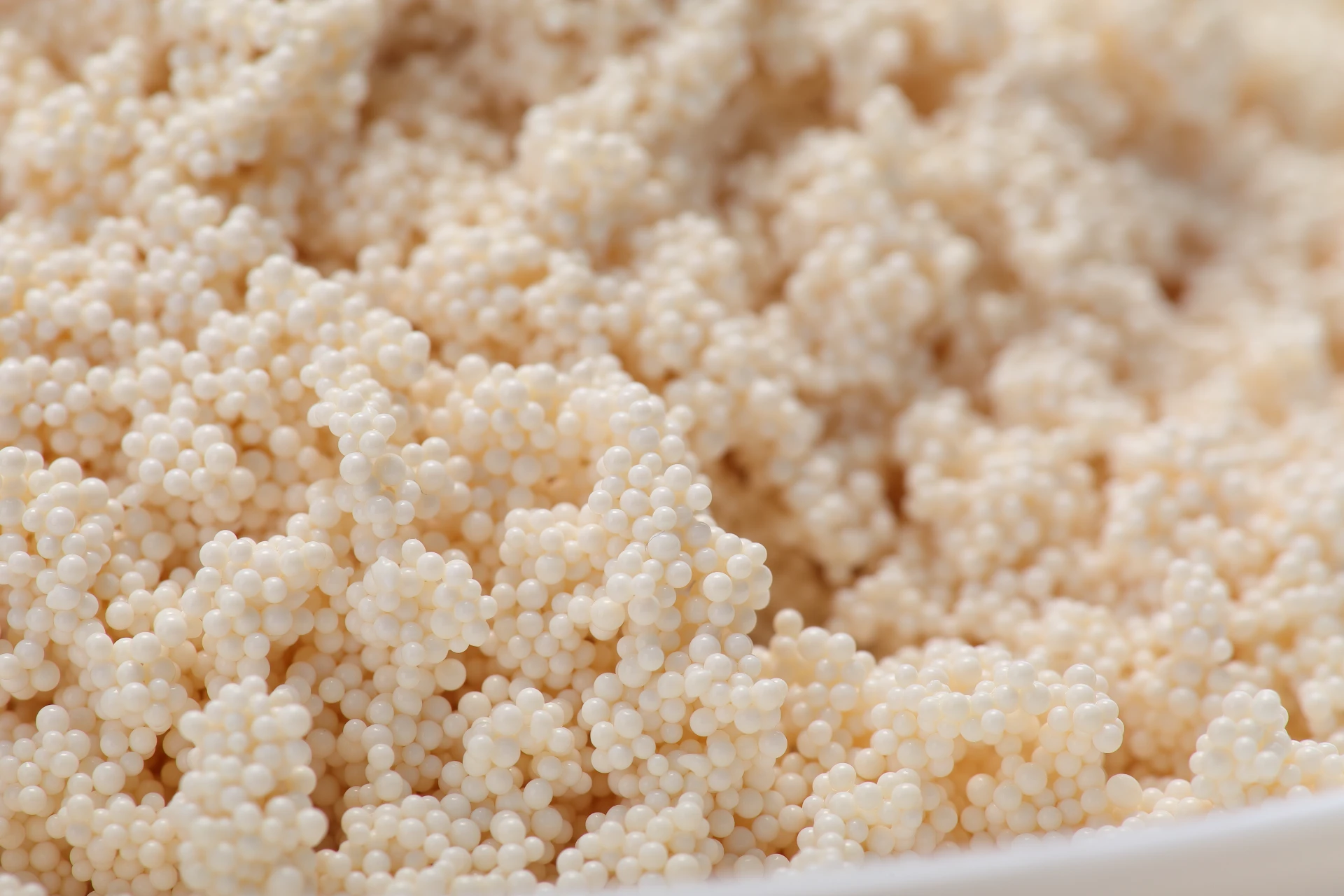
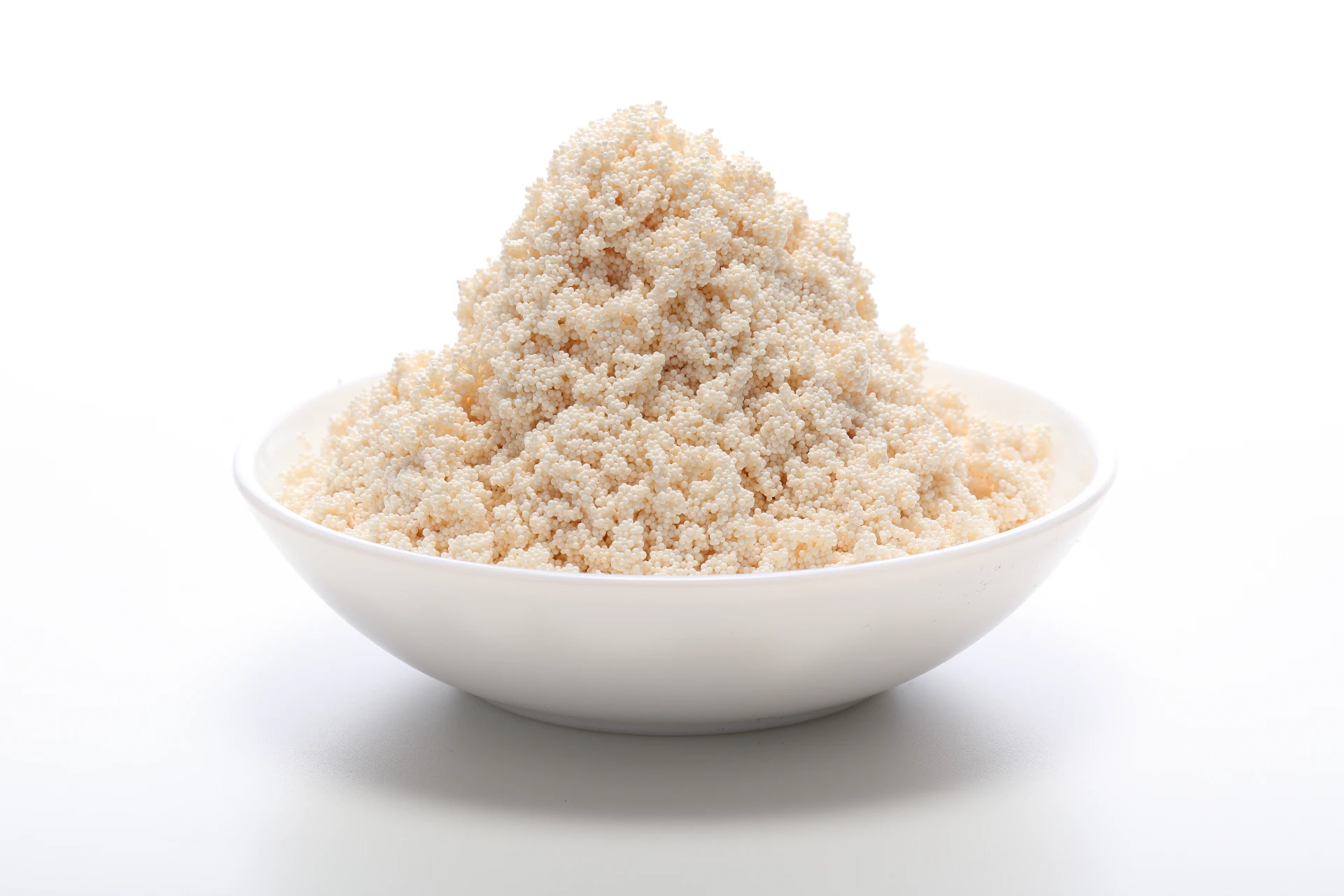
Evolution of Resin Technology in Afghanistan

From traditional softening to precision molecular separation.

Market Development History

In the early 2000s, the Afghan market primarily utilized basic salt-based softening. The focus was simply on reducing hardness for basic municipal use without precision control.

Between 2010 and 2020, there was a transition toward the adoption of mixed bed di resin technologies. This allowed the burgeoning beverage and pharmaceutical sectors to achieve the high resistivity required for process water.

Since 2021, the industry has entered the "Selective Era," where the demand for chelating agents has surged to target specific metal ions in the mining and synthetic materials manufacturing sectors.

Future Development Trends

Eco-Friendly Regeneration

Moving toward resins that require lower concentrations of regenerants to reduce the environmental footprint in fragile Afghan ecosystems.

High-Temperature Stability

Development of materials that maintain structural integrity under the extreme temperature fluctuations characteristic of the region's climate.

Smart Monitoring Integration

Integration of IoT sensors to monitor the breakthrough point of resin beds in real-time, optimizing the regeneration cycle.

Industry Trends and Future Outlook

Strategic projections for synthetic material and water treatment manufacturing.

Selective Mineral Recovery
Increased focus on recovering valuable rare earth elements from industrial waste using specialized chelating matrices.
Ultra-Pure Water Demand
Growth in semiconductor and high-end chemical plants requiring resistivity levels only achievable via mixed bed systems.
Modular Treatment Units
Transition from fixed plant infrastructure to skid-mounted modular resin systems for rapid deployment.
Regeneration Optimization
Implementing counter-current regeneration to reduce chemical waste and increase the lifecycle of the resin.

Industry Outlook

Based on search trend data for water treatment in Central Asia, we anticipate a 15% annual growth in the demand for high-selectivity resins. As Afghanistan rebuilds its industrial base, the shift toward sustainable chemical manufacturing will drive the adoption of advanced polymers.

The integration of mixed bed di resin will become the gold standard for the power generation and electronics sectors, ensuring that corrosive ions are completely removed from feed-water systems.

Localized Application Scenarios in Afghanistan

Practical implementations of ion exchange technology across various Afghan industries.

1. Mining Wastewater Remediation

Using chelating resins to remove copper and zinc from mining effluents in the Hindu Kush region, preventing soil degradation and recovering precious metals.

2. Industrial Boiler Feed-Water

Implementing a bed resin sequence (cation-anion) to eliminate silica and calcium, preventing scale in thermal power plants in Kabul.

3. Pharmaceutical Grade Water

Utilizing mixed bed systems to produce USP-grade purified water for local medicine manufacturing, ensuring zero ionic conductivity.

4. Textile Dyeing Process

Applying specialized softening resins to remove manganese and iron from groundwater, ensuring dye consistency in Afghan garment factories.

5. Agricultural Irrigation Pre-treatment

Removing sodium and chlorine using specialized ion exchange media to improve crop yield in saline-affected agricultural zones.

Brand Story

Global Development History of Hebei Lijian Biological Technology Co., Ltd.

Foundational Excellence

Established with a mission to solve the most complex ion exchange challenges, focusing on the molecular precision of synthetic polymers.

R&D Breakthroughs

Developed a proprietary chelating matrix that increased metal selectivity by 40%, setting a new benchmark for industrial purity.

Global Expansion

Extended our footprint into Central Asia, tailoring resin specifications to meet the harsh water conditions of diverse climates.

Sustainable Innovation

Launched a series of biodegradable and low-waste resins, aligning our growth with global environmental sustainability goals.

Industry Leadership

Now recognized as a leading provider of synthetic materials, helping thousands of factories achieve water independence.

Comprehensive Product Portfolio for Afghanistan

A full range of ion exchange solutions tailored for the Afghan market.

Frequently Asked Questions for Afghan Industries

Expert answers to common technical queries regarding resin application.

How to choose the right ion exchange resin for high-salinity groundwater in Afghanistan?

For high-salinity water, we recommend a combination of strong acid cation resins and specialized anion resins to ensure efficient desalination and hardness removal.

What is the typical lifespan of a mixed bed di resin in industrial power plants?

Depending on the feed water quality and regeneration frequency, our high-grade mixed bed resins typically maintain peak performance for 3-5 years.

Can chelating resin effectively remove arsenic from Afghan mining runoff?

Yes, our specialized chelating resins are designed with high affinity for arsenic and other heavy metals, ensuring effluent meets environmental safety standards.

How does temperature variation in Afghanistan affect bed resin performance?

Extreme temperatures can affect kinetics. We provide thermally stable resins that resist osmotic shock and maintain capacity during seasonal shifts.

What is the difference between special resin and standard ion exchange media?

Special resins are engineered for selectivity (e.g., targeting a specific ion like Boron or Nitrate), whereas standard media provide general softening or demineralization.

Which regeneration chemicals are most efficient for Afghan water profiles?

Depending on the resin type, high-purity NaCl for softening or HCl/NaOH for demineralization are most effective for local water chemistry.

Ready to Optimize Your Water Treatment?

Our technical experts are ready to provide customized resin solutions for your facility in Afghanistan.

Contact Us Now

If you are interested in our products, you can choose to leave your information here, and we will be in touch with you shortly.