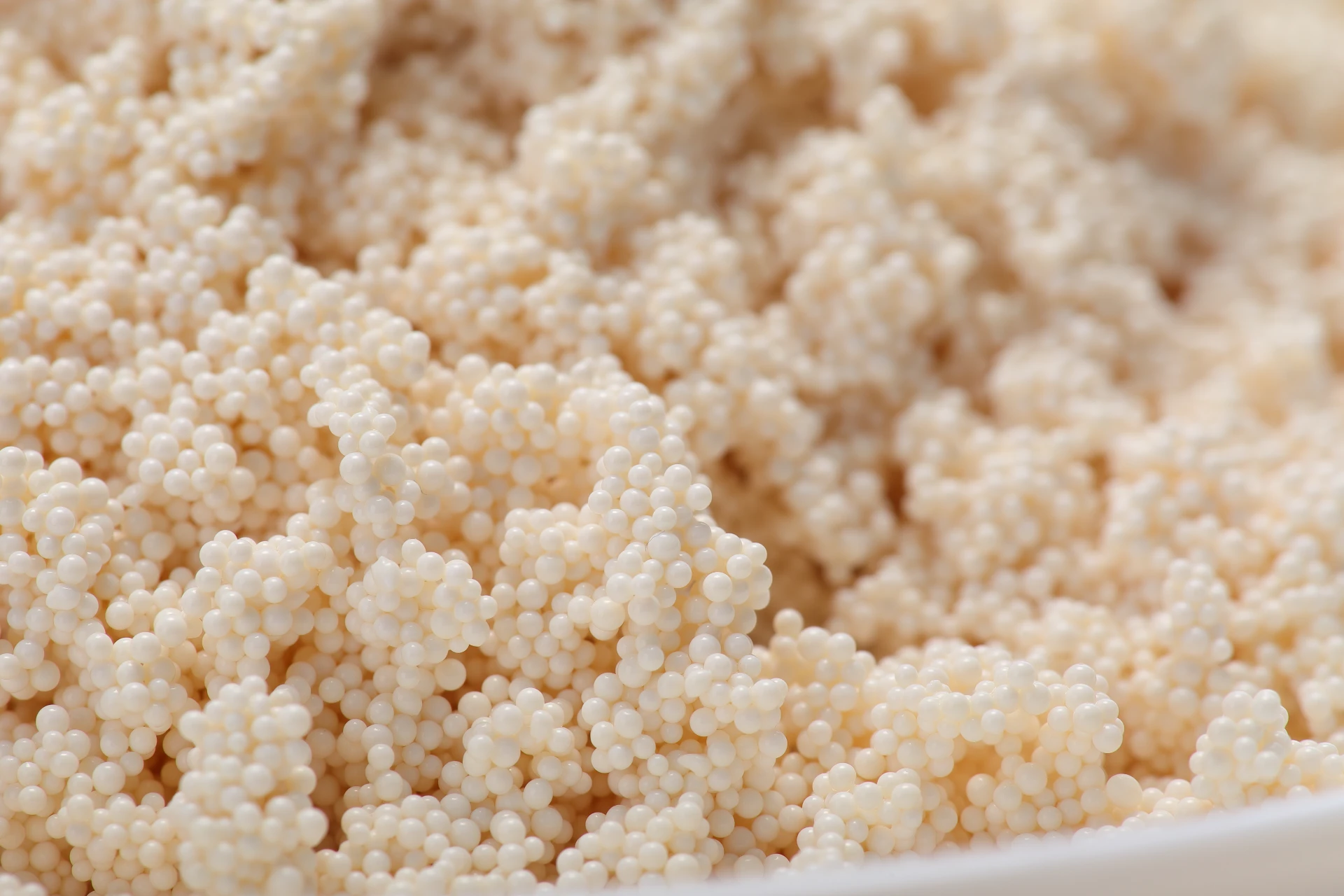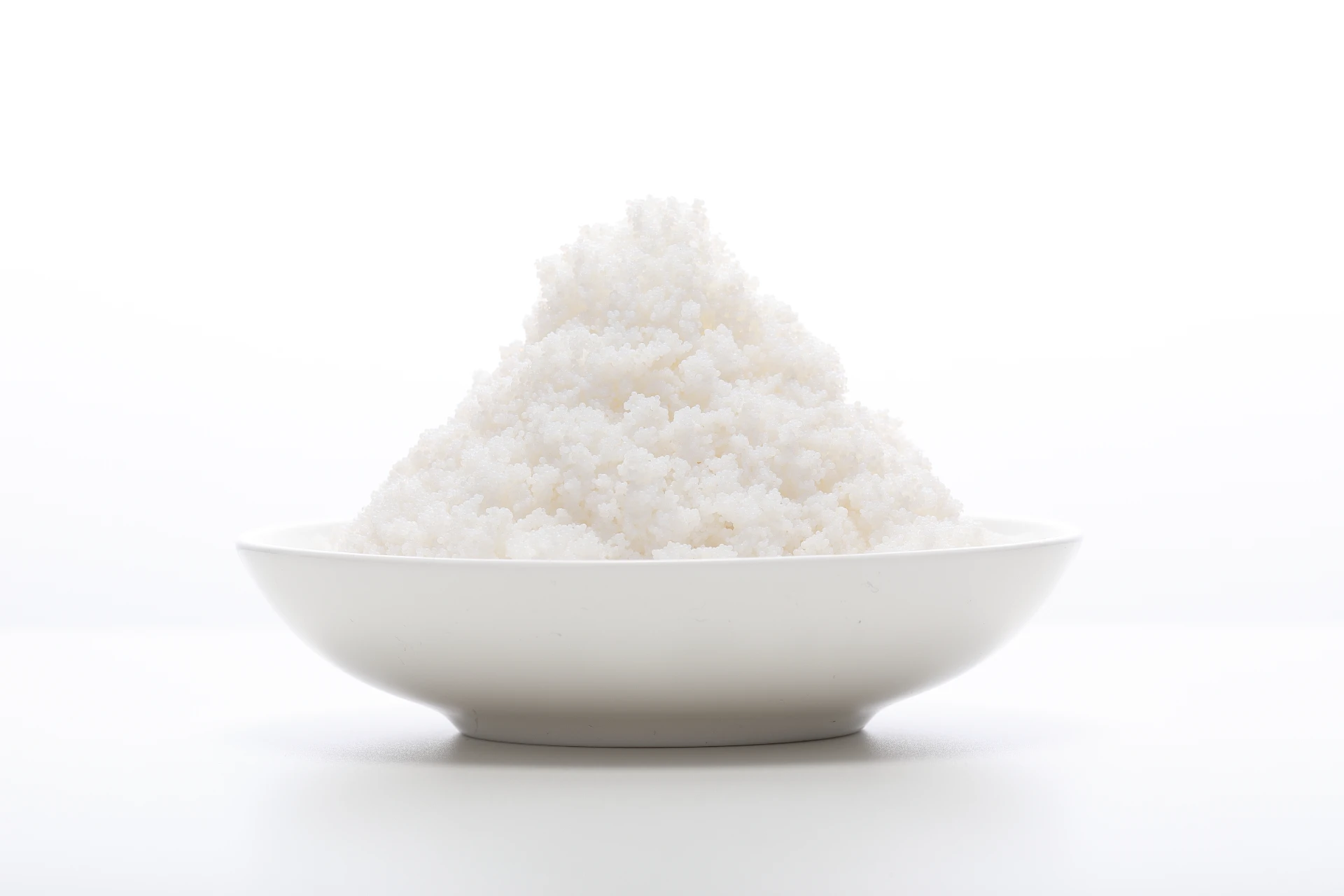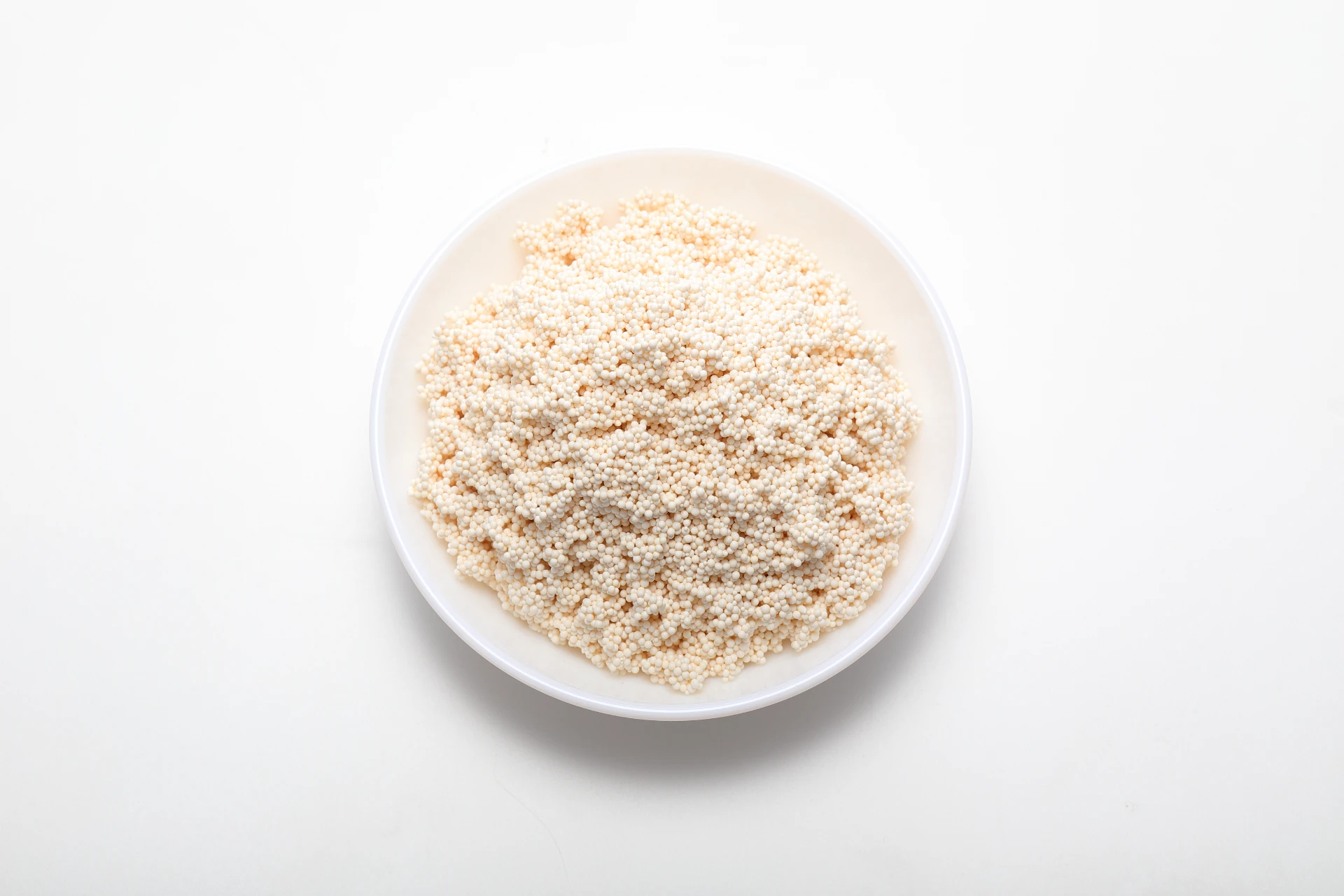
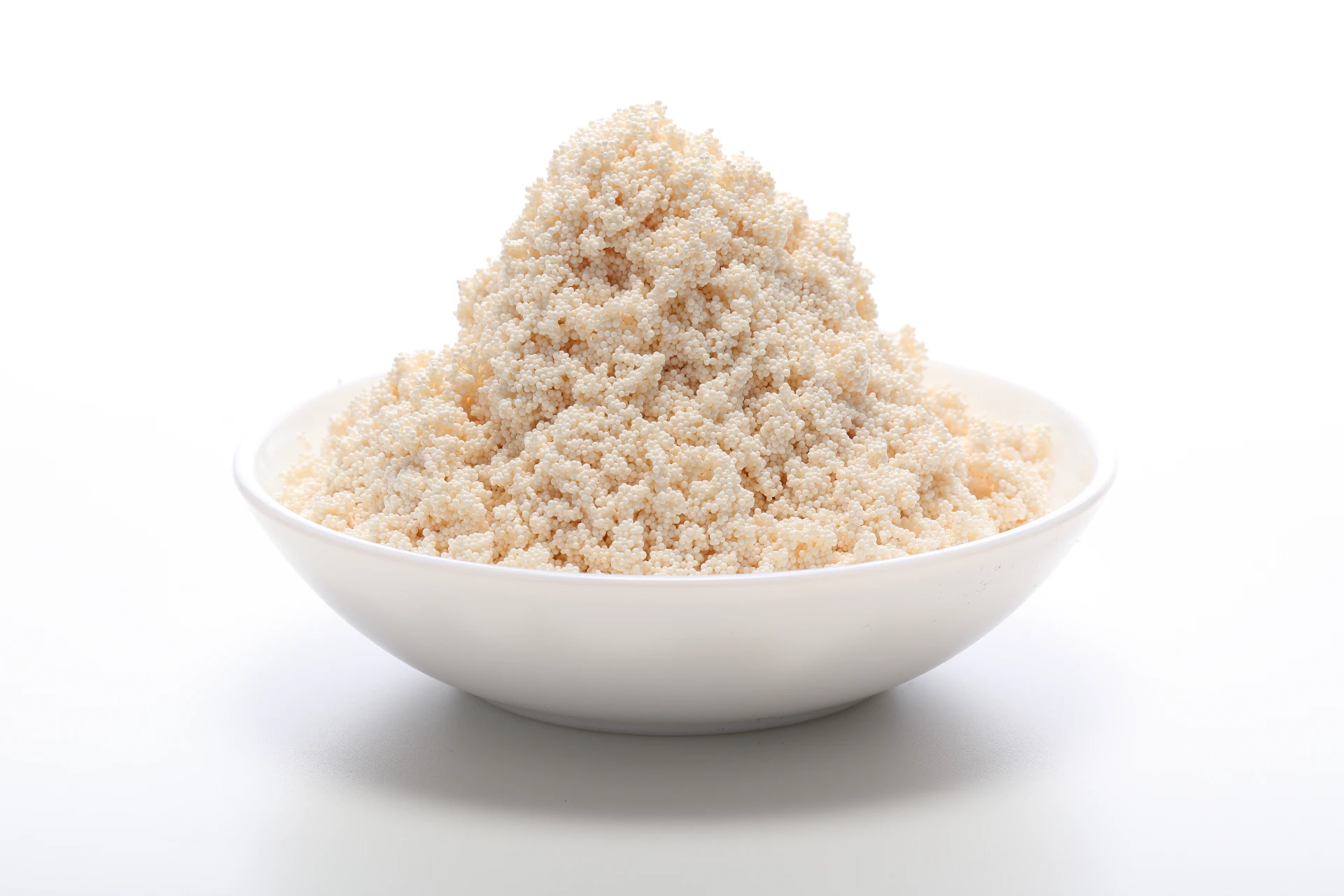
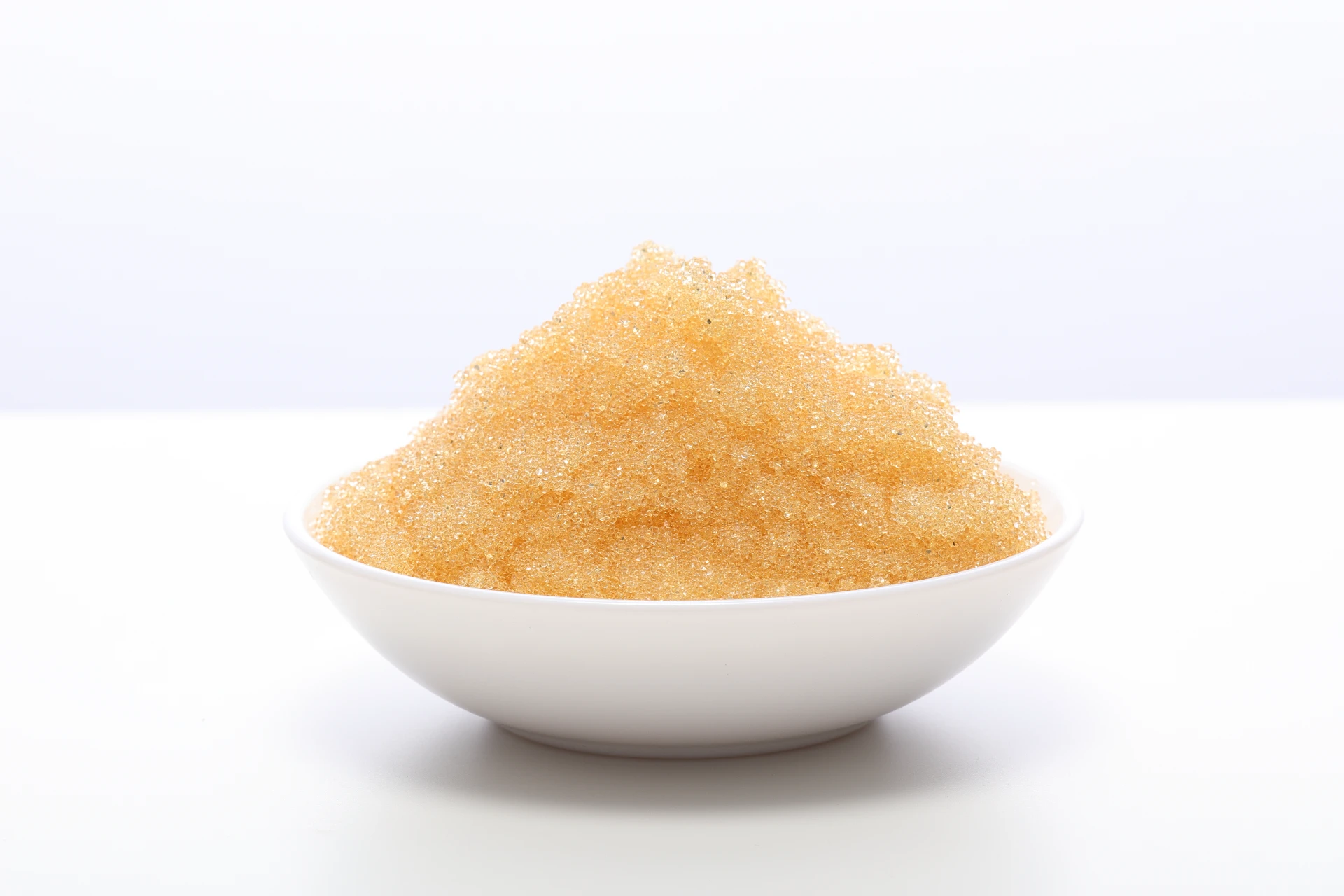
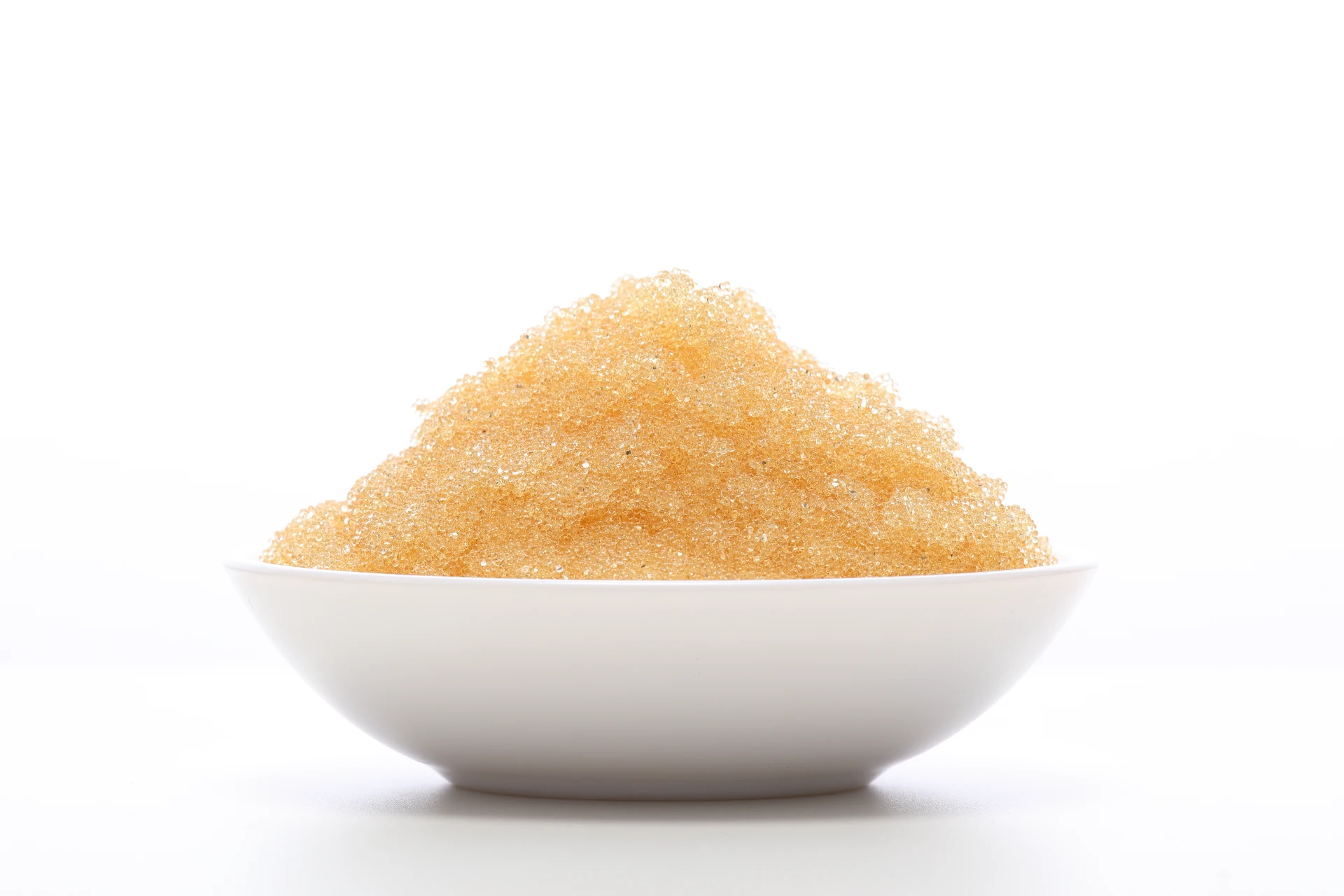
High-Performance chelating resin Solutions for Angola's Industrial Water Treatment

Empowering Angola's mining and oil sectors with advanced ion exchange technology for ultra-pure water and precious metal recovery.

High-Performance chelating resin Solutions for Angola's Industrial Water Treatment

Providing specialized resin media designed to withstand the unique water chemistry and industrial demands of the Angolan market, ensuring maximum efficiency in ion removal.

The Landscape of Water Purification in Angola

Analyzing the challenges of industrial water treatment in the Angolan economic climate.

In Angola, the industrial sector is heavily driven by oil extraction and diamond mining. These industries require massive volumes of purified water, where the use of a robust bed resin is critical to prevent equipment scaling and corrosion caused by the high mineral content found in local groundwater.

The tropical climate and varied geography of Angola often lead to organic fouling in water sources. Consequently, the adoption of special resin grades has become essential to handle complex contaminants that standard filtration methods cannot address, particularly in the Luanda and Benguela coastal regions.

Currently, the market is shifting from basic filtration to sophisticated ion exchange. There is a growing demand for ion exchange resin technology to support the diversification of the Angolan economy, moving towards more sustainable chemical manufacturing and pharmaceutical production.
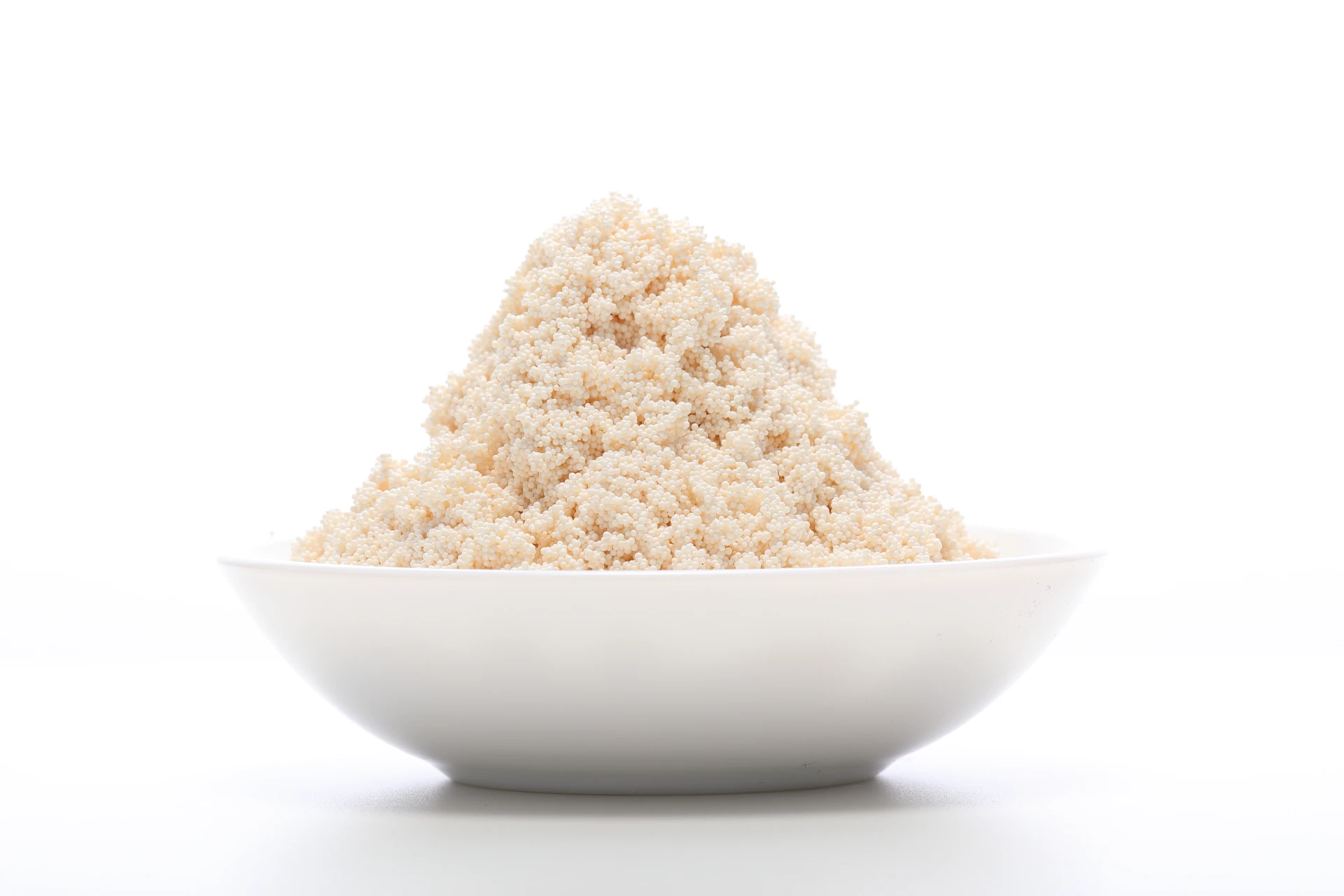
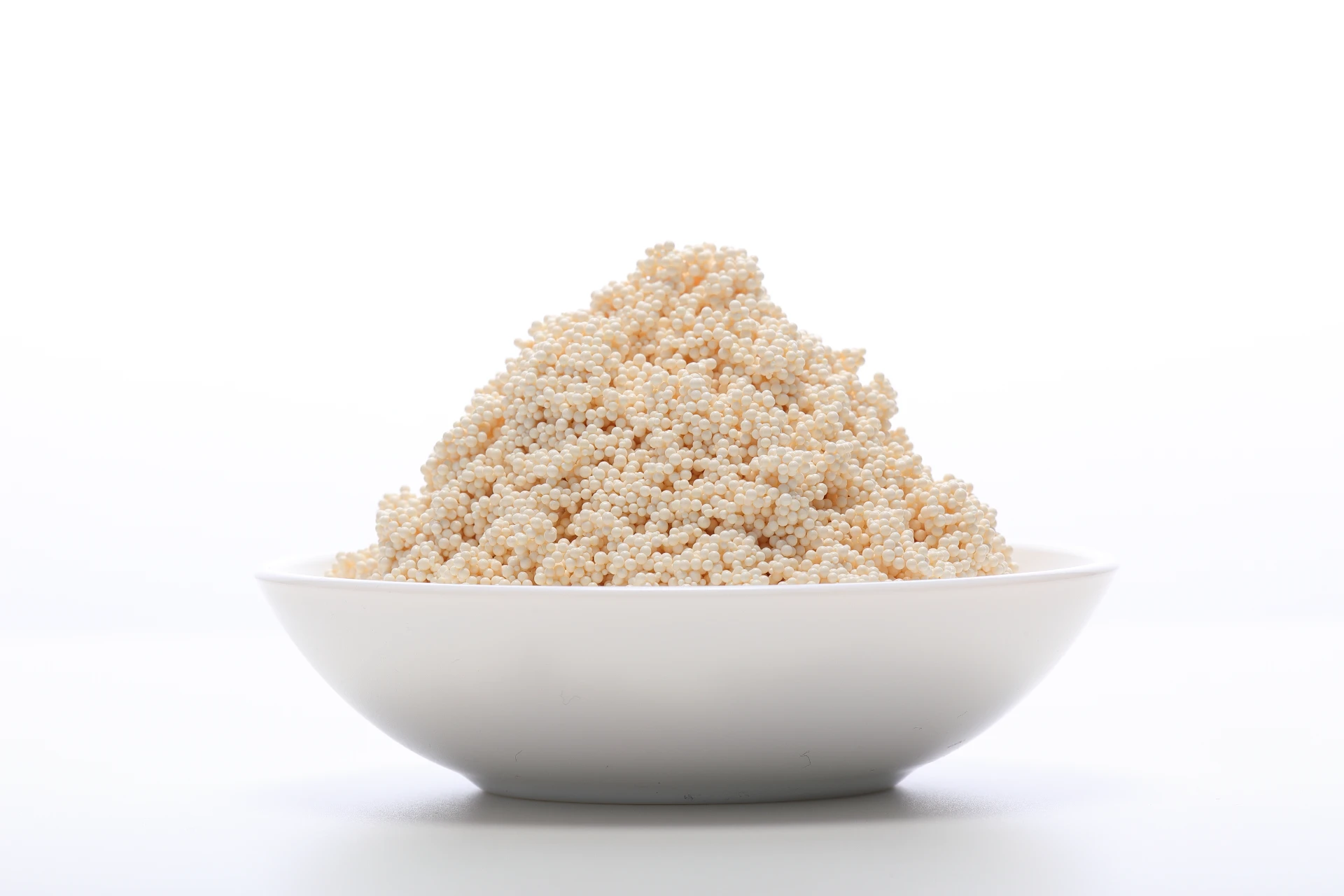
Evolution of Ion Exchange Technology in Angola

From basic softening to high-precision molecular separation.

Market Development History

From 2000 to 2010, the Angolan market relied primarily on imported basic softening salts and simple sand filters. During this period, the concept of mixed bed di resin was limited to a few high-end oil refineries that required absolute zero conductivity for boiler feed water.

Between 2011 and 2020, the surge in mining investments led to the introduction of selective resins. The industry evolved to use chelating agents to recover valuable metals from tailings, marking a transition toward more chemically specific separation processes.

Since 2021, the focus has shifted toward "Green Chemistry." Modern plants in Angola now integrate automated regeneration cycles and high-capacity resins to reduce the environmental footprint of brine discharge into local ecosystems.

Future Development Trends

Smart Resin Monitoring

Integration of IoT sensors to monitor the saturation levels of the resin bed in real-time, reducing chemical waste during regeneration.

Nano-Composite Hybrids

The development of hybrid resins that combine the selectivity of chelating groups with the speed of standard strong-base exchangers.

Circular Water Economy

A shift towards zero-liquid discharge (ZLD) systems where ion exchange is used to recycle 98% of industrial process water.

Industry Trends and Future Outlook

Predicting the trajectory of synthetic materials in Angola's chemical sector.

Selective Heavy Metal Removal
Increased adoption of specialized resins to target specific ions like Copper and Cobalt in Angolan mining ores.
Ultra-Pure Water Demands
Rising demand for semiconductor-grade water in emerging Angolan tech hubs using multi-stage DI systems.
Desalination Integration
Combining Reverse Osmosis with ion exchange to provide potable water in drought-prone inland regions.
Sustainable Regeneration
Using organic acids for resin regeneration to meet new Angolan environmental regulations.

Industry Outlook

Based on Google search trends in the region, there is a significant uptick in queries related to "wastewater recycling" and "industrial water softening." This suggests that Angolan factories are moving away from single-use water systems toward circular models.

We expect that within the next 3-5 years, the integration of specialized resin technologies will be the primary driver for efficiency gains in the Angolan chemical and mining sectors, reducing operational costs by up to 20%.

Localized Applications in Angola

Real-world scenarios where our resin technology solves local industrial pain points.

01. Oil Refinery Boiler Feed Water

Using mixed bed di resin to eliminate all dissolved ions, preventing scale buildup in high-pressure boilers in Cabinda oil facilities.

02. Diamond Mine Water Recovery

Implementing chelating resins to remove trace heavy metals from process water, allowing for the safe reuse of water in the Lunda Norte mining regions.

03. Coastal Desalination Polishing

Utilizing ion exchange as a second-stage polishing step after RO membranes to provide high-purity water for Luanda's food and beverage plants.

04. Pharmaceutical Ingredient Purification

Applying special resin grades to isolate organic acids and purify precursors for the burgeoning pharmaceutical industry in Angola.

05. Agricultural Irrigation Treatment

Using large-scale bed resins to remove excess sodium and magnesium from irrigation water to improve crop yields in the Huambo highlands.

Brand Story

Global Development Journey of Hebei Lijia Bio-Tech Co., Ltd.

Founding Vision

Established with a mission to solve the world's most challenging water purification problems through advanced synthetic material science.

R&D Breakthrough

Developed proprietary cross-linking technology that increased the lifespan of industrial resins by 30%.

Global Expansion

Expanded operations into Africa, tailoring resin formulations to handle high-salinity and tropical water conditions.

Sustainability Commitment

Launched a line of eco-friendly resins that require 40% less regenerant chemicals.

Industry Leadership

Recognized as a leading provider of specialized ion exchange media for the global mining and energy sectors.

Comprehensive Resin Portfolio for Angola

A full suite of ion exchange solutions tailored for the Angolan industrial landscape.

Common Questions in the Angolan Market

Expert answers to the most frequent technical queries from our local partners.

How do I choose the right ion exchange resin for Angolan groundwater?

You should conduct a full water analysis focusing on TDS and specific ion concentrations. For groundwater with high hardness, a standard cation resin is best, while for heavy metal contamination, a chelating resin is recommended.

What is the typical lifespan of a mixed bed di resin in oil refinery settings?

Depending on the influent water quality and regeneration frequency, our high-grade resins typically last 3-5 years before significant capacity loss occurs.

Can special resin handle the high organic loads found in tropical water?

Yes, our organic scavenger resins are specifically designed to remove humic and fulvic acids, protecting subsequent ion exchange stages from fouling.

How does the temperature in Angola affect bed resin performance?

High ambient temperatures can accelerate certain chemical reactions. We provide thermally stable resins that maintain structural integrity up to 120°C.

What are the regeneration requirements for chelating resins in mining?

They typically require a strong acid for stripping the captured metals and a caustic solution for neutralization, depending on the target metal.

Is it possible to retrofit old water plants with new ion exchange technology?

Absolutely. Most existing pressure vessels can be refilled with our modern, high-capacity resins to immediately improve water quality without replacing hardware.

Get Expert Technical Support

Ready to optimize your water treatment process in Angola? Our engineers are available for consultation on the best resin selection for your specific industrial needs.

Contact Us Now

If you are interested in our products, you can choose to leave your information here, and we will be in touch with you shortly.