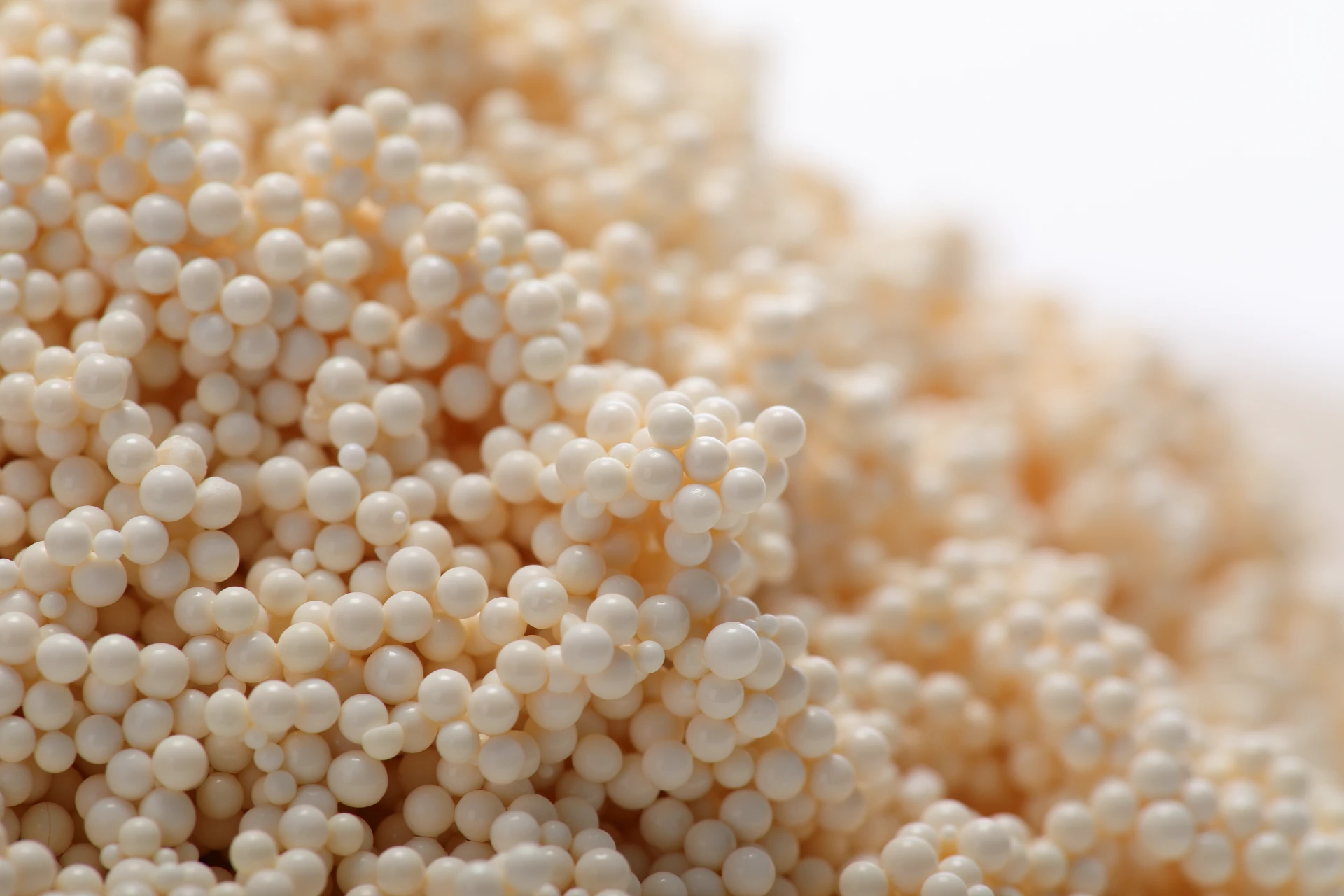
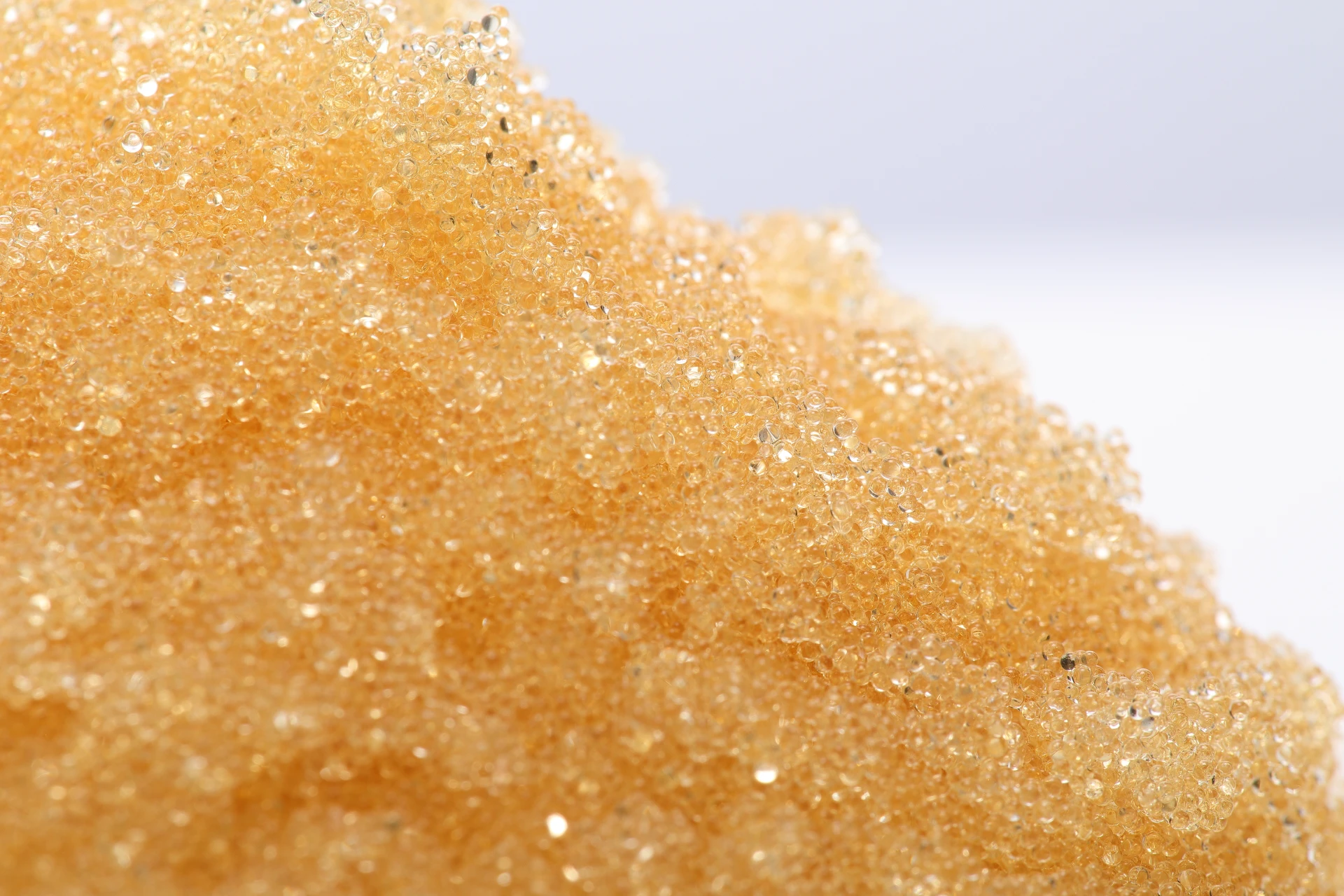
High-Performance chelating resin Solutions for Austria's Industrial Water Treatment

Providing advanced ion exchange technology to enhance purity and efficiency across Austria's chemical and pharmaceutical manufacturing sectors.

High-Performance chelating resin Solutions for Austria's Industrial Water Treatment

Specialized synthetic resin media designed to meet the rigorous European environmental standards and technical requirements of the Austrian manufacturing landscape.

The Current State of Resin Manufacturing in Austria

Analyzing the intersection of environmental regulations and industrial demand in Central Europe.

Austria's industrial sector is characterized by a strong commitment to "Green Chemistry" and strict adherence to EU water framework directives. The demand for high-quality ion exchange resin has surged as local factories in Vienna and Upper Austria seek to reduce wastewater toxicity and recover precious metals from industrial streams.

The Alpine region's unique hydrogeology often results in specific mineral compositions in the raw water supply. This requires the deployment of highly selective special resin grades that can target specific ions without compromising the throughput of the treatment system, ensuring that industrial processes remain uninterrupted.

Furthermore, the transition toward Circular Economy models in Austria has pushed the market beyond simple filtration. There is a growing reliance on bed resin technology that offers longer life cycles and lower regeneration frequency to minimize the chemical footprint of the regeneration process.
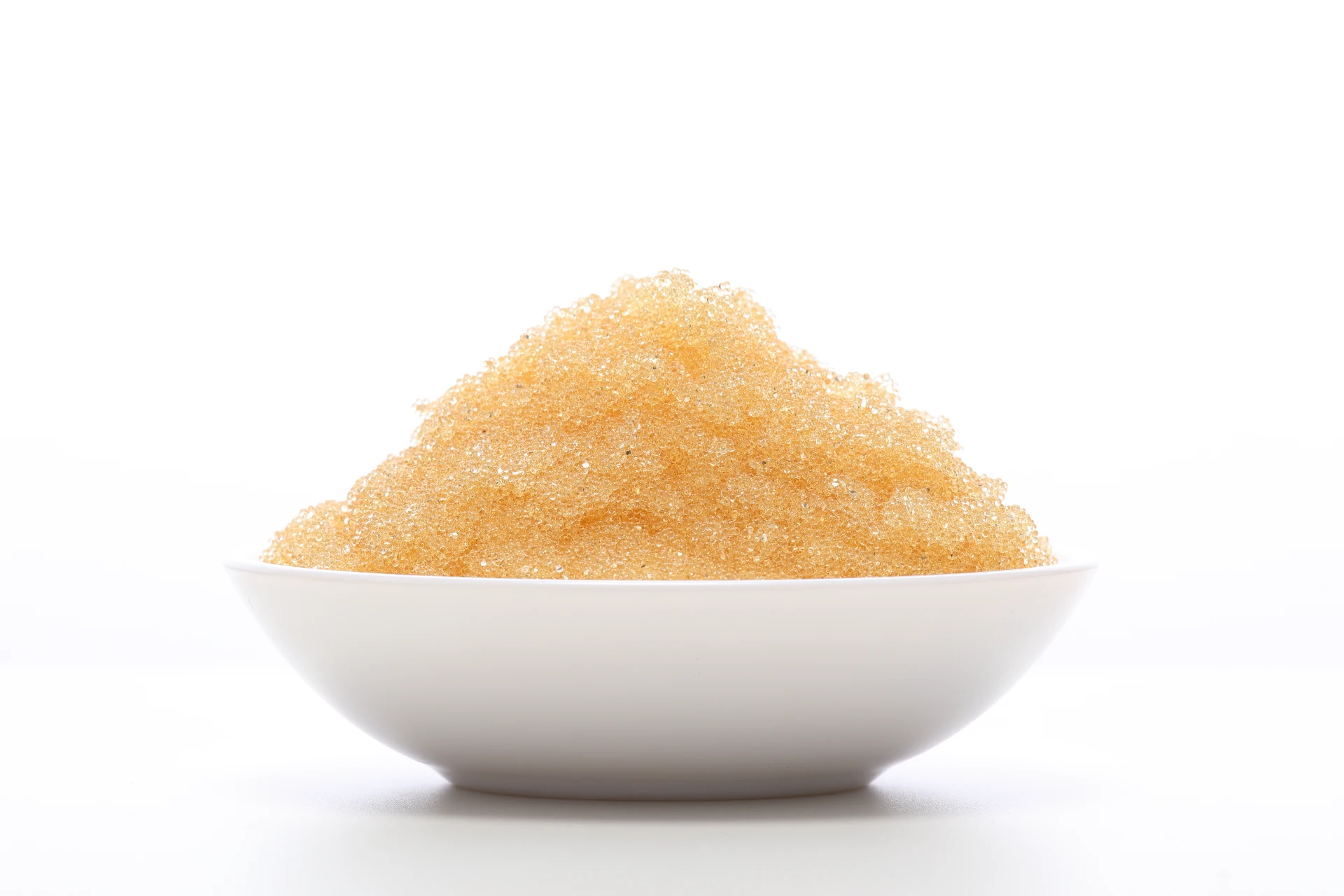
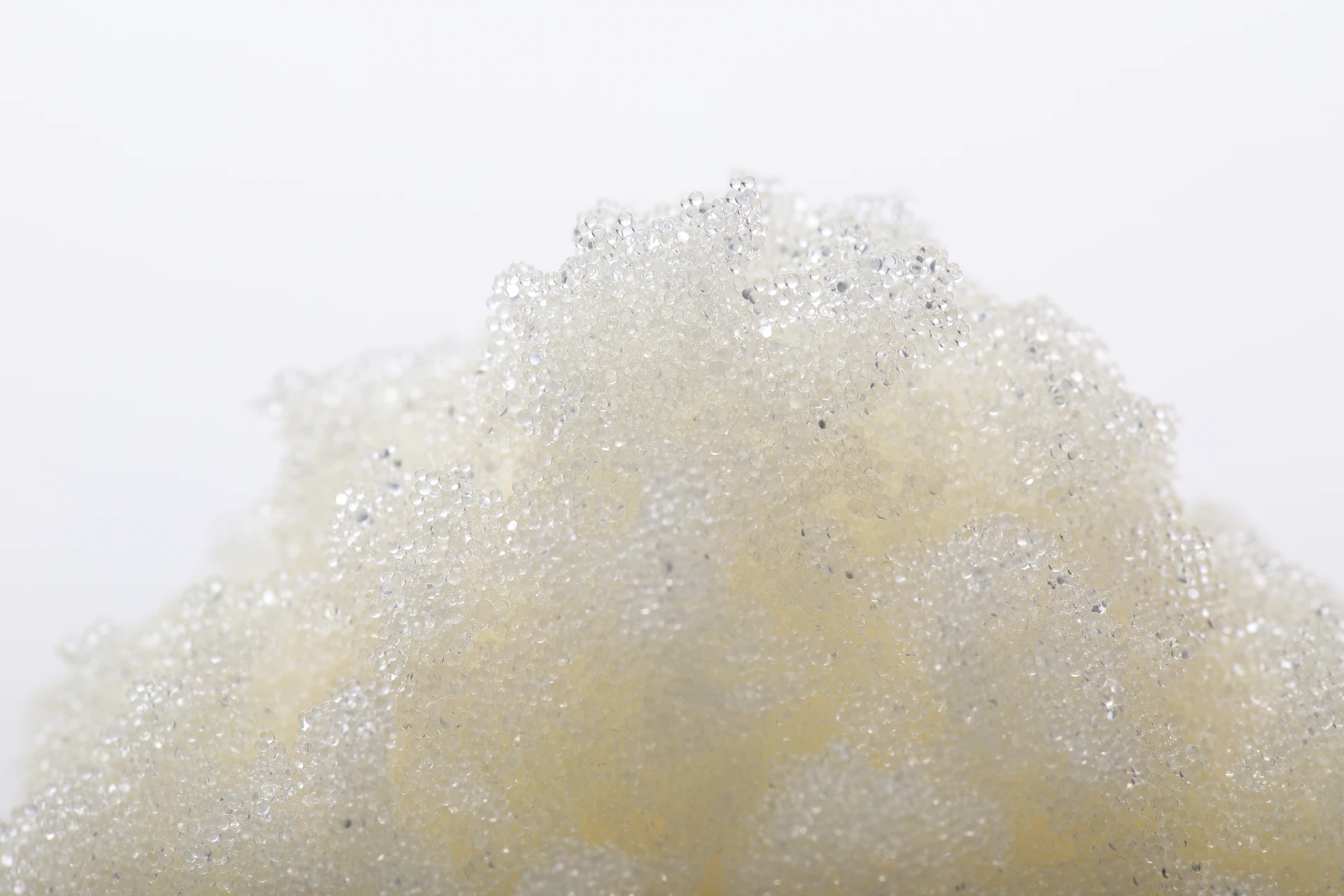
Evolution and Trajectory of Ion Exchange Technology

From basic softening to molecularly engineered selectivity.

Market Development History

In the late 20th century, the Austrian market relied primarily on standard strong acid and base resins for general water softening and basic demineralization. These early systems focused on bulk removal of hardness ions with limited selectivity.

By the 2010s, a technical shift occurred toward high-purity requirements, particularly for the expanding biotech and semiconductor hubs in Austria. This era saw the widespread adoption of mixed bed di resin to achieve ultra-low conductivity water, moving away from separate cation-anion stages.

From 2020 onwards, the focus has shifted to "Selective Extraction." The development of advanced functional groups has allowed for the precise removal of heavy metals and organic pollutants, aligning with the European Green Deal's zero-pollution ambition.

Future Development Trends

AI-Driven Regeneration Cycles

Integrating smart sensors with resin beds to optimize the timing of regeneration, reducing chemical waste by 15-20%.

Bio-based Polymer Matrices

The shift from petroleum-based polystyrene to sustainable, biodegradable matrices for specialized resin applications.

Ultra-High Selectivity for Rare Earths

Engineering resins specifically for the recovery of critical raw materials from industrial sludge to strengthen European resource independence.

Industry Trends and Future Outlook

Strategic directions for synthetic materials in the chemical manufacturing sector.

Zero Liquid Discharge (ZLD)
Implementing closed-loop systems where resin technology enables total water recovery.
Selective Metal Recovery
Using chelating resins to extract high-value metals from waste streams in the electronics industry.
Energy-Efficient Processing
Developing resins with lower pressure drop to reduce pumping energy in large-scale plants.
Custom-Tailored Ligands
Designing custom functional groups for niche chemical applications in Austrian pharma.

Industry Outlook

Based on Google Search trends for "Sustainable Water Treatment Europe," there is a clear shift toward the digitalization of chemical processes. The next 3-5 years will see a convergence of material science and IoT, where the resin performance is monitored in real-time to prevent breakthrough and ensure consistent water quality.

Austria's position as a hub for high-end engineering means that the future of the resin industry will not be about volume, but about "Precision Chemistry." The market will reward manufacturers who can provide resins that operate efficiently under extreme pH or temperature conditions.

Localized Application Scenarios in Austria

Practical implementations of resin technology in the Austrian industrial landscape.

01. Pharmaceutical Grade Water Production in Vienna

Utilizing mixed bed di resin to produce WFI (Water for Injection) that meets the strict European Pharmacopoeia standards, ensuring zero ionic contamination.

02. Heavy Metal Recovery in Styrian Mining

Applying high-selectivity resins to extract copper and nickel from wastewater streams in the Styria region, transforming environmental liability into economic assets.

03. Ultra-Pure Water for Semiconductor Fabrication

Deploying a multi-stage bed resin configuration to achieve 18.2 MΩ·cm resistivity for high-precision electronic component manufacturing.

04. Wastewater Treatment for Austrian Breweries

Implementing ion exchange systems to remove organic acids and salts, allowing breweries to recycle process water and reduce their intake from local Alpine springs.

05. Specialty Chemical Purification in Upper Austria

Using special resin for the catalytic purification of organic intermediates, reducing the need for energy-intensive distillation.

Brand Story

Global Development Journey of Hebei Lijian Biotech Co., Ltd.

Foundational Excellence

Established with a focus on material science, we began by solving basic water softening challenges with high-capacity resins.

Technical Diversification

We expanded our R&D to include chelating and specialty resins, targeting industrial pollutants and precious metal recovery.

European Market Expansion

Adapting our products to meet EU REACH and environmental standards, establishing a strong presence in Central Europe.

Innovation Breakthroughs

Developing next-generation resins that provide 30% higher selectivity, reducing chemical waste for our global clients.

Commitment to Sustainability

Our mission is now focused on the Circular Economy, providing the "chemical heart" for water recycling worldwide.

Comprehensive Resin Portfolio for the Austrian Market

A complete range of synthetic materials tailored for European industrial specifications.

Frequently Asked Questions for Austrian Industrial Users

Technical insights and operational guidance for ion exchange systems.

How do I choose the right chelating resin for heavy metal removal?

Selection depends on the target metal (e.g., Cu, Ni, Zn) and the background ions. We recommend a water analysis to determine the correct functional group for maximum selectivity.

What is the typical lifespan of a mixed bed di resin in pharmaceutical applications?

Lifespan varies by water quality, but typically ranges from 2 to 5 years. Regular regeneration and monitoring of conductivity are key to longevity.

Are your special resin products compliant with EU REACH regulations?

Yes, all our products exported to Austria and the EU are fully compliant with REACH and other European chemical safety standards.

How can I optimize the regeneration of my bed resin to reduce chemical costs?

Optimizing the regenerant concentration and flow rate, along with implementing counter-current regeneration, can significantly reduce chemical consumption.

Can ion exchange resin be used for organic pollutant removal in industrial wastewater?

Yes, specialized macroporous resins can be used for organic scavenging, though they often require specific solvent regeneration cycles.

What are the signs that my resin bed needs replacement?

Signs include increased pressure drop across the vessel, faster breakthrough times, and a decline in treated water quality despite proper regeneration.

Get Expert Consultation Today

Contact our technical team for customized resin solutions tailored to the specific industrial requirements of Austria.

Contact Us Now

If you are interested in our products, you can choose to leave your information here, and we will be in touch with you shortly.