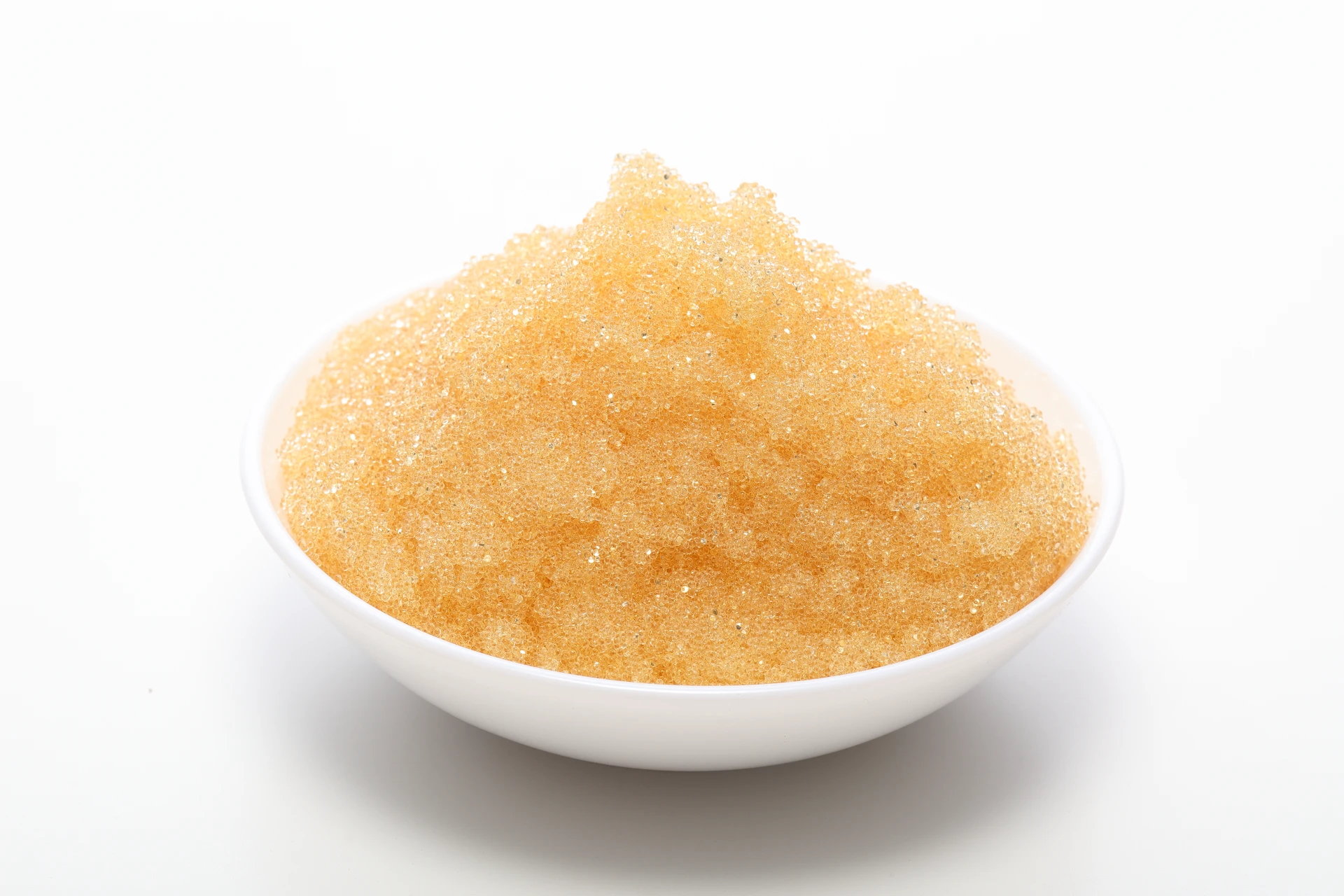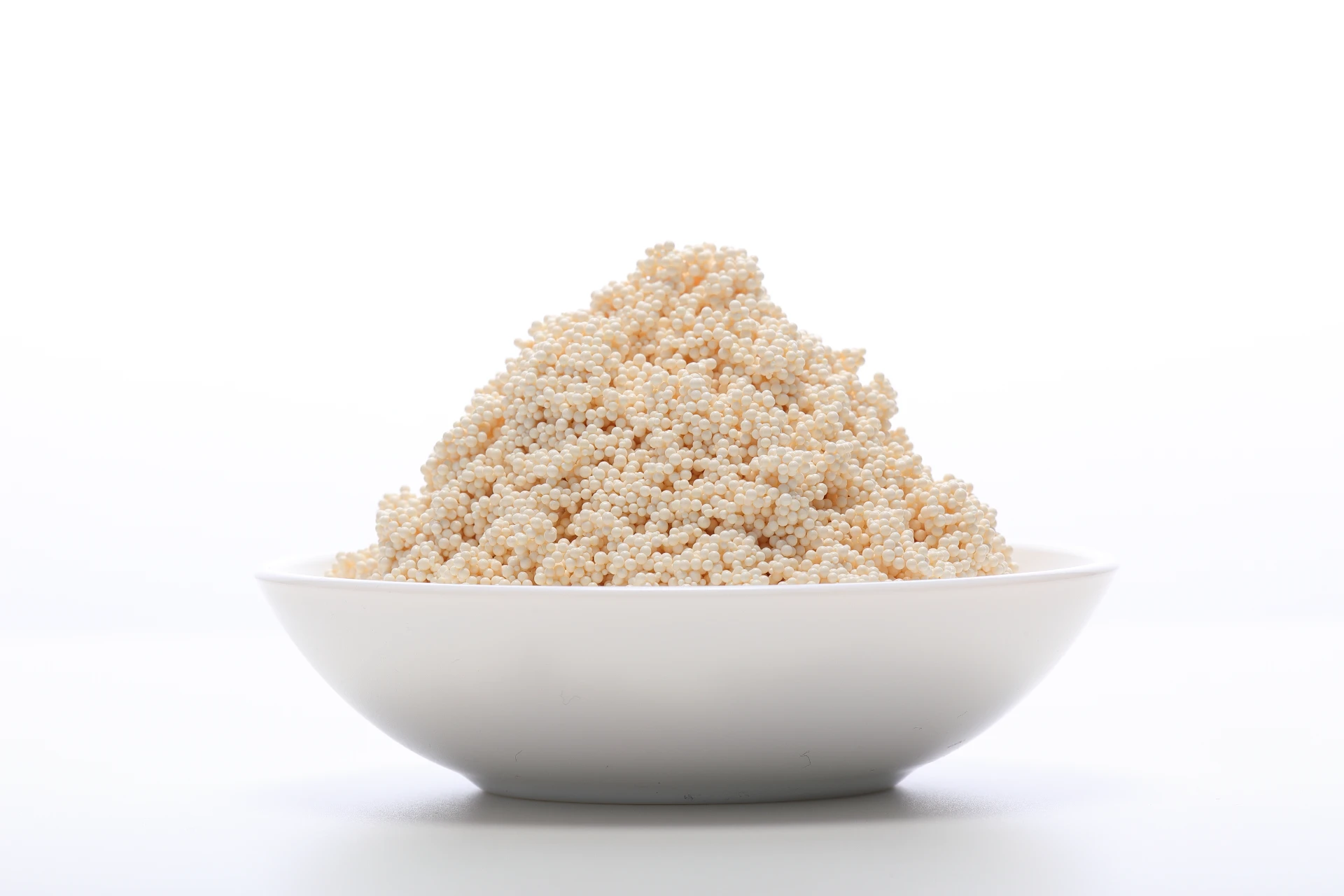



In Canada, the application of ion exchange resin is heavily influenced by the country's vast mining operations and stringent federal water quality guidelines. From the oil sands of Alberta to the hydroelectric hubs of Quebec, industries require resins that can withstand significant temperature fluctuations and process the unique mineral profiles of Canadian groundwater.
The Canadian market is currently shifting toward higher selectivity. There is a growing demand for special resin capable of targeting specific contaminants like arsenic or uranium, which are prevalent in certain geological regions of the North. This demand is driven by the necessity to comply with the Canadian Environmental Protection Act (CEPA).
Furthermore, the adoption of bed resin systems is evolving to integrate more automated regeneration cycles. This shift reduces chemical waste and operational costs, aligning with Canada's national goal of achieving a circular economy within the chemical manufacturing sector.