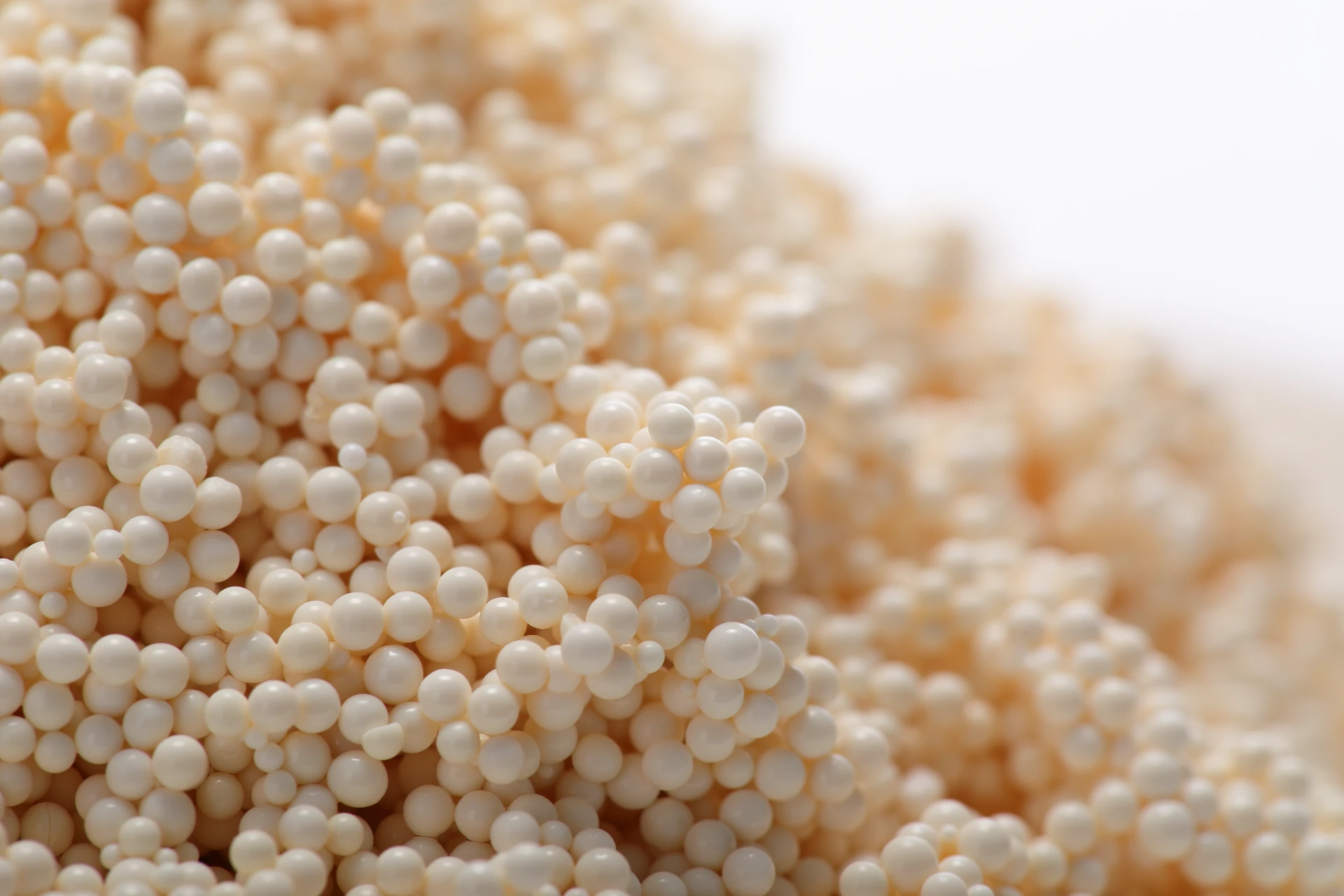
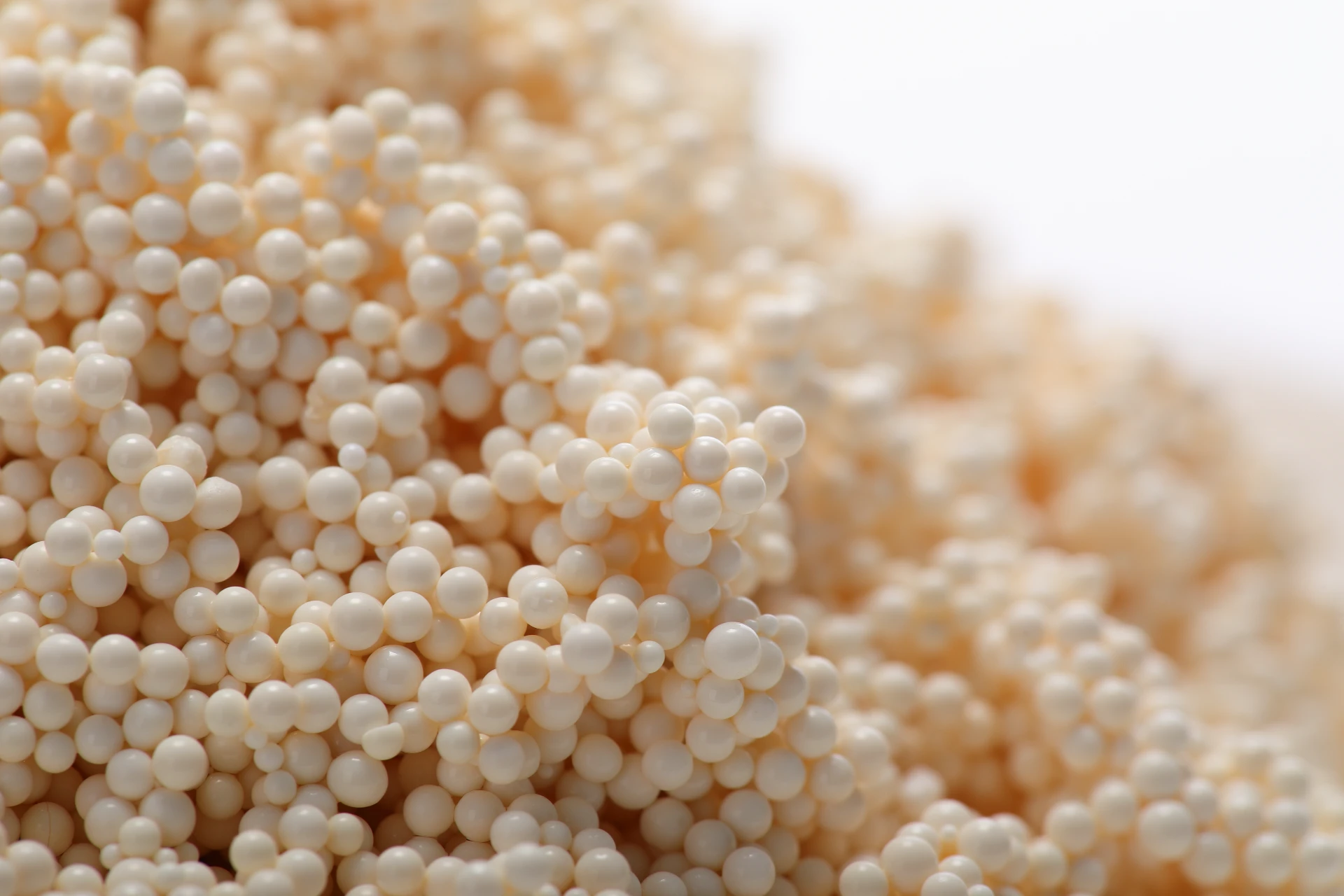
High-Performance Chelating Resin Solutions for Indian Industrial Water Treatment

Advanced synthetic materials engineered to meet the rigorous demands of India's chemical and metallurgical sectors, ensuring superior purity and resource recovery.

High-Performance Chelating Resin Solutions for Indian Industrial Water Treatment

Providing the Indian manufacturing landscape with cutting-edge ion exchange resin technology to optimize wastewater treatment and specialty chemical production.

Industrial Water Landscape in India

Analyzing the demand for advanced separation materials in the South Asian hub.

India's rapid industrialization, particularly in the chemical belts of Gujarat and Maharashtra, has led to an unprecedented demand for high-capacity bed resin systems. The diversity of groundwater chemistry across the subcontinent requires highly adaptable materials to handle varying levels of hardness and contamination.

Strict environmental regulations imposed by the Central Pollution Control Board (CPCB) are forcing manufacturers to shift from traditional precipitation methods to more precise special resin applications. This transition is critical for achieving "Zero Liquid Discharge" (ZLD) goals in water-stressed regions.

Moreover, the rise of the pharmaceutical and electronics sectors in cities like Bengaluru and Hyderabad has created a surge in demand for ultra-pure water, making the implementation of mixed bed di resin critical for high-conductivity water removal.
Evolution of Resin Technology in India

From basic softening to selective molecular separation.

Market Development History

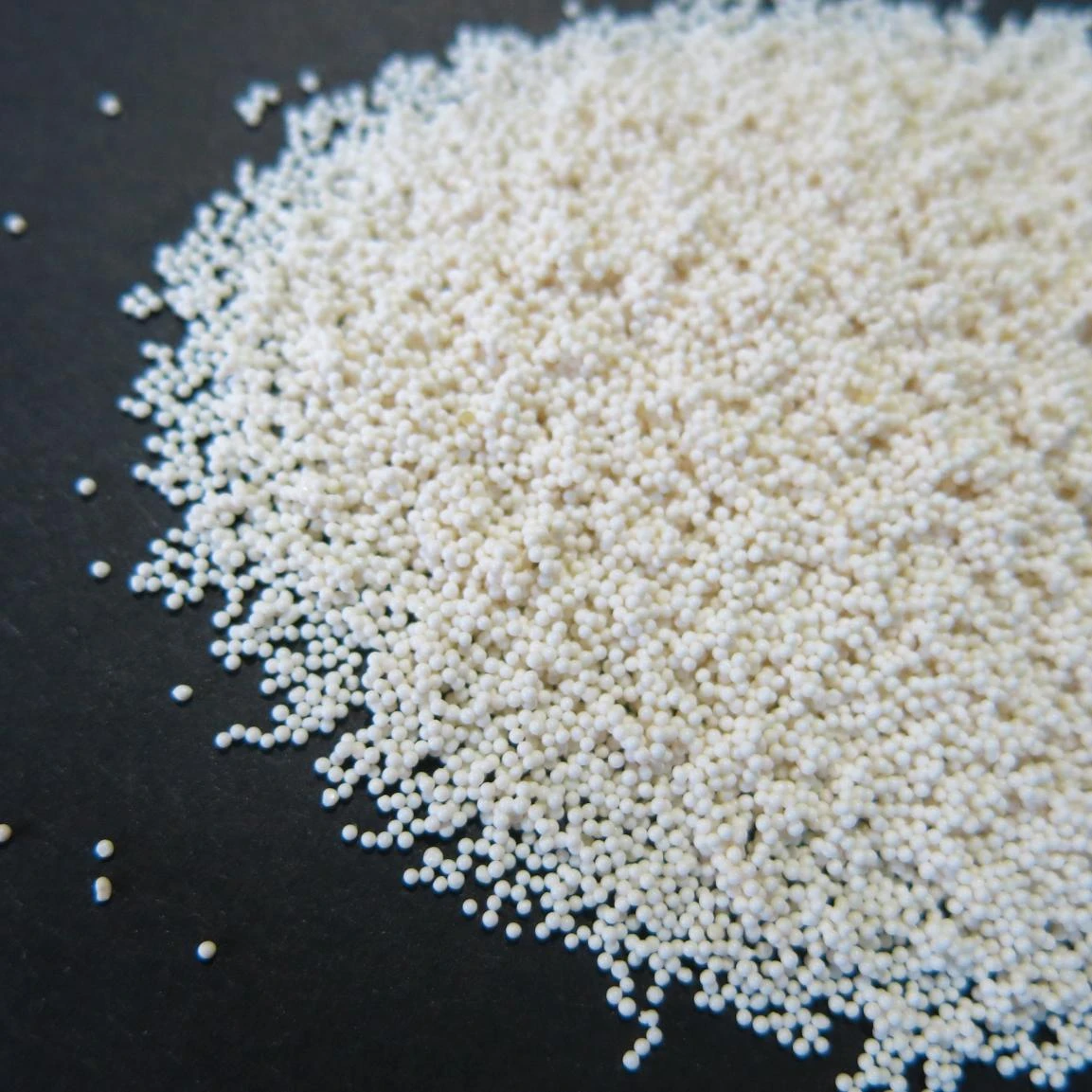
In the 1990s, the Indian market relied heavily on basic strong acid and base resins for simple water softening, primarily focusing on capacity over selectivity.

By 2010, the focus shifted toward efficiency and longevity. The introduction of more stable polymer matrices allowed for higher regeneration frequencies and better resistance to the osmotic shocks common in heavy industrial cycles.

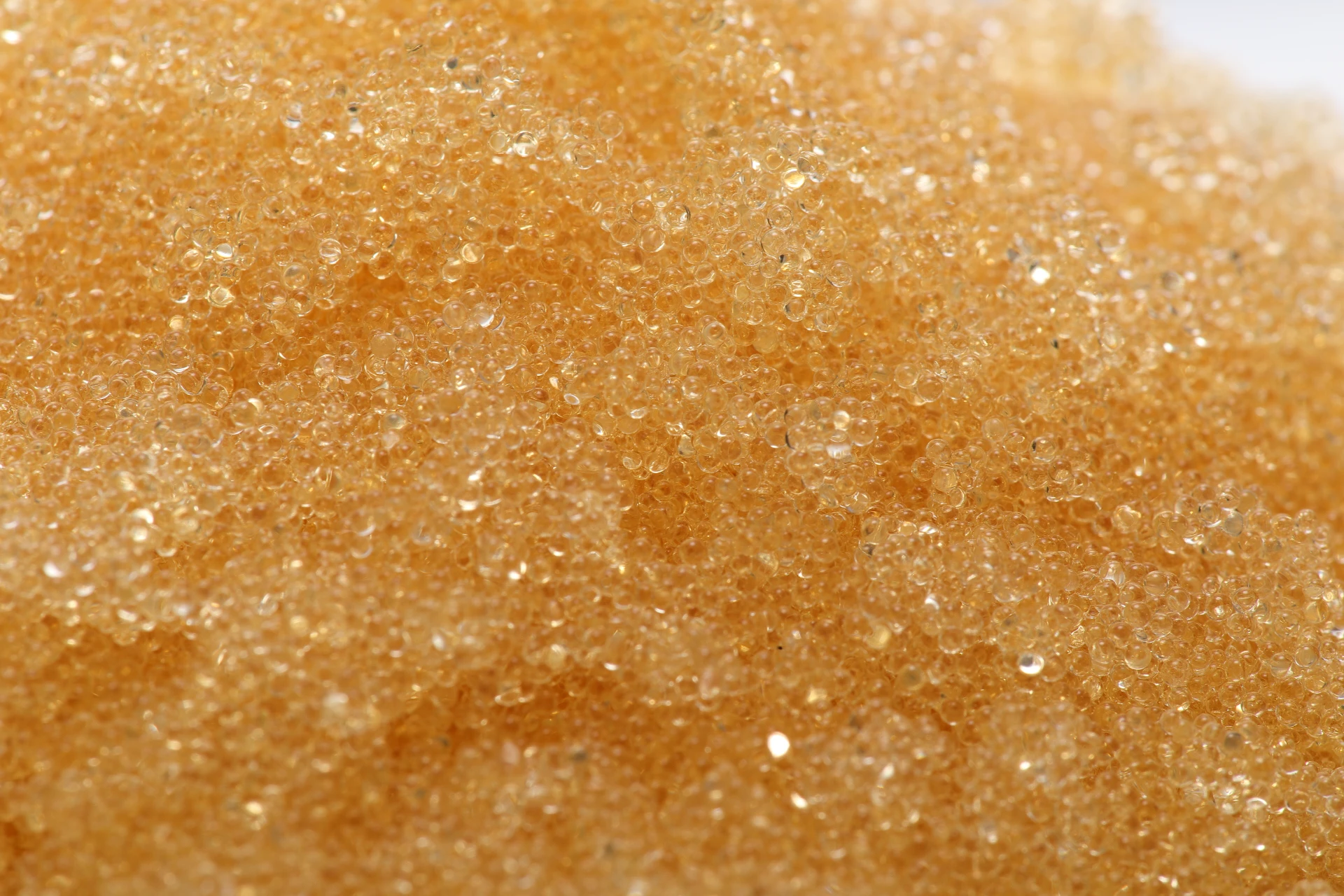
From 2020 onwards, there has been a decisive move toward selectivity. The adoption of sophisticated chelating resin technology has enabled the selective recovery of precious metals and the removal of specific toxic heavy metals from complex industrial effluents.

Future Development Trends

AI-Driven Regeneration Cycles

Integration of smart sensors to optimize the regeneration timing of resins, reducing chemical waste by up to 20%.

Bio-based Polymer Matrices

Development of sustainable, eco-friendly resins to reduce the carbon footprint of the synthetic materials manufacturing process.

Hyper-Selective Ligands

Engineering of resins with targeted functional groups for ultra-trace contaminant removal in semiconductor-grade water.

Industry Outlook & Future Strategic Directions

Navigating the next era of ion exchange materials in India.

Circular Economy Integration
Shifting toward resin systems that facilitate the recovery of valuable catalysts from industrial waste streams.
ZLD Compliance Acceleration
Increasing demand for high-stability resins that can withstand extreme brines in Zero Liquid Discharge plants.
Ultra-Pure Water (UPW) Demand
Expansion of the semiconductor and pharma sectors driving the need for specialized mixed-bed polishing.
Modular Resin Systems
Shift toward prefabricated, scalable resin modules for faster deployment in SMEs across India.

Industry Outlook

Based on search trends and industrial growth data in South Asia, the demand for high-selectivity special resin is expected to grow by 8% CAGR over the next five years. This is driven by the "Make in India" initiative, which encourages domestic chemical production.

We anticipate a move toward integrated water-energy-resource recovery hubs, where ion exchange materials will play a central role in capturing lithium and other rare earth elements from industrial tailings.

Localized Application Scenarios in India

Practical implementations across diverse Indian industrial sectors.

01. Textile Effluent Treatment in Tirupur

Implementing high-capacity chelating agents to remove heavy metal dyes and salts from textile wastewater, allowing for the recycling of process water in water-scarce Tamil Nadu.

02. Pharmaceutical Pure Water in Hyderabad

Utilizing mixed bed di resin to produce USP-grade purified water required for API manufacturing, ensuring zero ionic contamination.

03. Power Plant Demineralization in Chhattisgarh

Large-scale installation of bed resin systems for boiler feed water treatment to prevent scale formation in high-pressure thermal power plants.

04. Rare Metal Recovery in Odisha Mining

Applying specialized resins to capture valuable minerals from leaching solutions, enhancing the yield of rare earth elements in the mining sector.

05. Beverage Bottling Plants in Punjab

Deploying softening and polishing resins to standardize raw groundwater quality, ensuring consistent taste and quality for the beverage industry.

Brand Story

Global Development History of Hebei Lijian Biological Technology Co., Ltd.

Foundation and Core Vision

Established with a mission to solve the most complex separation challenges, we began by focusing on high-purity polymer synthesis.

Technological Breakthroughs

Developed a proprietary cross-linking process that significantly increased the physical stability of resins in extreme pH environments.

Global Market Expansion

Expanded our footprint into the Asian market, tailoring our product lines to meet the specific groundwater profiles of India and Southeast Asia.

Sustainable Innovation

Launched a series of biodegradable resin supports to address the growing environmental concern regarding microplastic waste in industrial filtration.

Industry Leadership

Now recognized as a premier provider of selective ion exchange materials, helping thousands of factories achieve carbon neutrality and water efficiency.

Comprehensive Resin Portfolio for the Indian Market

A complete range of solutions from general softening to ultra-selective recovery.

Frequently Asked Questions in India

Expert answers to common technical challenges faced by local engineers.

How to choose the right ion exchange resin for high-salinity groundwater in India?

For high-salinity water, we recommend resins with higher cross-linking density to prevent swelling and degradation, ensuring longer life cycles and stable pressure drops.

What is the regeneration frequency for mixed bed di resin in pharma applications?

Regeneration frequency depends on the influent conductivity; however, our high-capacity resins typically extend the interval by 15-20% compared to standard grades.

Can chelating resin effectively remove heavy metals from textile dyes?

Yes, our chelating resins are specifically designed with iminodiacetic acid groups that have a high affinity for divalent metal ions, even in the presence of high sodium concentrations.

How does a special resin handle organic fouling in industrial wastewater?

Our specialized macroporous resins provide a larger surface area and better kinetics, making them easier to clean with alkaline brine solutions to restore capacity.

What is the best way to maintain bed resin stability in high-temperature environments?

We suggest using thermally stable acrylic or polystyrene matrices designed for high-temperature operation, which prevent the desulfonation of the resin beads.

Are there specific resins for Zero Liquid Discharge (ZLD) systems in India?

Absolutely. We provide high-osmotic shock resistant resins that can handle the rapid transitions between concentrated brines and dilute regenerants common in ZLD plants.

Consult Our Resin Experts

Get a customized technical proposal for your water treatment project in India. Our engineers are ready to optimize your process.

Contact Us Now

If you are interested in our products, you can choose to leave your information here, and we will be in touch with you shortly.