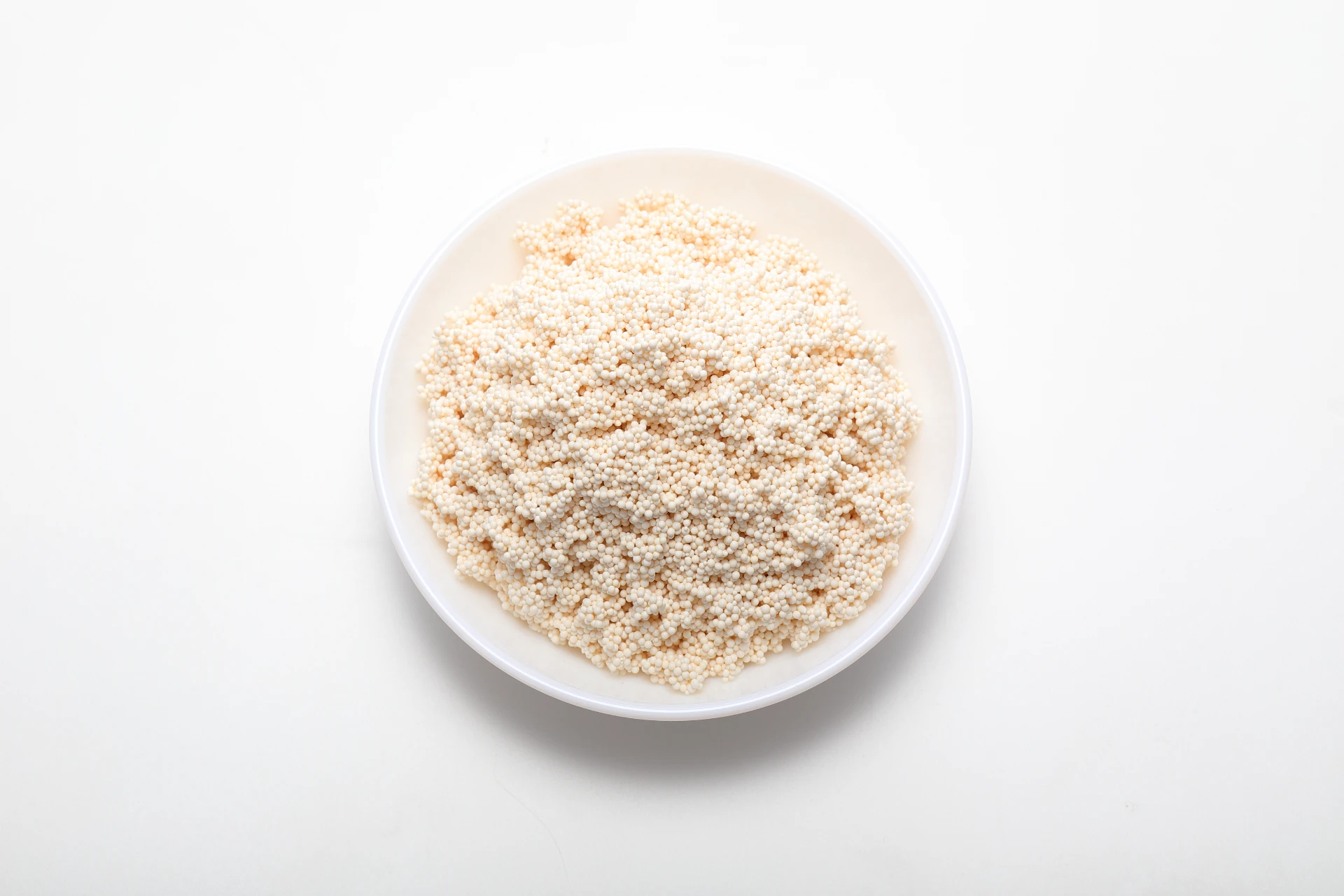
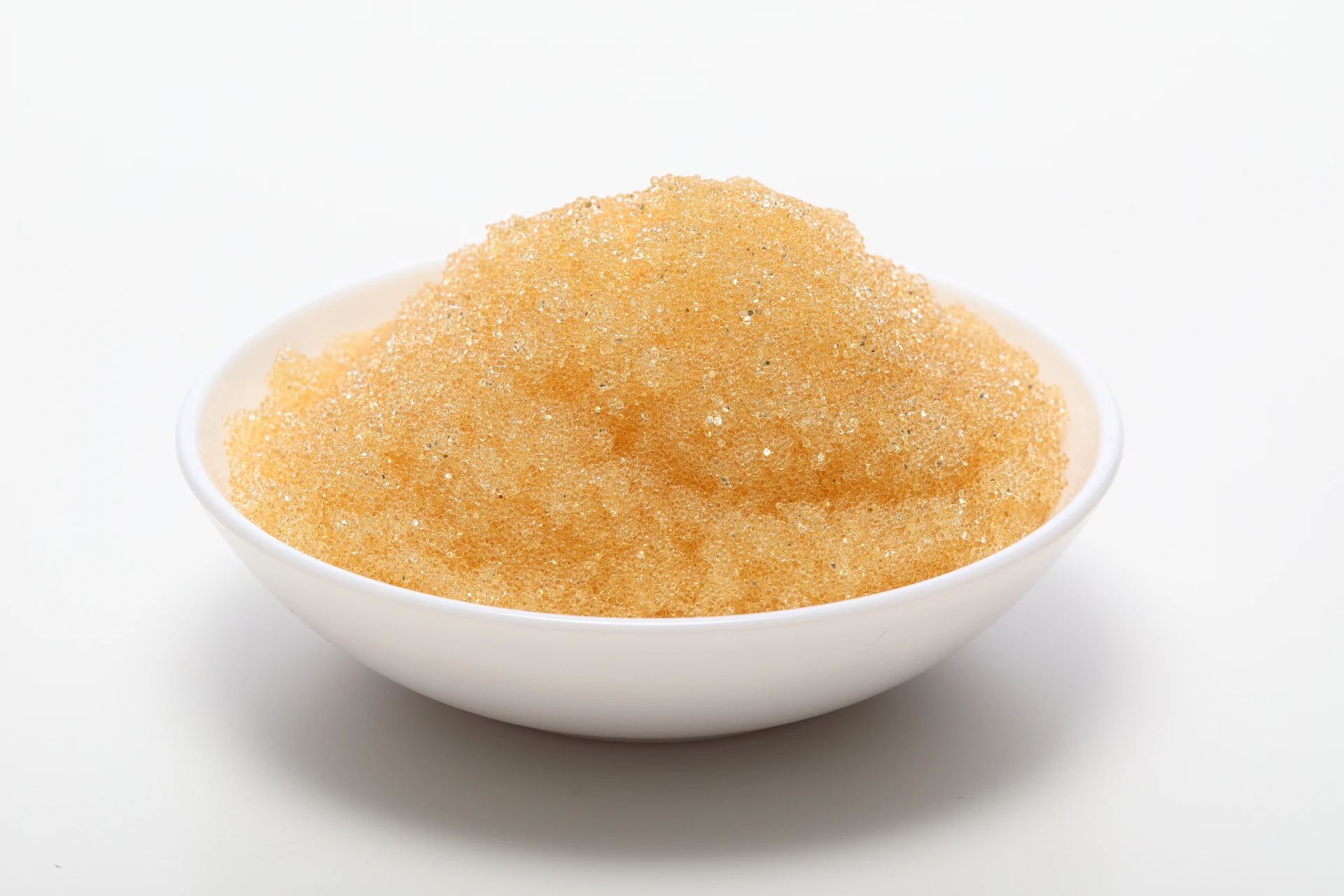
High-Performance chelating resin Solutions for Iran Industrial Water Treatment

Advanced ion exchange technologies tailored for the unique mineral profiles and industrial demands of the Iranian market, ensuring superior purity and operational efficiency.

High-Performance chelating resin Solutions for Iran Industrial Water Treatment

Providing world-class synthetic materials to solve complex water hardness and heavy metal contamination challenges across Iran's manufacturing and energy sectors.

Current Landscape of Ion Exchange Technology in Iran

Analyzing the intersection of geological challenges and industrial resin application in the Iranian plateau.

Iran's industrial sector faces significant challenges due to high salinity and complex mineral compositions in its groundwater. The widespread use of ion exchange resin is critical for the petrochemical and power generation plants in regions like Mahshahr and Assaluyeh, where water desalination and purification are paramount.

Economically, the market is shifting from basic softening to specialized purification. There is an increasing demand for special resin capable of operating under high-temperature conditions and resisting organic fouling, which is common in Iran's oil-heavy industrial wastewater.

Furthermore, the scarcity of fresh water in central Iran has pushed local manufacturers to optimize their regeneration cycles. The adoption of high-capacity bed resin systems has become a strategic necessity to reduce chemical consumption and environmental impact.
Evolution and Trajectory of Resin Synthesis in Iran

From traditional softening to high-precision molecular separation.

Market Development History

In the late 20th century, the Iranian market relied heavily on basic strong acid cation resins for simple water softening. The primary focus was on removing calcium and magnesium to prevent scaling in boilers.

Between 2000 and 2015, the industrialization of the petrochemical sector led to the introduction of mixed bed di resin technologies. This era marked a transition toward producing ultra-pure water required for high-pressure steam generators.

Since 2016, the focus has shifted toward selective separation. The integration of sophisticated chelating resin has allowed industries to target specific heavy metals and rare elements, improving waste recovery and effluent quality.

Future Development Trends

Smart Regeneration Cycles

Integration of IoT sensors with resin beds to determine the exact moment of exhaustion, reducing chemical waste by 15-20%.

High-Temperature Stability

Development of resins that can withstand temperatures exceeding 120°C for direct application in geothermal and heavy chemical processing.

Eco-Friendly Matrix Materials

A shift toward biodegradable or recyclable polymer matrices to align with global green chemistry standards.

Industrial Trends and Future Outlook

Strategic forecasting for the synthetic resin industry in the Middle East.

Selective Ion Capture
Increasing demand for resins that selectively remove toxic ions from complex brine solutions.
Water Zero Discharge
Implementation of resin systems that enable 100% water recycling in petrochemical plants.
Hybrid Material Integration
Combining resin technology with membrane filtration for multi-stage ultra-purification.
Circular Economy Adoption
Focus on the regeneration and reuse of spent resins to minimize industrial waste.

Industry Outlook

Based on search trends, the demand for specialized water treatment materials in Asia is shifting toward high-efficiency resins. In Iran, we expect a 12% annual growth in the adoption of advanced resins due to the national "Water Security Plan."

The future will be dominated by resins that offer higher selectivity and longer lifespans, reducing the total cost of ownership for Iranian industrial operators who struggle with logistics and chemical import constraints.

Localized Applications Across Iran

Real-world implementation of ion exchange materials in the Iranian industrial landscape.

01. Petrochemical Wastewater Treatment

Using chelating resins to remove heavy metal catalysts from process water in the Bandar Imam petrochemical complex.

02. Power Plant Boiler Feedwater

Implementation of mixed bed DI resins to achieve the ultra-low conductivity required for high-voltage power stations in Tehran.

03. Mining Water De-mineralization

Application of specialized bed resins to treat copper mining runoff in the Kerman province, ensuring environmental compliance.

04. Pharmaceutical Pure Water Production

Utilizing a combination of ion exchange resins to produce USP-grade water for pharmaceutical manufacturing in Isfahan.

05. Agricultural Desalination

Deploying resins to remove boron and sodium from irrigation water in arid regions of Central Iran to improve crop yield.

Brand Story

Global Development History of Hebei Lijiang Biotech Co., Ltd.

The Visionary Beginning

Founded with a mission to solve global water purity crises through advanced polymer science and sustainable manufacturing.

Technological Breakthroughs

Pioneered a unique cross-linking method that increased the longevity of industrial resins by 30% compared to traditional methods.

Expanding into Asia

Established strong logistics and technical support networks to serve the high-demand markets of the Middle East and Central Asia.

Quality Certification

Achieved international ISO and food-grade certifications, allowing our resins to enter the most stringent pharmaceutical markets.

Future Commitment

Continuing to develop low-regeneration resins to minimize the chemical footprint of industrial water treatment worldwide.

Comprehensive Resin Portfolio for Iran

A full suite of synthetic materials designed to handle the most challenging water chemistry in Asia.

Frequently Asked Questions for the Iranian Market

Expert answers to common technical queries regarding resin application in Iran.

Which ion exchange resin is best for high-salinity water in southern Iran?

For high-salinity regions like the Persian Gulf coast, we recommend high-crosslinked resins that offer better osmotic shock resistance and higher selectivity.

How does chelating resin differ from standard softening resins?

Unlike standard resins, chelating resins have specialized functional groups that allow them to selectively bind to heavy metals (like Cu, Ni, Zn) even in the presence of high calcium concentrations.

What is the optimal regeneration frequency for mixed bed di resin in power plants?

Regeneration depends on the feed water quality, but typically, mixed bed systems are regenerated when effluent conductivity exceeds 0.1 µS/cm.

Can special resin handle oil contamination in petrochemical wastewater?

Yes, our specialized macroporous resins are designed to resist organic fouling, making them ideal for treating water with trace oil concentrations.

How to extend the life of a bed resin system in arid climates?

Implementing rigorous pre-filtration and ensuring proper backwash cycles to remove suspended solids is key to preventing resin compaction and fouling.

Are these resins compatible with standard Iranian industrial equipment?

Absolutely. Our products are manufactured to global standards and are fully compatible with all standard FRP and steel pressure vessels used in Iran.

Ready to Optimize Your Water Treatment?

Our technical engineers are ready to provide customized resin calculations and logistics support for your projects in Iran.

Contact Us Now

If you are interested in our products, you can choose to leave your information here, and we will be in touch with you shortly.